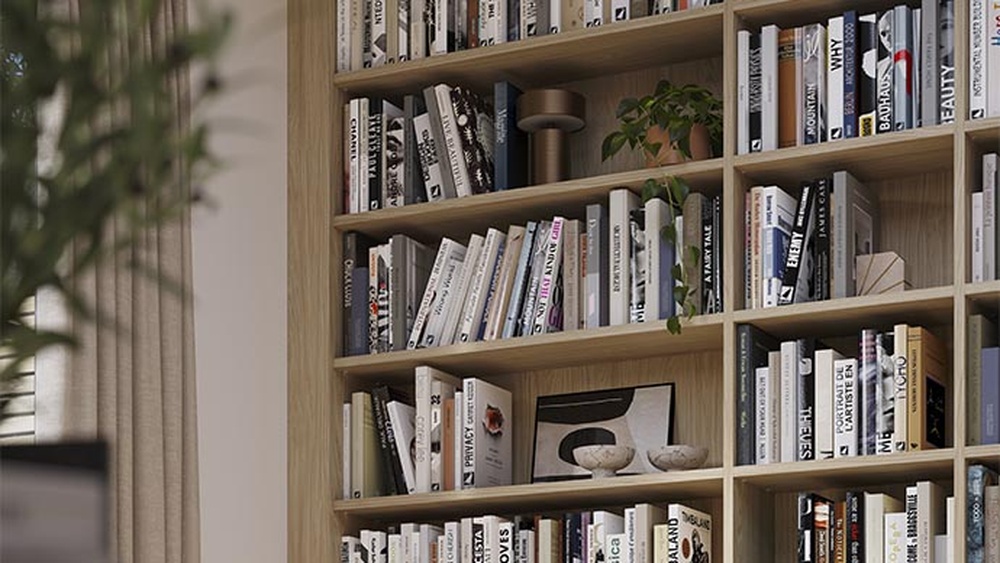
How To Style Bookcase
A beautifully styled bookcase is more than just a place to store your books, it’s a focal point of your living space, a reflection of your personality, and an opportunity to infuse your home with both function and flair. Whether your shelves are built-in or freestanding, open or enclosed, the way you arrange and decorate them can transform a plain wall into a dynamic visual story.
With the right approach, a bookcase becomes an evolving display of your interests, travels, and style evolution.
Styling a bookcase can feel overwhelming with the array of choices, from color schemes to object selection and layout strategies. But with a thoughtful plan and a few expert techniques, anyone can achieve a magazine-worthy display. This comprehensive guide will walk you through every step, from foundational design principles to pro-level finishing touches, ensuring your bookcase is both practical and visually stunning.
Key Takeaways
- Balance and variety are essential for visually appealing bookcase styling.
- Mixing books, decor, and art creates interest and prevents monotony.
- Color, spacing, and symmetry play key roles in shelf design.
- Real-world examples and data-driven tips help tailor your bookcase to your space.
- Regularly refreshing your shelves keeps your bookcase dynamic and engaging.
Understanding The Foundations Of Bookcase Styling
Before arranging your shelves, it’s crucial to understand the core principles that create a cohesive, attractive display. Styling a bookcase isn’t just about what you put on it, it’s about how you combine elements for harmony and function.
The Importance Of Balance And Proportion
A well-styled bookcase achieves visual balance, meaning no single area feels heavier or emptier than another. Grouping objects in odd numbers (especially threes and fives) is a classic design trick, as it feels more organic and less forced than even-numbered groupings. Varying the heights and shapes of items adds rhythm and prevents a flat look.
Pro Tip: Step back after placing each group to assess the overall symmetry. If one shelf feels “off,” try swapping items between levels for better distribution.
Functionality Vs. Aesthetics
While it’s tempting to focus solely on appearance, a bookcase should still be practical. Consider who uses the shelves and what you need to store. For active readers, easy access to favorite books is key. For collectors, display space for treasured items is a must.
- For family rooms: Mix books with baskets for toys or games.
- In home offices: Prioritize reference materials but add greenery or framed art to soften the look.
- In entryways: Combine decorative bowls for keys with coffee table books.
Color Theory And Shelf Styling
Color can unify a collection of disparate objects. You can create a soothing effect by sticking to a neutral palette, or energize a room with vibrant hues. Some designers arrange books by the color of their spines (“rainbow shelves”), while others prefer a more organic mix.
A recent trend (seen in high-end design magazines) is to turn book spines inward for a uniform, neutral look, though this can make finding a specific title difficult.
Example: In my experience, arranging books by color in a client’s living room made the entire space feel brighter and more intentional, especially when echoed by matching accessories on nearby shelves.
Negative Space: Why Less Is More
A common mistake is overfilling shelves. Negative space, the empty areas between objects, gives the eye a place to rest and helps highlight favorite pieces. Aim for about 20-30% of each shelf to remain open.
Example: In a recent project, leaving one shelf nearly empty except for a sculptural vase drew attention to both the vase and the books around it, creating a curated gallery feel.
Choosing The Right Items: Books, Decor, And More
The best-styled bookcases combine books, personal mementos, art, and decorative objects. Each type of item serves a different purpose and adds unique texture to your display.
Books: The Heart Of The Shelf
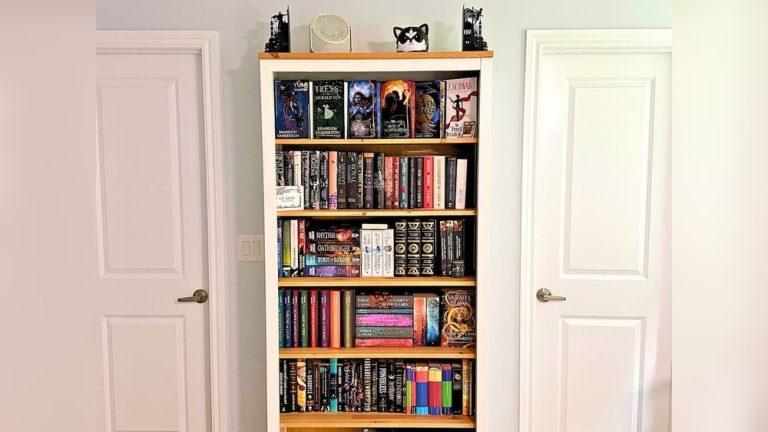
Books are the backbone of any bookcase, but how you arrange them makes a world of difference. Stack vertically, horizontally, or even in alternating patterns for interest.
Book Arrangement Ideas:
- Vertical rows for a traditional library look.
- Horizontal stacks interspersed between vertical rows to break up lines.
- Leaning books against bookends or art pieces for a relaxed vibe.
- Face-out display for especially beautiful covers or art books.
Decorative Objects
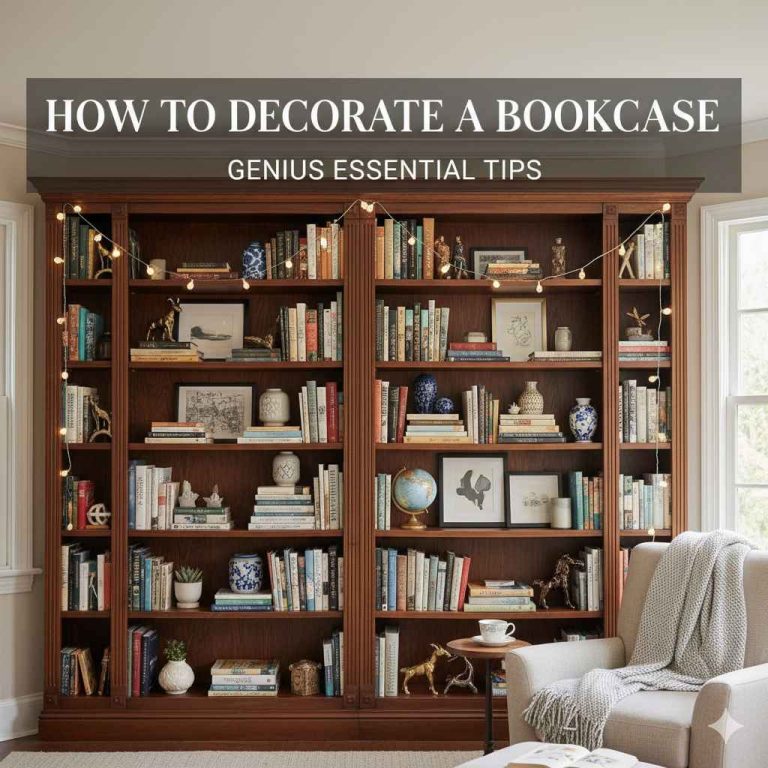
Decorative accents, like vases, sculptures, and ceramics, add depth and personality. Choose objects in various heights and materials (glass, wood, metal) for contrast.
Popular decorative items:
- Small potted plants (real or faux)
- Candle holders
- Picture frames
- Unique souvenirs
Pro Tip: Group similar items together for cohesion, such as three glass vases in different shades.
Art And Framed Photos
Leaning framed artwork or photos against the back of the shelf introduces dimension and tells your story. Layer smaller pieces in front of larger ones for a dynamic effect.
- Use family photos sparingly to avoid a cluttered look.
- Mix in abstract or landscape art for variety.
Storage Baskets And Boxes
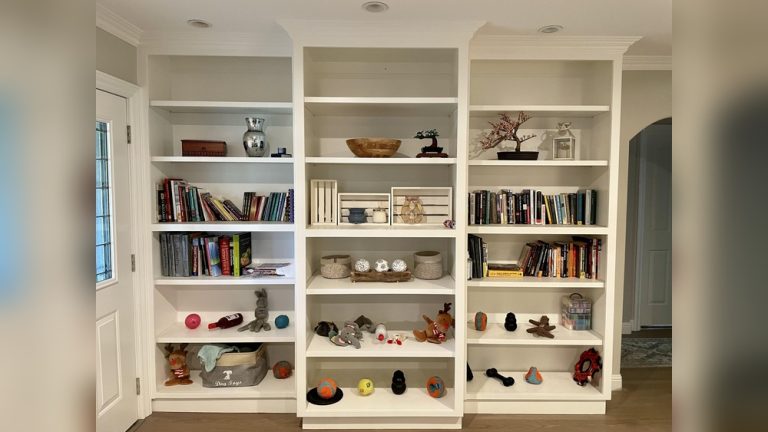
Baskets and boxes are both decorative and functional, hiding less attractive items (like cords, chargers, or remote controls) while adding texture.
Materials to try:
- Woven baskets for warmth
- Sleek boxes for a modern touch
- Vintage crates for a rustic accent
Plants And Greenery
Adding a touch of green brings life to your shelves. Choose easy-care varieties like pothos, succulents, or air plants.
Example: When I tested snake plants on a low-light bookshelf, they thrived and required minimal upkeep, making them ideal for busy homeowners.
Comparison Table: Bookcase Styling Essentials
| Item Type | Purpose | Best Placement | Styling Tip |
|---|---|---|---|
| Books | Main visual anchor | Center, ends, or staggered | Mix vertical and horizontal |
| Decorative Objects | Add variety and texture | Next to or atop book stacks | Group in odd numbers |
| Art/Photos | Personalization, depth | Leaning against back panel | Layer behind smaller items |
| Baskets/Boxes | Hidden storage | Lower shelves | Coordinate materials/colors |
| Plants | Freshness, color | Ends or between stacks | Vary heights and pot styles |
Arranging Your Bookcase: Step-by-step Strategies
Step 1: Start With The Largest Items
Begin by placing the largest or tallest objects first, these anchor the display and provide structure. This might be a tall vase, a large art piece, or a stack of oversized books.
- Place large items at the ends or in the center for balance.
- Use big decorative boxes or baskets on lower shelves for stability.
Step 2: Layer In Books
Next, add your books. Alternate between vertical and horizontal stacks to keep the eye moving. Horizontal stacks can also act as pedestals for smaller objects.
- Arrange by color, size, or theme based on your preference.
- Break up long rows of books with decorative bookends or small sculptures.
Step 3: Fill Gaps With Medium-sized Decor
Add medium-sized decorative objects in the spaces between your anchor items and book groupings. This could be a framed photo, a small clock, or a unique collectible.
- Place items off-center for an organic feel.
- Layer objects so some are in front of others, creating depth.
Step 4: Add Small Objects And Greenery
Finish by tucking in smaller pieces, like candles, tiny vases, or miniature plants, wherever gaps remain. These add detail and prevent the display from feeling sparse.
Pro Tip: Use small trays or shallow bowls to corral tiny items and keep the shelf tidy.
Step 5: Step Back And Edit
Once everything is in place, step back and survey the whole bookcase. Remove anything that feels out of place, overbearing, or redundant. Editing is key to a polished look.
Warning: Overcrowding is the enemy of good design. If you’re unsure, take a photo of the shelf, sometimes it’s easier to spot issues on camera than in person.
Case Study: Entryway Bookcase Makeover
A homeowner wanted her entryway bookcase to be both functional and welcoming. By starting with baskets for shoes and hats on the lowest shelves, adding a few favorite novels and art books in the middle, and finishing with a small framed print and a pothos plant on top, the result was both organized and stylish.
The key was mixing storage with display, and leaving enough negative space to keep the shelf from feeling packed.
:max_bytes(150000):strip_icc()/Grover_Project_10__4_-b1c3ff5161d448fb895ea4a7ae5cbd6c.jpg)
Credit: www.marthastewart.com
Creating Visual Interest: Patterns, Layering, And Color Play
A successful bookcase isn’t just neatly arranged, it’s visually engaging. Key design techniques like layering, pattern mixing, and color repetition make a big difference.
Layering For Depth
Layering is the art of placing items at different depths on the shelf, rather than lining everything up in a single row. This can be achieved by:
- Leaning a framed photo behind a stack of books.
- Placing a small sculpture in front of a larger vase.
- Overlapping two pieces of art for a casual, curated vibe.
Layering adds dimensionality and makes a bookcase feel more lived-in.
Pattern Mixing And Repetition
Mixing patterns, such as geometric bookends with a striped vase, adds energy to your shelves. However, repeating certain elements (like a recurring color or shape) throughout the bookcase creates cohesion.
Example: In my own home, I repeated touches of brass (in a lamp, a frame, and a small bowl) across several shelves, tying together otherwise unrelated objects.
Playing With Color
Using color intentionally can unify a diverse collection of books and decor. Try:
- Repeating one or two accent colors in both books and objects.
- Using neutral colors for a calm, sophisticated effect.
- Adding a pop of bright color to draw the eye.
A study by the Pantone Color Institute notes that repeated color cues can make a space feel more harmonious and professionally styled (Pantone).
The Rule Of Thirds
Borrowed from photography, the rule of thirds suggests dividing your shelf into three equal parts, both vertically and horizontally, and placing focal points at the intersections. This keeps the display dynamic and avoids monotony.
Pro Tip: Use a tape measure or visual estimate to split the shelf into thirds, then place your boldest objects along those lines.
Data Table: Color Arrangement Methods Compared
| Arrangement Style | Visual Impact | Ease of Finding Books | Best For |
|---|---|---|---|
| By Color (Rainbow) | High; playful, striking | Low; can be hard to find specific titles | Living rooms, creative spaces |
| By Genre/Topic | Moderate; organized look | High; easy access | Home offices, libraries |
| By Size | Clean, orderly | Moderate | Minimalist or modern rooms |
| Mixed Organic | Eclectic, relaxed | Variable | Bohemian, transitional styles |
Customizing Your Bookcase For Different Spaces
Not all bookcases, or rooms, are created equal. The style and function of your shelves should reflect their location and your lifestyle.
Living Room Bookcases
In living areas, bookcases often double as display cases for art and collectibles. Blend hardback books with personal photos and favorite decor pieces.
- Feature a rotating selection of books for guests to enjoy.
- Integrate media components (like speakers) seamlessly with art and books.
Home Office Shelving
Home office bookcases are about efficiency, but that doesn’t mean sacrificing style.
- Use vertical file boxes and labeled bins for paperwork.
- Add a few inspirational quotes or calming objects to keep the workspace inviting.
Bedroom Bookcases
In bedrooms, bookcases often serve as nightstands or reading nooks.
- Prioritize calming colors and soft lighting.
- Keep clutter to a minimum; use baskets for hidden storage.
Kids’ Room Shelves
Bookcases in children’s rooms should be accessible and safe.
- Store favorite books on the lowest shelves.
- Use bright colors and playful decor.
- Anchor tall bookcases to the wall to prevent tipping.
Example: A parent organized her child’s bookcase with favorite stories at eye level, woven bins for toys, and a rotating display of artwork, making it both functional and fun.
Entryway Or Hallway Bookcases
Entryway bookcases are perfect for combining storage and display.
- Use baskets for shoes, hats, or gloves.
- Feature a few coffee table books or travel souvenirs for a welcoming touch.
Table: Bookcase Styling By Room
| Room | Main Function | Best Styling Elements | Special Considerations |
|---|---|---|---|
| Living Room | Display & storage | Art, collectibles, mixed books | Blend with other furniture styles |
| Home Office | Organization | File boxes, reference books | Easy access, minimal clutter |
| Bedroom | Relaxation | Soft lighting, calming decor | Nightstand functionality |
| Kids’ Room | Accessibility | Bright colors, toy bins | Safety, anchored shelves |
| Entryway | Storage & welcome | Baskets, decorative bowls | Durability, easy-to-clean surfaces |
Incorporating Trends And Personal Touches
While classic bookcase styling principles never go out of fashion, integrating current trends and unique personal touches keeps your shelves fresh and reflective of your personality.
Popular Bookcase Styling Trends
- Minimalism: Fewer objects, more negative space, neutral color palettes.
- Maximalism: Bold colors, layered patterns, and lots of visual interest.
- Biophilic design: Incorporating plants and natural materials.
- Mixed materials: Combining wood, metal, glass, and ceramics for texture.
Pro Tip: Trendy elements like colored glass vases or sculptural bookends can be swapped seasonally for a quick update.
Adding Personal Artifacts
Your bookcase should tell your story. Include:
- Travel souvenirs or heirlooms
- Handwritten notes or recipes in frames
- DIY art or crafts
Rotating Displays
Refresh your shelves regularly. Switch out seasonal decor, rotate books, or move artwork to keep the display dynamic.
Case Study: Seasonal Bookcase Refresh
A couple in New England changes their bookcase decor four times a year, incorporating pinecones and tartan in winter, seashells and light linens in summer. This approach not only keeps the room feeling current but encourages them to revisit their favorite books and memories.
Integrating Technology
Modern bookcases can hide or showcase tech. Use decorative boxes to store remotes or chargers, or feature a well-designed speaker as part of your decor.
Example: A sleek wireless speaker placed among art books and a potted fern looked intentional and blended seamlessly with the rest of the shelf.
External Inspiration
For more ideas on current styling trends, check out this guide by Architectural Digest.
Common Mistakes And How To Avoid Them
Even with the best intentions, certain styling missteps can detract from your bookcase’s appeal. Here’s how to sidestep the most frequent pitfalls.
Overcrowding The Shelves
Stuffing every inch of a shelf leaves no room for the eye to rest. Remember: negative space is your friend.
- Edit out items that don’t add value.
- Rotate collections to avoid clutter.
Ignoring Scale And Proportion
Placing only small objects on a large shelf looks unbalanced, as does lining up all tall books together. Mix heights and sizes for interest.
- Use large items as anchors.
- Layer smaller pieces in front for depth.
Lack Of Cohesion
Randomly mixing colors, materials, or styles can look chaotic. Establish a loose palette or repeat certain motifs for unity.
- Choose 2-3 main colors.
- Repeat at least one shape or material across shelves.
Forgetting Practicality
A beautiful bookcase that’s hard to use is frustrating. Make sure everyday items are accessible, and fragile decor is out of reach of kids or pets.
Not Securing Tall Bookcases
Safety first, especially in homes with children or pets. Always anchor tall shelves to the wall.
Using Only Books Or Only Decor
A shelf filled only with books or only with decor can feel one-dimensional. Mixing the two creates a richer display.
Maintaining And Refreshing Your Bookcase
Bookcase styling is not a one-and-done project. Keeping your display looking its best requires occasional updates and cleaning.
Regular Cleaning
Dust shelves and objects weekly to keep them looking fresh. Use a microfiber cloth for delicate items.
Rotating Items
Switch out featured books, decor, or art every few months. This keeps the display interesting and helps you fall in love with your collection all over again.
Seasonal Updates
Incorporate seasonal items, a vase of fresh flowers in spring, a pumpkin in fall, string lights for winter holidays.
Evaluating Function
Periodically assess whether the bookcase is still meeting your needs. If you’ve added new hobbies or collections, adjust your styling accordingly.
Pro Tip: Take a photo of your bookcase before and after each refresh. It’s a great way to track your evolving style and spot areas for improvement.
Frequently Asked Questions
How Do I Style A Bookcase If I Have A Large Collection Of Books And Little Decor?
If your book collection dominates your shelves, prioritize arranging books in visually interesting ways, such as alternating vertical and horizontal stacks, or adding bookends for punctuation. Use the few decor items you have as accents between groups of books, or atop horizontal stacks.
Even small touches like a single vase or framed photo can break up large rows of books. Consider editing your collection seasonally to keep the display from feeling overwhelming.
What’s The Best Way To Style A Bookcase In A Rental Or Small Apartment?
For renters or small spaces, versatility and minimal damage are key. Use lightweight, removable decor and avoid nailing heavy art to the back panel. Choose baskets or boxes to maximize hidden storage. In small apartments, bookcases can double as room dividers, style both sides for a cohesive look.
If floor space is tight, opt for tall, narrow shelves and maximize vertical storage.
How Can I Make My Bookcase Look Cohesive If My Books Are All Different Colors And Sizes?
Focus on grouping by color family or wrapping a few books in coordinated paper for a streamlined look. Mix books with similarly colored decor pieces to tie the palette together. Stack larger books horizontally to create visual anchors, and intersperse smaller volumes with objects of a similar size.
Repeating one or two accent colors in both books and decor helps unify the look, even with diverse titles.
Are There Any Safety Considerations For Bookcase Styling In Homes With Young Children Or Pets?
Absolutely. Always anchor tall bookcases to the wall to prevent tipping accidents. Place heavier items and breakables on higher shelves, out of reach of children and pets. Avoid displaying objects with sharp edges or toxic materials within easy reach. Use soft baskets or bins on lower shelves for safe, accessible storage.
How Often Should I Refresh The Styling Of My Bookcase?
There’s no set rule, but many design experts recommend refreshing your shelves seasonally or at least twice a year. Regular updates keep your display from becoming stale and allow you to showcase new interests or seasonal decor. Even small changes, like swapping out a vase or changing the arrangement of books, can have a big impact on the overall look.
A well-styled bookcase is more than just storage, it’s a canvas for creativity, a showcase of your life, and an ever-evolving element of home design. By thoughtfully combining books, decor, art, and personal mementos, you can create a
Products related to this article
Sponsored / affiliate links. As an Amazon Associate I earn from qualifying purchases. I may earn additional commission from eligible campaigns.