How To Make A Hidden Bookshelf Door: Easy Diy Guide
Building a hidden bookshelf door is a fun DIY project. It can hide an office, a safe, or even just a pantry. It makes your room feel more special. This guide shows you how to do it step-by-step. You’ll learn what tools and materials you need. We’ll cover common problems too. Get ready to build your secret entrance!

TamBee
TamBee Hidden Bookcase Door Book Latch and…
- CREATE PRIVATE & SECURE SPACES — Use this Hidden Bookcase Door latch for secret rooms, safe rooms, or concealed storage. Designed…
- COMPATIBILITY — Works with most bookcase doors, regardless of size or style, ideal for bookcase doors, hidden doors, secret door,…
- HIDDEN DESIGN — Secret Book Latch with reliable security uses a spring latch to keep the bookcase door securely closed and opens e…
As an Amazon Associate I earn from qualifying purchases.

What is a Hidden Bookshelf Door?
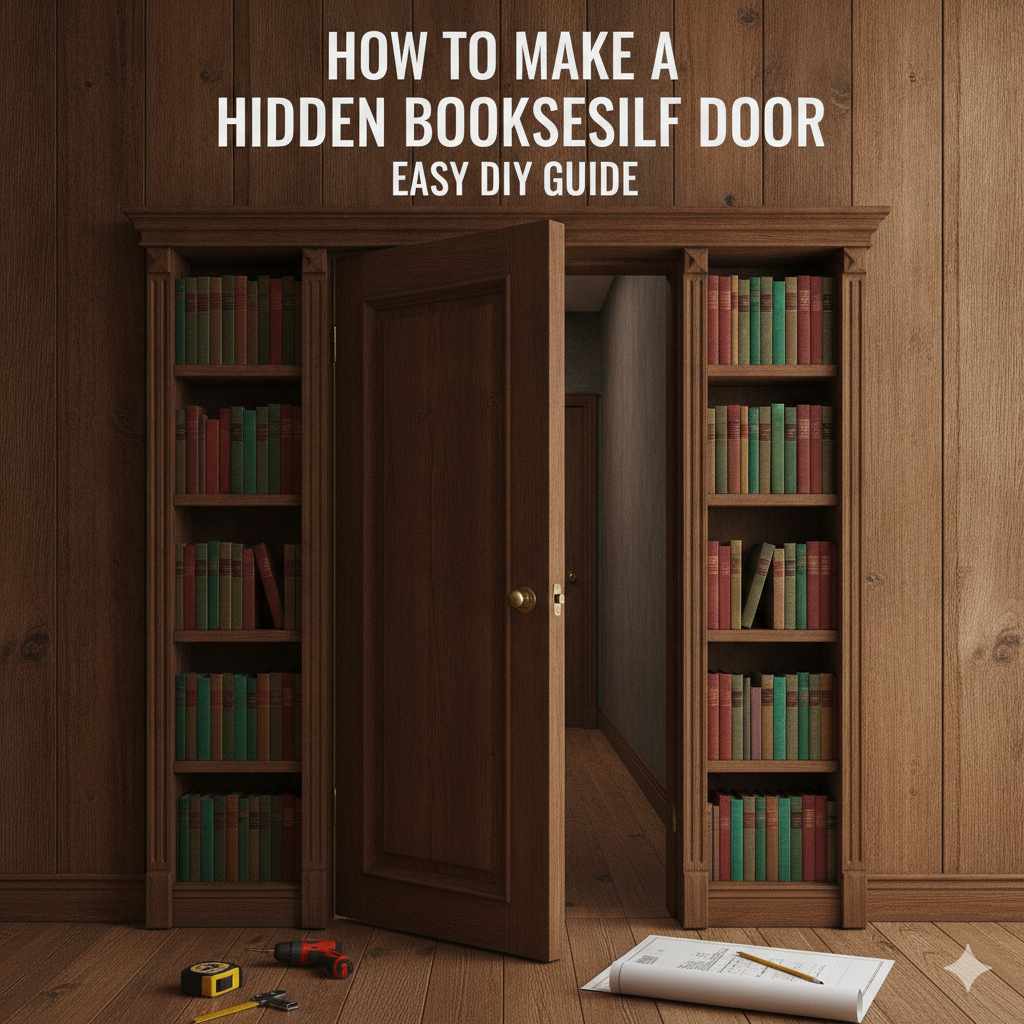
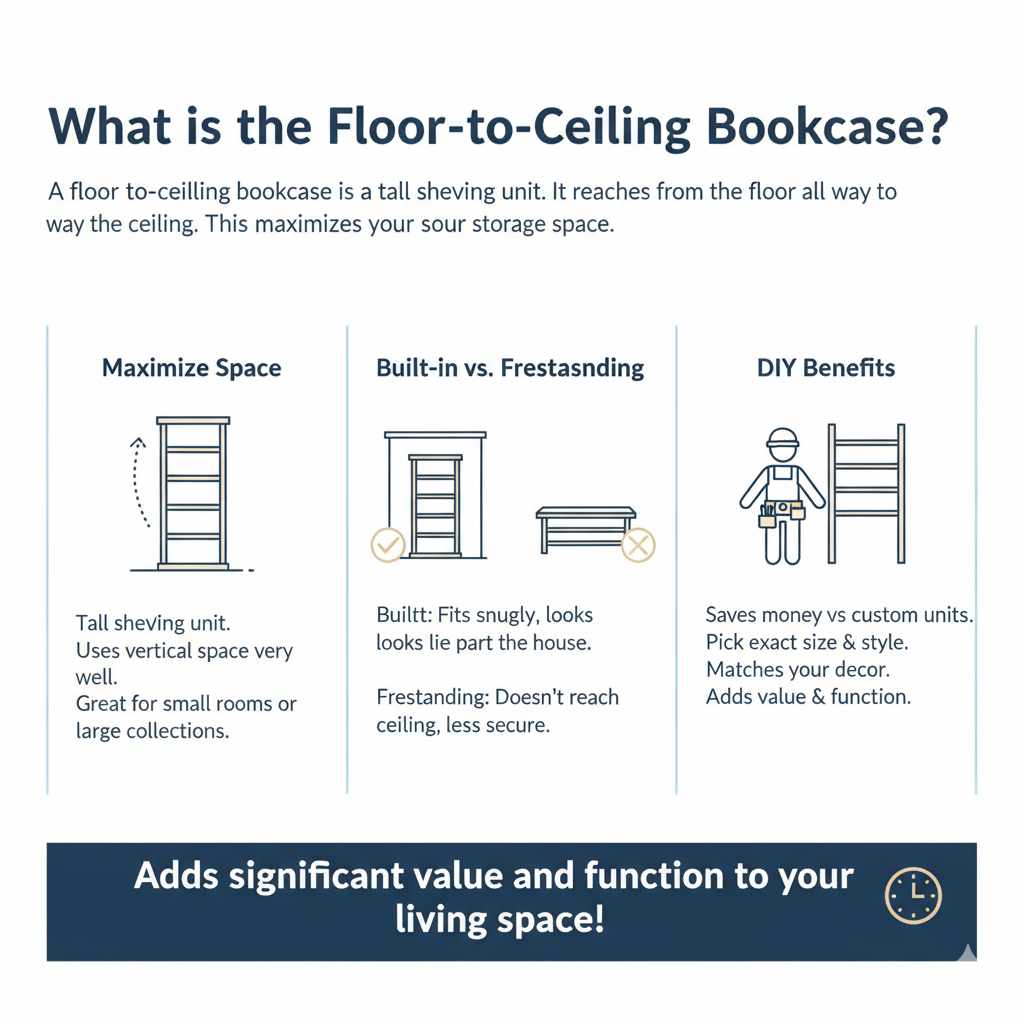
A hidden bookshelf door is a secret door. It looks just like a normal bookshelf. But, it actually swings open.
It leads to another room or a hidden space. People use them for many reasons. Some want a secret home office.
Others want to hide a safe. Many just like the cool factor. It adds a touch of magic to any home.
These doors are built into a wall. They use the space of a doorway. The bookshelf itself becomes the door.
It needs to be strong. It also needs to move smoothly. The trick is making it blend in.
No one should know it’s a door at all.
It’s like something from a movie. You can surprise friends and family. It’s a great conversation starter.
Plus, it’s very practical for storage. You get extra shelf space. And you get a secret entrance.
My First Attempt at a Secret Door
I remember the first time I tried to build one. It was for my dad’s workshop. He had a small, messy storage closet.
He hated how it looked. I thought a hidden bookshelf would be perfect. I saw a cool one online.
It looked so simple.
I bought some wood and hinges. I spent a whole weekend on it. I measured and cut.
I tried to make the shelves look real. But when I put the books on, it sagged. The hinges creaked so loud.
It didn’t hide anything. It just looked like a lopsided bookshelf. Dad just chuckled.
He said, “Nice try, kiddo.”
That failure taught me a lot. I learned that strength is key. And the right hardware matters.
I also learned about balance. A heavy bookshelf needs good support. It’s not as easy as it looks.
But it is totally doable with the right steps. My second try was much better.
Key Components of a Hidden Door
Frame: This holds the door unit. It must be strong.
Hinges: Special heavy-duty hinges are needed. They carry the door’s weight.
Bookshelf: This is the door face. It needs to be sturdy.
Latch/Lock: You need a way to keep it closed. And a way to open it.
Trim/Caulking: These hide the gaps. They make it look seamless.
Gathering Your Materials and Tools
Before you start cutting, get your stuff. This makes the build smoother. You’ll need good quality wood.
Plywood is a good choice for the shelf. It’s strong and flat. For the frame, use solid wood.
Think 2x4s or similar.
You will need hinges. These are not regular door hinges. Look for pivot hinges or heavy-duty concealed hinges.
These can hold a lot of weight. They also allow the door to swing. Check the weight limit.
Make sure it’s more than you need.
Screws and bolts are important. Use strong ones. Wood glue adds extra strength.
You’ll need a good saw. A circular saw or miter saw works well. A drill is essential.
You’ll also need a level. Measuring tape is a must. Safety glasses are important too.
For finishing, get paint or stain. Caulk is needed to fill gaps. You might need a special latch.
Some use magnetic catches. Others have hidden pull mechanisms. Think about how you want to open it.
This affects your hardware choices.
Material Checklist
- Plywood (for shelves)
- Dimensional lumber (for frame and bookshelf structure)
- Heavy-duty pivot hinges or concealed hinges
- Wood screws (various lengths)
- Wood glue
- Primer and paint or stain
- Caulk
- Optional: Magnetic catch, hidden pull hardware
Planning Your Hidden Door Project
First, pick the spot. Where will this door go? Measure the opening.
You need to know its exact size. This tells you the size of your frame. It also tells you the size of your bookshelf door.
Think about the direction it will open. Outward is usually easier. It doesn’t take up space inside the hidden room.
Inward opening needs more planning. Consider the swing path. Make sure nothing blocks it.
How deep will your bookshelf be? This affects the weight. It also affects how much it protrudes.
Make it deep enough for books. But not so deep it looks odd. A standard bookshelf depth is about 10-12 inches.
This works well.
Consider the books themselves. If you have very heavy books, factor that in. You might need stronger hinges.
Or a reinforced bookshelf structure. Sketch your plan. Draw it out on paper.
This helps you visualize. It catches mistakes early.
Design Considerations
Location: Choose a suitable wall opening.
Opening Direction: Outward is often simpler.
Depth: Balance book storage with protrusion.
Weight: Account for books and shelf materials.
Style: Match existing decor.
Step-by-Step: Building the Bookshelf Door
Let’s build it. This is the fun part. Start with the frame.
You’re building a new frame inside the existing doorway. Use sturdy lumber. Make sure it’s square.
Measure twice, cut once.
Attach this new frame securely to the wall studs. Use long screws. This frame will support the door.
It’s the foundation of your secret entrance. Make it strong. Don’t cut corners here.
Now, build the bookshelf itself. This will be your door panel. Cut the sides and back panel.
Then cut the shelves. Assemble the box structure. Use wood glue and screws.
Make sure it’s solid. It needs to hold many books.
Attach the shelves inside the bookshelf frame. Ensure they are level. Space them to fit your books.
You might want to add a back panel to the bookshelf. This adds rigidity. It also stops books from falling out the back.
This is where the hinges come in. Attach the hinges to the bookshelf frame. Then attach them to your new wall frame.
This step requires precision. The door needs to hang straight. Adjustments might be needed.
Install your latch or pull mechanism. Test the door’s swing. Does it open and close smoothly?
Does it rub anywhere? Make any needed adjustments. Shims can help align the door.
Finishing Touches for a Seamless Look
This is what makes it a hidden door. You need to hide the edges. Use trim molding.
Cut it to fit around the bookshelf. It should look like a normal door frame. It covers the gap between the bookshelf and the wall.
Caulk is your best friend here. Fill any small gaps. Use paintable caulk.
Once dry, paint or stain the trim. Match it to your wall color. Or match it to the bookshelf.
The goal is to blend in.
You can add fake books. Or real books. Arrange them naturally.
Don’t make it look too perfect. Real bookshelves have some variation. Make sure the spines are visible.
This sells the illusion.
Consider the hardware. If you have a visible handle, it breaks the illusion. Use a hidden pull.
Or a magnetic catch that releases easily. Some people use a specific book as a lever. That’s very clever.
Blending it In
Trim: Cover the gaps around the door.
Paint/Stain: Match the surrounding wall or decor.
Books: Arrange them naturally.
Hardware: Use hidden mechanisms.
Details: Add small decorative items like a plant or picture.
Real-World Scenarios and Considerations
Let’s think about where this works best. A hidden bookshelf door is great for basements. They often have doorways to storage areas.
It’s also good for attics. Or spare rooms you want to make more interesting.
In a living room, it could hide a small bar area. Or a media cabinet. In a child’s room, it might lead to a play nook.
The key is the existing architecture. You need a suitable doorway.
What about existing doors? If you have a standard door you want to hide, that’s different. You’d build the bookshelf to cover it.
But a true hidden door replaces a doorway. It becomes part of the wall.
Think about safety too. If it leads to a storage area, make sure it’s well-ventilated. If it’s a fire exit, that’s a big no-no.
Ensure it complies with building codes. This is especially true if it’s an escape route.
Where it Works Best
Basement Storage: Hide unsightly areas.
Attic Access: Make it less obvious.
Home Office: Create a secluded workspace.
Playroom: Add a magical entrance.
Pantry: Keep kitchen clutter hidden.
What This Means For Your Home
A hidden bookshelf door adds value. It’s a unique feature. It can increase your home’s appeal.
It offers practical storage. It’s also a conversation starter. Guests will be amazed.
It can make a small space feel bigger. By hiding clutter, you create a cleaner look. This makes rooms feel more open.
It’s a smart use of space. Especially in older homes with odd layouts.
When is it normal? It’s normal if it functions well. It opens and closes easily.
It looks like a real bookshelf. When should you worry? If it sticks.
If it looks poorly made. If it doesn’t blend in. These are signs it needs more work.
A simple check is to look at the seams. Are they tight? Is the trim flush?
Does the bookshelf feel solid when you push it?
Is Your Hidden Door Working?
Smooth Operation: Does it swing freely?
Seamless Look: Can you see the door frame?
Sturdy Build: Does it feel solid?
Natural Appearance: Does it look like a real bookshelf?
Quick Tips for Success
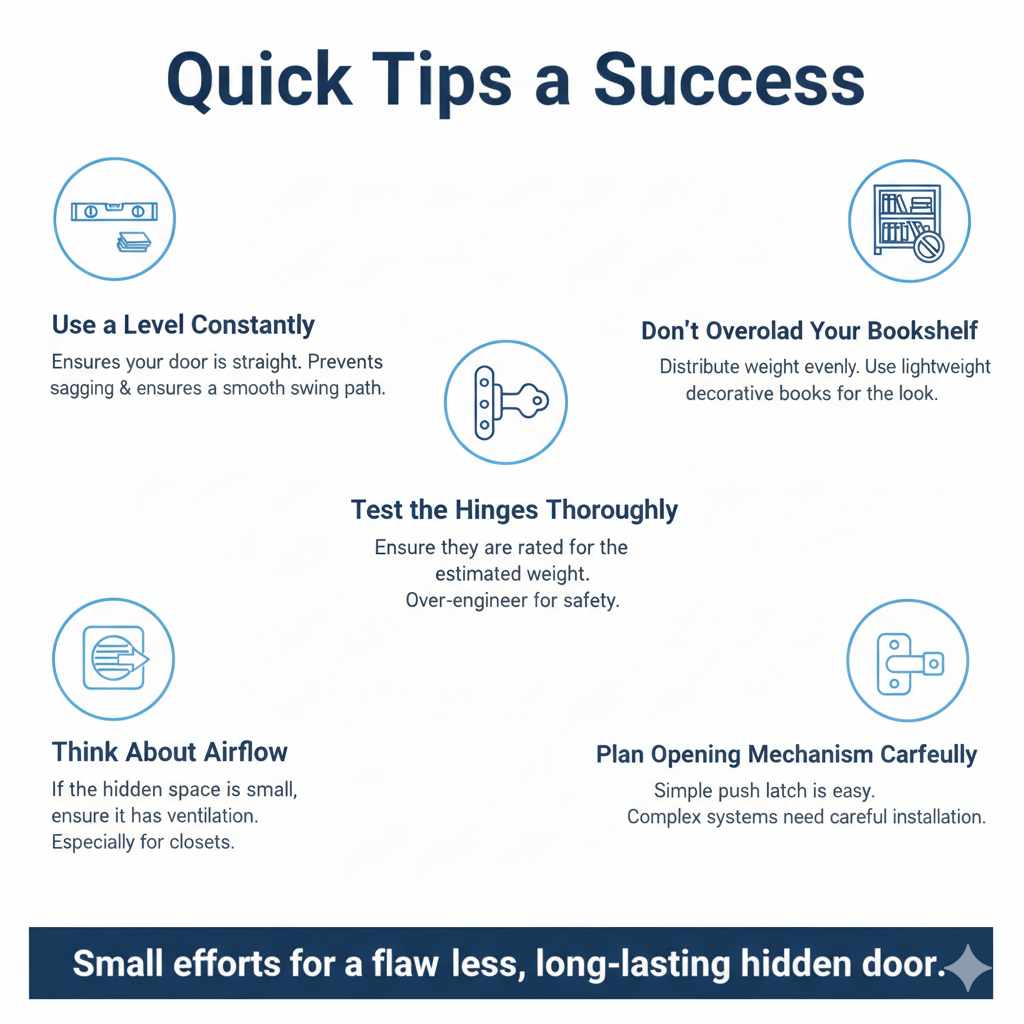
Use a level constantly. This ensures your door is straight. It prevents sagging.
It makes the swing path smooth.
Don’t overload your bookshelf. Even with strong hinges, there’s a limit. Distribute the weight evenly.
Consider the weight of the books. Lightweight decorative books are best for the look. Heavier books can be stored elsewhere.
Test the hinges thoroughly. Make sure they are rated for the estimated weight. It’s better to over-engineer.
Think about airflow. If the hidden space is small, ensure it has ventilation. Especially if it’s a closet.
Plan your opening mechanism carefully. A simple push latch is easy. A more complex system needs careful installation.
DIY Best Practices
Level is Key: Use your level for everything.
Weight Management: Don’t overstuff.
Hinge Power: Choose heavy-duty hinges.
Ventilation: Ensure airflow if needed.
Simple Mechanism: Choose an easy opening.
Frequently Asked Questions
How much weight can a hidden bookshelf door hold?
This depends on the hinges and the structure. Heavy-duty hinges can support hundreds of pounds. But the bookshelf frame itself must be strong.
For typical home use, a well-built door can hold 100-200 pounds of books.
Do I need special hinges for a hidden door?
Yes, usually. Standard door hinges are not designed for the weight and swing of a bookshelf. Pivot hinges or robust concealed hinges are recommended.
Look for ones rated for heavy loads.
How do I make the door look seamless?
Use trim molding to cover the gaps. Caulk any small openings. Paint or stain to match the surrounding wall.
Arrange books naturally. Avoid anything that screams “door.”
Can I put a lock on a hidden bookshelf door?
Yes, you can. Many options exist, from simple magnetic catches to more complex locking mechanisms. Some people use a hidden bolt.
Choose a method that suits your security needs and desired level of stealth.
What kind of wood should I use?
For the bookshelf structure, plywood is a great choice. It’s strong and stable. For the frame, use solid lumber like 2x4s.
For visible parts like trim, you can use pine or poplar. Always consider the strength needed.
Is building a hidden bookshelf door difficult?
It requires basic carpentry skills and patience. It’s not a beginner project, but it’s achievable for most DIYers. Taking your time and measuring carefully is crucial.
Following a clear plan helps a lot.
Bringing Your Secret Space to Life
Creating a hidden bookshelf door is a rewarding project. It adds a unique charm to your home. It’s functional and fun.
With careful planning and execution, you can build one too. Remember to focus on strength and seamless finishing. Enjoy your new secret entrance!
Related pick: Check today's price on Amazon
Products related to this article
Sponsored / affiliate links. As an Amazon Associate I earn from qualifying purchases. I may earn additional commission from eligible campaigns.