Bookshelf Depth: 8 to 14 Inches by Book Type
Bookshelf depth runs 8 to 14+ inches by what sits on the shelf: 8 inches for paperbacks, 10 inches all-purpose, 12 inches for hardcovers, 14+ inches for oversized art books. Undersize it and hardcovers overhang the edge; oversize it in a small room and the shelf eats floor space. This guide covers real-world sizing, picking depth by what you store, and when a shelf has gone too deep.
What Makes Bookshelf Depth Matter?
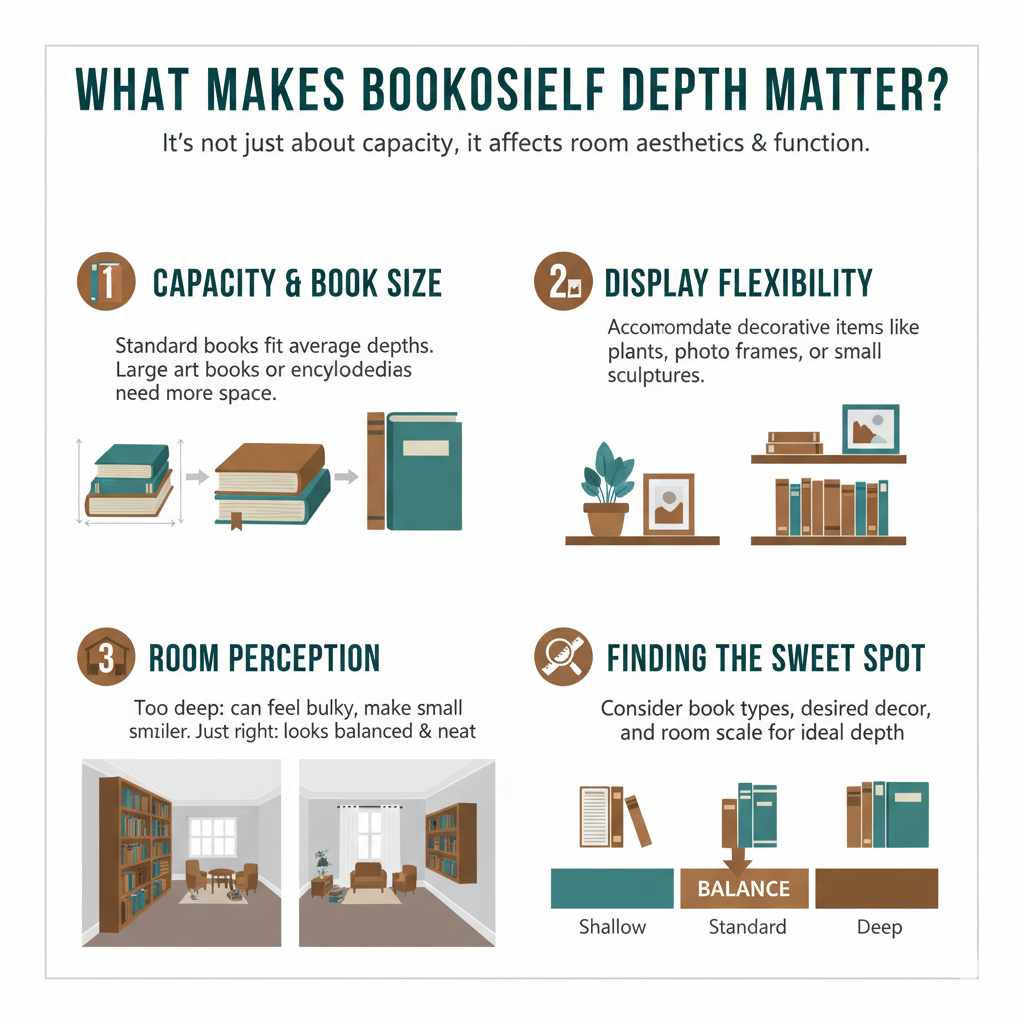
The depth of a bookshelf is super important. It’s not just about how many books you can cram onto a shelf. It also affects how your room looks and feels.
A shelf that’s too deep can feel bulky. One that’s too shallow might not hold certain items well.
Think about the size of your books. Most standard books fit well on shelves of a certain depth. But what about those really big art books or old encyclopedias?
They need more space. And maybe you want to put a plant or a photo frame on the shelf, too. That requires depth.
The depth also impacts the overall look of your bookshelf and your room. A very deep shelf can stick out too far. This might make a small room feel even smaller.
On the other hand, a shelf that’s just right can look balanced and neat. It’s all about finding that sweet spot.
My Bookshelf Oops Moment
I remember when I first tried to build my own bookshelf. I was so excited to finally have a place for all my novels. I cut the wood pieces.
Then I put them together. I was so proud! But when I started putting my books on them, I hit a snag.
My paperback books fit okay. But my larger hardcovers? They hung off the edge.
It looked messy and I worried they’d fall off. My decor items, like small vases, also felt precariously balanced. It was a real bummer.
I had to go back and redo the shelves, making them a bit deeper. It was a lesson learned the hard way about measuring twice and cutting once, especially with depth!
Standard Bookshelf Depth Breakdown
Most shelves are made with standard depths in mind. This makes them work for many common needs. Here’s a quick look at typical depths and what they’re best for.
- 8 inches: Good for paperbacks and smaller books. Might be a bit shallow for larger books.
- 10 inches: A very common size. Works well for most paperbacks and many hardcovers.
- 12 inches: Great for larger hardcovers, art books, and even small decor items.
- 14+ inches: Usually for special storage or display. Can feel very deep for typical book display.
Best Deep Bookshelf Pick
CBNTKI 55-Inch Metal Bookshelf with 4 Adjustable Shelves – $118.88
Adjustable shelves let you set a 10-inch depth for paperbacks on some tiers and open it up for the 12-inch hardcovers this guide describes on others.
- Best for: Households with a mixed collection, matching the depth-by-book-type breakdown this guide gives
- Why we picked it: Adjustable shelf spacing works around the 8, 10, and 12-inch depths this guide lists without buying separate units
- Main drawback: Metal frame reads more industrial than a traditional wood bookcase
Compare more bookshelf depths and accessories
 Option 1 Bezuny Bolt-Free Adjustable Metal Bookshelf – $65.99
|
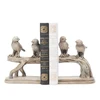 Option 2 Heavy-Duty Decorative Bookends – $32.99
|
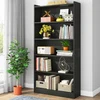 Option 3 Tribesigns 72-Inch Tall 6-Tier Bookcase – $129.99
|
As an Amazon Associate we earn from qualifying purchases.
Real-World Shelf Sizing
When we talk about bookshelf depth, we often mean the usable space inside. That’s the part where you can place your items. Many shelves also have a bit of extra depth for the back panel or framing.
But what matters most is what you can fit on the shelf itself.
In most American homes, standard bookshelves are built to accommodate the common sizes of books. Think about the books you own. Are they mostly thin paperbacks?
Or do you have a lot of thick hardcovers? This will guide your choice.
Also, consider the room itself. A large living room can handle a deeper bookshelf. It won’t feel overwhelming.
But in a small bedroom or a tight hallway, a shallower shelf makes more sense. It saves space and keeps the room feeling open. It’s about making the shelf work with your home, not against it.
What This Depth Means for You
So, what’s the magic number for bookshelf depth? It really depends on your books and your style. Here’s a simple guide to help you decide.
For most people, 10 to 12 inches is a great sweet spot. This depth comfortably fits most standard paperback and hardcover books. You can often fit two rows of paperbacks if needed, though this can make access a bit harder.
If you have a lot of larger books, like art books, photography books, or older encyclopedias, aim for 12 inches or even a bit more. These books are wider and taller, and they need that extra space so they don’t overhang.
What if you love to display things on your shelves besides books? Think picture frames, small plants, or decorative objects. A 12-inch depth often provides enough room for a book in front and a smaller item behind.
This creates a nice layered look.
If space is very tight, you might consider a shelf that’s 8 inches deep. This is perfect for a collection of just paperbacks or a display of smaller items. However, be aware that many standard hardcovers will stick out.
Choosing Depth for Specific Needs
Let’s break down how depth choices affect what you can store and display.
Best For: Paperbacks & Smaller Books
Depth: 8 inches
Pros: Slim design, fits in tight spaces. Good for small collections.
Cons: Larger books overhang. Limited display space for decor.
Best For: Most Books & Some Decor
Depth: 10 inches
Pros: Versatile, fits most standard books. Good balance.
Cons: Very large books might still overhang slightly.
Best For: Large Books, Art Books & More Decor
Depth: 12 inches
Pros: Accommodates large formats. Ample space for books and display items.
Cons: Can feel deeper in very small rooms.
Best For: Special Collections or Deep Storage
Depth: 14+ inches
Pros: Fits oversized items, great for deeper bins or unique collections.
Cons: Can be too deep for typical book display, may feel imposing.
Quick Tips for Shelf Depth
Here are some simple tips to help you pick the right depth. It’s about making your bookshelf work best for you. Don’t feel like you have to have one single depth for all your shelves.
Building to a specific depth yourself is often simpler than hunting for a pre-made match; see our beginner bookshelf build guide for the cut list.
You can mix and match based on what you put on them.
Measure your favorite books. Grab a few of your largest hardcovers and a few paperbacks. Measure their depth. Add about an inch for comfort and to prevent tight fitting.
This gives you a good baseline.
Think about two rows. If you have a lot of paperbacks, you might be tempted to place them two rows deep. This saves space but can make it hard to see and grab the back row. Most people avoid this unless space is extremely limited.
It’s usually better to have a bit more depth and keep things single-file.
Consider the wall space. How much does the shelf stick out from the wall? A 12-inch deep shelf will take up more floor space than an 8-inch one. Make sure it doesn’t block doorways or walkways.
Measure the available space carefully.
Look at the height of the items. While depth is about how far back things go, the height of the shelf matters for tall items. But sometimes, taller items are also wider. A deep shelf might be needed to support them better.
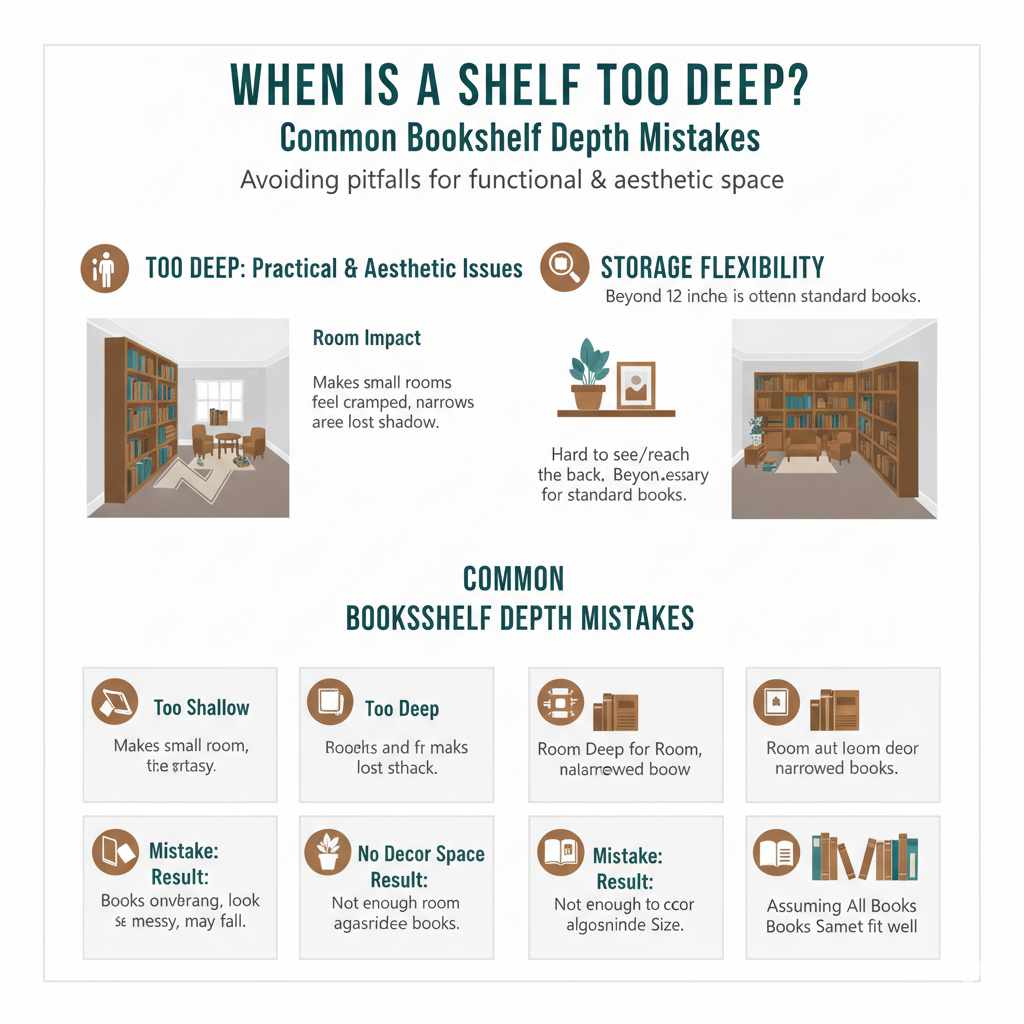
When Is a Shelf Too Deep?
It’s possible to go too deep with a bookshelf. This is especially true in smaller living spaces. A shelf that’s 14 or 16 inches deep might seem like it can hold a lot.
If floor space is tight even at a shallow depth, arranging books without a bookshelf at all is worth a look in our guide to storing books without a bookshelf.
But it can also make a room feel cramped.
Imagine walking into a room. If a very deep bookshelf juts out too far, it can create a narrow pathway. This feels awkward and less inviting.
It can also make it hard to move around comfortably. The books at the back can get lost in shadow. It’s hard to see them or reach them easily.
Generally, for standard home use, going beyond 12 inches deep isn’t necessary for most books. You might need it for specific storage needs, like filing cabinets or large craft supplies. But for a book display, it’s usually too much.
It’s better to use the space wisely with shelves that are a more practical depth.
Common Bookshelf Depth Mistakes
Here are some common pitfalls to avoid when choosing shelf depth:
- Mistake: Buying shelves that are too shallow for your book collection. Result: Books overhang, look messy, and may fall off.
- Mistake: Choosing shelves that are too deep for a small room. Result: Room feels cramped and pathways are narrowed.
- Mistake: Not considering display items. Result: Not enough room for decor alongside books.
- Mistake: Assuming all books are the same size. Result: Some books won’t fit well.
Frequently Asked Questions About Bookshelf Depth
What is the standard depth for a bookshelf?
The standard depth for a bookshelf is typically between 10 and 12 inches. This range works well for most paperbacks and hardcover books, offering a good balance of capacity and visual proportion in a room.
Can I use shallower shelves for paperbacks?
Yes, you can use shallower shelves, around 8 inches deep, for paperbacks. They will fit comfortably without overhang. However, if you also have larger books, you might need a mix of depths or opt for a slightly deeper standard shelf.
How deep should shelves be for large art books?
For large art books, coffee table books, or oversized hardcovers, shelves should be at least 12 inches deep. Some very large volumes might even require 14 inches to sit fully on the shelf without tipping or overhanging.
What if my books are different sizes?
If your book collection has a wide range of sizes, it’s often best to choose a depth that accommodates your largest books, usually around 10-12 inches. You can then use shelf risers or bookends to help smaller books stand up straight on deeper shelves. Alternatively, consider adjustable shelves where you can set different heights.
Should bookshelf depth match room size?
Yes, bookshelf depth should complement the room size. In smaller rooms, shallower shelves (8-10 inches) prevent the space from feeling crowded. In larger rooms, deeper shelves (10-12 inches) can be more visually substantial and offer more storage without looking out of place.
How much space is needed behind books on a shelf?
You don’t need much space behind books. The depth measurement typically refers to the usable surface. A small gap of about half an inch to an inch behind the books is usually sufficient for aesthetic reasons or to allow for easy removal.
Most shelf depths are designed with this in mind.
Can I put decor items on a bookshelf?
Absolutely! A 10-12 inch deep shelf is usually ideal for placing books in front and smaller decorative items behind them. This layering adds visual interest.
Ensure your decor items are stable on the shelf surface.
Conclusion
Finding the right bookshelf depth is about balancing your collection’s needs with your room’s layout. Aim for 10 to 12 inches for most homes. This offers great flexibility for books and a touch of display space.
Your bookshelf should be a functional and beautiful part of your home!
Products related to this article
Sponsored / affiliate links. As an Amazon Associate I earn from qualifying purchases. I may earn additional commission from eligible campaigns.