Cooking with Skillets, Griddles, and Roasting Pans
For cooking with skillets, griddles, and roasting pans, use one rule: match the pan to the food’s heat contact—skillet for deep browning, griddle for flat batch cooking, roasting pan for oven heat and drippings. Pick the wrong shape and you get steamed meat, crowded pancakes, uneven timing, and one-pan meals that never brown the way they should. This guide compares results, meal size, and kitchen limits so you can buy the right pan first.
Author note: I cook with all three shapes at home and tested them side by side for the kinds of jobs buyers usually care about most: four chicken thighs in a skillet, pancakes and smash burgers on a griddle, and chicken parts plus vegetables in a roasting pan. The biggest repeat pattern was simple: shape often mattered more than advertised diameter. A pan that looked large on a product page could still crowd food once curved walls, rivets, or shallow burner coverage entered the picture.
Start with the result you want


Choose by browning, batch size, or oven roasting
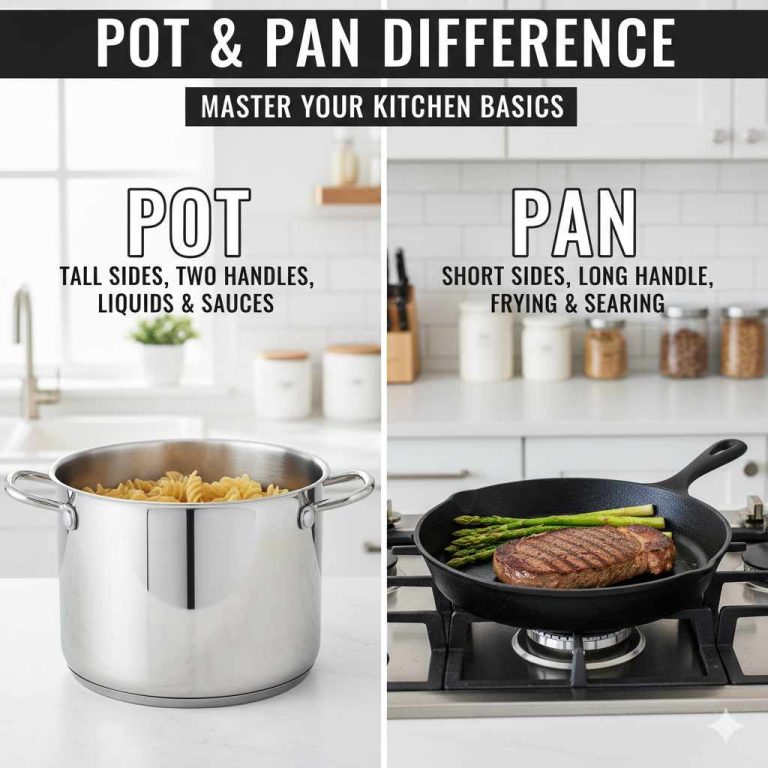
If dinner needs a hard crust on chicken thighs, pork chops, or mushrooms, a skillet leads because it concentrates heat under a smaller footprint, its walls hold fat where you need it, and the long handle gives better control at the stove. If I need a lot of flat real estate for pancakes, tortillas, or smash burgers, I reach for a griddle. If the meal depends on oven circulation, drippings, and volume, a roasting pan is the right shape.
Pan shape changes more than capacity. It decides how fast steam escapes, where grease collects, and whether food sits in its own moisture. Browning drops fast when food is crowded, even in heavy cookware.
Why pan shape changes moisture, splatter, and airflow
Sloped skillet sides leave room for a spatula, spoon, or tongs and help keep hot fat from jumping over the rim. Griddles trade that control for open area, which is why they work best for foods that stay flat and need frequent flipping. Roasting pans use higher sides to hold larger cuts and drippings, but those same sides can slow side-to-side airflow if the pan is too deep for the job.
This is where many buying guides stop short. A pan can use good metal and still cook badly because its side height, handle shape, or burner fit works against the food.
The quick decision path for weeknight cooking
- Pick the result first: hard sear, flat browning, sheet-style batch cooking, or oven roasting.
- Match that result to shape: skillet, griddle, or roasting pan.
- Check side height and open surface so food can release steam.
- Check weight and handle design so the pan is safe to move when full.
- Check burner or oven-rack fit before buying, especially in small kitchens.
According to Grilling Season Starts Here – Made In — Made In offers a 60-day cooking trial.
What’s the difference between a skillet, a griddle, and a roasting pan?
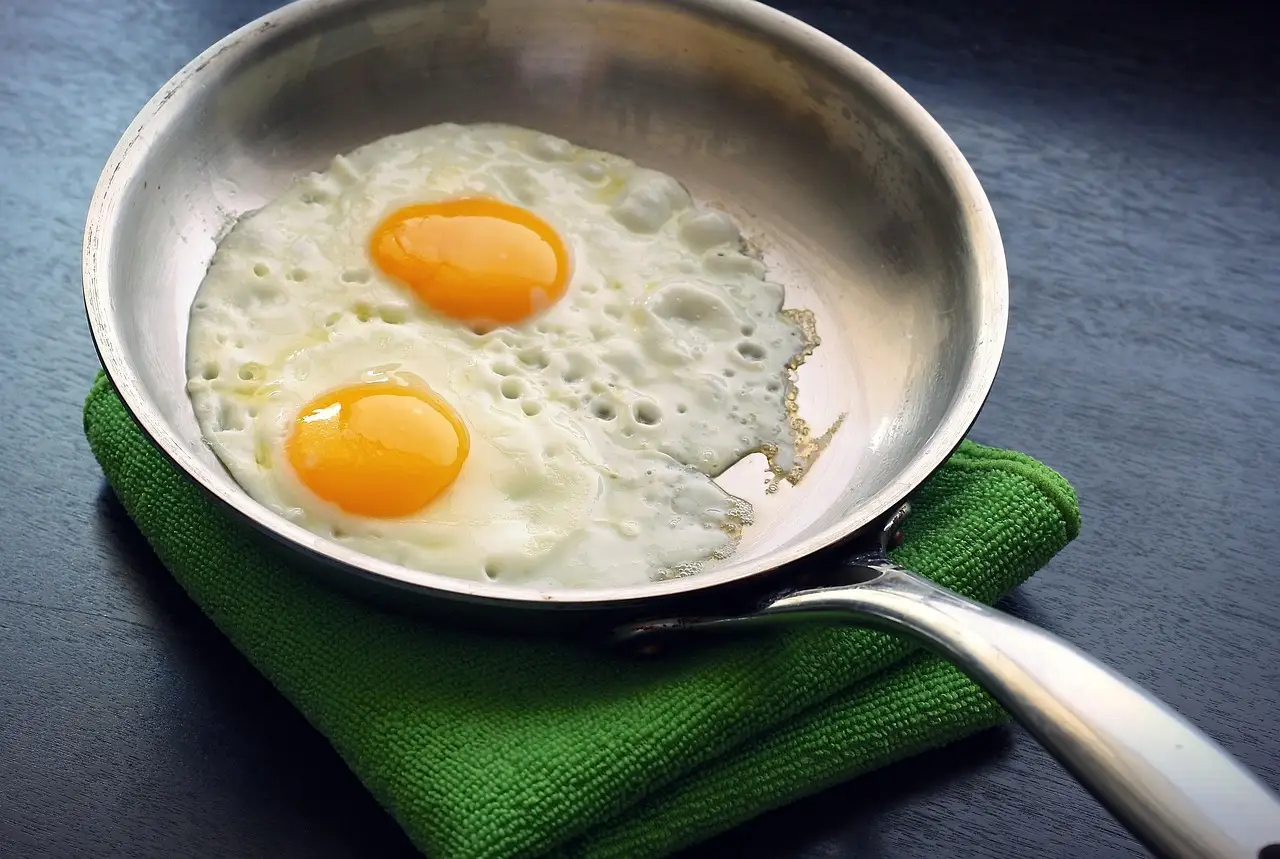
A skillet has a deep cooking well with sloped or fairly straight sides for searing, sautéing, frying, and pan sauces. A griddle gives you a wide, open cooking plate with barely raised edges, so spatulas slide in easily and nearly the whole surface can brown food at once. A roasting pan has higher sides and rack compatibility for oven heat, drippings, and larger cuts.
Skillet: sloped sides, handle control, and stovetop range
Many skillets are round. Some have strongly sloped walls for easy flipping, while others use straighter sides to gain more usable floor space. A long handle is standard, and larger skillets often add a helper handle on the opposite side because weight climbs fast in cast iron and carbon steel.
Use a skillet when the food needs strong direct contact with the pan and enough side height to hold fat, juices, or a quick sauce: seared steak, fried eggs, shallow frying, pan-roasted vegetables, braises started on the burner, and one-pan pasta finishes. Oven-safe skillets also handle cornbread, frittatas, and desserts. In my own kitchen, the biggest skillet advantage is control during the last minute of cooking: I can tilt, baste, and reduce a sauce in a way a flat griddle simply does not support.
Griddle: flat surface, edge design, and burner coverage
A griddle is defined by open area. It can be round, rectangular, single-burner, or two-burner. The edge may sit almost level with the cooking surface or rise in a shallow lip that catches grease and gives a spatula a small stop when turning food. That lip matters: too high and a griddle starts acting like a shallow tray, trapping steam, too low and grease can travel.
Griddles are strongest with foods that need broad, even contact and easy flipping. That fits the shape: wide steel, low walls, and room for a press. Size and layout change the way a griddle cooks, which is why I treat single-burner and two-burner griddles as different tools instead of interchangeable versions of the same pan. If you are comparing formats, this guide on griddle vs grill pan differences helps clarify why a flat plate behaves differently from raised ridges.
Roasting pan: high sides, open top, and rack-ready capacity
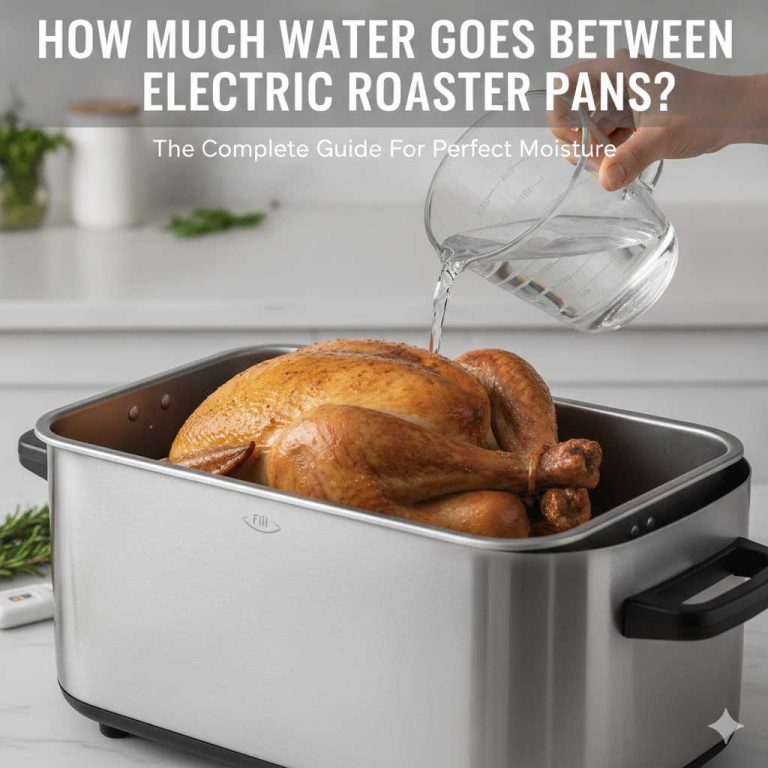
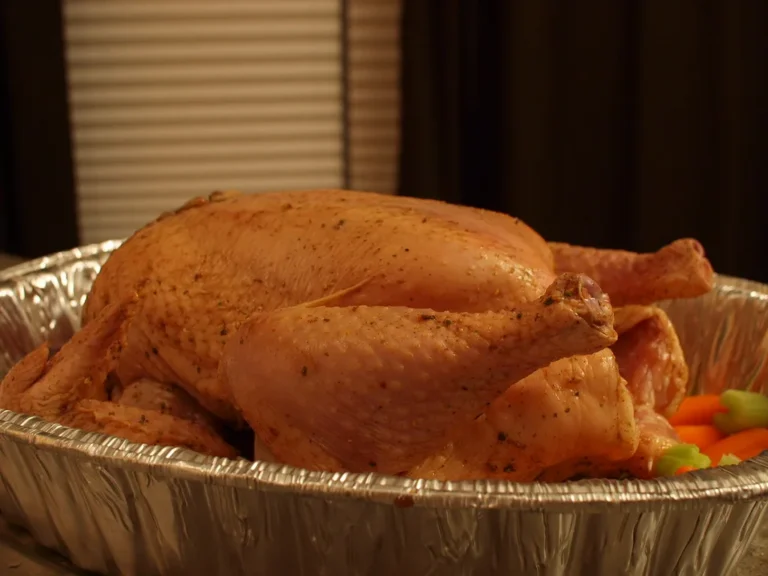
A roasting pan is built for the oven. It has higher sides than a skillet, broad handles, and enough depth to contain drippings from poultry, roasts, potatoes, or a full vegetable spread. Many work best with a roasting rack, which raises meat above rendered fat so hot air can move underneath.
The pan itself matters as much as the rack. A pan that is too light often gives pale drippings and weak fond, which means thin gravy later. A pan that is too deep can shield vegetables from dry heat and slow browning. In testing, I got the best color from roasting pans that were wide enough to leave a clear border around the food instead of pans that packed the oven cavity wall to wall.
Where the shapes overlap and where they fail
A skillet can roast small chickens or trays of vegetables if it is oven-safe and wide enough. A griddle can act like a breakfast station or burger surface but is poor at sauces and splatter control. A roasting pan can handle vegetables very well, but it is awkward on a burner and usually too large for quick stovetop meals.
Which pan gives the best browning, and why?
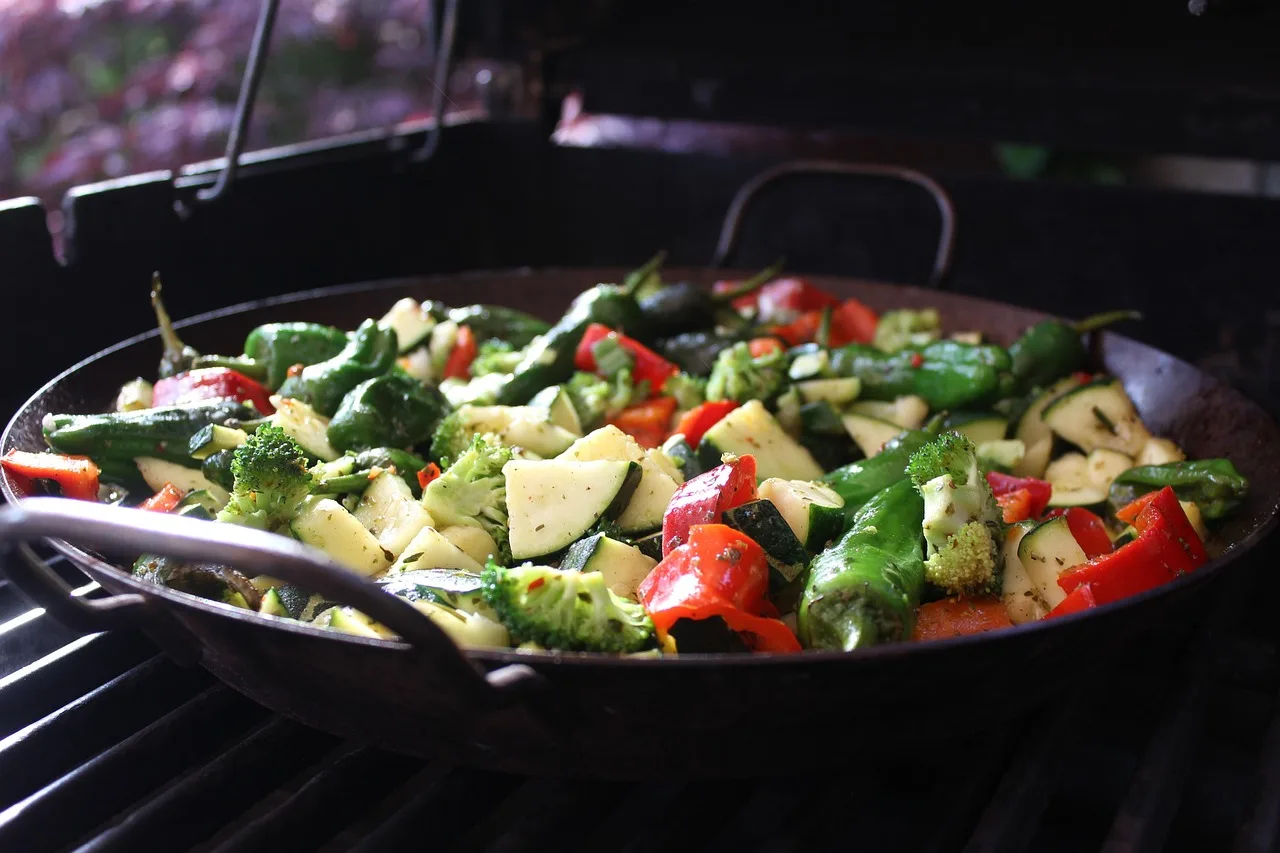
The best browning comes from the pan that gives steady heat to the exact food shape in front of it: skillet for thick pieces needing a crust, griddle for many flat items, roasting pan for oven browning with room for air and drippings. Browning falls off when the pan is overcrowded, too light, or poorly matched to the burner.
Searing in a skillet: contact area and heat retention
A skillet wins at searing because it concentrates heat under a smaller area than a griddle. That helps keep surface temperature up when cold food hits the pan. Cast iron is especially good here because it holds heat well and tolerates high oven and burner temperatures, though the weight can become a daily drawback.
Carbon steel also browns well, with quicker response when the burner changes. It is lighter than cast iron, which matters when pouring off fat or moving a full pan into the oven.
Flat-surface browning on a griddle: pancakes and smash burgers
A griddle wins when the food is flat and numerous. Pancakes need even contact and room to flip cleanly. Smash burgers need space for a press and a surface that stays level. If the center crowns upward from warping, the edges of the patty lose contact and the crust gets patchy.
For burgers, a thick carbon steel griddle is often the strongest match because it heats fast, browns hard, and works well with presses or a dome lid. It still needs good burner contact. A two-burner griddle on weak or uneven burners often creates hot bands instead of even heat.
Oven browning in a roasting pan: drippings, airflow, and side height
Roasting pans brown best when they are heavy enough to hold heat, shallow enough to expose food to dry oven air, and paired with the right oven rack position. Put the pan too high and the top can darken before the bottom catches up. Put it too low and the underside may lag.
For meat on a rack, the center oven rack usually gives the most balanced air circulation. For vegetables spread across the pan, a slightly lower rack can improve bottom color if the pan is not overly deep. In my oven, chicken parts browned most evenly when the top of the meat sat near the middle of the cavity rather than close to the upper element.
How crowding changes the result in all three pans
Crowding is the great browning killer. A shallow skillet that looks wide on paper may still crowd four chicken thighs once handles, rivets, and curved walls steal floor space. A griddle packed edge to edge fills with steam. A roasting pan overloaded with vegetables turns into a humid box, especially if the sides are tall.
Why heavy-gauge aluminum baking sheets outperform thin pans
A heavy-gauge aluminum baking sheet with a rolled rim and no dark coating delivers the most even browning for cookies and roasting. Thin pans warp under high heat, causing uneven cooking and wasted ingredients. Choosing two half-sheet pans gives home bakers reliable performance without the risk of twisting or premature staining.
This baking sheet review grades popular pans by warping resistance, browning consistency, staining, and long-term durability in real ovens. It breaks down specifications, highlights which models hold up over time, and identifies alternatives when your top choice is unavailable. Matching the right pan to your oven habits prevents months of uneven results and unnecessary replacements.
Budgeting for Quality Baking Sheets
Understanding the price range of baking sheets helps you avoid cheap pans that warp, brown unevenly, and need frequent replacement. The guide breaks down costs from low‑teen basic aluminum to premium heavy‑gauge steel, explains how material, thickness, and finish drive price, and matches each band to durability expectations. By comparing what you actually get at each level, you can choose a sheet that stays flat, distributes heat evenly, and pays for itself over years of use, rather than spending more on a cycle of cheap replacements. For a concise breakdown, see the baking sheet cost analysis.
Choosing the right Nordic Ware finish for your roasting needs
Nordic Ware’s roasting pans come in several finishes—classic aluminum, non‑stick, and a brushed stainless option—each affecting heat distribution, browning potential, and cleanup. The review breaks down which finish excels for light weeknight roasts, holiday birds, or high‑heat searing, and flags the finishes that tend to warp or trap drippings. It also details the pan’s material, weight, and dishwasher tolerance, giving you a clear picture of when a light aluminum pan is ideal versus when a sturdier coated version is needed. Understanding these nuances prevents costly mistakes and ensures consistent results, especially if you’re balancing space, budget, and performance. For a deeper dive, see the Nordic Ware finish guide.
Everyday roasting pans that outperform holiday-only gear
A heavy roasting pan reserved for Thanksgiving leaves you without reliable weeknight equipment. For everyday cooking, a sturdy stainless-steel pan with a removable rack and deep sides handles chicken, vegetables, and drippings without crowding. The Viking 3-Ply roasting pan leads this category because its tri-ply construction heats evenly and cleans faster than thicker holiday-focused models.
Budget and space constraints matter too. Options range from the Cuisinart 14-inch pan for stovetop deglazing to the compact Webake enameled steel dish for small kitchens. Choosing the right size prevents warping and ensures your oven circulates heat properly around the food. Our breakdown of everyday roasting pans compares these picks by material, price, and rack stability so you can match one to your typical meals.
Affordable Roasters That Last All Year
Choosing a cost‑effective roasting pan doesn’t mean sacrificing durability. This guide breaks down the top budget‑friendly options, from a cheap enameled steel roaster ideal for a single holiday turkey to heavier‑gauge stainless steel models that can handle stovetop deglazing and year‑round roasts. It explains how size, handle strength, and material thickness affect warping, drippings, and cleaning, and provides a decision table that matches pan type to cooking habits. Whether you need a one‑off pan for festive meals or a versatile workhorse for everyday roasting, the article helps you avoid common pitfalls and pick a pan that fits both your kitchen and wallet. See our budget roasting pans guide.
When should I use a skillet instead of a griddle?
Use a skillet instead of a griddle when walls, grease control, tossing, pan sauces, or burner precision matter more than flat area. A skillet also suits apartment stoves better because one burner can heat it evenly. A griddle is stronger only when many flat foods need broad contact at the same time.
Use a skillet when walls, tossing, or pan sauces matter
Skillets are better for chopped vegetables, cutlets finished with butter, fried eggs, pan gravies, and any food that releases juices you want to keep in the pan. The walls let me spoon-baste and keep rendered fat from wandering across the stovetop.
They also move better from burner to oven. A helper handle on larger skillets is worth seeking out. Without one, a full cast iron skillet can feel secure on the stove and awkward the moment it needs an oven transfer.
Use a griddle when flat area beats side height
Choose a griddle for pancakes, smash burgers, tortillas, grilled sandwiches, bacon strips laid flat, and big breakfast service. The appeal is straightforward: more portions, fewer rounds, and a cleaner workflow for flat foods.
Still, a griddle is not a grill pan. Grill pans create raised stripe contact. A griddle creates broad flat contact, which is what pancakes and smashed patties need.
The burner-fit problem: single-burner control vs two-burner spread
A single-burner griddle is often easier to manage on a home stove. A two-burner griddle adds area but also calls for reasonably well-matched burners and a pan that stays flat. If either burner runs weaker, the center or one side lags behind.
Warping risk also rises on thinner, larger griddles. Once a big griddle rocks or crowns, grease runs, burgers slide, and pancakes brown unevenly.
Apartment and small-stove choices
In apartment kitchens, a skillet usually gives the most range per inch of storage. Small burners struggle to heat oversized griddles evenly, and compact ovens can make large roasting pans frustrating. If space is tight, a medium-to-large oven-safe skillet often covers the most meals cleanly.
How do materials change performance?
Material changes how fast the pan heats, how long it stays hot, how heavy it feels, and whether high-heat cooking is pleasant or punishing. Cast iron is generally known for strong heat retention and good oven tolerance. Carbon steel is generally more responsive and lighter. Both often need seasoning, which matters if low-maintenance use is a top buying factor.
Cast iron: long heat hold, heavy weight, strong sear
Cast iron is the workhorse for hard searing, skillet baking, and oven finishing. It holds heat well, which helps when cold meat hits the surface. That same heat hold can be slower to correct if the pan gets too hot.
It also needs seasoning and is heavy. On a griddle or large skillet, the weight can become the reason the pan stays in the cabinet. That matters more than many guides admit.
Carbon steel: quicker response, lighter handling, strong griddle fit
Carbon steel also needs seasoning, but it is usually easier to lift and quicker to respond when the burner changes. That makes it especially attractive for skillets used daily and for griddles, where a big slab of cast iron can be a lot to move and clean.
For high-heat cooking, carbon steel is a strong middle path: serious browning without the same load in the wrist or forearm.
When pan weight helps and when it gets in the way
Weight helps when food would otherwise chill the surface or when oven drippings need stronger fond development. Weight gets in the way when a pan has no helper handle, when storage is overhead, or when the pan must move from stove to oven while full.
A light roasting pan is a good example of weight gone wrong. It may feel easy to lift, yet fail where it counts: weak drippings, less caramelization, and more scorching risk if thin hot spots develop.
Seasoning, oven use, and daily maintenance that affect buying choice
Seasoning is best viewed as a practical choice, not a romance. If the cook wants easy tomato braises and dishwasher-friendly cleanup, seasoned cast iron or carbon steel may be a poor daily fit. If the cook wants stronger crusts and frequent oven finishing, both materials make more sense. If you are still deciding between metals, this comparison of carbon steel vs cast iron cookware is a useful companion to the shape-based advice here.
How big should your pan be for family meals, batch cooking, and small kitchens?
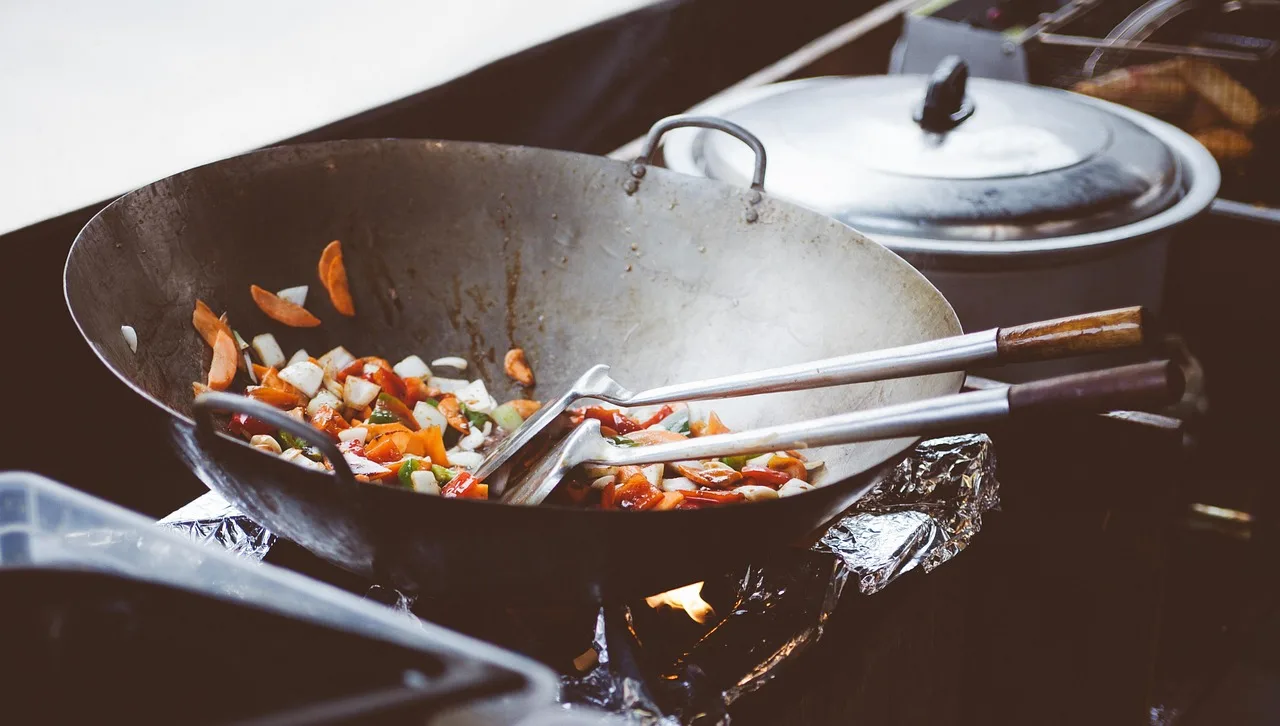
The right size is the one that fits the burner, leaves room between pieces of food, clears the oven walls, and still stores without drama. For family meals, usable cooking floor matters more than rim diameter. In small kitchens, a pan that barely fits the stove often cooks worse than a smaller pan.
Skillet sizes by servings and usable browning space
For a family meal, look for a skillet with enough flat floor for protein to sit with space around each piece. Sloped sides reduce usable browning area, so two skillets with similar top width can behave very differently. Straighter sides help with volume, but they can make tossing and spatula angles a bit tighter.
As a practical buying range, an 8-inch skillet works for one or two eggs or a single portion, a 10-inch skillet is a common everyday size for one to two proteins plus vegetables, and a 12-inch skillet is usually the safer choice for three to four servings if the burner can support it. For one-pan dinners, lid fit matters too. Some skillets accept lids cleanly and can work better for covered finishes, rice dishes, and braises. Others are built mainly for open, high-heat work.
Single-burner vs two-burner griddle sizes
A single-burner griddle is easier to heat evenly and easier to store. A two-burner griddle earns its keep only when the stove can support it and the cook regularly makes larger batches. Size alone is not the win; burner balance is.
Check whether the cooking area sits directly over active burner zones. A large border looks useful in photos, yet that outer area often runs cooler. In real use, a single-burner round or rectangular griddle is often enough for two to four pancakes at a time, while a two-burner model makes more sense for four to eight pancakes, bacon, or several burger patties only if both burners are strong and aligned well under the plate.
Roasting pan sizes by poultry, vegetables, and oven rack clearance
Roasting pans need clearance on all sides for safe handling and air movement. A pan that nearly touches the oven walls can cook unevenly and make removal risky. High handles can also interfere with upper rack placement or nearby heating elements in compact ovens.
For vegetables, a lower-sided roasting pan gives better exposure to dry heat. For poultry and larger roasts, more depth and a fitted rack matter more. A practical range is about 13 by 9 inches for smaller roasts or vegetable-heavy meals, roughly 14 by 11 to 16 by 13 inches for most family roasting tasks, and only larger if your oven and storage genuinely support it. I try to leave visible space around the pan on the oven rack rather than buying the biggest footprint that technically fits.
Storage footprint and handle length in tight kitchens
Long skillet handles can make drawers and cabinets harder to use than pan diameter suggests. Griddles store awkwardly because their broad rectangle takes a full shelf. Roasting pans stack poorly if the handles flare wide. In a small kitchen, awkward storage often decides what actually gets used.
Dutch oven size and shape for artisan bread
A 5- to 7-quart cast-iron Dutch oven traps the steam sourdough needs for an open crumb and a crackling crust. Round pots suit boules, while oval models fit batards without forcing the dough against the lid. Choosing the wrong capacity causes dense loaves or wasted oven spring.
The right pot also simplifies transferring high-hydration dough and keeps cleanup manageable after repeated bakes. This comparison of sizes, shapes, loaf fit, weight, and budget options helps you match a vessel to your baking routine. See our breakdown of the best Dutch ovens to find a model that fits your typical loaf volume and stovetop space.
Comparison matrix: which pan wins for your cooking style
Matrix: heat retention, browning, batch size, oven use, cleanup, and best foods
| Pan type | Heat retention | Browning power | Batch size | Oven use | Cleanup difficulty | Best foods |
|---|---|---|---|---|---|---|
| Skillet | High in cast iron, medium-high in carbon steel | Excellent for thick proteins and vegetables with space | Moderate | Strong if handle and finish are oven-safe | Moderate; seasoning can add steps | Steaks, chops, eggs, sautéed vegetables, pan sauces, skillet bakes |
| Griddle | Medium to high depending on steel thickness | Excellent for flat foods; weaker for tall or crowded items | High | Good if the piece fits the oven, though many are mainly stovetop tools | Moderate to high when grease spreads wide | Pancakes, smash burgers, tortillas, grilled sandwiches, bacon |
| Roasting pan | Medium to high; heavier pans give better drippings | Very good in the oven when depth and rack position are right | High | Built for oven roasting and large-format meals | High after sugary vegetables or roasted fat | Poultry, roasts, potatoes, mixed vegetables, stuffing, large one-pan meals |
Choose this if: a fast checklist for common meals
- Choose a skillet if dinner starts with searing, needs a sauce, or ends in the oven.
- Choose a griddle if breakfast comes in batches or burgers need pressing across a flat steel surface.
- Choose a roasting pan if the meal depends on oven airflow, drippings, or large volume.
- Choose cast iron if heat retention matters more than light handling.
- Choose carbon steel if high heat matters but daily lifting and faster response matter too.
Best picks by task
- Searing: skillet, preferably cast iron or carbon steel.
- Pancakes: griddle, preferably single-burner unless the stove supports a larger plate.
- Roasting vegetables: roasting pan with moderate side height, or a wide oven-safe skillet for smaller batches.
- Whole poultry: roasting pan with a compatible rack.
- Family one-pan dinners: wide skillet if burner cooking and sauce matter; roasting pan if the oven will do most of the work.
Balancing convenience and durability with Cuisinart
Choosing between nonstick convenience and stainless steel durability often determines long-term value. The Cuisinart Nonstick Roaster excels at lighter-duty roasting and simplified cleanup, while stainless versions handle hotter temperatures and heavy use more effectively. Selecting the wrong finish can lead to uneven browning, premature coating wear, or oven-fit complications.
To understand these specific tradeoffs, including detailed specs and rack performance comparisons, review this Cuisinart roaster analysis. This breakdown helps you decide if the nonstick model’s ease of maintenance outweighs the longer lifespan of stainless alternatives for your specific cooking habits.
Evaluating the Ninja Foodi NeverStick Skillet’s Long-Term Value
The Ninja Foodi NeverStick skillet is a strong choice for frequent home cooks seeking durable nonstick performance, though it may be overkill for occasional users. Its design prioritizes longevity and consistent heat distribution, making it a worthwhile investment if you cook several times a week. For those needing only a basic egg pan, budget-friendly alternatives often provide better value by matching essential features without the premium price tag.
To determine if this specific pan fits your kitchen needs and budget, the detailed breakdown of its specs, strengths, and limitations provides a clear path to a confident purchase. This analysis helps you avoid buying features you do not use or replacing a thin pan sooner than expected. Explore the NeverStick skillet verdict to see exactly when this option outperforms standard nonstick cookware.
Choosing a Grill Pan for Tight Stovetops
Compact kitchens need grill pans that deliver high heat without monopolizing burner space or generating excessive smoke. Square cast-iron models around 10.5 inches strike the right balance, offering strong heat retention and raised ridges for searing while remaining light enough to store easily.
The supporting guide evaluates top options for limited counter space, comparing materials like hard-anodized nonstick, tri-ply stainless steel, and lightweight ceramic. It highlights why oversized or overly heavy pans create cleanup headaches and uneven heating on smaller stoves. If your kitchen footprint is tight, choosing the best small grill pans prevents wasted storage space and ensures you can actually use the pan regularly rather than leaving it buried in a cabinet.
What failure cases should you avoid before buying?
Avoid pans that fight the heat source or trap too much moisture. The common misses are warped griddles, skillets with too little usable floor, and roasting pans so light or deep that they sacrifice fond and airflow. Buying by diameter alone misses the fit, weight, and side-height problems that ruin real cooking.
Warped griddles, hot spots, and weak burner contact
A griddle must sit flat. If it rocks or bows, grease pools and the center can lose effective contact. Large thin griddles are the most suspect, especially over strong heat. Two-burner designs also create dead zones if the center bridge between burners never gets fully hot.
Skillets that are too shallow, too small, or awkward to move
A skillet that is too shallow splatters more and gives less room for tossing vegetables. One that is too small steams food because pieces touch and moisture stays trapped. One that lacks a helper handle can become hard to move once full, particularly in cast iron.
Roasting pans that are too light for drippings or too deep for browning
Thin roasting pans are the silent disappointment. They roast, but the drippings are weak and the fond can be patchy. Very deep pans create another problem: the walls shield food from dry oven heat and make vegetables color more slowly.
Accessory and fit mistakes: lids, presses, racks, and oven clearance
Smash burger cooks should check that the griddle works with a press and, if desired, a dome lid. Roasting cooks should check whether a rack is included and whether that rack actually fits the pan without wobbling. Skillet buyers should check lid compatibility if covered cooking matters.
From my own use, this is where many returns start. A pan can be well made and still be the wrong buy if the lid rattles, the rack shifts, or the handles make oven removal awkward with mitts on.
What should you check before you buy?
Check the pan the way a cook uses it: in the hand, on the burner, inside the oven, and in the cabinet. Handle design, helper handles, rack fit, and oven clearance matter as much as metal type. Purchase terms matter too, because cooking performance becomes clear only after real meals, not shelf browsing.
Handle design, helper handles, and transfer safety
Long handles give control on the stove, but they also change storage and oven maneuvering. Helper handles matter on larger skillets and roasting pans. Broad, easy-to-grab roasting handles are far safer than tiny loops when the pan is full of liquid and hot fat.
Rack compatibility and oven rack positioning for roasting
If a roasting pan is meant for poultry or large cuts, confirm that a rack fits securely and lifts the meat enough for airflow. Then think about your oven rack. The pan should sit where hot air can move around it without the food riding too close to the top element or too near the oven floor.
As a concrete buying check, I look for at least modest clearance around the pan on the rack, side handles that do not hit the oven walls, and enough vertical space that the meat on its rack still sits near the oven’s center zone. If the pan plus rack makes the roast ride too high, I move down one rack position or choose a shallower pan.
Cooking trial, return window, lifetime coverage, and free shipping thresholds
Purchase confidence matters with cookware because fit problems often appear only after a few meals. The terms vary by brand, so check the current return window, trial period, warranty language, and any shipping threshold before buying. One example: Made In advertises a 60-day cooking trial on its grilling page. Treat those policies as part of the buying decision, especially for large griddles and oven pans that are harder to test in a store.
Frequently asked questions
Can I use a roasting pan for vegetables or only meat?
Yes, a roasting pan works very well for vegetables if the batch is large enough to justify its footprint. Choose one with moderate side height for better airflow, avoid overloading it, and spread vegetables so steam can escape. It is especially useful for potatoes, squash, onions, and mixed one-pan dinners.
What size skillet is best for a family meal?
The best family skillet is the one with enough flat floor for the protein to sit with visible space between pieces. Usable base area matters more than the top rim. If one-pan meals and oven transfers are common, look for straighter sides, a helper handle, and oven-safe construction.
Which pan works best for searing, pancakes, and roasting?
For searing, use a skillet because it concentrates heat and gives better grease control. For pancakes, use a griddle because broad flat contact and flipping room matter most. For roasting, use a roasting pan because it handles oven airflow, drippings, and larger volume better than the other two.
What kind of cookware gives the best browning in the oven?
In the oven, heavy cookware with enough open exposure to dry heat gives the best browning. A well-weighted roasting pan is strongest for larger batches and meats with drippings. An oven-safe cast iron or carbon steel skillet can brown smaller batches very well because its mass supports steady heat.
How do I choose the right pan for apartment cooking?
Choose by burner size, oven clearance, and storage first. In most apartments, an oven-safe skillet gives the most cooking range in the least space. Large two-burner griddles can heat unevenly on small stoves, and oversized roasting pans can be frustrating in compact ovens and cabinets.
What should I look for in a griddle pan for smash burgers?
Look for a flat cooking surface, enough steel thickness to resist warping, good burner coverage, and space for a press to work without crowding. A low lip helps contain grease without trapping steam. For home use, I also prefer a griddle that leaves at least a little cool edge for staging buns or finished patties without forcing them into the grease path.
Can I roast in a skillet instead of buying a roasting pan?
Yes, for smaller jobs. A wide oven-safe skillet works well for chicken parts, sausages, vegetables, cornbread, and compact one-pan dinners. It stops making sense when the food needs a rack, creates lots of drippings, or fills the pan so fully that airflow and safe handling become problems. If roasting is occasional and storage is tight, a skillet is often the smarter first buy.
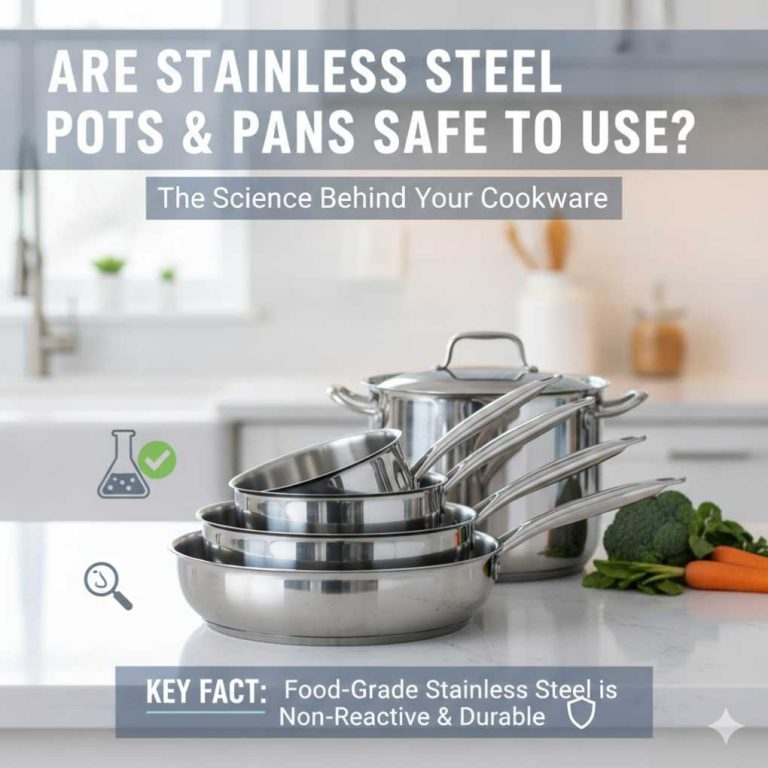
Is stainless steel a good option for these pans?
It can be, especially for roasting pans and some skillets. Stainless steel is lower maintenance than seasoned carbon steel or cast iron and is common in clad skillets and many roasting pans. The tradeoff is that plain stainless usually will not release food as easily as a seasoned surface, and very light stainless roasting pans can still suffer from weak drippings and hot spots if the gauge is too thin.
Author experience and final takeaway
I wrote this from repeated home use, not just spec sheets. The clearest pattern in testing was that cooks usually regret shape mistakes before they regret material mistakes. The wrong pan footprint causes crowding, poor airflow, and awkward handling long before fine points like seasoning style matter.
If you cook mostly stovetop dinners, start with a skillet and make sure it is truly oven-safe if you want extra versatility. If you make breakfasts or burgers in batches, add a griddle only if your burners can support it. If you roast poultry, big vegetable spreads, or holiday meals, a roasting pan with secure handles and a stable rack earns its space. For buyers comparing broader oven-ready options, this guide to best oven-safe cookware can help narrow the next step.
Sources
- Made In: Grilling Season Starts Here
Products related to this article
Sponsored / affiliate links. As an Amazon Associate I earn from qualifying purchases. I may earn additional commission from eligible campaigns.