Cast Iron Skillet vs Stainless Steel Skillet
Choose Cast Iron Skillet for searing, cornbread, and oven finish; choose Stainless Steel Skillet for sauces, fond, and fast heat changes. Pick wrong and you get sticking, scorched drippings, or a weak sear. This guide compares both by cooking task, failure mode, and cleanup.
| Decision factor | Cast Iron Skillet | Stainless Steel Skillet | Winner |
|---|---|---|---|
| Heat retention | Excellent heat retention; holds temperature under a cold food load | Good heat retention, but usually less thermal mass | Cast Iron Skillet |
| Heat distribution and response | Even heat can be good, but changes slowly | Often multi-clad for more even heating and faster response | Stainless Steel Skillet |
| Acidic foods | Reactive if seasoning is weak or damaged; can pick up metallic taste | Nonreactive with acidic foods | Stainless Steel Skillet |
| Cleanup and upkeep | Needs seasoning, thorough drying, and light oiling | Soap-and-water cleanup is straightforward | Stainless Steel Skillet |
| Handling | Heavy; a standard 12-inch cast iron skillet weighs 8 pounds on average | Moderate in weight and easier to maneuver | Stainless Steel Skillet |
| Best-fit cooking tasks | Searing, frying, baking, slow-cooked meals | Sauces, acidic dishes, everyday cooking | Depends on the dish |
Which skillet suits your cooking style, weight, and upkeep?
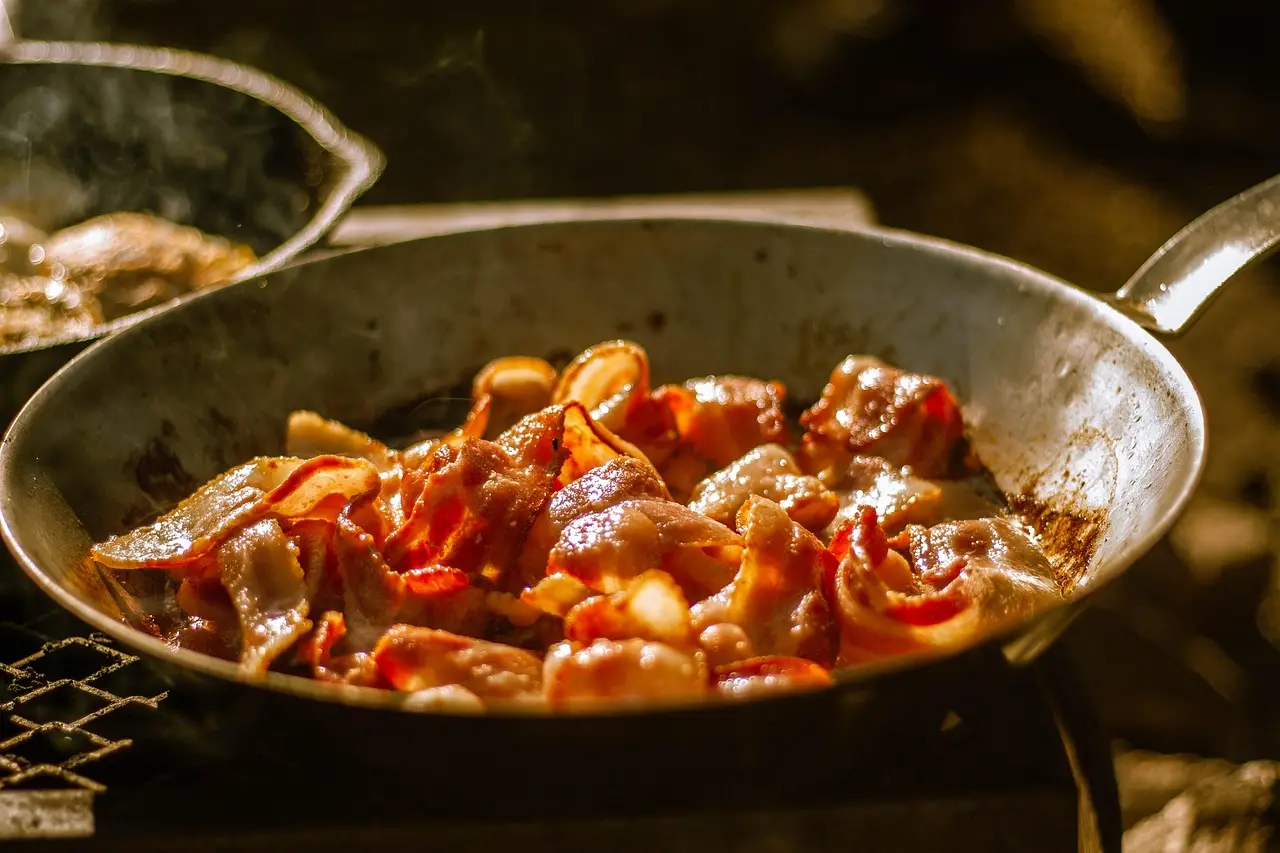
Cast iron wins when you want stored heat and steady browning. Stainless steel wins when you want quicker heat changes, lighter handling, and fewer issues with tomato, lemon, or wine. The right choice depends less on hype than on the dishes you make most and the upkeep you will actually do.
Heat retention and heat distribution
Heat retention and heat distribution are not the same thing. Cast iron keeps a lot of heat once it is hot, which helps when a steak or burger cools the pan on contact. Stainless steel usually reacts faster to burner changes, and multi-clad construction matters if you want heat spread more evenly across the surface.
A cast iron pan can lag when you lower the burner, so it is less forgiving for delicate foods. Stainless steel responds faster, but a thin or poorly made pan can still have hot spots or warp if the build is weak.
Seasoning and reactivity
Cast iron needs seasoning, which is a protective layer built from oil and heat. Misen notes that cast iron requires regular seasoning to keep a nearly nonstick surface, and VersusGuy notes poor rust resistance, so neglect shows up quickly as sticking, patchy food release, or rust if the pan is not dried and oiled.
Stainless steel does not need that maintenance layer. It is also generally inert with acidic foods, which matters when you move from searing to pan sauce without worrying about a metallic taste or about stripping the pan’s surface.
Weight, cleanup, and oven use
Cast iron is heavy, and that weight is part of why it handles high heat so well. It also makes pouring, tossing, and moving the pan from burner to oven more awkward. Stainless steel is moderate in weight, so it is easier to maneuver while you cook.
Both pans can typically go from stovetop to oven. Cleanup is where the difference becomes obvious: stainless steel is usually fine with soap and water, while cast iron should be washed with hot water and a brush, dried fully, and wiped with a thin coat of oil if needed.
Which pan is better for steak, eggs, fish, and sauces?
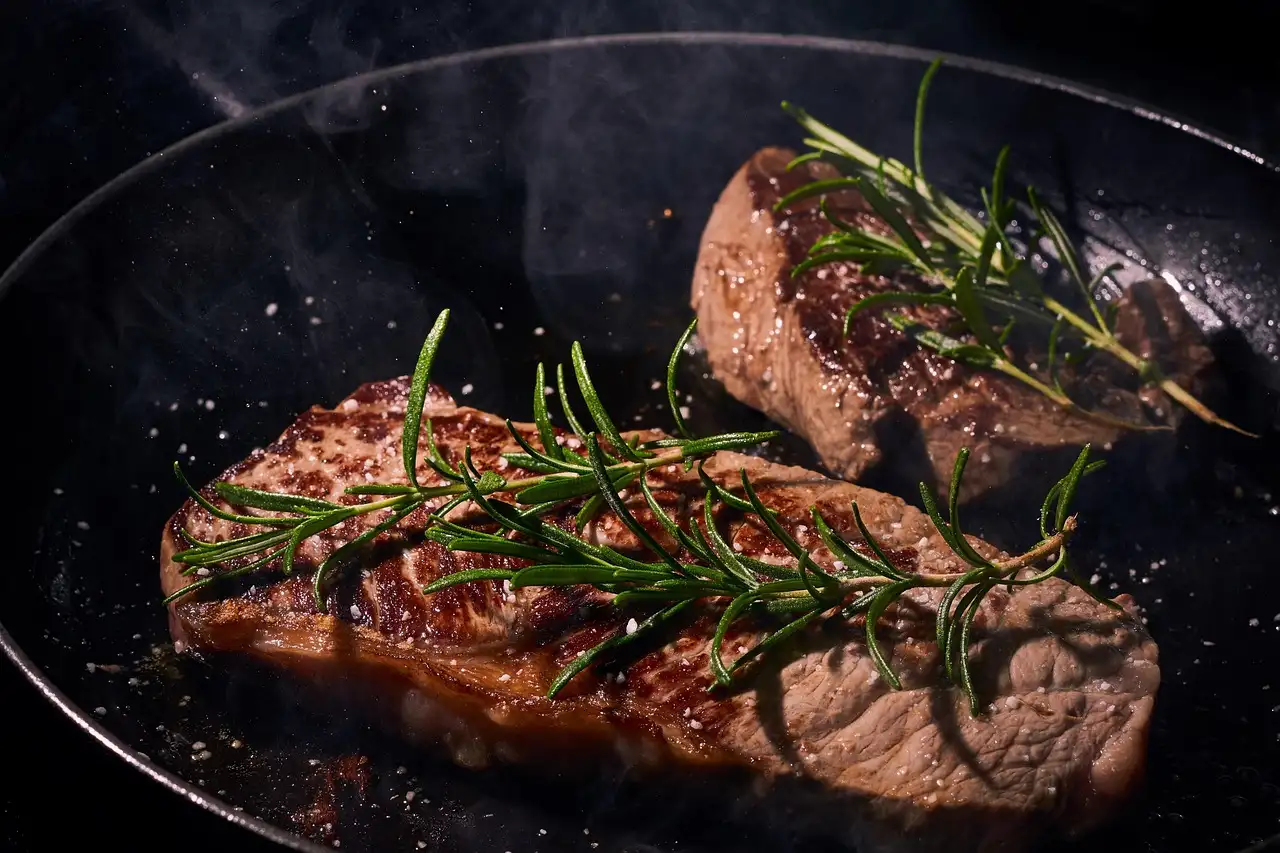
Cast iron is usually better for steak and burgers because it holds heat when cold meat hits the pan. Stainless steel is better for fish and acidic pan sauces because it is nonreactive and easier to keep clean. Eggs and pancakes sit in the middle; the result depends on heat control and how well the pan was preheated.
Steak and burgers
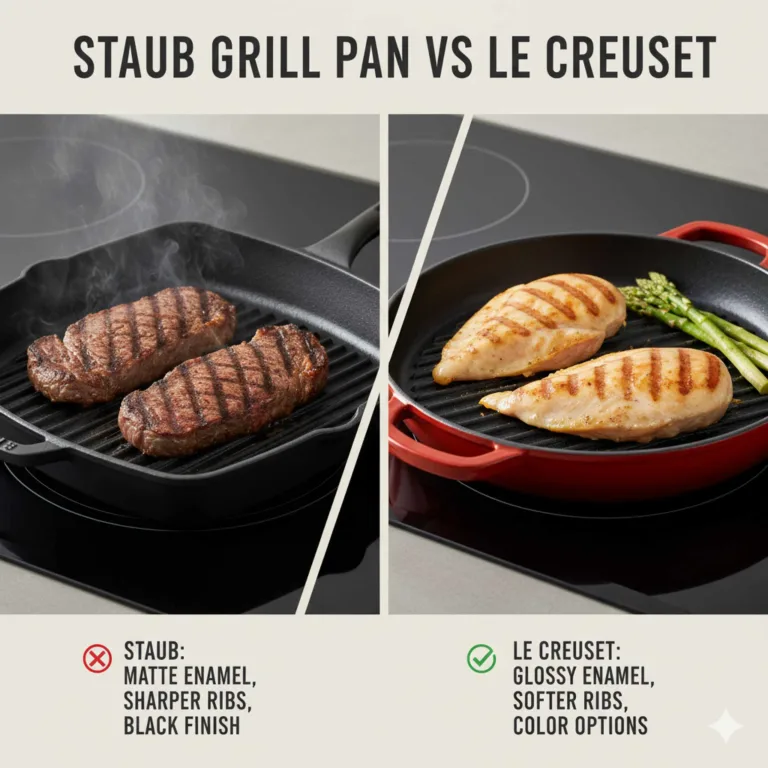
For steak, cast iron has the edge because high heat retention helps preserve searing power after the meat goes in. Prudent Reviews lists cast iron as ideal for searing, frying, baking, and slow-cooked meals, which matches the way a thick cut behaves in a hot pan. A smash burger also benefits from that stored heat.
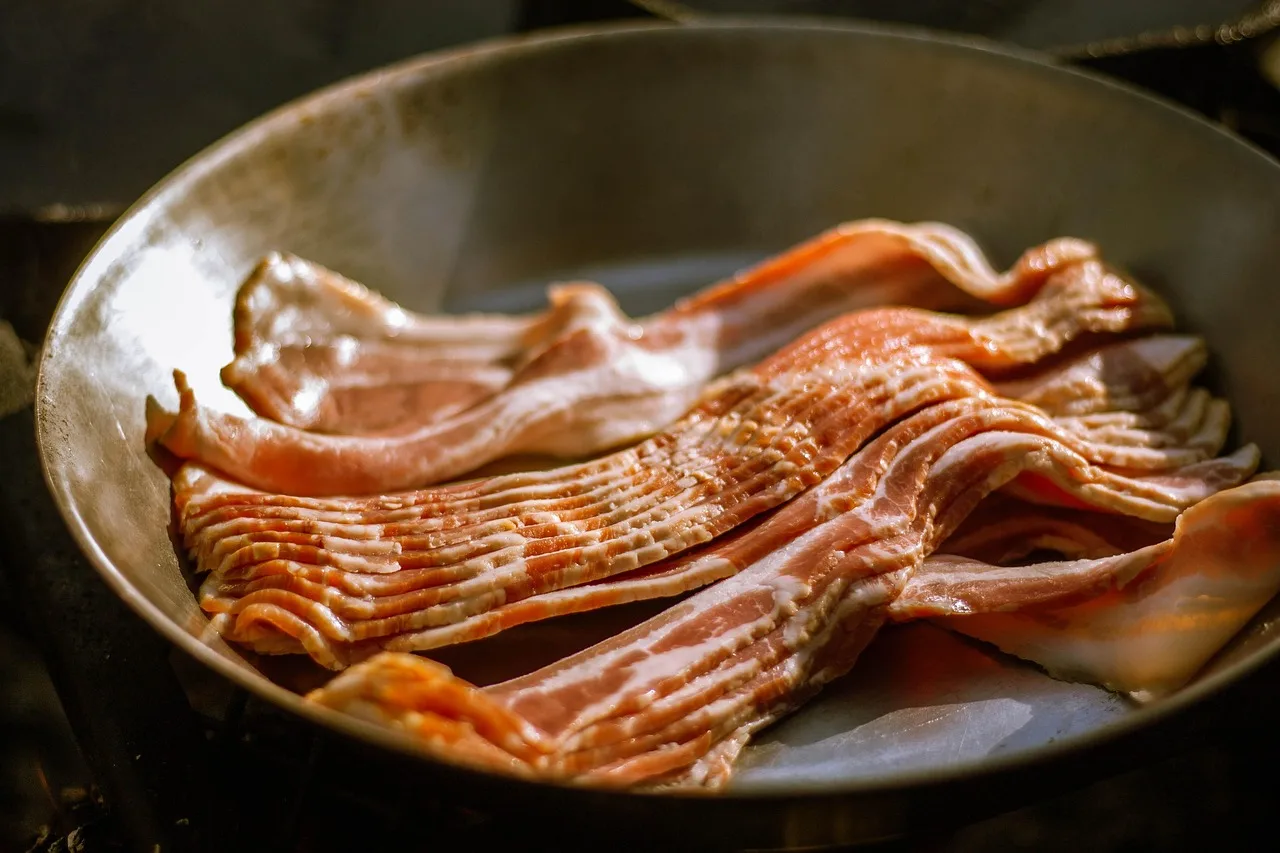
Stainless steel can still sear well, especially in a multi-clad pan, but it depends more on preheat quality and burner strength. If the pan is underheated, the meat can stick before browning develops.
Eggs and pancakes
For eggs, stainless steel is usually the safer pick for beginners because you can adjust the heat more quickly and clean residue with less fuss. Cast iron can handle eggs once the seasoning is strong and the preheat is right, but sticky seasoning turns a simple breakfast into a scrape-and-rescue job.
A baked pancake is commonly baked at about 425 degrees F for about 20 minutes. That tells you both pans can work for the same dish, but the pan must fit the method, not the other way around.
Fish and acidic pan sauces
Stainless steel is the better tool for fish when you want to deglaze afterward or make a lemon, wine, or tomato pan sauce. Cast iron can react with acidic foods, especially if the seasoning is thin, and that is where metallic taste and surface wear become real problems.
Suppose you sear salmon in a 12-inch skillet and then add wine and lemon to build a sauce. In stainless steel, that fond can turn into a clean pan sauce. In cast iron, the same move can damage weak seasoning and make the sauce taste off.
How do heat and preheating change the result?
Preheating controls whether either pan performs well. Cast iron and stainless steel both need enough time to come up to temperature, but they fail in different ways: cast iron tends to stay hot too long, while stainless steel tends to punish a rushed start with sticking. Dry food also matters, especially for searing meat.
Water droplet test and oil shimmer
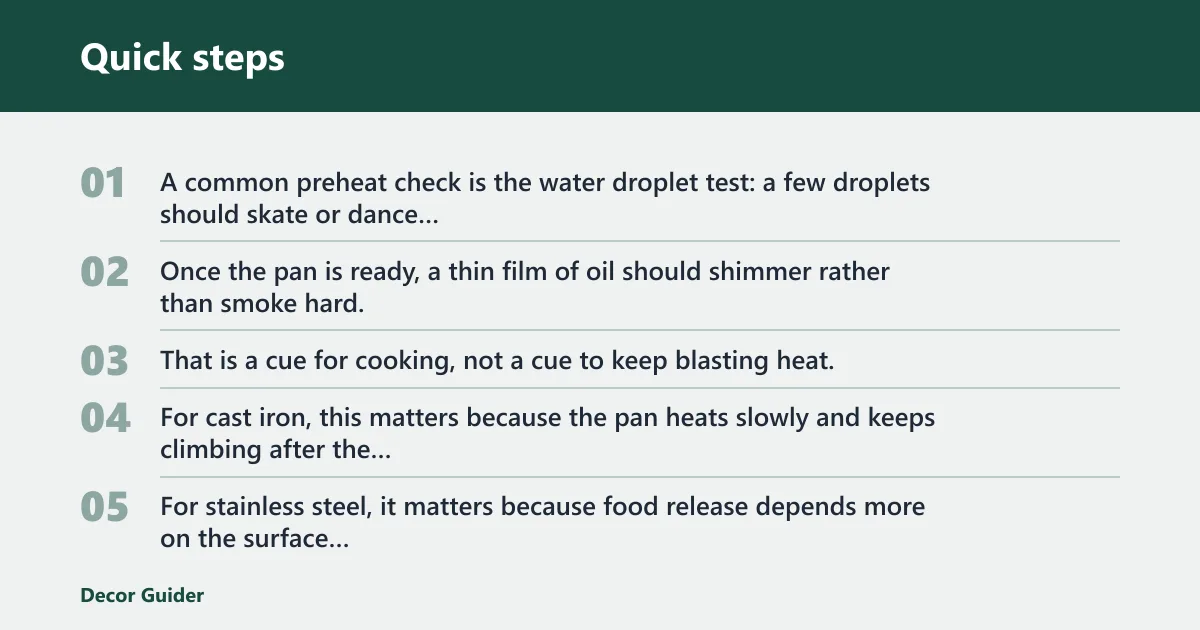
A common preheat check is the water droplet test: a few droplets should skate or dance rather than sit flat and boil away immediately. Once the pan is ready, a thin film of oil should shimmer rather than smoke hard. That is a cue for cooking, not a cue to keep blasting heat.
For cast iron, this matters because the pan heats slowly and keeps climbing after the burner is changed. For stainless steel, it matters because food release depends more on the surface reaching the right temperature before the protein touches it.
Dry meat for better searing
Dry meat sears better in both pans. Surface moisture steams the food, cools the contact point, and makes sticking more likely. Blotting steaks, chicken cutlets, and burgers before they hit the pan is one of the simplest fixes in a real kitchen.
Use less oil than many beginners expect. You want a thin film, not a puddle, because excess oil can smoke before the food browns.
When cast iron and stainless steel both fail
Both pans perform worse if the heat is too low, the pan is cold, or the food is wet. Cast iron can also fail if its seasoning is patchy, because food grabs where the coating is weak. Stainless steel can fail if the pan is warped or the heat is uneven, because one side browns while the other side lags.
Say your 10-inch pan is used for eggs on a medium burner. If the pan never fully preheats, the eggs bond to stainless steel; if the cast iron seasoning is sticky or damaged, they bond there too. The problem is the setup, not the recipe.
Cast iron skillet decision matrix
| Food type | Best pan | Why it wins | Risk of sticking | Cleanup burden | Ideal heat level |
|---|---|---|---|---|---|
| Steak | Cast Iron Skillet | Strong heat retention supports hard searing | Low if the pan is preheated and the meat is dry | Moderate | High |
| Eggs | Stainless Steel Skillet | More forgiving when heat needs quick adjustment | Moderate if the pan is underheated | Low | Medium to medium-low |
| Pancakes | Cast Iron Skillet | Stable heat helps set the batter evenly | Moderate if seasoning is weak or heat is too low | Moderate | Medium |
| Fish | Stainless Steel Skillet | Nonreactive surface helps with delicate flesh and sauces | Moderate unless the pan is properly preheated | Low | Medium |
| Smash burgers | Cast Iron Skillet | Heat recovery stays strong after the meat hits the surface | Low with a hot pan and dry meat | Moderate | High |
| Tomato or wine sauce | Stainless Steel Skillet | Handles acidity without seasoning damage | Low to moderate | Low | Medium |
What matters more: maintenance or maneuverability?
Maintenance matters if you want cast iron to keep releasing food well. Maneuverability matters if you move pans often, tilt for sauces, or cook one-handed while stirring another pan. The better skillet is the one that fits your routine after dinner, not only while the food is in the pan.
Seasoning, drying, and rust prevention
Cast iron asks for a routine: hot water, brush or scraper, full drying, and a light oil wipe when needed. VersusGuy notes poor rust resistance and the need for seasoning, so skipping those steps can leave you with orange spots and sticky food contact.
Stainless steel skips that maintenance cycle. It is not immune to bad cooking, but it does not need a protective oil layer to stay usable.
Soap and water cleanup
Soap and water are normal for stainless steel, especially after sauces and fond. That makes cleanup faster after acidic cooking, where a cast iron pan would need more care. For many home cooks, that difference is the real reason stainless steel gets used more often on weeknights.
Handling weight on the stove and in the oven
The same source describes cast iron as heavy and stainless steel as moderate in weight, and the difference is easy to feel when lifting a full pan. A standard 12-inch cast iron skillet weighs 8 pounds on average, before food is added. That matters when you are moving a hot pan from burner to oven.
Choose cast iron only if the weight will not slow you down. If you often pour drippings, toss vegetables, or shift the pan between burners, stainless steel is easier to manage.
Choose Cast Iron Skillet if… / Choose Stainless Steel Skillet if…
Choose Cast Iron Skillet if you sear steak, smash burgers, or cornbread often; if you like oven finish; and if you are willing to keep up with seasoning and drying. Choose Stainless Steel Skillet if you cook eggs, fish, tomato sauce, or wine-based pan sauces more often and want faster cleanup with less upkeep.
- Choose Cast Iron Skillet if your meals lean toward high-heat searing and oven cooking.
- Choose Cast Iron Skillet if you do not mind brushing, drying, and oiling the pan after washing.
- Choose Stainless Steel Skillet if your cooking includes acidic sauces, deglazing, and frequent heat changes.
- Choose Stainless Steel Skillet if you want lighter handling and simpler cleanup.
If you only want one skillet, start with your usual week. If most dinners are steak, burgers, or baked skillet dishes, cast iron earns the spot. If most dinners are eggs, pan sauces, fish, or fast stovetop cooking, stainless steel is the safer default.

- Excels at searing and sautéing.
- Pre-seasoned with natural vegetable oil.
- Includes silicone heat-resistant holder.
Frequently asked questions
Cast iron skillet vs stainless steel pan
Cast iron is better for holding heat and hard searing, while stainless steel is better for quick temperature changes and acidic dishes. If you cook a lot of sauces, eggs, or fish, stainless steel is usually easier to live with. If you cook steaks and oven-finished dishes, cast iron has the edge.
Cast iron skillet vs stainless steel pan for steak
Cast iron is usually the better steak pan because it keeps more heat in reserve when the meat goes down. That helps maintain browning instead of cooling off too fast. Stainless steel can sear steak too, but it rewards better pan quality and more careful preheating.
Cast iron pan vs stainless steel pan
The comparison comes down to heat behavior and food type. Cast iron is slower to react but excellent for retaining heat. Stainless steel responds faster, weighs less, and handles acidic ingredients without the same risk of reaction or seasoning damage.
Cast iron cookware vs stainless steel cookware
Cast iron cookware demands seasoning and drying, but it gives you high heat retention and strong oven performance. Stainless steel cookware usually needs less maintenance and is easier for everyday cooking. If your meals include tomato sauce or frequent deglazing, stainless steel is usually the cleaner choice.
Cast iron skillet vs stainless steel for eggs
Stainless steel is usually easier for eggs because you can adjust heat quickly and wash the pan without special care. Cast iron can cook eggs well when the seasoning is strong and the pan is properly preheated, but weak seasoning makes sticking much more likely.
Cast iron vs stainless steel pan for health
The useful question is usually not which pan is “healthier” in a broad sense, but whether the cooking surface reacts with food, sheds coating, or needs special maintenance. Stainless steel is nonreactive with acidic foods. Cast iron is fine for many meals, but damaged seasoning can change food contact and flavor.
Why is a cast iron skillet better?
Cast iron is better when the goal is high heat retention, strong searing, and oven use in one pan. It is not better for every task. If you cook delicate foods, acidic sauces, or meals that need fast heat changes, stainless steel can be the better tool.
Products related to this article
Sponsored / affiliate links. As an Amazon Associate I earn from qualifying purchases. I may earn additional commission from eligible campaigns.