Stainless Steel Roasting Pan Review: Is It Worth It?
A stainless steel roasting pan is worth it if you want one pan for years: choose heavy-gauge 18/10 stainless with a fully clad body or a thick encapsulated base. Thin pans warp, spot-burn drippings, and make cleanup harder, which costs you time and better pan sauce. This guide explains the build details that matter, what to skip, and which features suit turkey, chicken, and weeknight roasting.
Verdict

- Premium stainless steel construction
- Cast stainless wide-grip handles for stability
- Dishwasher safe for easy cleanup
Based on the spec sheet and review patterns, the Cuisinart 7117-15NSR is the strongest value for most cooks who want stainless without paying premium-clad prices. Food Network’s best overall pick was also a triple-ply stainless roasting pan, a useful signal that build quality matters more than a shiny finish. The better buy is the pan that fits your oven, lifts safely, and survives repeated use without flexing.
📊 Food Network tested 13 well-reviewed roasting pans. Source: 3 Best Roasting Pans of 2026, Tested and Reviewed.
Specs at a glance
| Spec | What matters | Buyer takeaway |
|---|---|---|
| Material | Stainless steel, an iron-based alloy with chromium that resists rust and corrosion | Good if you want long-term durability and broad oven tolerance |
| Common cookware grades | 304 stainless steel, also called 18-8; 316 stainless steel with added molybdenum | 304 covers most kitchen use; 316 matters more in salty or harsh environments |
| Construction | Triple-ply stainless cookware uses three layers for conduction and durability | Better heat spread and less flex than thin single-wall pans |
| Rack | Roasting pan with rack, often V-shaped, raises food above drippings | Better airflow under poultry and less sticking to the pan bottom |
| Shape | Straight-sided or flared-sided roasting pan | Straight sides hold more drippings; flared sides give easier access |
| Cleaning guidance | Dishwasher safety varies by manufacturer | Do not assume dishwasher-safe, even on stainless |
| Heat behavior | Heat distribution test affects browning and vegetable caramelization | Better conduction means fewer pale patches and fewer burnt spots |
Who it is for
This pan suits households that roast often enough to care about durability, drippings, and oven-to-counter handling. It also suits cooks who want one piece that can handle chicken, root vegetables, and holiday turkey without a nonstick coating that can wear out.
It is a weaker fit for apartment kitchens with tight storage, very small ovens, or anyone who dreads lifting a full pan. Say your oven is narrow and the handles sit close to the wall; a long, heavy roaster can become awkward before it ever reaches the table. Suppose you only roast one turkey a year. A lighter aluminized-steel pan may be a smarter buy.
- Best fit: weekly chicken, vegetables, pan drippings, and long service life
- Also fits: holiday turkey cooks who want a sturdy rack and better corrosion resistance
- Less ideal: occasional roasters who want the lowest cost and easiest cleanup
What works
Stainless steel earns its place through corrosion resistance, heat tolerance, and long service life. Stainless steel is an iron-based alloy with chromium, and it becomes corrosion resistant at 10.5% chromium or more. It is widely used in cookware and cutlery, and the biological cleanability of stainless steel is superior to copper and aluminium. (en.wikipedia.org)
For roasting, the practical win is consistency. Food Network evaluated heat distribution by boiling water in the pans over two burners, then used roast tests and maneuverability checks to judge real use. Their best overall pick was a triple-ply stainless pan, which fits the general rule: better conduction helps with more even browning and better vegetable caramelization.
Heat distribution and browning results
Triple-ply stainless cookware uses three layers, typically including an aluminum core. That structure helps spread heat more evenly than thin steel sheets, which reduces hot spots that scorch drippings before the meat finishes. In plain terms, you are more likely to get browned fond that turns into pan sauce, not blackened bits stuck in one corner.
Food Network’s note that nonstick pans made vegetables too brown, verging on burnt, is a good reminder that surface behavior matters. Stainless is not magic. It still needs enough preheat and enough fat to brown well, but it gives you a wider margin before the pan punishes you.
Rack design and airflow around poultry
A roasting pan with rack lifts the bird above the drippings so hot air can move around the meat. Many tested pans used a V-shaped rack, which helps cradle poultry and keeps the skin off pooled juices. That can improve airflow under a chicken or turkey and keep the underside from steaming.
A rack also helps when you want drippings for gravy. The meat stays raised, but the juices collect below where you can deglaze later. That is the practical reason to pay attention to rack shape instead of treating the rack as an accessory.
Straight sides versus flared sides
Straight-sided roasting pans hold a higher volume than flared sides, which matters for larger birds and deeper pools of drippings. Flared-sided roasting pans can be easier to access when you are turning vegetables or lifting out a roast, but they give up some capacity.
If you roast a turkey with root vegetables beneath it, straight sides are often the safer bet. If you mostly roast smaller chickens and want easier access with tongs, flared sides can feel friendlier. The choice is about workflow, not style.
Pros and cons of stainless steel roasting pans
Stainless is not automatically the best material. It is the best material when you want durability, corrosion resistance, and a pan that can live through years of high-heat roasting without a coating to baby.
Pros
- Resists rust and corrosion when made from proper stainless steel grades.
- Handles high oven temperatures better than many coated pans.
- Works well for drippings, browning, and pan sauce.
- Can outlast cheaper pans if the construction is thick enough.
Cons
- Heavier than many aluminized-steel or nonstick options.
- Baked-on fond can cling and need real scrubbing.
- Higher upfront price than basic roasting pans.
- Cheap thin stainless can warp and feel frustrating.
What does not
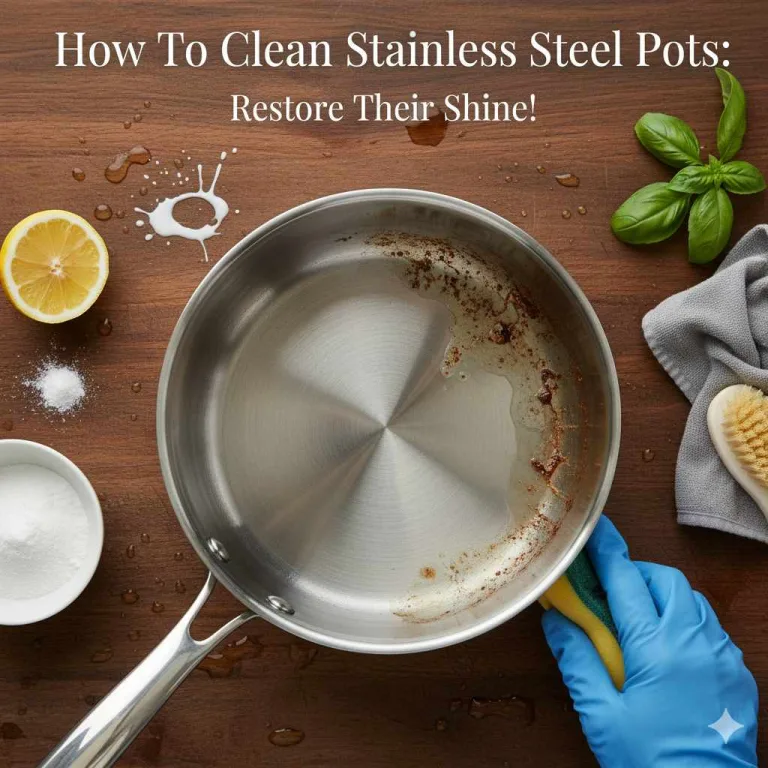
Thin stainless is the main trap. It can warp, wobble on the stovetop or oven rack, and create hot spots that burn drippings before the roast is done. It also does not erase the need for care: sticky fond, discoloration, and greasy residue can still need soaking, baking soda, or an abrasive-safe scrub pad.
Another drawback is maneuverability. Food Network assessed maneuverability by pulling pans in and out with kitchen towels, which is a practical way to think about it. A full roasting pan is awkward when hot, and wide side handles that are hard to grip can make the job worse. Handle shape matters as much as thickness.
Price is the final hurdle. If you roast twice a year, a premium stainless pan may never repay its cost. If you roast weekly, the same pan can become cheap over time. Cost per use is where stainless often wins, but only for households that actually use it enough.
What stainless steel grade is best for cookware?
304 stainless steel is the most practical answer for most cookware buyers. It is also called 18-8, contains about 18% chromium and 8% nickel, and is widely used for kitchen equipment because it balances corrosion resistance, formability, and cost. For roasting pans, that is usually enough.
316 stainless steel is also an austenitic grade, but it includes molybdenum and has better chloride pitting resistance than 304. That matters more if you regularly work around salt-heavy brines, salty seafood juices, or aggressive cleaners. For most roasting pans, 316 is a nice-to-have, not a need-to-have. Austenitic grades are usually non-magnetic, so a magnet test alone does not tell the whole story.
What should you look for in a roasting pan rack?
Look for a rack that holds the bird off the pan floor, stays stable, and comes out without a fight when the pan is hot. A good rack supports the roast, lets air move around it, and keeps the meat from sitting in drippings. Shape and height matter more than decorative details.
The practical target is enough clearance to let fat drain and air move, without lifting the bird so high that the pan dries out or the lid gap becomes awkward. If the rack flexes under a turkey, it is the wrong rack. If it slides around when you move the pan, that is another warning sign.
Rack checklist
- Choose a rack that fits the pan without rattling.
- Prefer a V-shaped rack for poultry if the bird is the main use.
- Check for stable contact points so the roast does not tilt.
- Make sure the rack clears the drippings enough for airflow.
- Confirm the rack is easy to lift with potholders or towels.
Who it is for
Stainless steel roasting pans are best for cooks who want a durable, high-heat, long-life pan and are willing to pay for construction. Weekly chicken, holiday turkey, and meal-prep vegetables all justify stainless more than an occasional Sunday roast does. The better the pan is built, the more that value shows up over time.
It is less attractive for people who need the lightest pan possible, or who cook in an oven with limited clearance. A common first-timer mistake is buying a large roaster because the price looks fair, then finding out the handles make it hard to rotate the pan in a tight oven. Measure first. The fit comes before the finish.
Decision matrix: which stainless steel roasting pan is worth buying?
The right stainless pan depends on how often you roast, how much you cook at once, and how much weight you are willing to manage. Use the use case first. Then judge rack style, oven fit, cleanup burden, and expected lifespan. That is the fastest way to compare cost per use instead of sticker price alone.
| Pan style | Rack type | Oven fit | Cleanup effort | Weight | Worth it for weekly cooking? | Worth it for holiday turkey? | Worth it for occasional use? |
|---|---|---|---|---|---|---|---|
| Heavy-gauge straight-sided stainless | V-shaped or elevated rack | Best in full-size ovens with room for handles | Medium to high; fond may cling | Heavier | Yes, strong fit if durability matters | Yes, especially for larger birds | Only if you want long-term ownership |
| Triple-ply stainless roasting pan | Sturdy rack with good clearance | Good, but verify pan length before buying | Medium; better browning can mean more fond | Heaviest | Yes, if you roast often enough to justify price | Yes, best for repeated holiday use | Usually too much pan for occasional roasting |
| Flared-sided stainless | Flat or shallow rack | Good for easier access in moderate ovens | Medium | Moderate | Maybe, if access matters more than capacity | Less ideal for large birds and deep drippings | Yes, if you want easier handling |
| Thin stainless pan | Basic rack | Usually easy to fit | High; more scorching and warping risk | Lighter | No, poor long-term value | Maybe, but not the best buy | Yes, only if budget is tight |
If you roast weekly, a well-made stainless pan pays off through fewer warps, better drippings, and less replacement churn. If you roast turkey only at holidays, buy enough pan for the bird and prioritize rack stability and handle comfort. If you cook occasionally, do not pay for a premium build unless you really want the longevity.
Alternatives
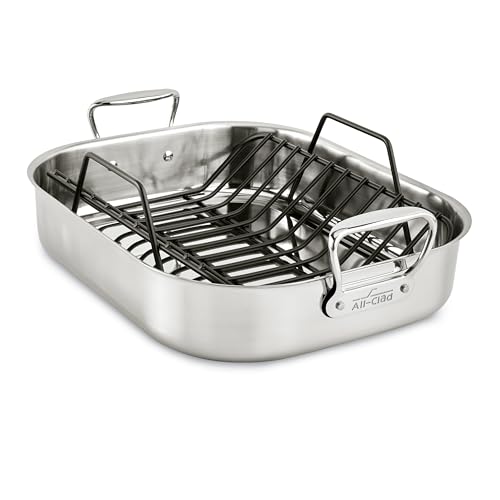
- Heavy-gauge polished stainless steel construction
- Nonstick rack elevates food for even roasting
- Oven and broiler safe up to 600°F
The All-Clad Stainless Steel 13″ x 16″ Roaster with rack is the splurge stainless choice. Its heavy-gauge construction and oven-safe rating up to 600°F make it a serious long-term pan, and the nonstick rack is useful for release. The drawback is obvious: it costs more than many cooks need to spend unless they roast often and want premium build quality.

- MineralShield nonstick technology is 5x more durable
- Hard anodized material resists scratches and corrosion
- Built-to-last design with food-safe materials
The Calphalon Premier Hard-Anodized Nonstick 16In Roasting Pan With Rack is the better cleanup-first alternative. Nonstick is friendlier for sticky drippings and easy release, and the scratch-resistant hard-anodized body gives it a different maintenance profile. The tradeoff is that nonstick coatings are not the same as bare stainless for browning, and coating care matters more over time.
Should you buy it
Buy a stainless steel roasting pan if you want a durable pan for repeated roasting, value pan drippings, and can tolerate more weight and more cleanup than nonstick. It is the right buy when you plan to use it enough that lifespan matters more than the first receipt. That is where stainless earns its price.
Skip premium stainless if your oven is cramped, your storage is tight, or you roast only once or twice a year. In those cases, aluminized steel or nonstick often gives better day-to-day value. The best pan is the one that matches your cooking frequency, oven space, and willingness to scrub baked-on fond.
Frequently asked questions
Is a stainless steel roasting pan worth it?
Yes, if you roast often enough to use the pan for years. Stainless is durable, corrosion resistant, and better suited to high heat than many coated pans. It is less worth it for rare holiday-only cooking, where a less expensive aluminized-steel pan may do the same job at lower cost.
What size stainless steel roasting pan do I need for a turkey?
Choose a pan that leaves several inches of space on each side of the bird and still fits your oven with room for handles. A larger turkey needs extra volume, which is why straight-sided pans are often better. Measure your oven interior before buying, not after the box arrives.
Are stainless steel roasting pans hard to clean?
They can be. Stainless resists rust, but baked-on fond, dark drippings, and discoloration still need attention. Soak the pan soon after use, use non-abrasive scrubbing where possible, and do not expect a shiny surface after a deep roast. Cleanability is good, but not automatic.
Does stainless steel roast better than nonstick?
For browning and pan sauce, often yes. Food Network noted that nonstick pans made vegetables too brown, nearly burnt, in its testing, while stainless and triple-ply builds gave more useful drippings. Nonstick still wins for release and easier cleanup, so the better choice depends on what you value most.
Can a stainless steel roasting pan go in the dishwasher?
Sometimes, but do not assume it can. Dishwasher guidance varies by manufacturer, and Food Network did not recommend dishwashing any of the tested roasting pans. Hand washing is the safer default, especially if you want to protect the finish and avoid handle or rack issues.
What stainless steel grade is best for cookware?
304 stainless steel is the practical standard for most cookware because it balances corrosion resistance and cost. It is also called 18-8 and is the most widely used stainless steel. Choose 316 if you need better resistance to chloride pitting, which matters more in harsher conditions than in everyday roasting.
Products related to this article
Sponsored / affiliate links. As an Amazon Associate I earn from qualifying purchases. I may earn additional commission from eligible campaigns.