How to Roast Vegetables in a Pan: Heat, Space, Timing
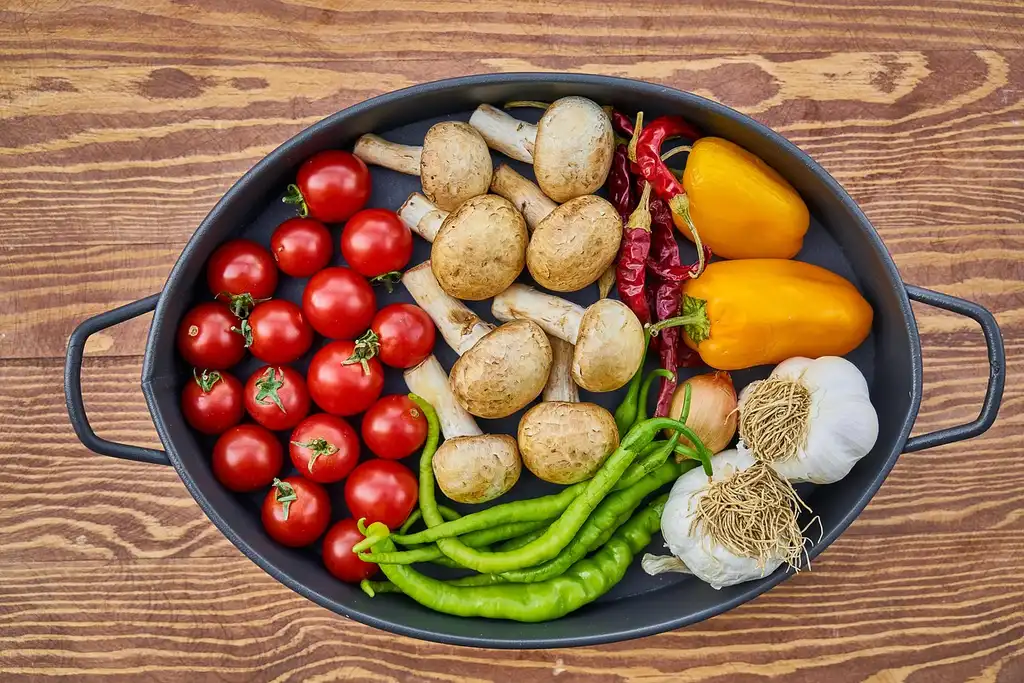
Roast vegetables in a wide, shallow metal pan at 400°F to 450°F, with enough space for air to move between pieces. Bare metal browns fastest; crowded pans and excess moisture create steam instead of crisp edges. Choose the pan by depth and surface area, then match the cut size and timing to the vegetable.
What you’ll need


- A shallow-sided roasting pan, half-sheet pan, or heavy skillet
- A spatula or metal turner
- A cutting board and sharp knife
- Olive oil, vegetable oil, butter, or coconut oil
- Salt and black pepper
- Optional seasonings: thyme, rosemary, and whole garlic cloves in skin
- Dry vegetables, rinsed and well drained
- Heat the pan first if you are using bare metal.
- Cut vegetables by density so the hardest pieces are smaller.
- Coat the vegetables evenly with oil, then add salt and pepper.
- Spread them in a single layer with visible space between pieces.
- Roast or pan-roast until the bottoms brown, then turn or stir once halfway through.
- Finish tender vegetables quickly so they stay browned instead of drying out.
Dry the vegetables well after washing, because surface moisture slows browning and increases steaming. Keep pieces close in size so they finish together, and preheat the pan when you want faster color on the first side. These basics matter more than any single seasoning choice.
What pan works best?
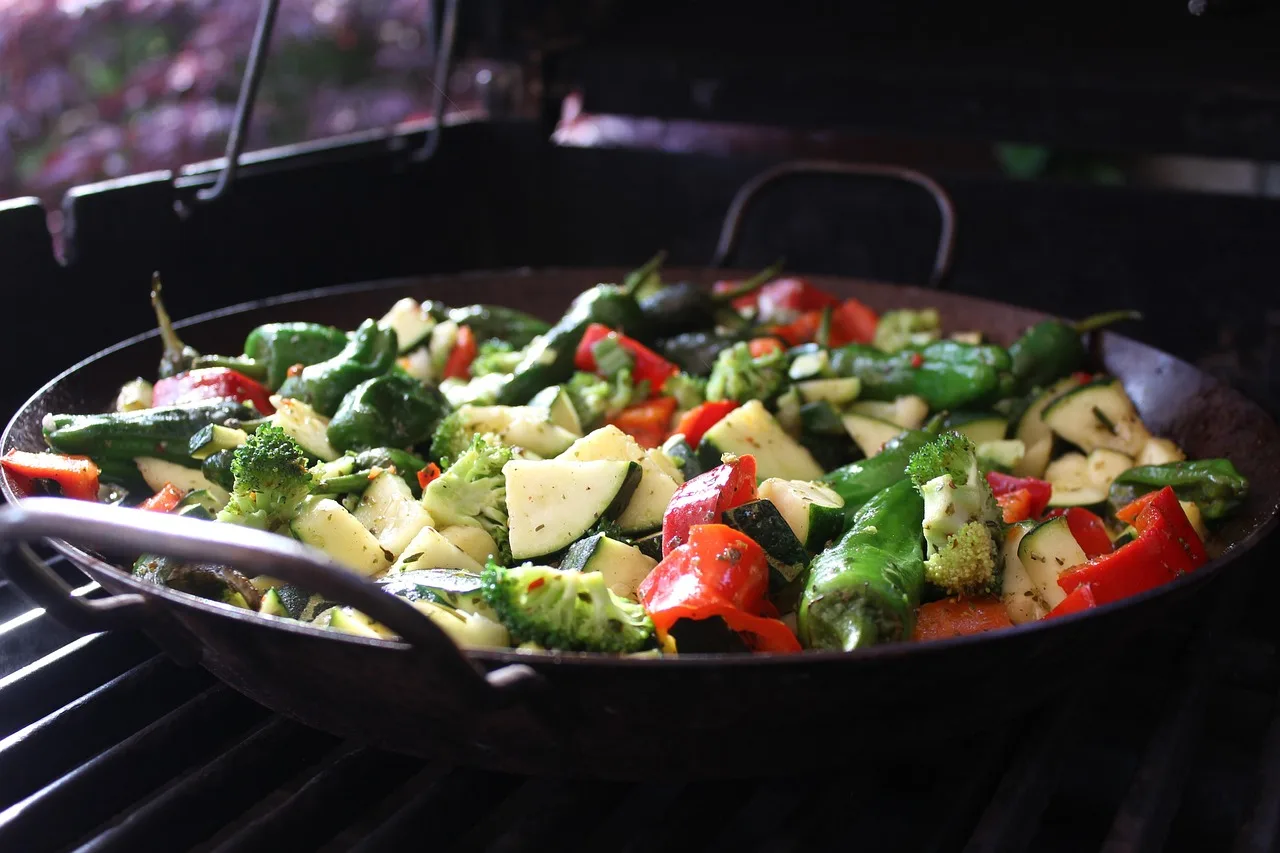
The best pan is shallow, wide, and metal. A roasting pan has low sides, so heat circulates well and vegetables sit in a single layer. A half-sheet pan is even better for many cooks because the wide surface gives each piece more room. Deep pans crowd food and trap moisture.
Roasting pan
A roasting pan with shallow sides works well for high-heat roasting when you want a single layer and good airflow. It is most effective when it is not crowded, because extra depth can hold steam around the vegetables. For best browning, use bare metal rather than a lined surface whenever the recipe allows.
Sheet pan
A half-sheet pan is often the strongest choice for most roasted vegetables. Its wide surface limits overlap, and bare metal browns more aggressively than parchment. If you line it, expect softer bottoms and a little less color, especially on vegetables with high moisture.
Skillet or frying pan
A skillet or frying pan is the best fit when you want to pan-roast on the stove and then finish in the oven. It must be oven-safe for that workflow. The flat surface helps browning, and the short sides make it easier to toss vegetables without piling them up. Check the handle and all parts for oven-safe construction before using high heat.
Why glass dishes underperform
Glass dishes brown more slowly than metal pans, so they are a weaker choice for crisp edges. They can still cook vegetables through, but they do not give the same quick surface browning as a bare metal roasting pan, skillet, or sheet pan. That slower browning is why glass often leaves vegetables softer before they color.
What temperature should you use?
Most vegetables roast well between 400°F and 450°F. Use 375°F to 400°F for dense vegetables that need more time in the center, and 425°F to 450°F for vegetables you want to brown quickly. Higher heat helps moisture evaporate, but it also narrows the window between browned and overdone.
375°F to 400°F for dense vegetables
Beets, carrots, potatoes, and other dense vegetables usually need lower heat and a longer stay in the pan. Their centers take longer to soften, so 375°F to 400°F gives the inside time to catch up with the outside. This range is a safer starting point for thicker cuts and mixed root batches.
425°F to 450°F for faster browning
Broccoli florets, Brussels sprouts, cauliflower florets, asparagus, zucchini, and peppers often do better with stronger heat. Higher heat speeds browning and helps moisture evaporate fast enough to keep edges from going limp. That range is especially useful when the vegetable is already tender and only needs surface color.
When to preheat the pan
Preheat a sheet pan or skillet when you want quicker browning on bare metal. A hot pan helps vegetables start sizzling right away. That is especially useful for cut surfaces that would otherwise sit and release moisture before they color. A cool pan can still work, but it usually browns more slowly.
How do you roast vegetables in a pan without steaming them?
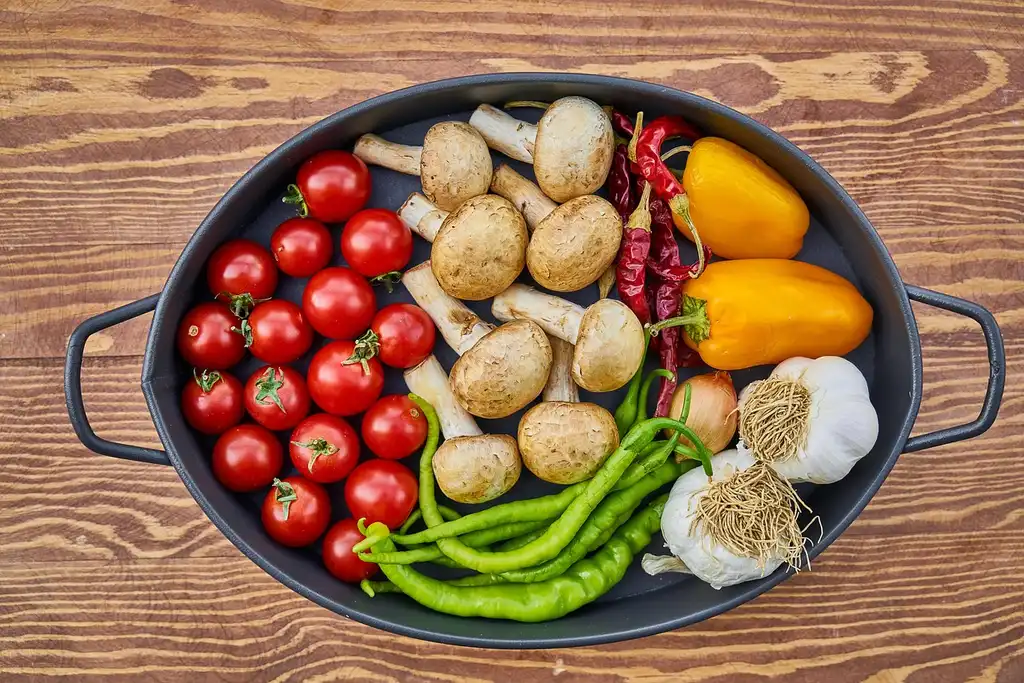
Use a pan wide enough for a single layer, dry the vegetables well, and keep the heat high enough for browning. Steam forms when pieces are crowded or the pan is too small. Bare metal, enough oil, and space between pieces are the simplest ways to keep the edges crisp.
Match cut size to density
Hard vegetables need smaller pieces so they cook through before the outside burns. Softer vegetables can stay larger. Try to keep each batch close in size, because mixed sizes create a pan with both underdone and overcooked pieces. When a batch includes mixed densities, start the hard vegetables first and add the soft ones later.
Keep the pan open
Leave visible space around each piece. If the vegetables touch in a thick layer, they trap moisture and soften. Suppose a 12-inch skillet is filled with Brussels sprouts cut in half and piled two pieces deep; the bottoms may brown late while the top layer stays pale. A looser layer gives you faster evaporation and better color.
Use enough oil, not too much
Oil helps heat contact the surface and supports browning. Coat vegetables evenly with olive oil, butter, vegetable oil, or coconut oil. Too little oil leaves dry patches that brown unevenly. Too much oil can pool and make the vegetables greasy instead of crisp. Aim for a light, even sheen rather than a glossy puddle.
Vegetable size and cut method
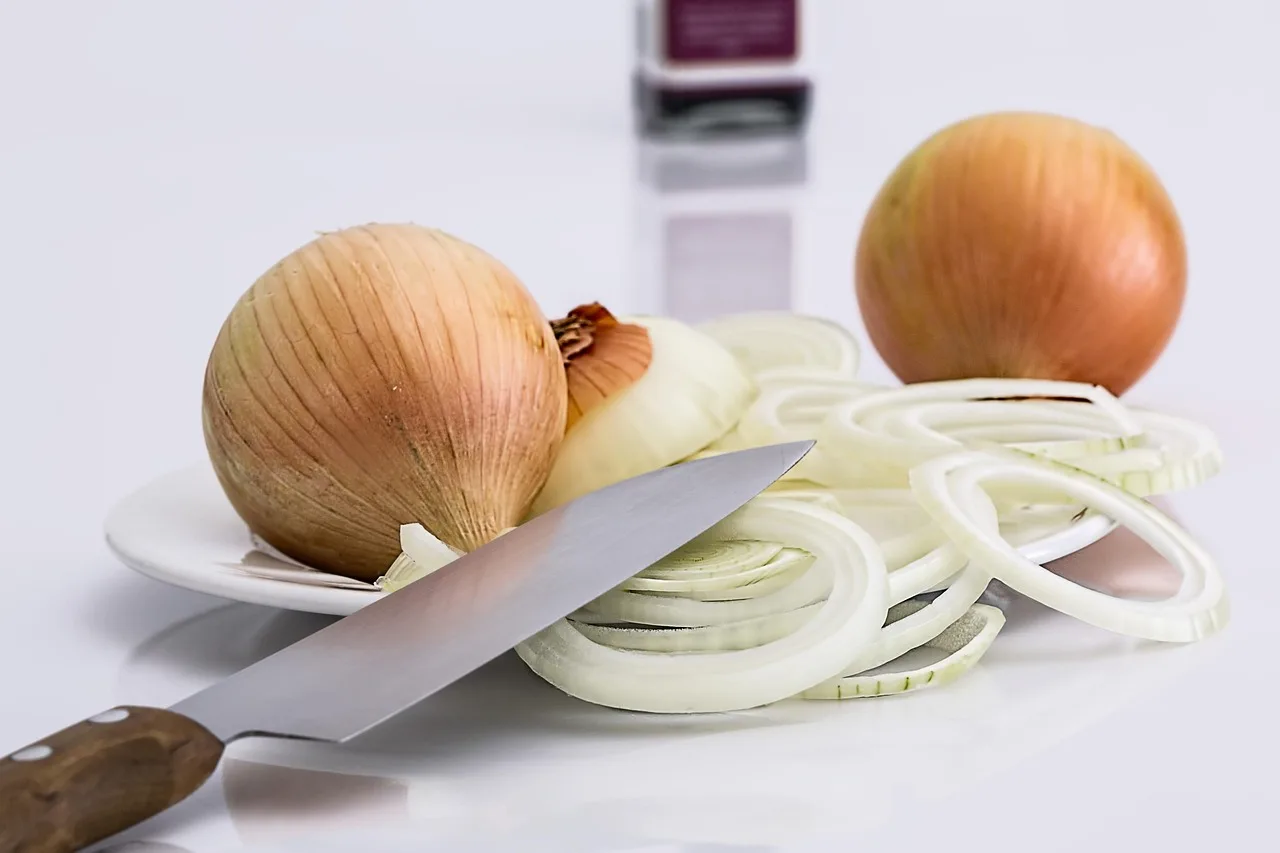
Cut size should follow density. Hard root vegetables need smaller wedges or cubes than zucchini or asparagus, because dense flesh takes longer to soften. Keep pieces close in size, and trim watery vegetables so they roast instead of steam. Flat cut faces also brown faster than rounded surfaces.
Root vegetables
Carrots, potatoes, parsnips, and beets roast best when cut into compact, even pieces. Smaller cuts give the heat a shorter path to the center. Large chunks need more time and are more likely to scorch before they soften through. For even results, keep root pieces uniform and avoid mixing very thick chunks with thin slices.
Cruciferous vegetables
Broccoli, cauliflower, and Brussels sprouts brown well when cut to expose flat surfaces. Those cut faces color faster than rounded ones. Keep florets and halves similar in size so the tray does not mix very fast pieces with slower ones. Dry the cut edges well, because trapped water in the crevices can slow browning.
Soft or thin vegetables
Asparagus, zucchini, and peppers need less time and should be cut with care. Thick spears or large strips can stay crisp-tender, but very thin slices dry out quickly. Use higher heat and watch them closely once the edges start to brown. Thin vegetables can move from done to overcooked quickly, so keep the cut size substantial.
Pan-roasting decision table
| Vegetable type | Pan type | Heat | Cut size | Fill level | Finish method | Troubleshooting |
|---|---|---|---|---|---|---|
| Root vegetables | Shallow roasting pan or half-sheet pan | 375°F to 400°F | 1/2- to 3/4-inch pieces | Single layer, no overlap | Turn once halfway through; roast until browned and tender | Soggy: pan was crowded. Pale: pan was lined or too cool. Burnt: pieces were too small. |
| Cruciferous vegetables | Half-sheet pan or oven-safe skillet | 425°F | Small florets or halved sprouts | Loose single layer | Stir once halfway, then finish uncovered | Soggy: excess moisture or too much oil. Pale: use bare metal. Burnt: cut pieces were uneven. |
| Soft or thin vegetables | Skillet or frying pan for stove-to-oven finish | 425°F to 450°F | Thick spears or wide strips | Light fill with open gaps | Sear on the stove, then move to oven briefly | Soggy: heat was too low. Pale: not enough preheat. Burnt: oven finish was too long. |
| Mixed vegetables | Half-sheet pan | 400°F to 425°F | Separate by density | Do not pack tightly | Add faster vegetables later if needed | Soggy: mixed sizes crowded the pan. Pale: too much parchment. Burnt: dense pieces were cut too small. |
How do you roast vegetables quickly?
Use a hot, bare metal pan, cut vegetables smaller, and choose fast-cooking vegetables such as broccoli florets or asparagus. High heat helps, but speed still depends on cut size and spacing. Most quick vegetables finish in under 20 minutes, while dense roots need much longer to soften through.
Broccoli florets roast at 425°F for 8 to 14 minutes. Brussels sprouts roast at 425°F for 8 to 14 minutes. Asparagus roasts at 400°F for 18 to 20 minutes. Beets often roast at around 400°F for about 60 to 75 minutes.
Common mistakes
Most failures come from too much moisture, too little space, or the wrong pan. Each one blocks browning in a different way, so the fix is specific.
- Crowding the pan: use a larger pan or split the vegetables between two pans. Crowding causes steaming instead of crisping.
- Using too little oil: coat all surfaces lightly and evenly so the vegetables can brown.
- Choosing a deep pan: switch to a shallow-sided roasting pan or half-sheet pan for better airflow.
- Skipping preheat on bare metal: preheat the sheet pan or skillet so browning starts sooner.
- Lining the pan: use bare metal when you want the strongest browning; parchment reduces it.
If vegetables come out soft, pale, burnt, or raw in the center, the fix is usually simple. For soggy pieces, use a wider pan and cut back on moisture. For pale pieces, switch to bare metal and higher heat. For burnt edges, cut larger pieces or lower the temperature. For undercooked centers, reduce the batch size and roast a little longer.
Frequently asked questions
What pan should I use for roasting vegetables?
A shallow roasting pan or half-sheet pan is the safest choice for browning. Use an oven-safe skillet if you want to start on the stove and finish in the oven. Avoid deep dishes when crisp edges matter, because they trap steam around the food.
Can you roast vegetables in a frying pan or skillet?
Yes. A heavy, oven-safe skillet can pan-roast vegetables on the stove, then finish them in the oven if needed. Keep the layer thin, use enough oil, and move the pan to the oven only after the vegetables have started to brown on the bottom. Make sure the handle and construction are rated for oven use.
How do you roast vegetables on the stove and finish them in the oven?
Start vegetables in a hot skillet with oil over medium-high heat until the cut sides brown, then move the oven-safe pan to a 400°F to 425°F oven. This works well for thicker pieces that need both surface color and a little more time in the center. Keep the transfer quick so the pan stays hot.
How long do different vegetables take to roast?
Timing depends on density and cut size, but quick vegetables usually finish in 8 to 20 minutes, roots often need 30 to 60 minutes, and some dense vegetables can take longer.
Can I roast vegetables in a glass dish?
Yes, but glass browns less effectively than bare metal. If crisp edges matter, choose a roasting pan, half-sheet pan, or skillet instead. A glass dish is better for cooking through than for producing the strongest browning. It is a workable backup, not the best tool for deep caramelization.
Products related to this article
Sponsored / affiliate links. As an Amazon Associate I earn from qualifying purchases. I may earn additional commission from eligible campaigns.