Sauté Pan vs Skillet
Choose a Sauté Pan if you need higher sides for sauce, splatter control, or larger batches; choose a Skillet if you want faster browning, easier flipping, and quicker evaporation. Pick the wrong one, and you lose control over heat, mess, and how much food fits in the pan at once. This guide compares sauté pan vs skillet by cooking job, including sautéing, searing, shallow frying, and sauce reduction.
Where the taller wall of a sauté pan actually helps
| Decision factor | Sauté Pan | Skillet | Winner |
|---|---|---|---|
| Side height and splash control | Higher sides help contain oil, juices, and tossed ingredients. | Lower sides leave the surface more open, with less spill protection. | Sauté Pan |
| Surface width and evaporation | Wide, shallow surface supports browning while giving room for sauce work. | Also wide, but the lower wall makes the pan feel more open and exposed. | Tie |
| Easy flipping and tossing | Good for tossing, but the taller wall can feel more enclosed. | Often easier for quick flipping and stirring with less obstruction. | Skillet |
| Batch size and ingredient volume | Better when you need room for a larger portion without spillover. | Works well for smaller batches and single-layer cooking. | Sauté Pan |
| High-heat sear | Can sear well, but the side height is usually more than the task needs. | Often the cleaner fit for fast browning and easier surface contact. | Skillet |
| Sauce reduction | Helpful for pan sauces because the higher sides catch splatter and leave room to swirl. | Good for quick sauces, but the lower wall offers less containment. | Sauté Pan |
Side height and splash control
The taller wall is the main practical difference. A sauté pan gives you more buffer for bubbling fat, stirred vegetables, and sauce splashes, while a skillet leaves the cooktop more exposed. That matters most when you are working with juicy food, shaking the pan, or adding liquid after browning.
Surface width and evaporation
Both pans can have a wide cooking area, which helps food brown instead of steam. The difference is simple: a sauté pan keeps the cooking zone open but adds vertical room, while a skillet keeps the same general openness with less wall above the food. For quick evaporation and fast color, the shallower shape often feels simpler.
When shape matters more than name
Recipe names are inconsistent. A cookbook may say skillet and mean a frying pan shape, while another may ask for a sauté pan because the cook needs more side height for movement and liquid. Use the job, not the label, to decide.
What a sauté pan does best
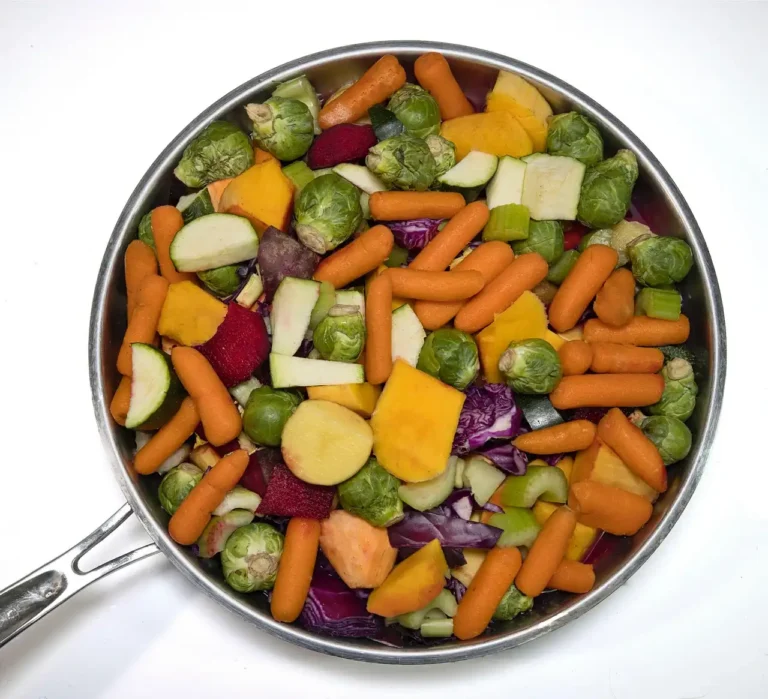
A sauté pan fits jobs that need a wide, shallow cooking surface with room to move food around and enough wall height to control splatter. It works well over medium heat after preheating, especially when you are browning vegetables, finishing a one-pan sauce, or cooking a larger quantity that would feel cramped in a lower-sided pan.
Wide surface for browning
F1 says sautéing means cooking in a small amount of fat over high heat, and F2 says it is ideal for browning or searing food. A wide, shallow pan helps that happen because more surface can touch the heat at once. Less stacking means less steaming. (Wikihow)
Higher sides for tossing and sauce work
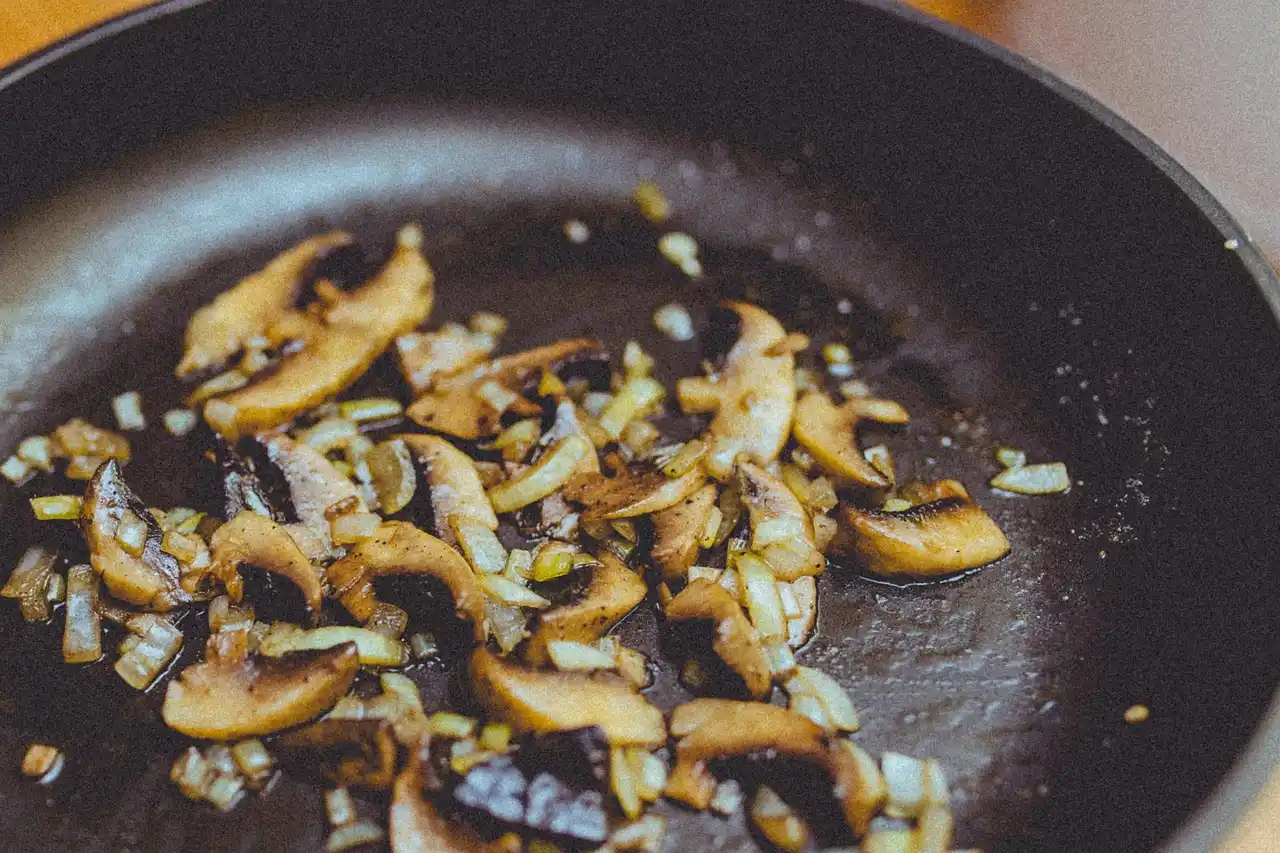
The extra wall helps when you toss mushrooms, onions, peppers, or cut chicken with a spoon or wrist motion. It also gives you more room for deglazing and reducing a sauce after the main ingredient has browned. That is why a sauté pan often feels better for a recipe that starts on the stove and ends in the same pan.
Say your pan holds two chicken breasts plus onions and a splash of stock. A sauté pan gives you more room to turn the meat and reduce the liquid without sending it over the edge.
Why it suits larger portions
Larger quantities spread out better in a sauté pan because the wider footprint and higher wall reduce the chance of crowding. That matters when the pan is full enough that ingredients would otherwise pile up and soften instead of brown. The shape supports movement without sacrificing containment.
What a skillet does best
A skillet is often the better everyday choice for quick browning, simple sautéing, and tasks that do not need much splash control. It is usually shallower than a sauté pan, so food is easier to flip and stir, and the open edge makes it feel less enclosed on the stove.
Everyday searing and browning
A skillet handles many sautéing jobs well, especially when the recipe is short and the ingredient list is small. It is a common substitute for simple sautéing because it gives good contact with heat and leaves moisture room to escape. For a fast sear, that can be the cleaner tool.
Why a shallower pan can be easier to handle
Lower sides make it easier to slide a spatula under food and judge color. They also make flipping and stirring less awkward, which helps when you are cooking something delicate or working fast. The tradeoff is less protection from spatter and less room for liquids.
When a cast-iron skillet fits the job
A cast-iron skillet can be a workable sauté vessel in recipe contexts, especially for medium-heat stovetop cooking and high-heat searing. Its mass holds heat well, so it suits browning jobs that need a steady pan surface. The shape still behaves like a skillet, though, so splash control stays limited compared with a sauté pan.
How to choose by recipe
Choose by the cooking task first. Then match side height, diameter, and batch size to the amount of food and liquid in the pan. Start with the recipe’s demands, not the pan name. That approach beats relying on the label alone, because the same recipe can work in either pan when the volume and splash risk are low.
- Check the ingredient volume.
- Decide whether splatter control matters.
- Look at the amount of sauce or liquid.
- Choose the pan with enough surface area for a single layer.
- Use the taller pan when the food will move, bubble, or reduce.
Small sautéed vegetables
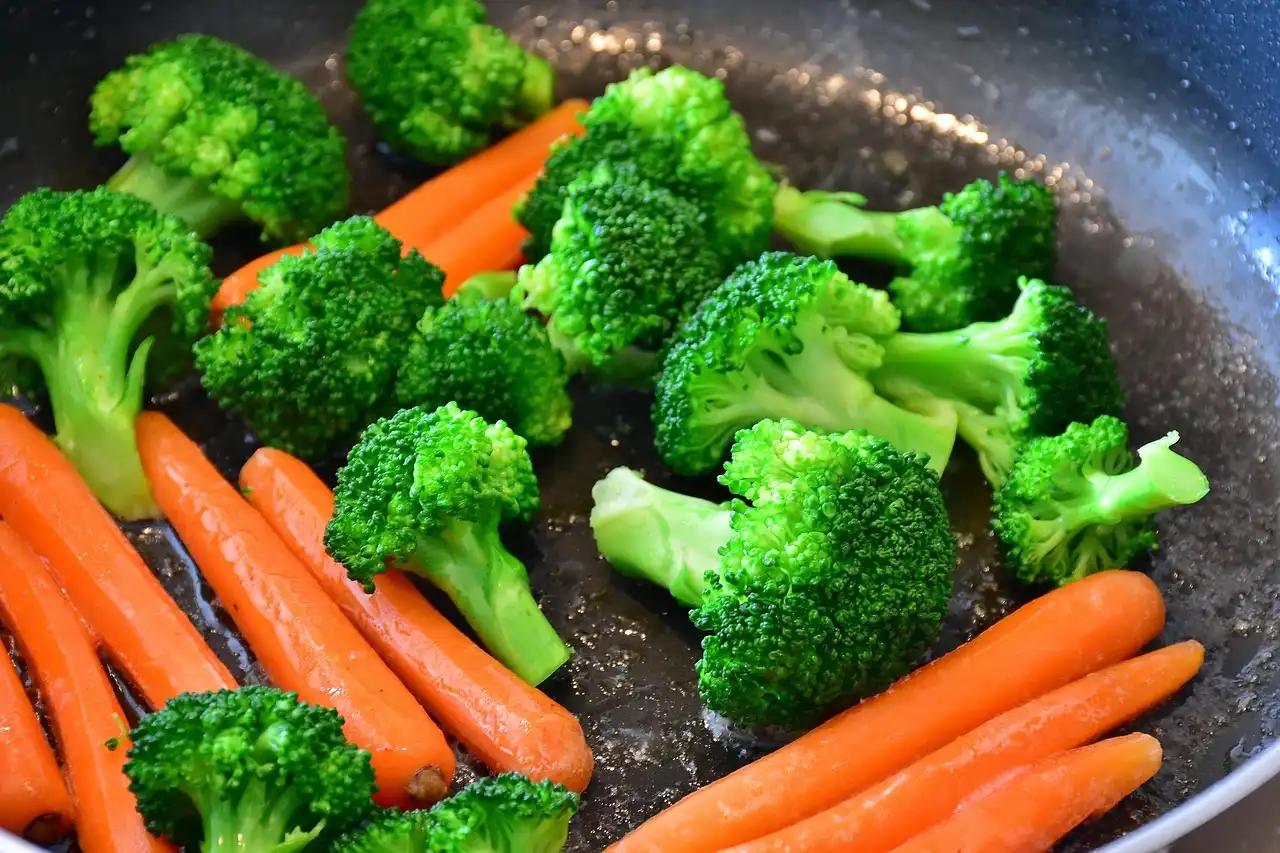
Pick: Skillet. Small batches of vegetables brown well in a skillet because the open shape makes stirring easy and the lower wall does not get in the way. If the vegetables are crowded, either pan will steam them, so the better fix is a second batch.
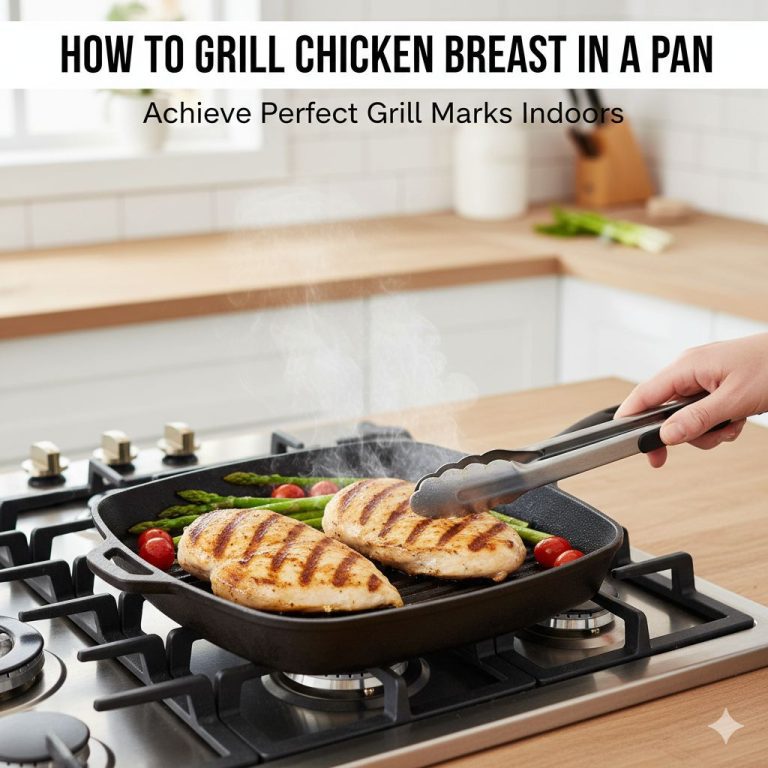
Two chicken breasts
Pick: Skillet. Two chicken breasts usually need fast browning and easy turning more than extra wall height. If the pieces fit in a single layer, a skillet is enough; if the pan is crowded, move up in size before moving up in side height.
One-pan pan sauce
Pick: Sauté Pan. A sauté pan gives more room for butter, aromatics, fond, and liquid reduction after the main food comes out. The taller sides help keep the sauce in the pan while you swirl and reduce it.
High-heat sear
Pick: Skillet. For a hard sear, the simpler open shape usually wins because it gives better access and faster evaporation. A skillet also makes it easier to monitor browning and move food without fighting the side wall.
Shallow frying
Pick: Sauté Pan. Shallow frying can benefit from higher sides because hot fat may spatter as food enters and turns. The extra containment is useful even when the oil level stays modest.
Braising start
Pick: Sauté Pan. Browning the meat and aromatics before adding liquid is easier in a sauté pan because the pan can hold the first stage of cooking and the liquid stage without switching vessels. The shape also helps when the recipe begins with searing and ends with a short simmer.
Easy tossing and stirring
Pick: Skillet. A skillet is often easier when you want quick wrist movement and less obstruction. That matters for onions, peppers, eggs, or thin slices that need frequent stirring and fast heat contact.
Splatter-prone foods
Pick: Sauté Pan. Foods that pop, spit, or bubble hard are better contained by taller sides. Bacon, wet mushrooms, saucy chicken pieces, and shallow-fried items all benefit from the extra wall.
Sauté pan decision table
The chart below turns the comparison into a buying and cooking shortcut. Use it when you already know the recipe but need the right pan shape for the job. The recommendation column matches the scenario sections above.
| Cooking scenario | What the task needs | Recommended pan and why |
|---|---|---|
| Small sautéed vegetables | Quick browning, easy stirring, low liquid volume | Skillet — the open shape helps you move the vegetables without extra bulk. |
| 2 chicken breasts | Fast sear, easy flipping, single layer | Skillet — enough surface for browning, with simpler handling. |
| One-pan pan sauce | Fond, liquid, reduction, splash control | Sauté Pan, higher sides help contain the sauce while it reduces. |
| High-heat sear | Strong surface contact and fast evaporation | Skillet, the shallower wall is usually the cleaner fit. |
| Shallow frying | Hot fat, bubbling, splash control | Sauté Pan, the taller sides keep oil where it belongs. |
| Braising start | Browning first, then liquid and brief simmering | Sauté Pan, better for moving from sear to sauce in one vessel. |
| Easy tossing and stirring | Frequent movement, quick access with a spatula | Skillet, the lower side makes turning and stirring simpler. |
| Splatter-prone foods | Containment and safer stovetop cleanup | Sauté Pan, higher sides help catch pops and drips. |
What each scenario needs
The big divider is not flavor. It is containment versus openness. If the food needs room to bubble, toss, or reduce without spilling, the sauté pan wins. If it needs fast handling and direct access, the skillet usually does better.
Recommended pan and why
That logic is why the table does not give every job to one pan. The sauté pan is better for splash control and sauce work, while the skillet is better for quick browning and easy flipping. Neither pan wins every row.
Quick read version for buying and cooking
Choose a sauté pan when the recipe involves liquid, more food, or more motion. Choose a skillet when the recipe is dry, fast, and small enough to stay in one layer. If you already own a skillet, you may already own a workable sauté vessel for simple jobs.
Heat, fat, and crowding rules
Sautéing uses a small amount of fat over medium to medium-high heat after a brief high-heat preheat. Butter or oil both work, and the choice changes flavor and smoke behavior. The pan should be hot before the food goes in, but the heat often comes down once the ingredients are inside.
High-heat preheating before food goes
Preheat the pan first so food meets a hot surface instead of a lukewarm one. That helps prevent sticking and supports browning. Once the food is in, reduce to medium or medium-high as needed to keep the food moving without scorching.
Medium to medium-high heat for most sautéing
F3 says sautéing uses a wide, shallow pan over medium heat. In practice, the pan often starts hot and then runs in the medium to medium-high range after the food is added. That range gives enough energy for color without turning the outside dark before the inside is done.
Butter or oil choices
Use a small amount of cooking fat, either butter or oil, depending on the flavor and heat you want. Oil generally tolerates higher heat better, while butter adds flavor but can brown or scorch sooner. Many recipes use a mix so you get flavor plus a little more heat buffer.
Uniform cuts and single-layer cooking
Cut ingredients into uniform pieces so they finish at the same pace. Keep them in a single layer when possible. A common first-timer mistake is packing the pan because the recipe seems small; the result is steam, weak browning, and more sticking.
Suppose you add a full pound of sliced mushrooms to a small skillet all at once. The pan cools, liquid pools, and the mushrooms soften before they brown. In a wider pan, or in batches, they get more direct contact with the heat.
Cleanup, storage, and stovetop footprint
Cleanup starts while you cook. A sauté pan often catches more splatter, which can keep the stovetop cleaner even if the pan itself has more surface to wash. A skillet may be simpler to store because it is usually lower and sometimes smaller in overall bulk.
Spill control during cooking
Higher sides can mean less wiping around the burner after the meal. That is useful with bubbling fat, wet vegetables, and quick pan sauces. The skillet asks for more attention because its open edge leaves less margin for spatter.
Cabinet and drawer space
Storage is a real tradeoff. A sauté pan usually takes a little more visual and physical space because of its side height and lid use, while a skillet often slides into a cabinet more easily. If storage is tight, that can matter as much as performance.
When a smaller pan is easier to live
If you mostly cook for one or two people and do not make much sauce, the simpler shape may fit daily use better. It is easier to grab, easier to stack, and often easier to bring to the table for a quick finish. That is one reason a skillet stays the default in many kitchens.
Choose Sauté Pan if…
Choose Sauté Pan if you want higher sides for sauce reduction, splatter-prone foods, shallow frying, or bigger batches. It is the better pick when the recipe needs movement in the pan but also needs containment. Choose Skillet if your priority is fast browning, easy flipping, and a pan that feels simpler for everyday stovetop cooking.
Choose Sauté Pan if…: you are cooking vegetables, chicken
You are cooking vegetables, chicken, or braised starters that need room to toss, reduce, or bubble without spilling. You also want the pan to do more than sear: it should hold sauce, keep the stove cleaner, and handle a larger volume with less crowding.
Choose Skillet if…
You are searing two chicken breasts, browning small batches, or making a quick sauté that does not involve much liquid. A skillet is also the better call when easy handling matters more than splash control. For many everyday recipes, it is enough.


Frequently asked questions
Saute pan vs skillet: the practical difference is side
The practical difference is side height and what that changes. A sauté pan gives you more containment for sauce, splatter, and larger batches. A skillet is shallower and usually easier for fast browning, flipping, and quick evaporation. For many recipes, both work; the pan shape decides which task is easier.
Saute pan vs skillet uses
Use a sauté pan for jobs that involve tossing, reduction, or more liquid, such as one-pan sauces, shallow frying, and braising starts. Use a skillet for quick searing, simple vegetables, and smaller batches that need easy stirring. The best choice depends on side height and how much movement the food needs.
Frying pan vs skillet
In many recipes, frying pan and skillet point to the same general cooking shape. A frying pan can stand in for simple sautéing, searing, and browning. The main difference is usually language, not function, unless the recipe needs a very specific side height or capacity.
Skillet vs saucepan
A skillet or sauté pan is built for surface contact, browning, and quick heat transfer on the stovetop. A saucepan is deeper and better for boiling, simmering, and holding more liquid. If the goal is sear first and simmer later, the skillet or sauté pan comes first; if the goal is liquid-heavy cooking, the saucepan wins.
Frying pan vs skillet difference
Many cooks use the terms interchangeably, but some recipes treat a frying pan as the more general, shallower shape. A skillet often implies the same open cooking form. If the recipe mentions quick browning, frying, or searing, either usually works unless side height is a specific concern.
Saute pan or skillet
Pick a sauté pan when you want higher sides for sauce work, splatter control, or a larger batch. Pick a skillet when the recipe is dry, fast, and easy to flip or stir. If you already own a skillet and cook mostly simple stovetop meals, start there before buying another pan.
Products related to this article
Sponsored / affiliate links. As an Amazon Associate I earn from qualifying purchases. I may earn additional commission from eligible campaigns.