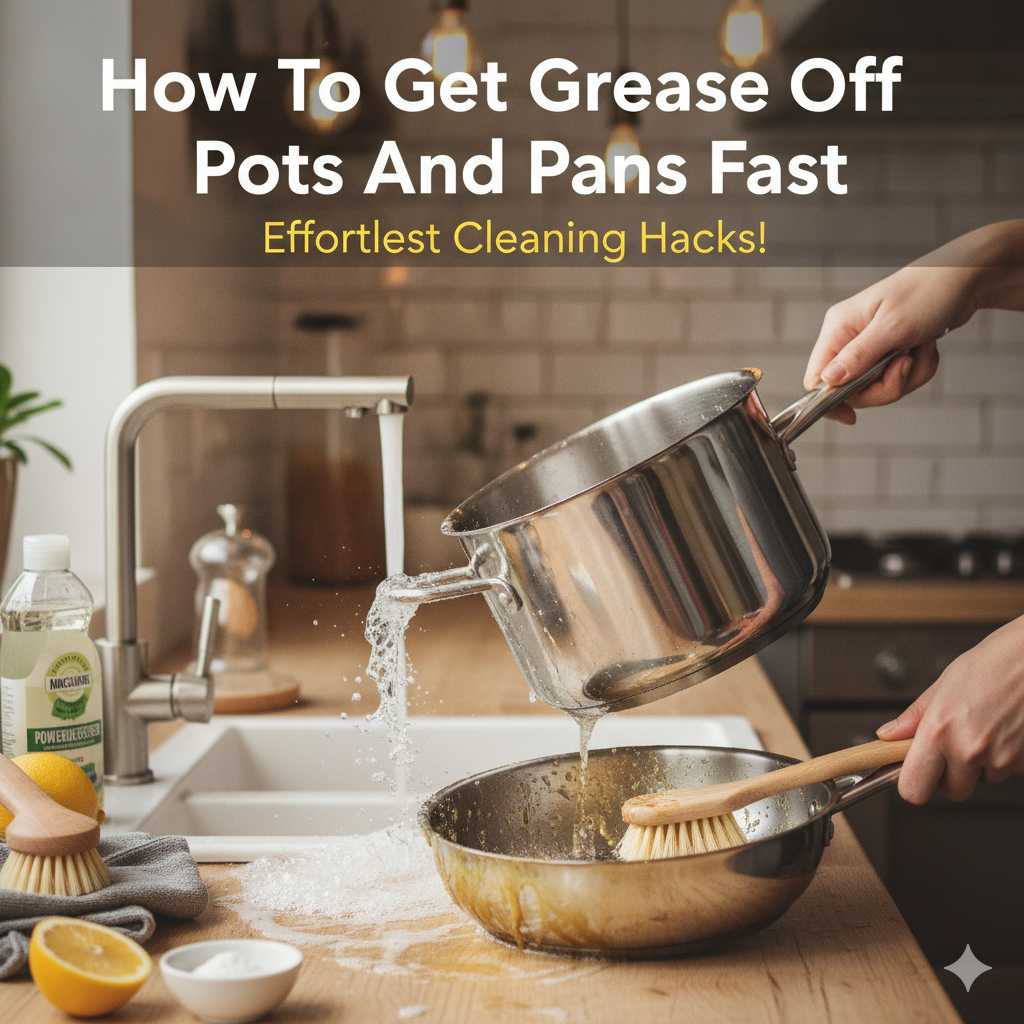
How To Get Grease Off Pots And Pans Fast
Grease on pots and pans. It’s a kitchen nightmare. You scrub and scrub.
But that stubborn film just won’t budge. It makes your dishes look dirty. It can even affect how your food cooks next time.
It’s frustrating, right? You want clean pans. You want them quickly.
This guide is for you. We’ll break down easy ways to tackle greasy cookware.
Getting grease off pots and pans fast involves using hot water with a good dish soap, soaking if needed, and sometimes employing gentle abrasives or specific kitchen ingredients like baking soda. The key is to break down the grease before it hardens.
Understanding Kitchen Grease
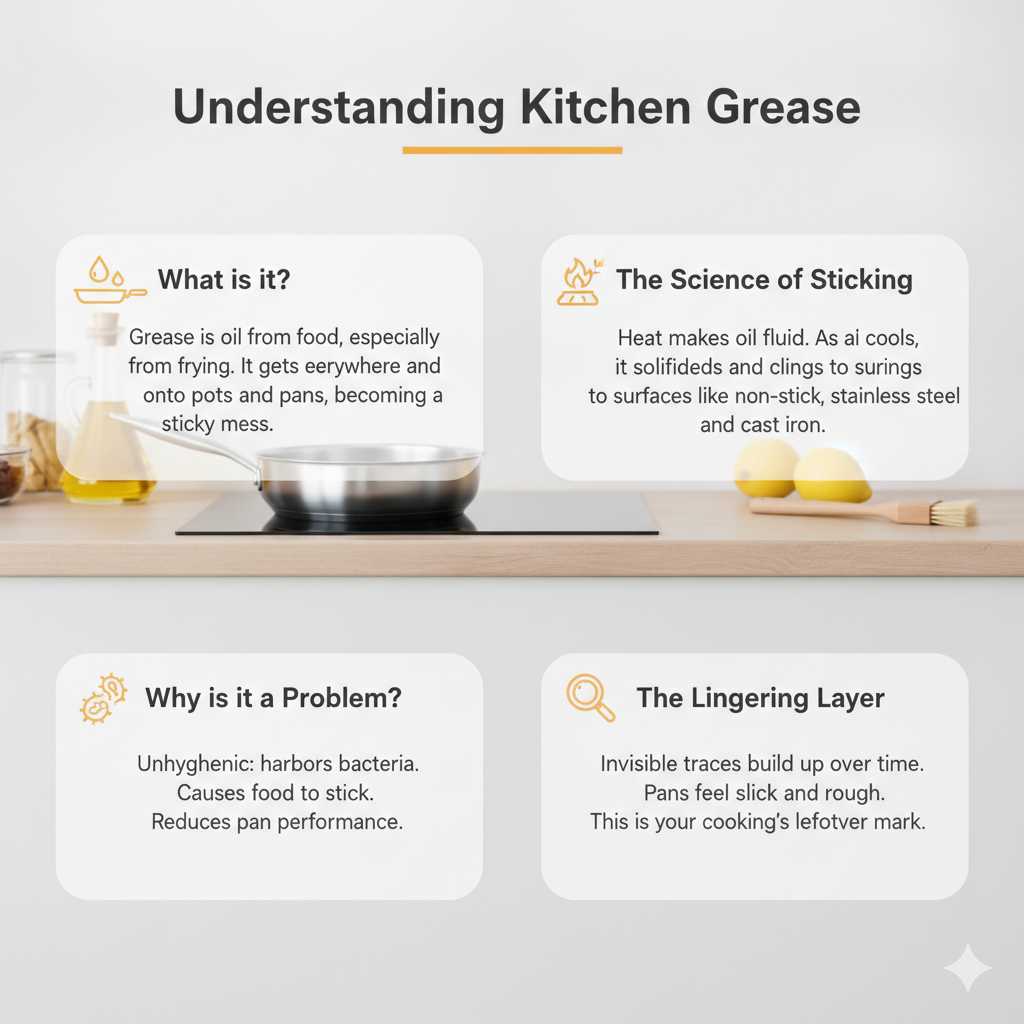
Grease is oil. It comes from food. When you cook, especially frying, it gets everywhere.
Pots and pans soak it up. This oil can bake on. It becomes a sticky mess.
It’s not just an ugly problem. It can also be unhygienic. Old grease can harbor bacteria.
It can also make new food stick. This is not what we want for our meals.
Why does it stick so hard? Heat is a big factor. When oil gets hot, it changes.
It can become more fluid. Then, as it cools, it can solidify. This makes it cling to surfaces.
Non-stick coatings can still get greasy. Stainless steel and cast iron are especially prone to this. Even everyday cooking leaves a trace.
Over time, these traces build up.
Think about it like a tiny, invisible layer. Each cooking session adds a little more. This layer is hard to see at first.
But you feel it. Your pans don’t feel smooth anymore. They feel slick in a bad way.
This is the grease. It’s your cooking’s leftover mark.
My First Real Kitchen Mess
I remember my first apartment. I was so excited to cook for myself. My mom gave me a nice set of pots.
I decided to make fried chicken. It was delicious! But cleaning up?
That was a different story. The frying pan looked like it was covered in a shiny, brown sludge. I used the dish soap.
I scrubbed with a sponge. Nothing. I grabbed steel wool.
That scratched my new pan! I felt a wave of panic. My cooking dreams felt ruined by a greasy pan.
It took me hours and a lot of trial and error to figure out what worked. I learned that brute force wasn’t always the answer. Gentle methods often work best.
Grease Busting Basics
Hot Water is Key: Always start with the hottest water your hands can safely handle. Heat helps loosen grease.
Good Dish Soap Matters: Use a dish soap designed to cut through grease. Look for ones that advertise degreasing power.
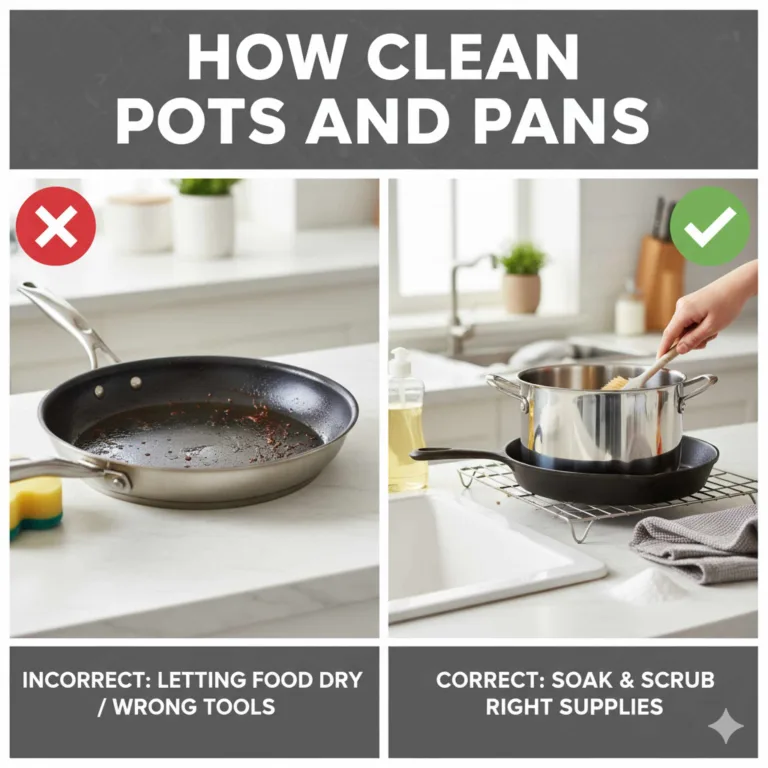
Don’t Let it Dry: The sooner you clean, the easier it is. Fresh grease is much easier to remove.
The Power of Hot Water and Soap
This is your first line of defense. It sounds simple. But how you do it matters.
First, let the pan cool a bit. You don’t want to burn yourself. But don’t let it sit for days.
Run the hottest water you can into the pan. Add a good squirt of dish soap. Pick a soap known for cutting grease.
Let it soak. For tough grease, let it sit for 10-15 minutes. Sometimes, even longer helps.
While it soaks, the hot water and soap work together. The heat softens the grease. The soap breaks it down.
It lifts the oily film from the pan’s surface. After soaking, drain the hot, soapy water. Use a non-abrasive sponge or a soft cloth.
Scrub gently. You should feel a difference. The grease should start to slide off.
Rinse well with hot water. Check for any remaining spots. If you see some, repeat the process.
This method works for most everyday grease. It’s safe for non-stick surfaces. It’s kind to your hands.
It’s also budget-friendly. Most households already have these items. It’s the go-to for a reason.
It’s effective and easy.
When Soaking Isn’t Enough: Baking Soda Magic
Sometimes, even hot water and soap need backup. This is where baking soda shines. It’s a mild abrasive.
It also helps lift grease. It’s like a gentle scrub. Sprinkle a good amount of baking soda into the greasy pan.
Add just enough hot water to make a paste. The consistency should be like toothpaste. You want it thick enough to stick but not too dry.
Now, use a sponge or a soft cloth. Gently scrub the pan with the baking soda paste. You’ll feel it working.
It provides a little grit. This grit helps lift the baked-on grease. It does this without scratching most surfaces.
For very tough spots, let the paste sit for a few minutes before scrubbing. Work in a circular motion. Cover all greasy areas.
After scrubbing, rinse the pan thoroughly with hot water. The baking soda should wash away easily. You’ll likely notice a big difference.
The greasy sheen should be gone. The pan should look clean and feel smooth. This method is fantastic for stainless steel and enamel pots.
Always test on an inconspicuous spot if you’re worried about your cookware’s finish.
Baking Soda Paste Steps
- Add baking soda to the pan.
- Add a little hot water to make a paste.
- Gently scrub the greasy areas.
- Let it sit for tough spots.
- Rinse thoroughly.
Vinegar: The Grease-Cutting Champion
Vinegar is another kitchen superhero. White vinegar is best for cleaning. It’s acidic.
This acidity helps break down grease and grime. It’s very effective. For a quick clean, pour some vinegar into the greasy pan.
Let it sit for a few minutes. Then, scrub with a sponge. Rinse with hot water.
For really stubborn grease, you can heat the vinegar. Pour about a cup of white vinegar into the pan. Heat it gently on the stove.
Do NOT boil it. Just warm it up. Let it sit in the warm vinegar for about 15-20 minutes.
Then, carefully drain the vinegar. You can then add a little dish soap and hot water. Scrub as usual.
The vinegar will have done most of the hard work.
Vinegar can have a strong smell. If this bothers you, you can mix it with equal parts water. Or, you can rinse the pan very well.
After cleaning with vinegar, a final wash with regular dish soap and water can help remove any lingering vinegar scent. This method is great for stainless steel and glass cookware. Be cautious with some aluminum pans, as prolonged exposure to acid can discolor them.
Vinegar Cleaning Power
Acidic Action: Vinegar’s acidity breaks down grease molecules effectively.
Mild Disinfectant: It also has some antibacterial properties.
Odor Removal: Can help neutralize strong cooking smells.
Salt: The Abrasive Ally
Don’t overlook plain old salt. Kosher salt or sea salt works best. The larger grains give it good scrubbing power.
It’s a natural abrasive. It can help scrape away stuck-on food and grease. Use it dry or with a little water.
Sprinkle a generous amount of salt into the greasy pan. Use a sponge or paper towel to scrub the salt around. You’ll feel the grit.
It helps lift particles.
For an extra punch, you can add a little oil to the salt. This sounds odd, but the oil can help lubricate the scrubbing action. It also helps carry away the loosened grease.
Scrub well, making sure to get into all the corners. Once you’ve scrubbed, rinse the pan with hot water. You might need to use a little soap afterward to remove any residual salt or grease.
This method is particularly good for cast iron pans. It helps clean them without stripping the seasoning.
Remember, salt can be a bit too abrasive for delicate non-stick surfaces. Always use it gently. And if you’re unsure, test it on a small area first.
It’s a simple ingredient that can make a big difference.
Dishwasher Detergent for Tough Jobs
Dishwasher detergent is formulated to tackle tough food residues and grease. It’s more potent than liquid dish soap. You can use it for really challenging grease situations.
For a powerful soak, fill the greasy pan with hot water. Add a tablespoon or two of powdered dishwasher detergent. Stir it in.
Let it soak for several hours or even overnight.
The enzymes and chemicals in dishwasher detergent are designed to break down baked-on food and grease. This method is very effective. After soaking, drain the water.
You should find that most of the grease has been loosened. Scrub gently with a sponge. Then, wash the pan with regular dish soap and hot water to ensure all detergent residue is removed.
Rinse very well.
Be careful with this method. Dishwasher detergent can be harsh. It’s not suitable for all cookware materials.
Avoid using it on aluminum, cast iron (unless you’re re-seasoning), or any cookware with special coatings that might be damaged by strong chemicals. It’s best for durable stainless steel or enameled pots.
Dishwasher Detergent Soak
Concentrated Cleaning: Uses the power of specialized cleaning agents.
Ideal for: Very stubborn, baked-on grease on durable cookware.
Caution: Not for delicate surfaces.
Cream of Tartar Power
Cream of tartar is a white powder. It’s a byproduct of winemaking. It’s acidic.
It’s excellent for cleaning and polishing. It can help remove tarnish and dullness. It’s also great for grease.
Sprinkle a few tablespoons of cream of tartar into the greasy pan. Add a little hot water to make a paste. It should be thick enough to cling.
Use a soft cloth or sponge to scrub the paste onto the greasy areas. It has a fine, slightly gritty texture. This helps lift the grease.
It also brightens surfaces. It’s particularly effective on stainless steel. It can make it shine.
After scrubbing, rinse the pan thoroughly with hot water. Wash with soap afterward if needed. You’ll be surprised how much shine it can bring back.
Cream of tartar is generally safe for most cookware. But it’s always good practice to test in a small area if you’re concerned. It’s a handy ingredient to keep in your pantry for both cooking and cleaning.
Dealing with Cast Iron
Cast iron is special. It needs different care. You don’t want to strip its seasoning.
This is the layer of polymerized oil that makes it non-stick. For regular cleaning, use hot water and a stiff brush or scraper. Avoid soap if possible.
If you must use soap, use a very small amount. Rinse immediately and thoroughly dry it.
For baked-on grease on cast iron, use coarse salt. Sprinkle salt liberally into the warm pan. Use a paper towel or a stiff brush to scrub the salt around.
The salt acts as an abrasive. It helps lift food bits and grease. Then, rinse with hot water.
Dry the pan completely. Immediately apply a thin layer of cooking oil (like vegetable or canola oil) to the entire surface. Heat the pan on the stove for a few minutes until it just starts to smoke.
This re-seasons the pan and protects it.
Never put cast iron in the dishwasher. Never let it soak in water. These actions will lead to rust.
Proper care ensures your cast iron lasts for generations.
Cast Iron Care Tips
Seasoning is Key: Protect the polymerized oil layer.
Gentle Cleaning: Use hot water and a scraper or stiff brush.
Dry Immediately: Prevent rust.
Light Oiling: Re-season after each use.
Non-Stick Pan Specifics
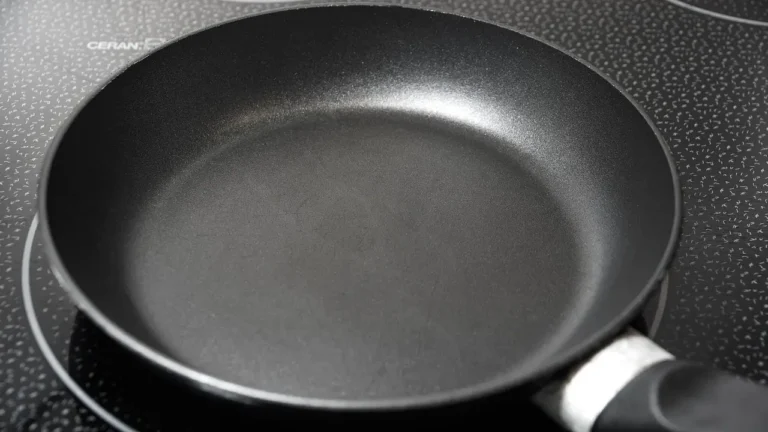
Non-stick pans are sensitive. You want to preserve their coating. Harsh abrasives will ruin them.
Steel wool is a big no-no. Even some sponges can scratch. For greasy non-stick pans, start with hot water and a good dish soap.
Let it soak for at least 15 minutes. Use a soft sponge or cloth. Gently scrub in a circular motion.
If that doesn’t work, try the baking soda paste method. Use it very gently. The baking soda is a mild abrasive.
But don’t scrub hard. The goal is to lift the grease, not damage the coating. Rinse thoroughly.
Avoid using high heat on non-stick pans for extended periods. This can also cause grease to bake on and become harder to remove.
Never use metal utensils on non-stick pans. Always use wood, silicone, or plastic. This simple habit helps prevent scratches that can trap grease and food particles.
Cleaning Pots and Pans with Built-in Filters
Some pots and pans have built-in filters or strainers. These can trap grease. Cleaning them requires extra care.
The best approach is often to use hot, soapy water. Let the pan soak. Then, use a small brush.
A toothbrush works well for getting into tight spots. You can also use a toothpick or a needle carefully. Gently work the brush or tool into the filter area.
You might need to rinse and repeat. Sometimes, a soak with a little vinegar can help loosen stuck grease in these filters. Ensure all soap and debris are fully rinsed out.
A clean filter works better. It also prevents old grease from affecting future cooking.
The “Boiling Water” Trick
This is a super simple trick for general greasiness. Fill the greasy pan with water. Add a tablespoon of dish soap.
Put the pan on the stove. Bring the water to a simmer. Let it simmer for 5-10 minutes.
The heat and soap will work together to loosen the grease. Then, carefully pour out the hot water. Scrub the pan with a sponge as usual.
Rinse well with hot water.
This is especially good for pans that are just a little greasy. It’s not usually enough for heavily baked-on grime. But it’s a quick and easy way to maintain clean pans after regular use.
It requires minimal effort. It often gets the job done.
Boiling Water Method
Heat & Soap Power: Combines simmering heat with degreasing soap.
Best For: Light to moderate grease.
Ease: Requires minimal scrubbing after the boil.
Preventing Grease Buildup
The best way to deal with grease is to stop it from building up in the first place. Clean your pans right after you use them. As soon as they are cool enough to handle, give them a quick wash.
This prevents grease from hardening. Wipe down your stovetop after cooking. Grease splatters can end up there.
This makes cleaning other surfaces easier too.
Use splatter screens when frying. These mesh covers let steam escape but stop grease from flying out. They keep your kitchen cleaner.
They also reduce the amount of grease that can get onto your pots and pans indirectly. Consider the amount of oil you use when cooking. Sometimes, using a little less oil can mean less grease to clean later.
What if My Pans are Still Greasy?
If you’ve tried a few methods and your pans are still greasy, don’t despair. It might be time for a more intensive approach. You could try soaking with a dishwasher detergent.
Or perhaps a combination of methods. For example, you could use vinegar first, then follow up with baking soda paste for any remaining spots. Always be patient.
Stubborn grease can take time.
For stainless steel, a Bar Keepers Friend cleaner can be very effective. It’s a mild abrasive. It works well on tough stains and grease.
Follow the product instructions carefully. Always rinse thoroughly. Remember, different materials need different care.
What works for stainless steel might not be ideal for non-stick.
When Grease Won’t Budge
Try a Stronger Soak: Dishwasher detergent overnight.
Combine Methods: Vinegar followed by baking soda.
Special Cleaners: Bar Keepers Friend for stainless steel.
Patience is Key: Don’t rush the process.
My Experience with Really Tough Stains
I once tried to make caramel. I got distracted by a phone call. The sugar burned.
It turned into a rock-hard, black mess in my saucepan. It looked impossible. I tried soaking.
I tried scrubbing. Nothing worked. I was about to give up.
Then, I remembered reading about boiling water and baking soda. I filled the pan with water. I added a good amount of baking soda.
I let it simmer for a long time. The black stuff started to soften. It wasn’t coming off easily, but it was loosening.
After simmering, I let it cool slightly. I used a wooden spoon to scrape. Bits started to chip away.
I then made a thick baking soda paste. I scrubbed that into the remaining spots. It took another round of soaking and gentle scraping.
Finally, after what felt like hours, the pan was clean. It taught me that persistence pays off. Sometimes, you need to try multiple steps.
And patience is your best friend.
Understanding Different Pan Materials
The material of your pot or pan greatly influences how you should clean it. Each material has its own strengths and weaknesses when it comes to grease.
- Stainless Steel: Very durable. Can handle most cleaning methods, including baking soda, vinegar, and even some stronger cleaners. It’s prone to showing grease spots if not cleaned well.
- Non-Stick: Requires gentle cleaning. Avoid abrasive scrubbers and harsh chemicals that can damage the coating. Hot, soapy water and soft sponges are best.
- Cast Iron: Needs to be seasoned. Cleaning involves gentle scrubbing and immediate drying to prevent rust. Salt is a good abrasive. Never use the dishwasher.
- Enameled Cast Iron (like Le Creuset): More forgiving than bare cast iron. It’s non-porous and easier to clean. Baking soda and hot water work well. Avoid metal scrubbers.
- Copper: Beautiful but can tarnish. Grease can be cleaned with hot, soapy water. For tarnish, lemon and salt or specialized copper cleaner is needed.
- Aluminum: Can react with acidic foods and some cleaners. It can also discolor. Stick to gentle soaps and hot water. Avoid harsh abrasives.
The Role of Cleaning Tools
Your cleaning tools are just as important as the cleaning agents. Using the wrong tool can make a simple job impossible or even damage your cookware.
- Soft Sponges: Your go-to for everyday cleaning and for non-stick surfaces.
- Microfiber Cloths: Great for wiping down surfaces and polishing.
- Nylon Scrub Brushes: Useful for getting into corners and for slightly tougher grime on durable surfaces.
- Wooden or Silicone Spatulas/Scrapers: Perfect for scraping off stuck-on food without scratching.
- Steel Wool/Metal Scourers: Use with extreme caution, only on heavily soiled stainless steel or cast iron (when re-seasoning). Not for non-stick or delicate surfaces.
- Toothbrushes: Excellent for cleaning around handles, spouts, and filter areas.
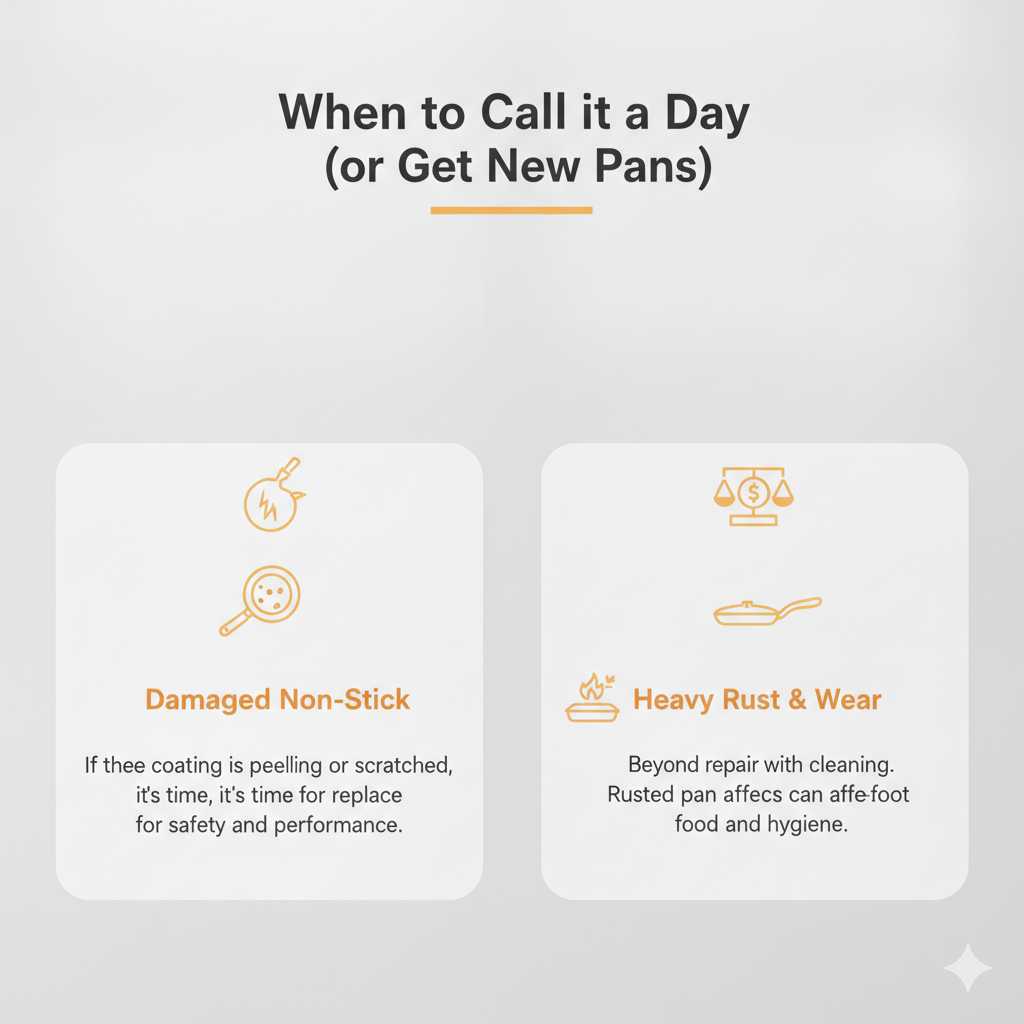
When to Call it a Day (or Get New Pans)
There are times when even the best cleaning methods won’t bring a pan back to life. If your non-stick coating is peeling or scratched, it’s time to replace it. If your pans are heavily rusted and cleaning is ineffective, they might need to be retired.
It’s also worth considering if the effort to clean a pan outweighs its usefulness. Sometimes, investing in a new, good-quality pan is the smarter choice.
FAQs About Getting Grease Off Pots and Pans
What is the fastest way to get grease off a frying pan?
The fastest way usually involves hot water, a good degreasing dish soap, and a bit of soaking time. For very tough grease, a baking soda paste or a quick simmer with vinegar can speed things up.
Can I use harsh chemicals to clean grease?
It’s best to avoid harsh chemicals like oven cleaner unless absolutely necessary and the pan manufacturer allows it. They can damage cookware. Start with gentler, food-safe methods like dish soap, baking soda, or vinegar.
How do I clean grease from a burnt-on situation?
For burnt-on grease, a long soak is key. Try simmering the pan with water and baking soda or vinegar. You may need to use a scraper and then a baking soda paste for scrubbing.
Patience is crucial here.
Is it okay to use steel wool on my pots and pans?
Generally, no. Steel wool is too abrasive for most cookware, especially non-stick and even some stainless steel finishes. It can cause scratches that trap grease and food.
Use it only as a last resort on very durable pans and be aware it can damage the finish.
How often should I deep clean my greasy pans?
Deep cleaning isn’t always necessary. For everyday grease, a good wash with hot, soapy water after each use is usually enough. You might need to use a stronger method like baking soda or vinegar once a week or when you notice buildup.
What’s the best way to clean a greasy glass baking dish?
Glass baking dishes can be cleaned effectively with hot, soapy water and a sponge. For tough grease, make a paste of baking soda and water and scrub gently. Soaking in hot, soapy water is also very effective for glass.
Final Thoughts on a Spotless Kitchen
Dealing with greasy pots and pans doesn’t have to be a daily battle. By understanding what works best for different materials and using the right tools, you can keep your cookware looking great. Remember to clean as you go.
That’s the secret to an easier life in the kitchen. A little effort each time prevents a big problem later. Happy cooking and happy cleaning!
Products related to this article
Sponsored / affiliate links. As an Amazon Associate I earn from qualifying purchases. I may earn additional commission from eligible campaigns.
 MANIAC LINE MAFRA Insect Remover | Fast Bug and Sap Dissolver | Safe on Paint Glass and Plastics | Pre Wash Pretreatment for Less Scrubbing | For Grilles Mirrors and Windscreens | 500 Milliliters
 Orepzinc 4 Pcs Mattress Retainer Bar, Metal Mattress Slide Stopper, Non Slip Mattresses Holder in Place Gripper, Thicken Bed Frame Gaskets to Prevent Sliding, Stabilizer Baffle for Bedroom Bed Frame