Toaster Oven Vs Oven Cooking Times: Proven Speed
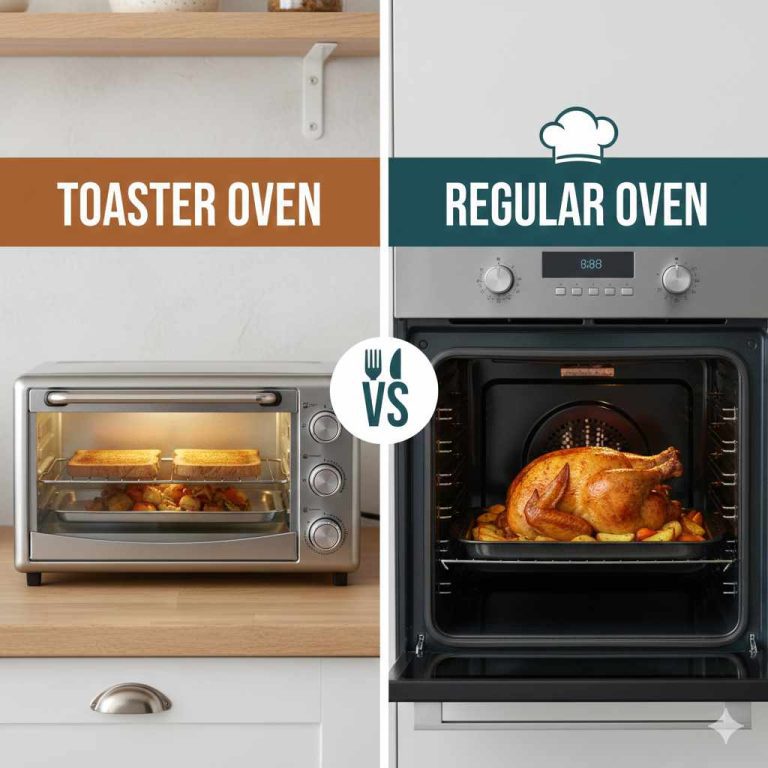
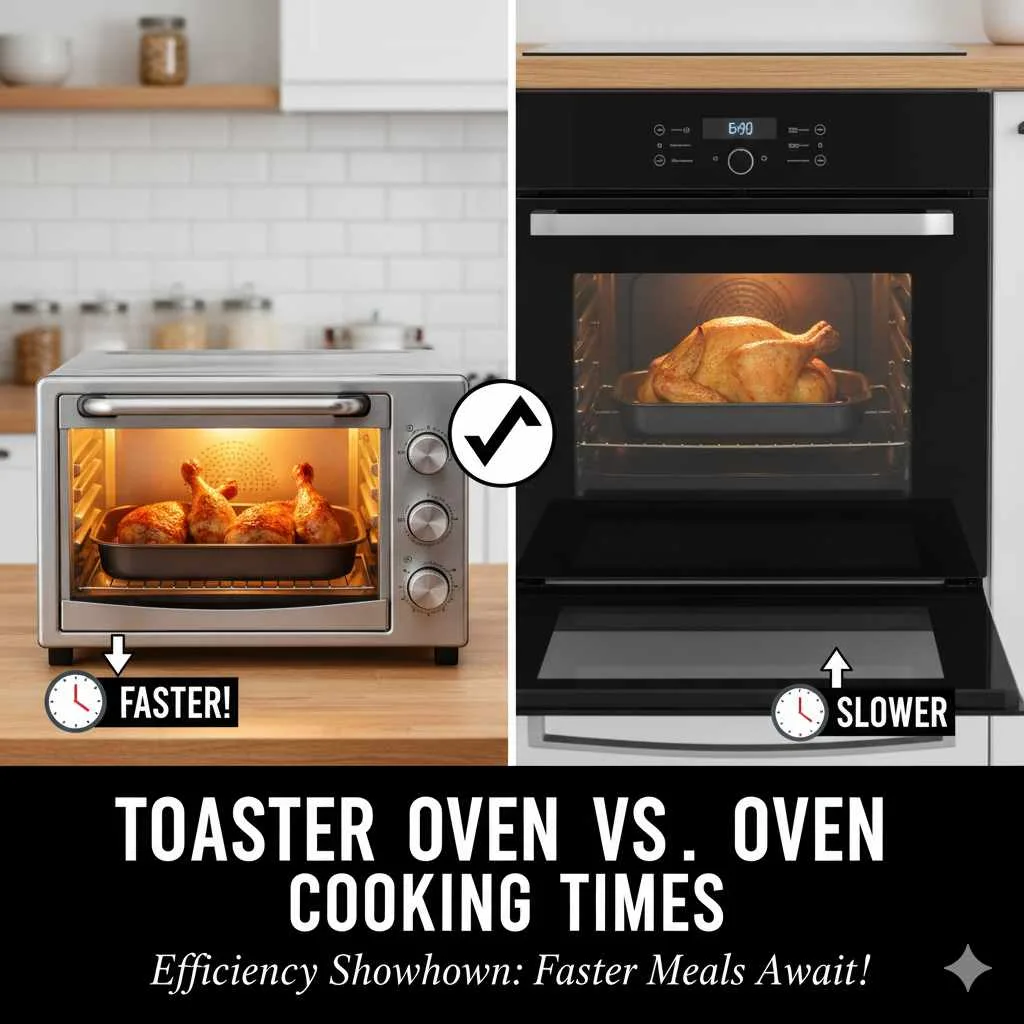
Toaster ovens cook faster than full-size ovens for most common foods, often by 25-50%, due to their smaller size, direct radiant heat, and proximity to the heating elements. This makes them ideal for quick snacks, reheating, and small meals, saving both time and energy.
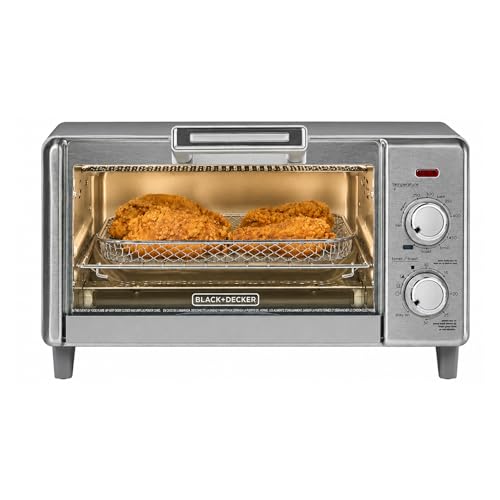
BLACK+DECKER
BLACK+DECKER 4-Slice Air Fry Toaster Oven, 5-in-1…
- 5-IN–1 MULTIFUNCTIONAL COOKING- Enjoy versatile cooking with Air Fry, Bake, Broil, Toast, and Keep Warm settings. Perfect for prep…
- HEALTHY AIR FRYING TECHNOLOGY – Cook crispy, delicious meals with little to no oil using advanced air frying technology. Enjoy hea…
- EVENTOAST TECHNOLOGY FOR PERFECT TOAST – Achieve evenly toasted bread, bagels, and more with BLACK+DECKER’s EvenToast technology,…
As an Amazon Associate I earn from qualifying purchases.
For a related kitchen decision, Traeger Flatrock vs Weber Griddle: The Proven Choice adds another practical detail to check.
For another table or room-layout decision, How To Sync Ease Adjustable Base: Proven gives readers a useful follow-up.
Hey there! So you’re wondering if that little countertop wonder, the toaster oven, can really speed up your cooking compared to your trusty big oven. It’s a super common question, and honestly, a little puzzling when you first get one. Does it feel like you’re always guessing those cooking times? You’re not alone! Many of us want to get delicious meals on the table faster, without sacrificing flavor or perfectly cooked food. The good news is, understanding the difference between toaster oven and full-size oven cooking times can be a game-changer for your kitchen routine. We’ll dive into the proven speed you can expect, making meal prep a breeze.
Why the Speed Difference? Understanding Toaster Oven vs. Oven Cooking Times
Have you ever been curious why your toaster oven seems to toast bread in a flash, but baking cookies in it feels like a different ballgame than in your big oven? It all comes down to a few key factors that influence how quickly and evenly food cooks:
Size Matters: The Power of Proximity
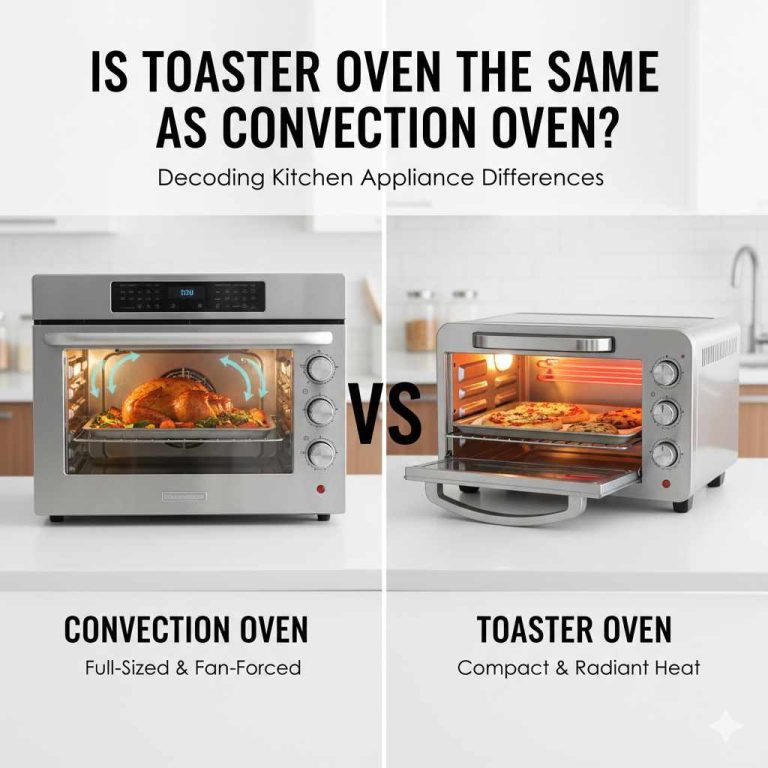
The most obvious difference is size. A toaster oven is, well, smaller! This means it has less air to heat. Think of it like trying to warm up a small room versus a whole house – the small room is going to get cozy much faster. This rapid heating means your food is exposed to the heat sooner and more intensely. It’s this compact environment that dramatically reduces preheating time and overall cooking duration for many items.
Direct Radiant Heat: Getting Up Close and Personal
Toaster ovens often place food much closer to the heating elements, both at the top and the bottom. This offers a more direct form of radiant heat. It’s like standing near a campfire versus sitting in a large room heated by a distant furnace. The direct radiant heat can brown and crisp food more quickly on the outside. For things like pizza, chicken wings, or a piece of toast, this direct blast of heat is fantastic for achieving that desirable crispy exterior.
Convection Capabilities: A Turbo Boost
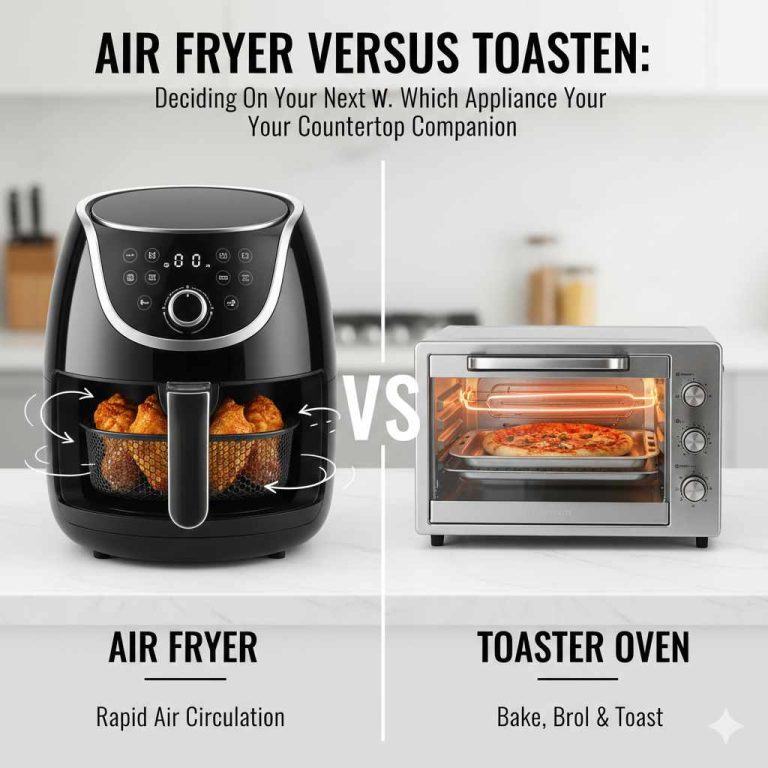
Many modern toaster ovens come with a convection fan. This fan circulates hot air evenly throughout the small oven cavity. While convection also exists in full-size ovens, in a toaster oven, it’s working in a much smaller space. This means the hot air reaches your food from all angles more efficiently, speeding up cooking and promoting even browning and crisping. It’s like adding a mini fan to boost the heating process, making everything cook faster and more evenly.

Speed Comparison: How Much Faster is a Toaster Oven?
While an exact percentage is hard to pinpoint because it varies by food type, oven model, and temperature, a general rule of thumb is that a toaster oven can cook food 25% to 50% faster than a conventional oven. This is especially true for foods that don’t require long, slow cooking, like:
- Baking small batches of cookies or muffins
- Roasting vegetables
- Toasting and broiling
- Cooking small frozen convenience foods
- Reheating leftovers
The preheating time alone can be significantly shorter, often just a few minutes, compared to 10-15 minutes or more for a full-size oven. This alone saves valuable time in your cooking process.
When to Use Your Toaster Oven vs. Your Full-Size Oven
Knowing when to reach for which appliance can truly optimize your kitchen time and energy usage. Here’s a simple guide:
Perfect For Toaster Ovens:
- Snacks & Appetizers: Think warming up frozen appetizers, toasting bagels, making mini pizzas, or crisping up tortilla chips.
- Small Batches: Baking a few cookies, roasting a single chicken breast or a small portion of vegetables for one or two people.
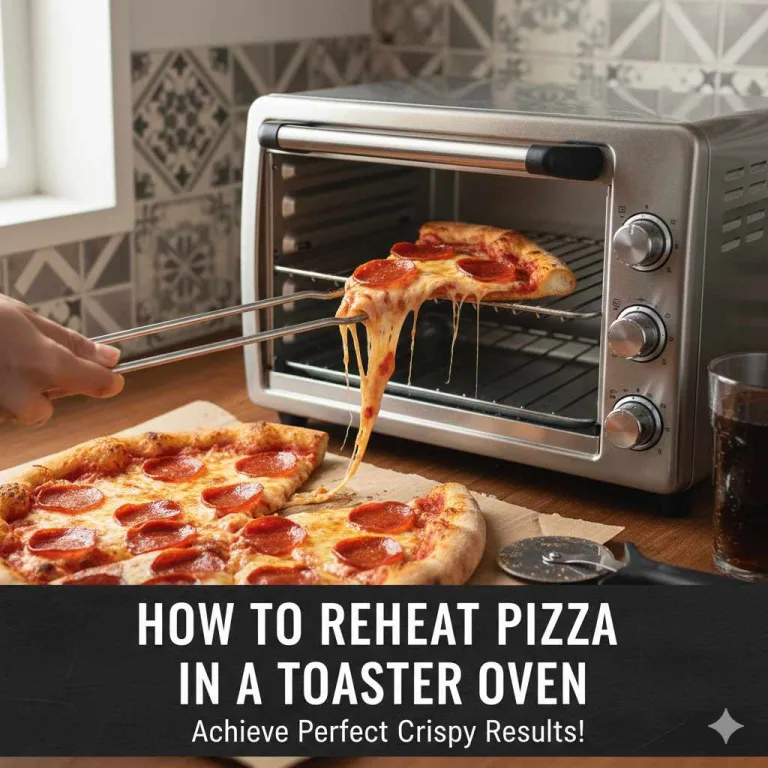
- Reheating: Leftovers often come back to life wonderfully in a toaster oven, regaining crispness that a microwave can destroy.
- Toasting & Broiling: Their primary functions! They excel at quickly browning or crisping the top of dishes.
- Energy Savings: For smaller tasks, a toaster oven uses significantly less electricity than heating up a large oven.
Best For Full-Size Ovens:
- Large Roasts & Whole Birds: When you need to cook a turkey, a large ham, or a substantial roast, the spaciousness of a full-size oven is essential for even cooking and temperature regulation.
- Multiple Baking Sheets: If you’re baking a big batch of cookies, cakes, or bread that requires multiple racks or large pans, a full-size oven is necessary to accommodate them and ensure consistent results across all items.
- Long, Slow Cooking: For dishes that require extended cooking times at lower temperatures, like braises or slow-cooked casseroles, a full-size oven often provides more stable and predictable temperature control over longer periods.
- Recipes Requiring Precise Rack Placement: Some delicate baked goods benefit from specific distance from the heat source, and a full-size oven with multiple rack positions offers more flexibility.
| Appliance | Best For | Typical Preheating Time | Energy Efficiency | Speed Advantage |
|---|---|---|---|---|
| Toaster Oven | Small portions, snacks, reheating, quick bakes/roasts, toasting, broiling | 1-5 minutes | High (for small tasks) | 25-50% faster for many items |
| Full-Size Oven | Large meals, multiple dishes, whole roasts, long slow cooking, large baking projects | 10-20 minutes | Lower (for small tasks), more efficient for large batches | N/A (standard) |
Adjusting Cooking Times and Temperatures: A Practical Guide
The biggest challenge when switching from a full-size oven to a toaster oven is a common one: adjusting your recipes. Don’t just slot your usual recipe in and expect it to cook in the same time. You’ll likely end up with either undercooked food or burnt edges! Here’s how to make the switch smoothly:
The Golden Rule: Start Lower and Check Often
When in doubt, especially for your first few times using a toaster oven for a specific recipe, follow these simple steps:
- Reduce Temperature: A good starting point is to reduce the temperature suggested in your recipe by about 25°F (15°C). For example, if a recipe calls for 375°F (190°C), try setting your toaster oven to 350°F (175°C).
- Reduce Time: Start checking your food about two-thirds of the way through the original recipe’s cooking time. If a recipe says bake for 30 minutes, check it around the 20-minute mark.
- Visual Cues: Rely on visual clues. Is the item golden brown? Is the cheese melting and bubbling? Is a cake golden and springing back when lightly touched? These are your best indicators. For meats, use a thermometer for safety and accuracy. The U.S. Department of Agriculture (USDA) provides excellent guidance on safe internal temperatures for various meats, which you can find on their website.
- Adjust As Needed: If it’s not quite done, give it another 5-10 minutes and check again. You’ll quickly learn how your specific toaster oven behaves.
Example Adjustments for Common Foods:
Let’s look at some practical examples. Remember, these are general guidelines, and your specific oven might vary.
Roasting Vegetables
Full Oven: 400°F (200°C) for 25-30 minutes.
Toaster Oven Adjustment: Set toaster oven to 375°F (190°C). Start checking at 15 minutes. It might be done anywhere from 15-25 minutes, depending on how crowded the pan is and how small the vegetable pieces are.
Baking Cookies (Small Batch)
Full Oven: 375°F (190°C) for 10-12 minutes per batch.
Toaster Oven Adjustment: Set toaster oven to 350°F (175°C). Place only 4-6 cookies on a small baking sheet (or even directly on parchment if your toaster oven allows). Start checking at 7-8 minutes. They might be ready in 9-12 minutes. Be extra watchful as the edges can brown quickly!
Frozen Pizza
Full Oven: Often 425°F (220°C) for 12-18 minutes.
Toaster Oven Adjustment: Set toaster oven to 400°F (200°C). Check around the 10-minute mark. It might be perfectly done in 12-15 minutes. The close proximity to the heating element can give you a lovely crispy crust faster.
Reheating Leftovers (like French Fries or Fried Chicken)
Full Oven: 350°F (175°C) for 10-15 minutes.
Toaster Oven Adjustment: Set toaster oven to 375°F (190°C). Place food on a small baking sheet or directly on a piece of foil. Check after 5-7 minutes. You’re looking for that crispiness to return, which often happens much faster in a toaster oven, typically in 7-10 minutes.
Temperature Conversion Chart (Approximate)
To make things even easier, here’s a handy chart to help you convert temperatures. Remember, these are starting points. Using your oven’s convection setting, if it has one, might allow you to reduce the temperature further or cook even faster.
| Full-Size Oven Temp (°F) | Full-Size Oven Temp (°C) | Toaster Oven Temp (°F) – Start Here | Toaster Oven Temp (°C) – Start Here |
|---|---|---|---|
| 300°F | 150°C | 275°F | 135°C |
| 325°F | 160°C | 300°F | 150°C |
| 350°F | 175°C | 325°F | 160°C |
| 375°F | 190°C | 350°F | 175°C |
| 400°F | 200°C | 375°F | 190°C |
| 425°F | 220°C | 400°F | 200°C |
| 450°F | 230°C | 425°F | 220°C |
Tips for Maximizing Toaster Oven Speed and Efficiency
Getting the most out of your toaster oven isn’t just about speed; it’s about smart cooking. Here are a few pro tips:
- Don’t Overcrowd: Just like in a big oven, overcrowding your toaster oven can lead to uneven cooking and slower results. Ensure there’s good air circulation around your food.
- Use the Right Accessories: Many toaster ovens come with a baking tray and wire rack. For broiling, use the wire rack to allow heat to circulate underneath. For crisping, ensure good contact with the baking tray. Some specialty toaster ovens even come with unique accessories like pizza stones or air fryer baskets.
- Consider Preheating: While toaster ovens preheat quickly, for things like baking or roasting, a few minutes of preheating can still make a difference in achieving that initial sizzle and even cooking.
- Cleanliness is Key: A clean oven heats more efficiently. Spills and buildup can affect heat distribution and cooking times.
- Understand Your Settings: Most toaster ovens have different modes (toast, bake, broil, sometimes convection, sometimes warmer). Make sure you’re using the appropriate setting for your task. The convection setting is often a great way to boost speed and evenness.
Common Toaster Oven Myths Debunked
There are a few lingering myths about toaster ovens that might be holding you back from using them to their full potential:
- Myth: Toaster ovens can only toast bread.
- Fact: While toasting is a core function, modern toaster ovens can bake, roast, broil, and even defrost. They are versatile little workhorses!
- Myth: They aren’t as good as a full-size oven for baking.
- Fact: For small batches, a toaster oven can be excellent, often producing beautifully crisp cookies or perfectly cooked muffins. For extremely delicate items or large quantities, a full-size oven offers more control.
- Myth: They take longer to cook than a full-size oven.
- Fact: As we’ve discussed, they are generally faster for most common cooking tasks due to their smaller size and direct heat.
- Myth: They use a lot of energy compared to a microwave.
- Fact: While a microwave is king for reheating liquids, for cooking or crisping food, a toaster oven is often more energy-efficient than heating up a large full-size oven.

Frequently Asked Questions About Toaster Oven Cooking Times
Q1: Do I always need to reduce the temperature when using a toaster oven?
A1: Not always, but it’s a good rule of thumb when you’re learning! For many recipes, reducing the temperature by about 25°F (15°C) helps prevent the outside from cooking too quickly before the inside is done. You will get a feel for what works best with your specific oven.
Q2: How can I tell if food is done in a toaster oven without overcooking it?
A2: Use your senses! Look for golden-brown color, bubbling cheese, or firm but not burnt edges. For meats, a meat thermometer is the most accurate way to ensure they’ve reached a safe internal temperature. Always check earlier than the full cooking time suggested for a conventional oven.
Q3: Can I use my regular baking pans in a toaster oven?
A3: Usually, yes, but ensure they fit comfortably inside with enough room for air to circulate. Check your toaster oven’s manual for recommended pan sizes. Avoid using pans that are too large or that touch the heating elements.
Q4: Is a convection toaster oven faster than a regular toaster oven?
A4: Yes, generally a convection toaster oven will cook food a bit faster and more evenly than a non-convection toaster oven because the fan circulates hot air. It’s similar to how convection works in a full-size oven.
Q5: My toaster oven has a “toast” setting and a “bake” setting. What’s the difference?
A5: The “toast” setting is optimized for browning the surface of bread or bagels, often with intense top heat. The “bake” setting uses both top and bottom heating elements for more even cooking, similar to how a conventional oven works, making it suitable for baking and roasting.
Q6: Can I bake a whole cake in a toaster oven?
A6: You can bake smaller cakes or cupcakes in a toaster oven. For a full-sized, multi-layer cake, a conventional oven is usually a better choice to ensure even baking and proper rise across a larger surface area.
Conclusion: Embrace the Speed and Versatility of Your Toaster Oven
So, there you have it! Toaster ovens are not just for toast. They offer a proven speed advantage for a wide array of cooking tasks, making them an invaluable tool for busy kitchens. By understanding the differences in size and heat delivery compared to your full-size oven, and by learning how to smartly adjust temperatures and cooking times, you can unlock incredible efficiency.
Related pick: Check today's price on Amazon
Products related to this article
Sponsored / affiliate links. As an Amazon Associate I earn from qualifying purchases. I may earn additional commission from eligible campaigns.