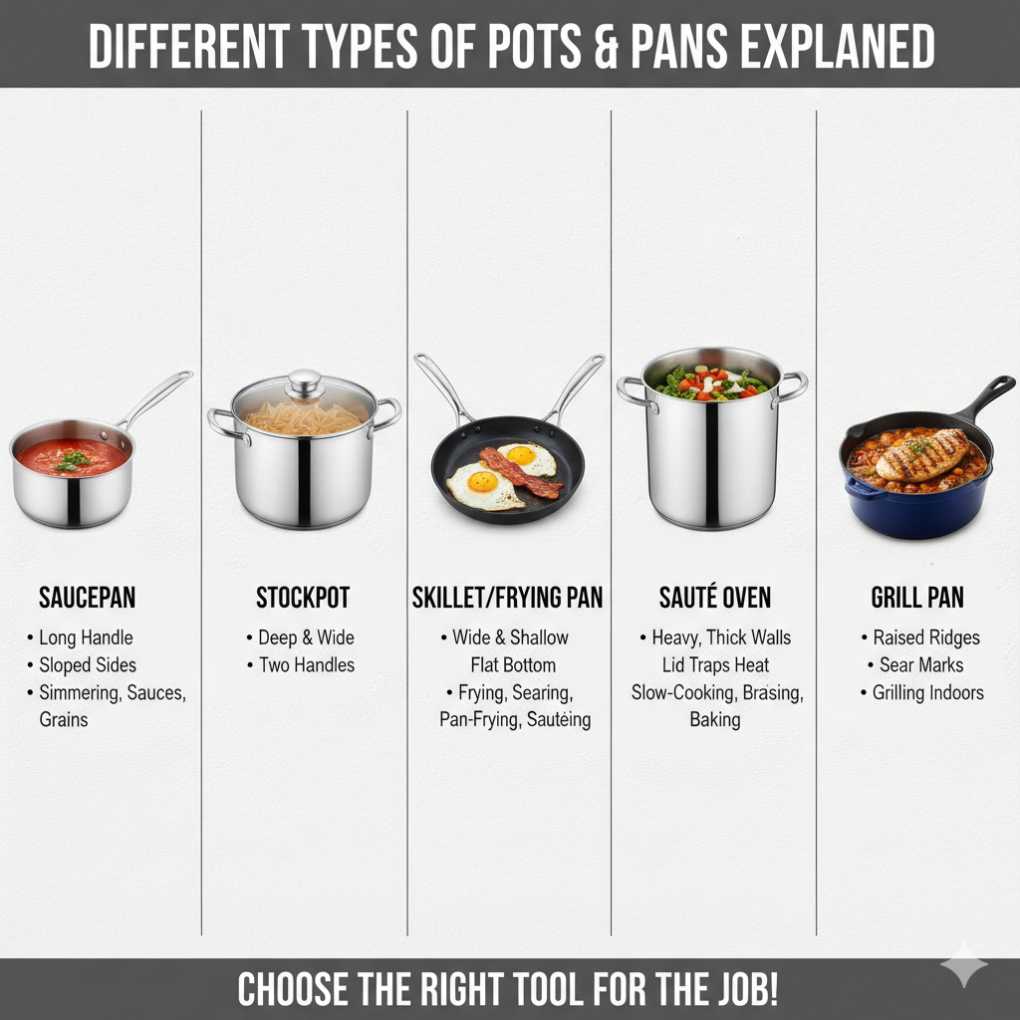
Different Types Of Pots And Pans Explained
Cooking is an adventure, and your cookware is your trusty map. Understanding different pots and pans helps you navigate recipes with ease. From searing steaks to simmering sauces, the right pot makes all the difference. This guide explores common cookware types, explaining their best uses and why they work so well.
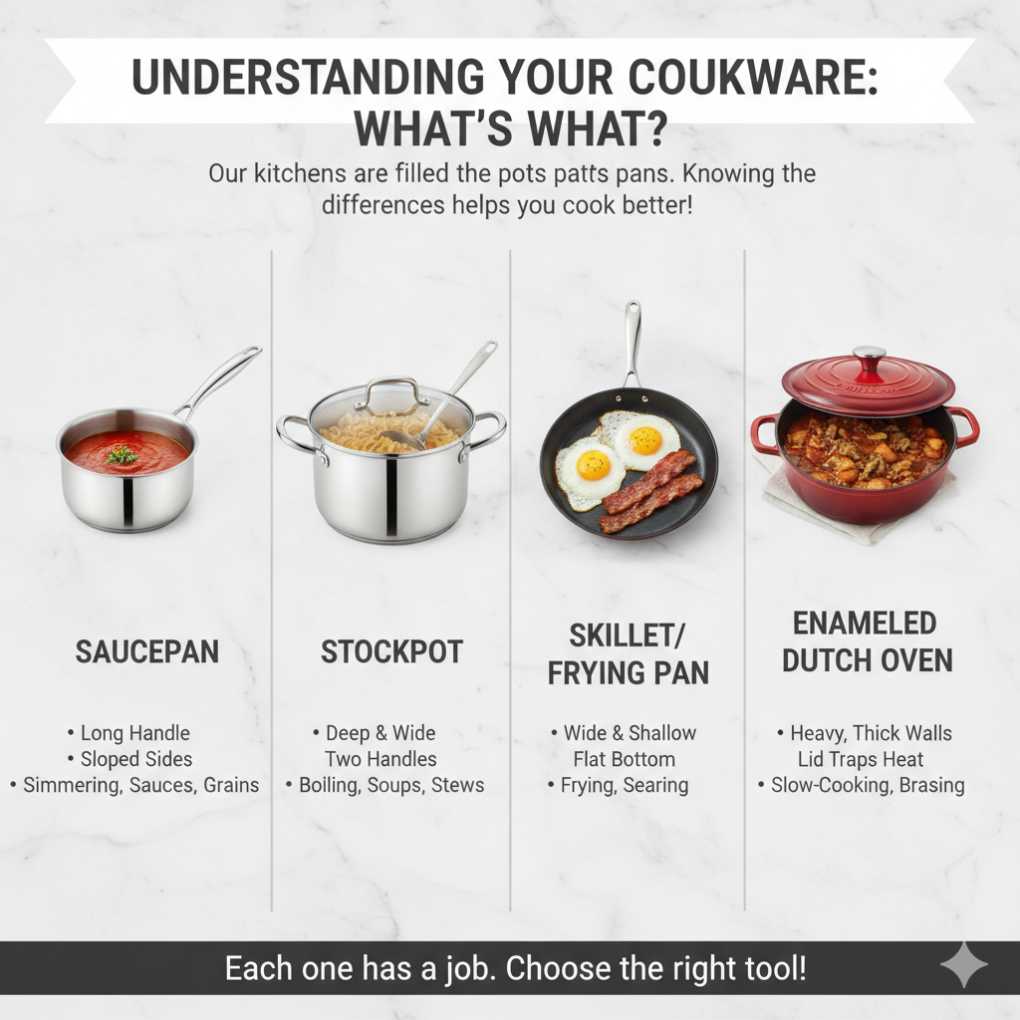
Understanding Your Cookware: What’s What?
Our kitchens are filled with pots and pans. They come in many shapes and sizes. Each one has a job.
Some are deep for stews. Others are wide for pancakes. The material they’re made from matters too.
Metal, ceramic, and even glass are used. Knowing these differences helps you cook better. It also helps your food taste great.
Let’s look at the most common types you’ll find.
Familiar Faces in the Kitchen: Common Pot & Pan Types
Most kitchens have a set of basics. You probably see these every day. They are workhorses for many meals.
We’ll start with the ones you likely use most. They cover a lot of cooking needs. You can do many things with just a few key pieces.
The Saucepan: Your Simmering Buddy
A saucepan is a pot with straight sides. It usually has one long handle. They come in many sizes, from small to large.
You can use a saucepan for many tasks. Heating soup is a common one. Making a quick pasta sauce works well.
Boiling an egg is easy in a saucepan. They are great for anything you need to heat up or cook in liquid.
Saucepans are essential. They are simple but very useful. The high sides keep liquids from splashing out.
This is good for sauces and broths. You can stir easily without much mess. A lid is often included.
This helps food cook faster. It also keeps heat inside. Many home cooks find a good set of saucepans very helpful.
The Stockpot: For Big Batches
A stockpot is like a giant saucepan. It’s much taller and wider. Stockpots are designed for large amounts of liquid.
Think about making bone broth. Or maybe you’re cooking a big batch of pasta for a party. A stockpot is your best friend for these jobs.
They can hold several gallons of liquid. This means you can cook for a crowd. Or you can make large portions to freeze.
The tall sides of a stockpot are important. They prevent boil-overs. This is especially true when cooking starchy items like pasta.
It gives the bubbles room to rise. Many stockpots have two small handles on the sides. This makes them easier to lift when full.
But full stockpots are very heavy. So, be careful when moving them.
Stockpot Uses: Beyond Broth
Large Volume Cooking: Ideal for making stock, soup, chili, or stew in big batches.
Boiling Large Items: Perfect for cooking a whole turkey or corn on the cob for many people.
Preserving: Can be used for canning large quantities of fruits or vegetables.
Brewing: Popular among home brewers for making large batches of beer.
The Skillet/Frying Pan: For Searing and Sautéing
A skillet, or frying pan, is a flat-bottomed pan. It has low, sloped sides. This shape is great for heat to spread evenly.
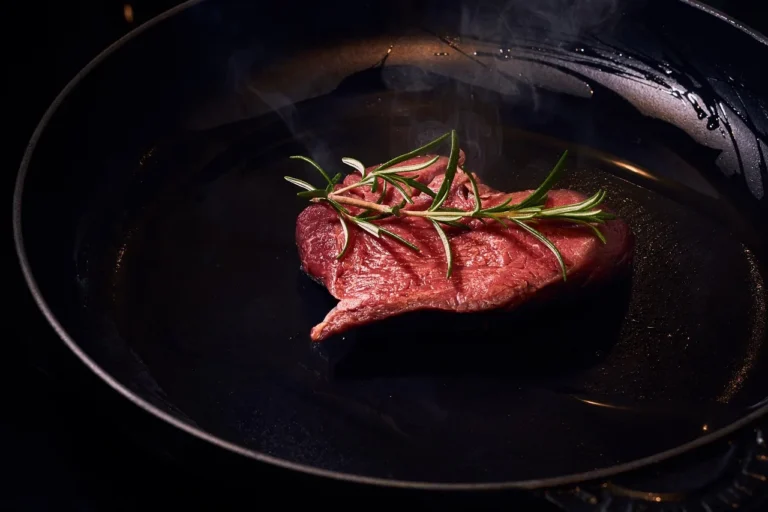
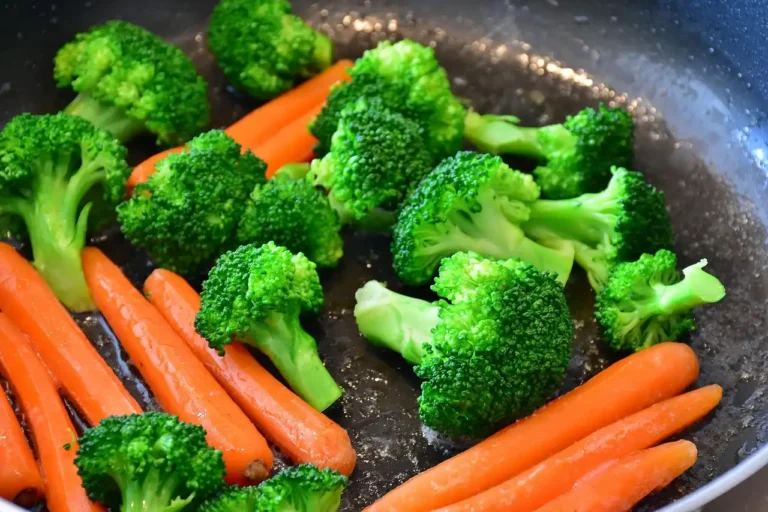
It also makes it easy to flip food. You can sear meats beautifully in a skillet. Sautéing vegetables is also a common use.
Think about making scrambled eggs. Or frying up bacon. A good skillet handles these tasks with ease.
It’s a kitchen staple for many cooks.
Skillets come in many sizes. They are often made of cast iron, stainless steel, or non-stick materials. Cast iron skillets get very hot.
They hold that heat well. This is perfect for a great sear. Non-stick skillets are easy to clean.
They are good for delicate foods like fish or eggs. Stainless steel skillets are durable. They work for a wide range of cooking methods.
The Sauté Pan: A Deeper Skillet
A sauté pan looks like a skillet but has taller, straight sides. Think of it as a hybrid. It has the wide base of a skillet for good searing.
But its high sides are like a saucepan’s. This means less splatter when cooking. It’s great for sautéing.
This is when you cook food quickly over high heat. It also works well for making sauces. Or for pan-frying chicken or fish.
The taller sides help keep food inside.
Sauté pans often come with a lid. This adds to their versatility. You can sear meat on the stove.
Then add vegetables and cover it to finish cooking. This traps steam. It helps cook things evenly.
A sauté pan is a great all-around piece of cookware. It can handle many different jobs in the kitchen.
Skillet vs. Sauté Pan: Key Differences
Sides: Skillets have low, sloped sides. Sauté pans have tall, straight sides.
Splatter: Skillets tend to splatter more. Sauté pans contain messes better.
Best Uses: Skillets excel at searing and frying. Sauté pans are good for sautéing, pan-frying, and making sauces.
Lids: Sauté pans often come with lids. Many skillets do not.
The Dutch Oven: The All-Star Pot
A Dutch oven is a heavy pot. It has thick walls. It also has a tight-fitting lid.
These pots are often made of cast iron. They can be enameled or bare. Dutch ovens are incredibly versatile.
They can go from the stovetop to the oven. They are perfect for slow cooking. Think of braising tough cuts of meat.
They make pot roast tender and delicious. They are also great for baking bread. And for making hearty soups and stews.
The thick walls of a Dutch oven distribute heat evenly. This prevents hot spots. It helps food cook uniformly.
The heavy lid seals in moisture. This keeps food from drying out. It’s like a little steam oven.
In my own kitchen, I have a red enameled Dutch oven. I use it for everything from chili to making chicken noodle soup. It’s one of my most prized possessions.
It truly makes cooking feel more comforting and less stressful.
Dutch Oven Perks
Even Heating: Thick walls ensure consistent temperature.
Moisture Retention: Tight lid seals in steam for tender results.
Stovetop to Oven: Great for recipes that start on the burner and finish baking.
Durability: Built to last for many years of cooking.
Versatility: Perfect for braising, stewing, baking, roasting, and more.
The Wok: For Fast, Hot Cooking
A wok is a large, bowl-shaped pan. It has high, sloping sides. Woks are traditional in Asian cooking.
They are made for high-heat, fast cooking. This is called stir-frying. The shape of the wok is key.
It allows you to toss ingredients easily. The heat is hottest at the bottom. It gets cooler up the sides.
This means you can move food around. It cooks at different rates. This keeps ingredients from burning.
Woks can be made of carbon steel or cast iron. Carbon steel woks are lightweight. They heat up quickly.
You need to season them properly. This creates a natural non-stick surface. Cast iron woks are heavier.
They hold heat very well. You can also use a wok for deep-frying. Or for steaming.
It’s a very efficient tool when used correctly.
Wok Wisdom
Stir-Frying Master: Its shape is perfect for tossing ingredients quickly over high heat.
Heat Control: Different zones of heat allow for precise cooking.
Versatile Cooking: Can also be used for steaming, deep-frying, and braising.
Material Matters: Carbon steel heats fast; cast iron holds heat longer.
Seasoning is Key: Proper seasoning creates a natural non-stick surface.
The Grill Pan: Indoor Grilling
A grill pan is a skillet with raised ridges. These ridges mimic a grill. They create those nice char marks on your food.
When you cook meat or vegetables on a grill pan, the ridges lift the food. This allows fat to drain away. It also allows steam to escape.
This helps food get a nice, crispy exterior. It’s a way to get grilled flavor indoors.
Grill pans are often made of cast iron. This material gets very hot. It holds that heat well.
This is essential for good searing. You can grill steaks, chicken, burgers, and even vegetables. Some grill pans have a lid.
This can help food cook through. Or you can use a press on top. This pushes food down onto the hot ridges.
I remember trying to grill corn indoors one rainy day. A grill pan saved the day. The corn got those lovely stripes.
It tasted almost like it was cooked outside.
Grill Pan Highlights
Indoor Grilling: Get grill marks and smoky flavor at home.
Fat Drainage: Raised ridges allow grease to drip away.
Even Cooking: Cast iron provides excellent heat retention.
Versatile: Great for meats, poultry, fish, and vegetables.
Easy Cleanup: Often easier to clean than an outdoor grill.
Specialty Pans: When You Need Something Specific
Beyond the basics, there are many special pans. These are designed for specific tasks. They make certain recipes easier.
Or they can help you achieve a unique result.
The Crepe Pan/Griddle: For Flat, Thin Goodies
A crepe pan or griddle is a very flat, wide pan. It has very low sides. Or sometimes no sides at all.
This makes it easy to slide food in and out. It’s perfect for making thin pancakes. Or delicate crepes.
A griddle is often large. It can cook many items at once. Think of breakfast items like bacon and eggs.
Or burgers for a cookout.
The Muffin Tin: For Individual Portions
A muffin tin has multiple cups. Each cup is a small, round mold. It’s used to bake individual items.
Most people think of muffins. But you can bake cupcakes. Or mini quiches.
You can even bake cornbread muffins. It’s a great way to make servings for a group.
The Loaf Pan: For Baked Goods
A loaf pan is a rectangular pan. It’s deep. It’s ideal for baking loaves of bread.
It also works for meatloaf. Or for cakes. The shape helps the baked item cook evenly.
It gives it that classic rectangular form.
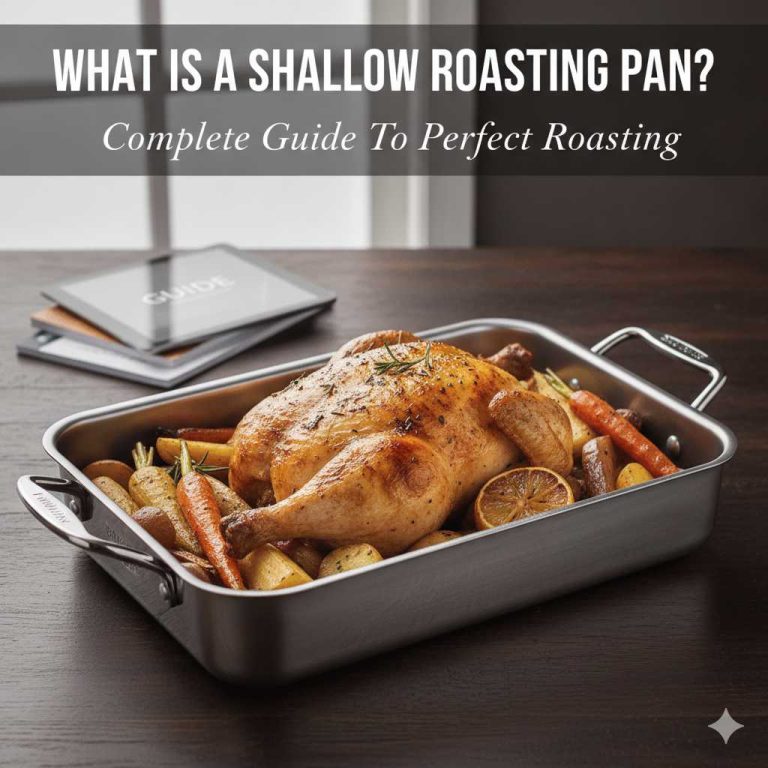
The Roasting Pan: For Large Roasts
A roasting pan is a large, rectangular pan. It’s usually deep. It often comes with a rack.
You place the meat on the rack. This allows air to circulate. It also lets fat drip away.
Roasting pans are used for turkey, chicken, or beef roasts. They are perfect for holiday meals.
The Bundt Pan: For Decorative Cakes
A Bundt pan has a distinctive ring shape. It often has decorative fluting. The center tube helps cakes bake evenly.
It gives them a beautiful shape. Bundt cakes are usually denser. They are often frosted or dusted with powdered sugar.
Materials Matter: What Are Pots and Pans Made Of?
The material your pots and pans are made from affects how they cook. It also affects how they feel to use. And how long they last.
Different materials have different pros and cons. Understanding these helps you make a good choice.
Stainless Steel: The Durable All-Rounder
Stainless steel is very common. It’s strong and lasts a long time. It doesn’t react with food.
This means it won’t change the taste of your ingredients. Stainless steel pans distribute heat well. Especially if they have a core of aluminum or copper.
They are easy to clean. But they can sometimes stick. Especially if you don’t use enough oil.
Or if the pan isn’t hot enough. They are a great choice for everyday cooking.
Stainless Steel: Pros and Cons
Pros: Durable, non-reactive, easy to clean, oven-safe, good heat distribution (with core).
Cons: Can cause food to stick if not used properly, not naturally non-stick.
Cast Iron: The Heat Retainer
Cast iron is a very popular material. It’s made from iron. It heats up slowly.
But it holds heat very well. This makes it great for searing. It can last for generations.
Cast iron pans need to be seasoned. This is a process of heating oil on the pan. It creates a natural non-stick surface.
Bare cast iron can rust. So, you must dry it completely. And sometimes apply a light oil coating.
Enameled cast iron is easier to care for. It has a protective coating. It won’t rust.
It also doesn’t need seasoning.
I remember my grandmother’s cast iron skillet. It was black and smooth. She used it for everything.
Fried chicken, cornbread, you name it. It was a family heirloom. And it cooked food like nothing else.
That even heat and slight crispiness were amazing. That’s the magic of cast iron.
Cast Iron: The Good and The Bad
Pros: Excellent heat retention, creates a great sear, naturally non-stick (when seasoned), durable for generations.
Cons: Heavy, requires seasoning and maintenance (bare cast iron), can rust if not cared for, not ideal for acidic foods (bare cast iron).
Non-Stick: For Easy Release
Non-stick pans have a coating. This coating prevents food from sticking. It’s usually made of Teflon or ceramic.
Non-stick pans are perfect for delicate foods. Like eggs and fish. They are also very easy to clean.
Just wipe them clean. However, non-stick coatings can wear out. You should avoid using metal utensils.
Or high heat on them. This can damage the coating. And it’s not good for your health.
My first set of pans was non-stick. They were a lifesaver when I was learning to cook. Flipping pancakes was no longer a disaster.
Cleaning up was so fast. It made cooking feel less daunting. But over time, I noticed food started sticking a bit.
That’s when I knew it was time for a change. It taught me that while non-stick is great, it has a lifespan.
Non-Stick: Easy Does It
Pros: Excellent food release, easy to clean, great for delicate foods.
Cons: Coating can be damaged by high heat or metal utensils, coating can wear out over time, not ideal for high-heat searing.
Copper: For Precise Control
Copper is a great conductor of heat. It heats up very quickly. And it cools down just as fast.
This means you have precise control over cooking temperatures. Copper pots and pans are often lined with stainless steel or tin. This prevents the copper from reacting with food.
Copper cookware looks beautiful. But it is also very expensive. And it requires more care to keep it polished.
Copper Cookware: The High-End Choice
Pros: Excellent heat conductivity and responsiveness, beautiful appearance.
Cons: Very expensive, requires careful maintenance and polishing, often lined with other materials.
Aluminum: Lightweight and Conductive
Aluminum is lightweight. It’s also a good heat conductor. It heats up fast.
Aluminum pans are often used as a core. This is sandwiched between layers of stainless steel. This gives the pan good heat distribution.
Pure aluminum pans can react with acidic foods. This can change the taste. They can also warp easily.
Aluminum Cookware: A Common Core
Pros: Lightweight, heats up quickly, good conductor of heat (often used as a core).
Cons: Can react with acidic foods, can warp easily, not as durable as other materials.
Ceramic: Natural and Non-Stick
Ceramic cookware is made from clay. It’s fired at high temperatures. It’s often coated with a non-stick finish.
This finish is usually natural. It’s free from chemicals like PFOA and PTFE. Ceramic pans are lightweight.
They heat evenly. They are also easy to clean. The non-stick quality is good, but it might not last as long.
As some other non-stick types. They can also chip if dropped.
Ceramic Cookware: A Healthier Option
Pros: Natural non-stick surface, chemical-free, even heating, lightweight, easy to clean.
Cons: Non-stick properties may fade over time, can chip if dropped, not ideal for very high-heat searing.
Choosing the Right Pot or Pan for the Job
Now that we know the types and materials, how do you pick the right one? It depends on what you’re cooking. And how you like to cook.
Think about your favorite meals. What pans do you use for them?
Think About Your Cooking Style
Are you a fast cook? Do you like to sear meats? A cast iron skillet or a heavy stainless steel pan is good for this.
Do you make a lot of sauces? A saucepan or a sauté pan with a lid works well. If you love to simmer stews for hours, a Dutch oven is perfect.
I once tried to make a delicate fish dish. I used my old, scratched non-stick pan. The fish stuck badly.
It broke apart. It was a mess. I learned that for delicate items, a good quality non-stick or well-seasoned cast iron is important.
It’s about matching the tool to the task. It makes cooking more enjoyable. And the results much better.
Consider Your Stove Type
Different pans work better on different stoves. Induction cooktops require magnetic cookware. This includes cast iron and most stainless steel.
Aluminum and copper alone won’t work. Gas stoves are very flexible. Most pan types work well.
Electric coil or smooth-top stoves can be a bit slower to heat. Pans with flat bottoms are best. They make good contact with the heating element.
Size Matters: Don’t Crowd the Pan
Using the right size pan is crucial. If a pan is too small, you’ll crowd the food. This leads to steaming instead of searing.
It also makes cleanup harder. For example, trying to cook eight chicken breasts in a small skillet. They will just steam.
You won’t get that nice brown crust. A larger pan or cooking in batches is better.
Similarly, using a huge stockpot for just one cup of broth is overkill. It will evaporate too quickly. A smaller saucepan is more efficient.
Always try to match the pan size to the amount of food you’re cooking.
Essential Cookware for Every Kitchen
If you’re starting out, you don’t need a massive collection. A few key pieces will get you far. These are the basics that most cooks rely on daily.
The Must-Haves: Your Core Set
- 10-inch Skillet: Great for eggs, pancakes, sautéing small amounts of food, searing chicken breasts.
- 3-Quart Saucepan: Perfect for heating soup, boiling pasta for one or two, making sauces.
- 5-6 Quart Dutch Oven or Stockpot: Ideal for chili, stews, large batches of soup, boiling pasta for a family.
- Non-stick Skillet (optional but helpful): For very delicate items like fish or omelets.
With these few items, you can cook hundreds of different recipes. They cover most everyday cooking needs. As you cook more, you’ll find what else you might want.
Maybe a larger stockpot. Or a specialized wok. But this core set is a fantastic starting point.
Building Your Collection Over Time
Don’t feel pressured to buy everything at once. Start with the essentials. As you discover new recipes or cooking techniques, you can add more.
A good piece of cookware is an investment. It can last for years. So, take your time.
Choose wisely. Buy the best quality you can afford for the pieces you’ll use most.
When to Worry: Signs Your Cookware Needs Attention
Most cookware is quite durable. But sometimes things go wrong. Or they just wear out.
Knowing what to look for helps. It keeps your cooking safe and effective.
Damaged Non-Stick Coatings
If your non-stick pan has scratches. Or if the coating is flaking off. It’s time to replace it.
Tiny pieces of the coating can get into your food. This is not healthy. Also, the non-stick ability will be gone.
Your food will stick and burn.
Warped Pans
A pan that is warped is not good. The bottom is no longer flat. It won’t heat evenly on the stove.
This leads to uneven cooking. Food might burn in some spots. And be undercooked in others.
This is common with thin aluminum pans.
Rusty Cast Iron
If you see rust on your bare cast iron. It needs attention. You can often remove rust.
By scrubbing it well. Then you must re-season the pan. If the rust is very deep, it might be too late.
For enameled cast iron, rust is less common. But chips in the enamel can expose the iron below.
Loose Handles
Handles that feel wobbly are a safety hazard. Make sure they are tight. Some handles can be tightened with a screwdriver.
Others might mean the pan is old and needs replacing. Especially if the handle is riveted on.
Caring for Your Pots and Pans
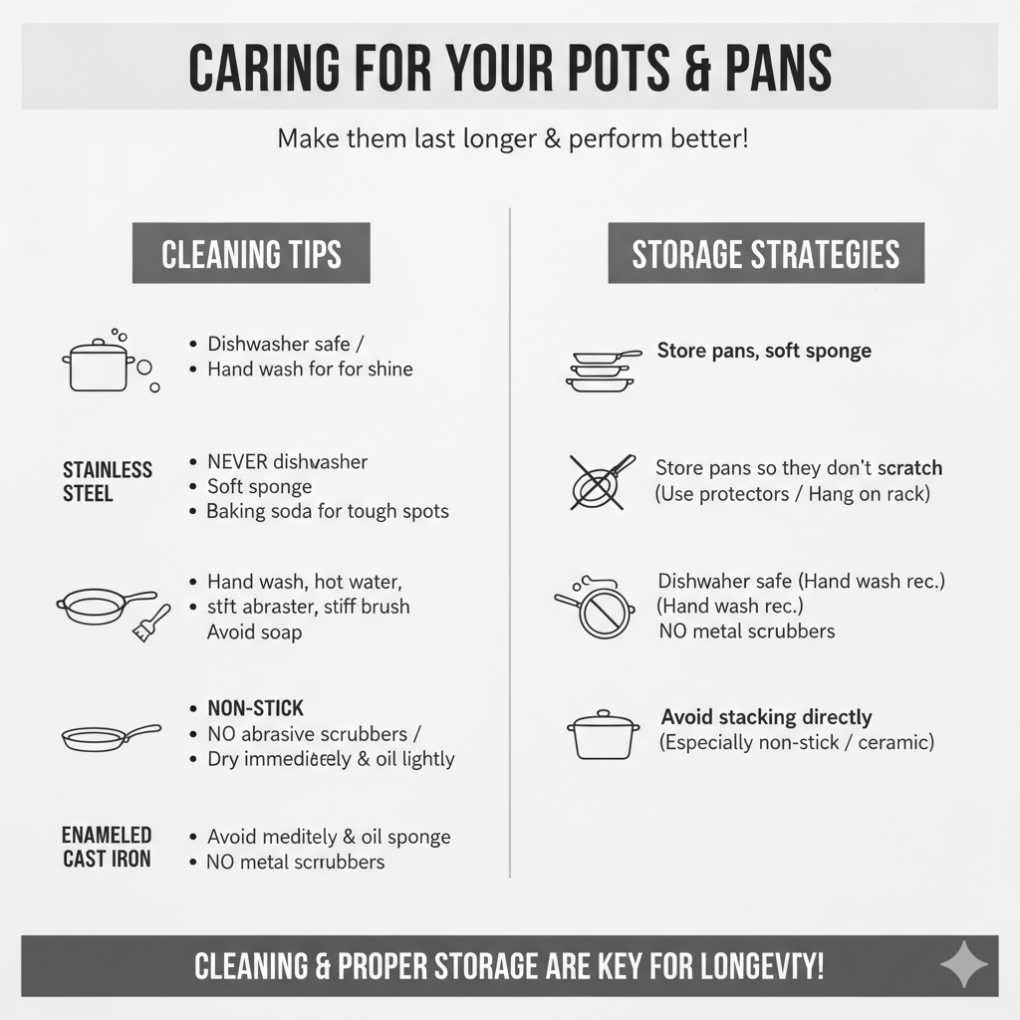
Taking good care of your cookware helps it last longer. And perform better. The way you clean and store it matters.
Cleaning Tips for Different Materials
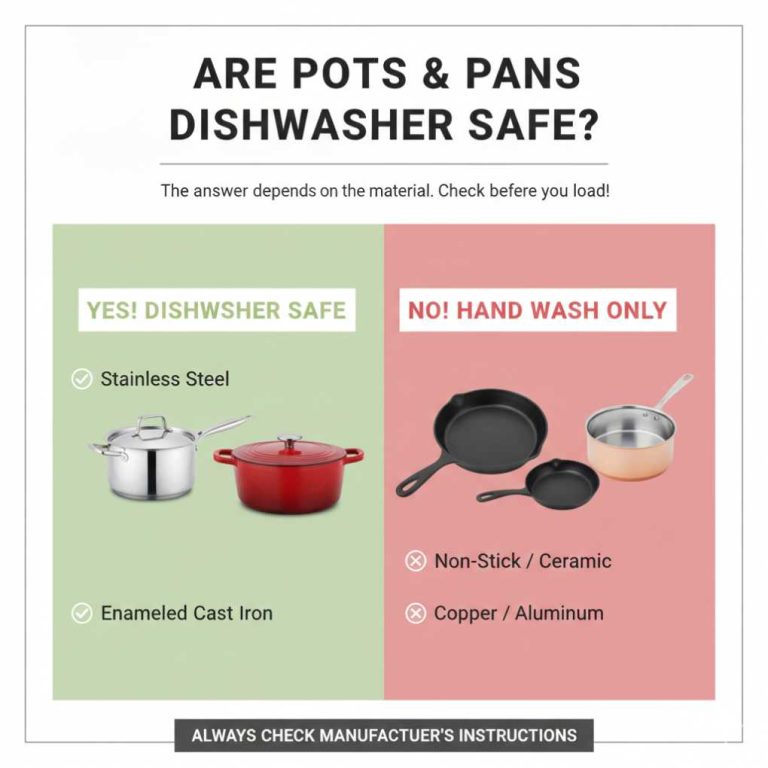
- Stainless Steel: Most are dishwasher safe. But hand washing helps them look their best longer. Use a soft sponge. A little baking soda can help remove tough spots.
- Cast Iron: NEVER put bare cast iron in the dishwasher. Hand wash with hot water. Use a stiff brush. Avoid soap if possible, as it can strip the seasoning. Dry immediately and thoroughly. Apply a thin coat of oil.
- Non-Stick: Hand wash with a soft sponge. Never use abrasive scrubbers. Or harsh detergents. This will damage the coating.
- Enameled Cast Iron: Dishwasher safe. But hand washing is recommended. Use mild soap and a soft sponge. Avoid metal scrubbers.
Storage Strategies
Store pans so they don’t scratch each other. You can use pan protectors. Or hang them on a pot rack.
Avoid stacking them directly. Especially non-stick or ceramic pans.
Frequently Asked Questions About Pots and Pans
What is the best all-around pot or pan to own?
For most home cooks, a 10-inch stainless steel skillet or a 5-6 quart Dutch oven is incredibly versatile. The skillet is great for everyday frying and searing. The Dutch oven is perfect for soups, stews, and braising.
Both are durable and can handle many tasks.
Do I need special pans for an induction cooktop?
Yes, you do. Induction cooktops work by using magnetism. So, your pans must be magnetic.
This means they need to be made of cast iron or magnetic stainless steel. Pans made only of aluminum, copper, or glass will not work on an induction stove.
How do I know when my non-stick pan is worn out?
Look for signs like scratches on the surface. Or if the coating starts to flake or peel off. If food begins to stick to the pan easily, it’s also a sign that the non-stick quality has worn out.
It’s best to replace it when you see these issues.
What is the difference between a frying pan and a skillet?
These terms are often used interchangeably. However, a skillet typically has lower, sloped sides. This makes it easy to flip food and get a good sear.
A frying pan is essentially the same thing. The term “skillet” is more common in modern usage.
Can I use metal utensils in any type of pot or pan?
Generally, no. Metal utensils should only be used in pans that are very durable and not coated. This means they are usually safe for stainless steel and bare cast iron.
Never use metal utensils on non-stick or ceramic pans. They will scratch and damage the surface.
Is it worth investing in expensive cookware?
It can be. High-quality cookware, like heavy-gauge stainless steel or enameled cast iron, often heats more evenly. It’s more durable and can last for decades.
If you cook often, investing in a few key pieces of good cookware can make a big difference in your cooking results and enjoyment.
Conclusion: Cook with Confidence
Understanding the different types of pots and pans can seem overwhelming. But it doesn’t have to be. By knowing their basic uses and materials, you can choose the right tool for any job.
From simple saucepans to versatile Dutch ovens, each piece has its place. Start with a few basics. Care for them well.
Soon, you’ll be cooking with more confidence than ever before. Enjoy the journey of discovering your favorite cookware!
Products related to this article
Sponsored / affiliate links. As an Amazon Associate I earn from qualifying purchases. I may earn additional commission from eligible campaigns.