Are Pots And Pans Dishwasher Safe? What To Know
It’s a common kitchen question. You’ve just finished a big meal. Dishes are piled high.
You look at your favorite pots and pans. Can they go in the dishwasher? It feels like a gamble.
Sometimes they come out fine. Other times, they look… different. This can be really frustrating.
You want to save time. But you also want to keep your good cookware in great shape. Let’s figure this out together.
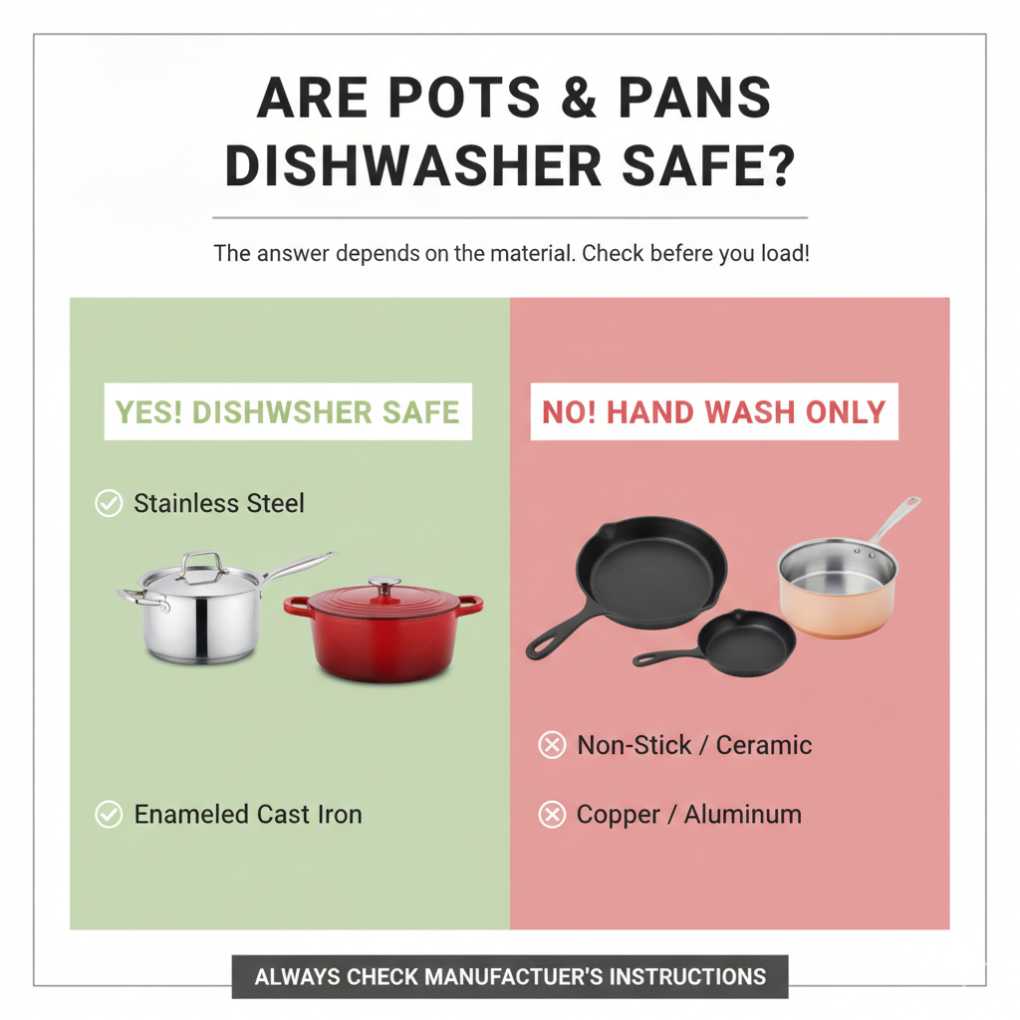
Your pots and pans might be dishwasher safe. It really depends on what they are made of. Some materials handle the dishwasher well. Others can get damaged. Always check the manufacturer’s instructions if you can. When in doubt, hand washing is usually the safest bet.
Understanding Dishwasher Safety for Cookware
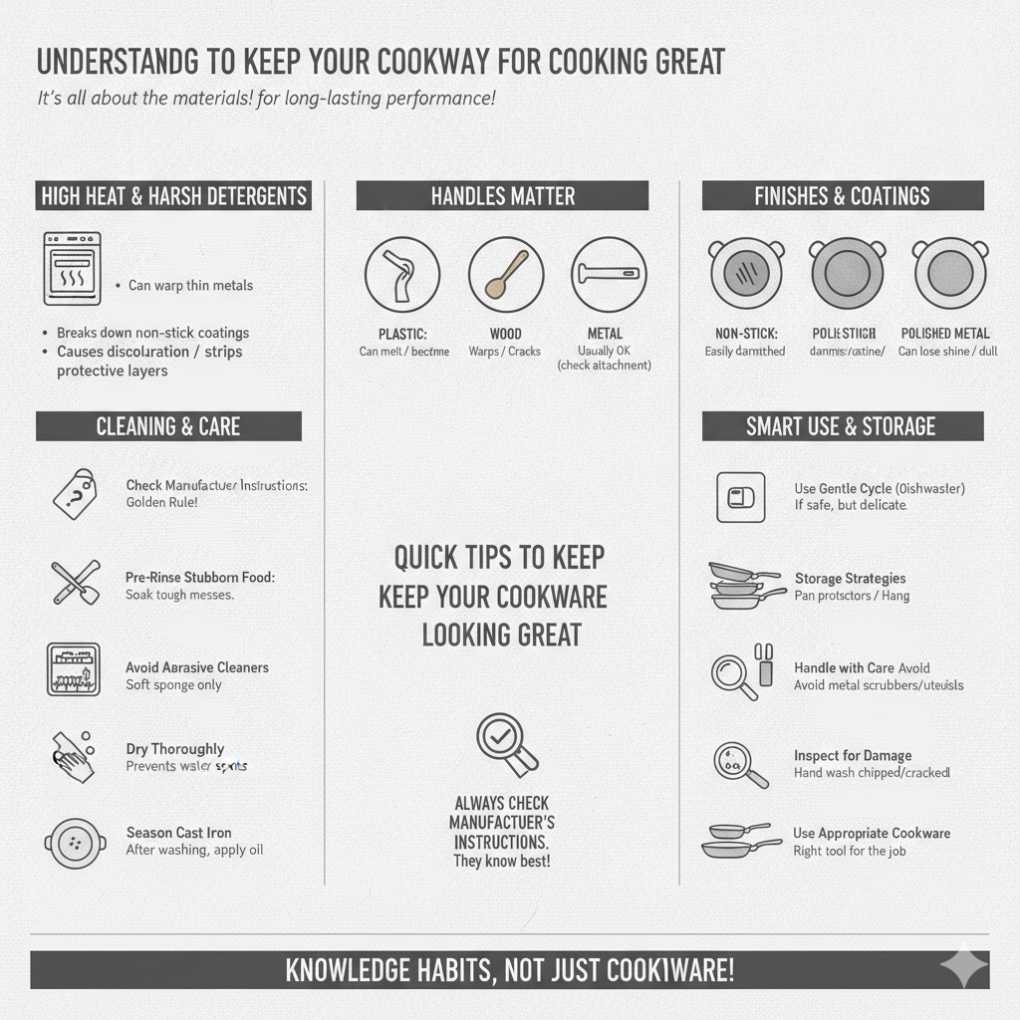
So, what makes a pot or pan safe for the dishwasher? It’s mostly about the materials. The dishwasher uses hot water.
It also uses strong detergents. These things can break down certain finishes or metals. Understanding your cookware’s build is key.
This helps you avoid damage.
Think about the heat. Dishwashers get very hot. This is to clean and sanitize.
High heat can warp thin metals. It can also affect non-stick coatings. The detergents are also powerful.
They have chemicals to cut grease and food. These can be harsh. They might strip away protective layers.
Or they could cause discoloration.
It’s not just about the main material. The handles matter too. Are they made of plastic?
Metal? Wood? These parts can react differently to heat and moisture.
Some plastics can melt or become brittle. Wood can warp or crack. Metal handles are usually okay.
But sometimes the attachment point can weaken.
The finish on your cookware is also important. Many pans have special coatings. Non-stick surfaces are common.
Some cookware has enamel. Others have a polished metal look. These finishes are designed to last.
But the dishwasher’s conditions can be too much for them. This is why some items get dull or scratched.
Manufacturers often test their products. They want to know if they hold up. They will usually state if something is dishwasher safe.
This is often on the packaging. Or it might be on a small tag. Sometimes it’s on their website.
This information is your best guide. It comes from the people who made the item.
My Own Kitchen Mishap: The Tarnished Copper
I remember getting a beautiful set of copper-bottomed pans. They looked amazing. I thought they would make cooking such a joy.
After a big family dinner, I was tired. The sink was full. I figured, “Why not?
They look sturdy.” I loaded them into the dishwasher. I chose a heavy-duty cycle. I felt a little guilty.
But relief won out.
The next morning, I opened the dishwasher. My heart sank a little. The pots and pans were clean, technically.
But the copper bottoms were a mess. They were dull, tarnished, and spotted. It wasn’t just a little change.
It looked like they had aged years overnight. The shine was completely gone. I had ruined the best part of them.
That was a hard lesson. I learned that just because something looks tough doesn’t mean it is. The heat and the strong soap in the dishwasher had attacked the copper.
It’s a soft metal. It needs special care. Since then, I’m much more careful.
I always check labels. Or I just wash those pieces by hand. It takes a few extra minutes.
But it keeps my cookware looking new for much longer. It’s worth the effort to protect them.
Cookware Material Guide: Dishwasher vs. Hand Wash
What’s Generally Safe:
- Stainless Steel: Most types are dishwasher safe. Look for high-quality stainless steel.
- Hard-Anodized Aluminum: Often safe, but check the coating.
- Cast Iron (Seasoned): NO. This strips seasoning. Hand wash only.
- Enameled Cast Iron: Usually safe. Check manufacturer notes.
- Ceramic (Some): If sealed well. Check the finish.
- Glass Bakeware: Most are fine.
- Silicone Utensils: Usually safe.
What to Hand Wash (Usually):
- Non-Stick (Teflon, Ceramic Coated): Dishwasher can degrade the coating.
- Copper: Tarnishes and discolors easily.
- Aluminum (Raw or Unfinished): Can pit and discolor.
- Cast Iron: Always hand wash to keep seasoning.
- Wood Handles: Can warp, crack, or rot.
- Painted or Decorative Finishes: Can chip or fade.
- Specialty Coatings: Like seasoned carbon steel.
Common Cookware Materials and Their Dishwasher Fate
Let’s break down the most common materials. This will give you a clearer picture. Knowing what each is made of helps a lot.
It’s like understanding your friend’s personality. You know what they like and dislike. Your cookware is similar.
It has its own needs.
Stainless Steel Cookware
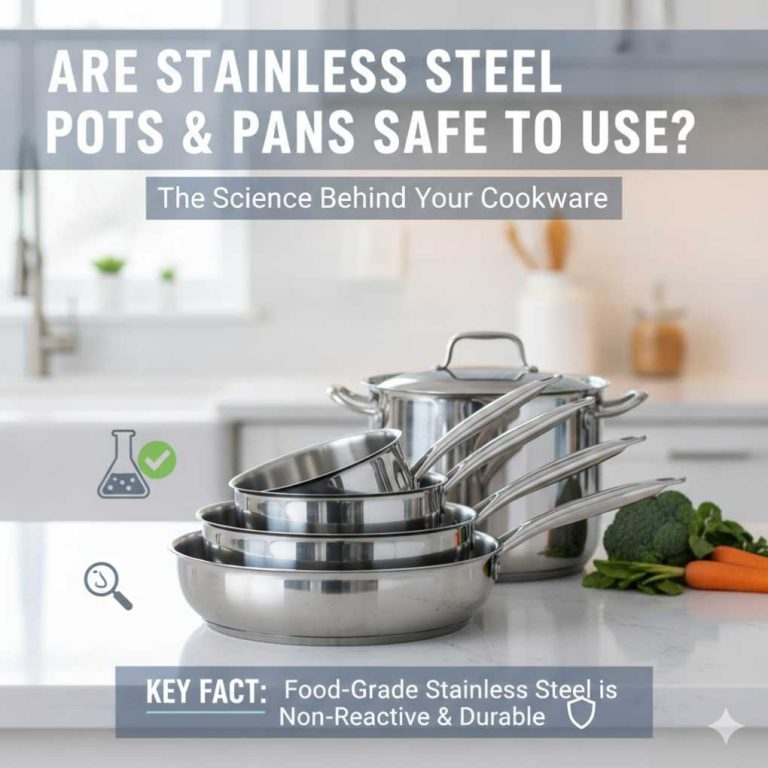
This is a workhorse in many kitchens. Most stainless steel pots and pans are tough. They can handle the dishwasher well.
High-quality stainless steel is resistant to rust. It’s also less likely to pit or stain. Even with strong detergents, it usually stays shiny.
However, there are different grades of stainless steel. Cheaper versions might show water spots. They could also develop a dull look over time.
If your stainless steel cookware has other materials attached, like copper or aluminum bases, check those. The base material might have different rules.
Aluminum Cookware
Aluminum is a bit more complex. Raw or uncoated aluminum is usually not dishwasher safe. The detergents can cause it to pit.
It can also turn dull or dark. This is called oxidation. Hard-anodized aluminum is different.
The anodizing process makes the aluminum stronger. It also seals the surface. This makes it much more durable.
Many hard-anodized aluminum pans can go in the dishwasher.
Look for a dark, matte finish on hard-anodized aluminum. If your aluminum pan is shiny and silver, it’s likely uncoated. Be cautious with those.
Even with hard-anodized, check the manual. Some might say hand wash is best for longevity.
Non-Stick Cookware
This is where most people get confused. Non-stick pans are popular for a reason. Food slides right off.
But their coatings are delicate. Dishwashers use high heat. They also use abrasive detergents.
These can break down non-stick coatings over time. This makes them less effective.
Many non-stick pans are labeled “dishwasher safe.” This often means they can go in. But it also means the coating might wear out faster. Think of it as a trade-off.
You get convenience now. But you might need to replace the pan sooner. If you want your non-stick to last as long as possible, hand washing is the way to go.
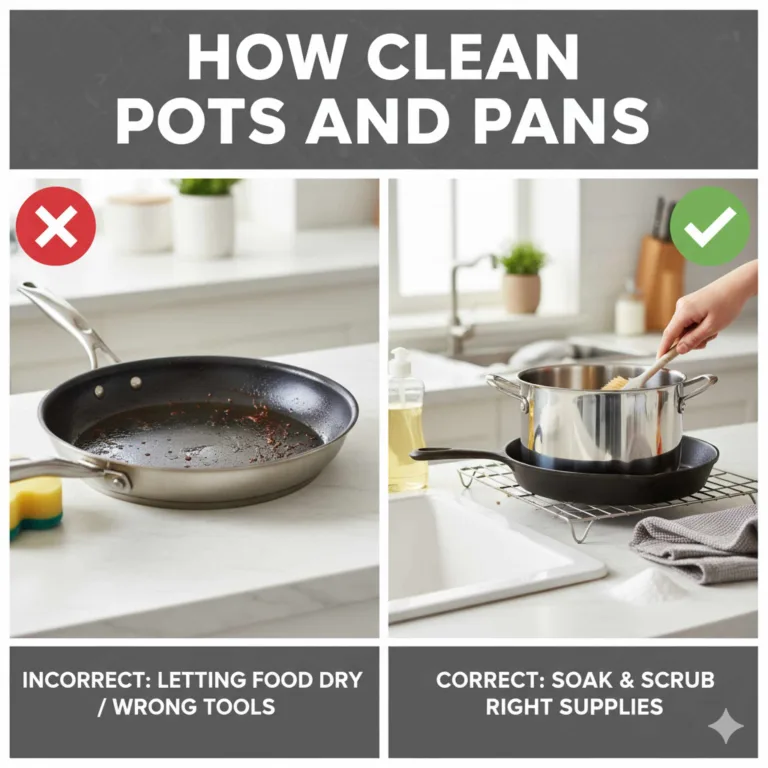
When hand washing non-stick, use a soft sponge. Avoid abrasive scrubbers. Use mild dish soap.
Rinse well. Drying it immediately can also help. This prevents water spots.
It keeps the surface looking good.
Cast Iron Cookware
Cast iron is a different beast. It’s beloved for its heat retention. But it requires special care.
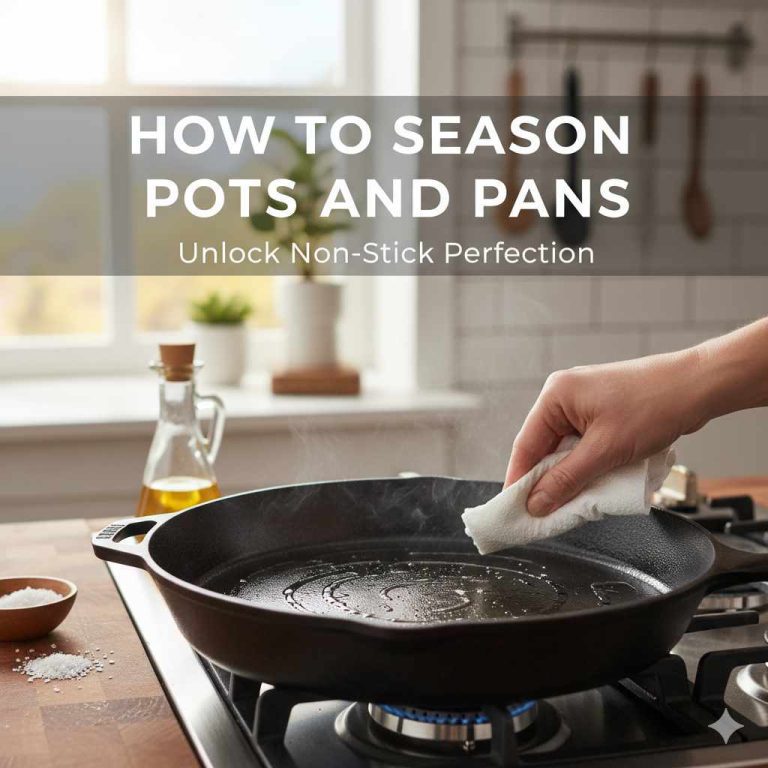
A well-seasoned cast iron pan has a natural non-stick layer. This layer is built up over time with oil. The hot water and strong soap in a dishwasher will strip this seasoning away.
This leaves the iron exposed.
If cast iron is exposed, it can rust. It also loses its non-stick properties. So, cast iron is almost always hand wash only.
Some enameled cast iron pots are an exception. The enamel coating protects the iron. These are often dishwasher safe.
But again, always check the manufacturer’s tag.
Copper Cookware
As I found out the hard way, copper is sensitive. Pure copper is beautiful. It’s also a great heat conductor.
But it tarnishes easily. Dishwasher detergents are designed to remove grime. They can also react with copper.
This causes discoloration. You might see dark spots. Or a general dullness.
Some copper cookware has a protective lacquer. This can withstand the dishwasher for a while. But it can also wear away.
Cookware with a stainless steel interior and copper exterior is common. The stainless steel part might be fine. But the copper exterior needs careful attention.
Hand washing is generally best for the copper elements.
Enameled Cookware
Enameled cookware, like enameled cast iron or some pots and pans, is usually pretty durable. The enamel is a glass-like coating. It’s fused to the metal.
This makes it non-porous. It’s resistant to stains and doesn’t react with food.
Most enameled cookware is dishwasher safe. The enamel itself is tough. However, look out for chips or cracks in the enamel.
If the enamel is damaged, water can get underneath. This can cause rust on the metal below. Also, very abrasive detergents or scrubbers could dull the finish over time.
So, while often safe, gentle washing is still ideal for keeping it looking its best.
Quick Scan: Cookware Dishwasher Cheat Sheet
| Material | Dishwasher Safe? | Notes |
|---|---|---|
| Stainless Steel | Yes (Most) | High quality is best. Check base. |
| Hard-Anodized Aluminum | Yes (Often) | Sealed surface is key. |
| Non-Stick | Sometimes (Use caution) | May shorten lifespan. |
| Cast Iron (Seasoned) | NO | Strips seasoning, causes rust. |
| Enameled Cast Iron | Yes (Usually) | Check for chips. |
| Copper | NO (Generally) | Tarnishes, discolors. |
Why Does the Dishwasher Do This to Cookware?
It all comes down to the harsh environment inside a dishwasher. We talked about the heat and the soap. Let’s dive a little deeper.
This helps explain why certain materials react poorly.
Water Temperature: Dishwashers heat water to very high levels. This can be 120°F to 160°F (49°C to 71°C). This intense heat can stress materials.
It can cause thin metals to warp. For non-stick coatings, heat can make them less stable. It can cause them to break down.
Some plastics used in handles can also soften or deform.
Detergents: Dishwasher detergents are much stronger than hand dish soap. They contain powerful chemicals. These include alkaline builders and enzymes.
These are great at breaking down food. But they can also break down finishes. They can strip away protective layers.
For example, they can remove the seasoning from cast iron. They can also cause oxidation and pitting on metals like aluminum.
Water Pressure and Sprays: The water jets in a dishwasher are strong. They blast water at high pressure. This can be abrasive.
Over time, this constant bombardment can scratch delicate surfaces. It can wear away coatings. Imagine sandblasting, but with water.
It’s not that extreme, but it’s a constant mild erosion.
Minerals in Water: The minerals in your tap water can also play a role. Hard water contains a lot of dissolved minerals. When the water evaporates, these minerals can be left behind.
This causes spots. It can also create a cloudy film. This can make cookware look dull.
It’s especially noticeable on shiny metal surfaces. These mineral deposits can also sometimes react with cookware materials.
Cycles and Settings: The type of wash cycle you choose matters too. Heavy-duty cycles use hotter water and more aggressive detergents. They also run longer.
This intensifies the harshness. Even if a pan is technically dishwasher safe, using a gentler cycle might help it last longer.
So, when you put a pot or pan in the dishwasher, you’re exposing it to a mini-chemical and thermal bath. It’s designed for cleaning. But it’s not designed for preserving delicate finishes.
That’s why understanding your cookware’s composition is so vital.
Common Dishwasher Detergent Effects
What happens inside:
- High Heat: Warps thin metals, degrades coatings.
- Strong Chemicals: Strips seasoning, causes pitting, fades finishes.
- Water Jets: Can scratch surfaces over time.
- Mineral Deposits: Lead to spotting and cloudiness.
Best Practice: Use the gentlest cycle for your cookware.
When to Be Extra Careful: Signs Your Cookware Might Not Be Safe
Sometimes, even if a material is usually safe, there are signs to watch for. These are little clues your cookware might be unhappy in the dishwasher. Paying attention can save your favorite pieces.
The Manufacturer’s Label: This is your first and best indicator. If there’s a symbol of a dishwasher with water spraying over plates, it’s usually good to go. If it has a line through it, or if there’s no mention at all, proceed with caution.
I’ve learned to trust these symbols implicitly now.
Visible Coatings or Finishes: Does your pan have a shiny, dark, or colored coating? Is it described as non-stick, ceramic, or Teflon? These coatings are often the most vulnerable part.
Even if the manufacturer says it’s safe, the coating will likely wear down faster than if you hand-washed it. For these, I’d lean towards hand washing for maximum lifespan.
Handles Made of Different Materials: What are the handles made of? If they are plastic, wood, or have decorative elements, they might not be dishwasher safe. Plastics can melt or warp.
Wood can split or rot. Even some metal handles can loosen if they are attached with rivets that are weakened by the heat and moisture over time.
Thin or Delicate Metal: If your cookware feels very light or thin, it might be more prone to warping in the high heat. This is especially true for aluminum. Even some thinner stainless steel can bend slightly.
Anything That Looks Handmade or Artisanal: If you have a special piece that looks like it was crafted with care, it might have unique finishes or materials. These often require delicate handling. Assume it’s not dishwasher safe unless you know otherwise.
This is true for many hand-painted ceramics or custom metalwork.
The Age of the Cookware: Older cookware might have older types of coatings. These might not hold up as well to modern dishwashers. Also, wear and tear from years of use can make even robust materials more susceptible to damage.
What Happens After Washing: Pay attention to what your cookware looks like after a dishwasher cycle. If you see dullness, discoloration, spots, or scratches, that’s a clear sign it didn’t like the experience. This is your cookware telling you, “Please don’t do that again!”
Warning Signs for Dishwasher Safety
Look Out For:
- No Manufacturer Label: If it’s not marked safe, assume it isn’t.
- Delicate Coatings: Non-stick, ceramic, and colored finishes are often vulnerable.
- Non-Metal Handles: Wood, some plastics, or decorative handles can be damaged.
- Thin or Lightweight Construction: Prone to warping.
- Signs of Damage After Washing: Dullness, spots, scratches are clear indicators.
Real-World Scenarios: When to Hand Wash vs. Dishwasher
Let’s put this into practice. Imagine you’re standing at the sink. What’s the best choice for different pots and pans?
Scenario 1: The Weeknight Stir-Fry Pan
You just made a quick stir-fry. The pan is probably non-stick. It might have a hard-anodized aluminum base.
You’re tired. You want to clean up fast. Your options are:
- Dishwasher: If labeled dishwasher safe, you can put it in. But know that the non-stick coating might wear out sooner. You’ll get convenience now.
- Hand Wash: Use a soft sponge and mild soap. Rinse and dry. This will help the non-stick coating last much longer.
Recommendation: For maximum lifespan of the non-stick, hand wash. If speed is critical and the pan is labeled safe, the dishwasher is an option, but be prepared for the coating to degrade faster.
Scenario 2: The Sunday Roast Pot
You roasted a chicken. The pot is likely enameled cast iron or heavy stainless steel. It has baked-on bits.
It’s a tough clean. What about the dishwasher?
- Dishwasher: Enameled cast iron and most stainless steel are generally safe. The high heat and detergent will likely get it clean. Check for any chips in the enamel first.
- Hand Wash: For very stubborn bits, you might soak it first. Then scrub with a non-abrasive pad.
Recommendation: For this type of sturdy cookware, the dishwasher is usually a good choice. It can handle the cycle. If you have enameled cast iron, ensure the enamel is intact.
Scenario 3: The Copper Sauté Pan
You used your beautiful copper sauté pan. It has a shiny exterior. The interior is probably stainless steel.
You just cooked a delicate sauce.
- Dishwasher: Absolutely not for the copper exterior. It will tarnish and discolor badly. The stainless steel interior might be okay, but the copper will suffer.
- Hand Wash: Gently wash the interior with mild soap and a soft sponge. For the copper exterior, use a specialized copper cleaner or a paste of lemon juice and salt. Polish with a soft cloth.
Recommendation: Always hand wash copper cookware to preserve its shine and finish.
Scenario 4: The Well-Seasoned Cast Iron Skillet
You seared a steak in your trusty cast iron skillet. It’s got a natural non-stick surface built over years.
- Dishwasher: A big NO. This will strip all that hard-earned seasoning. Your skillet will rust and lose its non-stick power.
- Hand Wash: Use hot water. Scrape off any stuck bits with a stiff brush or a metal spatula (carefully). Do NOT use soap unless it’s a tiny bit of mild soap. After rinsing, dry it completely on the stove. Then, apply a very thin layer of oil and wipe it off.
Recommendation: Hand wash and re-season cast iron immediately after washing.
Dishwasher vs. Hand Wash: A Quick Decision Guide
When in doubt, hand wash. But here’s a quick guide:
- Dishwasher is Usually Fine: Standard stainless steel, hard-anodized aluminum, enameled cast iron.
- Dishwasher is Risky (May Shorten Life): Non-stick, ceramic-coated pans.
- Hand Wash Only: Seasoned cast iron, raw aluminum, copper, wood handles, painted finishes.
What This Means for Your Kitchen and Your Cookware
So, what’s the takeaway from all this? It’s about making informed choices. You want your cookware to last.
You also want your life to be a little easier. Balancing these two is the goal.
It’s about knowing your tools. Every pot and pan has its own needs. Understanding their materials is like understanding a recipe. You need the right ingredients and steps to get the best result.
Hand washing isn’t always a chore. Sometimes, it’s a quick rinse and wipe. For delicate items, it’s a moment of care. This care pays off.
Your cookware looks better. It performs better. It lasts longer.
Think of it as an investment in your kitchen.
Dishwashers are great for some things. They excel at cleaning everyday sturdy items. Stainless steel plates, glasses, and cutlery are perfect candidates. Using the dishwasher for these saves time and energy.
It helps sanitize effectively.
Protecting your investment. Good cookware can be expensive. When you spend money on quality, you want it to last. Dishwashers can be tough.
If your cookware isn’t designed for that environment, putting it in can shorten its life. This means you’ll have to buy replacements sooner.
Check the labels! Seriously, this is the most important step. Manufacturers put that information there for a reason. Take a moment to look.
If you can’t find a label, a quick search for the brand and model online might help. If still unsure, err on the side of caution.
Consider your priorities. If speed is your absolute top priority for every single item, and you’re okay with replacing pans more often, then use the dishwasher for anything labeled safe. If longevity and maintaining the peak performance of your cookware is more important, then hand wash the items that are borderline or known to be sensitive.
Ultimately, it’s about finding a balance that works for your lifestyle. Most kitchens will have a mix. Some items happily go in the dishwasher.
Others get special hand-washing treatment. That’s perfectly normal. It’s how you keep your whole kitchen running smoothly.
Quick Tips to Keep Your Cookware Looking Great
Whether you’re using the dishwasher or washing by hand, a few simple tips can make a big difference. These little habits help preserve your cookware. They keep it looking good and working well for years.
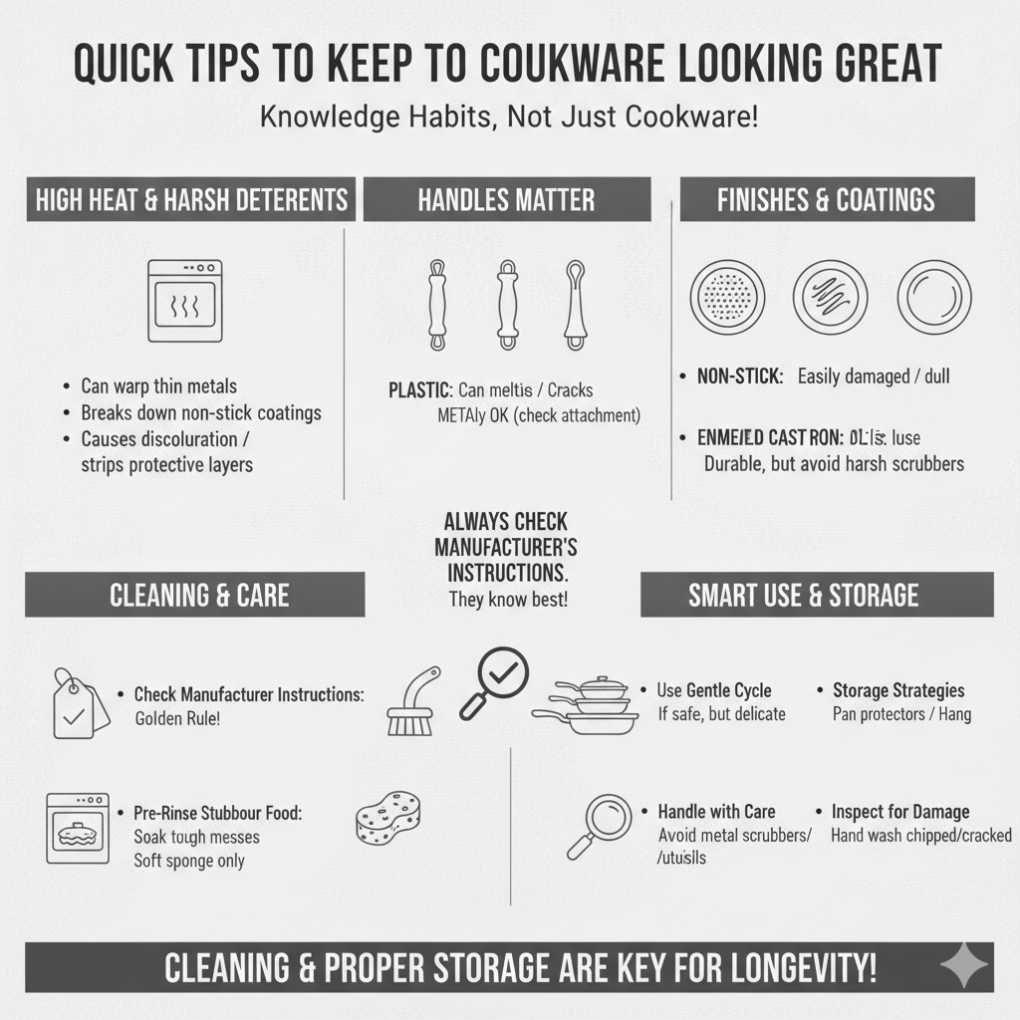
- Always Check Manufacturer Instructions: This is the golden rule. If it says dishwasher safe, great. If not, keep it away from the machine.
- Pre-Rinse Stubborn Food: For any pan, especially if you’re considering the dishwasher, scrape off large food bits first. Soak tough messes in warm water. This reduces the strain on the dishwasher and its detergent.
- Load Wisely: If putting pans in the dishwasher, don’t overcrowd it. Ensure water can reach all surfaces. Place pans so they don’t trap water.
- Use a Gentle Cycle: If your cookware is labeled dishwasher safe but seems delicate (like some non-stick), choose a lighter wash cycle. Avoid the “pots and pans” or “heavy-duty” settings if possible.
- Avoid Abrasive Cleaners: For hand washing, use soft sponges or cloths. Never use steel wool or harsh scrubbers on non-stick, copper, or finely finished surfaces.
- Dry Thoroughly: After washing, dry your cookware immediately with a soft towel. This prevents water spots. For cast iron, drying on the stovetop is essential.
- Season Cast Iron After Washing: If you hand wash your cast iron, always follow up with a light coat of oil. Heat it on the stove to maintain its seasoning.
- Handle with Care: Even dishwasher-safe items can be scratched by sharp utensils or other items in the dishwasher. Be mindful of how you load and unload.
- Inspect for Damage: Before washing, quickly check for any chips, cracks, or worn coatings. If you see damage, hand wash carefully.
- Use Appropriate Cookware for the Task: Don’t use a delicate non-stick pan for searing a steak at high heat. Using the right pan for the right job helps it last longer, regardless of washing method.
Frequently Asked Questions About Dishwasher Safe Cookware
Are all stainless steel pots and pans dishwasher safe?
Most stainless steel pots and pans are dishwasher safe. However, quality can vary. Higher quality stainless steel is more resistant to spots and corrosion.
If your stainless steel has a different base material (like copper or aluminum), check the instructions for that specific part. Very cheap stainless steel might show water spots over time.
Can I put my cast iron skillet in the dishwasher?
No, you should never put a seasoned cast iron skillet in the dishwasher. The harsh detergents will strip away the essential seasoning that makes it non-stick and protects it from rust. Always hand wash cast iron with hot water and dry it completely on the stove.
If you have enameled cast iron, it is usually dishwasher safe, but check the manufacturer’s instructions.
How do I know if my non-stick pan is dishwasher safe?
Look for a label or symbol on the pan or its packaging that indicates it is dishwasher safe. Many non-stick pans are designed to withstand dishwashing. However, repeated cycles in the dishwasher can degrade the non-stick coating faster.
For the longest lifespan of your non-stick surface, hand washing is generally recommended.
What happens if I put copper pots in the dishwasher?
Putting copper pots and pans in the dishwasher will likely cause them to tarnish and discolor. The detergents and high heat can react with the copper, dulling its shine and creating spots. While some copper cookware might have a protective lacquer, this can also wear away in the dishwasher, leading to damage.
Are wooden handles safe for the dishwasher?
No, wooden handles are generally not safe for the dishwasher. The prolonged exposure to heat and moisture can cause wood to warp, crack, split, or even rot over time. It’s best to hand wash any cookware with wooden handles and dry them thoroughly immediately after washing.
How can I tell if my aluminum cookware is dishwasher safe?
For aluminum cookware, it’s important to know if it’s hard-anodized. Hard-anodized aluminum has been treated to create a tougher, sealed surface, which makes it more dishwasher safe. Raw or uncoated aluminum can pit and discolor in the dishwasher.
Always check the manufacturer’s instructions, as even hard-anodized cookware might have specific care recommendations.
Final Thoughts on Cookware Care
Deciding whether your pots and pans can brave the dishwasher is all about knowing their materials. It’s a little detective work that saves you from costly mistakes. Treat your cookware with care, and it will serve you well for many meals to come.
Happy cooking!
Products related to this article
Sponsored / affiliate links. As an Amazon Associate I earn from qualifying purchases. I may earn additional commission from eligible campaigns.