Pressure Canning Tomatoes Vs Water Bath: Essential Guide
Pressure canning tomatoes vs. water bath canning: High-acid foods like tomatoes can be safely processed in a boiling water bath canner or a pressure canner. While water bath canning is simpler and great for plain tomatoes, pressure canning is mandatory for tomato products with added low-acid ingredients to ensure they are heated to a safe temperature, killing potential botulism spores.

LEONICE
LEONICE Canning Supplies,Home Canning Starter kit for…
- All-in-one Canning Supplies Kit consists of all essential tools:Stainless stell Jam Ladle perfect for serving and pouring,Canning…
- Premium Stainless Steel canning set makes your job easier and safer from the boiling pot to prepare your first batch of jam for pr…
- Homemade preserves,jam,tomato sauce,peaches,pickles and other food/fruit/Vegetable are so great to have year round. And truth is t…
As an Amazon Associate I earn from qualifying purchases.
For a related kitchen decision, Canning Tomatoes Vs Regular: Proven Essential adds another practical detail to check.
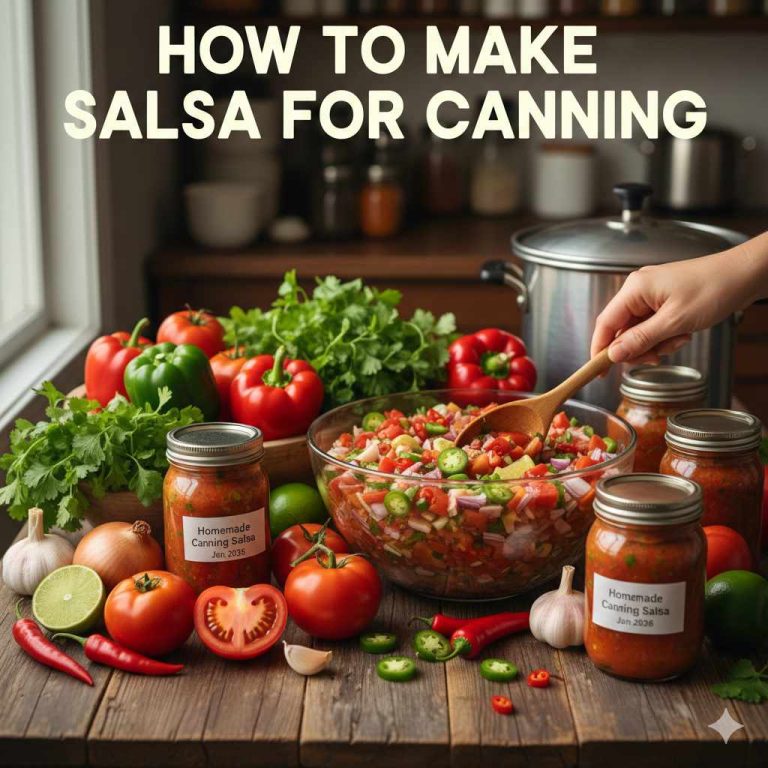
For a closely related home or decor topic, How To Make Salsa For Canning: Essential gives readers a useful next step.
For a closely related home or decor topic, 7 Types of Pressure Cookers: You Should Know gives readers a useful next step.
Are you dreaming of shelves lined with jars of vibrant, home-canned tomatoes, ready to brighten up your meals all year long? It’s such a rewarding feeling! But if you’re new to canning, you might be staring at your canner and feeling a little stumped. Two main canning methods come up: boiling water bath canning and pressure canning. The big question is, which one is right for your precious tomatoes? Don’t worry, it’s not as complicated as it sounds! Today, we’re going to break down the difference between pressure canning tomatoes and water bath canning. We’ll help you choose the perfect method so you can can with confidence and enjoy your delicious, safe, home-preserved tomatoes. Let’s get canning!
Understanding Canning for Tomatoes: The Basics
Canning is a wonderful way to preserve food, locking in flavor and nutrients for months. When it comes to tomatoes, the method you choose depends on the acidity of the tomatoes themselves and any other ingredients you might add. Acidity is super important in preventing the growth of harmful bacteria, like the one that causes botulism.
Think of acidity like a superhero shield for your food. Tomatoes are naturally quite acidic. However, the acidity level can change depending on the variety of tomato and whether you add ingredients like onions, peppers, or garlic, which are considered low-acid. This is where the choice between a water bath canner and a pressure canner becomes crucial.
Why Acidity Matters: A Quick Lesson
The U.S. Department of Agriculture (USDA) Complete Guide to Home Canning provides clear guidelines for safe canning practices. One of the most critical factors is the pH level of the food you’re canning. Foods with a pH of 4.6 or lower are considered high-acid and can be safely processed in a boiling water bath canner.
Tomatoes, in their pure form, generally fall into this high-acid category. However, when you start adding low-acid ingredients (like certain vegetables or meats), the overall pH of the mixture can rise, making it a potential haven for dangerous bacteria if not heated to a high enough temperature.
Sterilizing jars and lids is also a vital part of the process, ensuring a good seal and long shelf life. Always follow tested recipes from reliable sources like the National Center for Home Food Preservation (NCHFP). They have done the research to ensure your canned goods are both delicious and safe.

Boiling Water Bath Canning: The Classic Choice for Pure Tomatoes
Water bath canning is the go-to method for most high-acid foods, including plain crushed, diced, or whole tomatoes. It’s generally simpler to use and requires less specialized equipment than pressure canning.
In water bath canning, jars filled with food are completely submerged in boiling water (212°F or 100°C at sea level) for a specific amount of time. This boiling temperature is enough to destroy mold, yeast, and some bacteria in high-acid foods.
When to Use a Water Bath Canner for Tomatoes:
- Plain tomato sauce
- Diced tomatoes (no added vegetables)
- Whole peeled tomatoes
- Tomato juice (unsalted and unseasoned)
- Salsa (only if it’s a tested recipe specifically designed for water bath canning, which usually means a high vinegar content)
How Water Bath Canning Works:
- Prepare your jars, lids, and rings according to manufacturer instructions.
- Fill prepared jars with your chosen tomato product, leaving the correct headspace (the space between the top of the food and the rim of the jar).
- Wipe jar rims to ensure a good seal, place lids on, and screw on bands fingertip-tight.
- Place jars in the canner rack, ensuring they are upright and not touching each other.
- Add hot water to the canner to cover jars by at least 1 to 2 inches.
- Bring water to a rolling boil, then start timing the processing period.
- After processing, turn off the heat, remove the canner lid, and let jars sit for 5 minutes before carefully removing them with a jar lifter.
- Let jars cool undisturbed for 12-24 hours, then check for seals before storing.
Pros of Water Bath Canning:
- Simpler to use and understand.
- Requires less specialized equipment (a large pot with a rack works).
- Great for preserving the pure, natural flavor of tomatoes.
Cons of Water Bath Canning:
- Not safe for tomato products containing low-acid ingredients.
- Can’t process foods with a higher pH.
Pressure Canning: The Safest Bet for Mixed Tomato Dishes
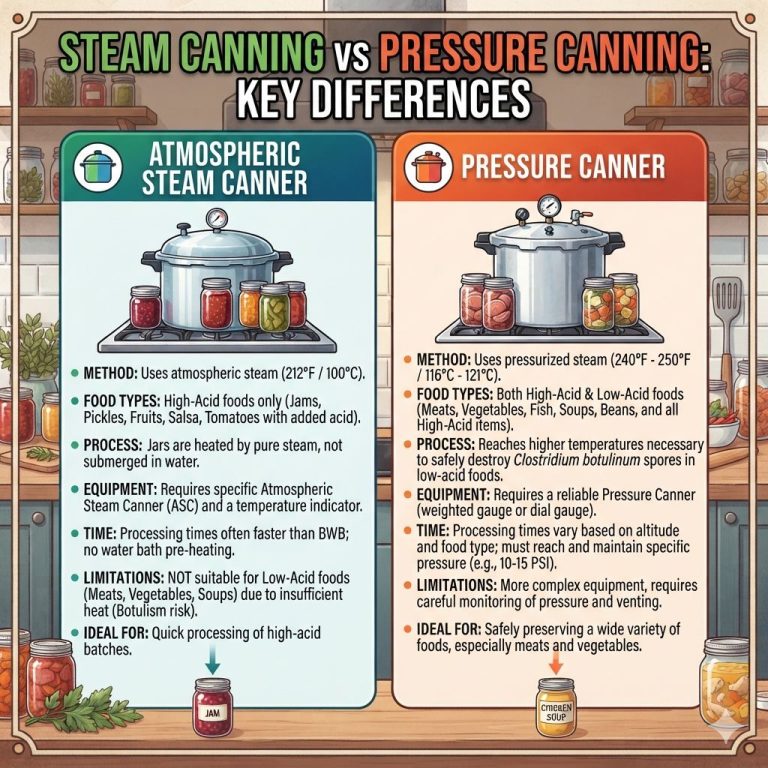
Pressure canning is essential when you are canning foods that are low-acid or have had low-acid ingredients added to them. This method uses a specialized canner that builds steam pressure, reaching temperatures much higher than boiling water – around 240°F (116°C) or higher.
Why is this higher temperature so important? Because it’s the only way to ensure that dangerous bacteria like Clostridium botulinum (which causes botulism) are completely destroyed. These bacteria thrive in low-acid environments and can survive boiling water temperatures. Pressure canning creates the high heat needed to make these foods safe.
When to Use a Pressure Canner for Tomatoes:
- Tomato sauces with added garlic, onions, or peppers.
- Chili, stews, or soups containing tomatoes and other vegetables or meats.
- Tomato mixtures with added oil or dairy.
- Any tomato recipe that isn’t specifically tested and labeled for water bath canning.
It’s always better to err on the side of caution. If your recipe contains any ingredient that isn’t highly acidic (like pure tomatoes or vinegar), and it’s not a tested water bath recipe, reach for your pressure canner. The USDA recommends specific pressure settings and processing times based on your altitude, which is critical for safe canning.
How Pressure Canning Works:
- Prepare your jars, lids, and rings.
- Fill jars with your tomato product, adhering to the recommended headspace for pressure canning (often a bit more than water bath).
- Wipe rims, apply lids, and screw on bands fingertip-tight.
- Add the amount of boiling water specified in your pressure canner’s manual to the canner.
- Place jars on the rack in the canner.
- Lock the canner lid securely.
- Vent the canner by letting steam escape for the time specified in the manual (usually 10 minutes). This is crucial to remove air and ensure the correct temperature is reached.
- Close the vent, and bring the canner up to pressure. Maintain the correct pressure (adjusted for altitude) for the entire processing time.
- Once processing is complete, turn off the heat and let the canner depressurize naturally. Do NOT try to speed this up.
- When the pressure gauge reads zero and the lid can be safely opened (check your manual!), remove the lid away from your face to avoid steam burns.
- Carefully remove jars with a jar lifter and let them cool undisturbed for 12-24 hours.
- Check for seals.
Pros of Pressure Canning:
- Safest method for low-acid foods or mixtures with low-acid ingredients.
- Ensures all harmful bacteria, including botulism spores, are destroyed.
- Can process larger batches more efficiently in some models.
Cons of Pressure Canning:
- Requires a specialized pressure canner, which can be an investment.
- Can be a bit more intimidating for beginners due to monitoring pressure.
- Can sometimes alter the texture or color of delicate foods more than water bath canning.
Pressure Canning Tomatoes Vs. Water Bath: A Direct Comparison
To make it super clear, let’s look at the key differences side-by-side. This will help you decide which method is right for your specific tomato project.
| Feature | Boiling Water Bath Canning | Pressure Canning |
|---|---|---|
| Temperature Reached | 212°F (100°C) at sea level | 240°F (116°C) or higher (dependent on pressure set) |
| Ideal For | High-acid foods (plain tomatoes, fruits, pickles, jams, jellies) | Low-acid foods (most vegetables, meats, poultry, fish) and tomato products with added low-acid ingredients. |
| Equipment Needed | Large pot with a rack, jar lifter, lids, rings, jars. | Specialized pressure canner with a pressure gauge or weighted gauge, jar lifter, lids, rings, jars. |
| Safety Concerns Addressed | Destroys mold, yeast, and some bacteria in high-acid environments. | Destroys mold, yeast, bacteria, AND spores (including Clostridium botulinum) in low-acid environments. |
| Altitude Adjustment | ||
| Required for Processing Time | Required for processing time (longer times at higher altitudes). | Required for pressure settings AND processing time (higher pressure and/or longer time at higher altitudes). |
| Complexity for Beginners | Generally considered easier and less intimidating. | Can be more intimidating due to monitoring pressure and venting procedures. |
Altitude Matters! What You Need to Know
Denver locals, rejoice! If you live above 1,000 feet, you need to adjust your canning process. As altitude increases, the boiling point of water decreases. This means water bath canning at 212°F isn’t as effective. You’ll need to increase your processing time.
For pressure canning, it’s even more critical. The atmospheric pressure at higher altitudes affects the actual pressure inside your canner. You’ll need to increase the pressure you use (or the processing time, depending on your canner’s design and USDA guidelines). Always consult guidelines specific to your altitude. You can find detailed charts and instructions on the NCHFP website or in USDA-approved canning books.
The National Center for Home Food Preservation offers comprehensive charts for altitude adjustments for both water bath and pressure canning.
Choosing Your Tomato Canning Project: Simple vs. Savory
Let’s get practical. What kind of tomato goodness are you aiming for?
For the Pure Tomato Lover: Water Bath Canning is Likely Your Friend
If your heart sings at the thought of jars filled with bright red, unadulterated tomatoes, then water bath canning is probably your best bet. This is perfect for preserving the natural essence of your harvest.
Whole Peeled Tomatoes: Great for sauces, stews, and all your Italian culinary adventures.
Diced Tomatoes: Convenient for adding to soups or casseroles.
Tomato Juice: A simple and healthy way to capture tomato flavor. Just be sure to follow tested recipes that don’t add low-acid ingredients.
These simple preparations are high-acid enough to be safely processed in a boiling water bath. The goal here is preservation with minimal alteration to the fresh tomato taste.
For the Flavor Explorer: Pressure Canning is Your Secret Weapon
Do you love adding onions, peppers, garlic, herbs, or even a touch of spice to your tomato creations? Then you’re venturing into territory where pressure canning is the safest and most recommended method.
Salsa: Many homemade salsas include onions, peppers, and sometimes other vegetables, making them low-acid.
Chili or Stew Bases: When you can a tomato-based chili or stew, it’s almost always a low-acid product due to the meat and vegetables.
Tomato Sauces with Aromatics: Even just adding a clove of garlic or a few slices of onion to your tomato sauce can shift its acidity enough to require pressure canning for absolute safety.
* Barbecue Sauces: Often contain vinegar, but also molasses and other ingredients that push them towards needing higher processing temperatures.
Remember the rule of thumb: if in doubt, pressure can! Or, find a tested recipe specifically designed for water bath canning that accounts for the lower acidity.
Essential Tools for Tomato Canning
No matter which method you choose, having the right tools makes the process smoother and safer. Here’s a basic rundown:
Water Bath Canning Essentials:
- Large Stockpot: Big enough to hold jars and cover them with at least 2 inches of water.
- Jar Rack: To keep jars off the bottom of the pot and allow water circulation.
- Jar Lifter: To safely remove hot jars from the canner.
- Canning Funnel: To easily fill jars without making a mess.
- Lid Wand (magnetic): For lifting hot lids out of boiling water.
- Bubble Remover/Headspace Tool: To release air bubbles and check headspace.
- New Lids and Bands: Use fresh lids for every canning batch. Bands can be reused if they are in good condition.
- Clean Jars: Mason-type jars are designed for home canning.
Pressure Canning Essentials (Includes Water Bath Tools):
- Pressure Canner: This is the key piece of equipment. It’s heavier duty than a water bath canner and has a lid that locks, a dial gauge or weighted gauge, and a vent pipe. Look for USDA-approved models.
- All Water Bath Canning Tools: You’ll still need the jar lifter, funnel, etc.
- Timer: Crucial for accurately timing the pressure-processing period.
- Heat-Resistant Gloves: For safely handling the canner and jars on top of the stove.

Frequently Asked Questions About Canning Tomatoes
Q1: Can I add lemon juice to my plain tomatoes when water bath canning to make them more acidic?
A: While the addition of lemon juice can increase acidity, it’s crucial to follow tested recipes precisely. The amount and type of acid (bottled lemon juice is recommended over fresh, as its acidity is standardized) must be correct for the recipe to remain safe for water bath canning. If a recipe for plain tomatoes calls for lemon juice, use it. Otherwise, stick to pure tomatoes.
Q2: My jars sealed, but the lids are bulging. Is this safe?
A: Bulging lids are a sign of spoilage and are NOT safe to consume. This can happen if jars weren’t processed long enough, if the seals failed, or if spoilage bacteria grew. Discard these jars immediately without tasting them.
Q3: How long can I store home-canned tomatoes?
A: Properly processed and stored home-canned tomatoes are best used within 12 months for optimal quality. They can remain safe to eat for longer, but their color, flavor, and nutrient content may degrade.
Q4: Can I use just a large stockpot with a lid and heat to process tomatoes?
A: No, you cannot safely can in a regular stockpot without the proper boiling water bath or pressure canner setup. The equipment is designed to maintain consistent temperatures and/or pressure needed to destroy spoilage organisms and harmful bacteria. Heating on the stovetop is not sufficient.
Q5: What is “headspace” and why is it important?
A: Headspace is the space between the surface of the food and the rim of the jar. It’s important because it allows for expansion of food as it heats, and it helps create a vacuum seal as the jar cools. Insufficient headspace can prevent a proper seal, and too much headspace can cause liquid to potentially leak out during processing, weakening the seal.
Q6: I don’t have a pressure canner. Can I still can my tomato sauce with onions and peppers?
A: For safety reasons, it is strongly recommended that you do NOT water bath can tomato sauce with onions and peppers. These ingredients are low-acid, and water bath canning temperatures (212°F) are not high enough to kill botulism spores in low-acid foods. You would need a pressure canner. Alternatively, look for specific, tested recipes for water bath canning that add enough vinegar to the recipe to make it safe.
Preserving Your Harvest with Confidence
Choosing between pressure canning tomatoes and water bath canning might seem daunting at first, but it really boils down to the ingredients you’re using. For pure, simple tomato preparations, the time-tested boiling water bath method is effective and user-friendly. It’s a fantastic way to capture the essence of fresh tomatoes
Related pick: Check today's price on Amazon
Products related to this article
Sponsored / affiliate links. As an Amazon Associate I earn from qualifying purchases. I may earn additional commission from eligible campaigns.