How Do You Peel Tomatoes For Canning: Essential Guide
To peel tomatoes for canning, the simplest method is to score their bottoms, blanch them in boiling water for about 30-60 seconds until the skins loosen, then immediately plunge them into an ice bath to stop the cooking and make the skins slip off easily. This technique ensures perfectly prepared tomatoes for your preserving projects.

HOME GROWN
HOME GROWN San Marzano Tomato Seeds, 66+…
- San Marzano Tomato Seeds: Authentic Open-Pollinated Premium Heirloom Seeds (USA) Non-GMO, Untreated, High Germination Rate. High-g…
- Culinary Monarch. Chef's Choice. The pinnacle of Italian cuisine. A famous, charismatic variety. The golden standard of the sauce…
- Monolithic Flesh. Thick, meaty walls with a minimal seed chamber volume. Almost complete absence of free liquid and seeds eliminat…
As an Amazon Associate I earn from qualifying purchases.
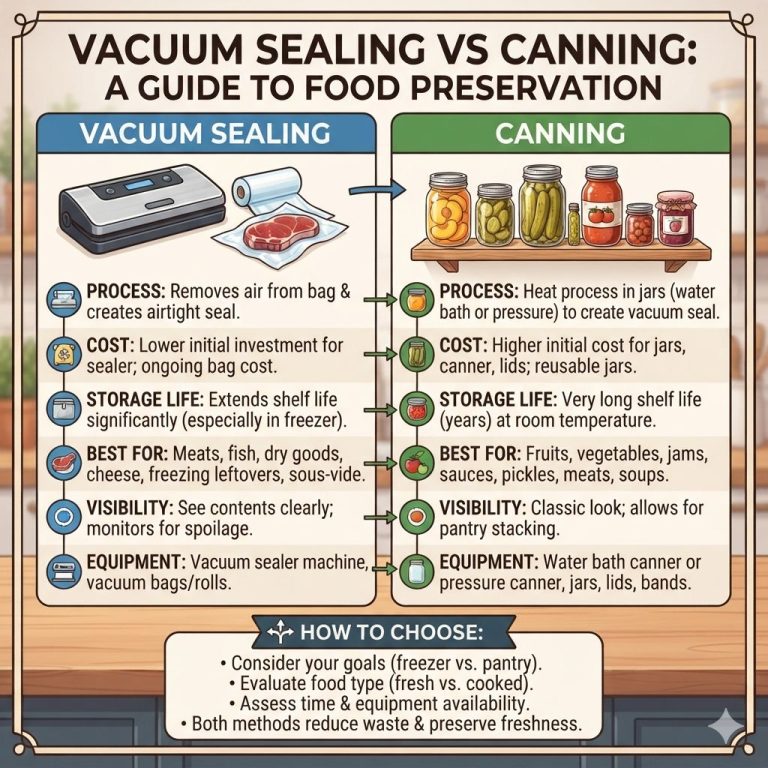
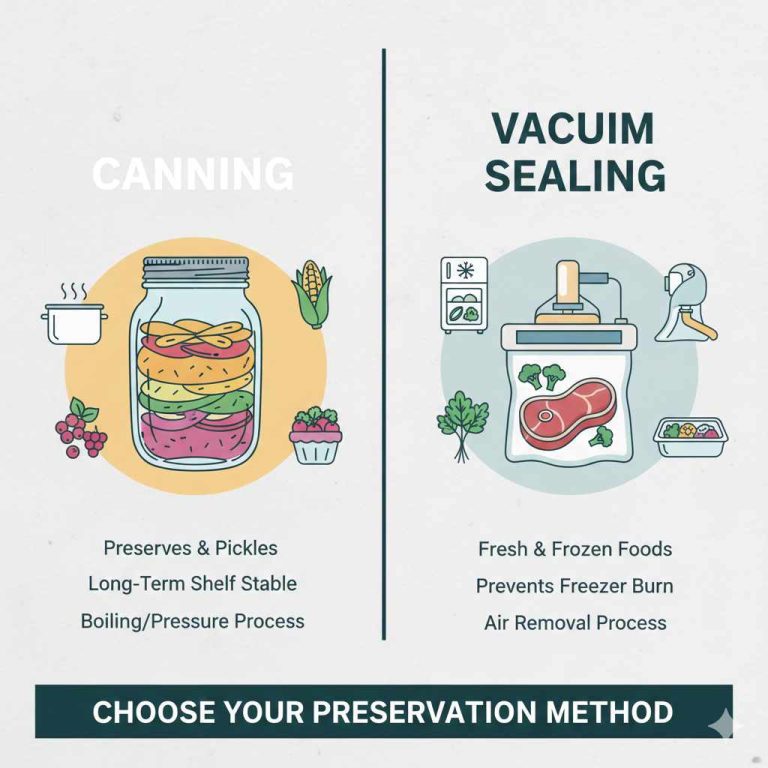
For a related kitchen decision, Canning Vs Vacuum Sealing adds another practical detail to check.
Hey there, home canning enthusiasts! Are you ready to fill your pantry with the vibrant taste of summer tomatoes? Canning is such a rewarding way to enjoy your harvest year-round. But before we get to the delicious part, there’s a small step that can feel a little daunting: peeling those juicy tomatoes. It might seem sticky or time-consuming, but I promise, it’s much simpler than you think, and with the right technique, it’s a breeze! We’re going to tackle this together, step-by-step. You’ll feel so confident after this! Let’s get those perfect tomatoes ready for their canning adventure!
Why Peel Tomatoes for Canning? The Simple Scoop
Before we dive into the “how,” let’s chat about the “why.” You might be wondering if you really need to peel your tomatoes for canning. The short answer is: it makes a big difference! Those papery skins can become tough and unpleasant when you eat them later, especially in sauces, salsas, or crushed tomatoes. Peeling ensures a smoother, more enjoyable texture in your finished canned goods. Plus, it makes packing your jars neater. Think of it as unlocking the full, luxurious goodness of your tomatoes!

Gather Your Supplies: What You’ll Need
Getting ready is half the fun, right? Having everything at your fingertips makes the process smooth and enjoyable. Here’s a simple list of what you’ll need to peel your tomatoes like a pro:
- Ripe Tomatoes: Freshly picked from your garden or a farmer’s market are best!
- Large Pot: Big enough to bring a good amount of water to a rolling boil.
- Bowl of Ice Water: A large bowl filled with ice cubes and cold water. This is crucial for stopping the cooking process quickly.
- Sharp Knife: A paring knife or a small, sharp chef’s knife works perfectly.
- Slotted Spoon or Tongs: For safely transferring tomatoes from hot water to ice water and then out again.
- Clean Kitchen Towels or Paper Towels: For drying your hands and the tomatoes.
- Cutting Board: A stable surface for scoring your tomatoes.
The Easiest Way: Step-by-Step Tomato Peeling Perfection
This is the magic method, and it’s super effective for most types of tomatoes you’ll want to can. We’re going to use a technique called ‘blanching and shocking.’ Don’t let the fancy name intimidate you; it’s really easy!
Step 1: Prepare Your Ice Bath
First things first, let’s get that ice bath ready. Fill a large bowl with plenty of ice and cold water. You want it super chilly. This is going to be your “shock bath” and it’s key to making the skins slip right off.
Step 2: Score the Tomatoes
Take a ripe tomato and place it on your cutting board. With your sharp knife, gently score an “X” shape into the bottom of each tomato. You don’t need to cut deep, just through the skin. Imagine you’re making a little cut for the skin to peel away from. Do this for all the tomatoes you plan to peel.
Why score? This little step breaks the skin in a way that allows the hot water to get underneath and loosen it more effectively. It’s like giving it a little starting point to peel from!
Step 3: Blanch (Briefly Cook) the Tomatoes
Bring a large pot of water to a rolling boil. Carefully add your scored tomatoes to the boiling water. Don’t overcrowd the pot; you might need to do this in batches depending on how many tomatoes you have. Let them boil for about 30 to 60 seconds. You’ll see the skins start to split and peel back a bit at the “X” you cut. That’s your signal they’re ready!
Pro Tip: The exact time can vary slightly depending on the ripeness and thickness of the tomato skin. Keep an eye on them – you don’t want to cook them, just loosen the skins.
Step 4: Shock Them in Ice Water
Using your slotted spoon or tongs, quickly remove the tomatoes from the boiling water and immediately plunge them into your prepared ice bath. Let them sit in the ice water for about 1 to 2 minutes. This sudden temperature change stops the cooking process and makes the skins contract, which helps them separate from the flesh.
Step 5: Peel the Tomatoes
Take a tomato out of the ice bath. The skins should now be loose and easy to remove. You can simply slip them off with your fingers. If any bits are a little stubborn, use your paring knife to gently help them along. The “X” you scored earlier will give you a perfect place to start peeling from. Aren’t they coming off beautifully? It feels so satisfying!
Step 6: Core and Prepare for Canning
Once peeled, you can easily remove the core (the tough bit where the stem was attached) with your knife. Now your tomatoes are perfectly peeled and ready for whatever canning recipe you have in mind! You can slice them, dice them, crush them, or leave them whole, depending on your recipe.
Alternative Method: The Oven Roasting Trick
While blanching is the most common and often quickest method, some people prefer to roast their tomatoes to peel them, which also adds a lovely smoky, concentrated flavor. This is a great option if you’re already roasting other veggies!
Here’s a quick rundown:
- Preheat your oven to a moderate temperature, around 400°F (200°C).
- Place whole tomatoes on a baking sheet lined with parchment paper.
- Roast for about 15-20 minutes, or until the skins start to blister and split.
- Carefully remove from the oven and let them cool just enough so you can handle them.
- The skins should now peel off much more easily.
Pros of Roasting for Peeling:
- Adds depth of flavor.
- Can be done in batches with other roasting projects.
Cons of Roasting for Peeling:
- Takes longer than blanching.
- Uses more energy (oven).
- May slightly cook the tomato flesh, which might affect certain canning recipes where fresh, firm tomatoes are preferred for texture.
How Many Tomatoes Can I Peel at Once?
This is a great question, especially when you’re faced with a huge harvest! The capacity of your pot and your stovetop will be the main limiting factors for the blanching method. Generally, you can blanch about 6-10 tomatoes at a time in a standard large pot, depending on their size, without lowering the water temperature too much. If you have a lot of tomatoes, work in batches. It might seem like more steps, but it keeps the water boiling efficiently and ensures the skins loosen perfectly.
For example, if you have 20 pounds of tomatoes, and each pound yields about 3 medium tomatoes, you’re looking at about 60 tomatoes. If you can do 8-10 at a time, that’s about 6-8 batches. With a little music and a good workflow, this goes by surprisingly quickly!
Common Tomato Varieties and Peeling
Most tomato varieties peel beautifully using the blanch-and-shock method. However, some might be a tad trickier.
| Tomato Variety | Peeling Ease | Notes |
|---|---|---|
| Roma (Plum) Tomatoes | Very Easy | Classic for sauces, their skins are thin and peel readily. |
| Beefsteak Tomatoes | Easy | Large and juicy, they peel well. Might need a few extra seconds in the hot water. |
| Grape/Cherry Tomatoes | Easy | Their thin skins are very quick to blanch and peel. Great for salsas! |
| Heirloom Tomatoes | Moderate | Some larger heirlooms or those with thicker skins might require a slightly longer blanch or a bit more coaxing with a knife. |
No matter the variety, the “X” scoring and ice bath method is your reliable go-to. If you find a particularly tough skin, don’t stress! A little nudge with your knife will sort it out.
Troubleshooting Peeling Challenges
Even with the best methods, sometimes you might run into a snag. Here are a few common issues and how to solve them:
- Skins Still Won’t Budge: Your water might not have been hot enough, or the tomatoes didn’t stay in the boiling water long enough. Try giving them another 15-30 seconds in the hot water, ensuring the water is at a rolling boil.
- Tomatoes Are Too Cooked: You might have left them in the boiling water a minute too long. The goal is just to loosen the skin, not to cook the tomato flesh significantly. On the flip side, this can make them great for soup!
- Peeling is Messy: That’s part of the fun! Have some paper towels handy. If the insides feel too mushy after the ice bath, you might have left them in the ice water for too long after they cooled down, or the blanching time was excessive.
Remember, a small amount of juice or pulp loss is totally normal. The goal is preparation, not perfection on the first try!
Where to Get More Canning Information
For the most up-to-date and scientifically tested canning guidelines, it’s always a wonderful idea to consult reliable sources. The National Center for Home Food Preservation (NCHFP) is a fantastic resource. They offer research-based recommendations on safe food preservation techniques, including detailed instructions for canning fruits and vegetables. Their website is a treasure trove of information for home canners of all levels.
Another excellent resource is your local Cooperative Extension office. Many universities have extension programs that provide free or low-cost workshops and publications on food preservation, gardening, and more. They are often staffed by experts with local knowledge.

Frequently Asked Questions About Peeling Tomatoes for Canning
Q1: Do I really need to peel all types of tomatoes for canning?
Yes, for the best texture in most canned products like sauces, salsas, and crushed tomatoes, peeling is highly recommended. The skins can become tough and unpleasant.
Q2: What’s the quickest way to peel a lot of tomatoes?
The blanch-and-ice-bath method is generally the quickest and most efficient way to peel a large quantity of tomatoes for canning.
Q3: Can I peel tomatoes without boiling water?
Yes, you can use methods like oven roasting until the skins blister, or even a quick char over an open flame (like a gas stove burner), but blanching is typically faster and more controlled for large batches.
Q4: What if my tomatoes aren’t perfectly ripe?
Slightly underripe tomatoes might be a bit tougher to peel and may require a few extra seconds in boiling water. Overripe tomatoes might be too soft for easy peeling without breaking apart.
Q5: How long can I store peeled tomatoes before canning?
It’s best to can peeled tomatoes as soon as possible after peeling, ideally within a few hours. If you need to wait, store them in the refrigerator in a clean container. For longer storage, you can cover them with their own juice and refrigerate for no more than 1-2 days, but canning promptly ensures the best quality and safety.
Q6: What should I do with the tomato peels?
Don’t toss those peels yet! You can compost them. Some people also use tomato scraps (ends, peels) to make a flavorful vegetable broth or stock, straining it well before canning or using.
Q7: Is it okay if some seeds come out when I’m peeling?
A few seeds might escape, and that’s perfectly fine! You can easily scoop them out once the tomato is peeled. Some recipes even call for seeding tomatoes, so this can save you a step.
Happy Canning!
And there you have it! Peeling tomatoes for canning is a straightforward process when you use the blanch-and-shock method. You’ve now got the knowledge to tackle any amount of tomatoes, ensuring smooth, delicious results for all your preserving projects. Imagine opening a jar of your homemade tomato sauce in the middle of winter – that’s a taste of pure sunshine, and you made it happen! Don’t you just love the feeling of accomplishment? Now go forth and fill your jars with deliciousness. Happy canning, and enjoy every flavorful bite!
Related pick: Check today's price on Amazon
Products related to this article
Sponsored / affiliate links. As an Amazon Associate I earn from qualifying purchases. I may earn additional commission from eligible campaigns.