Bakers Flour vs 00 Flour: Essential Guide
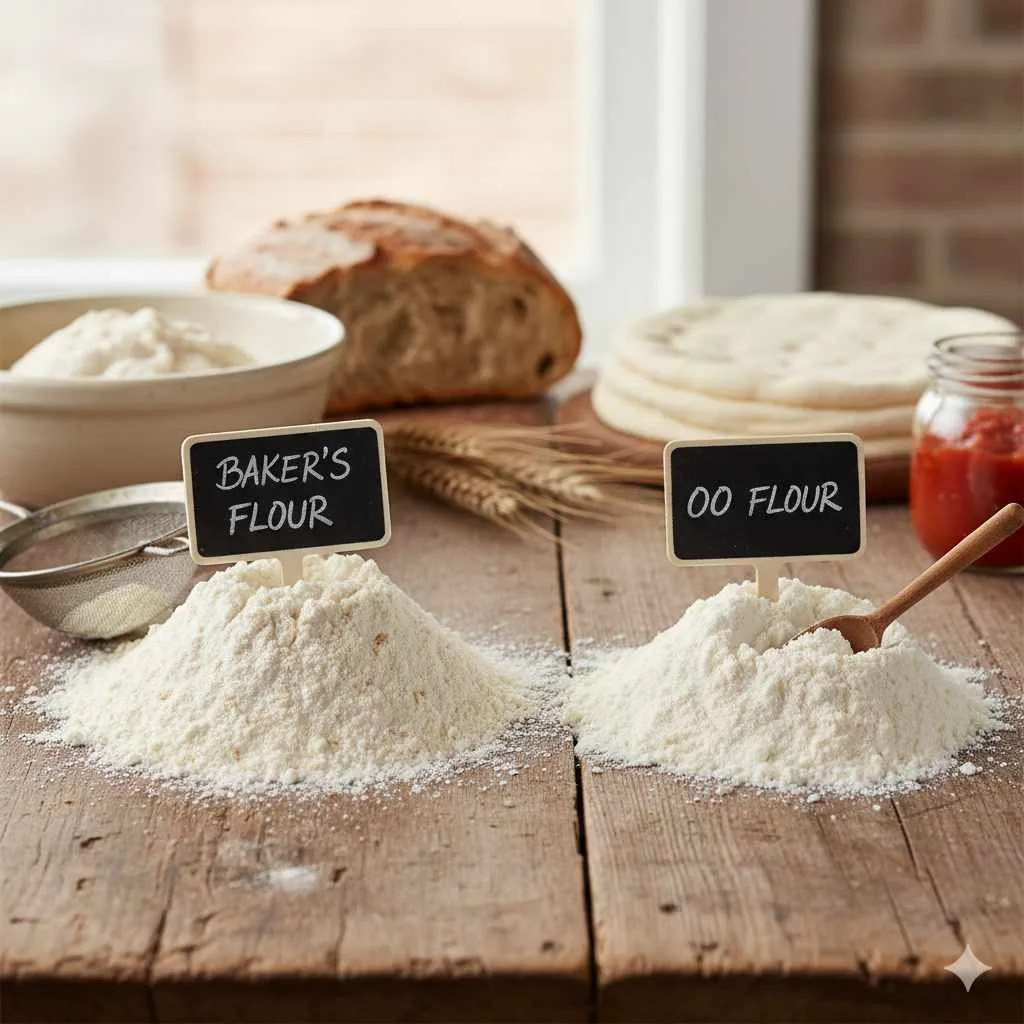
Bakers flour vs 00 flour: What’s the difference and which should you use? Bakers flour is a versatile all-purpose wheat flour, while 00 flour is a finely milled Italian flour ideal for pasta and pizza. Understanding their protein content and texture will help you choose the right one for your baking success!

As an Amazon Associate I earn from qualifying purchases.
For a related kitchen decision, Toaster Oven Vs Toaster: Showdown adds another practical detail to check.
For a related kitchen decision, Conventional Oven Vs Toaster Oven: Showdown adds another practical detail to check.
For a related kitchen decision, Crock Pot Casserole Cooking Times adds another practical detail to check.
Ever stood in the flour aisle, staring at bags that look similar but have different names, and felt a pang of confusion? You’re not alone! Choosing the right flour can feel like deciphering a secret code, especially when you’re just starting out. Two commonly seen flours are “bakers flour” and “00 flour,” and knowing their distinct qualities is key to achieving those perfect loaves, delicate pastries, and chewy pizzas. Don’t worry, it’s simpler than you think! We’ll break down exactly what makes them different and help you pick the perfect flour for your next delicious creation.
We’ll cover everything from protein percentages to how they behave in dough, so you can bake with confidence. Get ready to unlock a new level of baking enjoyment!
Bakers Flour vs 00 Flour: Understanding the Basics
At its heart, the difference between bakers flour and 00 flour comes down to a few key things: how finely they are milled, the type of wheat used, and their protein content. These factors directly influence how the flour behaves when mixed with liquid, affecting the texture, chewiness, and overall structure of your baked goods.
Think of flour as the foundation of your recipe. Just like you wouldn’t use the wrong kind of paint for a particular wall, using the wrong flour can significantly alter your final dish. Let’s dive into the specifics of each.

What is Bakers Flour?
Bakers flour is a term that can sometimes be a little broad, but in most common contexts, it refers to a type of wheat flour that falls somewhere between all-purpose flour and bread flour. It’s designed to be a good general-purpose baking flour, bridging the gap for various recipes. In the United States, “bakers flour” often describes a blend that offers a moderate protein content, typically around 10-11.5%.
This moderate protein content means it’s versatile. It has enough gluten-forming potential to create a good structure for cakes and cookies, but also enough to produce a decent rise and chew in yeast-leavened breads. It’s a workhorse flour, making it a popular choice for home bakers who want a reliable flour for a range of applications without needing a whole pantry of specialty flours.
Key Characteristics of Bakers Flour:
- Protein Content: Generally around 10-11.5%. This is higher than cake flour but lower than bread flour.
- Milling: Typically milled from hard red or soft white wheat, or a blend. The grind is usually finer than bread flour but not as fine as 00 flour.
- Texture: Produces a tender crumb for cakes and pastries, but also provides enough structure for bread.
- Versatility: Suitable for a wide range of baked goods, including cakes, cookies, muffins, quick breads, and even some yeast breads.
What is 00 Flour?
Now, let’s talk about 00 flour. The “00” designation refers to the fineness of the grind. In Italy, flour is classified by its “granulometria” (particle size). “00” means it’s the finest grind, with the bran and germ largely removed, resulting in an incredibly smooth, silky texture. It’s often milled from soft wheat but can also be made from hard wheat, depending on the intended use.
When people talk about authentic Neapolitan pizza dough or homemade pasta, they are often referring to recipes that call for 00 flour. It’s prized for its ability to create light, airy crusts and delicate, smooth pasta. The finely milled nature allows it to absorb liquid differently, leading to a dough that is both tender and elastic.
Key Characteristics of 00 Flour:
- Finest Grind: “00” signifies the finest possible milling, resulting in a very smooth, powdery flour.
- Protein Content: Can vary widely based on the type of wheat used (soft vs. hard). Italian 00 flours for pasta or pizza often have protein levels similar to all-purpose or bread flour, but a softer wheat 00 will be much lower.
- Texture: Creates exceptionally smooth doughs, ideal for delicate textures.
- Primary Uses: Famous for traditional Italian pizza, fresh pasta, and some delicate pastries.
The Crucial Factor: Protein Content and Gluten
The protein content in flour is paramount to baking because flour proteins (glutenin and gliadin) interact with water to form gluten. Gluten is the network that gives dough its structure, elasticity, and chewiness.
- Higher Protein (e.g., Bread Flour): Develops more gluten, leading to a chewier, sturdier structure, ideal for bread that needs to rise high and hold its shape.
- Lower Protein (e.g., Cake Flour): Develops less gluten, resulting in a tender, delicate crumb, perfect for cakes and pastries where you want a soft texture.
- Moderate Protein (e.g., Bakers Flour, some 00 flours): Offers a balance, suitable for a variety of baked goods.
When comparing bakers flour and 00 flour, it’s essential to look at the specific type of 00 flour. Some 00 flours are made from soft wheat and have low protein, similar to cake flour. Others are made from hard wheat and can have protein levels comparable to bread flour, making them excellent for pizza or even bread.
Bakers flour, as a general category, usually sits in the middle. This makes it a reliable choice for everyday baking. If a recipe calls for “all-purpose flour” or “bread flour,” bakers flour can often be substituted with good results, though adjustments might be needed.
Bakers Flour vs 00 Flour: A Comparison Table
To help visualize the differences, here’s a quick comparison:
| Feature | Bakers Flour | 00 Flour |
|---|---|---|
| Milling Fineness | Medium-fine | Very Fine (finest grind) |
| Typical Protein % | 10-11.5% | Varies widely (can be 7-13%) |
| Primary Wheat Type | Blend of hard and soft wheat | Can be soft or hard wheat |
| Texture Result | Versatile: tender crumb for cakes, good structure for bread | Silky smooth doughs, light and chewy crusts (pizza), delicate strands (pasta) |
| Best For | Cakes, cookies, muffins, quick breads, general bread baking | Neapolitan pizza, fresh pasta, some delicate pastries |
| Common Brands/Availability | Widely available in US supermarkets, often labeled as “All-Purpose” or “Bakers” | Specialty stores, Italian markets, online; some brands are specifically for pizza/pasta |
When to Use Bakers Flour
Bakers flour is your go-to for a multitude of everyday baking projects when you want reliable, good results without a fuss. Its balanced protein content makes it incredibly adaptable. Here’s when it shines:
For Cakes and Pastries
While cake flour is king for ultra-delicate cakes, bakers flour can certainly do the job, especially for denser cakes, cupcakes, or muffins. It provides enough structure to prevent them from falling apart, while still yielding a pleasant, tender crumb. For cookies, it offers a nice balance of chewiness and crispness.
For Breads
Bakers flour is a fantastic choice for many types of yeast breads. It has enough protein to develop a good gluten network for a satisfying chew and a decent rise. It’s particularly good for sandwich breads, rolls, and simpler sweet breads. If you’re aiming for a very chewy, artisanal bread with a strong crust, you might lean towards bread flour, but bakers flour will deliver very respectable results.
A useful resource for understanding different flour types and their impact on bread can be found from university extension services, such as these from Purdue University Extension, which often delve into the science of baking.
For General Baking
If a recipe simply calls for “flour” or “all-purpose flour,” bakers flour is usually an excellent, safe bet. It’s designed to be a versatile ingredient that performs well in a wide variety of applications. It’s a true kitchen staple that reduces the need for an extensive flour collection.
When to Use 00 Flour
00 flour is a bit more specialized, but when you need that particular texture, nothing else quite compares. Its extreme fineness is its superpower.
For Authentic Pizza Crust
This is where 00 flour truly shines. When milled from suitable wheat (often with a moderate protein content), it creates a pizza dough that is incredibly soft and elastic. This allows for high-temperature baking in wood-fired or very hot ovens, resulting in a crust that is crisp on the outside, airy on the inside, and wonderfully chewy. It browns beautifully without becoming tough.
For those looking to master pizza making, understanding the role of flour is crucial. The Pizza Magazine’s Pizza Industry Report occasionally touches on ingredient trends, including the popularity of specific flours.
For Fresh Homemade Pasta
Traditional Italian pasta is often made with 00 flour. Its fine grind contributes to a silky smooth dough that rolls out thinly without tearing. When cooked, pasta made with 00 flour has a wonderful tender bite and a smooth surface that holds sauces beautifully. It’s the secret to achieving that delicate, melt-in-your-mouth texture in fresh pasta.
For Delicate Pastries
Some recipes for very fine pastries, like certain types of biscuits or shortbread, can benefit from the delicate texture provided by a soft-wheat 00 flour. Because it has a very low protein content and is so finely sifted, it creates a tender, crumbly result that is often desired in these baked goods.
Can You Substitute Bakers Flour for 00 Flour (and vice versa)?
This is a common question, and the answer is: it depends.
Substituting Bakers Flour for 00 Flour:
- For Pizza/Pasta: You can use bakers flour as a substitute, but don’t expect the exact same result. Your pizza crust might be a little chewier or less tender, and your pasta might not be as silky smooth. It will still be good, but it won’t have that authentic Italian finesse. You might need to adjust hydration levels as bakers flour can behave slightly differently.
- For Pastries: If the 00 flour in the recipe was for texture (like in delicate shortbread), using bakers flour might make the result slightly tougher or less crumbly than intended.
Substituting 00 Flour for Bakers Flour:
- For Cakes/Cookies: If you use a very low-protein, soft-wheat 00 flour, it might make your cakes and cookies too tender, fragile, or even gummy. You might need to combine it with a higher-protein flour or be prepared for a different texture. If you use a high-protein, hard-wheat 00 flour (less common for general baking), it could make your cakes tough.
- For Breads: If the 00 flour you have is made from hard wheat and has a good protein content (similar to bread flour), it can work well for bread. However, if it’s a soft-wheat 00, it won’t develop enough gluten for a proper bread structure.
The key takeaway: Always check the protein content and intended use of the specific 00 flour you have. If it’s a general “all-purpose” 00, it might be a closer substitute for bakers flour than a specialized soft-wheat 00.
Tips for Baking Success with Any Flour
No matter which flour you choose, a few universal tips can elevate your baking:
- Measure Accurately: Use a kitchen scale whenever possible! This is the most precise way to measure flour. If using measuring cups, lightly spoon the flour into the cup and level it off with a straight edge; don’t scoop directly from the bag, as this compacts the flour.
- Don’t Overmix Dough: Especially with yeast doughs, overmixing can develop too much gluten, leading to tough results. Mix until just combined, then let the gluten develop through kneading and resting.
- Hydration Matters: Different flours absorb water differently. Pay attention to recipe instructions regarding liquid amounts. You might need to slightly adjust the hydration based on the flour’s absorption properties.
- Let Dough Rest: Allowing dough to rest gives the flour time to fully hydrate and the gluten network time to relax, leading to a more manageable and tender dough.
- Know Your Flour: Read the packaging! Some 00 flours will specify if they are for pasta, pizza dough, or pastry. This information is invaluable.

Common Questions About Bakers Flour and 00 Flour
Q1: What is the difference between “all-purpose flour” and “bakers flour”?
In the US, “all-purpose flour” is often a blend of hard and soft wheats with a protein content typically around 10-11.5%, very similar to what is often labeled as “bakers flour.” They are frequently interchangeable for most baking applications.
Q2: Is 00 flour always Italian?
While “00” is an Italian classification system for flour fineness, the flour itself can be milled from wheat grown anywhere. However, the term “00 flour” is most strongly associated with traditional Italian baking, and Italian brands are widely available.
Q3: Can I make bread with 00 flour?
Yes, you can, but it depends on the type of 00 flour. If it’s made from hard wheat and has a sufficient protein content (around 12-13%), it can make excellent bread. A soft-wheat 00 flour will not produce a good bread structure.
Q4: Which flour is better for cakes: bakers flour or 00 flour?
For the most tender and delicate cakes, cake flour with its low protein content is usually best. However, between bakers flour and 00 flour, the choice depends on the 00 flour’s protein. A soft-wheat 00 flour might yield a very tender cake, similar to cake flour. Bakers flour will produce a good, reliable cake but it might be slightly denser than one made with cake flour or a soft 00.
Q5: How do I store bakers flour and 00 flour?
Both should be stored in airtight containers in a cool, dry place, away from direct sunlight and strong odors. For longer storage, they can be kept in the refrigerator or freezer. Always check the “best by” date and use fresh flour for best results.
Q6: Where can I buy 00 flour?
00 flour is available at many specialty food stores, Italian markets, larger well-stocked supermarkets, and online retailers. You’ll find brands specifically marketing their 00 flour for pizza, pasta, or general use.
For a deeper dive into flour types and their milling, you might find resources from organizations like the King Arthur Baking Company helpful, as they offer extensive information for bakers.
Conclusion
Navigating the world of flours no longer needs to be intimidating! Understanding bakers flour and 00 flour is all about appreciating their unique characteristics – from the fineness of the mill to the protein power within. Bakers flour stands out as your reliable, versatile friend for everyday baking, offering a balanced performance for a wide array of treats. On the other hand, 00 flour is your specialist, delivering unparalleled silkiness for authentic pizzas and pastas, and delicate tenderness for refined pastries.
By knowing when to reach for each, you can confidently tackle new recipes and elevate your favorite bakes to new heights. So, the next time you’re at the store or in your kitchen, you’ll know exactly which flour will help you achieve those delicious, picture-perfect results you dream of. Happy baking!
Related pick: Check today's price on Amazon
Products related to this article
Sponsored / affiliate links. As an Amazon Associate I earn from qualifying purchases. I may earn additional commission from eligible campaigns.