Bakers Yeast vs Brewers Yeast: Can You Substitute Them?
Bakers yeast produces CO2 to leaven bread; brewers yeast produces alcohol and flavor for beer. They are the same species but different strains, and swapping one for the other usually backfires. This guide covers what each is selected for, plus what nutritional yeast is (hint: neither of these).
Bakers Yeast vs Brewers Yeast: The Essential Guide
So, you’re diving into the wonderful world of fermenting, whether it’s for fluffy bread or bubbly brews. A crucial ingredient in both is, of course, yeast! But walk into a store or browse online, and you’ll see “bakers yeast” and “brewers yeast.” They sound similar, and they are related, but they are definitely not interchangeable. Think of them like two different types of hammers – both useful, but designed for very different tasks. This guide will break down exactly what makes them tick, so you can confidently select the right little organism for your culinary creations.

What Exactly is Yeast?
Before we get into the nitty-gritty of bakers yeast versus brewers yeast, let’s quickly touch upon what yeast actually is. Yeast are single-celled microorganisms belonging to the fungal kingdom. They are incredibly diverse, with thousands of different species. For our purposes, we’re primarily interested in species from the genus Saccharomyces.
These tiny powerhouses have been essential to human food and drink production for thousands of years. They achieve their magic through a process called fermentation. Fermentation is a metabolic process that converts sugar to acids, gases, or alcohol. It occurs in yeast and bacteria, but most importantly for us, it’s how yeast makes our food and drinks come alive!
The two most common types of yeast you’ll encounter for home use are from the species Saccharomyces cerevisiae. While they are the same species, different strains have been cultivated and selected over centuries for specific purposes, leading to the distinct “bakers yeast” and “brewers yeast” we see today.
Bakers Yeast: The Star of the Loaf
When most people think of yeast, they picture the little granules or blocks that make bread rise. That’s bakers yeast! Its primary role in baking is to produce carbon dioxide gas. As the yeast consumes sugars in the dough, it releases CO2, which gets trapped by the gluten in the flour. This creates those wonderful air bubbles, giving bread its light, airy texture and that satisfying rise.
Best Pick For Baking Or Brewing Yeast
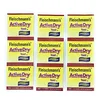
Fleischmann’s Active Dry Yeast, 9 Packets – $8.99
This guide names bakers yeast as the strain selected for CO2 production and neutral flavor — this is the exact form most home bread recipes call for.
- Best for: Any recipe calling for bakers yeast, per this guide’s explanation of what it’s selected for
- Why we picked it: Individual packets keep yeast fresh until opened, unlike a jar exposed to air after each use
- Main drawback: Not a substitute for brewer’s yeast, exactly as this guide warns against
Compare more options
 Option 1 Safale US-05 American Ale Dry Yeast – $8.49
|
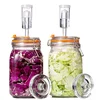 Option 2 JILLMO Glass Fermentation Jar with Airlock, 2-Pack – $34.99
|
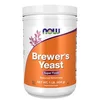 Option 3 NOW Foods Brewer’s Yeast Powder, 1 lb – $11.63
|
As an Amazon Associate we earn from qualifying purchases.
Types of Bakers Yeast
Bakers yeast primarily comes in a few forms:
- Active Dry Yeast: This is probably the most common type. It comes in small, granular pellets. It needs to be “proofed” or activated in warm water before being added to other ingredients. This step ensures the yeast is alive and well.
- Instant Dry Yeast: Similar to active dry yeast, but the granules are smaller and more porous, allowing them to rehydrate and become active much faster. It can often be mixed directly into dry ingredients without proofing.
- Fresh Yeast (Cake Yeast): This is a moist, crumbly block of yeast. It has a shorter shelf life but is sometimes preferred by bakers for its rapid action and distinct flavor. It needs to be dissolved in liquid before use.
- Rapid Rise Yeast (Bread Machine Yeast): This is essentially a fast-acting version of instant dry yeast, often formulated with dough conditioners to speed up the rising process, making it ideal for bread machines or quick breads.
What Bakers Yeast Does
- Leavening: Its main job! It produces carbon dioxide to make dough rise.
- Flavor: While its primary function is leavening, yeast also contributes to the complex flavor profiles of bread through the production of esters and other compounds during fermentation.
- Texture: The gas pockets created by yeast fermentation are key to a bread’s characteristic soft, chewy interior.
Brewers Yeast: Crafting Your Perfect Pint (or Wine!)
Brewers yeast, also a strain of Saccharomyces cerevisiae (or sometimes other species like Brettanomyces for specific styles), is selected for its ability to convert sugars into alcohol and a wide array of flavorful byproducts. When you’re brewing beer, wine, or cider, the yeast’s goal isn’t to make things rise, but to produce that signature alcoholic content and contribute intricate flavor notes.
Types of Brewers Yeast
Brewers yeast is typically categorized by the type of beer it makes, which relates to its fermentation temperature:
- Ale Yeast (Top-Fermenting): These yeasts ferment at warmer temperatures (typically 60-75°F or 15-24°C). They tend to produce a more robust, fruity, or spicy flavor profile. They often rise to the top of the fermenter during active fermentation, hence “top-fermenting.” Examples include strains used for Pale Ales, IPAs, Stouts, and Wheat Beers.
- Lager Yeast (Bottom-Fermenting): These yeasts ferment at cooler temperatures (typically 45-55°F or 7-13°C). They ferment more slowly and produce a cleaner, crisper, and smoother flavor profile with fewer fruity esters. They tend to settle at the bottom of the fermenter. Examples include strains used for Pilsners, Lagers, and Bock beers.
- Wild Yeast & Bacteria: While not commercially sold as “brewers yeast” in the same way, homebrewers sometimes intentionally introduce wild yeasts (like from the genus Brettanomyces) or bacteria (like Lactobacillus or Pediococcus) to create sour beers or complex, funky flavors.
What Brewers Yeast Does
- Alcohol Production: This is its main superpower! It converts sugars (from malted grains in beer or fruit in wine) into ethanol (alcohol).
- Flavor Compounds: Brewers yeast produces a vast range of esters, phenols, and other compounds that contribute significantly to the final taste and aroma of beer and wine. These can range from fruity and floral to spicy, earthy, or even medicinal, depending on the strain and fermentation conditions.
- Carbonation: During fermentation, and sometimes during a secondary conditioning phase, yeast can also produce carbon dioxide, which gives beverages their fizz.
- Flocculation: This refers to the yeast’s tendency to clump together and settle out of the liquid after fermentation. Different strains have different flocculation characteristics, affecting the clarity of the final product.
Can You Use Them Interchangeably? The Short Answer: No!
While both types of yeast belong to the same species (Saccharomyces cerevisiae), they have been selectively bred over generations for vastly different purposes. Using one in place of the other will likely lead to disappointing results. Attempting to use brewers yeast for baking will result in a dense, heavy loaf with an odd flavor, and using bakers yeast for brewing will produce flat, low-alcohol beverages with little to no desirable flavor development.
Key Differences at a Glance
To help solidify the distinctions, let’s lay out the key differences in a handy table:
| Feature | Bakers Yeast | Brewers Yeast |
|---|---|---|
| Primary Goal | Produce CO2 for leavening (rising); create airy texture. | Produce alcohol (ethanol) and complex flavor compounds; create beverages. |
| Strain Selection | Selected for rapid CO2 production and good dough tolerance. | Selected for specific alcohol tolerance, flavor profile, and fermentation characteristics (ale vs. lager). |
| Ideal Conditions | Warm temperatures to encourage CO2 production; sufficient sugars in dough. | Specific temperature ranges (warm for ales, cool for lagers) for desired alcohol and flavor production. |
| Result in Baking | Light, airy bread. | Dense, heavy loaf; off-flavors; poor rise (if any). |
| Result in Brewing | Flat, unfermented liquid; potentially off-flavors; NO alcohol or desirable beverage characteristics. | Alcoholic beverage with desired flavor and aroma profile. |
| Common Forms | Active dry, instant dry, fresh, rapid rise. | Dry packets/vials (liquid cultures also available for advanced brewers), categorized by ale or lager strains. |
Nutritional Yeast: The Unexpected Member of the Family
You might also hear about “nutritional yeast.” It’s important to know that this is not the same as bakers or brewers yeast. Nutritional yeast is a deactivated yeast, meaning it’s no longer alive and cannot ferment. It’s a food product often used as a vegan cheese substitute due to its savory, nutty flavor and its high content of B vitamins. It’s grown on molasses and then harvested, washed, and dried.
While it’s a yeast product, it doesn’t ferment anything and has no leavening or alcohol-producing capabilities. Keep it separate from your baking and brewing projects!
Comparing yeast brands for baking specifically? Bakers Choice Instant Yeast: Red vs Gold breaks down that choice.
Getting Started: What You Need to Know
If you’re new to baking, you’ll likely be reaching for active dry or instant dry bakers yeast. These are readily available in most grocery stores and come with clear instructions on their packaging. Always check the expiration date to ensure your yeast is potent.
For brewing, things get a bit more specialized. You’ll need to decide what kind of beverage you want to make (beer, wine) and then select a yeast strain that complements your desired style. Reputable homebrew supply shops are your best resource for finding high-quality brewers yeast. Many beginner beer-making kits come with a suitable all-around ale yeast to get you started easily.
For anyone venturing into homebrewing, understanding yeast health is paramount. The Homebrewers Association offers fantastic resources on yeast management, including pitching rates and sanitation – crucial for successful brewing.
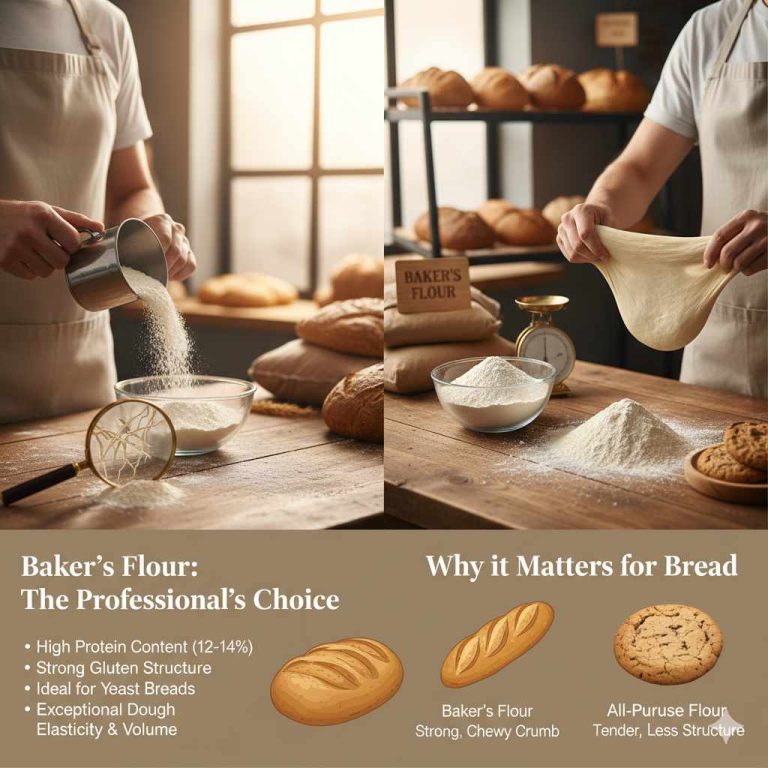
Measuring flour alongside your yeast? What Is Bakers Flour? covers the other half of the dough.
Tips for Success
Whether you’re baking or brewing, happy, healthy yeast is key to great results. Here are some quick tips:
- Temperature is Crucial: Too hot and you can kill your yeast; too cold and it will work very slowly or not at all. For bakers yeast, warm (not hot!) water is usually best. For brewers yeast, maintain the recommended temperature range for your specific strain. You can learn more about ideal fermentation temperatures at a resource like the University of California Agriculture and Natural Resources, which discusses fermentation science relevant to winemaking.
- Sanitation is King (for Brewing): Brewers yeast works best and produces the most desirable flavors in a clean and sterile environment. Anything that touches your beer or wine (fermenter, tubing, bottles) must be thoroughly cleaned and sanitized to prevent off-flavors from wild yeasts or bacteria.
- Feed Your Yeast (for Brewing): In brewing, you often provide a “yeast starter” – a small batch of sugary liquid that encourages the brewers yeast to multiply and become strong before pitching it into your main batch.
- Check for Freshness: For bakers yeast, proofing it in warm water with a pinch of sugar is a good way to ensure it’s active before adding it to your dough.

FAQ: Your Yeast Questions Answered
Q1: Can I use bakers yeast to make kombucha or other fermented drinks?
A1: While bakers yeast can technically ferment sugars into alcohol and CO2, it’s not the type of yeast typically used or desired for most fermented beverages like kombucha, kefir, or even basic mead. Kombucha relies on a symbiotic culture of bacteria and yeast (SCOBY). Other fermented drinks often use wine or specialized brewing yeasts for specific flavor profiles and alcohol tolerances.
Q2: My bread didn’t rise. Was it the yeast?
A2: Probably! Yeast is the most common culprit for a flat loaf. Ensure you checked the expiration date, proofed active dry yeast correctly, and that your liquids weren’t too hot or too cold. Drafts in your kitchen can also hinder rising.
Q3: Can I bake with the yeast leftover from my last homebrew batch?
A3: It’s generally not recommended. While brewers yeast is alive, it may have accumulated stress, byproducts, or collected unwanted trub (sediment) from the brewing process. For baking, using fresh, designated bakers yeast will give you the most reliable and best results.
Q4: What’s the difference between active dry yeast and instant yeast?
A4: Instant yeast has smaller granules that can usually be mixed directly into dry ingredients without proofing, and it starts working faster. Active dry yeast has larger granules and typically requires proofing in warm water (about 105-115°F or 40-46°C) with a pinch of sugar to wake it up and ensure it’s alive before adding it to your recipe.
Q5: How do I store bakers yeast once I open the package?
A5: Once opened, store dry yeast (active or instant) in an airtight container in the refrigerator or freezer. This will slow down its activity and prolong its shelf life. Fresh yeast should be stored in the refrigerator and used by its expiration date.
Q6: Will brewers yeast make my bread taste like beer?
A6: Yes, it’s highly likely to make your bread taste and smell unpleasant, potentially yeasty or even slightly alcoholic, with a dense texture. Bakers yeast is specifically bred to produce neutral leavening and a pleasing bread aroma, while brewers yeast produces complex, beverage-specific flavor compounds.
Conclusion: Choose Wisely, Bake and Brew Deliciously!
Understanding bakers yeast versus brewers yeast is a foundational step for anyone looking to get creative in the kitchen or at their home brewery. While they are cousins in the vast world of fungi, their specialized breeding means they excel at very different tasks. Bakers yeast is your go-to for creating light, fluffy breads that fill your home with warmth and delicious aromas. Brewers yeast, on the other hand, is the artist behind your favorite beers and wines, crafting intricate flavors and that satisfying alcoholic kick.
By choosing the right yeast for the job, you’re setting yourself up for success. So the next time you’re standing in the baking aisle or browsing for brewing supplies, you’ll know exactly which tiny powerhouse to pick. Happy baking, happy brewing, and most importantly, enjoy the delicious results of your efforts!
Products related to this article
Sponsored / affiliate links. As an Amazon Associate I earn from qualifying purchases. I may earn additional commission from eligible campaigns.