Bakers Flour vs Bread Flour: Essential Guide
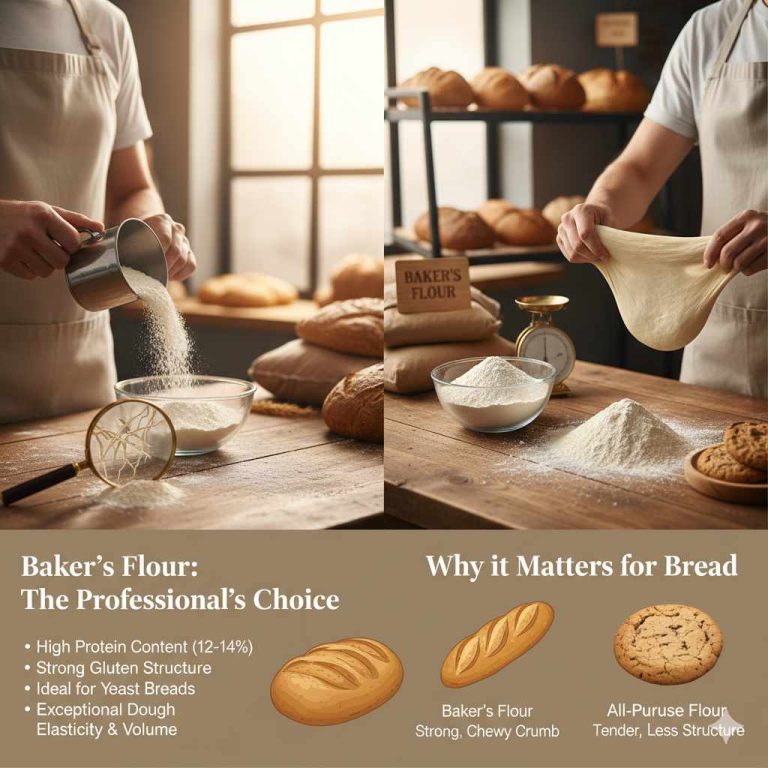
Bakers flour vs bread flour: What’s the difference and which should you use? It’s all about protein! Baker’s flour has less protein for tender baked goods like cakes and pastries, while bread flour has more protein for a strong gluten structure, perfect for chewy breads. Choosing correctly means better texture and rise for your baking!

King Arthur
King Arthur, Organic 100% Bread Flour, Unbleached,…
- King Arthur
- Baking Essentials|Flour
- King Arthur Bread Flour
As an Amazon Associate I earn from qualifying purchases.
For a related kitchen decision, Crock Pot Casserole Cooking Times adds another practical detail to check.
Ever stared at your pantry, wondering which flour to grab for your next baking adventure? It can feel a bit overwhelming, especially when you see “baker’s flour” and “bread flour” sitting side-by-side. They look so similar, right? But these aren’t just fancy names; they actually make a big difference in how your cookies crumble, your cakes rise, and your bread gets that perfect chewy bite. Don’t worry, understanding this is way simpler than you might think! We’re going to break down exactly what makes them different and help you pick the perfect flour every time, so your homemade treats turn out just the way you dream them. Get ready to feel confident in your flour choices!
Understanding Flour: The Foundation of Your Baking
Flour is the star ingredient in so many of our favorite treats, from fluffy cakes and delicate cookies to crusty artisan loaves. But not all flour is created equal! The magic (and sometimes the frustration!) lies in the protein content. When flour meets liquid, a process called gluten development begins. This gluten forms a stretchy network that gives baked goods their structure.

The Main Difference: Protein Power!
The key distinction between baker’s flour and bread flour is their protein content. Think of protein as the building blocks for gluten.
Higher Protein = Stronger Gluten = Chewy Texture: This is ideal for bread, where you want a good, robust structure that can trap gases and rise beautifully, resulting in that satisfying chew.
Lower Protein = Weaker Gluten = Tender Texture: This is perfect for cakes, pastries, and cookies, where you want a delicate crumb that melts in your mouth, not a tough, chewy bite.
A Look at Protein Content
Here’s a general idea of what you can expect:
| Flour Type | Typical Protein Percentage | Best For |
|---|---|---|
| Bread Flour | 12% – 14% | Artisan breads, pizza dough, bagels, rolls |
| All-Purpose Flour | 10% – 11.5% | General baking, cookies, muffins, quick breads |
| Baker’s Flour (Cake Flour) | 7% – 9% | Cakes, pastries, delicate cookies, biscuits |
It’s important to note that these are general ranges, and protein content can vary slightly by brand and milling process.
Baker’s Flour: The Secret to Delicate Delights
Baker’s flour, often referred to as cake flour, is specifically milled to have a lower protein content. This is fantastic news for anyone who loves light, airy cakes, tender scones, and melt-in-your-mouth cookies.
What is Baker’s Flour?
Baker’s flour is typically made from soft wheat, which naturally has less protein than hard wheat. The milling process for baker’s flour is also designed to create a finer, softer texture. Some baker’s flours are also bleached, which further weakens the protein structure and helps them absorb liquids and sugars better, leading to an even more tender final product.
Benefits of Using Baker’s Flour:
Exceptional Tenderness: It creates a delicate crumb that is incredibly soft and pleasing.
Lightness: Perfect for achieving that airy lift in cakes.
Absorbency: It handles ingredients like sugar and fat efficiently, contributing to a moist texture.
When to Reach for Baker’s Flour:
Cakes: Especially sponge cakes, chiffon cakes, and angel food cakes where a light, tender crumb is paramount.
Pastries: Think delicate tarts, flaky croissants (though a blend is often used here), and light biscuits.
Muffins and Scones: For a softer, less chewy texture.
Web Cookies: Like meringue cookies, which need to be crisp and light.
A Little Baking Science: Gluten and Tenderness
When you mix baker’s flour with liquid, the lower protein content forms a less developed gluten network. This means the structure is more delicate and less elastic. Instead of creating a chewy bite, it allows the ingredients like sugar, butter, and eggs to create a tender, melt-in-your-mouth experience. This is why it’s the go-to for desserts where you want softness and a fine crumb.
Bread Flour: The Champion of Chewy Breads
Bread flour is the unsung hero of the bread-making world. Its higher protein content is precisely what gives your loaves that irresistible chewy texture and allows them to rise beautifully.
What is Bread Flour?
Bread flour is usually milled from hard wheat, which is naturally higher in protein. This extra protein is crucial for developing a strong gluten network when mixed with water. This strong network acts like a scaffold, trapping the gases produced by yeast, allowing the dough to rise and giving your bread its characteristic structure and chew.
Benefits of Using Bread Flour:
Superior Structure: It creates a robust gluten matrix that holds its shape.
Excellent Chew: Ideal for that satisfying bread-eating experience.
Better Rise: The strong gluten traps gases, helping your bread to rise higher and have a lighter interior crumb.
Dough Strength: Makes dough easier to knead and handle, as it’s more elastic.
When to Reach for Bread Flour:
Artisan Breads: Boules, batards, and sourdough loaves benefit from its strength.
Pizza Dough: For that perfect chew and slight crispness.
Bagels and Pretzels: Their dense, chewy texture is a direct result of bread flour.
Rolls and Buns: For a softer interior with a good chew.
Enriched Doughs: Like brioche and challah, where you want a strong structure to support richness.
Mastering Dough: Gluten Development
When you work with bread flour, you’re essentially building a strong, elastic gluten network. This is why kneading is so important for bread dough. The more you knead, the more you stretch and align the gluten strands, creating that stretchy, robust structure. This allows the dough to expand significantly during proofing and baking, leading to a well-risen loaf with a delightful chew. For more on the science of baking, resources from university extension offices, like the USDA Climate Hubs’ science of baking, offer fascinating insights.
All-Purpose Flour: The Versatile Middle Ground
What about that bag of flour you probably already have in your pantry? That’s likely all-purpose (AP) flour, and it’s a true baking workhorse.
What is All-Purpose Flour?
As the name suggests, all-purpose flour is designed to be versatile. It’s typically a blend of hard and soft wheats, giving it a moderate protein content (usually between 10-11.5%). This makes it suitable for a wide range of recipes, bridging the gap between the tenderness of baker’s flour and the robustness of bread flour.
Pros and Cons of All-Purpose Flour:
Pros:
Widely available and cost-effective.
Works well for many everyday recipes like cookies, muffins, and quick breads.
Convenient, as it’s often the only flour most home bakers need.
Cons:
May not yield the absolute best results for highly specific textures (e.g., the extreme tenderness of a cake made with cake flour, or the ultimate chew of a sourdough made with bread flour).
Can lead to slightly tougher cookies or denser cakes compared to using specialized flours.
When All-Purpose Flour is Your Best Bet:
Cookies: Many classic cookie recipes work perfectly with AP flour.
Muffins and Quick Breads: For a good balance of tenderness and structure.
Pancakes and Waffles: Provides a good, fluffy texture.
Cakes: While not as tender as those made with cake flour, a good cake can certainly be made with AP flour if that’s all you have. You might just get a slightly firmer crumb.
Pie Crusts: For a flaky but not overly tough crust.
Can You Substitute Flours?
Sometimes, you might find yourself in a baking pinch and need to substitute. Here’s a general guide for when baker’s flour vs bread flour is needed, and what to do if you don’t have the right one.
Substituting Bread Flour for Baker’s Flour (or vice versa):
If a recipe calls for Baker’s Flour (Cake Flour) and you only have All-Purpose Flour: You can substitute AP flour, but your baked goods might be a little less tender and slightly denser. To get closer to cake flour’s texture, you can try a DIY hack: for every cup of cake flour needed, use 1 cup of AP flour minus 2 tablespoons, and then add 2 tablespoons of cornstarch. Whisk thoroughly.
If a recipe calls for Bread Flour and you only have All-Purpose Flour: AP flour will work, but your bread might not be as chewy or have as much structure. Your dough might also be a bit stickier and harder to handle. You can try increasing the protein slightly by adding a tablespoon or two of vital wheat gluten per cup of AP flour.
If a recipe calls for Baker’s Flour and you only have Bread Flour: This is generally not recommended. The high protein content of bread flour will likely make your cakes or pastries tough and dense.
If a recipe calls for Bread Flour and you only have Baker’s Flour: This is also not ideal. The low protein content means you won’t develop a strong enough gluten structure for bread, resulting in a loaf that’s likely to be dense and might not rise well.
The best advice is always to use the flour specified in the recipe for the best and most consistent results. However, knowing these substitutions can save the day!
Understanding Wheat Varieties
The type of wheat used to mill flour plays a significant role in its protein content.
Hard Wheat vs. Soft Wheat
Hard Wheat: Typically has a higher protein content (12-14%). It’s harder in texture, which is why it’s ideally suited for making bread flour. The higher protein develops into strong gluten. Hard red winter and hard red spring wheats are common varieties.
Soft Wheat: Characterized by a lower protein content (7-9%). It’s softer and more tender. This makes it perfect for baker’s flour, yielding tender cakes and pastries. Soft white and soft red winter wheats are typical examples.
All-purpose flour is a blend, aiming for a balance between these two.
The Role of Milling and Bleaching
Beyond the wheat type, how flour is processed also matters.
Milling Process
The fineness of the grind can affect how flour behaves. Finer flours tend to absorb liquid differently and can contribute to a smoother texture in the final product.
Bleaching
Some flours, especially cake flour and some all-purpose flours, are bleached. This process uses oxidizing agents (like chlorine gas or benzoyl peroxide) to create a whiter flour and alter its protein structure.
Benefits of Bleaching:
Creates a whiter flour, which can result in a whiter baked good.
Weakens the protein, leading to a more tender crumb.
Helps flour absorb more liquid and sugar, contributing to moisture and tenderness, especially important for cakes.
Unbleached Flour: Unbleached flour is allowed to “age” naturally, which still weakens the protein slightly but preserves more of the natural color and flavor. Many bakers prefer unbleached flour for its slightly more complex flavor. For bread making, the strong gluten development in unbleached bread flour is often favored.
You can learn more about the different types of wheat and their properties through resources like the USDA Economic Research Service’s Agricultural Outlook Forum presentations on wheat.
Tips for Choosing the Right Flour
Navigating the flour aisle can be much easier with a few insider tips!
Read Your Recipe Carefully
This is the most crucial step. Does it specify bread flour? Baker’s flour (or cake flour)? Or does it say all-purpose? Stick to what the recipe recommends for the best chance of success.
Consider Your Desired Outcome
For super soft, tender cakes and delicate pastries: Baker’s flour is your best friend.
For chewy bread with a good rise: Reach for bread flour.
For everyday cookies, muffins, and general baking: All-purpose flour is usually perfect.
Experiment (Once You’re Comfortable)
As you gain more baking experience, you might enjoy experimenting with different flours to see how they subtly change your results. For instance, using bread flour in some cookie recipes can give them a delightful chewiness.
Storage Matters!
Regardless of the type, proper flour storage is key to maintaining its quality:
Airtight Container: Store flour in an airtight container to protect it from moisture, pests, and odors.
Cool, Dry Place: Keep it away from heat and humidity.
* Check Expiration Dates: Flour doesn’t go “bad” in a way that makes it dangerous, but it can lose its leavening power and develop off-flavors over time. Fresh flour makes a difference!

Common Baking Questions Answered (FAQ)
Let’s tackle some frequently asked questions about baker’s flour and bread flour.
1. What is the main difference between baker’s flour and bread flour?
The main difference is their protein content. Baker’s flour has a lower protein percentage (around 7-9%), which yields tender baked goods like cakes. Bread flour has a higher protein percentage (around 12-14%), which develops strong gluten for chewy breads.
2. Can I use all-purpose flour instead of bread flour for baking bread?
Yes, you can, but your bread may be less chewy and have a weaker structure. All-purpose flour has less protein, so the gluten network won’t be as strong. Your dough might also handle differently. For the best bread texture, bread flour is recommended.
3. Can I use all-purpose flour instead of baker’s flour (cake flour) for cakes?
Yes. Your cake will likely be a bit less tender and have a slightly coarser crumb than if you used cake flour. For a closer result, you can mix 2 tablespoons of cornstarch with 1 cup of all-purpose flour and whisk very well (for every cup of cake flour needed).
4. Do I need to buy both baker’s flour and bread flour?
It depends on your baking habits! If you frequently bake delicate cakes and pastries, baker’s flour is a great addition. If you bake a lot of bread, pizza dough, or bagels, bread flour is essential for the best results. Many home bakers can get by with just all-purpose flour for everyday needs.
5. What kind of flour is best for cookies?
Most cookie recipes are designed for all-purpose flour. For chewier cookies, bread flour can sometimes be used. For very delicate, melt-in-your-mouth cookies, baker’s flour might be considered, but all-purpose is the common standard.
6. What does “bleached” vs. “unbleached” flour mean?
Bleached flour has been treated with oxidizing agents to whiten it and weaken the protein, making it more tender and absorbent, ideal for cakes. Unbleached flour ages naturally, resulting in a slightly more robust protein structure and a natural ivory color, often preferred for bread.
7. How do I store my flour?
Store all types of flour in an airtight container in a cool, dry place to protect them from moisture, pests, and odors. This helps maintain freshness and flavor.
Conclusion: Bake with Confidence!
Now you have a clear understanding of baker’s flour vs bread flour! The secret, as we’ve seen, lies in their protein content, which directly impacts the gluten development and, subsequently, the texture of your baked goods. Whether you’re aiming for a light-as-air chiffon cake with baker’s flour or a hearty, chewy sourdough loaf with bread flour, choosing the right flour is a simple yet powerful step towards baking success.
Don’t be intimidated by the options! All-purpose flour remains a fantastic, versatile choice for many recipes. But knowing when to opt for bread flour for that superior chew or baker’s flour for ultimate tenderness can elevate your baking from good to truly spectacular. So next time you’re at the store or planning your baking project, you can confidently pick the perfect flour. Happy baking, and enjoy creating delicious moments in your kitchen!
Related pick: Check today's price on Amazon
Products related to this article
Sponsored / affiliate links. As an Amazon Associate I earn from qualifying purchases. I may earn additional commission from eligible campaigns.