How to Season Cast Iron Pans (And Why Most People Do It Wrong)
You just got a cast iron skillet. It looks great in the store, but the factory coating is thin. You cook an egg and it sticks like glue. You scrub it, and now there’s a gray spot on the pan. Sound familiar?
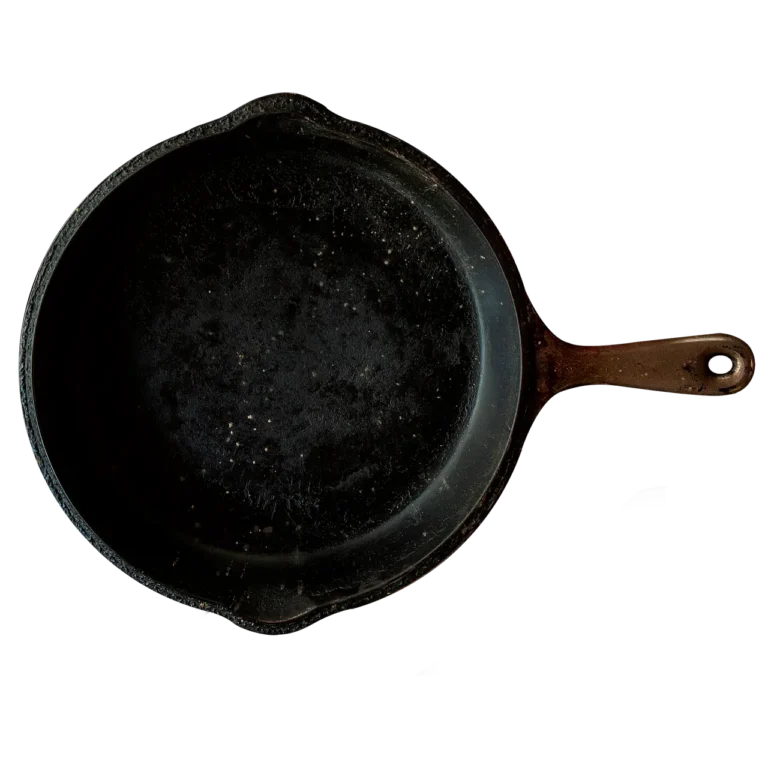
That gray spot is bare iron. It rusts fast. The fix isn’t complicated, but it does require a little patience. This guide walks you through the entire process — from stripping a pan down to bare metal, to building a slick, dark surface that makes eggs slide around like they’re on Teflon.

CARON & DOUCET
CARON & DOUCET – New Ultimate Cast…
- RESTORES & RESEASONS | Includes our Cast Iron Scrub designed to restore & remove stubborn rust spots. Helps to remove burnt & stuc…
- CLEANS CAST IRON | Includes our Cast Iron Soap unlike detergent based soaps, this soap is formulated with 100% natural plant-based…
- SEASONS & CONDITIONS CAST IRON | Made with FOOD grade, solvent-less, refined coconut oil that is safe for food contact and cast ir…
As an Amazon Associate I earn from qualifying purchases.
You’ll learn which oils actually polymerize, how hot the oven needs to be, and why the temperature matters more than the oil. I’ll also cover the stovetop method for quick touch-ups and answer the questions people ask me most.
If your pan needs deep cleaning before seasoning, a dedicated care kit like the CARON & DOUCET cast iron set includes a scrub designed to knock off rust and burnt food, plus a plant-based soap that won’t strip your hard work. It’s a solid option to have on hand.
What Seasoning Actually Is
Seasoning isn’t oil sitting on the surface. It’s oil that has been heated past its smoke point, which triggers a chemical reaction called polymerization. The oil molecules break down and bond to the iron, forming a hard, plastic-like coating.
That coating is what makes cast iron non-stick. It’s also what protects the metal from moisture. Bare iron rusts within hours. Seasoned iron can sit for weeks without a problem.
There are three things that destroy seasoning, in order of frequency:
- Acidic foods — tomatoes, vinegar, lemon juice. They slowly eat away at the polymer layer.
- Harsh detergents — most dish soaps contain degreasers that break down the oil bonds.
- Abrasive scrubbing — steel wool and rough scouring pads scrape the seasoning right off.
The good news? Every one of these is fixable. You don’t need to strip the pan unless it’s rusted or flaking badly.
Step-by-Step: Oven Seasoning Method
This is the gold standard. It gives you the most even, durable layer. Plan for about an hour of active time, plus cooling time.
What You Need
- Cast iron pan (clean and dry)
- High-smoke-point oil — grapeseed, flaxseed, or refined coconut oil work best
- Paper towels or a lint-free cloth
- Oven preheated to 450°F (232°C)
- Aluminum foil or a baking sheet to catch drips
The Process
- Wash the pan with warm water and a mild soap. If it has rust, scrub it off with a steel wool pad or a rust eraser. Dry it completely.
- Place the pan in the oven at 200°F for 10 minutes. This opens the pores of the metal and ensures it’s bone dry.
- Remove the pan. Apply a thin layer of oil to the entire surface — inside, outside, handle, everything. Use a paper towel to rub it in like you’re trying to wipe it off.
- Buff the pan with a clean cloth. You want almost no visible oil. If you can see it, it’s too much. Excess oil pools and forms sticky spots.
- Set the oven to 450°F. Place the pan upside down on the middle rack, with foil on the rack below to catch drips.
- Bake for 1 hour. Then turn off the oven and let the pan cool inside. Don’t rush this. Thermal shock can crack the pan.
- Repeat steps 2–6 two or three more times for a new pan. Each layer adds to the durability.
Pro tip: use a pastry brush to apply the oil. It gives you a more even coat than paper towels, and you won’t waste half the roll.
Choosing the Right Oil
Not all oils are equal. The smoke point matters, but so does the fatty acid profile. Oils high in polyunsaturated fats polymerize faster and create a harder finish.
Here’s the honest breakdown:
- Flaxseed oil — produces the hardest, most glass-like finish. But it can flake if the pan is heated unevenly. Many people swear by it for display pans, not daily drivers.
- Grapeseed oil — the best all-around choice. High smoke point, high polyunsaturated content, and it’s cheap. This is what I use on my daily skillet.
- Refined coconut oil — a close second. It has a smoke point of 400°F and creates a smooth, non-sticky layer. The CARON & DOUCET seasoning oil uses this as its base, and it works well.
- Vegetable or canola oil — fine for a quick coat, but the seasoning tends to be softer and wears off faster.
- Olive oil — avoid it for oven seasoning. Its smoke point is too low, and it leaves a gummy residue.
| Oil | Smoke Point | Finish Hardness | Best For |
|---|---|---|---|
| Flaxseed | 225°F | Very hard, glass-like | Display pans, occasional use |
| Grapeseed | 420°F | Hard, durable | Daily cooking |
| Refined Coconut | 400°F | Hard, smooth | Daily cooking, food-safe care |
| Canola | 400°F | Medium | Quick touch-ups |
| Olive | 375°F | Soft, gummy | Not recommended |
One thing nobody tells you: the first layer is always the ugliest. It looks brown and patchy. That’s normal. The color deepens to black after several uses and re-applications.
Stovetop Method for Quick Touch-Ups
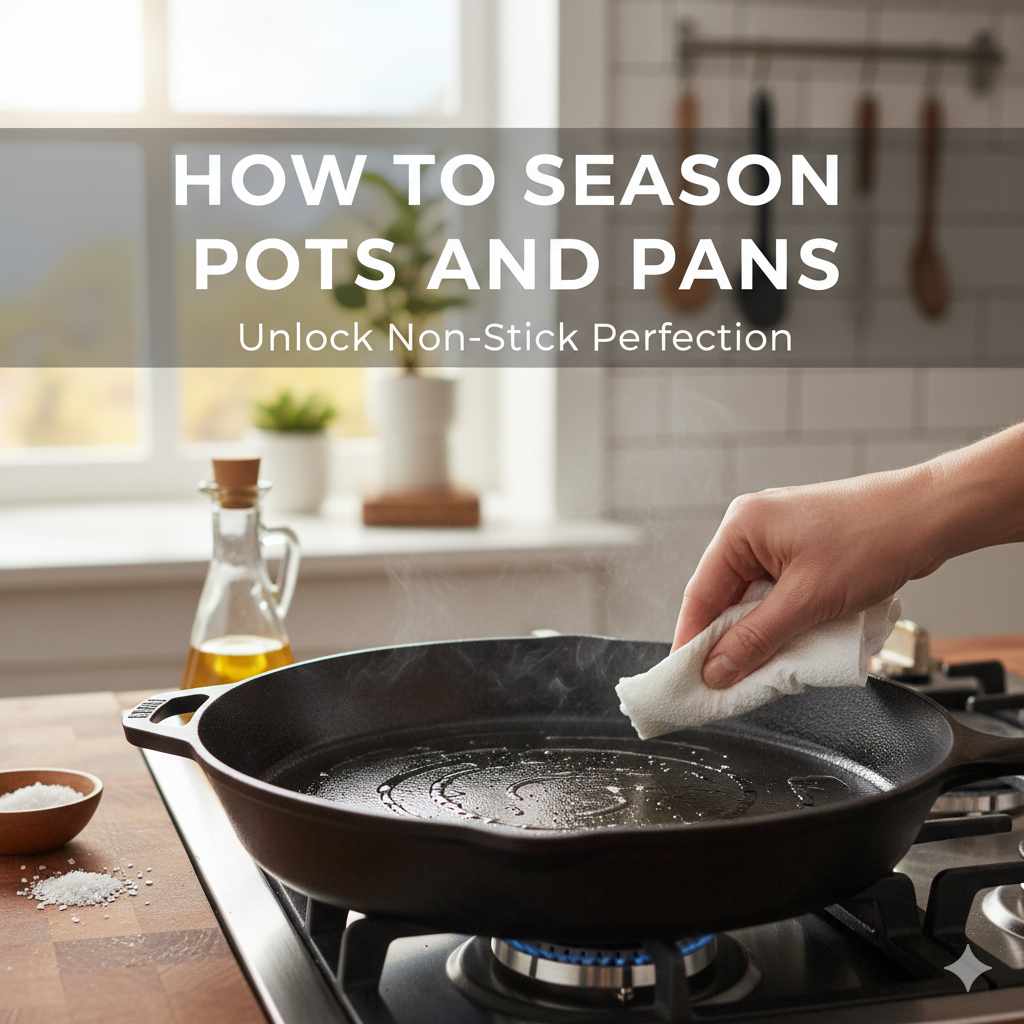
You don’t need to fire up the oven every time you see a bare spot. The stovetop method works for small repairs and takes about 10 minutes.
- Heat the pan on medium for 2 minutes.
- Add a drop of oil — about the size of a nickel.
- Use a paper towel to spread it around the entire cooking surface.
- Keep heating until the oil starts to smoke. Let it smoke for 1 minute, then turn off the heat.
- Let the pan cool naturally. Wipe away any excess oil before storing.
This method builds a thinner layer than the oven, but it’s perfect for maintaining a pan you use weekly. Do it after cleaning and drying, and your pan will stay slick.
If you’re dealing with rust that has spread across the surface, you’ll need to strip the pan first. The process for that is different, and you can read about fixing rusted cast iron before you start seasoning.
Cleaning Between Seasonings
Seasoning isn’t a one-time event. It’s a cycle. Cook, clean, dry, oil. The cleaning part is where most people go wrong.
Use hot water and a stiff brush. If food is stuck, boil a little water in the pan to loosen it. Avoid soap unless you’re using one specifically formulated for cast iron. Most dish soaps contain sodium lauryl sulfate, which strips seasoning.
There are exceptions. A plant-based soap like the one in the CARON & DOUCET cleaning set is gentle enough that it won’t harm your seasoning. It’s a reasonable choice if you cook fish or eggs that leave a stubborn residue.
After washing, dry the pan on the stove over low heat. Water is the enemy. Then apply a micro-thin layer of oil and rub it in. That’s it. Store the pan in a dry place.
For a deeper dive on the cleaning routine, check out this guide on cast iron skillet care.
Three Common Mistakes (And How to Avoid Them)
1. Using too much oil
This is the #1 cause of sticky pans. If your pan feels tacky after baking, you left too much oil on it. The fix: warm the pan, wipe it clean, and re-bake at 450°F for 30 minutes. No extra oil.
2. Seasoning at the wrong temperature
If the oven is too cool, the oil doesn’t polymerize. It just bakes into a sticky mess. If it’s too hot, the oil burns into ash. Use an oven thermometer. Most home ovens run 25–50 degrees off from what the dial says.
3. Cooking acidic foods too soon
A fresh seasoning layer is fragile. It takes about five cooking sessions to build a solid foundation. If you cook tomato sauce on day one, you’ll strip the pan and wonder why it rusted. Cook bacon, eggs, and cornbread first.
Frequently Asked Questions
How often should I season my cast iron pan?
Every time you cook, you add a micro-layer of seasoning. Full oven seasoning is only needed when you see bare iron or the surface looks dull and gray. For most people, that’s every 3–6 months with regular use.
Can I use olive oil to season cast iron?
It’s not ideal. Olive oil has a low smoke point and leaves a sticky residue that attracts dust and holds onto food. Use grapeseed, flaxseed, or refined coconut oil instead. You’ll get a harder, more durable finish.
Why does my cast iron pan look brown after seasoning?
That’s the color of the polymerized oil before it darkens. It’s completely normal. The brown turns to black after a few rounds of cooking and re-oiling. If it looks patchy, you applied uneven layers. It won’t affect performance.
Is soap bad for cast iron?
Modern dish soaps are milder than the lye-based soaps from a century ago, but they still contain degreasers. They won’t destroy your seasoning instantly, but repeated use will wear it down. Use a cast-iron-specific soap or stick to hot water and a brush.
Can I season a rusty pan, or do I need to remove the rust first?
You have to remove the rust first. Seasoning won’t adhere to rust — it’ll just flake off. Scrub the rust away with steel wool or a rust eraser, wash the pan, dry it, and then season. If the rust is deep, you may need to soak the pan in a vinegar solution. Check the rust removal guide for the full process.
What to Remember
- Seasoning is polymerized oil, not a layer of grease. Heat is what makes it work.
- Use a high-smoke-point oil like grapeseed or refined coconut. Skip olive oil.
- Apply the thinnest possible layer. Wipe it off like you’re trying to remove it.
- Bake at 450°F for 1 hour, upside down, with foil below to catch drips.
- Repeat 2–3 times for a new pan. Then cook fatty foods to build more layers.
- Clean with hot water and a brush. Dry on the stove. Re-oil lightly after each use.
- If the pan gets sticky, you used too much oil. Re-bake it clean at 450°F.
Products related to this article
Sponsored / affiliate links. As an Amazon Associate I earn from qualifying purchases. I may earn additional commission from eligible campaigns.