Sauté Pan Cost: What You Should Pay for Size and Material
A decent 3- to 3.5-quart sauté pan usually costs roughly $40 to $120; budget aluminum may start near $25, tri-ply stainless often runs about $80 to $180, and a lid can add around $10 to $30. Pay too little and you may get thin walls, hot spots, and a lid that fits poorly. This guide explains what size, material, and lid features justify the price.
What a sauté pan costs


For everyday shopping, sauté pan cost tends to split into three bands: entry-level stainless steel around $24.99, non-stick around $29.99, and lid-equipped non-stick around $34.99. Premium stainless steel climbs much higher, with some models reaching $79.99 and beyond when thicker construction, larger size, and tighter heat control come into play.
That spread makes sense because the pan is doing more than a shallow skillet. The wide cooking surface gives food room to brown, while the straight sides and added depth help hold sauces, braises, and simmering liquids. Those features use more metal, and more metal raises price.
Typical entry-level prices
The lowest prices usually buy a simpler build. IKEA’s 9-inch stainless steel sauté pan costs $24.99, while an 11-inch non-stick sauté pan with lid costs $29.99. IKEA’s KLIPPFISK 9½-inch sauté pan with lid costs $34.99. These are useful anchors for shoppers comparing sauté pan price across size and material.
What pushes prices higher
Price rises when the pan adds heavier stainless steel, an aluminum core, a better lid, or stronger oven safety. A pan with a glass or stainless lid can cost more than a bare pan because the lid broadens use for simmering and braising. ZWILLING’s Commercial Series sauté pan is priced at $79.99, showing how premium build pushes cost above entry models.
When a low price is enough
A lower price is enough when you need a smaller pan for eggs, cut vegetables, or one-pan weeknight cooking. A cheap sauté pan can be sensible if you cook on low to medium heat, do not need induction compatibility, and are fine replacing a non-stick surface sooner. Thin construction is the main tradeoff.
Sauté pan price by size
Size changes value because it changes both cooking area and material cost. A 9-inch sauté pan is a smaller-footprint option that fits tighter kitchens and smaller burners. An 11-inch sauté pan gives more room for family meals, easier stirring, and less crowding, so it often costs more even before you add a lid.
9-inch pans for compact kitchens
A 9-inch sauté pan is a common budget size. It suits everyday cooking for one or two people, and it takes up less cabinet and stovetop space. IKEA’s 9-inch stainless steel sauté pan at $24.99 is a clear example of the compact, lower-cost end of the market.
11-inch pans for family cooking
An 11-inch sauté pan gives you a larger cooking surface, which matters when you are browning more chicken, reducing a sauce, or tossing vegetables without spillover. IKEA’s 11-inch non-stick sauté pan with lid costs $29.99, and the larger diameter explains part of that price step over smaller pans.
How diameter changes value
Diameter affects both food capacity and pan cost. More width means more metal, a larger base to heat evenly, and more room for a proper lid. ZWILLING lists upper diameters of 9.45 inches and 11.02 inches for its sauté pan line, which shows how brands often price by cooking area as well as construction.
What drives sauté pan prices
Three things usually drive sauté pan price: construction, coating, and extras. Stainless steel with an aluminum core costs more because it is built for even heating and durability. Non-stick often lands lower because the coating is easier to manufacture and easier to cook with at lower friction. Lids, oven safety, and cooktop compatibility can add more cost.
Stainless steel and aluminum cores
Stainless steel costs more when you want long service life, induction compatibility, and oven use. Better pans use an aluminum core or sandwich base to spread heat more evenly and cut hot spots. That construction costs more than a basic stamped body, but it usually gives steadier results.
Non-stick coating and lower pricing
Non-stick sauté pans often cost less because the cooking surface releases food easily and reduces cleanup time. That lower-friction surface makes sense for eggs, fish, and delicate vegetables. Misen’s 3 Qt Stainless Steel Sauté Pan is sold for Tk 20,000.00, while many non-stick options sit lower on the shelf because the build is simpler.
Lids, handles, and oven safety
A lid can add cost, especially if it is included rather than sold separately. Glass lids let you check moisture without lifting, while stainless lids can take rough handling and higher heat. Oven-safe construction also affects price, since better handles and body materials must tolerate higher temperatures.
Is stainless steel worth more?
Yes, stainless steel is often worth the higher price if you want a pan that can handle more heat, last longer, and move from stovetop to oven without much fuss. It is usually the better value for cooks who sear often, use induction, or want one pan to cover more tasks over time.
Durability and long-term value
Stainless steel costs more up front, but it usually lasts longer than non-stick. That matters because a pan with a worn coating can need replacing sooner. A sturdy stainless sauté pan can pay back the higher purchase price through longer use, especially if you cook frequently or use metal utensils.
Heat distribution and hot spots
Heat performance is a major part of value. Stainless pans with an aluminum core or other layered base heat more evenly than thin single-ply metal, which means fewer hot spots and less scorched sauce. Misen describes its pan as wide like a skillet but deep enough for saucy dishes, and its 5-ply stainless steel construction points to that controlled heat profile.
Induction and oven use
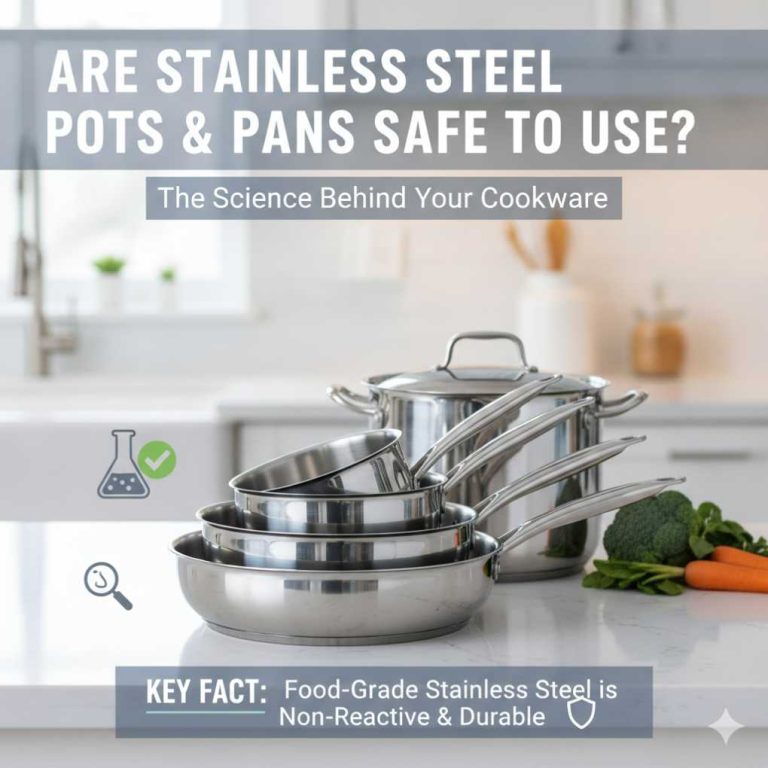
Stainless steel is often the safer pick for induction cooktops because magnetic stainless works there, while many non-stick pans do not. Oven safety also tilts toward stainless steel. ZWILLING’s sauté pan is oven safe to 500°F, which is the kind of number shoppers should look for when they plan to finish a dish under high heat.
Are non-stick sauté pans cheaper?
Usually, yes. Non-stick sauté pans tend to be cheaper than premium stainless steel because they are designed for easy release and simpler cleanup rather than maximum heat handling. That makes them a good buy for low-stress cooking, but they are not the best long-term value if you need hard searing or high-heat oven use.
Easy release and cleanup
Non-stick is attractive when you want less friction in the pan. Food lifts more easily, and cleanup is usually faster. That can make a $29.99 or $34.99 pan feel like a better daily purchase than a pricier stainless model if your meals lean toward eggs, fish, and delicate vegetables.
When non-stick makes sense
Non-stick makes sense for cooks who want a lighter pan, fewer stuck-on bits, and less scrubbing. It is also a practical pick for smaller kitchens that need one affordable pan to cover quick meals. Say your dinner routine is sautéed greens and pan sauce for two; a non-stick 11-inch pan with a lid can be easier to use than a heavier stainless option.
Tradeoffs versus stainless steel
The tradeoff is lifespan and heat tolerance. Non-stick usually wears out sooner than stainless steel, and it is less ideal for very high heat. If you want a pan for aggressive browning, repeated oven use, or induction cooking, stainless steel generally justifies the added cost better than non-stick does.
Sauté pan price to value comparison table
This table puts size, material, lid inclusion, and cooking value side by side. Use it to judge whether the asking price fits the pan’s likely lifespan and the way you cook.
| Example | Size | Material | Lid | Oven safe | Cooktop compatibility | Warranty | Estimated value tier |
|---|---|---|---|---|---|---|---|
| IKEA stainless steel sauté pan | 9 inches | Stainless steel | No | Not stated in source | Not stated in source | Not stated in source | Budget |
| IKEA non-stick sauté pan with lid | 11 inches | Non-stick | Yes | Not stated in source | Not stated in source | Not stated in source | Budget |
| IKEA KLIPPFISK sauté pan with lid | 9½ inches | Not stated in source | Yes | Not stated in source | Not stated in source | Not stated in source | Midrange |
| ZWILLING Commercial Series sauté pan | 9.45-inch upper diameter | Not stated in source | Not stated in source | Yes, to 500°F | Not stated in source | Not stated in source | Premium |
| ZWILLING Commercial Series sauté pan | 11.02-inch upper diameter | Not stated in source | Not stated in source | Yes, to 500°F | Not stated in source | Not stated in source | Premium |
| Misen 3 Qt Stainless Steel Sauté Pan | 3 Qt | 5-ply stainless steel | Not stated in source | Not stated in source | Not stated in source | Not stated in source | Premium |
| IKEA FINMAT sauté pan | Not stated in source | Copper/stainless steel | Not stated in source | Not stated in source | Not stated in source | Not stated in source | Premium |
| Generic entry-level stainless steel sauté pan | About 9 inches | Stainless steel | No | Depends on build | Usually induction compatible if magnetic stainless is used | Varies by brand | Budget |
| Generic lid-equipped non-stick sauté pan | About 11 inches | Non-stick | Yes | Depends on handle and coating limits | Usually not induction-ready unless the base is built for it | Varies by brand | Midrange |
| Generic clad stainless sauté pan | About 11 inches | Clad stainless steel | Often yes | Often yes | Usually induction compatible | Varies by brand | Premium |
Are lids worth the extra cost?
Usually, yes, if you simmer sauces, braise vegetables, or want more control over moisture. A lid can add to the purchase price, but it also expands what the pan can do. The extra cost is easier to justify on a deep sauté pan than on a shallow skillet that spills liquids more easily.
Glass lids versus stainless lids
Glass lids let you watch liquid level and browning without lifting the cover. Stainless lids are less visible, but they often stand up better to rough use and higher heat. Either option can raise the price, though glass is more common on lower-cost non-stick pans and stainless is more common on premium builds.
Why lids help with simmering
A lid keeps moisture in the pan, which helps sauces reduce more slowly and braises cook with less evaporation. That is a real value gain if you use the pan for rice sides, shallow stews, or finishing proteins in sauce. Without a lid, you often lose that flexibility.
When a lid is worth paying
Pay extra for a lid if you regularly move from browning to simmering in the same pan. If you only sear or fry, the lid matters less. A common first-timer mistake is buying a bare pan, then realizing a separate lid costs nearly as much as the price jump on the original model.
What should you pay for a sauté pan?
What you should pay depends on how often you cook, how many people you cook for, and whether you need stainless steel or non-stick. Budget buyers should aim for a simple 9-inch or 11-inch pan around the $25 to $35 mark. Midrange buyers should pay more when they want a lid and better heat control. Premium buyers should pay for construction that lasts.
Budget buyer picks
If you want the lowest practical price, start with the IKEA 9-inch stainless steel sauté pan at $24.99 or the IKEA 11-inch non-stick sauté pan with lid at $29.99. Choose the stainless pan if you want induction compatibility and longer wear. Choose the non-stick pan if easy release matters more than long service life.
Midrange buyer picks
Midrange value usually means paying for a lid and better everyday usability. IKEA’s KLIPPFISK 9½-inch sauté pan with lid at $34.99 is a useful marker here. This tier works well if you want more versatility than a bare budget pan but do not need premium stainless construction.
Premium buyer picks
Premium pricing makes sense when you want tighter heat control, stronger materials, and longer ownership life. ZWILLING’s Commercial Series sauté pan at $79.99 and IKEA’s FINMAT copper/stainless steel sauté pan at $119.99 sit in that bracket. These are the pans to look at when you want better control over hot spots, oven use, and daily wear.
Frequently asked questions
How much does a pan cost?
A sauté pan can cost about $24.99 at the entry level and rise to $79.99 or more for premium stainless steel, with specialty copper/stainless pieces higher still. Price moves with size, lid inclusion, and construction. Budget pans are fine for simple cooking, while premium pans buy better heat control and longer life.
What is a sauté pan used for?
A sauté pan is used for searing, sautéing, simmering, and braising. Its wide cooking surface gives food room to brown, while the straight sides and depth hold sauces better than a shallow skillet. Many models also move from stovetop to oven, which adds value for one-pan meals.
What is the difference between a sauté pan and a frying pan?
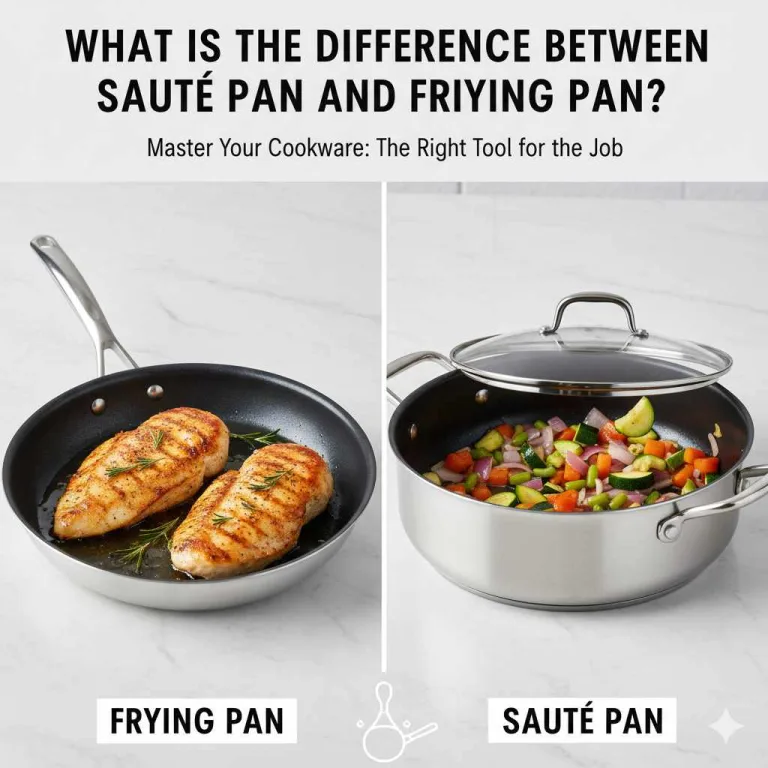
A sauté pan has straighter, higher sides and more depth than a frying pan or skillet. That shape helps with liquids, tossing, and reducing splatter. A frying pan is usually better when you want fast evaporation and easier flipping; a sauté pan is better when sauce is part of the job.
What is the difference between a sauté pan and a saucepan?
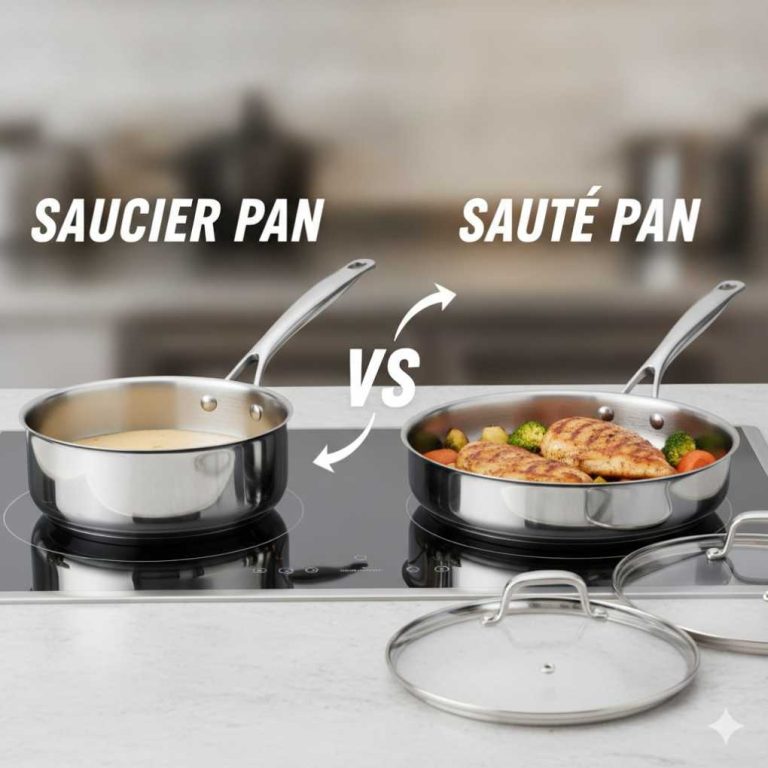
Both can hold liquids, but they are built for different jobs. A sauté pan is wider and better for browning, then simmering in a shallow layer. A saucepan is taller and narrower, which suits boiling, reducing, and heating larger amounts of liquid with less surface area.
What size sauté pan is best?
The best size depends on your household. A 9-inch sauté pan is a good fit for smaller kitchens, quick meals, and one- or two-person cooking. An 11-inch sauté pan is better for family meals, larger batches, and sauces that need more surface area. If space is tight, start smaller.
Are sauté pans with lids worth the extra cost?
Often, yes. A lid helps with simmering, braising, and moisture control, so it expands what the pan can do. That extra cost makes the most sense if you cook sauces or one-pan dinners. If you only sear or dry-cook, a lid matters less and may not justify the price jump.
Products related to this article
Sponsored / affiliate links. As an Amazon Associate I earn from qualifying purchases. I may earn additional commission from eligible campaigns.