Baking Sheet Cost: What You Should Pay for Quality
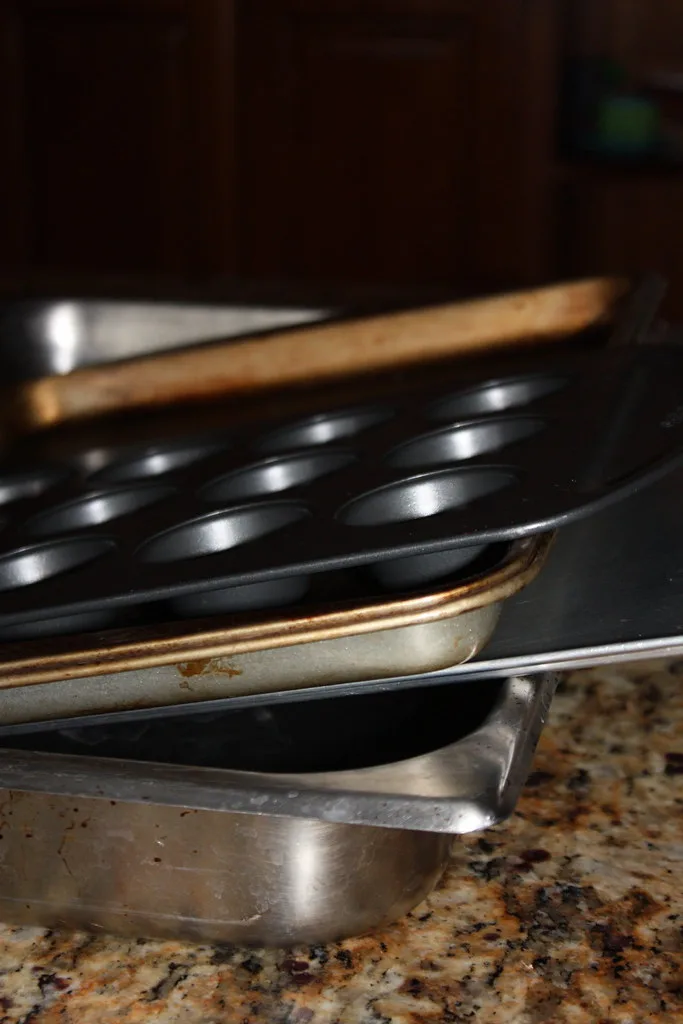
A decent baking sheet often costs somewhere in the low teens to mid-thirties, while heavy-gauge aluminum or stainless steel pans can run from the mid-twenties to around sixty; pay for thickness and finish more than for a logo. Thin bargain pans twist in the oven, brown unevenly, and often get replaced after a few years, which costs more than buying once. I price these by material, size, and brand tier, then pick the pan that will stay flat and earn its keep.
This guide is part of our Cooking with skillets, griddles, and roasting pans series.
How much does a baking sheet cost?

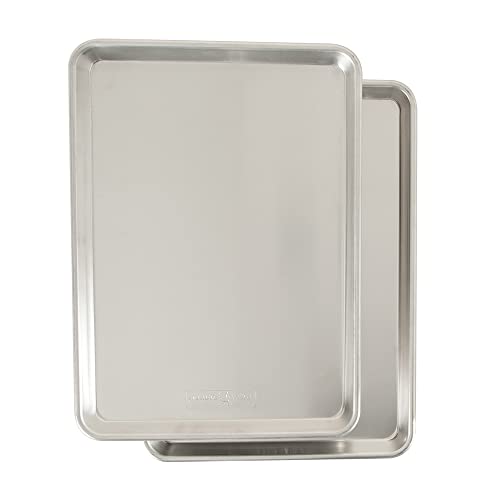
Many home bakers will see baking sheet costs fall into three rough bands: budget pans around the high single digits to mid-teens, mid-range pans around the mid-teens to mid-thirties, and premium or specialty pans around the mid-thirties to around sixty and up. A single pan usually costs less than a set, but sets lower the per-pan price if you need more than one size.
That spread is not random. Thin aluminum costs less because it uses less metal and is easier to form. A heavier pan with a better rim, flatter base, or coated finish costs more because those details add material, extra steps on the line, and a longer working life.
Single pan versus set pricing
A single pan makes sense if you bake occasionally or already own one standard size. A set can look cheaper on the shelf, but the real value depends on whether you will use all the pieces. If the set includes one useful half-sheet and two small pans you never touch, the savings are mostly on paper.
For most kitchens, the best value is often one durable half-sheet plus one smaller pan, bought separately or in a simple set. That keeps waste low and lets you spend more only on the pan you use most.
According to Baking – Wikipedia — Baking temperatures often surpass 300 °F (148 °C). (source)
What changes the price of a baking sheet?
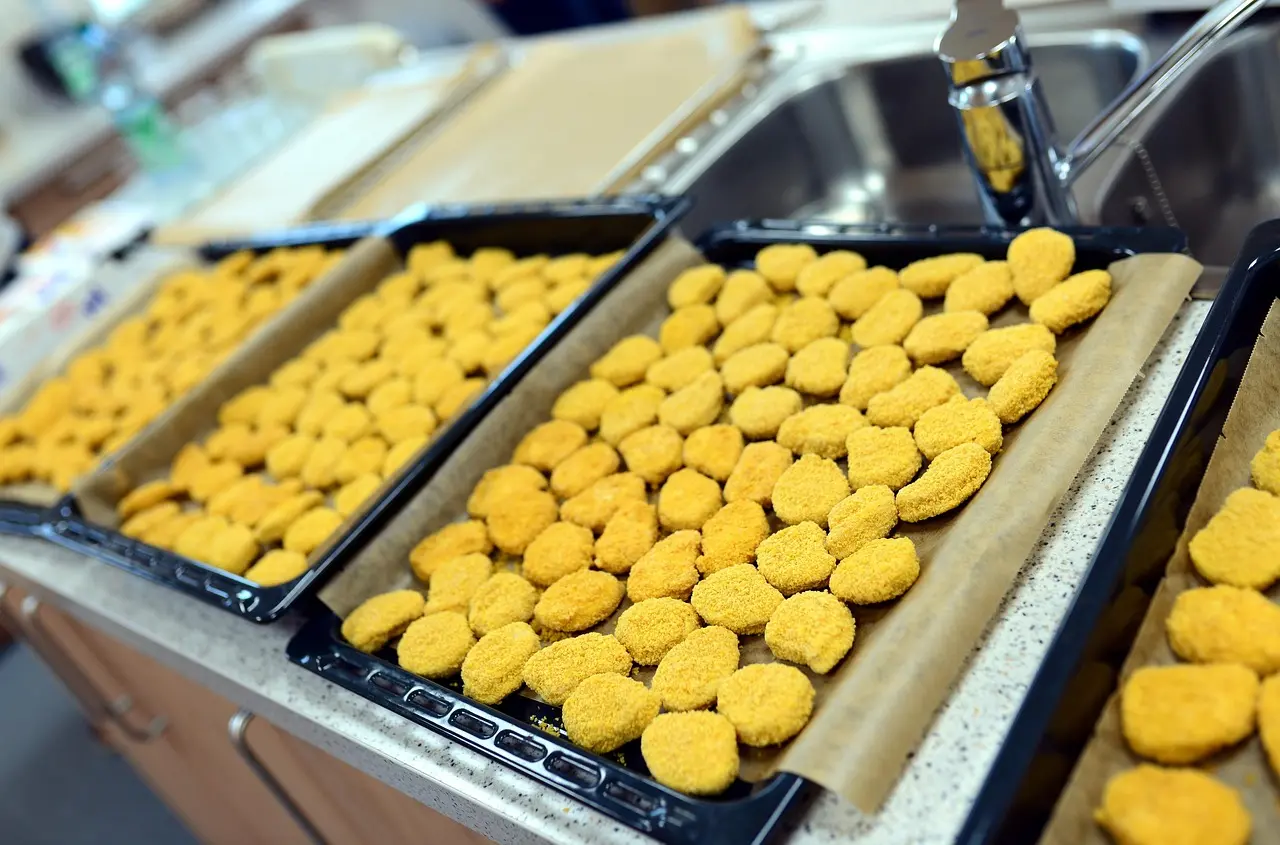
The main price drivers are material, thickness, rim style, coating, and brand tier. A baking sheet made from plain aluminum can be affordable, but once you add heavy gauge metal, nonstick coating, or insulated construction, the cost rises fast. Size matters too, especially if the pan is large enough for restaurant-style sheet-pan cooking.
Material: aluminum, nonstick, and insulated construction
Aluminum baking sheet pans usually sit near the entry-level price because aluminum conducts heat well and is easy to stamp into shape. That same metal can warp if it is too thin, especially when it goes from a hot oven to a cool counter. A thicker pan costs more because it resists that movement better.
Nonstick coating adds a premium. The coating makes release easier and cleanup simpler, but it also limits how hard you can scrub the pan. Once the finish scratches or wears, the pan may still work, but the convenience drops. Insulated baking sheets cost more still because they use a double-layer construction that slows heat transfer.
Thickness and gauge
Gauge is one of the clearest value signals, even when sellers do not state it well. Thicker pans usually cost more because they hold shape better, brown more evenly, and last longer under repeated heat cycles. Thin pans are the cheapest route, but they are also the most likely to buckle.
For everyday baking, the practical difference shows up in the rim and base. A flimsy sheet may be fine for a single tray of cookies, then twist after a few hot loads. A heavier pan costs more at checkout and often less over time because replacement happens less often.
Size, rim style, and brand tier
Larger sheet sizes cost more because they use more metal. A half-sheet usually costs less than a full sheet, and a quarter-sheet costs less again. Rimmed baking sheets also tend to cost more than rimless cookie sheets because the side walls add structure and material.
Brand tier matters, but not always in the way shoppers assume. Store-brand pans can be perfectly serviceable. Premium brands often charge for flatter bases, better welded corners, more even finishes, and tighter quality control, not for a magical baking result.
Baking sheet, cookie sheet, or baking tray?
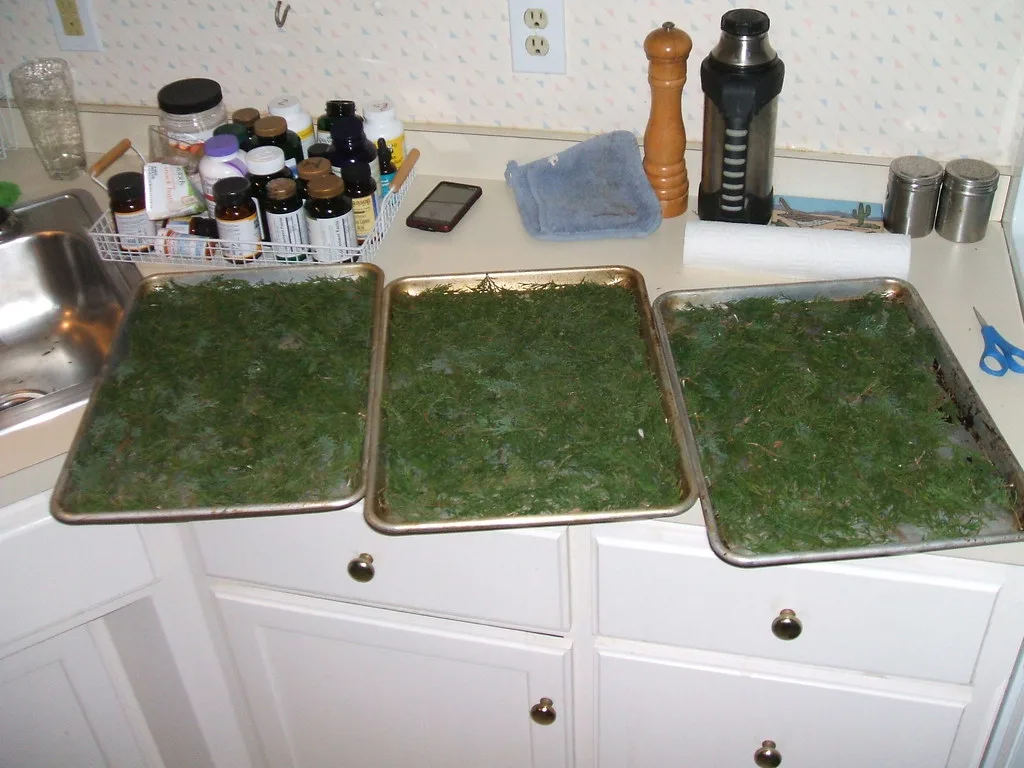
These names overlap a lot, and that confusion affects price comparison. In many stores, baking sheet, cookie sheet, baking tray, and sheet pan all point to flat bakeware used for cookies, biscuits, and sheet-pan recipes. The shape and rim style matter more than the label on the box.
Cookie sheet usually means a rimless design, which can make it feel slightly different in price and use. Baking tray is a common regional name, especially outside the U.S., and it often overlaps almost completely with baking sheet pricing. Sheet pan is another common consumer synonym, though some buyers use it to mean a heavier, more commercial-style pan.
Rimmed versus rimless
A rimless cookie sheet can make it easier to slide cookies off, but it is also less versatile for roasted vegetables, saucy sheet-pan meals, and items that can slide. A rimmed baking sheet holds juices and gives better handling room. That extra metal and structure often means a small price bump.
For most buyers, rimmed wins on value. It does more jobs, fits more recipes, and tends to be the safer buy if the pan will be used for both baking and roasting.
What do you get at each price band?
Price bands tell the value story better than brand names alone. Low-cost pans usually solve the immediate need. Mid-range pans are where durability starts to improve. Premium pans buy flatter metal, stronger rims, and longer resistance to warping, which matters if the pan will be used often.
Budget aluminum pans
Budget aluminum pans are usually the cheapest entry point. They conduct heat well and are fine for occasional cookies, biscuits, or reheating tasks. The tradeoff is higher warp risk, lighter construction, and a shorter lifespan if they are used hard or washed carelessly.
These are best for new bakers, occasional baking, or backup pans. If the pan is very thin, expect earlier replacement and more uneven browning.
Mid-range durable pans
Mid-range pans are often the sweet spot for home use. They usually cost enough to have better gauge, better rims, and a flatter base, but not so much that you hesitate to use them daily. For most kitchens, this tier gives the best balance of cost and lifespan.
Look for plain aluminum or heavy-gauge coated steel if easy release matters. The extra cost usually pays back through fewer warped pans and less replacement.
Premium and insulated pans
Premium pans are the most expensive because they solve specific problems. Heavy-gauge aluminum, stainless steel, and insulated sheets are aimed at users who bake often, want better shape retention, or need more controlled browning. Insulated pans can cost more and bake a little differently because the double layer slows direct heat.
That tradeoff is worth it for some recipes, but not all. If you want faster browning on cookies or roasted vegetables, insulation may be less appealing than a plain heavy-gauge pan.
Buying table: price, durability, and who should buy
| Price band | Material and construction | Typical use case | Durability risk | Warp resistance | Who should buy it |
|---|---|---|---|---|---|
| $8-$15 | Thin aluminum, basic rim, simple finish | Occasional cookies, quick reheats, backup pan | Higher chance of scratches, dents, and early replacement | Low | Budget buyers and infrequent bakers |
| $15-$35 | Heavier aluminum or better steel, reinforced rim | Everyday cookies, biscuits, sheet-pan dinners | Moderate; care still matters | Medium to good | Most home bakers |
| $35-$60 | Heavy-gauge metal, premium finish, flatter base | Frequent baking, repeated high-heat use | Lower, though coating can still wear | Good | Regular bakers who want fewer replacements |
| $45-$80+ | Insulated construction, specialty steel, premium build | Specific browning control or commercial-style use | Low from warping, but not always low for coating wear | Good to very good | Frequent bakers and buyers who want buy-once durability |
How much should you spend for everyday baking?
For everyday baking, a common target is the mid-teens to mid-thirties for one good rimmed pan. That range usually buys a pan sturdy enough for cookies, biscuits, and sheet-pan meals without tipping into specialty pricing. Spending more can make sense if the pan will be used often and washed regularly.
If the pan must do everything, pay for flatness and thickness first. A slightly higher price is worth it when the pan stays square, heats evenly, and keeps its shape after repeated oven cycles.
What size baking sheet should you buy for everyday baking?
A half-sheet is often the safest everyday choice for many home ovens. It fits common recipes, gives enough space for cookies and vegetables, and tends to offer the best balance of size and cost. Smaller pans can be useful, but they often limit batch size and efficiency.
Measure your oven before buying a large pan. A pan that is too wide, or too tall with its rim, can be awkward to handle and may crowd airflow. Size affects price, but fit affects usefulness more.
Where can you buy baking sheets for less?
Store brands are often cheaper than premium cookware brands, and they can be a smart buy if the pan is thick enough. Warehouse clubs and big-box stores also tend to price sets aggressively, which helps if you need multiple pans at once. Sale timing matters more than most shoppers expect.
Cookware stores may charge more, but they sometimes carry flatter, heavier pans worth the extra cost. The best low-price strategy is to compare the metal, not the logo. A cheap pan with poor warp resistance can cost more after one or two replacements.
Are store-brand baking sheets cheaper than premium brands?
Yes, usually. Store-brand baking sheets are often priced lower because the packaging, branding, and finish are simpler. That lower price is useful if the pan will see light use, but the buyer should still check thickness and rim strength, because a weak cheap pan can be a false bargain.
Does a more expensive baking sheet perform better?
Often, yes, but only when the extra cost buys better construction. A more expensive baking sheet can stay flatter, resist warping, and brown more evenly if it uses thicker metal and a better rim. A higher price does not help much if the extra money only pays for coating or branding.
What affects the price of a baking sheet?
Material, thickness, rim style, coating, and brand tier matter most. Aluminum baking sheet models are usually cheaper, while nonstick coating and insulated baking sheet designs cost more. Larger sizes also raise the price because they use more metal and need stronger construction to stay flat.
Is a baking sheet different from a cookie sheet or baking tray?
Often, the names overlap. Cookie sheet usually refers to a rimless design, while baking sheet and baking tray commonly refer to rimmed flat pans. Regional naming shifts the label, but the price often overlaps because many products are functionally similar.
How much should I spend for a durable baking sheet?
For a durable everyday pan, $15-$35 is the most practical target. That range usually buys better thickness, better warp resistance, and a longer lifespan than the cheapest tier. If the pan will be used heavily, moving into the $35-$60 range can reduce replacement costs over time.
Where can I buy baking sheets at a lower price?
Look at store brands, warehouse clubs, and multi-pan sets before paying premium-brand prices. For lower ownership cost, compare gauge and rim strength rather than just the sticker price. A slightly pricier pan that resists warping can be cheaper than buying a flimsy one twice.
Frequently asked questions
how much is a baking sheet
A baking sheet usually costs $12-$35 for a solid home-use pan, with budget options below that and premium pans above it. The right price depends on how often the pan will be used, whether it is rimmed or rimless, and whether you want plain aluminum or a coated finish.
Products related to this article
Sponsored / affiliate links. As an Amazon Associate I earn from qualifying purchases. I may earn additional commission from eligible campaigns.