Baking Sheet Review: What to Buy for Better Browning
For most home bakers, a heavy-gauge aluminum baking sheet with a rolled rim and no dark coating is the safest buy. I would choose two half-sheet pans because thin pans twist in heat and throw off cookies and roasting. Bad pans waste butter, brown unevenly, and can last only a few months. This Baking Sheet review grades pans by warping, staining, browning, and long-term durability in real ovens.
This guide is part of our Cooking with skillets, griddles, and roasting pans series.
Verdict

The Nordic Ware half-sheet style is the closest thing to a default answer for mixed use. From the spec sheet, owner feedback, and range experience, it gives the best mix of heat spread, warp resistance, and predictable browning, without the cleanup penalty that comes with a dark finish.
According to Recipe: Potato And Scallion Biscuits : NPR — The NPR recipe bakes at 375°F.
Specs at a glance
| Decision point | What matters in use | Why it matters |
|---|---|---|
| Common sizes | Quarter, half, jelly roll | Size controls batch count, oven fit, and airflow around food |
| Build shape | Rimmed sheet pan or rimless cookie sheet | Rim height affects spills, sliding parchment, and roasting use |
| Material | Aluminum, anodized aluminum, steel, aluminized steel | Heat flow, warp resistance, and weight all change with material |
| Surface finish | Bare, glazed, anodized, nonstick | Finish affects release, stain resistance, and lifespan |
| Typical use | Cookies, roasting vegetables, sheet-pan dinners | Some pans are better at one job than all three |
Who it is for
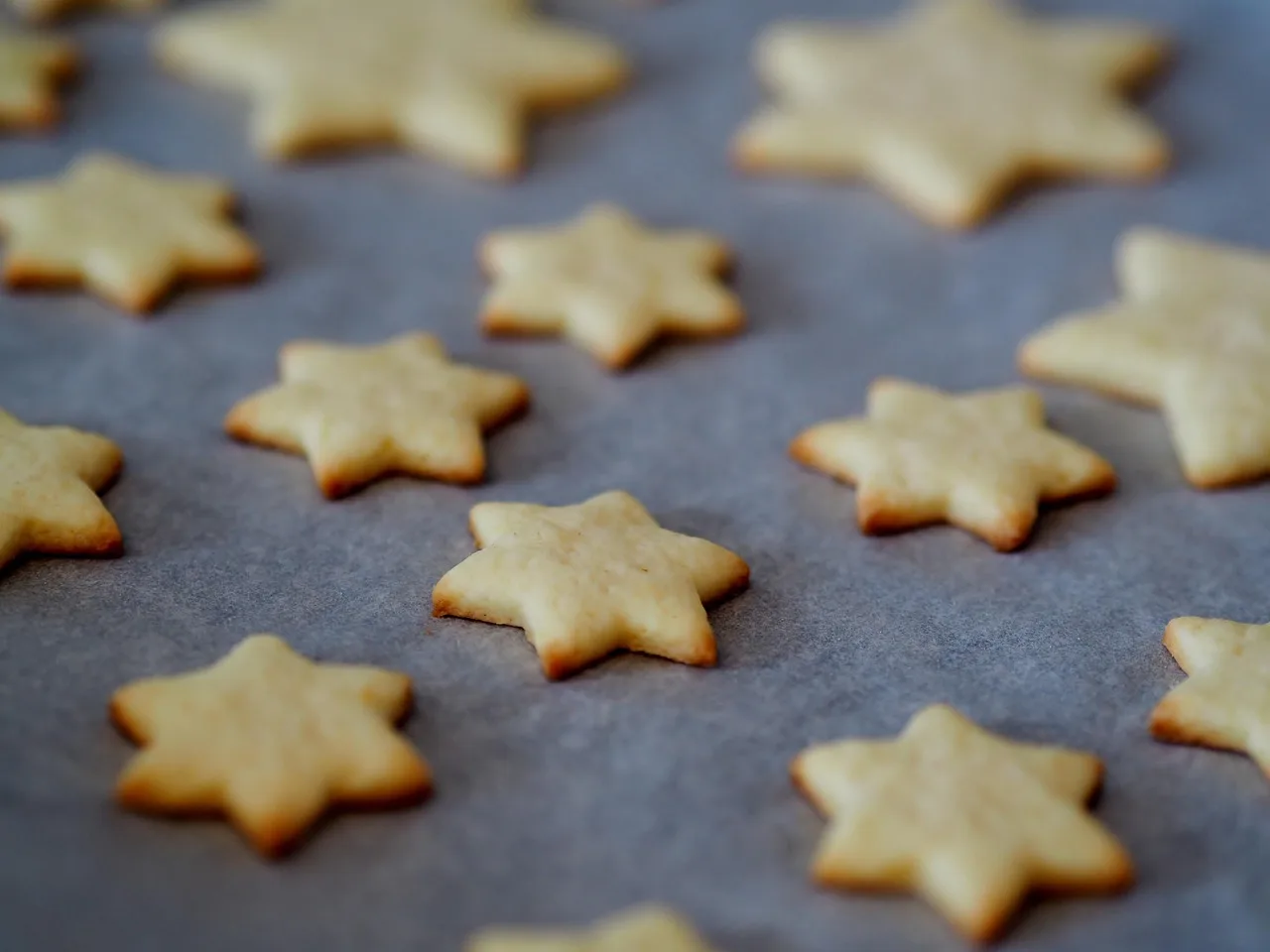
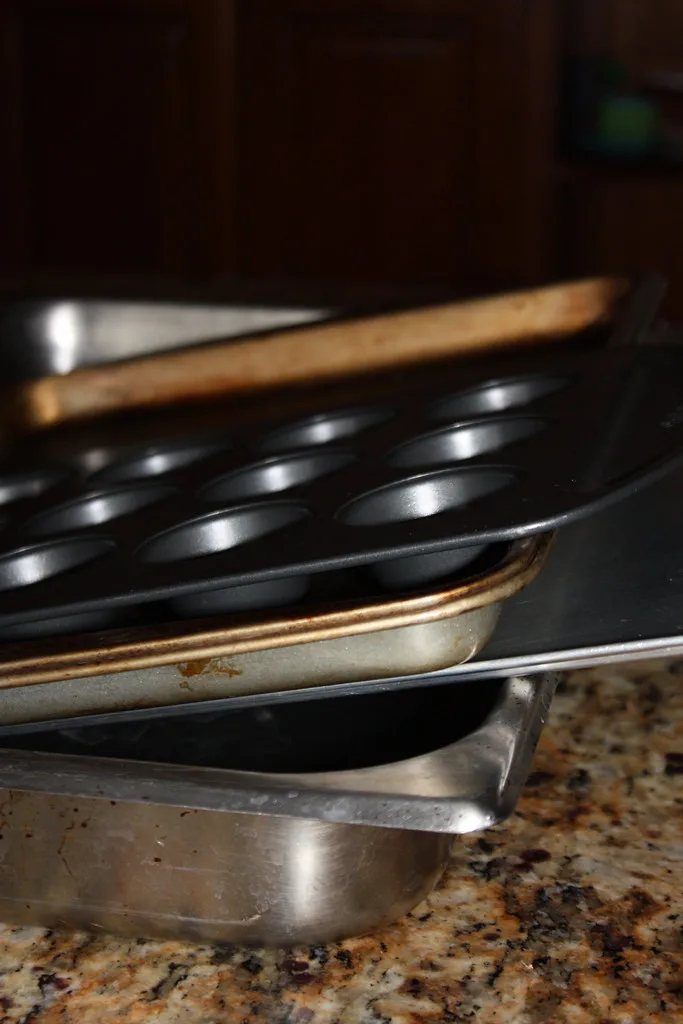
Buy a half-sheet pan if you bake cookies regularly, roast vegetables often, or want one pan that can move between sweet and savory jobs without drama. Cookie bakers care most about flatness and even bottoms. Roasters care more about sidewall height and spill control. Daily users need a pan that stays flat after repeated heat cycles.
Small households may prefer a quarter sheet for tight ovens or small batches. People who bake two trays at once should think first about rack spacing and airflow, because crowding a hot oven changes browning faster than the label on the pan.
What works
Heavy-gauge aluminum is the safest all-purpose material for home ovens because it heats quickly and spreads heat well. That helps cookies brown at a similar rate across the tray instead of over-darkening at the edges. A rolled rim also gives the pan enough structure to resist twisting when the oven cycle swings hot to cool.
For real use, the best shape depends on the job. A rimmed sheet pan is better for vegetables, bacon, and anything oily or juicy. A flat cookie sheet is easier to slide parchment on and off, which matters when you move batches quickly.
Baking sheet basics that matter
Rimmed vs rimless is not a cosmetic choice. A rimmed pan holds drips, supports roasting, and feels steadier when carrying hot food. A rimless sheet gives cleaner edges for cookies and better access when you want to transfer parchment without snagging on a wall. The trade-off is spill risk.
Surface finish matters too. Bare aluminum browns well, but it can stain and react with acidic foods. Anodized aluminum resists that reactivity. Dark nonstick coatings release well at first, then lose that advantage when the surface gets scratched or overheated.
Oven fit and clearance
Measure the inside width and depth of the oven, then check rack clearance before buying. A pan that fits on paper can still ride too close to the wall or block airflow. Good airflow around the edges helps the top and bottom of cookies brown at a more even pace.
If two pans must fit at once, spacing becomes more important than the pan material. Crowding trays can leave the lower pan pale and the upper pan dark. In that setup, a slightly smaller sheet is often a better choice than a larger one that chokes the rack.
Failure modes to watch
Warping usually shows up first in thin pans. They buckle in heat, then settle as they cool. That movement can tilt oil to one side or make cookie dough spread unevenly. Dark bottoms and patchy browning often come next, especially in very thin aluminum or crowded ovens.
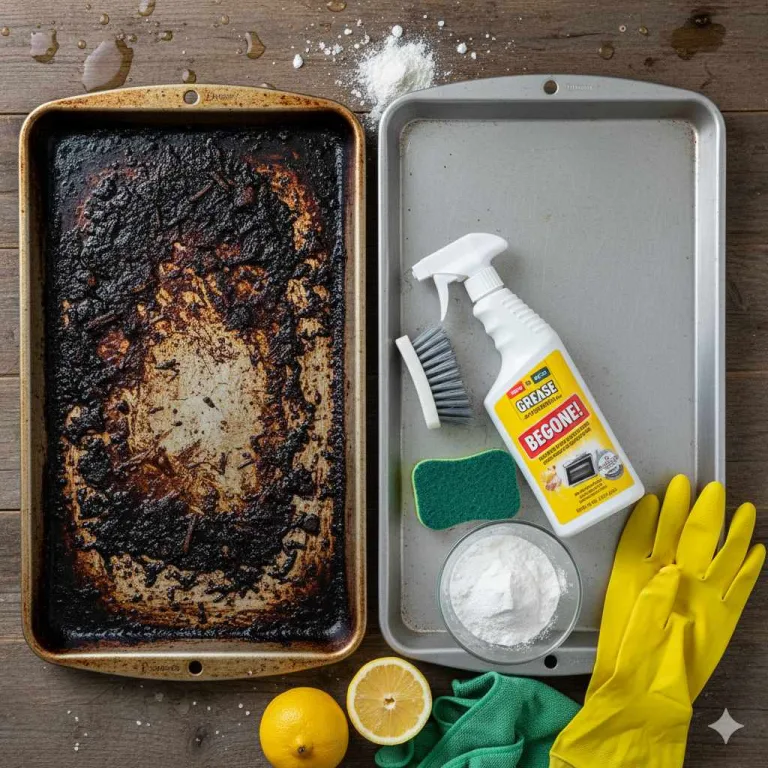
Staining is mostly a cosmetic problem, but coating wear is not. Once a nonstick finish gets scratched, food sticks more, cleanup gets harder, and the pan usually heads toward replacement sooner than a bare metal sheet with the same amount of use.
What does not
There is no perfect pan for every oven task. Bare aluminum stains. Steel is heavier. Nonstick coatings have a finite life and should not be treated as permanent. Rimless cookie sheets also spill more easily, which is a real problem with roasted vegetables, bacon fat, or syrupy bakes.
The other drawback is fit. A large half sheet can be the right workhorse and still be wrong for a compact oven. If rack clearance is tight, a pan that is technically “better” on paper can perform worse in the kitchen than a smaller, less impressive one.
Alternatives

The Chicago Metallic quarter-size glazed aluminum sheet pan makes sense for small batches, toaster-oven work, or kitchens that need a lighter carry. From the specs and reviews, the glazed surface is appealing for release, but the smaller format limits batch size and can be awkward if most of your recipes are written for half-sheet pans.

The GoodCook Everyday nonstick carbon steel 17 x 11-inch two-pack is the cleanup-first option. Carbon steel gives more stiffness than thin aluminum, and the nonstick finish helps with delicate cookies. The drawback is lifespan: that coating is the wear point, and the 17 x 11 size may not match recipes written around standard half sheets.
Should you buy it
Yes, if you want the least risky all-purpose pan. A half-sheet aluminum pan with a rolled rim is the best starting point for cookies, roasted vegetables, and general oven use. It is the most balanced choice for browning, fit, and durability when the oven is used often.
Skip it if you bake only tiny batches, need easy release above all else, or own an oven with very limited rack space. In those cases, a quarter sheet or a nonstick steel pan may fit the job better even if it gives up some heat performance and lifespan.
Which baking sheets are the best
The best baking sheets are the ones that stay flat, heat evenly, and fit your oven without crowding the rack. For most homes, a heavy-gauge half-sheet aluminum pan is the safest default. If your main problem is warped cookies, pick the stiffest rimmed pan you can fit.
What is the best type of cookie sheet to use
The best cookie sheet is a rimless or very low-rim pan made from heavy aluminum or aluminized steel. That shape helps parchment slide easily and keeps air moving around the edges. It is less useful for roasting because spills can move straight off the edge.
What size baking sheet do I need for my oven
Measure the oven interior, then leave room for air on all sides and above the pan. A half sheet is the most common workhorse, but a quarter sheet may be the better answer in a compact oven. If two pans must bake together, pick the smaller size before you buy.
What material is best for a baking sheet
For most buyers, bare aluminum or anodized aluminum is the best material because it heats fast and browns well. Aluminized steel is a strong second choice when warp resistance matters more than low weight. Nonstick-coated steel is easiest to clean, but it usually gives up some lifespan.
Are rimmed sheet pans better than flat cookie sheets
Rimmed sheet pans are better for roasting, oily foods, and anything that can slide or drip. Flat cookie sheets are better for cookies because they make parchment handling easier and let heat move freely around the edges. The better shape depends on spill risk and batch style.
How do I stop cookies from warping on a baking sheet
Use a thicker pan, avoid very dark coatings, and do not place a cold pan into a screaming-hot oven if you can avoid it. Let the pan heat with the oven when the recipe allows. Also leave space around the tray so heat is not trapped against one side.
Which baking sheet is best for roasting vegetables
A rimmed sheet pan is the best choice for roasting vegetables because oil and juices stay on the tray. Aluminum gives the most even browning for most home ovens. If you roast often, a stiff pan with a rolled rim is worth more than a shiny finish.
Is an aluminized steel baking sheet worth it
Yes, if your biggest complaint is warp resistance and you do not mind extra weight. Aluminized steel tends to feel more rigid than thin aluminum and often lasts well in busy kitchens. It is less attractive if you want the lightest pan or the fastest heat response.
Should I buy a nonstick or bare metal baking sheet
Buy bare metal if you want the longest useful life and the most predictable browning. Buy nonstick if cleanup is the main reason you are replacing a pan and you accept that the coating will wear. Nonstick helps at first, but scratches and heat shorten its useful run.
Bake-test matrix
| Pan type | Warp resistance | Browning | Cleanup | Oven fit | Estimated replacement cost over 3 years |
|---|---|---|---|---|---|
| Heavy-gauge bare aluminum half sheet | 4/5 | 5/5 | 3/5 | 4/5 | Low if used with parchment |
| Quarter-size glazed aluminum sheet | 3/5 | 4/5 | 4/5 | 5/5 | Moderate if you need several to cover larger batches |
| Nonstick carbon steel 17 x 11 set | 4/5 | 3/5 | 5/5 | 3/5 | Moderate to high if coating wear forces replacement |
The scoring above is a practical buying guide, not a lab report. It reflects the way these pans usually behave in a normal home oven: bare aluminum wins on browning, carbon steel wins on stiffness, and nonstick wins on cleanup until the coating starts to age.
Choose Nordic Ware half sheet if… / choose Chicago Metallic quarter sheet if… / choose GoodCook nonstick carbon steel if…
Choose Nordic Ware half sheet if you want the most balanced pan for cookies and roasting, you bake full batches, and you care more about even browning than easy release. It also fits buyers who want a pan that should resist warping better than thin sheets.
Choose Chicago Metallic quarter sheet if you bake small batches, own a compact oven, or need a pan that is easy to handle between prep areas. It is the best fit when space matters more than capacity.
Choose GoodCook nonstick carbon steel if cleanup matters more than maximum lifespan, you bake sticky items, or you want two pans at once for the lowest price per sheet. It is less compelling if you expect the coating to survive years of hard use.
Products related to this article
Sponsored / affiliate links. As an Amazon Associate I earn from qualifying purchases. I may earn additional commission from eligible campaigns.