Cuisinart Nonstick Roaster Review: Is It Worth Buying?
The Cuisinart Nonstick Roaster is worth it if you want easier cleanup and lighter-duty roasting, while stainless may be a better choice for heavier use or hotter roasting. Choose the wrong pan, and you may deal with oven-fit issues, uneven browning, or a finish that wears sooner than you want. This guide checks oven compatibility, rack performance, cleanup, and the tradeoff between nonstick convenience and stainless durability.
This guide is part of our Cooking with skillets, griddles, and roasting pans series.
Verdict


For most everyday buyers, this is a situational buy, not a blanket recommendation. The value is strongest if you roast chicken, vegetables, or smaller meals and care more about fast cleanup than maximum browning or long service life. If you want a pan that can take more abuse, the stainless Cuisinart options make a stronger long-term case.
📊 The stainless rectangular roaster is priced at $64.95 before sale. Source: Cuisinartstore.
Specs at a glance
| Spec | What matters for buyers |
|---|---|
| Size | 17" x 13" nonstick roaster with V-Rack |
| Included rack | Yes, a V-Rack is included |
| Material | Nonstick construction |
| Use case | Roasting and multi-use cooking in the Cuisinart cookware line |
| Category | Listed by Cuisinart under Frying, Grilling & Cooking |
| Cleanup | Nonstick surface should release food easily, but coating care still matters |
| Dishwasher note | Dishwasher cycles can shorten nonstick life, even when a product is labeled dishwasher safe |
Who it is for
This pan fits buyers who want a weeknight roaster that moves from oven to cleanup with little effort. It also suits people roasting a chicken, sheet-pan vegetables in a deeper pan, or a smaller holiday bird when oven space is tight and the food load is moderate.
It is a weaker fit for buyers who expect frequent high-heat roasting, a lot of browned fond, or years of rough use. If your kitchen leans on heavy pans for repeated holiday cooking, stainless is usually the safer long-term purchase.
Pros and cons
- Pros: Nonstick food release makes cleanup simpler after most roast sessions.
- Pros: The included V-Rack lifts food for airflow and drippings.
- Pros: The 17" x 13" size gives enough room for a practical roast pan without jumping to very large holiday-pan territory.
- Cons: Nonstick generally browns less aggressively than stainless steel.
- Cons: Coating wear is a real ownership cost if you use metal tools, high heat, or frequent dishwasher cycles.
- Cons: The size may still be awkward in compact ovens or for larger turkeys.
What works
The main advantage is convenience. Nonstick release cuts down on scraping, which matters after chicken fat, roasted vegetables, and pan juices that would otherwise cling to bare metal. The rack also helps by lifting food out of rendered fat and drippings, which improves airflow and can leave skin or exteriors crisper than food sitting flat in the pan.
For mixed-use cooking, the 17" x 13" format gives you room to roast vegetables around a main dish, catch drippings, or cook a smaller cut without needing a bulky oval roaster. A common first-timer mistake is buying a pan for a holiday bird and then finding it also has to fit inside a crowded oven with a second tray below it; this footprint matters.
Picture a weeknight chicken with carrots and onions. In a nonstick roaster, the drippings usually release faster after the meal, and the rack keeps the bird out of direct contact with the pan bottom. That helps with cleanup and with even heat around the meat.
What does not
The tradeoff is durability and browning. Nonstick coatings are less forgiving than stainless steel when you use high heat, scrape with hard utensils, or run repeated dishwasher cycles. They also tend to produce less aggressive fond, so pan sauces and deeply browned edges are usually stronger in stainless.
Failure cases matter here. High-sugar glazes can leave sticky residue that still needs soaking, even on nonstick. Rack fit can also be a nuisance if you are hoping for a very tall roast and the V-Rack sits too close to the lidless pan walls. And while the size is useful, it does not automatically mean turkey-friendly for every bird size.
Does the nonstick coating make cleanup easier?
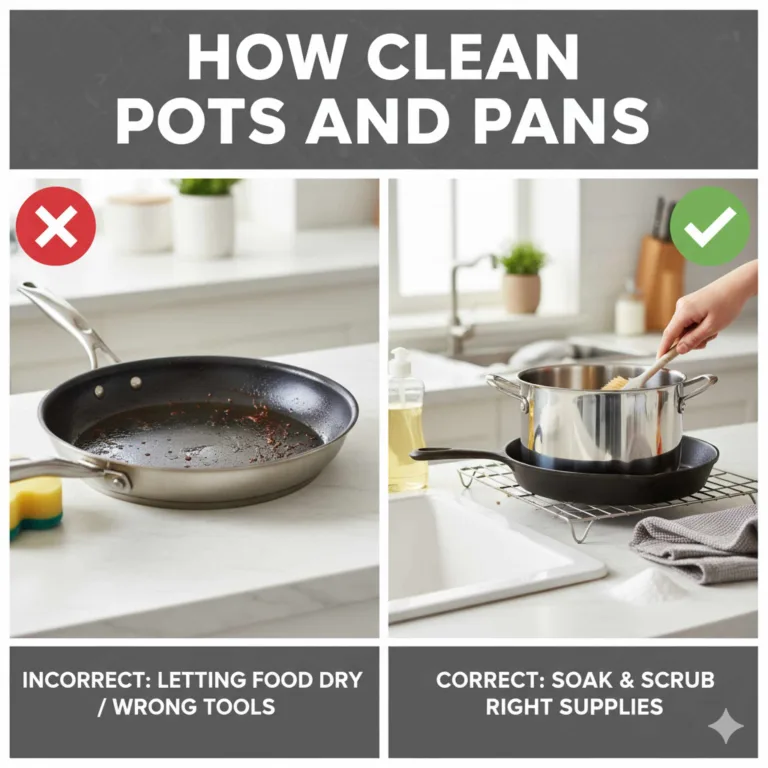
Yes, in ordinary use it should. Nonstick usually helps roasted chicken skin, vegetables, and rendered fat release with less scrubbing than unfinished stainless steel. The catch is that “easy cleanup” is conditional: burnt sugar, dried marinades, and cooked-on drippings can still need soak time and a soft sponge.
That matters because many buyers assume nonstick means zero effort. It does not. It means less effort when food releases normally and less risk of harsh scraping, which is what helps preserve the coating over time.
High-sugar glazes are the most obvious stress point. Think maple, honey, or barbecue sauce. Those sticky drips can bake onto the pan edge and rack contact points, so you still need prompt washing. Letting residue sit is a fast way to make a nonstick pan age badly.
Dishwasher cycles are another tradeoff. Even if a roaster is labeled dishwasher safe, that does not mean the finish will stay new-looking. Repeated machine washing, especially with aggressive detergents and hot cycles, can shorten the useful life of nonstick coatings.
How big is the Cuisinart Nonstick Roaster?

- PFAS-free nonstick interior for easy food release
- Stainless steel handle stays cool during cooking
- Oven-safe up to 500°F for versatile use
The Cuisinart Nonstick Roaster is listed at 17" x 13". That is large enough for a standard roast pan, but it still asks you to think about oven depth, shelf space, and how much room remains for air circulation around the pan. Bigger pans are not always better if the oven is already crowded.
For chicken and vegetables, this size is practical. For turkey, the answer depends on the bird and the oven. A smaller holiday turkey may fit with the rack, but large birds can press close to the sides or leave little clearance for heat flow. That can affect browning and handling.
Storage is part of the decision too. A 17" x 13" pan takes more cabinet space than a smaller everyday roaster, and the rack adds another piece to store. If you only roast a few times a year, that bulk may not be worth the convenience.
Suppose your oven is 24 inches deep but already holds a baking stone or second rack. A pan this size may still fit, but maneuvering it in and out becomes harder, especially with drippings inside. That is where a smaller roaster can be less annoying even if it holds less food.
How does it compare with Cuisinart stainless roasters?
Cuisinart’s stainless roasters make the stronger case for durability, browning, and long-term value. The tradeoff is that stainless is less forgiving during cleanup and can demand more elbow grease after roasting. If you roast often, that extra toughness may be worth the higher upfront effort.
13.5-inch stainless alternative
Cuisinart lists the Forever Stainless Multi-Use Roasting Pan at 13.5 inches, with a sale price of $31.47 and a pre-sale price of $44.95. This is the better pick if you want a smaller footprint, lower price, and a heavier-duty surface than nonstick, but you give up the low-effort food release.
16-inch stainless alternative
Cuisinart also lists a Chef’s Classic Stainless Steel 16" Rectangular Roaster With Rack, priced at $45.47 on sale from $64.95. It is the more obvious choice for buyers who want a larger stainless pan with rack support, stronger warping resistance, and a brushed finish that tolerates harder use better than nonstick.
Nonstick convenience versus stainless wear
Nonstick is about daily ease. Stainless is about taking more heat and handling more abuse. If your roasting is occasional and cleanup matters most, nonstick has the cleaner ownership story. If you cook at higher heat, use the pan often, or want a better shot at long service life, stainless is the safer buy.
Buyer-fit checklist: should you buy this pan?
| Buyer factor | If this is you | Best call |
|---|---|---|
| Oven size fit | You have room for a 17" x 13" pan and enough clearance around it | Good buy |
| Roast size fit | You roast chicken, vegetables, or smaller holiday birds | Good buy |
| Cleanup tolerance | You want faster washing and will avoid harsh scouring | Good buy |
| Durability priority | You want the pan to handle heavy use, high heat, and repeated dishwasher cycles | Skip nonstick, choose stainless |
| Holiday bird size | You cook larger turkeys often | Consider the 16-inch stainless alternative first |
- Check your oven interior before you buy.
- Match the pan to the food you cook most often.
- Decide whether cleanup speed matters more than long-term wear.
- Choose stainless if you want a harder-use pan.
- Choose nonstick if convenience is the main goal.
Should you buy it?
Buy the Cuisinart Nonstick Roaster if you want a practical roasting pan for chicken, vegetables, and smaller holiday meals, and you value easy release more than maximum durability. Skip it if you want a pan that can take frequent high-heat use, rough handling, or repeated dishwasher cycles without concern.
For shoppers comparing Cuisinart’s lineup, the key decision is simple. Nonstick is the convenience pick. Stainless is the harder-working pick. If you roast often and want a pan that feels like a long-term tool, the stainless alternatives are easier to justify. If you want less cleanup and light-duty flexibility, the nonstick roaster earns its spot.
Frequently asked questions
Is the Cuisinart Nonstick Roaster worth it?

- Domed lid for even browning and moisture retention
- Granite-style enamel adds aesthetic appeal to meals
- Dishwasher-safe for convenient cleanup
It is worth it for buyers who roast occasionally, want easier cleanup, and do not need the most durable pan. If your cooking leans toward frequent high-heat roasting or heavy holiday use, stainless usually offers better long-term value.
How big is the Cuisinart Nonstick Roaster?
Cuisinart lists it at 17" x 13". That size is useful for chicken and vegetables and may fit smaller turkeys, but it can take up meaningful oven and storage space, so measure before buying.
Does the Cuisinart Nonstick Roaster come with a rack?
Yes. Cuisinart sells the nonstick roaster with a V-Rack. The rack lifts food for better airflow and helps drippings fall away from the surface, which can improve texture and make the pan easier to clean afterward.
Is the nonstick coating easy to clean?
Usually, yes, compared with bare stainless. Food release is better, and soft cleanup is faster after normal roasting. But burned sugar, sticky glazes, and abrasive cleaning can still leave residue or wear the coating sooner than many buyers expect.
Can the Cuisinart roaster handle a turkey?
It can handle smaller turkeys, but the 17" x 13" footprint is not a free pass for every bird size. Larger holiday turkeys may be a tighter fit, so buyers who roast big birds often should check the stainless 16-inch option too.
How does Cuisinart compare with stainless roasters?
Stainless roasters usually win on durability, warping resistance, and better browning. Nonstick wins on cleanup ease and convenience. If you want a pan that lasts through hard use, stainless is the stronger buy; if you want easier washing, nonstick makes more sense.
Is the Cuisinart roaster dishwasher safe?
Dishwasher-safe claims do not mean nonstick is dishwasher-proof. Hot cycles and detergent can wear coatings over time, so hand washing is the safer choice if you want the finish to last longer. That is especially true after sugary glazes or heavy drippings.
Products related to this article
Sponsored / affiliate links. As an Amazon Associate I earn from qualifying purchases. I may earn additional commission from eligible campaigns.