Emile Henry Dutch Oven: Is It Worth It?
The Emile Henry Dutch oven is worth it if you cook mostly in the oven and want ceramic bake-and-serve performance. Skip it for heavy stovetop searing or rough handling. Choose the wrong tool, and you pay more for a pot that can chip, heats more slowly, and trails cast iron on the burner. This guide compares Emile Henry with cast iron and enameled cast iron by cooking job, heat behavior, durability, and value.
This guide is part of our Cooking with skillets, griddles, and roasting pans series.
What to expect from ceramic cookware

- Offers unmatched versatility, outperforming traditional cast iron
- Up to 50% lighter than traditional cast iron
- Engineered to withstand temperatures from -4°F to 500°F
Emile Henry fits best in an oven-first kitchen. It is a French cookware brand with a made-in-France heritage, and it describes itself as a family business with nearly 200 years of history. The catalog includes pots, bakeware, and specialized cookware, with 57 items listed and prices from 249 Kč to 6099 Kč.
That spread matters because the brand is not selling one narrow product idea. It is selling ceramic cookware built for slow, even heat and table service, which suits braises, stews, bread, and oven meals. It makes less sense if your Dutch oven must live on a burner and take abuse.
What you are buying
You are buying a ceramic vessel, not cast iron. Emile Henry says that clay spreads heat slowly and evenly to the center of the vessel. That trait supports gentle oven cooking, especially when you want steady heat more than aggressive searing.
The practical question is not whether ceramic can cook well. It can. The question is whether ceramic fits your routine better than heavier, tougher materials that tolerate direct stovetop work and rougher handling.
What is Emile Henry Dutch oven made of?
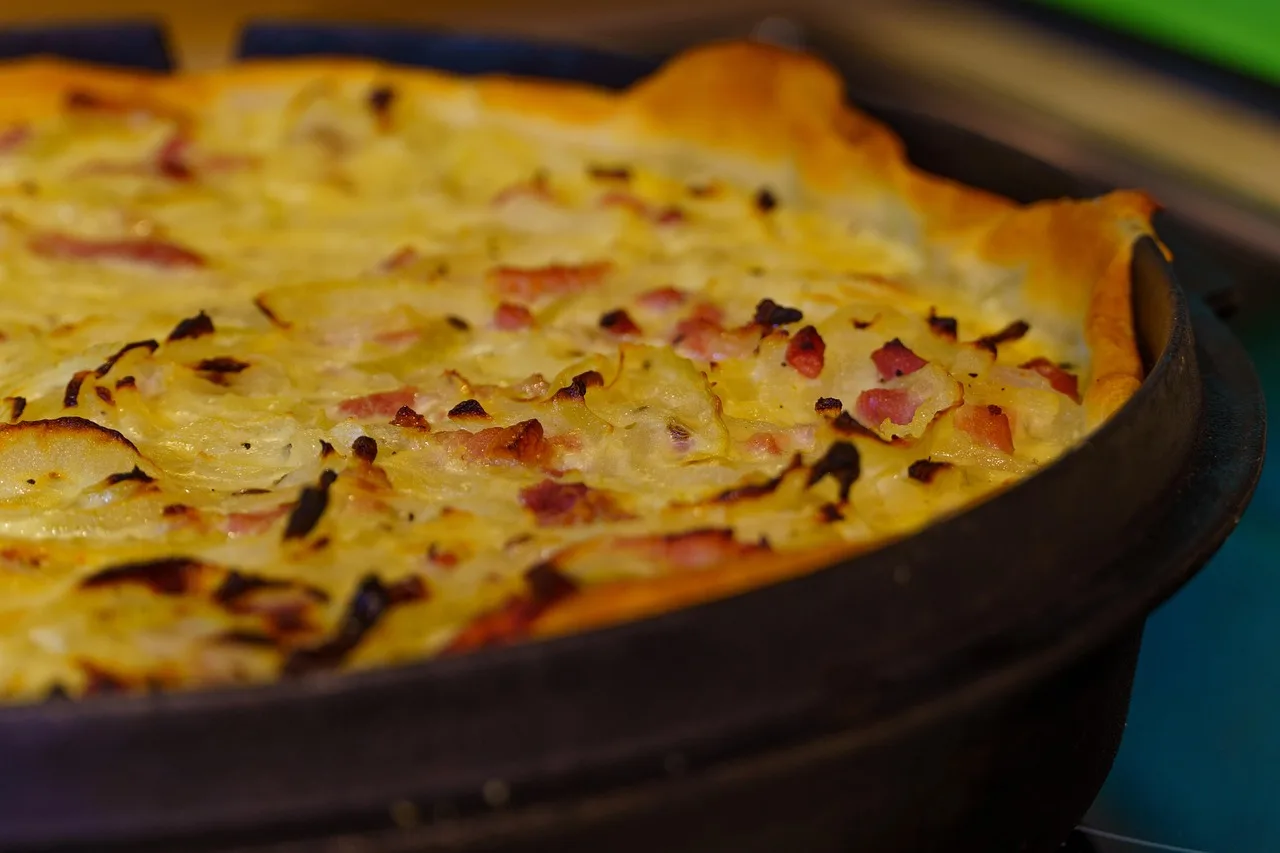
Emile Henry Dutch ovens are made from ceramic, using Burgundy clay from France as the brand’s material identity. That clay is associated with slow, even heat spreading, which is a better fit for oven cooking than quick burner work. It also explains the pot’s role as cookware and serveware rather than a hard-use kitchen workhorse.
That material choice brings clear tradeoffs. Ceramic is often described as resistant to staining and well suited for serving, but it can chip if knocked against a sink, counter, or another pan. It can also crack from thermal shock if it is moved between extreme temperatures too quickly.
Burgundy clay and handling
Burgundy clay gives Emile Henry its identity, but it also shapes use. The material’s slower heat movement can help with braising and baking, where you want the whole pot to come up to temperature steadily. It is less ideal when you want rapid preheat and aggressive browning on a burner.
That difference matters in real kitchens. Say your recipe starts with onions, meat, and a hard sear before liquid goes in. A cast iron or enameled cast iron Dutch oven is usually the better tool. If the recipe starts in the oven and finishes there, Emile Henry fits better.
How does it cook compared with cast iron?
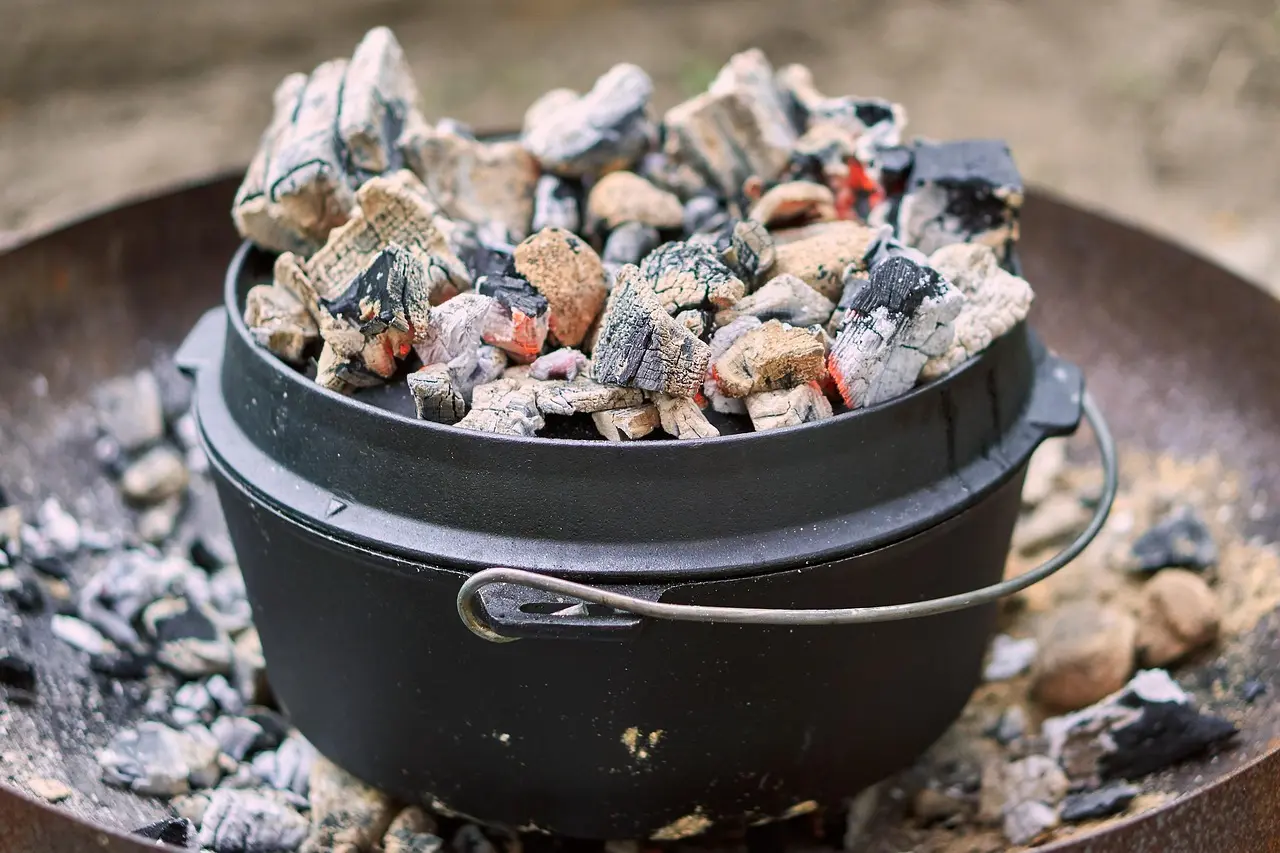
Compared with cast iron, Emile Henry trades stovetop power for oven steadiness and easier serving. Cast iron is commonly preferred for high-heat searing, rapid browning, and rough use on the burner. Emile Henry is better when the pot spends most of its life in the oven, where slow and even heat matter more than brute force.
That makes the comparison easy to misread. Both can braise. Both can bake. Only one is built for burner-heavy habits, aggressive preheating, and more casual handling. For many home cooks, that difference decides the purchase.
Heat retention and distribution
Emile Henry’s Burgundy clay is described as spreading heat slowly and evenly to the center of the vessel. That helps with braises, stews, and bread baking, where a stable heat pattern is useful. It does not turn the pot into a fast searing tool, and you should not judge it as one.
Cast iron still leads when you need strong heat retention for browning meat, building fond, and managing hotter stovetop steps. Enameled cast iron often sits between the two, generally better for burner use than ceramic, easier to clean than bare cast iron, and often tougher than many ceramic cookware pieces in mixed-use kitchens.
Oven use versus stovetop use
Emile Henry is an oven-first pot. It is a good match for braising, stewing, oven roasting, and one-pot meals that begin and end in the oven. It also fits bread baking because the covered environment traps steam and supports a good loaf shape.
On a stovetop, the case weakens. Ceramic can work for gentle heating, but it is not the first pick for sustained searing or rough burner treatment. If your recipe list includes frequent chili starts, steak sears, or frequent hot-to-cold transitions, cast iron or enameled cast iron is safer value.
Braising, baking, and one-pot meals
For braising, Emile Henry gives you stable oven heat and a serving-friendly pot. For baking, it gives you even heat and a covered environment that suits bread. For one-pot meals, it works well when the whole dish can stay in the oven instead of moving back and forth between burner and rack.
A common first-timer mistake is buying a ceramic Dutch oven for the look and then expecting cast iron performance on the stove. That usually leads to disappointment, not because the pot is poor, but because the cooking job is mismatched.
Decision table
This table maps the buying decision to the most common use cases. “Yes” means the pot is a strong fit. “No” means another material is usually a better buy for the job.
| Buyer type | Recommend? | Best use case | Likely drawbacks | Value score |
|---|---|---|---|---|
| Bread bakers | Yes | Covered loaf baking with steady oven heat | Less forgiving if dropped or shocked by temperature change | 8/10 |
| Braising cooks | Yes | Oven braises, stews, and one-pot meals | Not ideal for hard stovetop searing before braising | 8/10 |
| Weeknight soup makers | Maybe | Gentle simmering and oven finishing | Cast iron is usually tougher for frequent burner use | 6/10 |
| Stovetop searers | No | Not the right primary tool | Slower response, more chip risk, weaker hard-use fit | 3/10 |
| Table-serving cooks | Yes | Serve straight from oven to table | Needs careful handling to avoid chips | 7/10 |
Is Emile Henry Dutch oven worth it?
It may be worth it for oven-first cooks who value ceramic performance, easy serving, and a pot that suits bread, braises, and baked one-pot meals. It is not worth the premium if you mainly sear on the stove, cook over high heat, or want a pot that can take bumps without much worry.
Price-to-value depends on use frequency and damage risk. A ceramic Dutch oven can be a smart purchase if it replaces multiple oven-friendly dishes and moves from oven to table often. It is a poor value if you need one pot to do everything cast iron does, especially burner-heavy cooking.
Who should buy it?
- Bread bakers who want covered oven heat and easy serving.
- Home cooks who braise or stew mostly in the oven.
- Design-first shoppers who still want the pot to cook well, not just look good.
- People who treat cookware carefully and want lower-odor, easy-clean ceramic behavior.
Who should skip it?
- Anyone who sears meat often on the stovetop.
- Busy kitchens where pans are stacked, banged, or scrubbed hard.
- Cooks who move frequently between burner, oven, and sink with little pause.
- Buyers who want the lowest replacement risk over the longest possible service life.
Emile Henry ownership costs over 3 years
Three-year ownership cost is not only the purchase price. It also includes replacement risk and care effort. Ceramic can be durable enough for regular use, but chips, cracks, and thermal shock create a higher risk profile than enameled cast iron, and much more than bare cast iron in rough kitchens.
| Material | Purchase price | Replacement risk | Care effort | 3-year ownership view |
|---|---|---|---|---|
| Ceramic Dutch oven | Higher upfront in many cases | Moderate to higher if chipped or shocked | Moderate; careful handling matters | Good value only if used for oven-first cooking |
| Cast iron Dutch oven | Often lower or similar | Low if maintained, but rust is possible | Higher seasoning and drying attention | Best value for hard use and burner-heavy cooking |
| Enameled cast iron | Usually highest | Lower than ceramic, but enamel can chip | Moderate; simpler than bare cast iron | Strong all-around value for mixed cooking jobs |
That table points to the real value question. Ceramic can make sense if you are buying a cooking tool, not a survival tool. If your kitchen style is gentle, measured, and oven-led, the cost can be justified. If not, the replacement risk eats into the value fast.
Choose Emile Henry if… / Choose cast iron if…
Use the match-up below to decide quickly. The right answer depends less on taste and more on how you cook.
Choose emile henry if…
- You cook mostly in the oven.
- You want bread baking, braising, or oven-roasted one-pot meals.
- You plan to serve directly from the pot.
- You handle cookware carefully and want ceramic’s cleaner day-to-day care.
Choose cast iron if…
- You sear often on the stovetop.
- You want the toughest choice for rough kitchen treatment.
- You need the best heat retention for browning and burner work.
- You want the lowest worry about chips from regular hard use.
Where enameled cast iron and ceramic casserole dishes fit
Enameled cast iron is the safer middle ground if you want broad Dutch oven use without bare-cast-iron upkeep. It handles searing better than ceramic and tolerates mixed cooking styles well. Ceramic casserole dishes are lighter-duty tools; they can bake well, but they do not replace a true Dutch oven for braising depth and lid-led oven cooking.
Can Emile Henry go in the oven, microwave, and dishwasher?
Yes, Emile Henry cookware is described as oven-safe, and some pieces are listed as dishwasher-safe and microwave-safe. That gives you flexibility for reheating, baking, and cleanup. Safe still does not mean careless, though, lid fit, sudden temperature shifts, and chip risk still matter.
In practical terms, that means you can move the pot into the oven for a braise, use the microwave on listed pieces when needed, and place certain items in the dishwasher. But ceramic still deserves gentle handling. A hard knock or abrupt thermal change can shorten the useful life of the pot.
Lid fit and compatibility
Lid fit matters more with ceramic than many buyers expect. A lid that sits well supports steam retention for bread and braises. If the fit feels loose or uneven, the pot may still cook fine, but it loses some of the control you want for covered oven work.
Capacity and size options also matter here. The catalog shows a large assortment, but a larger pot is not automatically a better one. Bread bakers often want a shape that supports loaf rise, while braising cooks need enough room for meat and liquid without crowding.
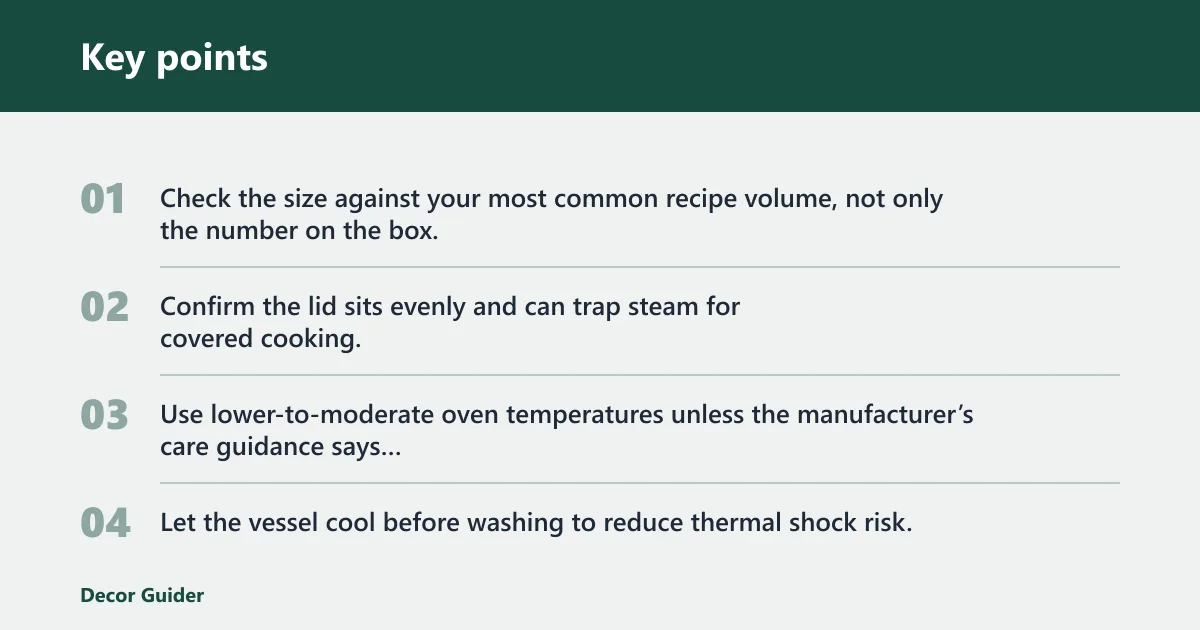
- Check the size against your most common recipe volume, not only the number on the box.
- Confirm the lid sits evenly and can trap steam for covered cooking.
- Use lower-to-moderate oven temperatures unless the manufacturer’s care guidance says otherwise.
- Let the vessel cool before washing to reduce thermal shock risk.
Suppose you are making a 3-pound chicken with potatoes in a ceramic Dutch oven. If the pot goes from a hot oven straight into cold water, the shock is the problem, not the recipe. If you let it cool first, the same pot is in a much safer operating window.
Frequently asked questions
Can Emile Henry Dutch oven go in the oven?
Yes. Emile Henry cookware is listed as oven-safe. That is the main reason to buy it. It fits bread baking, braising, roasting, and other oven-led recipes well, as long as you avoid careless thermal shock and handle the pot gently.
Is Emile Henry Dutch oven dishwasher safe?
Some Emile Henry pieces are listed as dishwasher-safe, which makes cleanup easier than many buyers expect. That said, dishwasher-safe does not remove chip risk, and ceramic still benefits from careful loading and handling. A cooler pot is also safer than a hot one meeting cold water.
How does Emile Henry compare to a cast iron Dutch oven?
Cast iron wins for stovetop searing, rugged use, and hard-working heat retention. Emile Henry wins for oven-first braising, bread baking, and serving at the table. If your Dutch oven lives on the burner, choose cast iron. If it lives in the oven, Emile Henry becomes far more appealing.
Does Emile Henry chip or crack easily?
It can chip or crack if mishandled, especially compared with cast iron. Ceramic is durable enough for normal use, but it is less forgiving of drops, knocks, and thermal shock. If your kitchen is busy and hard on cookware, that risk should weigh heavily in the decision.
Is Emile Henry cookware made in France?
Yes. Emile Henry is a French cookware brand with a made-in-France heritage. The brand also describes itself as a family business with nearly 200 years of history, and its cookware is tied to Burgundy clay from France. That origin helps explain its material identity and product style.
Products related to this article
Sponsored / affiliate links. As an Amazon Associate I earn from qualifying purchases. I may earn additional commission from eligible campaigns.