Baking Dish Cost: What You Should Pay for Each Size
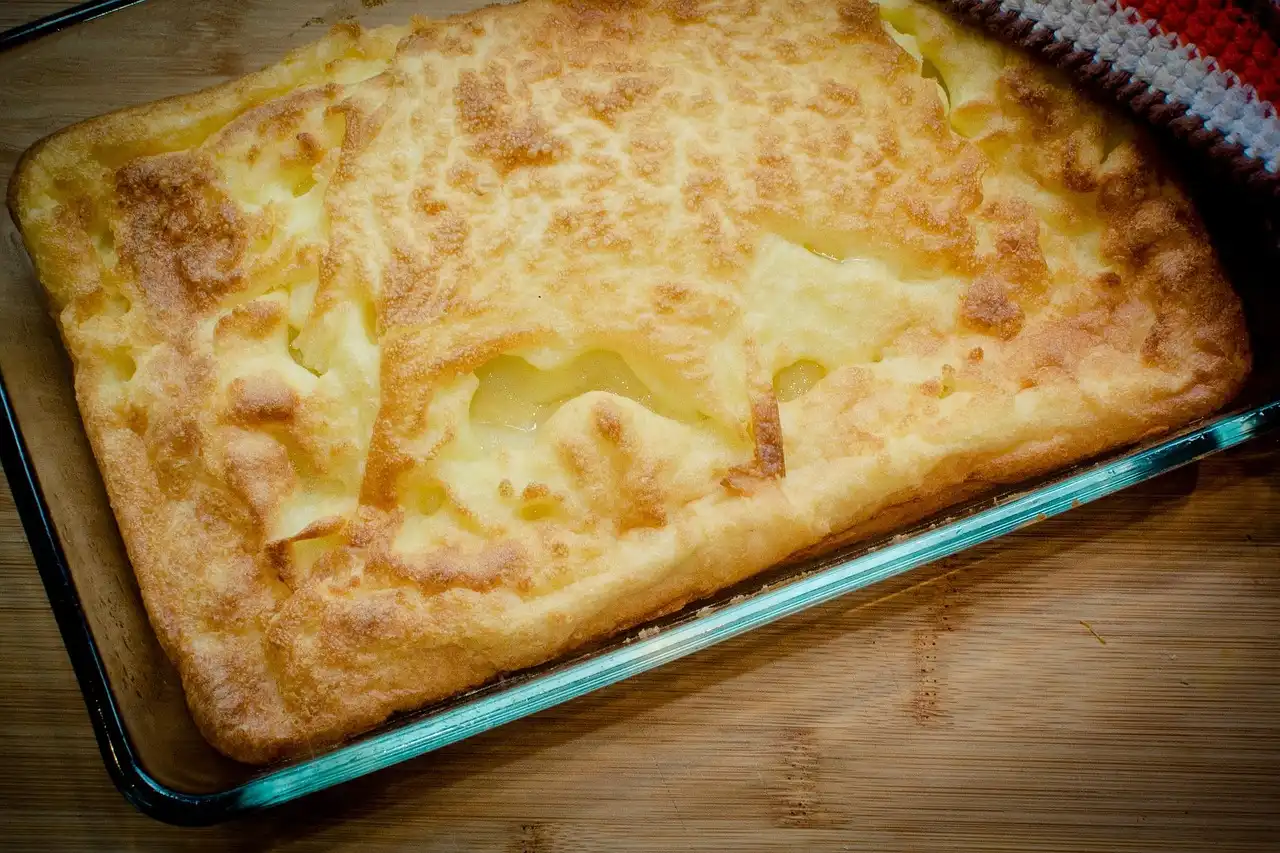
A basic 8×8-inch glass baking dish usually costs about $10 to $20, a 9×13-inch dish about $15 to $35, and heavy stoneware or cast iron often starts around $25 and can exceed $60; choose the size used most often, and pick glass for lower cost or metal for quicker heating. Buying the wrong size wastes space, changes baking time, and can turn a cheap dish into a bad value. This guide breaks down what you should pay by size and material, plus which options fit common bakes best.
Matching pan cost to how you actually bake
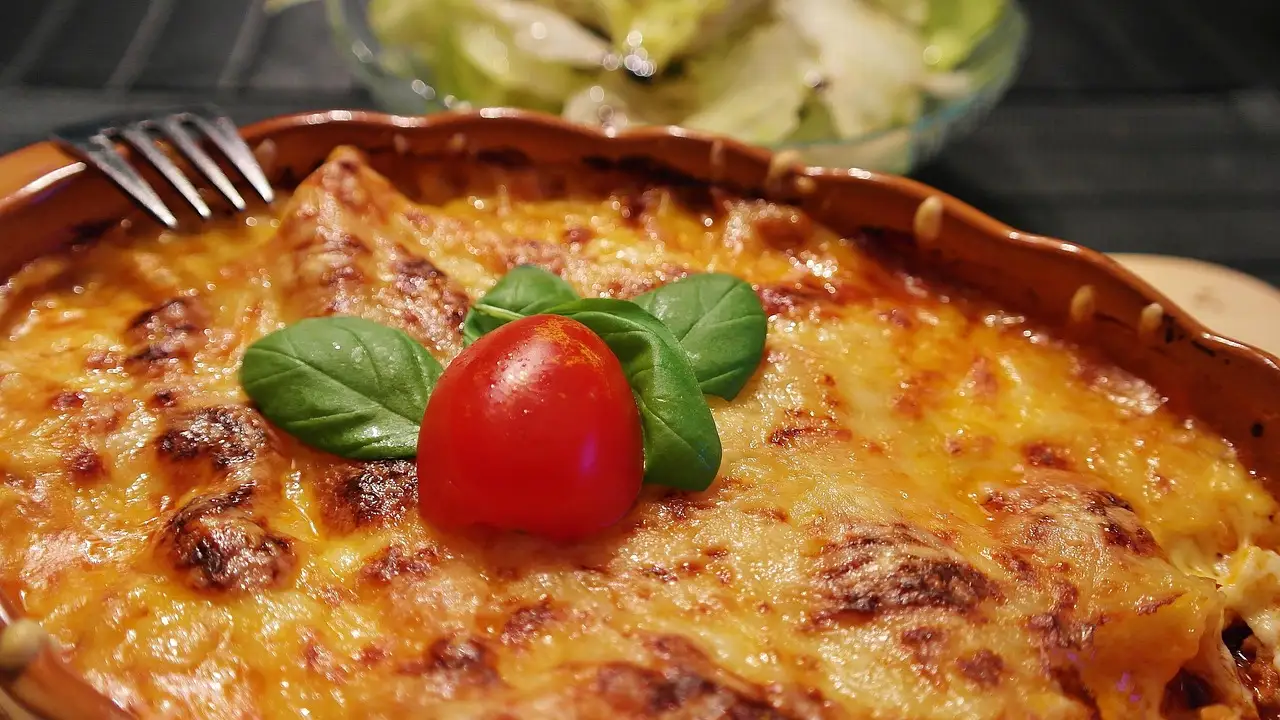
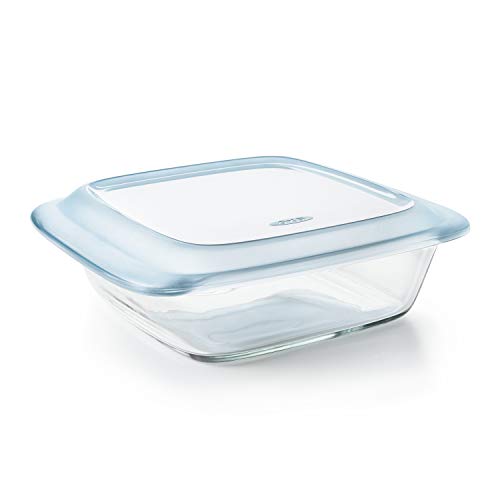

For most shoppers, fair value means matching the pan to the recipes you already make. A plain glass or metal dish can be the smart buy for weeknight casseroles, while stoneware earns its keep when you want better serving presentation, higher heat tolerance, or a heavier dish that resists quick temperature swings.
Pay more when the extra cost buys features you will use: thicker walls, sturdier handles, a deeper shape for layered bakes, or a higher oven-safe rating. Pay less when the dish stays in the oven for one job and does not need to move from oven to table.
What fair value looks like
At the low end, you should expect a functional dish with no frills, basic handles, and a common size that fits standard recipes. In the middle, a better dish usually adds better thickness, a cleaner finish, and a size that is easier to grip and serve from.
At the high end, price should reflect a real durability upgrade, not only a brand name. A more expensive dish is worth it if it keeps its shape, resists chipping, and handles hotter ovens or heavier use without feeling flimsy.
Price-to-value matrix for baking dishes
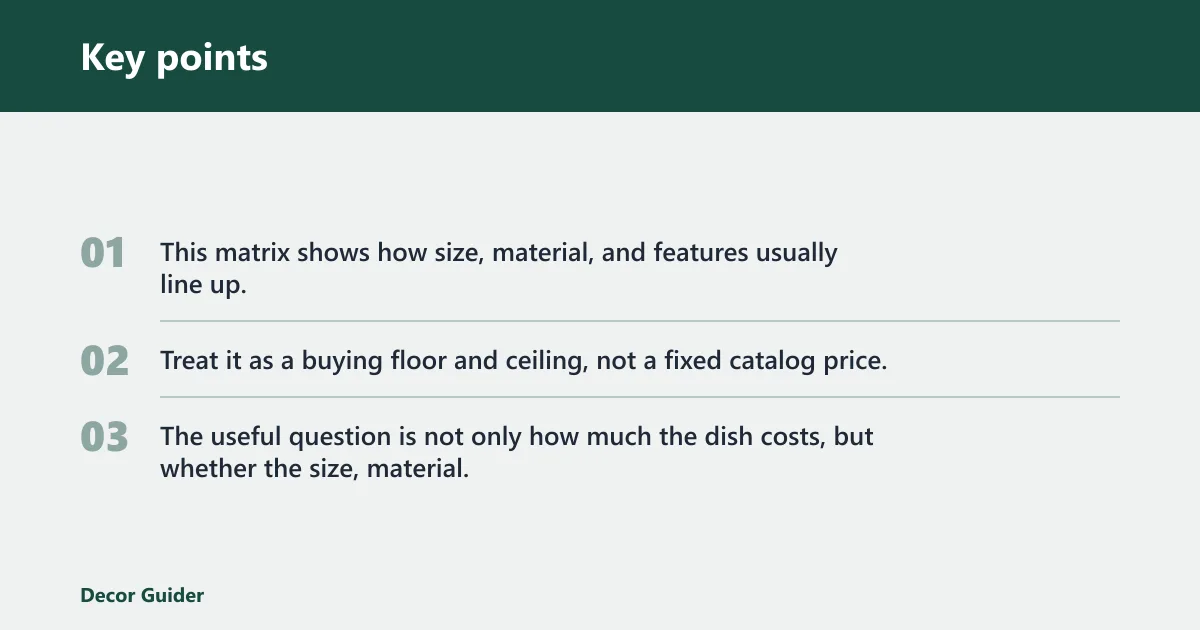
This matrix shows how size, material, and features usually line up. Treat it as a buying floor and ceiling, not a fixed catalog price. The useful question is not only how much the dish costs, but whether the size, material, and build match how often you cook.
| Size | Material tier | Typical price band | Features that should be included | Pay more only if |
|---|---|---|---|---|
| 8×8 | Glass | $10 to $18 | Clear view of browning, basic side handles, oven-safe for normal casseroles, dishwasher-safe | You want a lighter, thicker body or a stronger lid fit for leftovers |
| 8×8 | Stoneware or ceramic | $18 to $35 | Heavier build, better serving look, dishwasher-safe, often microwave-safe, usable for gratin and small bakes | You need higher heat tolerance or want a dish that also serves at the table |
| 12×8 | Glass | $12 to $22 | Fits many mid-size casserole recipes, common handle shape, easy cleanup, good for layered bakes | You need deeper walls for saucy dishes or a more durable rim |
| 12×8 | Metal | $15 to $30 | Fast heating, lighter weight, practical for roasting and quick browning, usually less decorative | You want a dish for serving at the table or for recipes that need even heat retention |
| 13×9 | Glass | $15 to $30 | Standard casserole size, common recipe fit, visible browning, easy replacement if broken | You need a deeper pan or a more damage-resistant material for frequent use |
| 13×9 | Stoneware | $20 to $45 | Heavier walls, better serving use, often dishwasher-safe and microwave-safe, good for lasagna and gratin | You want maximum heat tolerance, stain resistance, or a dish that can move from oven to table |
| 13×9 | High-end stoneware or cast iron | $40 to $70+ | Thick walls, sturdy handles, strong heat retention, premium finish, long service life if cared for well | You bake often, roast often, or need a dish that can handle repeated heavy use |
Which baking dish size do you need?
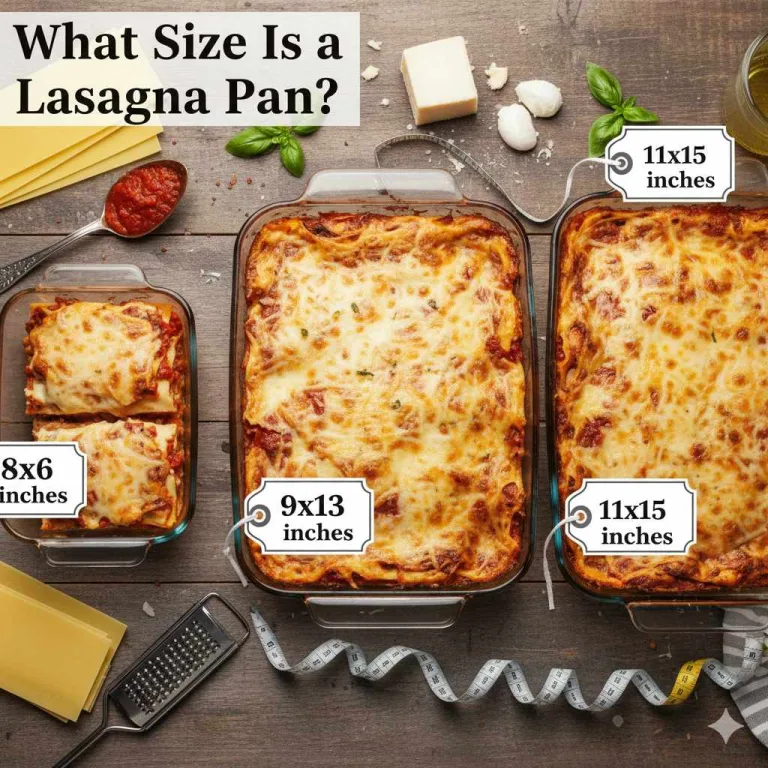
The right size is the one that fits your recipes without crowding the batter or leaving too much empty space. An 8×8 works well for smaller casseroles and side dishes, a 12×8 fits mid-size bakes, and a 13×9 is the standard pick for lasagna and family casseroles.
8×8 for smaller bakes
An 8×8-inch baking dish is a practical choice for brownies, small gratins, and side dishes. It usually costs less than larger formats, so it is a good buy if you rarely cook for more than two to four people.
12×8 for mid-size recipes
A 12×8 dish sits between compact and full family size. It can be a smarter purchase than a 13×9 if your recipes are slightly smaller, because the batter or sauce spreads to the right depth instead of sitting too thin in a larger pan.
13×9 for lasagna and casseroles
A 13×9 is the common nominal recipe size for casseroles, baked pasta, and many fruit desserts. It is the safest default if you cook from standard recipes often, especially when the dish needs enough surface area for layered food and even browning.
One detail matters here: nominal 9×13 dimensions may include handles, and actual interior dimensions can differ. That means two dishes sold as the same size can fit food differently. If you want the most reliable fit, check the listed interior measurements and depth, not just the name on the box.
What changes the price?
Price moves for a few concrete reasons: material, wall thickness, handle design, depth, finish quality, and brand. A thicker dish costs more because it uses more material and usually stands up better to repeated use. A better handle shape can also justify a higher price if it is easier to grip when the dish is full.
Material and thickness
Glass is usually the least expensive, metal often sits in the middle, and stoneware or ceramic tends to cost more when the walls are thicker or the finish is better. Thicker walls usually mean better durability, but they also add weight.
Handle design and depth
Deep dishes are useful for lasagna, baked ziti, and saucy casseroles because they hold more without spilling. Handles add real value when they are wide enough to grip with mitts, but decorative handles that do not help lifting should not push the price up by much.
Brand, finish, and oven-safe rating
Some dishes cost more because the glaze looks cleaner, the rim chips less easily, or the oven-safe limit is higher. A higher limit matters if you roast at hotter settings. If you only bake casseroles, a midrange rating is often enough.
Baking dish value examples
IKEA lists the POETISK baking dish at $17.99 for the 13×9-inch size. It is stoneware, has a listed volume of 4 qt, measures 13 inches long, 9 inches wide, and 3 inches high, and is oven-safe up to 536 °F. It is also microwave-safe and dishwasher-safe.
How to read the numbers
That 4 qt figure helps more than the name alone, because capacity affects whether a recipe will bubble over. The 3-inch height also matters for layered pasta, roasted vegetables, and saucy fillings. A 13×9 label gives you the usual recipe match, but the actual interior space is what tells you how much food it holds.
The packaging weight is 4 lb 5 oz, which signals a substantial stoneware build. That can be a plus if you want heat retention and serving stability, but it also means more weight when the dish is full.
When this price makes sense
This price is sensible if you want stoneware features without moving into high-end pricing. It is a good fit for a buyer who wants a sturdy 13×9 dish for casseroles, who values microwave and dishwasher safety, and who wants a serving dish that can handle hot oven use.
Suppose you bake lasagna twice a month and want one dish that can go from oven to table. A stoneware 13×9 at this price is easier to justify than a cheaper glass pan if the look, weight, and heat tolerance matter to you.
Stoneware vs glass vs metal
Stoneware baking dishes are often worth the price when you want durability, heat tolerance, and a nicer serving look. Glass usually wins on price and visibility, while metal wins on speed and light weight. The better choice depends on whether you care more about baking performance, serving, or replacement cost.
Durability and heat tolerance
Stoneware usually handles daily use well if it is made properly and not exposed to sudden temperature shock. Glass can be affordable and practical, but it is more often chosen for cost than for a premium feel. Metal heats quickly and is useful for roasting, but it does not always feel as substantial for serving.
For stoneware, buyers often look for durability, heat tolerance, dishwasher safety, microwave safety, and some resistance to odor and stain buildup. Those traits matter most if you cook tomato sauces, cheese-heavy casseroles, or roasted dishes that can leave residue.
Dishwasher and microwave safety
Dishwasher-safe and microwave-safe labels add convenience, especially in a shared kitchen. That does not mean a dish is indestructible, but it does make cleanup and reheating easier. If you reheat leftovers often, that convenience can justify a small price premium.
Odor, stain, and serving performance
Stoneware usually serves better at the table because it looks more finished than plain glass or basic metal. It can also resist odor and stain buildup better than some cheaper surfaces, though glaze quality matters. Cheaper dishes win when the pan is mostly for storage, transport, or occasional use.
Pros and cons
A higher-priced baking dish is worth it when you need durability or serve from the same pan often. A cheaper dish is better when you need the right size at the lowest possible cost, or when a replacement would be easy and painless.
Pros
- Better thickness can reduce chipping and warping.
- Stoneware often offers better serving presentation.
- Higher oven-safe limits help with hotter recipes.
- Dishwasher-safe and microwave-safe designs save time.
Cons
- Higher prices do not always mean better baking results.
- Heavier dishes are harder to carry when full.
- Fancy finishes can add cost without adding function.
- A premium dish is a poor buy if you rarely use that size.
A common first-timer mistake is buying a 13×9 dish for a recipe that really needs a deeper pan. The food still bakes, but the filling can spill over, cleanup gets harder, and the cheaper pan suddenly looks expensive in the wrong way.
Who it’s for
This guidance fits weeknight cooks who want the right size without overpaying, gift buyers who want a useful pan instead of a decorative one, and frequent roasters or casserole makers who need durability. It is less useful for someone who only bakes occasionally and can borrow or replace a dish cheaply.
It also helps buyers who care about replacement risk. Glass is often cheaper to replace. Stoneware costs more up front, but a sturdy, well-made dish can be a better value if you use it often enough to justify the extra cost.
Frequently asked questions
How much does a baking dish cost?
A basic glass baking dish often falls around $10 to $20 for 8×8 sizes and $15 to $35 for 9×13 sizes. Stoneware and higher-end options usually start higher because they add thickness, weight, and serving value. Size and material are the main price drivers.
How much is a baking dish at IKEA?
The same source lists the POETISK baking dish at $17.99 for the 13×9-inch size, and it also lists a 12×8-inch POETISK baking dish for $14.99. The POETISK is stoneware, oven-safe up to 536 °F, and marked microwave-safe and dishwasher-safe.
What size baking dish do I need for lasagna?
A 13×9 baking dish is the standard pick for lasagna because it matches common recipes and gives enough surface area for even layering. Check the depth as well, since some 13×9 dishes have handles included in the outside measurement and a different interior fit.
Are stoneware baking dishes worth the price?
Yes, if you want better heat tolerance, a sturdier feel, and a dish that can move from oven to table. They are also useful if you care about dishwasher safety, microwave safety, and resistance to odor or stain buildup. If you only need a basic pan, glass is often the cheaper buy.
How much should I spend on a good baking dish?
For a dependable everyday dish, many shoppers can stay in the about $15 to $35 range for a common size and material. Spend more only when thicker walls, better handles, higher heat tolerance, or a serving-grade finish will matter in regular use.
Why do some baking dishes cost more than others?
Higher prices usually come from thicker walls, better glaze or finish, deeper walls, sturdier handles, a stronger oven-safe rating, or a more durable material such as stoneware. Brand also matters, but build quality is the part that affects use value most.
Products related to this article
Sponsored / affiliate links. As an Amazon Associate I earn from qualifying purchases. I may earn additional commission from eligible campaigns.