How to Prevent Food From Sticking to a Roasting Pan
Use a heavy stainless-steel or enameled roasting pan, preheat it with the pan inside if the recipe allows, oil the food lightly, and leave browned drippings alone until they release; if you want zero sticking, line the pan or set the food on a rack. Ignore this, and skin tears, pan juices burn, and cleanup gets harder. This guide explains how to choose the right release method for poultry, meat, vegetables, and pan type, plus when to keep fond for deglazing.
What you’ll need

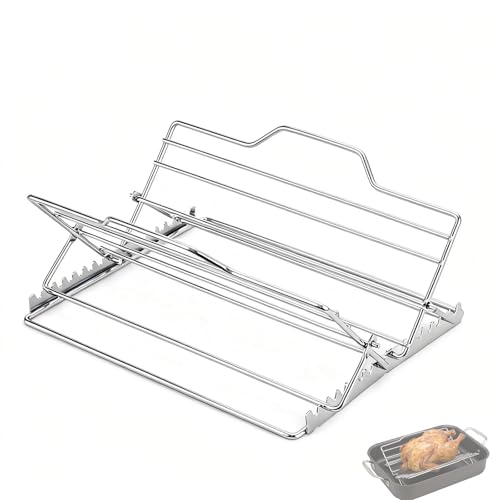

- A roasting pan with low sides and a handle
- A rack or insert, if you want less direct contact and better airflow underneath food
- Neutral high-smoke-point oil, such as canola, grapeseed, or avocado oil
- A brush or paper towel for a thin oil film
- Tongs or a thin spatula for lifting food after release
- Parchment or foil for cases where drip control matters more than browning
- Water, stock, wine, or broth for deglazing
- Baking soda or Bar Keepers Friend for stuck residue after roasting
Why does food stick to a roasting pan?
Food sticks when surface moisture, protein, sugar, or starch meets a pan before a crust has formed. Thin pans make the problem worse because they heat unevenly, and residue from earlier roasts gives new food more to bond to. Sometimes the browned layer is fond, which is useful for sauce and should not be scrubbed away right away.
Dry skin and dry surfaces release better than wet ones. Wet marinades, sugary glazes, dairy toppings, and breaded coatings fail differently from plain meat juices, so you need to separate those cases before choosing a fix.
What sticking looks like versus fond
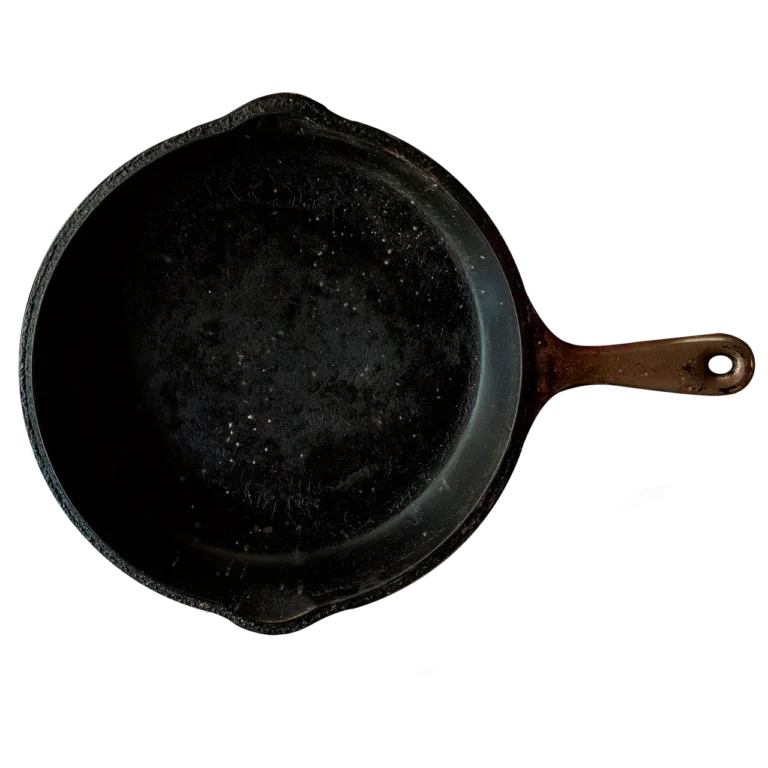
True sticking tears flesh or skin when you try to lift it. Fond is the brown layer left behind after roasting; it stays on the pan and can be dissolved with liquid. If the pan has dark, hard residue from old oil, that residue can act like glue and should be removed before the next roast.
How should you prep the pan surface?
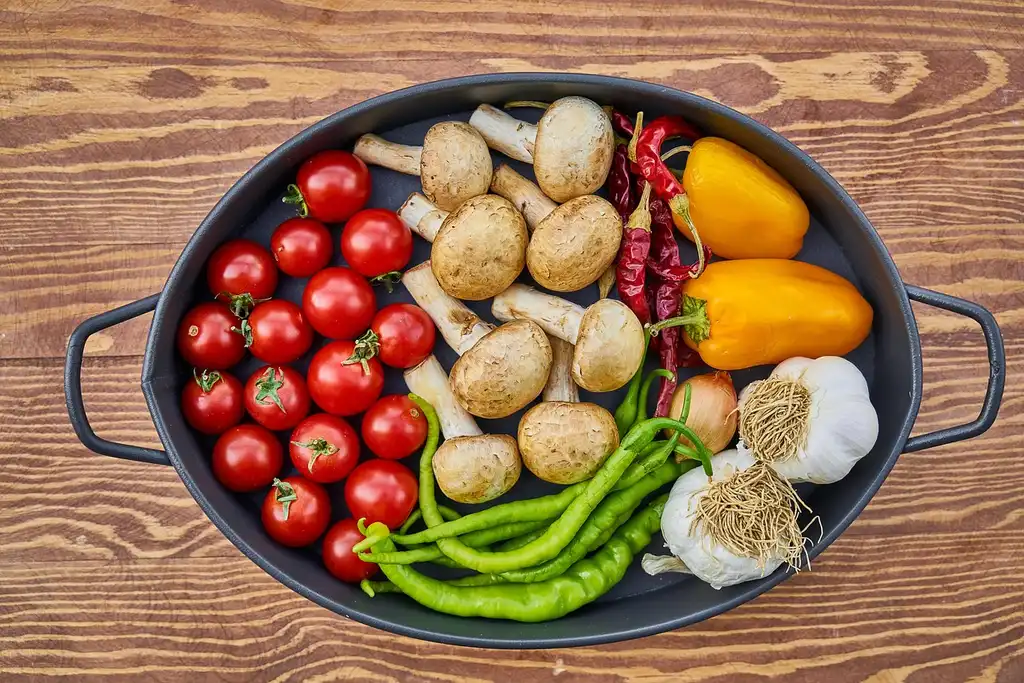
Use a thin, even oil film on the pan or the food, not pooled fat. Preheat the pan first, then add the oiled food. If you want drippings for gravy, keep the pan bare or use a light coat; if you want the cleanest release, choose parchment, foil, or a rack.
Roasting pan anti-stick matrix
| Food type | Pan material | Prep method | Oven temp | Release timing | Cleanup step |
|---|---|---|---|---|---|
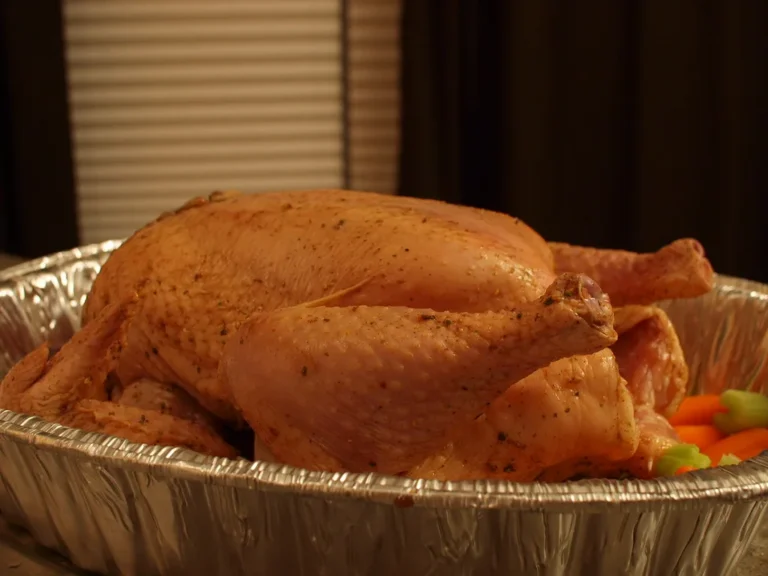
| Turkey | Stainless steel | Rack, thin oil on skin, clean pan | 325–375°F | Lift after skin tightens and browns | Deglaze with stock |
| Chicken thighs | Enameled metal | Light oil film, rack optional | 375–425°F | Wait for skin to release naturally | Soak and wash after cooling |
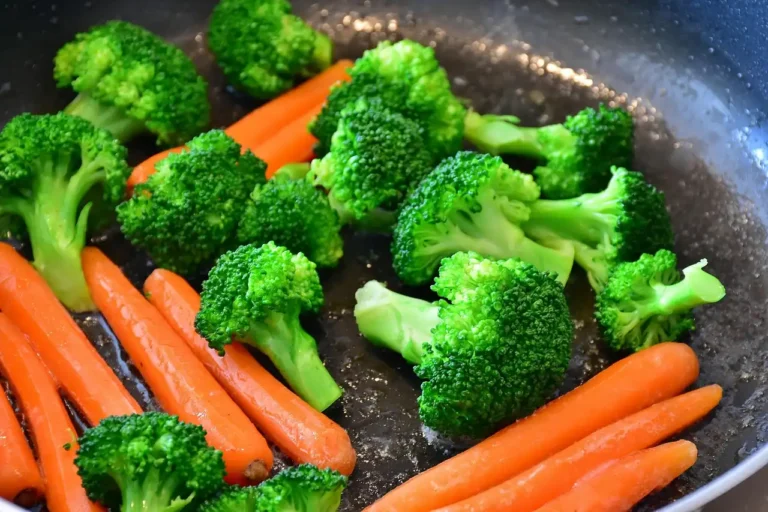
| Root vegetables | Stainless steel | Thin oil coating, single layer | 400–450°F | Turn only after edges brown | Boil water in the pan, then scrape |
| Salmon | Nonstick | Very light oil, parchment if needed | 325–400°F | Move after flesh flakes at edges | Wipe out after cooling |
| Meatloaf | Enameled metal | Foil sling or parchment-lined pan | 350–375°F | Let it rest before lifting | Soak baked-on glaze, then scrub |
| Glazed carrots | Stainless steel | Oil plus parchment if glaze is sweet | 375–400°F | Do not stir until glaze sets | Warm water and gentle scraping |
| Brussels sprouts | Stainless steel | Rack or bare pan, oil, dry surface | 400–425°F | Flip after underside browns | Deglaze or wash after cooling |
| Pork loin | Stainless steel | Rack, oil on exterior, clean pan | 350–400°F | Release after crust sets | Use broth to lift fond |
| Sheet-pan sausage | Nonstick | Light oil, no aerosol overload | 375–400°F | Turn after sear marks form | Wash with mild detergent |
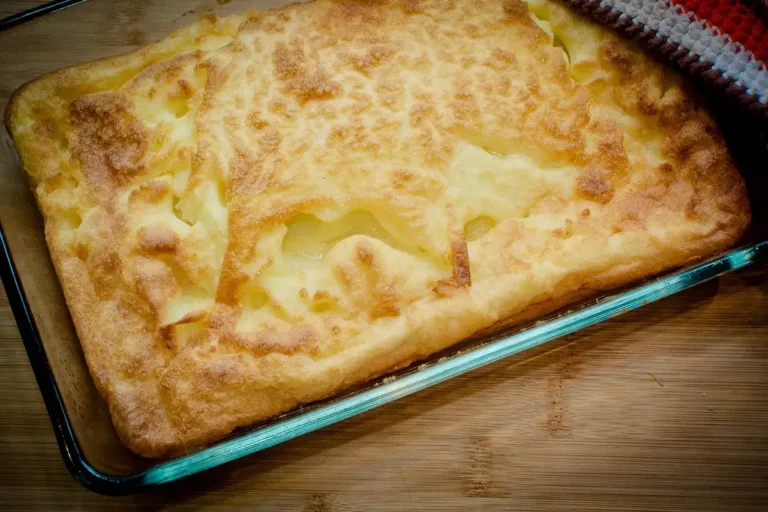
| Lasagna-style casserole | Enameled metal | Foil lining or greased dish insert | 350–375°F | Rest before slicing | Soak corners before scrubbing |
| Whole fish | Stainless steel | Rack, oil, very dry skin | 375–425°F | Lift when skin starts to separate | Deglaze with white wine or water |
| Potatoes | Enameled metal | Oil film, spaced apart | 425–450°F | Turn after the first crust forms | Scrub residue after soaking |
How do you stop different foods from sticking?
Match the prep to the food. Dry poultry skin, dry fish skin, and root vegetables all behave differently from sugary glazes or dairy toppings. Use a rack when you want airflow and less contact, and use parchment or foil when you want release more than browned drippings.
- Preheat the oven with the pan inside if the recipe allows it.
- Pat meat or fish dry so surface water does not turn into steam.
- Brush on a thin coat of neutral oil, then wipe away visible pooling.
- Set poultry and large cuts on a rack when you want cleaner release and less scorching under the food.
- Keep vegetables in a single layer so their cut sides can brown instead of steam.
- Hold back sweet glazes, dairy, or cheese until the food is partly cooked, then add them near the end.
- Let the food sit until the crust loosens before turning or lifting.
Specific foods that need extra care
Say your chicken thighs are skin-on and the pan is stainless steel. Dry the skin, oil it lightly, and wait for the skin to release before moving it. If you add a sugary glaze too early, the glaze can weld to the pan before the skin has a chance to brown.
Suppose your carrots are tossed with honey and butter in a deep pan. Lower the heat slightly, use parchment if you do not need pan drippings, and wait until the syrupy coating thickens before stirring. Sugar-heavy food sticks differently than dry-roasted meat.
When should you let food release on its own?
Let food release naturally after a crust forms. That timing matters more than force. Meat, fish, and vegetables usually loosen once the browned side has set; pulling early tears the surface and leaves more behind in the pan.
Use the pan’s behavior as your cue
A pan that still sizzles hard is often telling you the food has not released yet. When the sizzling quiets and the edges lift with a thin spatula, the browned side usually lets go cleanly. For vegetables, this is the point to turn them, not before.
How should you choose the right roasting pan material?
Stainless steel, nonstick, and enameled metal all behave differently. Stainless steel tolerates high heat well and is useful when you want fond for gravy, but it can stick if the pan is cold or dirty. Enameled metal is smooth and easy to clean, though it still needs oil or a rack. Nonstick is the easiest release surface, but nonstick coatings should generally not go into ovens above 400 degrees, and they should not be used over especially high heat.
Material differences that matter
- Stainless steel: good heat tolerance, can react badly if residue builds up, dishwasher-safe on many models, and often the best choice for fond.
- Nonstick: smoothest release, but temperature-limited and not ideal for very hot roasting.
- Enameled metal: smooth enough for easier release, less reactive with acidic foods, and often dishwasher-safe depending on the maker.
How do you get stuck-on drippings off a roasting pan?
Use liquid first, not force. Water, stock, wine, or broth will lift browned fond after roasting, and that liquid can become the base for sauce. If the residue is burned oil or hardened sugar, let the pan soak, then use baking soda or Bar Keepers Friend on the cooled surface.
If that didn’t work, try this next
- Pour in 1/2 cup water, stock, wine, or broth while the pan is still warm.
- Set the pan over low heat for 2 to 3 minutes, if the pan material allows stovetop use.
- Scrape with a wooden spoon or silicone spatula to lift the fond.
- For burned glaze, sprinkle baking soda, add enough warm water to cover the base, and soak before scrubbing.
- For stubborn stainless steel residue, use Bar Keepers Friend on a damp sponge, then rinse well.
A common mistake is putting a roast chicken into a cold pan and flipping it too early, which can tear the skin. Preheat the pan, oil the skin lightly, and wait for the first side to release before turning. The same rule applies to root vegetables when you want browned edges instead of torn pieces.
Common mistakes
The biggest errors are moving food too soon, using too little oil, and roasting in a dirty pan. A residue-coated pan sticks faster than a clean one. Nonstick cookware also fails when the oven runs hotter than its limit, and sugary glazes can burn into a hard shell that looks like sticking but really needs soaking and deglazing.
- Do not add food to a cool pan if the recipe depends on release.
- Do not pour oil into a puddle; spread it into a thin film.
- Do not use parchment when you want drippings for gravy.
- Do not use foil so tightly that airflow stops under vegetables.
- Do not scrape dry burned bits before you add liquid.
- Do not exceed nonstick temperature limits.
Frequently asked questions
How to keep food from sticking to a roasting pan
Preheat the pan, dry the food, and use a thin oil film or a rack. Stainless steel and enameled metal handle roasting well when the pan is clean and hot. If you want clean release above all else, line the pan with parchment or foil and accept less browning underneath.
How to keep food from sticking to a stainless steel roasting pan
Heat the empty pan first, then add lightly oiled food. Stainless steel sticks more when it is cold, dirty, or overloaded with residue. Dry the food surface, avoid moving it early, and deglaze the pan after roasting so the browned layer lifts before scrubbing.
How to keep food from sticking to pan when roasting meat
Dry the meat, oil the surface lightly, and use a rack for poultry or large roasts when possible. Wait for the crust to set before lifting. For glazed meats, add the glaze near the end so sugar does not burn into the pan base.
Why does food stick to my roasting pan?
Moisture, protein, sugar, and starch are commonly cited as the main causes. A cool pan, a thin or dirty pan, and a hard glaze all make the problem worse. Sometimes what looks like sticking is actually fond, which should be loosened with liquid and turned into sauce instead of scraped off dry.
Should I line a roasting pan with parchment or foil?
Use parchment or foil when release and easy cleanup matter more than browned drippings. Parchment is better for delicate foods; foil is useful for drip control and easier cleanup. Skip both if you want deep browning and plan to deglaze the pan for sauce.
Do I need oil to stop food from sticking in the oven?
Yes, a thin oil film helps, even in the oven. Neutral high-smoke-point oils work best because they spread easily and tolerate roasting heat. Apply the oil before food goes in, but keep it thin; pooled oil can smoke and leave residue that sticks later.
Products related to this article
Sponsored / affiliate links. As an Amazon Associate I earn from qualifying purchases. I may earn additional commission from eligible campaigns.