Skillet vs Frying Pan
A skillet and a frying pan are usually the same pan. Choose by side angle first: sloped sides suit flipping and fast stirring, while straighter or deeper sides suit searing, saucing, and oven finishes. Pick the wrong shape and food can crowd, steam, or spill instead of browning. This guide maps pan names to side shape, material, heat behavior, and the jobs each one handles best.
| Factor | Skillet | Frying Pan | Winner |
|---|---|---|---|
| Side shape | Typically shallow to medium depth with sloped or slightly curved sides | Usually low, flared sides that make turning food easier | Frying Pan |
| Heat behavior | Often chosen for steady heat and strong browning, especially in cast iron or carbon steel | Often heats faster and changes temperature more quickly, especially in aluminum | Tie |
| Oven use | Better fit for stovetop-to-oven recipes when the handle and material allow it | Can work for oven finishes, but coatings and handles limit some models | Skillet |
| Flipping and splash control | Less open than a very low-sided pan, so it can contain oil a bit better | Flared sides help with flipping and evaporation, but can splash more with liquid | Frying Pan |
| Best fit for sauces | Works for reduction, but shallower walls offer less volume | Not the top pick for sauces that need room; a sauté pan does better | Skillet |
How side angle and material depth shift cooking behavior
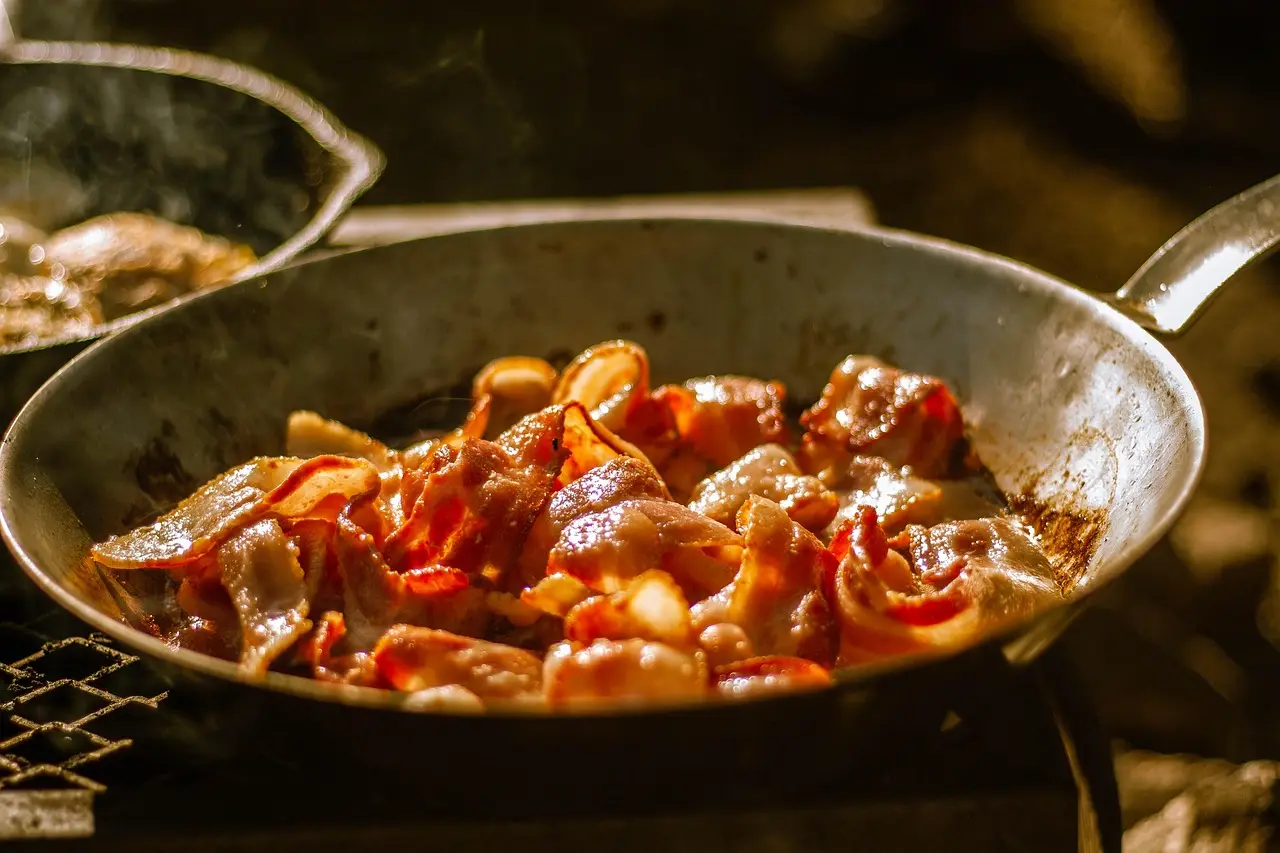
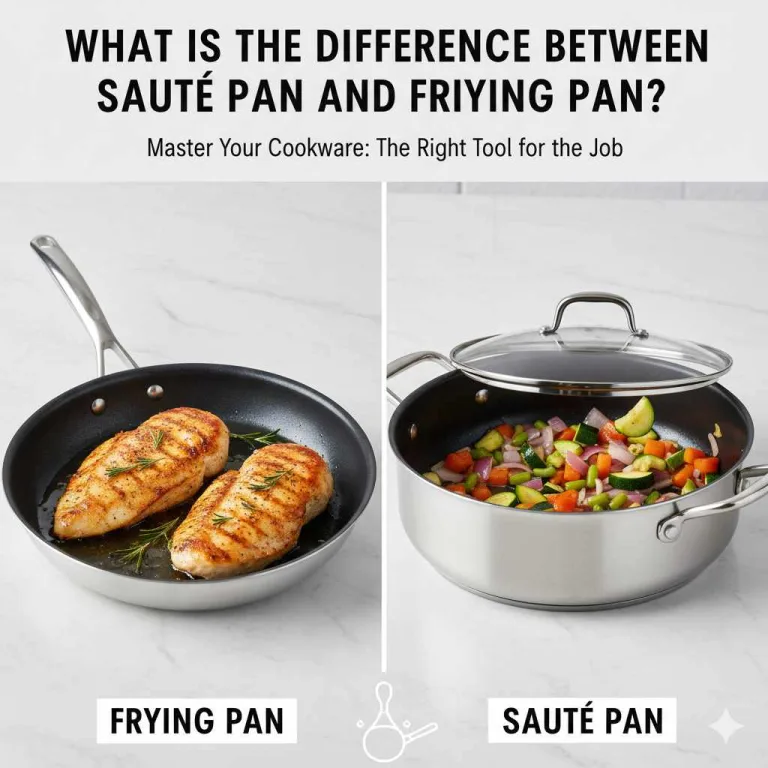
The names overlap, but cooking behavior changes with side angle, depth, and material. Made In says the terms are used interchangeably for one tool, and it describes both as having a flat bottom and flared sides. The practical difference is usually how much the sides flare, how much food volume the pan can hold, and how it handles heat.
Side shape and depth
A skillet is typically shallow or medium depth, with sloped or slightly curved sides. A frying pan has flared or low sides, which can make flipping, stirring, and quicker evaporation easier. That open shape also gives you a cleaner path for a spatula, but it leaves less margin when you add liquid or crowd the pan.
Suppose you are cooking four chicken thighs with mushrooms and a splash of broth in a 10-inch pan. A low-sided frying pan lets moisture escape faster, but it can also let oil and liquid spread toward the rim. A slightly deeper skillet gives you more room before the pan starts to feel crowded.
Heat behavior and weight
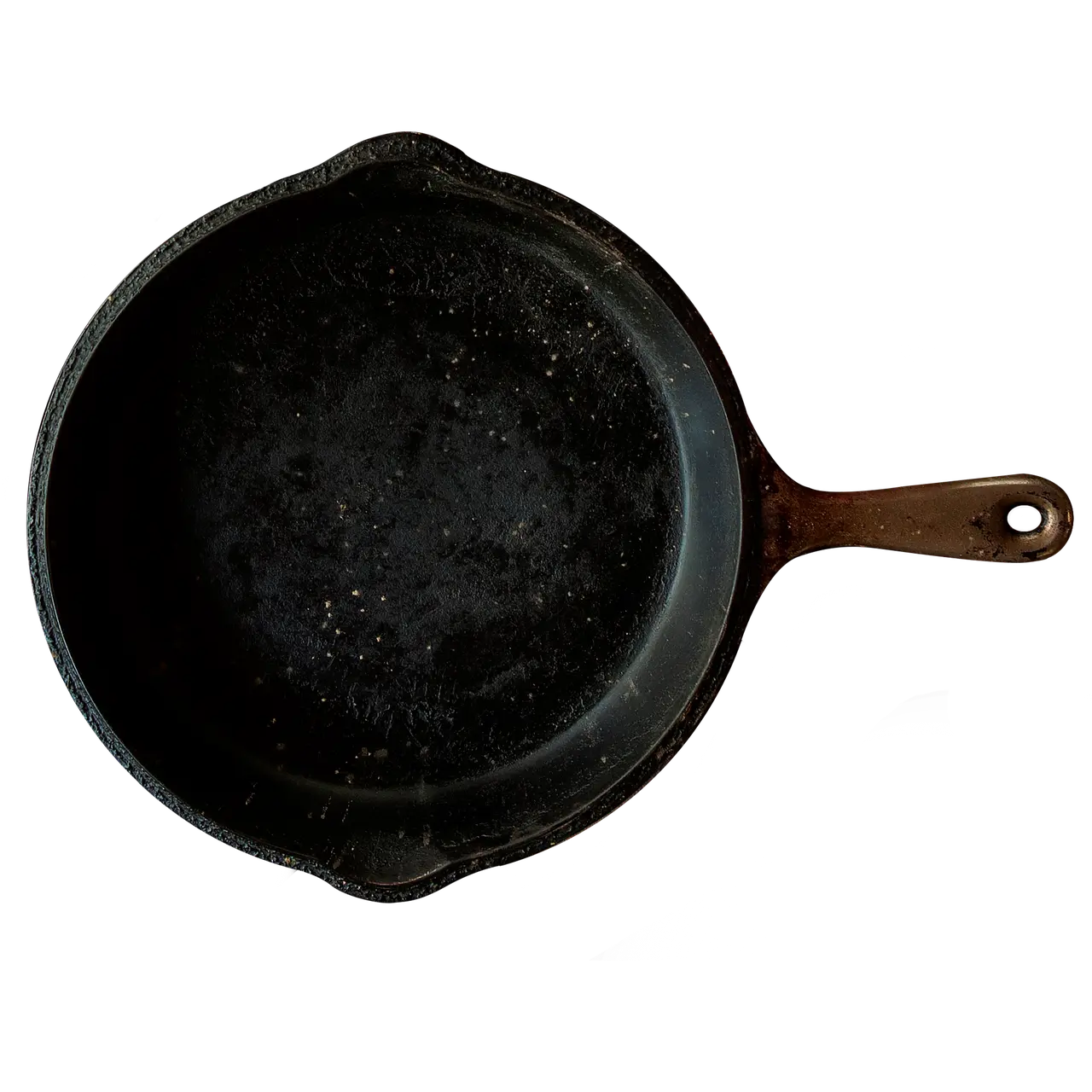
Cast iron skillets are heavy, hold heat well, and are oven safe. That makes them useful for searing and finishing food in the oven. Stainless steel is durable and common in frying pans, while aluminum is lighter and heats fast, often with nonstick coatings. Those traits matter more than the label on the handle.
Cookware Guider says a skillet is deeper than a frying pan, while Pan Mastery says frying pans are thinner and heat faster. Put together, that means a frying pan usually responds more quickly to burner changes, and a skillet usually stays steadier once hot. That steadiness helps with browning; quick response helps with delicate eggs and fast sautés.
Best-fit cooking tasks
The same source says skillets and frying pans suit high-heat searing, while Foods Guy says frying pans are better for quick frying and sautéing. Foods Guy also says cast iron skillets are ideal for slow cooking, and Pan Mastery says skillets are used for pan-searing, roasting, and deep-frying. The right choice depends on whether you want speed, heat retention, or oven follow-through.
Pan decision matrix
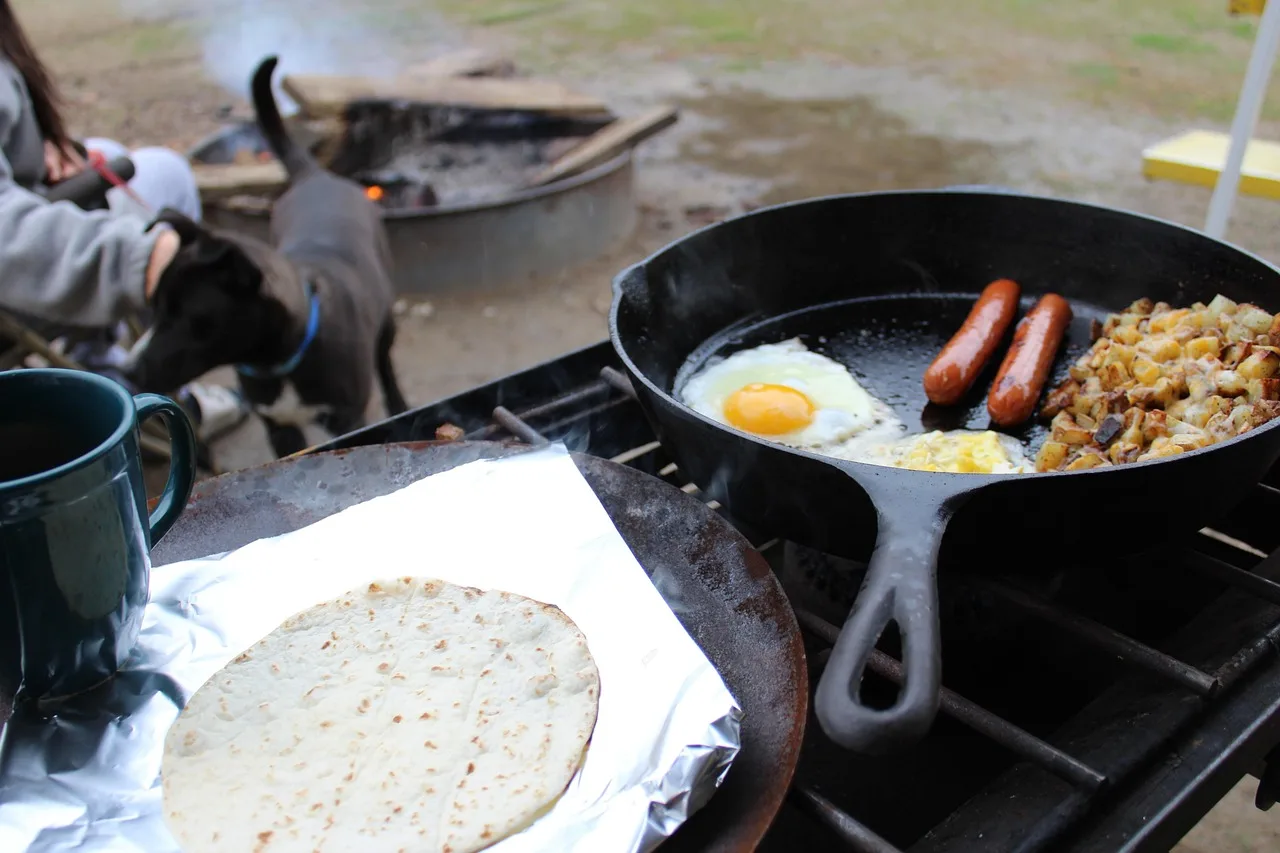
| Pan shape/material | Best use case | When it fails |
|---|---|---|
| Skillet | Searing, browning, oven finishing, and heavier stovetop cooking | Can feel bulky for fast flipping or when you want quick heat changes |
| Frying pan | Quick frying, sautéing, eggs, pancakes, and light daily cooking | Can fall short for high-liquid recipes or oven-finish dishes if the sides are too low or the handle/coating is not oven safe |
| Sauté pan | Higher-volume cooking, sauces, and dishes that need a lid | Less nimble for flipping than a low-sided frying pan |
| Cast iron | High heat retention, searing, oven use, slow cooking, and steady browning | Heavy, needs seasoning, and can be slower to react when you adjust heat |
| Stainless steel | Durable everyday cooking, browning, and pan sauces | Can be less forgiving for sticky foods than nonstick and may need more attention to heat control |
| Nonstick | Easy release, lower-oil cooking, eggs, and delicate foods | Not ideal for very high heat in many cases, and coatings limit some oven use |
- If you cook steak: buy Skillet, especially cast iron or another oven-safe model.
- If you cook eggs: buy Frying Pan, preferably nonstick or a well-seasoned skillet with sloped sides.
- If you cook sauces: buy Sauté pan, because deeper straight sides hold more volume and a lid helps.
- If you cook in an apartment: buy Frying Pan if you want lighter storage and fast heating; choose Skillet if you want better oven finishing and more heat retention.
Is a skillet a frying pan?
Yes, often it is. The same source says the terms are used interchangeably for one tool, and in everyday shopping both names may refer to a flat-bottomed pan with flared sides. The catch is that shape still matters, so two pans with the same label can cook very differently.
When the names mean the same thing
If the pan is flat-bottomed with a long handle and sloped sides, either name may fit. That is why product pages often blur the terms. In practice, the cooking result depends more on whether the walls are shallow or deeper, and on whether the pan is cast iron, stainless steel, aluminum, or nonstick.
When the shape still matters
A low-sided frying pan makes flipping and evaporation easier, while a deeper skillet gives you more room for searing or oven finishing. If the pan will move from stovetop to oven, check the handle and coating as well. A nonstick pan may be the right shape for eggs, but not the right material for high-heat steak.
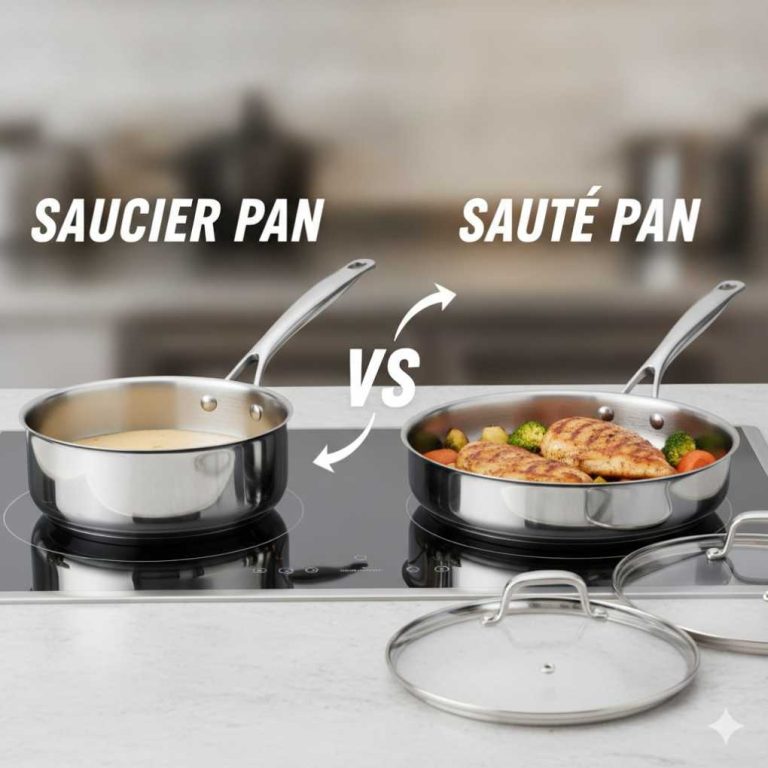
Skillet vs frying pan vs sauté pan
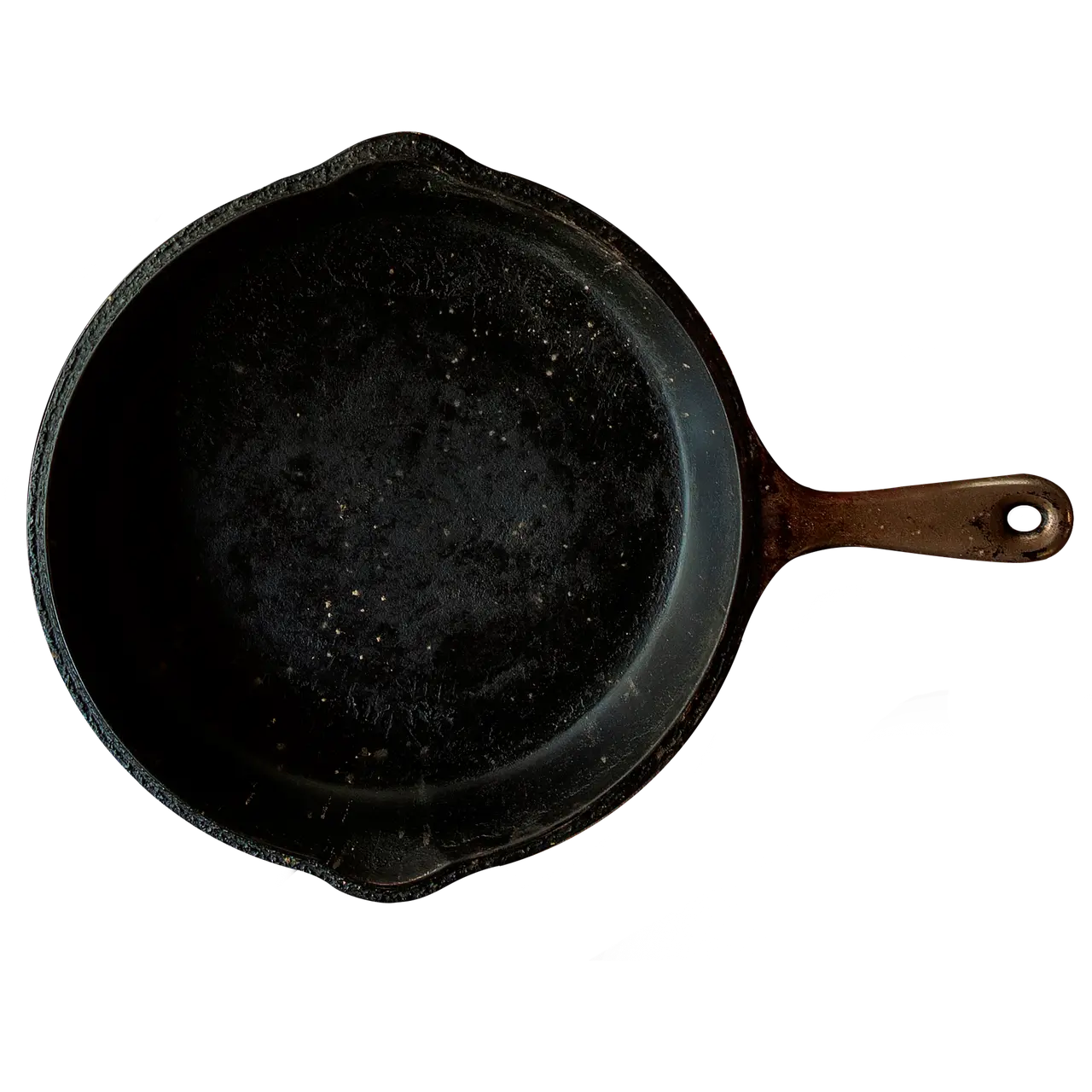
For steak, a skillet usually wins. For eggs, a frying pan usually wins. For sauces and batch cooking, a sauté pan is often the better third option because its straighter sides and extra depth hold more food and liquid.
Best pan for steak
Cast iron skillets are the classic choice because they retain heat well, are oven safe, and handle searing without cooling quickly when the steak hits the surface. A stainless steel frying pan can also work if you want faster heat response and a lighter pan. Skip very thin nonstick pans for this job, especially at high heat.
A common first-timer mistake is choosing a shallow frying pan for a saucy skillet pasta and splashing the sauce over the sides when tossing in the vegetables. The fat can splatter more easily, and the steak may steam instead of browning if the pan is too small or too shallow. A heavier skillet gives you more control.
Best pan for eggs
For eggs, a frying pan is usually the easier choice, since the sloped sides can make spatula work simpler and help food slide out. Nonstick is useful here because it releases food easily and needs less oil. Cast iron can work too, but only if it is well seasoned and you are comfortable managing heat carefully.
Best pan for sauces and batch cooking
A sauté pan is the better fit when you want more volume, less spill risk, and a lid. That deeper shape supports pan sauces, braises, and larger portions better than a basic frying pan. If your recipe includes broth, cream, or a long simmer, a sauté pan usually feels more secure.
Choose Skillet if… / Choose Frying Pan if…
Choose Skillet if you want strong heat retention, frequent searing, oven finishing, or a pan that handles steak and other heavier stovetop jobs well. It also makes sense if you prefer cast iron or another heavy-duty material and do not mind extra weight.
Choose Frying Pan if you cook eggs, pancakes, quick sautés, or foods you want to flip often. It is the better pick if you want faster heating, lighter handling, and a shape that makes quick movement around the pan easier.


Choose skillet if you cook
Skillets fit searing, browning, and oven-finish recipes best. They also suit stovetop-to-oven meals like frittatas, skillet chicken, and pan-roasted vegetables, especially when the pan is cast iron and the handle is oven safe. If you want a pan that keeps heat steady, this is the stronger choice.
Searing and browning
High heat needs a pan that holds temperature when food lands in it. Cast iron and heavy-duty skillets do that well. Foods Guy calls cast iron skillets heavy and oven safe, which is part of why they work for slow cooking and finishing in the oven.
Oven-finishing recipes
Oven-safe cookware matters for steak, frittata, and dishes that start on the burner and finish under heat from above. That is where skillet shape and material matter together. A pan with the wrong coating or handle can block that move, even if it looks similar from the outside.
Heavy-duty stovetop cooking
For recipes that stay on the stove longer, a skillet’s steady heat can be useful. It is especially helpful when you need browning without constant temperature swings. That said, the extra weight can be a drawback if you often lift, tip, or pour from the pan.
Choose frying pan if you cook
Frying pans fit quick cooking, easy turning, and lighter handling. They are usually the better pick for eggs, pancakes, and fast sautéing, especially when the pan is aluminum, stainless steel, or nonstick. If you cook fast and often, the lighter feel can matter a lot.
Quick frying and flipping
The low, flared sides help you slide a spatula under food and turn it without fighting the rim. That shape also lets steam escape faster, which is useful when you want browning instead of a covered, steamy result. It is a practical design choice, not just a naming difference.
Eggs, pancakes, and fast sautéing
Foods Guy says frying pans are better for quick frying and sautéing, and that aligns with the shape. A nonstick frying pan is especially useful for eggs because food release is easier and you can use less oil. Aluminum versions heat quickly, which helps when you want a fast breakfast pan.
Apartment cooking and lighter storage needs
If storage space is tight, a lighter frying pan may be easier to move and hang. Stainless steel and aluminum options are common here, and both usually weigh less than cast iron. For small kitchens, that lighter handling can matter as much as the cooking surface.
Frequently asked questions
What is the difference between skillet and frying pan?
In many stores, there is no hard line. The main difference is usually shape and material behavior: skillets are often a bit deeper and heavier, while frying pans are often lighter with flared sides. The same source says the terms are used interchangeably, so the label alone is not enough.
Can I use a frying pan instead of a skillet?
Often yes, if the recipe is quick, dry, or low volume. A frying pan can replace a skillet for eggs, pancakes, and some sautéed foods. It becomes a weaker substitute when you need more depth, stronger splash control, or a pan that can move into the oven safely.
Skillet vs frying pan for steak: which is better?
A skillet is usually better for steak, especially cast iron. It holds heat well, handles high-heat searing, and often works in the oven for finishing. A frying pan can still work, but lighter models may cool faster and low-sided nonstick pans are not the best choice for this task.
Skillet vs frying pan vs sauté pan: which one should I buy?
Choose a skillet if you want searing and oven use. Choose a frying pan if you want fast cooking, easy flipping, and lighter handling. Choose a sauté pan if you cook more sauces, larger portions, or dishes that benefit from a lid and taller sides.
What’s the difference between skillet and pan?
“Pan” is the broad label, and skillet is one kind of pan. In shopping terms, skillet usually points to a shallow or medium-depth cooking vessel with sloped sides, while frying pan often points to a similar pan with a more open, flared shape. The exact model matters more than the umbrella term.
Skillet vs frying pan all clad
For All-Clad-style stainless steel cookware, look at the shape and use case rather than the brand label alone. A stainless frying pan from that line is often a strong all-purpose pick for browning and everyday cooking, while a deeper skillet-style piece can be better for searing and oven finishes. The material is durable either way; the side shape still decides the job.
Products related to this article
Sponsored / affiliate links. As an Amazon Associate I earn from qualifying purchases. I may earn additional commission from eligible campaigns.