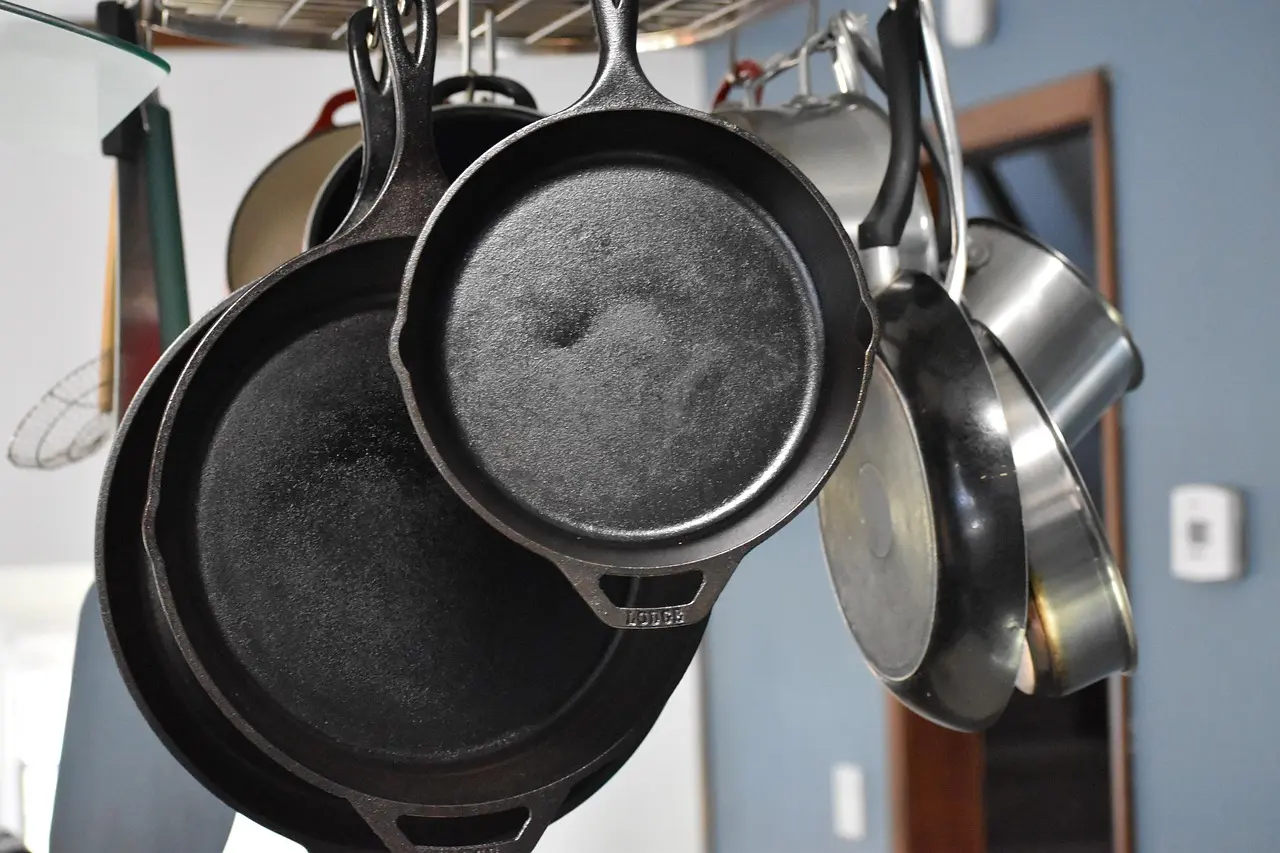
Best Skillets for Cast Iron Cooking: we compared
The best skillets for cast iron cooking are the ones matched to the job: 8-inch for eggs, 10-inch for most searing, 12-inch for bigger cuts, and a lighter or helper-handle design if you lift it often. Pick the wrong size or weight, and you get stuck eggs, weak browning, cramped burners, and a pan that stays on the rack. This guide ranks cast-iron skillets by the cooking problem each one solves best, with buy recommendations for stovetop, oven, and everyday searing.

Quick comparison
| Product | Badge | Best for | Price | ||
|---|---|---|---|---|---|
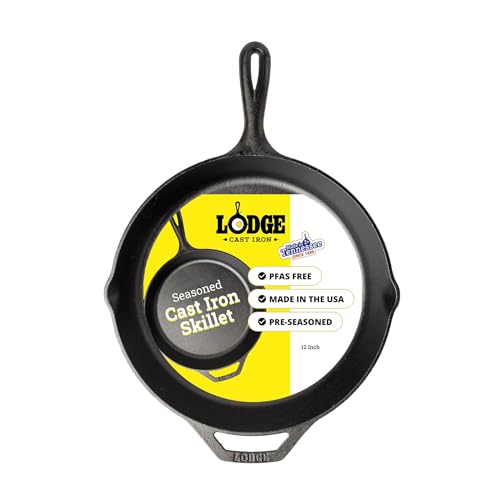 |
Lodge Pre-Seasoned Cast Iron Skillet, PFAS-Free, 12 InchesLodge | Our pick | 12 in · pre-seasoned · PFAS-free | View | |
 |
Stargazer 10.5-Inch Cast Iron Skillet | Made in USA,Stargazer | Upgrade pick | 10.5 in · machined smooth · USA-made | $155.00
Price as of 2 Oct 2026
|
View |
This is the fast filter: choose by food, burner size, and how much weight your wrist can handle. The models below range from small, smoother skillets for eggs to larger, heavier pans for steaks and family dinners.
According to bonappetit.com — Bon Appétit’s top pick is the Lancaster No. 8 Skillet.
How we chose
The ranking leans on four practical checks: weight, pre-seasoning and surface finish, handle comfort, and burner fit. Those decide whether a skillet gets used on a Tuesday night or stays on the rack.
Price and brand prestige matter less than fit for purpose. A pan that browns well but is too heavy for one hand, or too wide for a small burner, drops fast.
| Model | Size | Weight | Seasoning / surface | Handle comfort | Burner fit | Best use |
|---|---|---|---|---|---|---|
| Lodge 12-Inch | 12 inches | Heavy | Pre-seasoned, traditional finish | Functional, less refined | Good on medium and larger burners | Budget searing, campfire, family meals |
| Victoria | Varies by line | Usually lighter-feeling | Pre-seasoned | Easy to lift | Good for everyday stovetops | Beginners, frequent lifting, fried foods |
| Lancaster No. 8 | 10 inches | 4 pounds | Pre-seasoned, smooth cooking surface | Better carry comfort than heavier heirloom pans | Strong for smaller to medium burners | Eggs, fried foods, daily stovetop use |
| Stargazer 12-Inch | 12 inches | Moderate-heavy | Seasoned, smooth cooking surface | Refined handle shape, helper support | Solid for family burners | Searing steaks, chicken thighs, cornbread |
| Smithey No. 12 | 12 inches | 8.7 pounds | Smooth | Premium feel, still heavy | Best on larger burners | Eggs, fried foods, smooth-surface cooking |
| Smithey No. 14 | 14 inches | Heavier still | Smooth | Best handled with both hands | Large burners only | Large meals, batch cooking |
Decision matrix for real cooking use
This matrix scores each skillet from 1 to 5 on the four factors that matter most in a real kitchen. Higher scores mean easier daily use, not “better” in the abstract.
| Model | Weight score | Pre-seasoning / surface score | Handle comfort score | Burner fit score | Best for | Avoid if |
|---|---|---|---|---|---|---|
| Lodge 12-Inch | 2 | 4 | 3 | 4 | Budget cooks who want a tough pan for searing, campfire use, and oven work | You want the lightest lift or the smoothest egg release right away |
| Victoria | 4 | 4 | 4 | 4 | Home cooks who want easier handling and a simple everyday skillet | You want a premium smooth finish or a very large cooking surface |
| Lancaster No. 8 | 5 | 5 | 4 | 5 | Eggs, fried foods, and daily stovetop use where weight matters | You need the cheapest entry price or a giant family pan |
| Stargazer 12-Inch | 3 | 5 | 4 | 4 | People who want a smooth surface and strong searing in a 12-inch size | One-hand lifting is a top priority |
| Smithey No. 12 | 2 | 5 | 4 | 4 | Smooth cooking and refined eggs or fried foods in a premium 12-inch pan | You want a lighter pan or lower entry cost |
| Smithey No. 14 | 1 | 5 | 3 | 2 | Large meals and batch cooking on a large burner | Your stove is small or you lift pans with one hand often |
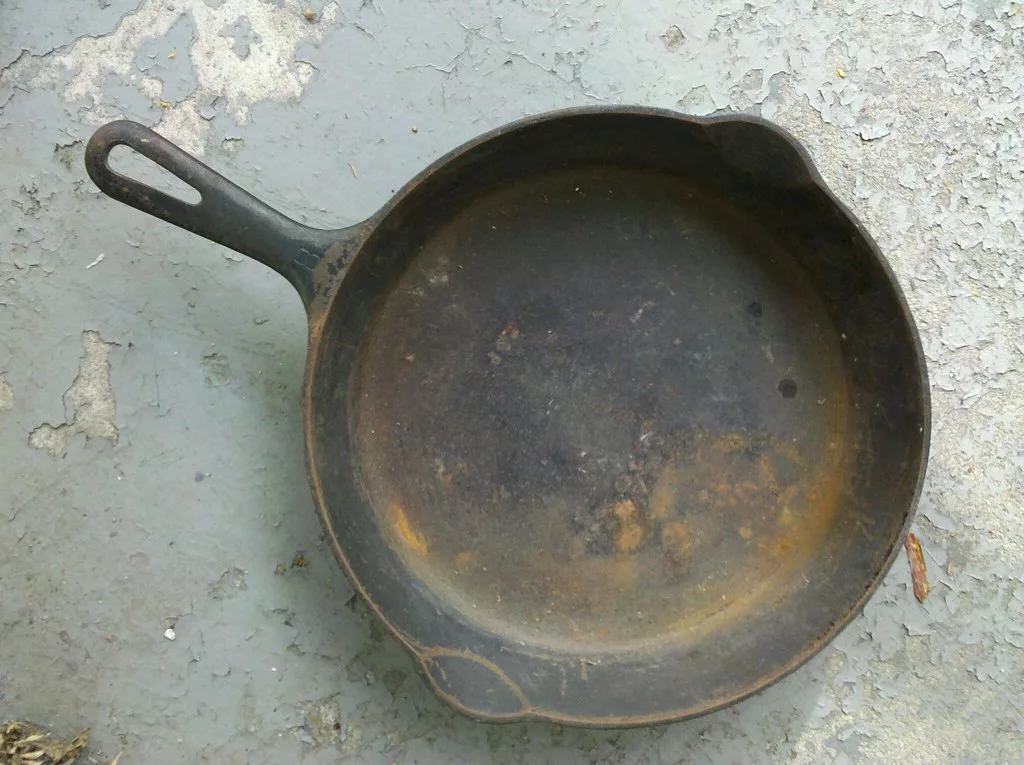
Lodge 12-Inch: best budget classic
The Lodge 12-inch is for cooks who want a tough, low-risk skillet for everyday searing, oven jobs, and campfire use. It is the safe budget pick because it gives cast iron’s core strengths without asking you to pay for a polished surface or a premium finish.
It suits beginners well because it arrives pre-seasoned and gets more nonstick with use. Lodge is also the practical answer when you need a pan that can go from stovetop to oven to outdoor heat without worrying about rough handling.
The tradeoff is comfort. At 12 inches, it is not the lightest lift, and the traditional surface can feel a little sticky with eggs until the seasoning builds and the cooking technique improves.
Best use cases
This is a good fit for steaks, chicken thighs, cornbread, hash browns, and fried foods. It is also a smart match for campfire cooking because the pan’s durability matters more than a polished finish when the heat source is unpredictable.
Where it helps and where it slows you down
The weight helps with heat retention and browning. The slower part is maneuverability, especially when you are tilting a full pan of oil or moving it from a burner to the oven with one hand.
Choose it if you want value and long-term use. Avoid it if you want the smoothest egg release out of the box or the easiest one-hand lift for weeknight dinners.
Victoria: best for lighter handling
The Victoria cast iron skillet is the better choice when wrist comfort matters more than prestige. Bon Appétit named it the budget pick, and that lines up with the way many cooks use it: fewer complaints, easier lifting, and a sensible price position for everyday cast iron.
It works well for fried eggs, sautéed greens, and medium-heat stovetop cooking. A lighter-feeling skillet also helps on smaller burners, where a huge pan can hang over the heat and make the center cook unevenly.
The drawback is finish. If you want a premium smooth surface, Victoria is not the pan that usually wins that comparison.
Best use cases
Victoria is a good match for cooks who want a simple all-purpose skillet, especially if they cook breakfast often or move the pan around the kitchen a lot. It also makes sense for people who want to learn seasoning without buying a heavy heirloom pan first.
Lancaster No. 8: best all-rounder for smooth cooking
The Lancaster No. 8 is the strongest all-round choice for cooks who care about eggs, fried foods, and manageable weight. Bon Appétit named the Lancaster No. 8 its top pick, and the 10-inch version weighs 4 pounds, which makes a real difference when the pan comes off a burner full of food.
The smoother cooking surface matters because it cuts the harsh drag that rougher pans can create with eggs and fish. In cast iron, seasoning durability depends on oil polymerization over time, so a good smooth surface helps the pan feel more forgiving while that layer builds.
The downside is cost. It is not the cheap entry point, and the line’s premium feel is easiest to justify if you cook often enough to notice handle comfort and release performance.
Best use cases
This pan is ideal for eggs, hash browns, fried foods, and smaller searing jobs. The 10-inch size also fits many home burners better than oversized pans, and Lancaster’s line also comes in 12-inch and 13.5-inch sizes for cooks who want more room.
Why the surface matters
A smoother cast iron surface usually gives eggs a cleaner slide once the seasoning is well built. A rough traditional surface can still cook beautifully, but it tends to look worn-in sooner and may need more patience during the first few uses.
Buy the Lancaster if you want one skillet that feels easy to live with every day. Avoid it if your main goal is the lowest upfront cost.
Stargazer 12-Inch: best for searing and burner fit
The Stargazer 12-inch is the pick for cooks who want strong browning in a size that still makes sense for family meals. Everyday Health names the Stargazer 12-Inch Cast-Iron Skillet as the best traditional choice, and that tracks with its balance of size, smooth cooking surface, and practical burner coverage.
Its 12-inch footprint gives you enough room for chicken thighs, steaks, and cornbread without pushing into the oversized territory that overwhelms a typical home burner. That matters because burner fit affects heat transfer as much as raw pan quality does.
The drawback is handling. A 12-inch cast-iron skillet is still a substantial pan, so one-hand use is not its strength.
Best use cases
Use it for searing steaks, browning chicken thighs, and baking cornbread when you want even heat and good retention. Outdoor Life’s testing over a camp stove and campfire also backs up that cast iron can travel well when the pan is sized with the burner in mind.
Why the size matters
For many home cooks, 12 inches is the point where a skillet starts to feel like a real family pan without becoming awkward on the stove. It gives enough surface area for batch browning, but it can still be rotated and managed without the strain that comes with 14-inch and 15-inch cookware.
Choose it if searing is your main job and your stove can support a full-size pan. Skip it if easy lifting is more important than performance at high heat.
Which one should you buy
Buy the Lancaster No. 8 if you want the best balance of smooth cooking, easy handling, and daily usefulness. Buy the Lodge 12-inch if budget matters most and you want a hard-wearing classic that can handle campfire use. Buy the Stargazer 12-inch if you want stronger searing in a refined 12-inch format.
For eggs and fried foods, the Lancaster No. 8 is the safest first choice, with the Smithey No. 12 close behind if you want a premium smooth surface and do not mind extra weight. For a family of four, a 12-inch skillet is usually the sweet spot; Smithey No. 14 only makes sense if you cook large batches and your stove has the burner space for it.
If small burners or weak wrists are the issue, choose a 10-inch pan before you chase bigger sizes. Lancaster’s 10-inch, at 4 pounds, is easier to live with than a 12-inch pan that gets left in the cabinet.
If you want a premium smooth surface, the Smithey No. 12 is a better fit than a rougher beginner pan. The Smithey No. 14 is for large meals, not casual weekday lifting.
What size cast iron skillet is best for a family of four
A 12-inch skillet is often a good family-of-four size because it usually gives enough room for chicken thighs, burgers, or a generous batch of hash browns without becoming too awkward to lift. A 10-inch pan can work, but it fills faster and leaves less room for browning instead of steaming.
How heavy should a cast iron skillet be
The right weight is the heaviest pan you can move safely when it is full of food. For many home cooks, that means a 10-inch pan is comfortable one-handed, while 12-inch and larger skillets often need two hands, especially when hot oil or a full meal is inside.
Should I buy a pre-seasoned cast iron skillet
Yes, for most people, pre-seasoned is the easier start because it lowers the chance of stubborn sticking during the first few uses. Bare pans can season well over time, but they ask for more attention up front, and beginners often mistake uneven early seasoning for a bad skillet.
Is a smooth cast iron skillet better than a rough one
A smooth skillet is usually better for eggs and delicate foods because it gives a cleaner release and feels less grabby while the seasoning builds. A rough surface can still cook beautifully, but it often needs more oil control, more patience, and more time before it feels truly slick.
What is the best oil to use on cast iron skillets
The best oil is one that polymerizes well and can stand repeated heating without turning sticky quickly. For day-to-day care, many cooks use a thin coat of a neutral oil after cleaning, then wipe it almost dry; heavy oil layers are what create tacky seasoning instead of a usable cooking surface.
What are the best foods to cook in a cast iron skillet
The best foods are eggs, fried potatoes, hash browns, cornbread, steaks, chicken thighs, and sautéed greens. Those foods benefit from cast iron’s heat retention and searing ability, and the pan’s oven compatibility makes it easy to finish or bake without switching cookware.
What is the best cast iron skillet for everyday cooking
The best everyday skillet is the one that matches your burner size and your hand strength, not the heaviest or most expensive model. For most home cooks, the Lancaster No. 8 is the best all-rounder, while the Lodge 12-inch makes more sense if cost and toughness matter more than smoothness.
Products related to this article
Sponsored / affiliate links. As an Amazon Associate I earn from qualifying purchases. I may earn additional commission from eligible campaigns.