How to Choose the Right Roasting Pan Size
Choose a roasting pan with 2 to 3 inches of oven clearance, at least 1 to 2 inches of space around the food, and handles you can grip with oven mitts. Too-small pans crowd food, spill juices, and are hard to lift; too-large pans can dry drippings and waste oven space. This guide covers common pan sizes, oven measurements, food capacity, and the best choices for poultry, roasts, vegetables, and small kitchens.
Match pan size to bird weight and kitchen space
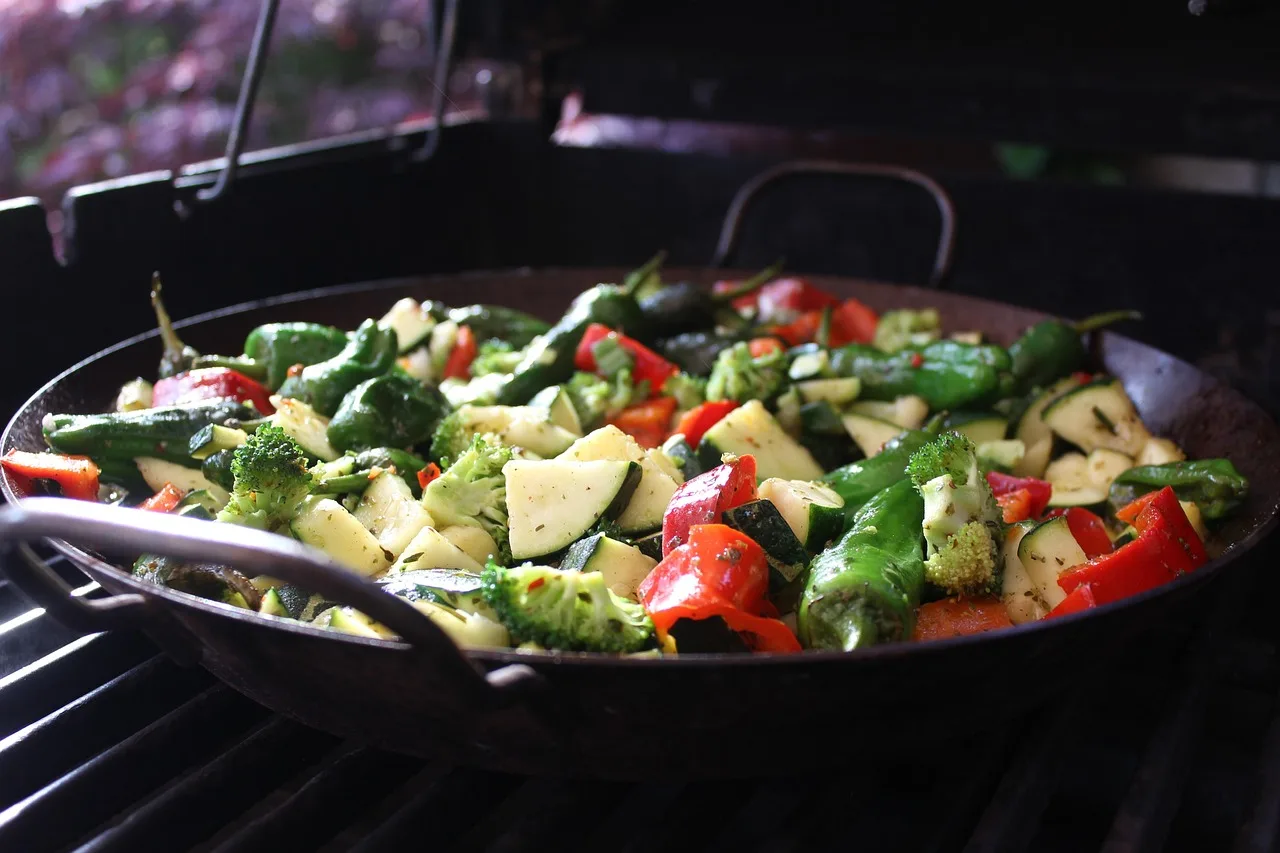
Start with the dish you cook most often, then check oven clearance and storage space before you buy. For many home kitchens, a 14-inch pan fits smaller birds and tighter ovens, a 16-inch pan covers most family meals, and an 18-inch pan is better for larger poultry and bigger batch roasting.
Food volume comes first
Roasting pan size should match the total volume of the food, pan juices, and any rack you plan to use. A pan that is too small forces the food to crowd, which can trap steam and limit browning. A pan that is too large can spread drippings thin and dry them out before the main dish is done.
For turkey, the common size guide is direct: a 14-inch pan can typically accommodate around a 12 pound bird, a 16-inch pan fits about a 16 pound turkey, and an 18-inch pan can hold roughly 20–24 pound birds. Taste of Home gives a similar range, with 14 inches for birds up to 12 pounds, 16 inches for birds up to 16 pounds, and 18 inches for birds up to 20 pounds.
Match pan length to your kitchen
Common home roasting pan sizes are 14, 16, and 18 inches. That measurement matters because it helps you estimate both food capacity and cabinet storage. It also helps you avoid buying a pan that technically fits the recipe but will not fit through the oven opening once the handles are included.
For cooks who only want one roasting pan, 16 inches is often the most flexible middle point. It is large enough for many holiday birds and family roasts, yet usually easier to store and lift than an 18-inch pan. A 14-inch pan suits smaller kitchens or smaller meals, while an 18-inch pan makes sense if you regularly cook larger poultry or batch roasts.
Use depth and rack need as the final check
A useful roasting pan depth is usually around 3 inches. Too deep can steam food and weaken browning; too shallow raises the risk of splatter and spillover. A removable rack helps when you want airflow under the food, better drainage, and more even browning.
Suppose you roast a 16-pound turkey in a pan that is long enough but 5 inches deep. The bird may fit, but the deeper walls can trap more steam around the lower half. The result is often less crisp skin and more liquid pooling around the meat than you want for roasting.
How do you measure roasting pan size?
Measure the usable interior length and width, not just the outside shape, and compare that with your oven opening and storage space. Makers may list exterior numbers, handle span, or lid height. The usable cooking area can be smaller, so width-wise measurement gives you a more reliable fit than a diagonal guess.
Measure the usable interior length and width
Made In says measurements are taken width-wise, not diagonally. That matters because a diagonal measurement can make a pan look larger than it really is in the area where the food sits. For shopping, focus on the interior base and the side-to-side span inside the walls.
Interior vs. exterior dimensions also matter. A pan may be listed as 16 inches, but the handles, rolled rim, or thick walls can make the outside footprint wider. The usable floor area is what matters for a turkey, sheet-style vegetables, or a lasagna pan meal.
Check exterior length, handle span, and handle height
Handle design changes the true fit. Fixed or extended handles can add several inches to the total length, while fold-down handles save storage space and may help the pan fit in a tighter oven. Grippy helper handles make lifting easier, but they can also add width or height.
Foodal lists one 16.8 by 12.8 by 3.4 inch pan and notes that the version with rack measures 21.1 inches long, 12.8 inches wide, and 5.8 inches high. That gap shows why you should not stop at the pan body alone; the rack and handle height can change whether the set fits your oven and storage shelf.
Why width-wise measurement matters more than diagonal measurement
Width-wise measurement tells you how much flat surface is available for food and how much room the pan takes up on the rack. Diagonal numbers can flatter the size on paper, but they do not predict how a bird sits inside the pan or whether the handles will hit the oven walls.
A common first-timer mistake is choosing a pan without checking whether its interior is wide enough for a rack of ribs. Picture a pan that measures 18 inches outside but has broad handles and a tall lid. It may not slide past an oven door edge cleanly, even though the number on the box looks reasonable.
Roasting pan size checklist
Measure the oven cavity width, depth, and rack position before buying a large roasting pan. Then account for fixed handles, raised lids, and the space your mitts need for safe loading. The pan should slide in without scraping the walls, and there should still be room for heat to move around it.
- Measure the oven interior width from side wall to side wall.
- Measure the oven interior depth from the door opening to the back wall.
- Check the rack position you plan to use.
- Add handle length and handle height to the pan’s body size.
- Leave enough room to slide the pan in and out safely with mitts.
If you are shopping for a covered oval or a tall deep roaster, be extra careful. A lid can raise the total height enough to block upper rack space, and a tall handle can reduce fit more than the pan body alone suggests. Oven clearance is not a minor detail; it is a buying limit.
Roasting pan size decision table
This table turns common use cases into a quick buying check. It covers the size, usable cooking footprint, depth, oven-clearance concerns, and whether a rack is worth having for each job. Use it when you want one pan to cover turkey, vegetables, lasagna, and smaller ovens.
| Use case | Recommended pan length | Usable interior footprint | Ideal depth | Oven-clearance checklist | Rack necessary? |
|---|---|---|---|---|---|
| Turkey | 16 to 18 inches | Room for bird plus 1 to 2 inches around the sides | About 3 inches | Confirm handle span, rack position, and lid height if covered | Yes, for drainage and browning |
| Chicken | 14 to 16 inches | Enough base area for the bird and aromatics without crowding | About 3 inches | Check door clearance if the handles are fixed or extended | Useful, but optional for smaller birds |
| Vegetables | 14 to 16 inches | Wide, flat base for a single layer | 2.5 to 3 inches | Make sure the pan slides in on the chosen rack level | Usually no |
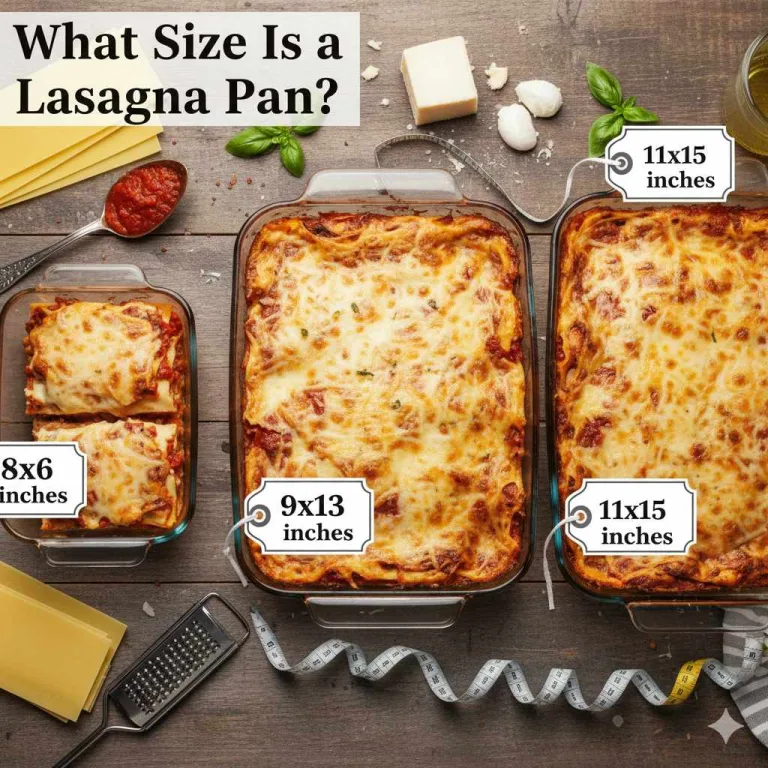
| Lasagna | 14 to 16 inches | Interior area that matches the casserole dish or foil-pan format | At least 3 inches | Watch total height if you cover the pan with foil or a lid | No |
| Small oven / apartment cooking | 14 inches, sometimes 16 | Compact footprint with short handles | About 3 inches | Measure cavity width, depth, and handle protrusion carefully | Helpful, but not required for every meal |
What size roasting pan fits a turkey?
For turkey, use the bird weight as a starting point, then confirm oven space and handle clearance. A 14-inch pan typically fits about a 12 pound bird, a 16-inch pan fits about a 16 pound turkey, and an 18-inch pan can hold roughly 20–24 pound birds. The bird still needs room for air and juices.
14-inch pans for smaller birds
A 14-inch roasting pan is a practical match for birds around 12 pounds. Taste of Home says a small 14-inch pan works for birds up to 12 pounds, and that is a useful upper limit if you want room for root vegetables or gravy drippings without filling the pan wall to wall.
Choose this size if you have a compact oven, a smaller household, or limited storage. The tradeoff is simple: it is easier to handle and store, but it will feel tight once you add a rack, aromatics, or a bird with a wide wing span.
16-inch pans for most family turkeys
A 16-inch roasting pan is the most balanced choice for many cooks. It fits about a 16 pound turkey and usually gives enough room for drippings, a rack, and a small perimeter of airflow. Taste of Home calls this size ideal for birds up to 16 pounds.
Wirecutter’s top pick is a 16-inch roasting pan with rack, and it says that pan can accommodate about a 20-pound turkey. That shows how model shape and usable interior area can matter, but the size still needs to match your oven and your hands as much as the recipe.
18-inch pans for larger birds
An 18-inch pan is the better choice when you cook larger birds or want extra room for sides around the roast. Sourced guides place its capacity around 20 to 24 pounds, while Taste of Home says a large 18-inch pan can fit turkeys up to 20 pounds. The difference reflects how pan shape and usable interior size vary by model.
Go this large only if your oven can take it. Bigger is not automatically better, especially if the handles force a tight slide-in or the pan crowds the oven rack above it. If storage is tight, the extra length can matter every day, not just on Thanksgiving.
Our picks by need
These choices are based on the manufacturer’s specs, published product details, and buyer feedback. The right pick depends on the size you need, how much weight you are comfortable lifting, and whether your oven has enough clearance for the pan and handles. Each option has a tradeoff.
Best for turkey roasts: Cuisinart Chef’s Classic 16 In. Roasting Pan with Rack

This 16-inch stainless steel roaster with rack is the most straightforward match for most home turkey cooks. It fits the middle-size target well, and the rack helps lift food for even browning and drainage. It is also dishwasher-safe, which helps after a heavy meal.
The drawback is that uncoated stainless steel can require more attention with sticky drippings than a nonstick pan. Its length also may feel small for very large birds, so check your turkey size before you commit.
Best for vegetables and sheet-style roasting: HexClad Hybrid 17 x 14 Inch Rectangular Nonstick Roasting Pan with Rack

This rectangular pan gives a wide surface for vegetables, chicken pieces, and mixed sheet-style roasting. The hybrid stainless-and-ceramic surface and included rack make it useful when you want drainage plus easier release. The 17 by 14 inch footprint also gives more room than a standard narrow roaster.
The tradeoff is price. It is the most expensive option here, and the handle and overall footprint may be more than you need for a small oven. Its size should be checked carefully before buying for a compact kitchen.
Best for lasagna and one-pan meals: Pyradon Vex 18\” Enameled Roasting Pan with Lid and Rack

This 18-inch enameled pan is suited to larger casseroles, covered roasting, and family-size meals where a lid matters. The removable rack and locking lid add flexibility for dishes that need holding heat or reducing splatter. The enamel surface also resists stains and odors.
The main drawback is size. An 18-inch pan can be awkward in a small oven, and the lid adds height that may limit fit on some racks. It is a strong choice if you need coverage and capacity more than compact storage.
Best for small ovens and apartment kitchens: HONGBAKE Extra Large Turkey Roasting Pan with Rack

This 18.7 by 13.6 inch roaster is built with wider handles and a deep body, which can help when you want space for a larger bird without moving to a very long pan. The nonstick coating helps food release, and the heavier build is meant to support even heating.
The drawback is that the deep format can work against browning if you are roasting smaller foods, and the larger footprint may still be too much for some apartment ovens. It is better for bigger meals than for everyday small-batch vegetables.
Mistakes to avoid
The most common mistakes are buying by turkey weight alone, ignoring handle protrusion, and choosing a pan that is deeper than your recipe needs. A pan can be technically large enough and still perform badly if it crowds your oven, blocks airflow, or makes the food steam instead of roast.
- Buying too deep: Deep pans can hold juices well, but excess wall height can slow browning.
- Ignoring oven fit: Measure the cavity and account for handles before you buy.
- Choosing by exterior size only: Check the usable interior length and width.
- Skipping the rack decision: A rack is useful for poultry and roasts, but less necessary for vegetables or lasagna.
- Confusing a roasting pan with a baking pan: A roasting pan is built for larger food, higher heat exposure, and more drippings than a standard baking pan.
Say your oven is narrow and you want one pan for both a 12 pound turkey and weekday vegetables. A 16-inch model may still work if the handles are short and the depth stays near 3 inches. If the handles are long or fixed high, the same pan can become awkward even though the food capacity is right.
Frequently asked questions
What size roasting pan do I need for a turkey?
A 14-inch roasting pan typically fits about a 12 pound bird, a 16-inch pan fits about a 16 pound turkey, and an 18-inch pan can hold roughly 20–24 pound birds. Pick the smallest size that gives you a little breathing room, because too much extra space can dry drippings.
How do I measure a roasting pan size correctly?
Measure the usable interior length and width first, then check the exterior length, handle span, and handle height. The same source says measurements are taken width-wise, not diagonally. That gives you a more accurate picture of how much food fits and whether the pan will slide into the oven.
What size is a 1/2 roaster pan?
A 1/2 roaster pan usually means a pan sized for smaller households or smaller cuts, but the exact dimensions vary by maker. Check the listed interior measurements rather than the name alone. For many buyers, that category lands near a 14-inch pan, though it is not a fixed standard.
How do I determine the pan size from dimensions?
Use the listed length and width to judge food area, then compare the depth and handle span to your oven. Foodal’s examples show why this matters: a pan body can be one size, while the version with rack becomes much longer and taller. Always read the full measurement set.
What is the difference between a roasting pan and a baking pan?
A roasting pan is built for larger foods, higher heat exposure, and more juices, often with a rack and deeper walls. A baking pan is usually flatter and better for baked casseroles or sheet-style dishes. If you want to roast a turkey or larger roast, use the roasting pan.
What size roasting pan fits in a small oven?
For a small oven, a 14-inch roasting pan is usually the safest starting point, with some 16-inch pans still fitting if the handles are compact. Measure the oven cavity width, depth, and rack position before buying. Handle height can be the detail that keeps a pan from fitting.
Do I need a rack with a roasting pan?
A rack is not required for every recipe, but it helps raise food above juices and improves airflow and browning. That makes it especially useful for turkey, chicken, and other roasts. For vegetables or lasagna, the rack is optional and may not be needed at all.
Products related to this article
Sponsored / affiliate links. As an Amazon Associate I earn from qualifying purchases. I may earn additional commission from eligible campaigns.