Roasting Pan review: best picks for every use case
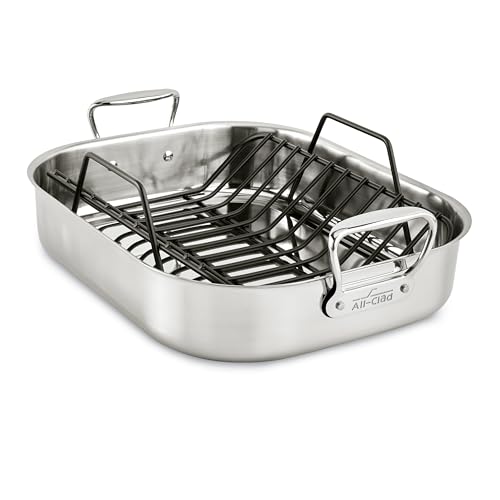
For frequent cooks, the All-Clad Stainless Steel 13" x 16" Roaster with rack is the safest buy in this group because it takes high heat, can go under the broiler, and stands up to repeated use without the coating worries that come with nonstick.
Verdict



For cooks who roast only a few times a year, a lighter, cheaper pan can make more sense. The right choice comes down to the foods you cook most often: chicken and vegetables, a holiday bird, or a pan sauce on the stove after the roast comes out. This Roasting Pan review focuses on those jobs, not just holiday turkey.
Pros and cons
- Pros: heavy-gauge stainless steel construction, broiler-safe to 600°F, nonstick rack, strong pick for repeated roasting and gravy work.
- Cons: higher price, heavier lift when loaded, cleanup still needs hand washing for stuck-on drippings.
Who it’s for
It suits cooks who roast often, want one pan for chicken, root vegetables, and bigger cuts, and may finish under the broiler. It is less appealing for someone who roasts two or three times a year and wants the lowest-cost holiday tool.
According to 3 Best Roasting Pans of 2026, Tested and Reviewed – Food Network — Food Network tested 13 well-reviewed roasting pans.
Specs at a glance
| Model | Price tier | Pan size / fit | Rack type | Heat limit | Cleanup |
|---|---|---|---|---|---|
| All-Clad Stainless Steel 13" x 16" Roaster with rack | Splurge | 13 x 16 in roaster; built for larger birds and pan sauces | Nonstick rack | Oven and broiler safe up to 600°F | Hand wash favored for best finish care |
| Nordic Ware Turkey Roaster with Rack, Copper | Value / holiday use | 12 in class; better for smaller birds and shorter oven loads | Included rack | Heat safe up to 400°F | Nonstick coating reduces residue, but rack still needs care |
| Lodge Pre-Seasoned Cast Iron Dual Handle Pan, PFAS-Free, 12 Inches | Budget / multi-use | 12 in pan; compact and easy to store | No roasting rack included | Oven, stovetop, and grill use | Requires oiling and careful drying |
Who it is for
Frequent cooks need a pan that can move from roasted chicken to pan gravy without coating damage or flimsy sides. In that lane, stainless steel earns its place because it tolerates heat, browns well, and does not depend on a nonstick layer that can wear out.
Holiday-only buyers have different priorities. If the pan will come out only for Thanksgiving, a less expensive model can be fine, especially if cleanup is the biggest pain point and the bird is not huge. The right pan is the one that fits the oven, the bird, and the storage shelf.
Best for turkey and holiday roasts
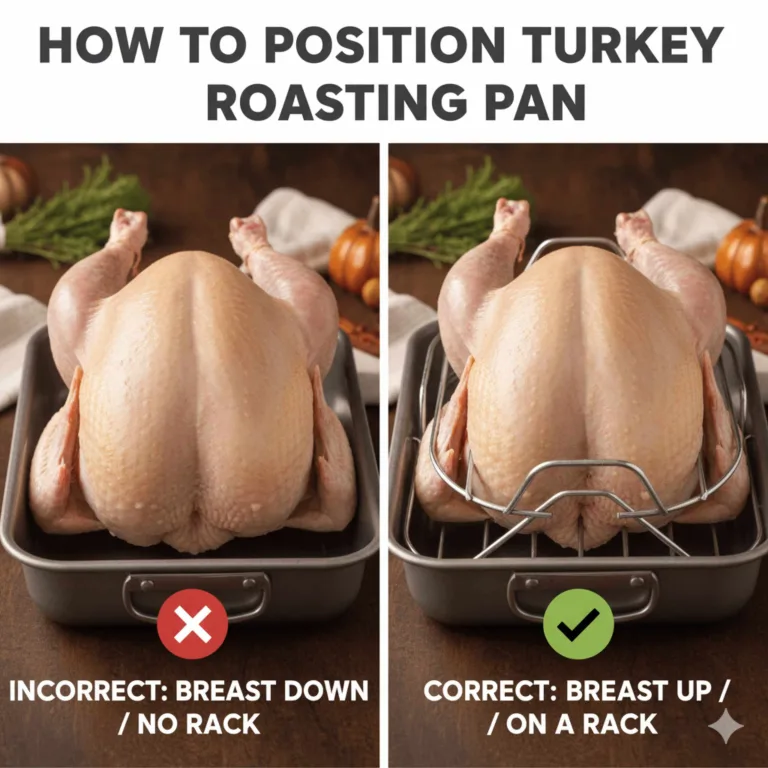
Large stainless pans and sturdy roasters with a real rack work best when the bird is heavy and drippings matter. They hold shape under weight, and the rack keeps the meat out of the grease so the skin browns instead of steaming.
Best for weeknight chicken and vegetables
A medium stainless pan is the better fit for chicken pieces, carrots, onions, and potatoes. It gives enough surface area for browning while still leaving room for air circulation, which matters more than raw capacity on a Tuesday night.
Not the right pick if you mostly use a skillet or sheet pan
If the job is stovetop searing, shallow vegetable roasting, or a single chicken breast dinner, a skillet or sheet pan often does the work faster. A deep roaster can be awkward for small batches and may crowd the food.
What works
Stainless steel is the stronger all-around material for heat performance. It handles high heat without the temperature ceiling of many nonstick pans, and it is better suited to browning, deglazing, and broiler finish work. That matters when drippings become gravy.
Heat performance and browning
Food Network’s testing used medium-sized chickens with root vegetables and also tried boiling water in pans over two burners, which suggests a roasting pan can be useful for more than just the oven. The best stainless models brown better and are less likely to sag or warp when hot.
Rack fit and airflow under the bird
A rack matters because it lifts the bird off the pan bottom. V-shaped racks keep the roast centered and stable; flat racks are easier to use with vegetables or smaller cuts. A rack that fits loosely wastes space, and a coated rack can be easier to clean but may wear sooner than bare stainless.
Stovetop gravy and pan sauce use
Stainless steel is the safer bet for stovetop deglazing. Browned bits loosen more predictably, and the pan can usually handle the move from oven to burner better than a coated roaster. That is a real advantage for cooks who make gravy from the drippings instead of discarding them.
What does not
The biggest drawback is that many roasting pans are used too narrowly. Buyers often chase turkey capacity and ignore the rest of the year. That leads to pans that are hard to store, hard to lift when full, and poor for small everyday meals.
Cleanup pain points
Food Network said they do not recommend dishwashing any of the roasting pans they reviewed. That fits what many cooks see in practice: dishwasher cycles can leave water spots, baked-on residue, and stained rack joints that still need scrubbing.
Weight and liftability issues
Epicurious said the Anolon Triply Clad Stainless Steel Roaster with Nonstick Rack weighed over 10.5 lb. That kind of weight can help stability in the oven, but a full pan is another matter entirely. A heavy pan is less friendly for smaller cooks, tight sinks, and older ovens with shallow door clearance.
Broiler and stovetop limits to watch
Nonstick roasting pans usually have lower heat limits and weaker broiler tolerance. A pan that is fine at 400°F for chicken may be the wrong tool for a blistered finish or a deep brown sauce base. Always check the coating and the rack finish before assuming direct heat is safe.
Roasting pan fit and use-case matrix
| Recommended pan | Oven interior fit | Handle-to-handle length | Rack height | Turkey capacity | Stovetop compatibility | Broiler safety | Cleanup difficulty |
|---|---|---|---|---|---|---|---|
| All-Clad Stainless Steel 13" x 16" Roaster with rack | Best for standard full-size ovens; allow door clearance for handles | 13 x 16 in footprint class | Raises food for strong airflow and drippings separation | Good for medium to large birds | Yes, better than coated pans | Yes, up to 600°F | Moderate; stainless residue may need soaking and scraping |
| Nordic Ware Turkey Roaster with Rack, Copper | Works well in typical ovens, especially where height is limited | 12 in class pan size | Moderate lift for turkey and vegetables | Best for smaller birds | Compatible with gas, electric, and induction stoves | Limited by 400°F heat limit | Moderate; nonstick helps, rack still needs attention |
| Lodge Pre-Seasoned Cast Iron Dual Handle Pan, PFAS-Free, 12 Inches | Compact, but heavy; check shelf space and oven rack position | 12 in pan size with dual handles | No dedicated roasting rack | Better for smaller roasts than whole birds | Yes, including stovetop and grill | Yes, but finish care matters | Higher; seasoning, drying, and oiling required |
Should you buy stainless steel or nonstick?
For frequent roasting, stainless steel is usually the better long-term buy. It tolerates higher heat, supports better browning, and works for stovetop gravy without much concern about coating damage. Nonstick is easier for quick cleanup, but the heat and broiler limits are real tradeoffs.
Stainless steel roasting pan tradeoffs
Stainless steel is durable, stable, and usually better for heat conduction than bargain coated pans. It can also run into discoloration and stuck-on fond, so cleanup takes more effort. The upside is that the pan does not depend on a coating that can wear out.
Nonstick roasting pan tradeoffs
Nonstick pans win on food release and short scrubbing time. They lose on temperature limits, broiler tolerance, and long-term durability. For cooks who roast a few times a year and want less cleanup, that trade can be sensible.
Which material fits your cooking frequency
If the pan will be used monthly, stainless steel is the better investment. If it comes out for turkey and one or two holiday meals, nonstick or a lighter aluminized steel pan can be enough. The frequency of use should drive the purchase more than the bird size alone.
Alternatives to a roasting pan
A roasting pan is the wrong tool when the food is too small, too flat, or too quick-cooking. In those cases, a Dutch oven, sheet pan, or skillet often gives better browning and easier handling. The right tool keeps the job simple.
When a Dutch oven works better
Use a Dutch oven for braises, pot roasts, and smaller poultry pieces that need liquid and steady heat. Its walls hold moisture and the lid traps steam, which is the opposite of what you want for crisp roasted skin.
When a sheet pan is the better tool
Use a sheet pan for vegetables, bacon-wrapped appetizers, and shallow roasts where exposure to hot air matters more than depth. It is easier to slide in and out, faster to wash, and usually better for weeknight volume cooking.
When a skillet is enough
A large skillet is enough for bone-in chicken parts, pan sauces, and smaller stovetop-to-oven meals. It is also easier to store than a deep roaster. If the meal does not need a rack or a big gravy pool, the skillet often wins.
Should you buy it
Buy a stainless steel roasting pan if you cook often, make pan sauces, or want one tool that can handle holidays and ordinary dinners. Buy a cheaper nonstick or aluminized steel model if your roasting is occasional and cleanup matters more than high-heat flexibility.
For the best value, look for a pan with a rack, a handle shape that clears your oven door, and sides tall enough to catch drippings without steaming the food. If the pan feels too heavy empty, it will feel much worse full.
Frequently asked questions
What is the best roasting pan for everyday cooking?
A 16 x 13-inch stainless steel pan with a rack is the most practical everyday choice for cooks who roast chicken, vegetables, and pan-sauce dinners. It browns well, tolerates higher heat, and can move from oven to stovetop more comfortably than many coated pans.
What size roasting pan do I need for a turkey?
Choose a pan that leaves room on all sides of the bird and still fits your oven with the door closed. For most home ovens, a 13 x 16-inch class pan handles medium to large birds well, while smaller birds can fit in more compact pans with a rack.
Should I buy stainless steel or nonstick roaster?
Buy stainless steel if you roast often, want better heat tolerance, and plan to make gravy in the pan. Buy nonstick if cleanup speed matters more and the pan will see lighter duty. Nonstick is simpler to wash, but it usually has tighter heat and broiler limits.
Do roasting pans need a rack?
Yes, for most poultry and larger roasts. A rack lifts the food off the drippings so heat can circulate underneath and the underside does not steam. V-shaped racks are better for turkeys and chickens; flat racks are more flexible for vegetables and mixed roasts.
Can a roasting pan go on the stovetop or under the broiler?
Some can, but not all. Stainless steel pans are usually the safest bet for stovetop use and broiler finish work. Nonstick pans often have lower heat ceilings and coating restrictions, so the pan label and rack material matter before direct heat use.
How do I know if a roasting pan will fit my oven?
Measure the oven interior width, depth, and usable rack space before buying. Then compare that to the pan’s handle-to-handle span, not just the cooking surface. Leave room for door clearance, especially if the handles flare outward or the rack sits high.
What makes a roasting pan easy to clean?
Easy cleanup usually comes from smoother stainless steel, a rack that is simple to lift out, and short dwell time for drippings. Nonstick can help with release, but baked-on sugar, fat, and browned residue still need soaking and careful scrubbing around corners and rack joints.
Is a heavy roasting pan better than a lightweight one?
Heavy pans are steadier and less likely to warp, which helps with even roasting. The tradeoff is liftability when full. A lightweight pan is easier to handle and store, but it may flex more, especially if it is thin or used at high heat.
Products related to this article
Sponsored / affiliate links. As an Amazon Associate I earn from qualifying purchases. I may earn additional commission from eligible campaigns.