What Size Cast Iron Skillet Should You Buy? Guide
Choosing what size cast iron skillet to buy can feel overwhelming with options ranging from tiny 6-inch pans to massive 15-inch behemoths. This guide breaks down every common size so you can pick the one that fits your cooking style, kitchen space, and household needs.
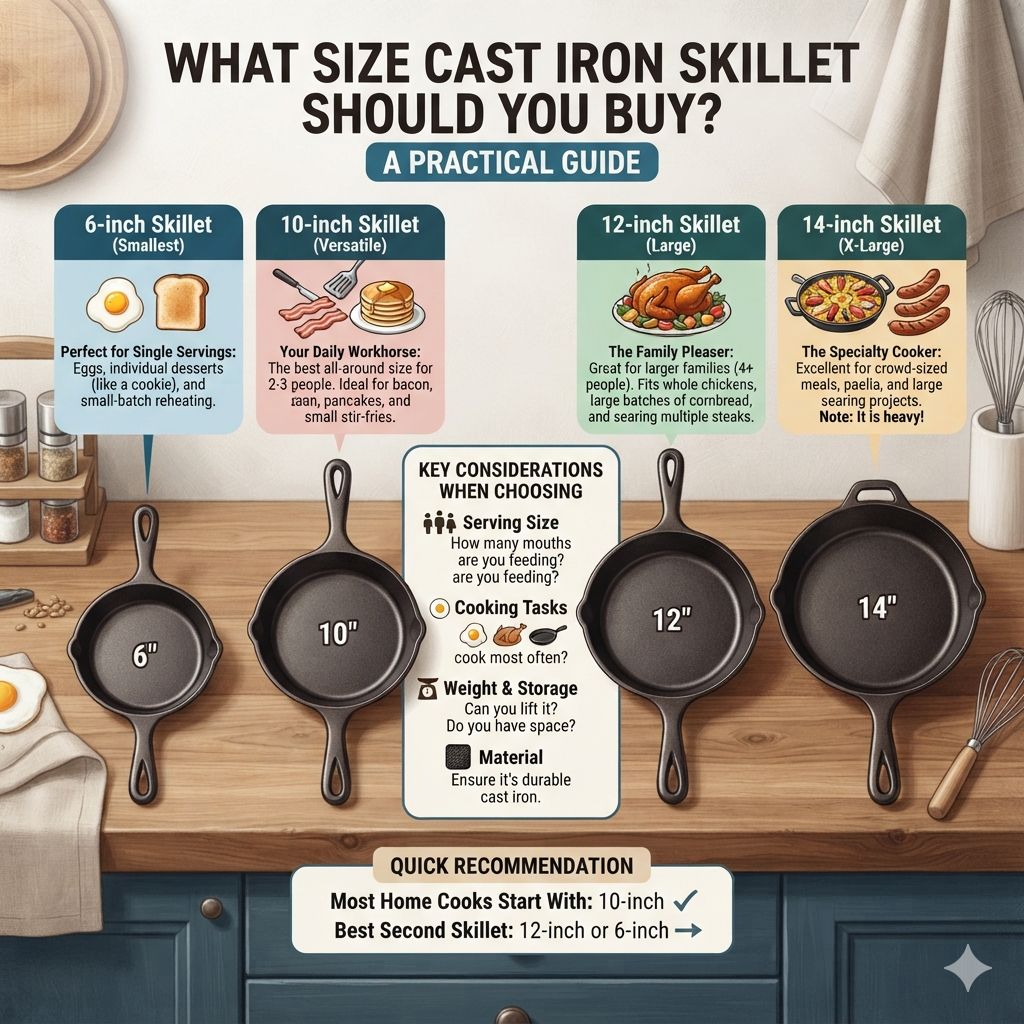
Simply put, a 10-inch or 12-inch cast iron skillet is the best all-around choice for most home cooks. The 10-inch works well for 1-2 people and everyday tasks like eggs and seared chicken, while the 12-inch handles larger meals for families of 3-4 and gives you room for batch cooking.
Key Takeaways
- Cast iron skillet size directly affects cooking capacity, heat distribution, and storage requirements.
- A 10-inch skillet is the most versatile starter size for individuals or couples.
- 12-inch skillets offer the best balance of surface area and manageable weight for families.
- Small 6-8 inch skillets excel at eggs, sides, and single servings but limit batch cooking.
- Your choice should also factor in stovetop burner size, oven capacity, and your physical strength for lifting.
What Size Cast Iron Skillet Is Right for You?
The best cast iron skillet size depends on how many people you cook for, what you cook most often, and how much storage space you have. Manufacturers typically measure skillets across the top outer rim, not the cooking surface, so a 12-inch skillet actually has a cooking surface of about 9.5 to 10 inches.
Understanding this measurement quirk is crucial. A 12-inch skillet may look massive in photos, but its actual cooking area is closer to a 10-inch nonstick pan. This means you often need to go up one size from what you think you need.
- 6-inch skillet: Cooking surface about 4.5 inches – great for single eggs, melting butter, or small side sauces.
- 8-inch skillet: Cooking surface about 6.5 inches – ideal for 1-2 eggs, small pancakes, or a personal-sized omelet.
- 10-inch skillet: Cooking surface about 8 inches – perfect for 2 chicken breasts, 2-3 servings of sautéed vegetables, or cornbread.
- 12-inch skillet: Cooking surface about 9.5-10 inches – handles 4 chicken thighs, a full pound of bacon, or a family-sized frittata.
- 14-inch skillet: Cooking surface about 11.5 inches – good for large batches, paella, or feeding 6+ people.
- 15-inch skillet: Cooking surface about 12.5 inches – best for large gatherings, deep frying, or whole chickens.
Important: Always check the listed cooking surface diameter, not just the overall pan size. Many manufacturers provide this spec in the product details. A 12-inch skillet with a 9.5-inch cooking surface will feel smaller than expected.
Common Cast Iron Skillet Sizes and Their Uses
Cast iron skillet sizes range from tiny 3.5-inch mini skillets (often used as serving dishes or for individual desserts) up to massive 17-inch pans built for commercial kitchens. The most practical sizes for home cooking fall between 8 and 14 inches.
Each size serves a distinct purpose. Owning multiple sizes is common among enthusiasts, but if you are starting with just one, the 10-inch or 12-inch options will cover 90 percent of your daily cooking needs.
| Size (inches) | Cooking Surface | Best For | Weight (approx) |
|---|---|---|---|
| 6-inch | 4.5-inch | Single egg, butter melting, individual desserts | 1.5 lbs |
| 8-inch | 6.5-inch | 1-2 eggs, small omelets, single pancakes | 3 lbs |
| 10-inch | 8-inch | 2 chicken breasts, cornbread, 2-3 servings veggies | 5 lbs |
| 12-inch | 9.5-10-inch | Family meals, full pound of bacon, whole fish | 7-8 lbs |
| 14-inch | 11.5-inch | Large batches, paella, 6+ servings | 10-12 lbs |
This table gives you a quick reference for matching pan size to your typical meals. Notice how the weight jumps significantly between sizes. A 12-inch skillet at 7 pounds can feel heavy when full of food.
A 14-inch pan at 11 pounds empty is a serious workout.
What Size Cast Iron Skillet Is Best for Beginners?
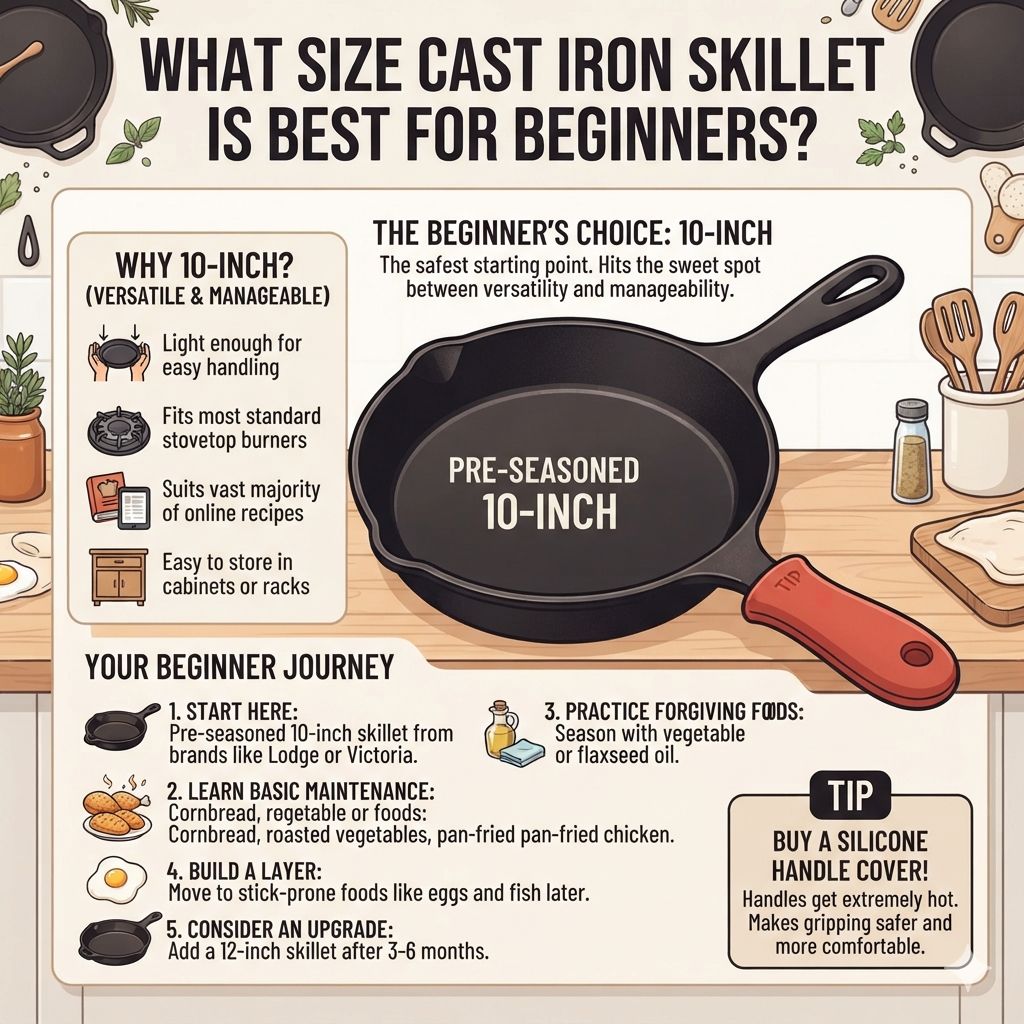
If you have never owned a cast iron skillet before, the 10-inch size is the safest starting point. It is light enough to handle easily, fits on most standard stovetop burners, and suits the vast majority of recipes you will find online or in cookbooks.
Many beginner guides recommend a 10-inch skillet because it hits the sweet spot between versatility and manageability. You can sear a steak, bake cornbread, fry eggs, and roast vegetables all in the same pan. It also stores easily in a standard cabinet or on a hanging rack.
- Start with a pre-seasoned 10-inch skillet from a reputable brand like Lodge or Victoria.
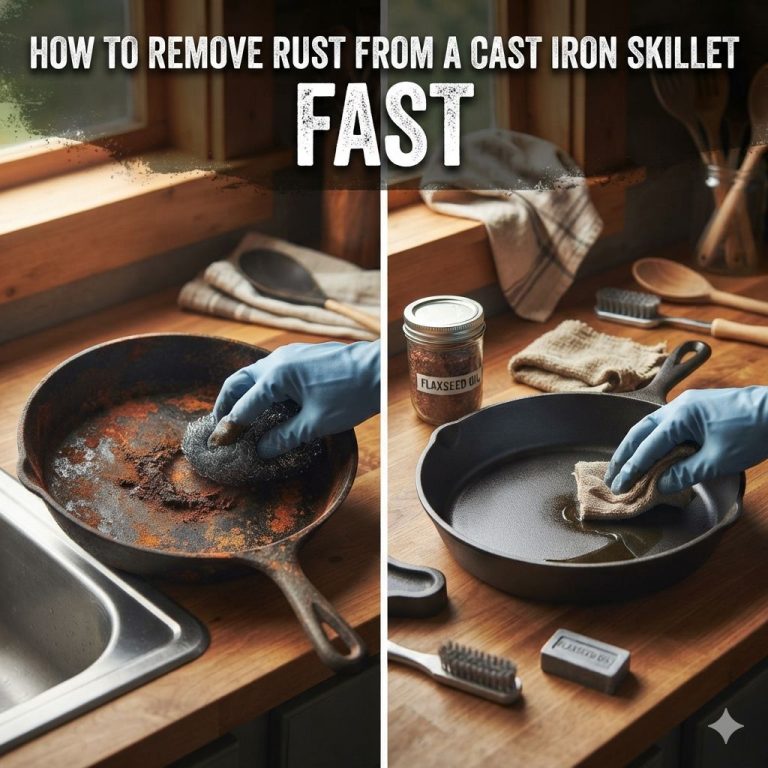
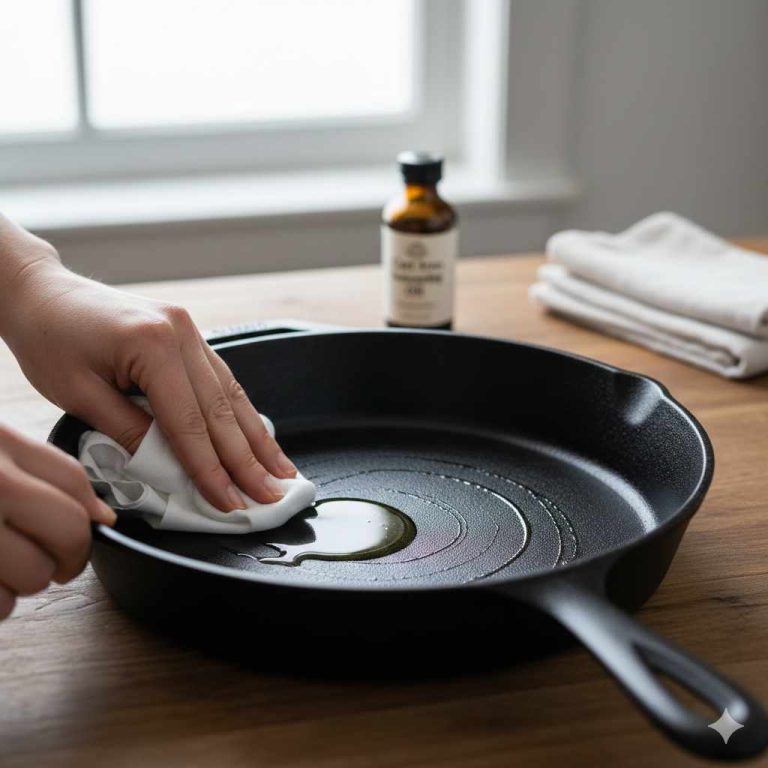
- Learn basic seasoning maintenance with vegetable oil or flaxseed oil before attempting advanced recipes.
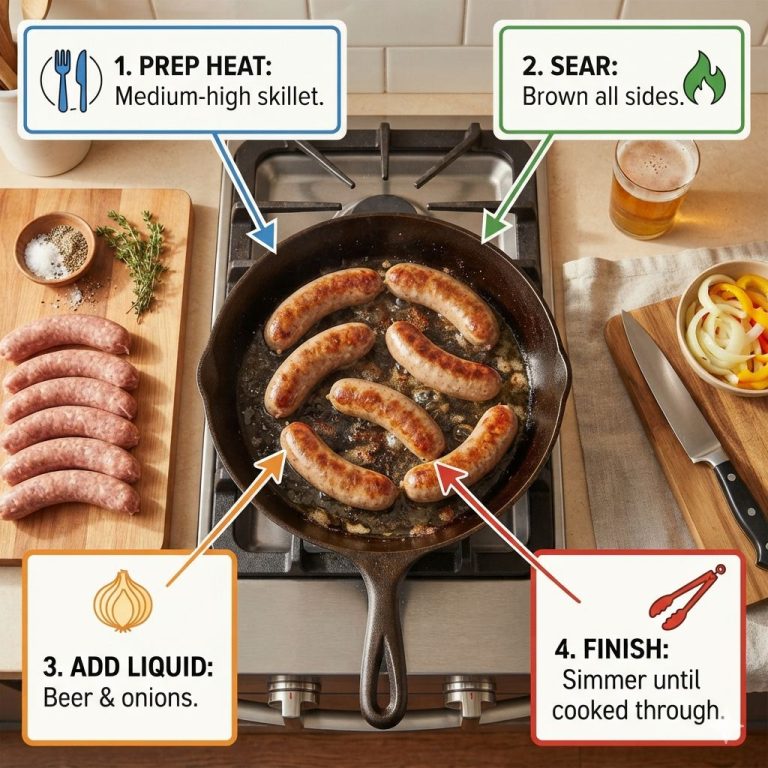
- Practice with forgiving foods first such as cornbread, roasted vegetables, and pan-fried chicken.
- Gradually move to stick-prone foods like eggs and fish once your seasoning layer builds up.
- Consider adding a 12-inch skillet after 3-6 months once you are comfortable handling and cleaning cast iron.
Tip: Buy a silicone handle cover for your 10-inch skillet. Cast iron handles get extremely hot, and a $5 cover makes gripping much safer and more comfortable during stovetop cooking.
Best Cast Iron Skillet Size for Different Cooking Tasks
Different dishes need different amounts of surface area. You want food to have contact with the pan without overcrowding, which causes steaming instead of searing. Here is how cast iron skillet sizes match up to common cooking tasks.
A general rule: leave at least one inch of space between pieces of meat or vegetables for proper browning. If ingredients overlap or touch, you need a larger pan or need to cook in batches.
| Cooking Task | Recommended Size | Why This Size Works |
|---|---|---|
| Frying a single egg | 6 or 8-inch | Small surface keeps egg from spreading too thin |
| Searing two steaks | 12-inch | Room for proper browning without crowding |
| Baking cornbread | 10-inch | Standard recipe size for even thickness |
| Deep frying chicken | 12 or 14-inch | Depth and surface area for multiple pieces |
| Cooking a full pound of bacon | 12-inch | Holds all strips in a single layer |
| One-pan pasta dishes | 12 or 14-inch | High sides prevent boil-over |
Notice that the 10-inch skillet handles most single-person and two-person tasks well. The 12-inch skillet steps in when you need more surface area for batching or larger proteins. Going beyond 12 inches is usually only necessary for serious batch cooking or entertaining.
How to Choose Cast Iron Skillet Size for Your Household
Your household size is the single biggest factor in choosing the right cast iron skillet size. A single person cooking for themselves has very different needs than a family of six. Here is a simple breakdown based on who you cook for.
The serving sizes below assume you are cooking a main dish with a protein and vegetables. If you typically cook one-pan meals, lean toward the larger recommended size to avoid overcrowding.
- 1 person: An 8-inch or 10-inch skillet works perfectly. You can cook a single chicken breast, a few eggs, or a personal pizza. The 8-inch saves storage space and is lighter for daily use.
- 2 people: A 10-inch skillet is the ideal size. It fits two chicken breasts, two salmon fillets, or enough sautéed veggies for two servings. Cornbread recipes are designed for this size.
- 3-4 people (family): Go with a 12-inch skillet. You get enough surface area for four chicken thighs, a full pound of ground beef, or a family-sized frittata. This is the most recommended size by professional chefs.
- 5-6 people: A 14-inch skillet or a 12-inch skillet plus a second 10-inch skillet gives you the flexibility to cook side dishes and mains simultaneously.
- 6+ people or entertaining: Consider a 14 or 15-inch skillet for large batches of paella, stir-fry, or deep-dish pizza. Be prepared for the significant weight increase.
Warning: A 12-inch skillet filled with food can weigh 10-12 pounds. If you have wrist or shoulder issues, stick with a 10-inch skillet or use two hands when moving a fully loaded pan. Cast iron gets heavy fast.
Small vs Medium vs Large Cast Iron Skillets Compared
Understanding the tradeoffs between small, medium, and large cast iron skillets helps you decide where to invest your money and kitchen space. Each category has clear strengths and weaknesses.
Here is a direct comparison of the three most popular size categories to help you visualize the differences in everyday use.
| Feature | Small (6-8 inch) | Medium (10 inch) | Large (12-14 inch) |
|---|---|---|---|
| Best for household size | 1 person | 1-2 people | 3-6 people |
| Weight (empty) | 1.5-3 lbs | 5 lbs | 7-12 lbs |
| Storage ease | Very easy | Easy | Requires dedicated space |
| Oven compatibility | Fits most ovens | Fits most ovens | May be tight in smaller ovens |
| Versatility score | Limited | High | Very high |
| Price range | $15-$35 | $25-$50 | $35-$80+ |
Medium skillets offer the best balance of weight, versatility, and storage for most people. Large skillets provide the most cooking surface but require more strength and storage space. Small skillets are great as specialty pans but should not be your only pan.
Key Factors to Consider Before Buying a Cast Iron Skillet
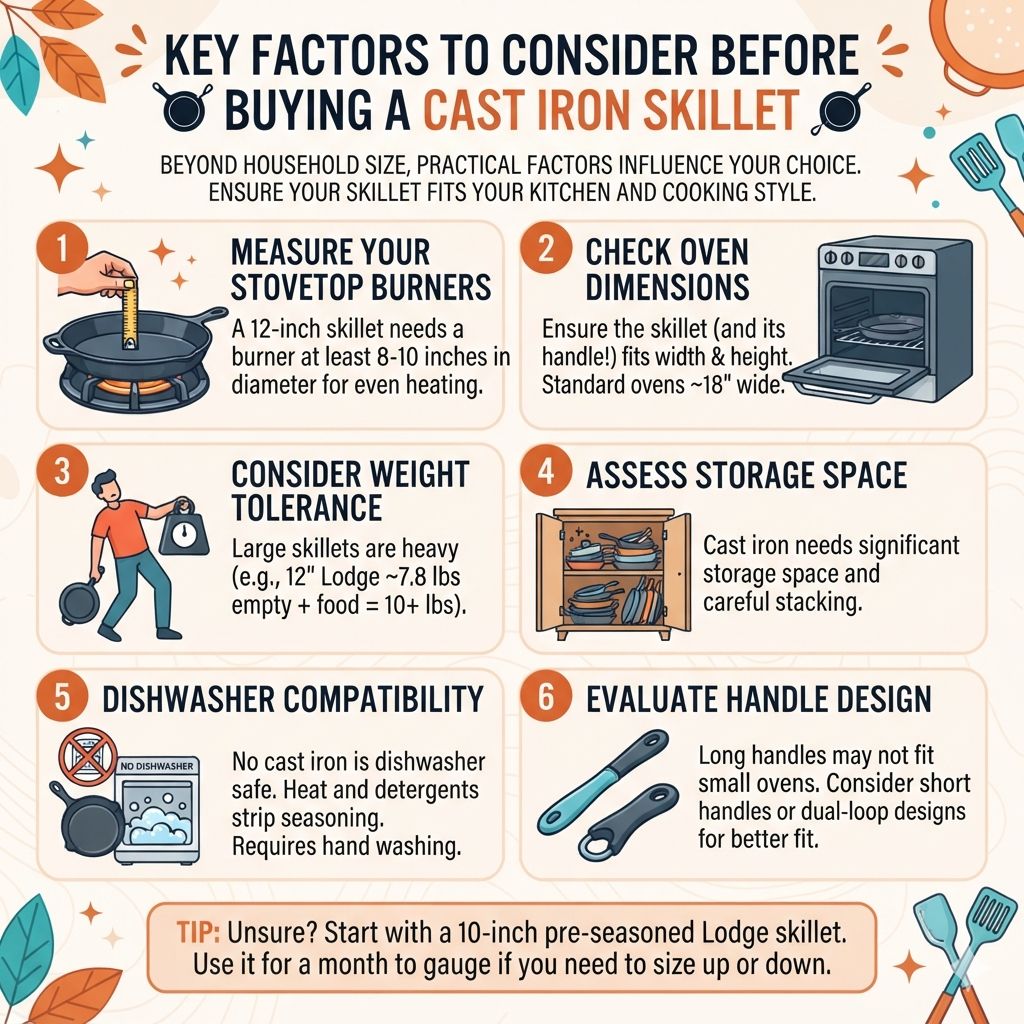
Beyond household size, several practical factors influence what size cast iron skillet you should buy. Ignoring these can lead to a pan that does not fit your kitchen or cooking setup.
Take the time to measure your stovetop burners and oven interior before purchasing. A 14-inch skillet is useless if it does not fit in your oven or hangs off the sides of your burner.
- Burner size: A 12-inch skillet needs a burner that is at least 8-10 inches in diameter. Smaller burners create hot spots and uneven cooking. Measure your largest burner before buying.
- Oven dimensions: Standard home ovens are about 18 inches wide and 12-14 inches tall. A 14-inch skillet fits width-wise, but the handle may touch the oven wall. Check clearance with the door closed.
- Weight tolerance: Be honest about your physical ability. A 12-inch Lodge skillet weighs 7.8 pounds empty. Add 2-3 pounds of food and you are lifting 10+ pounds with one hand. If that sounds heavy, go with the 10-inch.
- Storage space: Cast iron should not be stacked without protection. A 12-inch skillet takes up significant cabinet or counter space. Measure your storage area before buying.
- Dishwasher compatibility: No cast iron skillet is dishwasher safe. The high heat and harsh detergents strip seasoning. All sizes require hand washing, so factor in cleaning effort.
- Handle design: Some skillets have long handles that may not fit in smaller ovens. Short handles or dual-loop designs (like those on Field Company skillets) are more oven-friendly.
Tip: If you are unsure about size, buy a pre-seasoned 10-inch Lodge skillet first. They cost around $25 and are widely available. Use it for a month. You will quickly know whether you need to size up or down for your next purchase.
Frequently Asked Questions
What is the most versatile size of cast iron skillet?
The 10-inch skillet is the most versatile size for most home cooks. It handles everything from eggs and pancakes to seared chicken and cornbread. It is light enough to maneuver easily and fits on standard burners and ovens.
Is a 12-inch cast iron skillet too big for everyday use?
For a household of 1-2 people, a 12-inch skillet may feel oversized and heavy for daily tasks.
For families of 3 or more, it is perfectly practical. Consider your physical strength and storage space before choosing this size.
Can I use a cast iron skillet on a glass-top stove?
Yes, you can use cast iron skillets on glass-top stoves, but you need to be careful. The rough bottom can scratch the glass if slid around. Lift the pan instead of sliding it, and avoid dropping it onto the surface.
How do I know what size my current cast iron skillet is?
Measure across the top outer rim of the skillet from edge to edge using a measuring tape. Do not measure the cooking surface. Most skillets have the size stamped on the back of the handle or on the bottom of the pan.
Should I buy one large skillet or two smaller ones?
Two smaller skillets (8-inch and 10-inch, or 10-inch and 12-inch) offer more flexibility than one large 14-inch skillet. You can cook side dishes simultaneously, handle different foods, and the smaller pans are easier to clean and store.
Final Thoughts
Choosing the right cast iron skillet size comes down to your household size, cooking habits, and kitchen realities. A 10-inch skillet is the best all-around starter for most people. A 12-inch skillet gives you room to grow if you cook for a family.
Start with one well-made pan in the size that matches your daily cooking, and add more sizes only when you find yourself wishing for more surface area or a lighter pan.
Products related to this article
Sponsored / affiliate links. As an Amazon Associate I earn from qualifying purchases. I may earn additional commission from eligible campaigns.