Cookware Seasoning Chart for Every Pan Type
Season cast iron and carbon steel with a thin oil film baked at about 400–500°F, skip seasoning on stainless steel, and avoid seasoning nonstick because heat can damage the coating. If you do it badly, the pan can end up sticky, rusty, flaking, or with a ruined nonstick surface. This article gives you a cookware seasoning chart with exact steps, what to avoid, and when seasoning is unnecessary or harmful.
What seasoning cookware means


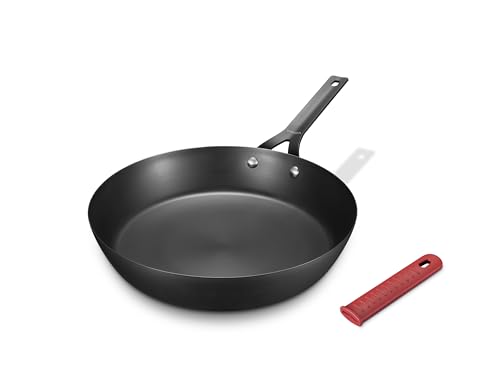
Seasoning is a thin polymerized oil layer on bare metal. It slows rust, cuts sticking, and gets better with use as long as the layer stays thin and dry. Cast iron and carbon steel benefit the most. Stainless steel usually does not need it, and nonstick or enameled cookware should not be treated the same way.
The useful part is the film itself, not a glossy coat of oil. Too much oil leaves a gummy surface instead of a hard layer.
What the oil does
When oil is heated near its smoke point, some of it turns into a bonded layer on the pan surface. That is why smoke point matters. A seasoning oil should handle heat without breaking down too early, then cool into a dry finish rather than a wet residue.
Which pans benefit most?
Bare cast iron and bare carbon steel are the main cookware types that commonly benefit from true seasoning. They are reactive, can rust, and can become more nonstick with repeated thin coats. Stainless steel needs cooking technique more than seasoning. Enameled cast iron and nonstick pans are already coated and should be handled differently.
What you’ll need
- A thin cooking oil such as vegetable oil, canola oil, or flaxseed oil
- A clean lint-free cloth or paper towel
- A non-abrasive scrubber
- An oven or stovetop method, depending on the pan and the maker’s directions
- Dish soap and warm water for cleaning before seasoning
- Dry towels for full drying
Cookware seasoning matrix
| Material | Need | Preferred oil | Heat range | Method | Drying step | Common failure mode | Reseasoning frequency |
|---|---|---|---|---|---|---|---|
| Cast iron | Yes, true seasoning helps protect bare metal | Vegetable, canola, or flaxseed oil | Usually 400–500°F, or the maker’s stated temperature | Wipe on a very thin coat, then oven season in cycles | Dry fully after washing; no moisture left in seams or handle | Sticky buildup, orange rust, or flaking layers | After rust, stripping, harsh scrubbing, or when food starts sticking more |
| Carbon steel | Yes, similar to cast iron | Vegetable, canola, or flaxseed oil | Usually 400–500°F, or the maker’s stated temperature | Thin oil coat with oven or stovetop heat | Dry completely after washing; then warm briefly if needed | Patchy seasoning or rust after washing | After repeated washing, rough scrubbing, or bare spots |
| Stainless steel | No true seasoning required | Any cooking fat for preheating or cooking, not seasoning layers | Medium to medium-high heat for cooking, per recipe | Preheat the pan, add food or fat, and manage heat carefully | Dry after washing to prevent water spots | Sticking from poor preheat, not failed seasoning | Only as needed for cooking performance; no reseasoning schedule |
| Nonstick and enameled cast iron | No traditional seasoning | Light cooking oil for food release only | Follow the maker’s temperature limit | Use normal cooking fat; avoid oven seasoning cycles unless the maker allows it | Dry gently after washing | Coating damage, discoloration, or reduced release from heat abuse | No reseasoning; replace or repair only if the coating fails |
How do you season cast iron and carbon steel?
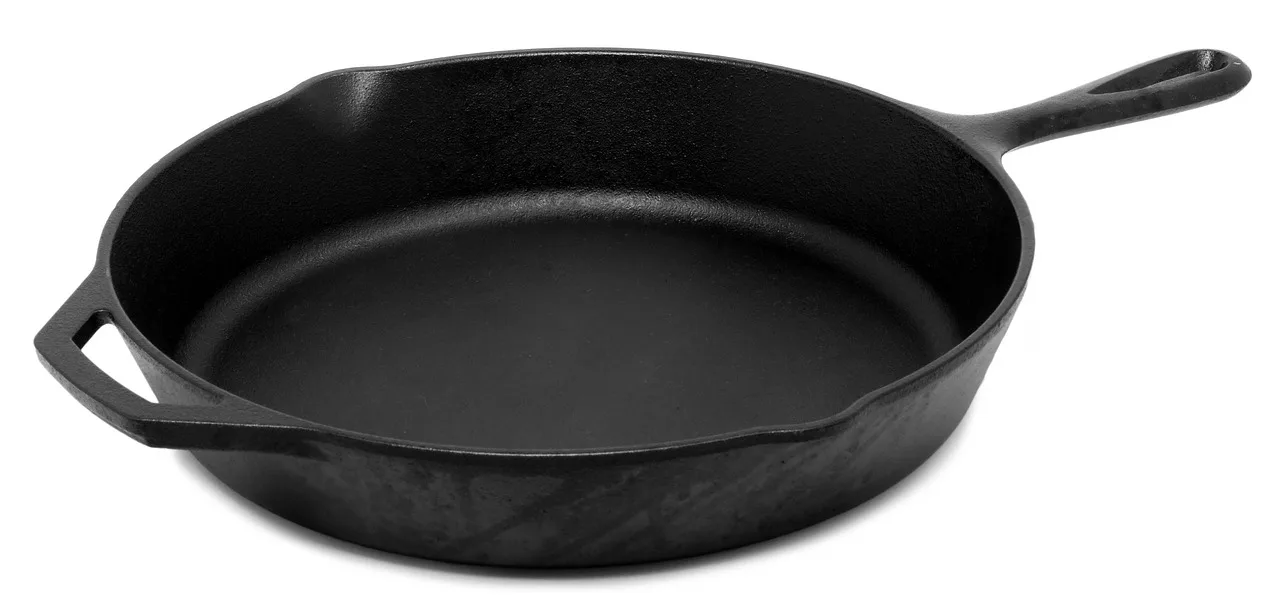
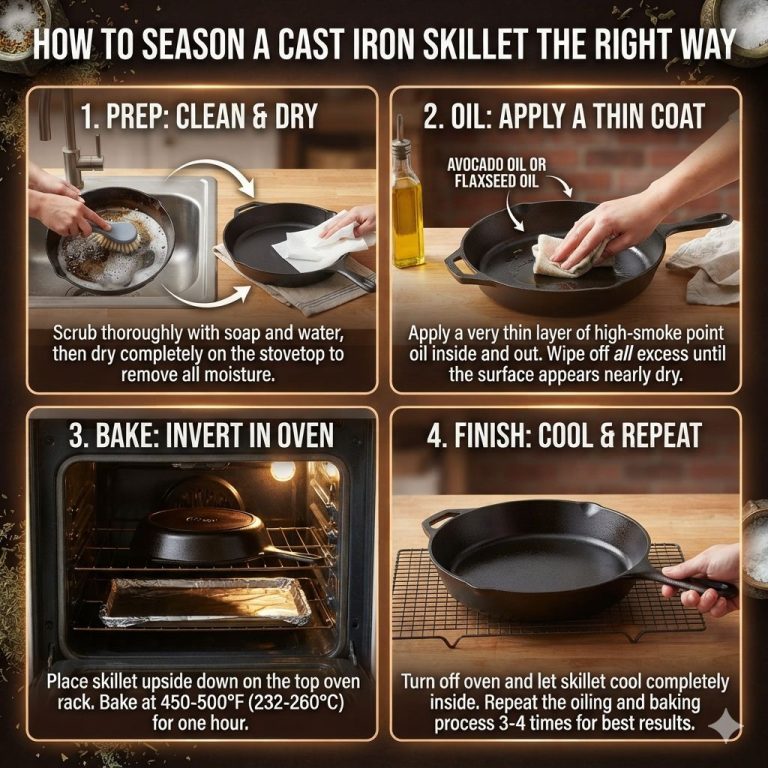
Wash, dry, oil, and heat in thin cycles. For cast iron and carbon steel, the goal is a hard film, not a wet layer of oil left behind. Apply a very light coat, heat the pan near the oil’s smoke point range or the maker’s stated temperature, let it cool, and repeat if needed.
- Wash the pan with warm water and a non-abrasive scrubber.
- Dry it completely, then warm it briefly so hidden moisture evaporates.
- Apply about 1 to 2 teaspoons of oil for a 10- to 12-inch pan, then wipe until the surface looks almost dry.
- Heat the pan in the oven or on the stovetop until the oil begins to polymerize; many makers and pan-care instructions place oven seasoning at about 400–500°F.
- Turn off the heat and let the pan cool fully.
- Repeat for 1 to 3 cycles if the surface still looks dull or patchy.
Oven seasoning versus stovetop seasoning
Oven seasoning is the easier choice for even coverage, especially on the outside and handle of a skillet. Stovetop seasoning can work for carbon steel and some cast iron, but it is easier to overheat one spot. The oven method is often done in cycles, with heating and cooling between coats.
Say your 12-inch cast iron skillet looks dry and gray after stripping. One thin coat of canola oil and a 450°F oven cycle does more good than three heavy coats, because extra oil usually turns sticky instead of hard.
Do stainless steel or nonstick need seasoning?
Stainless steel does not require seasoning in the cast-iron sense. It is non-reactive and usually works best with preheating, enough fat, and control over surface temperature. Nonstick and enameled cast iron should not be seasoned traditionally because their coatings already do the job that seasoning would do on bare metal.
When a light oil film helps
On stainless steel, a light film of oil can help food release during cooking, but that is not a seasoning layer. It is cooking fat. Preheat the pan, add oil, then add food when the oil shimmers or moves easily across the surface.
Why nonstick and enameled cast iron stay out of the seasoning cycle
Nonstick coatings can be damaged by high heat, and enameled cast iron has a ceramic enamel lining that does not need polymerized oil. A common first-timer mistake is trying to fix sticking on a nonstick pan by baking it like cast iron. That can shorten the coating’s life.
Common seasoning mistakes
Most failures come from too much oil, poor drying, or the wrong heat. Sticky buildup means the layer was too thick or not heated enough. Patchy seasoning usually means the oil was wiped unevenly. Orange rust means water stayed behind. Flaking often means the old layer was built up too heavily or was overheated.
- Wipe off more oil than feels natural; the pan should look nearly dry before heating.
- Use the pan maker’s temperature range instead of a single universal number for every oil and every pan.
- Dry the pan fully after every wash, then store it where air can reach it.
- Do not soak bare metal cookware in water.
- If the surface turns sticky, clean it with warm water and a non-abrasive scrubber, dry it, then repeat with a thinner coat.
Suppose a carbon steel pan comes out of the oven with a tacky brown film. That usually means the coat was too thick, not that the pan needs more oil. A full wash, a dry towel pass, and one lighter coat usually fix it better than adding another layer.
How often should you reseason?
Reseason when bare metal shows rust, when cooking performance drops after harsh scrubbing, or when repeated wash cycles have worn the surface down. For cast iron and carbon steel, reseasoning is a repair step, not a daily task. After normal use, careful washing and drying are usually enough.
When to stop and start over
If a pan has flaking layers, strip the loose finish before rebuilding it. If orange rust appears, remove the rust first, dry fully, then season again. If food starts sticking more often even with normal preheating and oil, the surface may need a refresh rather than a full strip.
Prevent problems with a simple routine: wash with a non-abrasive scrubber, dry fully, and store the pan dry. That matters more than adding extra oil after every meal.
Choose the material by how much maintenance you want to do. Cast iron and carbon steel reward regular seasoning and careful drying. Stainless steel asks for better heat control instead. Nonstick and enameled cast iron are lower-maintenance at the surface, but they should not be treated like bare metal pans.
If you want one pan that can build a durable seasoning layer, bare cast iron is the clearest choice. If you want lighter weight and faster heat response, carbon steel is often the better fit. If you want easy cleanup without seasoning work, stainless steel is the safer pick.
Frequently asked questions
How to season ceramic cookware
Do not season ceramic-coated cookware like bare cast iron. If the maker allows it, you can use a light oil wipe for cooking, but high-heat seasoning cycles can damage the coating. Check the manufacturer’s listing for your exact model before applying heat treatment.
How to season nonstick cookware
Do not season nonstick pans with oven cycles or heavy oil coats. Use a light amount of cooking fat during normal cooking and keep heat within the maker’s limit. If nonstick performance drops, the coating may be worn rather than under-seasoned.
How to season made in cookware
Check the material first, because Made In sells different cookware types. Bare carbon steel and cast iron can be seasoned with thin oil coats and heat. Stainless steel should not be seasoned that way, and nonstick pieces should follow the manufacturer’s care instructions instead.
Products related to this article
Sponsored / affiliate links. As an Amazon Associate I earn from qualifying purchases. I may earn additional commission from eligible campaigns.