How to Store Pots and Pans to Prevent Scratches
Store pots and pans by keeping every metal contact point apart with felt, paper, silicone, or a rack, and put the heaviest, most-used pieces in the easiest-to-reach zone. Poor storage chips coatings, scratches metal, and wastes cabinet space. This guide shows the best storage method by cookware material, cabinet shape, and how often you use each pan.
Why cookware scratches in storage

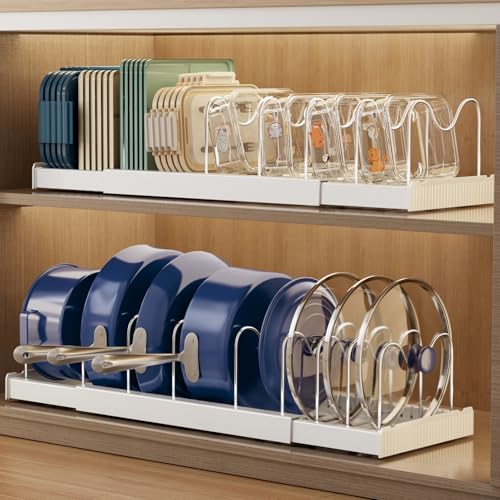

Scratches usually come from hard contact: rim against rim, base against base, lid against pan, or handle against sidewall. Bare stacking is the main problem, especially when a heavy pan shifts inside a cabinet. Nonstick, ceramic, enamel, and even stainless cookware can wear when they rub during grab-and-go use.
What contact points cause wear
The risky spots are easy to miss. Pan rims scrape as pieces slide apart, enamel chips where edges meet, and coated interiors take damage when a smaller pan drops into a larger one without padding. Lids add another failure point because glass, metal, and knobs can clatter together and bend or scratch.
Which finishes scratch most easily?
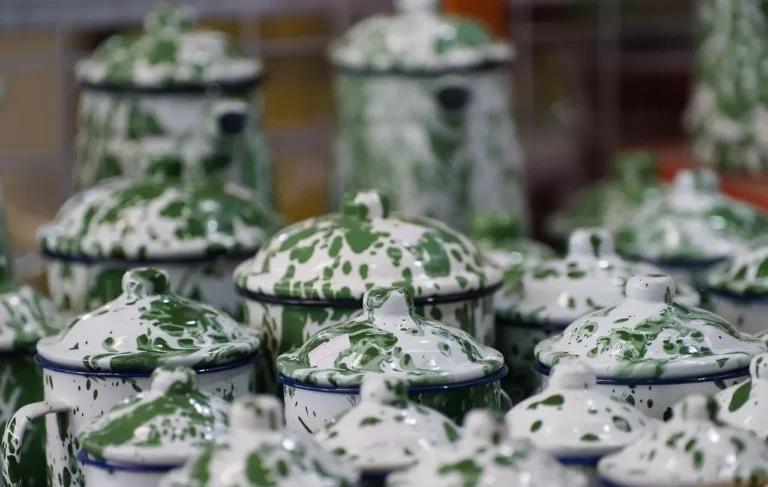
Nonstick and ceramic coatings need the most separation. Enamel can chip at the edge if two hard surfaces knock together. Stainless is tougher, but repeated rubbing still leaves marks and can dull the finish. Made In notes that stacking without padding can cause chipped enamel and scratched coating, and IKEA warns that direct stacking can damage non-stick coating.
A common first-timer mistake is stacking a cast-iron skillet directly on top of a nonstick sauté pan without any divider. A 12-inch nonstick skillet and a heavy stainless sauté pan do not need the same storage plan, even if they fit in the same cabinet.
When stacking becomes risky
Stacking gets risky when pans are used daily, when the cabinet is deep enough to hide items in the back, or when the stack has to be lifted out often. The more often you pull one pan from the middle, the more likely it is to drag against the rest. If lids are mixed into the pile, the chance of clanging goes up fast.
What storage method fits your kitchen?
Choose the storage method by matching three things: cookware material, cabinet geometry, and access frequency. A shallow cabinet favors vertical separation. A deep cabinet needs better reach. A renter-friendly setup often points to pegboard or simple inserts, while a kitchen with open wall space can handle hanging storage.
Match material to storage method
Nonstick, ceramic, and enamel often benefit from pan protectors or vertical storage because their finishes can be easier to damage. Stainless can be stacked with separators if space is tight. Heavy pieces, such as Dutch ovens or large stock pots, are easier to manage in pull-out organizers or lower cabinets than in tall overhead stacks.
Match cabinet geometry to storage method
Shallow cabinets and drawers work well for vertical storage, drawer organizers, and lid racks. Deep cabinets need pull-out cabinet organizers or vertical dividers so you do not have to reach past one pan to get another. If the cabinet opening is narrow, stacking with protectors may be safer than forcing a bulky rack into a cramped space.
Match access frequency to storage method
Daily-use pans should live where you can grab them without moving other cookware. Rarely used roasters, extra stock pots, and specialty pans can go higher or farther back. The best storage plan gives the quickest access to the pieces you use most and the most separation to the pieces most likely to scratch.
Pots and pans prevent decision matrix
This matrix pairs cookware material, cabinet type, and use frequency with the safest storage method. It is meant to help you choose before buying bins, dividers, or racks.
| Cookware material | Cabinet type | Use frequency | Safest storage method |
|---|---|---|---|
| Nonstick | Deep cabinet | Daily | Vertical storage with pan protectors or a drawer organizer |
| Nonstick | Shallow cabinet | Occasional | Stack with pan protectors between each pan |
| Ceramic | Deep cabinet | Daily | Pull-out cabinet organizer or vertical divider with soft separators |
| Enamel | Any cabinet | Occasional | Stack only with pan protectors or a dish towel between pieces |
| Stainless | Deep cabinet | Daily | Drawer organizer or pull-out cabinet organizer |
| Stainless | Open wall or ceiling space | Occasional | Hanging rack with separated hooks or rails |
| Any material | Renter-friendly layout | Daily or occasional | Pegboard or vertical cabinet storage |
Picture a small galley kitchen with one 18-inch-wide cabinet and five pans. If the nonstick skillet is used every morning, place it in front or upright, not under a stack of seldom-used pans. The large roasting pan can sit higher or farther back because it leaves the active zone less often.
How should you stack pans safely?
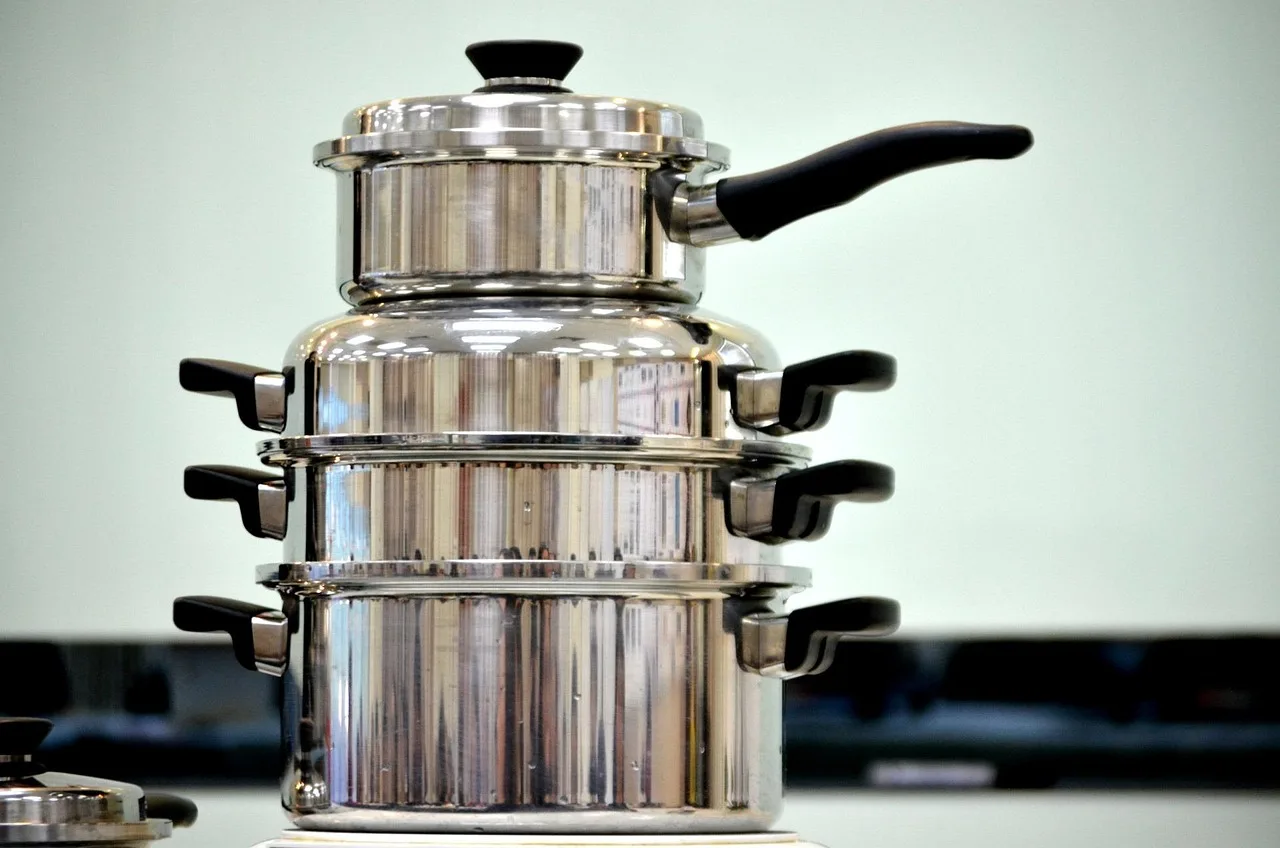
Stacking can still work if you pad each contact point and keep the stack orderly. Use pan protectors, a dish towel, or a trivet inside each pan before nesting. That simple buffer cuts scraping and is the best fallback when a rack or divider will not fit.
Use pan protectors between nested pans
Pan protectors are the cleanest fix for stacked cookware. They go between nested pans and are made in silicone or felt versions. They are often especially useful for nonstick, ceramic, enamel, and stainless cookware because they can help prevent chipped enamel and scratched coatings when pans move during storage.
The same source recommends using pan protectors, a dish towel, or a trivet inside each pan before stacking. Livingetc also recommends stacking pans with a dish towel or pan protector to prevent scratches. That advice matters most when the stack has to be lifted out often.
Use a dish towel or trivet when needed
If you do not have protectors, use a clean dish towel or trivet as a separator. Place it inside each pan before nesting. This is a practical stopgap, not a perfect substitute, because soft fabric can shift. It still reduces direct metal-on-surface contact better than bare stacking.
Separate lids from pan surfaces
Lids should not sit loose inside the same stack as the pans. Keep them upright or in a separate slot so knobs, rims, and edges do not rub. A lid touching the inside of a coated pan can scratch the finish even if the pan stack itself is padded.
Hanging and vertical storage options
Vertical storage lowers contact because each piece has its own position. That can be a rail, hook, divider, or upright slot. It is useful when you want fast access and less clutter, especially in cabinets that are deep enough to hide the back row.
Hanging rack basics
A hanging rack works best when you have vertical or wall space. It keeps cookware separated and gives you clear access to daily-use pans. The same source recommends a hanging rack when there is vertical or wall space, and Livingetc recommends hanging pots on a sleek rod to free up cabinet space.
Hanging racks are not the answer for every kitchen. They need clearance, and they can look crowded if you have limited wall area or low ceilings. They also work best for cookware you reach often. Heavy lids or oversized pans may be better in cabinets or drawers.
Pegboard setups for renters
Pegboard is a renter-friendly option that is easier and cheaper to install than a hanging rack. It creates vertical storage without committing to a full wall rail system. Hooks and pegs can be rearranged, which makes it practical when your cookware changes or when cabinet space is tight.
Vertical storage in cabinets and drawers
IKEA recommends storing lids and pans vertically. That layout reduces scratching, improves visibility, and keeps pans easy to grab. It works well in deep cabinets and drawers, where upright slots prevent one pan from sitting on another and keep handles from wedging together.
Say your deep lower cabinet is 24 inches wide and holds six pans. A vertical divider lets each skillet stand on its own edge instead of sliding into a pile. The result is less scraping, less rummaging, and fewer knocks against the cabinet wall.
Lid storage that prevents scratches
Lids are often the bottleneck. They slide, stack unevenly, and knock into pans when you reach for one item. The safest lid storage keeps each lid upright, visible, and separated from hard contact points.
Lid organizers for upright storage
A lid organizer holds lids upright like books. That stops sliding and keeps the cabinet from turning into a jumble of glass, metal, and knobs. MyKitchenHints says lid racks often cost around $10 to $15 and hold four to six lids, while a wire lid rack can hold four to six lids depending on size.
Drawer and cabinet lid layouts
Use a drawer organizer for lids if you have a deep drawer or deep cabinet and want both visibility and access. Place lids vertically so you can see the handle size and grab the right one without moving the rest. This setup also helps prevent warped edges from getting forced under a pan stack.
Keeping lids from sliding and clanging
Give lids a fixed slot, a rack, or a divider. When lids sit flat in a pile, they slide and clank against each other and against pans. Upright storage cuts that movement and keeps the finish cleaner. It also makes it easier to match each lid to its pan.
Pots and pans prevent checklist
Before buying a rack, organizer, or divider, measure the space. A good fit prevents wasted money and avoids forcing cookware into a layout that causes more scratching than it solves. Use this quick check to match the organizer to the cabinet, not the other way around.
- Measure cabinet width from side to side at the narrowest point.
- Measure cabinet depth from the front lip to the back wall.
- Measure cabinet height if you plan to stack, hang, or use vertical slots.
- Measure the diameter of the largest pan you want to store.
- Measure handle clearance so handles do not hit the door or wall.
- Check hook or rail clearance if you want a hanging rack.
- Check divider spacing if you want upright storage for pans or lids.
Suppose your cabinet is 14 inches deep, but the pan handles need nearly that much room to sit flat. A pull-out insert or vertical organizer may work better than a stack, because it avoids forcing handles into a tight corner where they can scrape the side panel.
Frequently asked questions
How do I store pots and pans without scratching them?
Separate every hard contact point with a pan protector, dish towel, trivet, or rack. Use vertical storage when possible, and keep lids in their own upright slot. For the most-used pans, put the easiest-access pieces in front so you are not dragging one pan across another to reach it.
What is the best way to stack pots and pans safely?
The safest stack uses padding between each pan. Pan protectors are the most direct option, and felt or silicone versions work well for many cookware types. If you do not have protectors, use a dish towel or trivet inside each pan before nesting. Keep lids out of the stack.
How do I store pots and pans in a small kitchen?
Use vertical storage, drawer organizers, pegboard, or a pull-out cabinet organizer before you rely on deep stacking. Small kitchens usually need better access, not taller piles. Keep daily-use pans near the front, and move occasional pieces to higher or farther-back spaces.
How do I store pots and pans lids so they don’t get scratched?
Store lids upright in a lid organizer or vertical rack so they do not slide and rub. That layout is useful in small kitchens and deep cabinets because it keeps each lid visible and separated. A rack sized for four to six lids is often enough for a standard set.
Are hanging racks better than cabinet stacking for cookware?
Hanging racks are better when you have wall or ceiling clearance and want to free cabinet space. Cabinet stacking is still fine when you use protectors and the cabinet is the right size. If your kitchen lacks clear wall space, a pegboard or vertical insert is usually more practical.
Do I need pan protectors when stacking cookware?
If you stack cookware, yes, protectors are the safest choice. They are especially useful for nonstick, ceramic, enamel, and stainless pans because they reduce scratching and chipped edges. The same source recommends protectors, a dish towel, or a trivet inside each pan before stacking.
What is the best way to store nonstick pans?
Store nonstick pans with as little hard contact as possible. Vertical storage is ideal, followed by a padded stack with pan protectors. Do not let lids or heavier pans rest directly on the coating, since direct stacking can damage non-stick surfaces over time.
Can I use a pegboard or pull-out organizer for pots and pans?
Yes. Pegboard is a renter-friendly vertical option that is cheaper to install than a hanging rack, and a pull-out organizer works well in deep cabinets with heavy cookware. A pull-out shelf insert can cost around $30 to $40, which makes it a useful middle-ground option for awkward cabinet layouts.
Products related to this article
Sponsored / affiliate links. As an Amazon Associate I earn from qualifying purchases. I may earn additional commission from eligible campaigns.