Pan Scraper Replacement Cost: What to Expect and Pay
Pan scraper replacement cost usually runs about $5–$15 for a universal plastic scraper and roughly $10–$25 for a brand-specific replacement. I replace one when the edge rounds off, cracks, or stops lifting residue cleanly. Wait too long and you scratch cookware or waste time on stuck-on food. Buy the wrong version, and you may be back shopping soon. This guide covers prices, when to replace, and which scraper fits nonstick, cast iron, and griddled pans.
What does a pan scraper replacement cost?


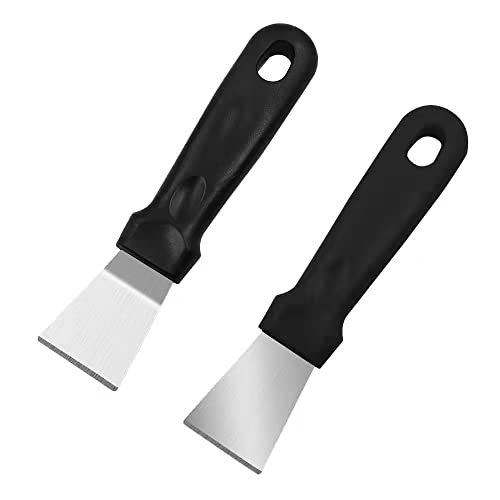
A single pan scraper replacement usually costs about $5–$15 for a basic universal piece and roughly $10–$25 for an original-brand part. Two-packs often land in a moderate price range, while bundle or kit orders can push the unit price down further if you actually need more than one scraper.
Typical single-unit price range
Plain plastic or nylon scrapers sit at the low end because the part is simple to mold and ship. Brand-specific replacements cost more when the shape is matched to a certain pan or grill line, or when the seller is moving a smaller replacement part through a retail channel.
What changes the price: brand, material, and seller
Three things move the price most: original-brand fit versus universal fit, plastic versus nylon, and specialty seller versus marketplace vendor. I see shipping tilt the total fast. A low sticker price can stop looking low once postage gets added.
When a pack or bundle costs less per scraper
Multi-packs usually beat single-unit pricing when you want a backup for a second pan, sink drawer, or grill area. A 2-pack at $12 works out to about $6 each, and a bundled order with another kitchen item may save shipping and lower the effective cost further.
When should you replace a pan scraper?
Replace a pan scraper when the working edge is rounded, cracked, warped, stained, or still holds odor after cleaning. If the scraper still has a firm edge and fits the pan well, light reshaping or a better wash may be enough. A soft, bent edge stops biting into residue.
Wear signs that matter
Rounded corners are the first clue. Cracks, split edges, and warping matter more because they change how the tool contacts the pan. If the scraper flexes too much, it tends to skate over stuck food instead of lifting it. Persistent discoloration is cosmetic unless it comes with smell or tackiness.
When cleaning or reshaping is enough
Some scrapers only need a hot-water wash and a stiff brush to clear buildup. If the edge is slightly dull but not damaged, a careful trim or reshaping can extend use, especially on inexpensive nylon versions. Once the profile is misshapen or split, replacement is the better call.
Why stiff edges matter for stuck-on food
Stiffness is what lets the scraper push under crusted bits without folding. Too much flex makes the tool behave like a soft spatula, which is poor at lifting baked-on residue. A firm edge matters most on griddles, cast iron, and pans with corners where residue hides.
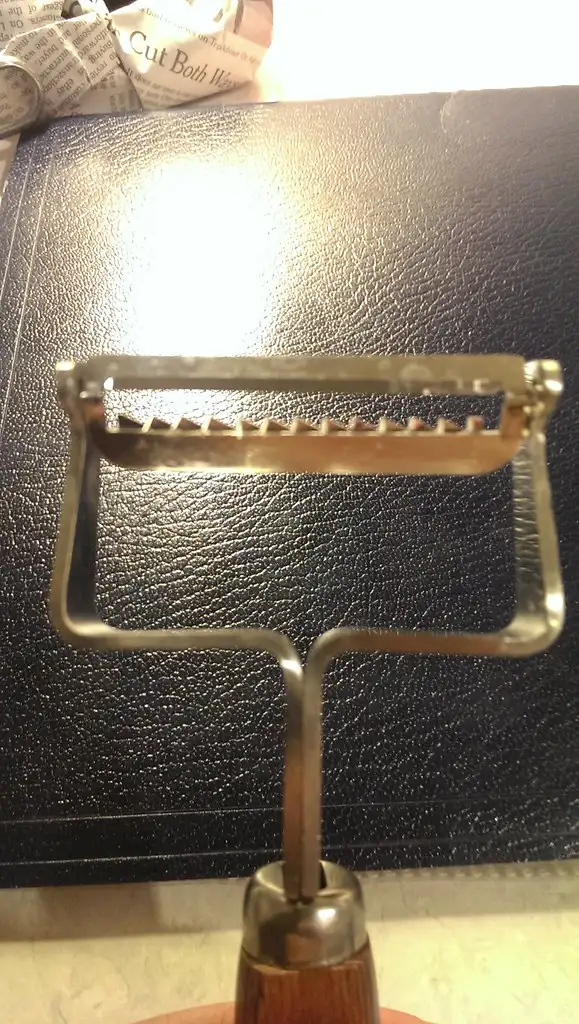
Does the right scraper depend on your cookware?
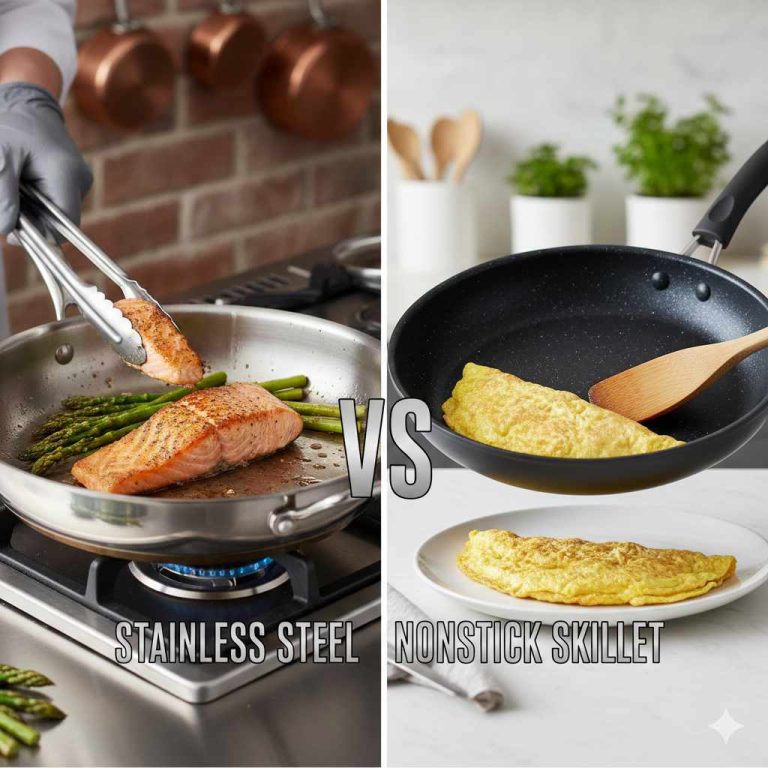
Yes. Cookware material should decide the scraper type more than price alone. Nonstick pans need softer, non-abrasive edges; cast iron and stainless steel can usually handle firmer scraping; enamel-coated pans need extra caution because chips can be permanent. Textured cookware also needs better edge fit to reach low spots.
Nonstick cookware: safety and edge softness
For nonstick, choose plastic or nylon and avoid anything with hard metal parts. The scraper should glide without gouging the coating. Wide, sharp-feeling edges are not the goal here; a smoother edge that lifts food without digging is safer and usually lasts long enough for home use.
Cast iron and stainless steel: tougher scraping needs
Cast iron and stainless steel handle more aggressive scraping, but the tool still needs enough stiffness to work. A firmer nylon scraper often performs better than a floppy plastic one. For seasoned cast iron, the scraper should remove residue without stripping the seasoning layer by needless abrasion.
Enamel-coated pans and textured surfaces: fit and caution
Enamel needs the most caution because chips can spread from one bad scrape. Textured surfaces make fit more important; a broad flat edge may miss grooves, while a narrower corner profile can clean better. If the pan surface is delicate, choose the gentlest tool that still removes residue.
Should you buy an original replacement or a universal scraper?
An original replacement is best when the shape is unusual, the pan line is still current, or you want the safest fit with the least guesswork. A universal scraper is often better value when the old brand is discontinued or the original part is priced too high for a simple plastic tool.
Original-brand replacement parts
Original replacements usually match the pan rim, corners, and intended use more closely. That fit matters on scrapers with unusual curves or cutouts. The tradeoff is price. Brand parts often carry a premium that makes sense only if the fit is clearly better than a generic substitute.
Universal compatible scrapers
Universal scrapers are often cheaper and easier to find. Many are simple molded plastic or nylon pieces with common corner shapes that work across several pan styles. The risk is fit: a universal tool can be too wide for small corners or too soft for stubborn residue.
When a discontinued brand makes a substitute the better buy
If the original line is gone, a universal replacement is usually the practical choice. That is especially true for older cookware where a perfect match no longer exists. In that case, shape fit and return policy matter more than the name on the package.
How size and shape affect replacement value
Scraper size affects whether it reaches the pan edge, corners, and curved areas. Width matters for coverage; corner profile matters for tight spots; edge stiffness controls cleaning power; and the grip shape decides how comfortably the tool sits in the hand during repeated use.
Width, corner profile, and rim fit
A wide scraper clears open surfaces faster, but a narrow one works better in tight pan corners. Rounded corners help on curved pans, while squared tips reach into straight-edged cookware. If the scraper misses the rim or lifts awkwardly, the tool is the wrong shape.
Edge stiffness and cleaning performance
Firm edges matter because residue rarely comes off with one pass. A scraper that holds its shape cuts cleaning time, especially on grill pans or dried sauce. Soft edges are gentler, but too much flex turns a simple cleanup into a longer job.
Grip shape for comfortable use
Some replacement scrapers have a plain tab; others add a thicker grip. The better grip is not always the largest one. The best handle is the one that gives control without twisting in wet hands or rubbing the thumb during short, repetitive cleaning jobs.
How to compare buying formats before you order
Compare single, 2-pack, and kit pricing by total cost, shipping, and how soon you will need another scraper. A lower sticker price can lose once shipping is added. Cost per use is the better check because a longer-lasting or better-fitting scraper often costs less over time.
Single scraper vs. 2-pack vs. kit
A single scraper is best when you only need one exact replacement. A 2-pack works when you keep one near the sink and one near the stove. Kits make sense only when the extra pieces are useful; otherwise, you are paying for items that will sit unused.
Shipping, bundle, and marketplace effects
Shipping can change the math fast on a low-cost part. A low-priced scraper with separate shipping may no longer be a bargain next to a two-pack with free delivery. Marketplace listings also vary in seller quality, so the lowest price is not always the safest buy.
Cost-per-use as the real buying check
A pricier scraper that lasts through repeated use and fits the pan well may cost less per cleanup than a cheaper scraper that loses its edge quickly. If a tool avoids scratching and cuts cleaning time, that value is real even when the purchase price is higher.
Replacement-cost decision table
The best purchase choice depends on scraper condition, cookware material, and buying format. This table treats replacement as a maintenance decision, not a default purchase, and points toward the cheapest, longest-lasting, or safest choice depending on the job.
| Scraper condition | Cookware material | Buying format | Most sensible purchase choice |
|---|---|---|---|
| Edge slightly dull, no cracks | Cast iron or stainless steel | Single unit | Buy a basic universal scraper if the shape fits; cleaning or reshaping may also be enough |
| Rounded edge, still intact | Nonstick | Single unit | Choose a softer plastic or nylon replacement with a smooth edge and good rim fit |
| Cracked or warped edge | Any cookware | 2-pack | Replace now; a 2-pack is sensible if one scraper lives in a drawer or travel kit |
| Staining or odor that remains after washing | Enamel-coated pan | Original-brand part | Choose the safest fit available, and use the return policy if the shape is wrong |
| Lost stiffness, flexes during use | Griddle or cast iron | Bundle | Buy a firmer replacement with a better edge profile; bundle only if shipping makes it cheaper per unit |
| Brand discontinued, exact match unavailable | Stainless steel or cast iron | Universal compatible | Pick a well-shaped substitute with clear compatibility notes and a usable return window |
What should you check before buying a replacement pan scraper?
Check compatibility, return policy, seller reliability, and whether the scraper is sold alone or only in kits. Confirm the material, edge shape, and size before ordering. Also check heat tolerance and cleaning limits, because some plastic or nylon tools can deform if abused near high heat.
Compatibility notes
Read the listing for cookware limits. Nonstick needs softer material. Enamel needs caution. Cast iron and stainless steel allow firmer scrapers, but even there, the edge should match the pan’s corners and rim. If the shape is vague, treat that as a warning sign.
Return policy and seller trust
Replacement parts are small, but the wrong one is still money wasted. A clear return policy matters because scraper fit is hard to judge from a photo alone. Seller history matters too, especially on marketplaces where generic listings may use the same photo for different products.
Cleaning limits and heat tolerance
Most plastic and nylon scrapers are not meant for direct high heat. Keep them away from burners, hot grates, and oven heat unless the product explicitly says otherwise. Cleaning usually means warm water and soap; aggressive solvents or dishwasher heat can shorten life on some models.
Frequently asked questions
What is a reasonable price for a replacement pan scraper?
A reasonable price is one that matches the tool’s fit and material. For a basic universal scraper, a low single-digit to around $10 price is fair. For an original-brand part with a better match to a specific pan line, a price in the low double digits is often acceptable if the shape and return policy reduce the chance of a bad fit.
Are replacement pan scrapers sold separately or only in kits?
They are sold both ways. Many replacements are available as single units, but some sellers package them in 2-packs or small kits. Single purchases make sense when only one scraper is needed. Kits are better when the extra pieces are useful, or when shipping would make a solo order feel overpriced.
What materials make a pan scraper last longer?
Plastic and nylon are the common choices, and the longer-lasting option depends on the job. Nylon usually holds shape better than very soft plastic, especially on firmer residue. The best life comes from a material that matches the cookware and resists warping, cracking, and permanent edge rounding during normal use.
How do I know when my pan scraper needs replacing?
Replace it when the edge is rounded, cracked, warped, stained, or smells after cleaning. If it no longer lifts residue cleanly, the edge has likely lost stiffness. A scraper that slips across food instead of biting into it is usually past its useful point, especially on cast iron or griddles.
Can I use a different scraper if my original brand is discontinued?
Yes. A universal compatible scraper is often the best answer when the original part is gone. Focus on width, corner profile, stiffness, and cookware compatibility rather than brand name alone. If the replacement is for nonstick, make sure the material is gentle enough for that surface.
Products related to this article
Sponsored / affiliate links. As an Amazon Associate I earn from qualifying purchases. I may earn additional commission from eligible campaigns.