Best Cookware Restoration Kits for Old Pans (2026): We Compared
The best cookware restoration kit for old pans matches the pan material and the damage: use a seasoning kit for cast iron and carbon steel, and reach for rust or stain removal only when the problem stays on the surface. Deep pitting, warped bases, or flaking nonstick usually mean replacement. Use the wrong kit and you can strip seasoning, speed up corrosion, or leave a pan unsafe to cook with. This guide compares kit types by material, explains what each one fixes, and shows where restoration stops making sense.
Quick comparison
| Product | Badge | Best for | Price | ||
|---|---|---|---|---|---|
 |
Lodge Cast Iron Care Kit, 4 Piece Cookware Maintenance SetLodge | Our pick | 4-piece cast iron care set | $19.90
Price as of 25 Oct 2026
|
View |
 |
Crisbee Cream Iron® Cast Iron and Carbon Steel Seasoning –Crisbee | Upgrade pick | 6 oz · seasoning cream · cast iron | $14.95
Price as of 25 Oct 2026
|
View |
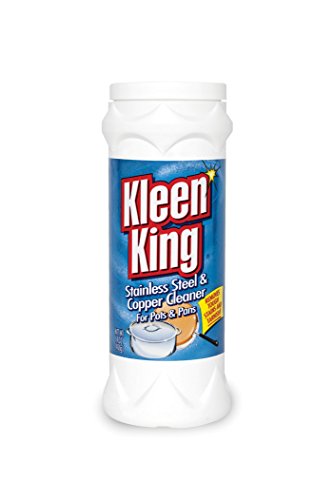 |
King Kleen Stainless Steel Cookware Cleaner and CopperKleen King | Also great | 14 oz · powder cleaner · stainless steel | $9.99
Price as of 25 Oct 2026
|
View |
 |
Bar Keepers Friend Powder Cleanser, 12 oz x 2, MultipurposeBar Keepers Friend | Budget pick | 12 oz x 2 · powder cleanser · multi-surface | $16.74
Price as of 25 Oct 2026
|
View |
 |
PIBC 8"x6" Cast Iron Scrubber Stainless Steel ChainmailPIBC | Pair with it | 8 x 6 in · chainmail scrubber · cast iron | $6.10
Price as of 25 Oct 2026
|
View |
Use this comparison to sort by the pan you actually have, not the one you wish you had. The best choice changes fast once coatings start flaking, the base is warped, or rust has moved past the surface.
How we chose
The kit list below is filtered by five things: material coverage, damage level, minimum tools included, food-contact safety, and value versus buying each tool separately. That matters because a pan scraper and seasoning spray help cast iron, while stainless cleaners and coating checks matter more for steel, enamel, or ceramic.
Maintenance kits and restoration kits are not the same. A maintenance kit is for regular cleanup and reseasoning. A restoration kit has enough abrasion, rust removal, or cleaning power to rescue a neglected pan without jumping straight to replacement.
Cast iron and carbon steel: best for most old pans
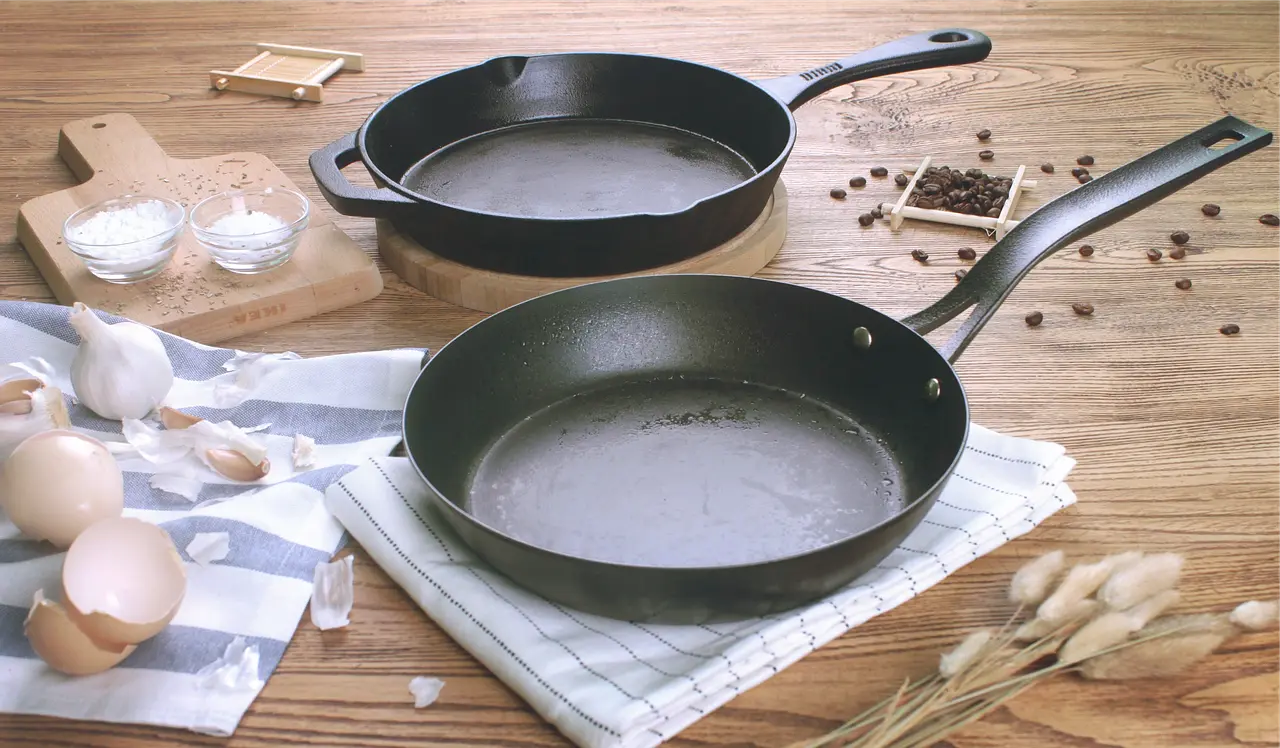
The best cookware restoration kit for most old cast iron pans is a cast iron care set with a scrub brush, pan scraper, seasoning spray or oil, and handle protection. That mix handles rust, stuck-on food, and reseasoning in one pass, which is why it fits most surface-level restorations better than a single-purpose cleaner.
This Lodge kit is for cast iron owners who want one compact set that covers cleaning and routine reseasoning. It includes the basics most people actually need: scrub brush, scraper, seasoning spray, and a silicone handle holder for hot pans.
What stands out is the maintenance-to-restoration overlap. The brush and scraper handle stuck-on residue, while the seasoning spray supports the final bake after cleaning. Based on the published product details, that makes it a practical first buy for pans that are rusty but not structurally damaged.
The drawback is scope. It is a maintenance set first, so heavy rust, deep carbon, or neglected pans may need a chainmail scrubber, vinegar soak, or separate abrasive cleaner before this kit can finish the job.
Heavy rust and carbon buildup: best for stubborn cleanup
For thick carbon, caked grease, and stubborn rust, a chainmail scrubber is the better tool than a soft brush alone. It is stainless steel, manually abrasive, and made for aggressive surface cleaning on cast iron and carbon steel without turning the whole job into chemical work.
This chainmail scrubber is for pans that need more bite than a standard brush can give. The stainless steel mesh is built for heavy residue, and it is especially useful when seasoning is already compromised and stuck-on buildup keeps returning in the same spots.
What stands out is the mechanical cleaning action. A chainmail scrubber can remove stubborn carbon and rust without immediately reaching for liquid cleaners, which helps when you want to preserve as much usable surface as possible.
The drawback is that it is not gentle. It is the wrong choice for enamel, ceramic, or any surface with fragile coating loss, and even on cast iron you still need to stop once you reach sound metal so you do not overwork the pan.
Stainless steel and spot cleaning: best for stains
For stainless steel, the right restoration tool is usually a metal cleaner rather than a seasoning kit. Stainless does not need seasoning, so the goal is removing discoloration, burnt residue, and tarnish without scratching the finish or using rust methods that do not belong there.
This powder cleaner is for stainless steel and copper cookware that needs stain removal and a brighter finish. It is aimed at old pans with discoloration, hard-water marks, or burned-on haze rather than rusted seasoning loss.
What stands out is its material match. Based on the product details, it is built for stainless steel and copper cookware, which makes it more appropriate than a cast-iron care kit when the pan has no seasoning layer to rebuild.
The drawback is that it is not a universal fix. It will not repair warping, cracks, coating failure, or deep pitting, and it is not the right answer for seasoned cookware that needs oil-based reseasoning.
Burnt stainless and mixed residue: best value cleaner
When stainless cookware has burnt-on grease plus stains, a multipurpose cleanser can cover more cleanup jobs in one purchase. It is still a surface-cleaning solution, though, not a repair product, so it works best when the pan is structurally sound and only dirty.
This cleanser fits stainless steel owners who need one product for burnt residue, rust stains, and hard-water deposits. It is useful when a pan looks tired but still holds its shape and cooking surface well.
What stands out is its broad cleanup range. The product details say it works on stainless steel, aluminum, copper, and more, which helps if the kitchen has several old pots and pans that need similar stain removal.
The drawback is that broad cleaners can tempt people to over-clean. If the pan has a fragile coating, enamel loss, or deep pitting, cleaner alone will not solve the problem and may distract from a repair-or-replace decision.
Seasoning upkeep: best for light maintenance
For light maintenance on cast iron and carbon steel, a seasoning cream can be enough when the pan is already clean and only needs a refreshed cooking surface. This is not the right tool for heavy rust, but it is useful when seasoning looks dry, dull, or patchy.
This Crisbee seasoning cream is for cast iron and carbon steel owners who want a maintenance product rather than a full restoration kit. It is aimed at daily upkeep, initial seasoning, and keeping a seasoned surface in better shape between deeper cleanings.
What stands out is the oil-and-wax style formula. Based on the product details, it is built around sunflower oil and beeswax, which suits thin protective layers more than aggressive rust removal.
The drawback is simple: it does not clean heavy buildup by itself. If a pan has thick rust, carbon crust, or food-safety concerns, you still need a scrubber, scraper, or a different restoration path first.
Which kit fits your pan?
Start with the pan material, then match the kit to the damage. Cast iron and carbon steel can usually be restored if the damage is surface-level; stainless steel needs cleaning tools, not seasoning tools; enamel and ceramic need inspection first because coating failure changes the answer fast.
Cast iron
Cast iron is the easiest old pan to restore, provided the metal is intact. Look for rust, brittle seasoning, and stuck-on food, then choose a kit with a scrub brush, pan scraper, seasoning oil or spray, and handle protection.
Carbon steel
Carbon steel behaves much like cast iron, but it usually needs the same kind of seasoning logic with less forgiveness for poor drying. A seasoning-focused kit works well if the pan only has surface rust or a tired cooking layer.
Stainless steel
Stainless steel does not need reseasoning. Pick cleaners made for stains, tarnish, and burnt residue, then skip the oil-heavy cast iron products unless you are actually cleaning the handle or another noncooking part.
Enamel
Enamel damage is a coating problem, not a seasoning problem. If the enamel is chipped, flaking, or missing in a way that exposes metal, do not treat it like a rusty skillet; check whether the damage is cosmetic or a food-safety issue before buying any kit.
Ceramic
Ceramic cookware is the most limited case here. Once the coating is badly scratched, flaking, or losing its release properties, restoration options narrow quickly, and replacement is often the safer call than trying to rebuild the surface.
What should be in a cookware restoration kit?
A useful kit should match the job you are actually trying to do: remove rust, clear stuck-on food, protect your hand, and restore a cooking surface afterward. For cast iron and carbon steel, that usually means a scrub brush, a pan scraper, a seasoning product, and some way to handle a hot pan safely.
For heavier work, a chainmail scrubber belongs in the toolbox because it handles stubborn carbon and rust better than a soft brush. For light work, coarse kosher salt, hot water, and a simple brush are often enough to start cleaning before you move to oil and oven heat.
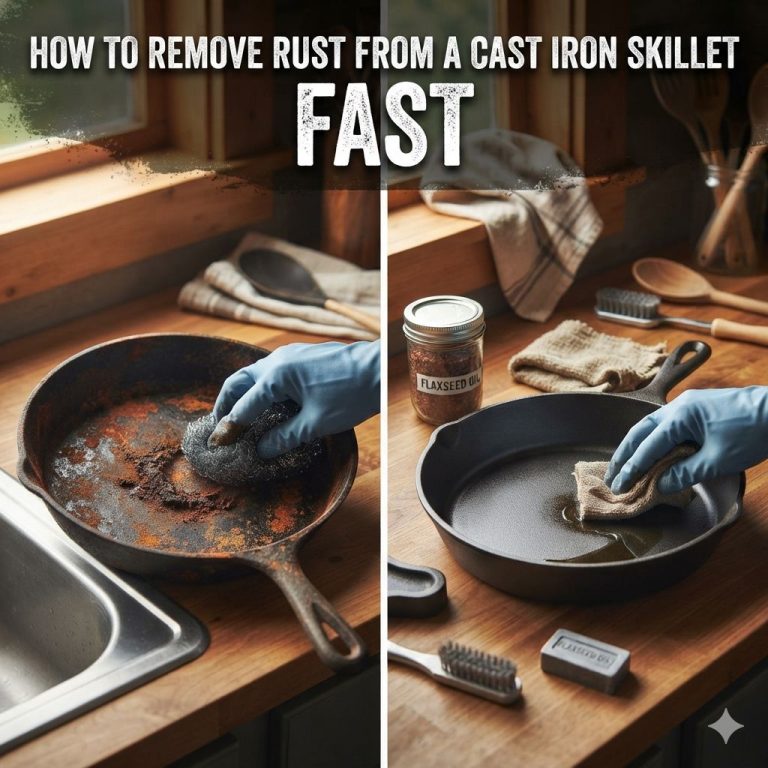
Say your 10-inch skillet has a rusty patch near the handle and a ring of black buildup around the rim. A scraper clears the hardened food first, the chainmail scrubber handles the crust, and reseasoning closes the job only after the surface is clean and fully dry.
Best overall cast iron restoration kit
The best overall cast iron restoration kit is the one that combines cleaning and reseasoning tools without overcomplicating the process. For most old pans, that means a brush, scraper, seasoning spray or oil, and a handle guard for safe oven work.
That setup works because it covers the full basic sequence: loosen debris, remove rust or carbon, dry the pan, and rebuild a thin oil layer. The Lodge kit is the clearest fit among the products here because it packages the everyday pieces in one box.
Its limit is heavy damage. If the pan has deep pitting, a warped base, or cracking, no maintenance kit can make that problem disappear. At that point, the question shifts from cleanup to whether the pan should be refinished or replaced.
Best for heavy rust and carbon
A chainmail scrubber is the right buy when the pan has stubborn rust or baked-on carbon that a regular brush cannot move. It gives you direct abrasive cleaning without immediately moving to harsher chemical stripping.
When a scraper helps more than chemicals, the problem is usually stuck-on food, not metal damage. A rigid pan scraper with multiple edges, made from plastic or polycarbonate, can lift residue without scratching seasoning. It is especially useful before you reach for a soak or an abrasive pad.
When the damage is too far gone, the signs are clear: deep pitting, cracks, serious warping, or a coating that keeps shedding. No amount of scrubbing turns that into a reliable cooking surface.
Can a kit fix heavy rust?
A kit can fix heavy surface rust, but only if the metal is still sound. Once the rust has created pitting, eaten through thin spots, or spread under a failing coating, restoration becomes limited and professional refinishing or replacement is usually smarter.
A vinegar-water soak can help with stubborn rust, but the mix should be 1:1 and the soak must stay short. Check the pan every 30 minutes and do not let it sit for a few hours, because the vinegar can start causing pitting if left too long.
For deep-cleaning work, oven-baking the pan at 400–450°F for an hour is a common drying and seasoning step after cleaning. If the pan still looks rough after cleaning, repeat the oil bake rather than piling on more oil in one coat.
How we separate DIY restoration from refinishing or replacement
DIY restoration is the right call when the pan has surface rust, old seasoning, or stuck residue but still has solid metal and a stable shape. Refinishing becomes the better call when the surface is technically salvageable but too damaged for simple kitchen tools. Replacement is the practical choice when the structure or coating has failed.
| Material | Damage level | Minimum tools needed | Red-flag failure cases | Best call |
|---|---|---|---|---|
| Cast iron | Light rust, brittle seasoning, stuck-on food | Scrub brush, pan scraper, seasoning oil or spray, handle holder | Cracks, deep pitting, warped base, metal thinning | DIY restoration |
| Cast iron | Heavy rust or carbon buildup | Chainmail scrubber, scraper, vinegar-water soak, reseasoning oil | Rust that keeps returning after cleaning, structural cracks | DIY first, then refinishing if pitted |
| Carbon steel | Surface rust, dull seasoning | Scrub brush, scraper, seasoning cream or spray | Warping, deep corrosion, cracked welds or handles | DIY restoration |
| Stainless steel | Stains, burnt residue, tarnish | Stainless-safe cleaner, scrub pad, hot water | Severe distortion, pitted interior, loose base | DIY cleaning or replacement if warped |
| Enamel | Light staining, surface grime | Gentle cleaner, soft cloth, warm water | Flaking enamel, chips exposing metal, crack lines | Refinishing only if intact; otherwise replacement |
| Ceramic | Minor staining only | Gentle cleaner, nonabrasive sponge | Flaking coating, poor release, visible wear-through | Replacement |
Brand marks matter here too. On old cast iron, clear markings can point to a higher-quality pan worth saving, but they do not override cracks, warping, or severe metal loss. Check thickness, check for a flat cooking surface, and then decide whether the pan still has a real service life left.
How do you reseason a pan after restoration?
After cleaning, reseasoning seals the surface and helps keep rust from coming back. The usual method is a thin coat of high smoke-point oil, then an oven bake in the 350 to 450 F range for about an hour, repeated 2 to 3 times if you want a stronger base layer.
Too much oil is a common mistake. It leaves sticky seasoning instead of a hard finish, so the goal is a thin even coating, not a glossy film.
Seasoning spray can help here if it is vegetable-oil-based and applied lightly. The Lodge spray is described that way, and the product details say it was baked at 400 degrees for one hour, which fits the general reseasoning process used for cast iron care.
- Wash away loose rust, grease, and debris with hot water, salt scrubs, or steel wool as needed.
- Dry the pan completely.
- Apply a very thin coat of seasoning oil or spray.
- Bake the pan in the oven.
- Repeat the oil-and-bake cycle 2 to 3 times if the base layer is still uneven.
A common first-timer mistake is to stop after one glossy coat. That may look finished, but a thin, even build is what creates a more reliable cooking surface over time.
How long should vinegar stay on a rusty pan?
A vinegar-water rust soak should stay short. Use a 1:1 dilution, check the pan every 30 minutes, and stop once the rust loosens; leaving it too long can pit the metal, which turns a surface-cleaning step into a repair problem.
That short soak rule matters more on thin or already damaged pans. If rust comes off quickly, move immediately to scrubbing, drying, and reseasoning rather than extending the soak just because the pan still looks imperfect.
When a pan is not worth saving
Some pans fail for reasons a kit cannot fix. Deep pitting, warping, cracks, flaking nonstick, lost enamel, and food-safety concerns are the main lines where DIY restoration stops making sense and replacement becomes the better call.
Suppose an old skillet is 12 inches wide, rocks on a flat counter, and has a crack near the handle. Even if the surface rust comes off, the structure is still compromised, so that pan should not be treated like a normal restoration project.
For enamel and ceramic, the failure signs are coating-related, not rust-related. If the surface is shedding, chipping, or exposing the base layer, restoration kits cannot rebuild the original cooking surface in a way that restores full confidence.
Which one should you buy?
If you want one starter pick for most cast iron work, choose the Lodge Cast Iron Care Kit. It is the clearest maintenance-plus-restoration option because it bundles the brush, scraper, seasoning spray, and handle holder in one box.
If the pan has heavy rust or carbon buildup, add a chainmail scrubber to your cart before anything else. It is the strongest mechanical cleanup tool in this group and solves the kind of grime that a light maintenance kit leaves behind.
If your pans are mostly stainless steel, buy a stainless cleaner instead of a seasoning kit. That choice is more effective and avoids the common mistake of trying to reseason a surface that should simply be cleaned.
If the pan is coated, chipped, warped, or flaking, do not keep spending on restoration tools. At that point, the better buy is often a replacement or a professional refinishing quote, because the problem is no longer surface dirt.
Frequently asked questions
What is the best cookware restoration kit for old pans?
The best cookware restoration kit for old pans depends on material, but most cast iron and carbon steel restorations start with a brush, scraper, and seasoning product. For surface rust only, that is often enough. For coated pans, the right answer may be cleaning first and replacement later.
How do you restore old cast iron cookware at home?
Start by removing rust and buildup with hot water, salt scrubs, steel wool, or a chainmail scrubber, then dry the pan fully. After that, apply a thin coat of oil or seasoning spray and bake it in the oven. Repeat the seasoning cycle if the surface still looks patchy.
What tools do I need to restore a rusty cast iron pan?
The core tools are a scrub brush, pan scraper, seasoning oil or spray, and a safe way to handle hot metal. For heavier rust, add a chainmail scrubber and coarse kosher salt. If the rust is stubborn, a short 1:1 vinegar-water soak can help before scrubbing.
Can a restoration kit fix heavy rust on a pan?
It can fix heavy surface rust if the metal is still sound, but it cannot reverse deep pitting, cracks, or warped geometry. If the rust reaches the point of structural damage, a kit is only part of the answer and refinishing or replacement becomes the better decision.
How do you know if an old pan is worth restoring?
Check for cracks, warping, thickness, and whether the surface still has enough solid metal to cook on. On old cast iron, brand marks may suggest better quality, but they do not excuse structural damage. If the pan is sound and the damage is surface-level, restoration is usually worth trying.
How do you restore ceramic cookware?
Ceramic cookware is limited to gentle cleaning if the coating is still intact. Once the surface is flaking, worn through, or failing to release food, restoration options are narrow and replacement is often the safer outcome. Do not use rust-removal methods on ceramic coatings.
Products related to this article
Sponsored / affiliate links. As an Amazon Associate I earn from qualifying purchases. I may earn additional commission from eligible campaigns.
 2026 Upgrade Drywall Patch Repair Kit with Scraper, Quick Drying Wall Mending Agent for Holes & Cracks, Multi-Functional Drywall Patch Paste Repair Kit for DIY Home Fix (1 pcs)
 2026 Upgrade Drywall Patch Repair Kit with Scraper, Quick Drying Wall Mending Agent for Holes & Cracks, Multi-Functional Drywall Patch Paste Repair Kit for DIY Home Fix (2 pcs)