Barkeepers Friend Powder Review: Is It Worth It?
Bar Keepers Friend powder is worth buying if you need a restoration cleaner for stainless steel cookware and some enameled pieces, but it is not a general cleaner for nonstick or delicate finishes. It works best when you want to remove rust, scorch marks, stains, and baked-on oil on a compatible surface, then rinse it off promptly.
Bar Keepers Friend powder: worth it?
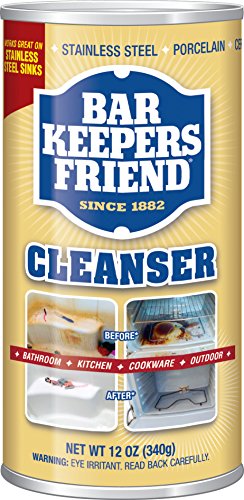
For cookware cleaning, Bar Keepers Friend powder is a strong buy when the goal is restoration, not daily upkeep. It can bring back stained stainless steel and other nonporous surfaces, but it is a poor fit for coated pans, and it should stay off finishes that can dull or scratch easily.
The value is highest when a pan has lost its shine or picked up heat tint, grease film, or rust spots. It is lower for routine wash-up, where a milder soap-and-sponge pass is usually enough.
Restoration cleaner versus routine cleaner
That difference matters. Bar Keepers Friend powder is a mildly abrasive cleaner, and Wirecutter says it uses oxalic acid. That makes it useful on stubborn marks, but it also means you should treat it as a focused fix rather than a reflex for every dirty pan.
If you clean a stainless sauté pan once in a while after heavy browning or overheating, the powder can be a good rescue step. If you reach for it after every meal, you are likely doing more scrubbing than the pan needs.
Who should buy it first?
Start with this product if you own stainless steel cookware, want a cleaner for scorch marks, or need help with rust or mineral spots on a hard, nonporous surface. It is less appealing if most of your cookware is nonstick or otherwise delicate.
A common first-timer mistake is using an abrasive cleaner on a pan that only looks dull from normal residue. In that case, soap, warm water, and a soft sponge may solve the problem without any risk to the finish.
What Bar Keepers Friend powder
Bar Keepers Friend powder is a powder cleanser with oxalic acid as the key active ingredient. It is acid-based rather than alkaline, and the mild abrasion is part of why it can remove rust, stains, scorch marks, and baked-on oil from the right surface.
Why the mild abrasion matters
“Mildly abrasive” does not mean safe for every finish. It means the powder can do some mechanical cleaning while the acid works on oxidation, mineral deposits, and stubborn discoloration. That combination is effective, but it also calls for caution around softer coatings and polished finishes.
Oxalic acid can irritate skin, so gloves are a good idea. It also calls for a test spot before full use, especially if the surface is painted, coated, or not clearly described by the cookware maker as compatible.
What it is good at removing
Wirecutter notes that it works on stained cookware and pans, and it says the cleaner restored a test pan to shiny silver. That is the kind of result to expect on a suitable metal surface with stuck-on discoloration, not on a pan whose coating is already damaged.
It can also help with rust and mineral deposits. Those problems are common on stainless steel and other hard surfaces, especially when water spots or high heat leave visible marks behind.
How do you use Bar Keepers Friend powder?
Use Bar Keepers Friend powder on a wet surface, rub it with a wet sponge or cloth, then wipe or rinse it off promptly. The key is to keep the contact brief, use light pressure, and test an inconspicuous spot first if the finish is unfamiliar or delicate.
- Wet the cookware surface thoroughly.
- Sprinkle on a small amount of powder.
- Rub with a wet sponge or cloth.
- Watch the surface while working; do not let it sit and dry on the pan.
- Wipe or rinse off quickly, then dry the cookware completely.
Prompt rinse matters
The same source says the cleaner should be wiped or rinsed quickly, and it warns that it may discolor surfaces if left too long. That is why the product is better used in short passes than as a soak-on cleaner.
Suppose a stainless skillet has brown streaks near the rim after searing pork chops. A light rub with a wet cloth and quick rinse can clear the haze without a long scrub session. If the stain is still there, repeat gently rather than scrubbing harder.
Barkeepers friend powder review matrix
This matrix is a practical guide for cookware use, not a blanket approval list. When a surface is uncertain, test a hidden spot first, and stop if the finish changes, whitens, or starts to feel rough.
| Cookware material | Safe use level | Best-use scenario | Avoid/limit note |
|---|---|---|---|
| Stainless steel | Best fit | Restoring shine, removing scorch marks, clearing baked-on oil, lifting rust or heat tint | Use on a wet surface and rinse promptly; stop if the finish looks dull or streaky |
| Aluminum | Limited; test first | Light surface staining on plain, noncoated aluminum | Can dull or mark the surface; avoid extended contact and avoid on anodized aluminum unless the maker says it is safe |
| Enameled cast iron | Brief, cautious use only | Spot-cleaning stubborn marks on intact enamel | Do not leave it on too long. Do not scrub vigorously. Test the underside first. |
| Nonstick | Usually avoid; check the pan maker first | Only if the specific product guide allows it and staining is light | Coated surfaces need gentler handling than stainless steel; abrasive cleaning can shorten coating life |
| Carbon steel | Avoid on seasoned cooking surfaces | Only on bare, noncooking areas that the maker says are compatible | Can remove seasoning and create more work than the stain is worth |
| Glass cooktops | Use only with strict caution, if the appliance maker allows it | Light cleanup of mineral or cooking residue on hard, intact glass | Do not scrub hard. Any grit or pressure can mark the surface; check the appliance guidance first. |
| If the finish dulls, leaves residue, or seems scratched | Stop use | Rinse well, wash with mild soap, dry fully, and inspect under good light | If dullness or whitening remains, the surface may be incompatible or overworked; do not repeat heavy scrubbing |
Does it work on stainless steel pans?
Yes. Stainless steel is a commonly recommended material for this cleaner, and it is where the product tends to make the most sense. It can remove baked-on oil, scorch marks, rust spots, and the yellowish heat patina that can build up on high-heat pans.
Scorch marks and baked-on oil
The same source notes that the cleaner works on stained cookware and pans, and it says the product restored a test pan to shiny silver. That kind of result is most useful when the stain is on the steel itself, not trapped under damage or pitting.
Picture a 10-inch stainless skillet with a dark ring where oil overheated during browning. Bar Keepers Friend powder can often reduce that ring quickly, especially if you use light pressure and stop as soon as the discoloration loosens.
Shine restoration and yellow patina
Stainless steel can develop a yellow patina from high heat. The powder can help remove that cast and bring back the brighter look many buyers want from their cookware.
That does not mean every dull pan should be scrubbed. If the finish looks cloudy because of etching, pitting, or wear, a cleaner will not rebuild the metal. It can only remove what sits on top.
When stainless steel is the best fit
Choose this cleaner for stainless steel when soap fails, when heat marks are visible, or when a pan has picked up rust or stubborn cooking residue. It is a restoration cleaner first, and that is where it earns its keep.
The common 12 oz canister is often priced around $3 to $5, so the buy-in is relatively low. That makes it easy to keep on hand for rescue jobs, even if you use it only occasionally.
Where should you avoid it?
Avoid Bar Keepers Friend powder on surfaces that can scratch, fog, or lose their finish under light abrasion. Nonstick cookware is the clearest example, and carbon steel seasoning is another. Enameled cast iron and aluminum need much more restraint than stainless steel.
Nonstick cookware caution
Do not treat nonstick as broadly compatible. The safer approach is to check the pan maker’s guidance before using any abrasive cleaner on the coating. The same source notes the product can work on stained cookware and pans, but that does not make it a fit for every nonstick surface.
Some nonstick pans may show visible improvement on light staining, but the surface compatibility question comes first. If you value the coating, a gentler cleaner is usually the smarter choice.
Enameled cast iron limits
Use the powder on enameled cast iron only briefly and with care. Do not leave it on too long, and do not scrub aggressively. Test the underside first if you are unsure how the enamel will react.
This matters because enamel can be tough but still sensitive to harsh rubbing. If the mark is stubborn enough that you are tempted to press harder, that is usually the signal to stop and switch cleaners.
When a gentler cleaner is smarter
For routine greasy residue, baking soda or dish soap may be enough, especially on pans that only need light refreshment. Bar Keepers Friend powder is the stronger cleaner, but stronger is not always better.
Oxalic acid can irritate skin, and sensitive surfaces deserve extra caution. Gloves, ventilation, and a thorough rinse are part of the cleanup, not optional extras.
BKF powder versus baking soda
Bar Keepers Friend powder is the more effective choice for baked-on oil and tougher staining, while baking soda is the gentler option. Testing suggested the BKF product worked better on baked-on oil than baking soda, which helps clarify the tradeoff for buyers.
Cleaning strength on baked-on oil
Baking soda can help with light, fresh stains and general scrubbing. Bar Keepers Friend powder goes further on stubborn discoloration because it combines mild abrasion with oxalic acid.
If the pan has a dark, baked-on film that survives a normal scrub, BKF is usually the better bet. If the pan just needs a light refresh, baking soda may be enough and carries less surface risk.
What the comparison means for buyers
This comparison is less about which cleaner is “better” and more about what kind of job you have. Use baking soda for gentle maintenance and BKF powder for restoration work on the right surface.
BKF is also the one to reach for when a stainless pan has lost its shine. If the pan is coated, seasoned, or fragile, the safer move is to keep the abrasive powder in the cabinet.
Buying note: price and product variants
Bar Keepers Friend powder is usually sold in a 12 oz canister, and that format is commonly priced in the $3 to $5 range. That makes it inexpensive to try, but price alone should not decide the purchase.
The brand also sells a cookware-specific powder variant. That is a separate product from the original powder, and it was not tested in the Wirecutter review.
For most buyers, the original powder is the version to consider if the goal is restoring stainless steel cookware or other compatible hard surfaces. If you want a dedicated cookware cleaner, compare the label carefully before buying.
Frequently asked questions
How do you use bar keepers friend powder: wet the cookware first, sprinkle?
Wet the cookware first, sprinkle on a small amount of powder, and rub with a wet sponge or cloth. Then wipe or rinse it off promptly and dry the pan fully. Test an inconspicuous spot first if the surface is coated, colored, or unfamiliar.
What is in bar keepers friend powder?
The powder is oxalic acid-based, and Wirecutter identifies oxalic acid as the key active ingredient. That makes it an acid-based cleaner rather than an alkaline one. The formula is also described as mildly abrasive, which helps it remove stains and oxidation.
Is bar keepers friend powder abrasive?
Yes. The same source describes it as a mildly abrasive cleaner. That is part of why it can remove rust, scorch marks, and baked-on oil from stainless steel and other suitable surfaces. It also means you should keep it away from finishes that scratch easily.
Does bar keepers friend powder work on stainless steel pans?
Yes, and stainless steel is the best use case. It can restore shine, lift heat tint, and remove baked-on oil or scorch marks. It is especially useful when the pan is stained rather than damaged, since it cleans the surface instead of repairing pitting or wear.
Can you use bar keepers friend powder on nonstick cookware?
Use caution and check the pan maker’s guidance before trying it. Nonstick needs gentler handling than stainless steel, and abrasive cleaners can shorten coating life. If the stain is light, a softer cleaner is usually the better first step.
How long should bar keepers friend powder sit on a pan?
Keep the contact brief. The same source says to wipe or rinse quickly, and it warns that leaving the cleaner on too long may discolor surfaces. The safest approach is to work in short passes and remove it as soon as the stain loosens.
Does bar keepers friend powder scratch cookware?
It can, depending on the surface and how hard you scrub. The powder is mildly abrasive, so it is better suited to stainless steel and other hard, nonporous materials than to coatings or delicate finishes. A test spot and light pressure help reduce the risk.
Products related to this article
Sponsored / affiliate links. As an Amazon Associate I earn from qualifying purchases. I may earn additional commission from eligible campaigns.