Crisbee Cast Iron Seasoning Review: Is It Worth It?
Crisbee Cast Iron Seasoning Paste is worth buying if you want less mess, easier storage, and a cleaner-smelling wipe-on finish; if you already keep Crisco in the pantry and do not mind greasy cleanup, the price premium is harder to justify. Bad seasoning choices leave sticky residue, waste paper towels, and make routine cast iron care more annoying than it should be. This review compares Crisbee with Crisco on smell, cleanup, storage, and everyday convenience so you can decide if the premium buys real value.
Verdict
The short version: Crisbee is a convenience product, not a miracle finish. It can make thin application easier, especially for quick maintenance on a warm pan, but it does not change the basic rule that seasoning comes from oil that has polymerized into a hard film with carbon residue, built up over time. If you want the lowest cost per ounce, Crisco still wins by a wide margin. If you want a tidier wipe-on routine, Crisbee has the edge.
Specs at a glance
| Product | Format | Size | Price | Use case | Formula notes |
|---|---|---|---|---|---|
| Crisbee Puck | Solid puck | 6.5 oz | $14.95 | Cast iron seasoning | Wax-based product line for cast iron care |
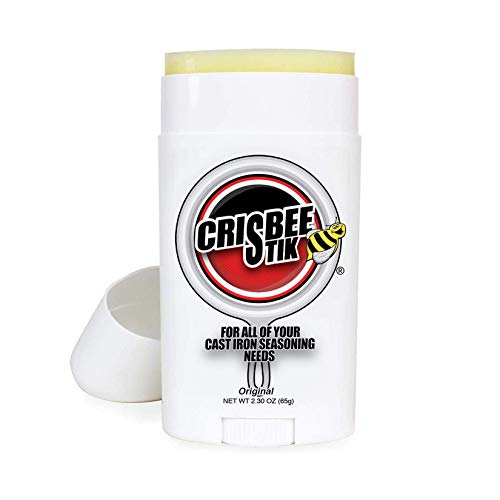
| Crisbee Stik | Solid applicator | Not listed here | $14.95 | Cast iron and carbon steel maintenance | Sold by Crisbee in a stick format |
| Crisbee Cream Iron | Cream | Not listed here | $14.95 | Cast iron maintenance | Cream-format variant in the same family |
| Crisbee Griddle Seasoning | 2-in-1 seasoning | 6.5 oz | Not stated in the brief | Blackstone griddle, cast iron, carbon steel | Marketed for griddles and cookware maintenance |
| Crisco All-Vegetable Shortening | Shortening | 16 oz | $2.84 | Low-cost seasoning benchmark | Contains soybean oil, palm oil, beeswax, mono and diglycerides |
That table captures the real trade-off. Crisbee costs more per ounce and asks less from the user. Crisco is cheap, already in many kitchens, and still works when you apply it in a very thin coat to warm iron. The decision is mostly about workflow: how often you season, how much cleanup you tolerate, and whether a small premium saves enough friction to matter.
Who it
Crisbee is best for cast iron owners who care about convenience more than raw economy. It fits regular upkeep on a skillet that gets used often, a pan that sits for long stretches, or a carbon steel piece that needs a thin, controlled coat before storage. It is less compelling for someone who wants the cheapest possible seasoning option and already handles shortening neatly.
For beginners, the appeal is simple: a wax-based product is easier to portion than a loose spoonful of shortening. That does not make the result automatic. You still need a warm pan, a very thin coat, and enough heat to cure the coating instead of leaving a sticky film behind.
What works
Crisbee’s main advantage is workflow. The solid formats are easier to store than a tub of shortening, and the wipe-on application can feel cleaner for small maintenance jobs. The product family also gives you options: puck, stik, cream, and a griddle version for wider surfaces.
Its formula fits the use case better than plain pantry fat for some owners. The beeswax gives it a firmer, less drippy texture, which can help you avoid the over-application that leads to tacky spots. That matters most on pans you maintain often rather than pans that need a full rescue job.
Say your 10-inch skillet has a dull patch after a few weeks in storage. A very thin coat of a wax-based conditioner is easier to control than a heavy spoonful of shortening, especially if you are trying to avoid excess smoke or a sticky rim. The pan still needs heat, but the cleanup burden can be lighter.
What does not?
Crisbee is not a shortcut around technique. If you apply too much, it can still leave a sticky residue, and any seasoning product can smoke if the layer is too heavy or the pan is pushed too hard. The formula does not replace the basic rule: thin coats and repeated use matter more than the brand name.
It also does not transform the cooking surface by itself. In the comparison described in the brief, all four products performed about the same for frying eggs, and none produced a noticeably darker color. That means Crisbee’s value is convenience, not a dramatic performance jump.
Storage is the point where it wins, but also where the premium becomes visible. If your kitchen already has Crisco in the pantry and you season a pan only a few times a year, the cost difference is hard to ignore. If you reseason often, a cleaner format may be worth paying for.
Alternatives
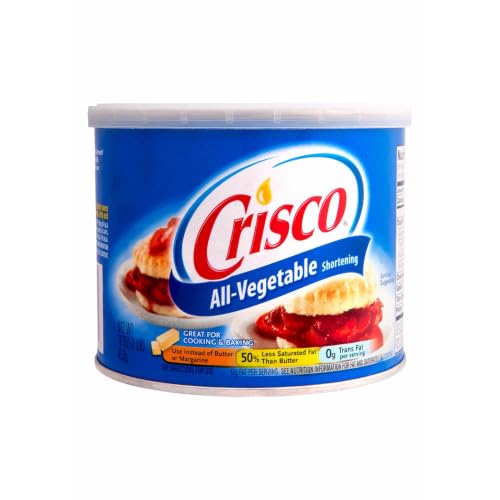
Crisco All-Vegetable Shortening is the budget benchmark. At 16 oz and $2.84, it is far cheaper per ounce than Crisbee, and it still works for cast iron when you apply a thin layer to warm iron. The drawback is practical rather than technical: it is messier to portion, easier to overdo, and less tidy to store once opened.
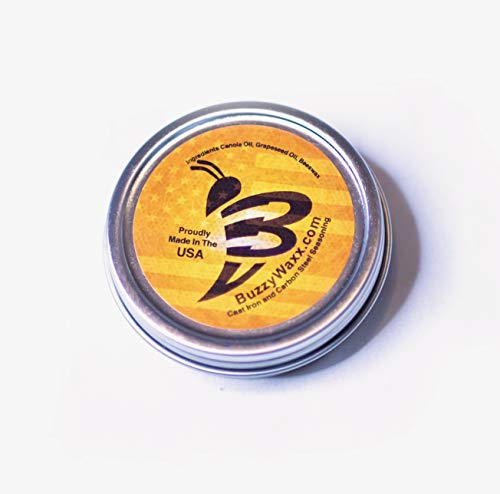
BuzzyWaxx Original Blend is another wax-based option for cast iron and carbon steel. Its blend of canola, grapeseed oil, and beeswax makes it relevant to the same convenience conversation as Crisbee. The downside is size and cost context: a 2 oz container leaves less margin for frequent maintenance, so it is better viewed as a specialty option than a bulk solution.
Cast iron seasoning decision matrix
This is the comparison that matters most: not whether the surface looks pretty, but whether the product fits your routine. A dark patina can be the goal for many owners, yet the practical differences show up in cleanup, storage, and how forgiving the product is when your hand is a little heavy.
| Criterion | Crisbee | Crisco | What that means |
|---|---|---|---|
| Price per ounce | Score: 2/5. Best for people who value convenience over cost. | Score: 5/5. Best for low-cost, frequent seasoning. | Crisco is the clear budget pick. |
| Application mess | Score: 4/5. Best for small, controlled wipe-ons. | Score: 2/5. Best only if you do not mind greasy cleanup. | Crisbee is easier to portion and store. |
| Odor during seasoning | Score: 4/5. Best for users who want a cleaner-smelling routine. | Score: 3/5. Best if odor does not bother you much. | Crisbee has the workflow edge, not zero smell. |
| Suitability for infrequent-use pans | Score: 4/5. Best for pans that sit between uses. | Score: 3/5. Best if you already keep shortening on hand. | Crisbee’s storage format helps here. |
| Fit for griddles and carbon steel | Score: 4/5. Best for griddles, cast iron, and carbon steel when you want a tidy wipe-on coat. | Score: 3/5. Best for basic seasoning across surfaces. | Crisbee Griddle seasoning makes the use case clearer. |
| Beginner-friendliness | Score: 4/5. Best for people who want fewer drips and less guesswork. | Score: 3/5. Best for cooks already comfortable with a very light hand. | Crisbee is more forgiving, but not foolproof. |
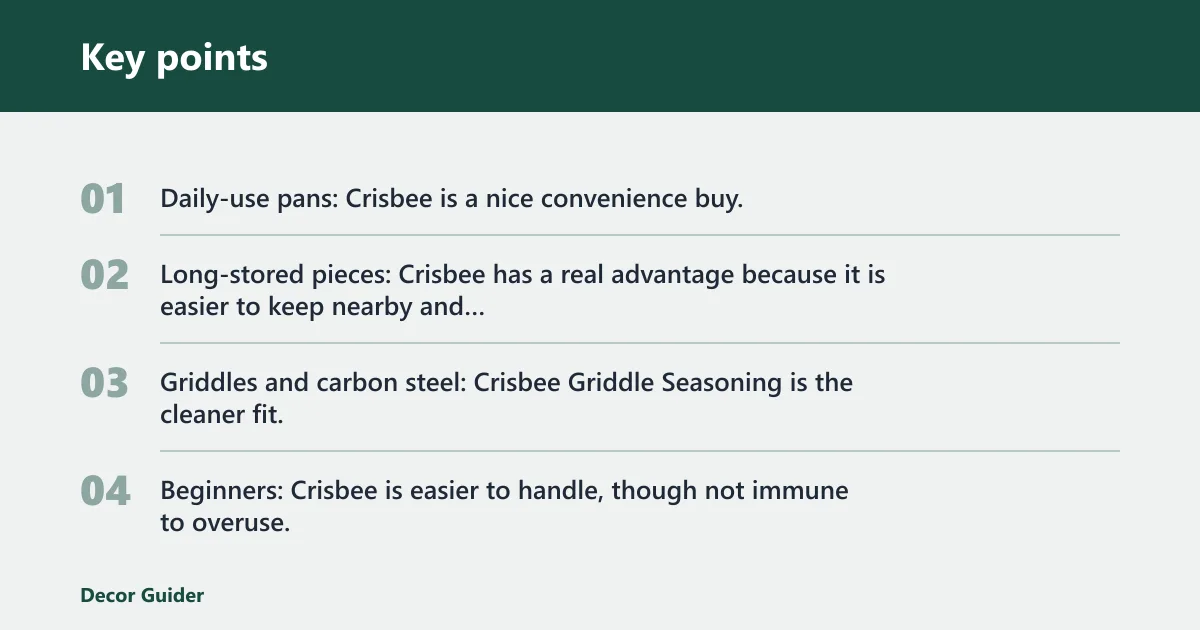
Daily-use pans: Crisbee is a nice convenience buy, but Crisco still makes more sense if you season often and want the lowest cost per use. Long-stored pieces: Crisbee has a real advantage because it is easier to keep nearby and apply in a thin, controlled coat. Griddles and carbon steel: Crisbee Griddle Seasoning is the cleaner fit. Beginners: Crisbee is easier to handle, though not immune to overuse.
Is Crisbee better than Crisco?
Crisbee is better than Crisco when the main problem is friction, not performance. The wax-based format is easier to store, easier to apply in a thin layer, and less messy for quick maintenance. Crisco is still the better choice when price matters most or when you already have shortening in the kitchen.
The formula difference explains the experience difference. Crisbee’s soybean oil, palm oil, and beeswax blend is built for a controlled wipe-on routine. Crisco adds mono and diglycerides to a pantry shortening base, which is perfectly usable for seasoning, but not as tidy in daily handling. Neither product changes the core chemistry of seasoning; both still rely on heat, thin layers, and repeat use.
The practical answer is simple. If you season a few pans and want less cleanup, Crisbee has a real advantage. If you season often, the cost gap is large enough that Crisco remains the more rational buy for many households.
How do you season cast iron with Crisbee?
Use Crisbee the same way you would use any seasoning product: warm the pan, wipe on a very thin coat, and heat it until the film has a chance to bond rather than pool. The brief mentions a 400°F direction and a 450°F test temperature, which both point to the same idea: use enough heat to warm the iron thoroughly, but do not flood the surface with product.
The safest approach is restraint. Crisbee is easy to apply, so the main risk is using too much. A heavy coat can leave a sticky sheen, attract smoke, and make the pan feel gummy instead of seasoned.
- Wash and dry the pan fully.
- Warm the cast iron so the surface is hot, not cold.
- Rub on a tiny amount of Crisbee.
- Buff the surface until it looks nearly dry.
- Heat the pan in the oven or on the stovetop at a seasoning-friendly temperature, such as the 400°F guidance noted in the brief.
- Let it cool before using or storing.
A common first-timer mistake is stopping after the first shiny pass. That shine usually means too much product is still sitting on the metal. If the pan looks wet, it usually needs more wiping before heat goes on.
What works and what does not
What works is controlled maintenance. Crisbee is a practical buy if you care about smell, storage, and a cleaner wipe-on routine. It is especially useful for pans that need periodic touch-ups rather than full reseasoning. The form factor is the product’s real selling point.
What does not work is expecting a dramatic cooking upgrade. The brief’s comparison found similar frying-egg performance across the products and no noticeably darker seasoning color. That means you should judge Crisbee on handling, not on a promised leap in non-stick performance.
There is also a failure case that matters: over-application. Too much product can leave residue that looks cured on the rack but feels tacky after cooling. If that happens, the fix is usually more wiping and another controlled heat cycle, not more product.
For people with odor sensitivity, Crisbee may be a better fit than shortening, but it is not odor-free and it does not remove smoke from the process. It simply tends to make the routine feel cleaner and more contained.
Should you use it on griddles or carbon steel?
Yes, if you want a product built for those surfaces. Crisbee Griddle Seasoning is marketed as a 2-in-1 product for Blackstone griddle, cast iron, and carbon steel cookware, so it is the most direct match in the line for flat-top maintenance. For carbon steel and griddles, the appeal is the same: thin application, easier storage, and less mess.
That said, the right product depends on how you cook. For a daily cast iron skillet, the puck or stik may be enough. For a large flat-top or a carbon steel pan you wipe down often, the griddle version makes more sense because the routine is usually broader and more frequent.
Picture a 36-inch griddle that gets wiped down after dinner service. A stick or cream format can work, but the goal is the same: a very light coat that leaves no obvious film. If the surface turns sticky, the application was too heavy, not too weak.
Choose Crisbee if… / Choose Crisco if…
Choose Crisbee if you want less mess, easier storage, and a product that feels more controlled on a warm skillet. Choose it if you maintain pans regularly, season a stored piece now and then, or care about a cleaner-smelling routine more than the cheapest possible finish.
Choose Crisco if you want the lowest cost per ounce, already keep shortening in the kitchen, or season only occasionally. Choose it if greasy cleanup does not bother you and you are comfortable working carefully enough to avoid over-application. For many households, that is still the practical answer.
Should you buy it?
Crisbee is a buy for convenience-minded cast iron owners, not for anyone chasing a miracle finish. Its real value is in the daily workflow: easier storage, cleaner application, and a tidier routine for maintenance on cast iron, griddles, and carbon steel. The premium is easier to justify when you season often or dislike greasy cleanup.
If your main goal is to spend as little as possible, Crisco remains the better benchmark. It is cheap, familiar, and good enough when applied correctly. If your main goal is to make seasoning less annoying, Crisbee earns its place. The right choice depends on how often you season and how much mess you are willing to tolerate.
Frequently asked questions
Is Crisbee good for seasoning cast iron?
Yes, Crisbee is good for seasoning cast iron if you want a controlled, low-mess product for regular maintenance. It does not replace technique, though. You still need a thin coat on warm iron and repeated heat cycles over time. Its main benefit is convenience, not a dramatic jump in seasoning performance.
Is Crisbee better than Crisco for cast iron?
Crisbee is better than Crisco for convenience, not for price. The solid formats are easier to store and apply cleanly, which helps with small maintenance jobs and infrequent-use pans. Crisco is still the stronger choice if you want the cheapest possible option and do not mind more cleanup.
Does Crisbee smell less when seasoning cast iron?
It can smell cleaner than some shortening-based routines, but it does not remove odor completely. The formula may feel less greasy in the kitchen, which is part of the appeal. Still, any seasoning product can smoke if you over-apply it or push the heat too high.
What ingredients are in Crisbee cast iron seasoning?
The comparison brief lists soybean oil, palm oil, and beeswax for Crisbee. That blend explains the firmer, more controlled application compared with liquid oil or tub shortening. It also explains why some owners prefer it for storage and quick maintenance rather than full reseasoning projects.
Can you use Crisbee on a griddle or carbon steel?
Yes. Crisbee Griddle Seasoning is marketed for Blackstone griddles, cast iron, and carbon steel cookware, so the line clearly targets those surfaces. The same warning still applies: use a thin coat. If the surface turns sticky or smokes heavily, too much product was used.
Is crisco good for seasoning cast iron?
Yes, Crisco is good for seasoning cast iron when used thinly on warm iron. It is a common benchmark because it is cheap and already in many kitchens. The trade-off is mess and convenience, not whether it can work. Technique still matters more than the brand on the tub.
Products related to this article
Sponsored / affiliate links. As an Amazon Associate I earn from qualifying purchases. I may earn additional commission from eligible campaigns.