Cookware Storage Protector Review: Is It Worth It?
Cookware Storage Protector is worth it if you stack pans, use nonstick, or store cast iron and stainless together; for rigid organizers or single-layer cabinets, it often adds little value.
Verdict


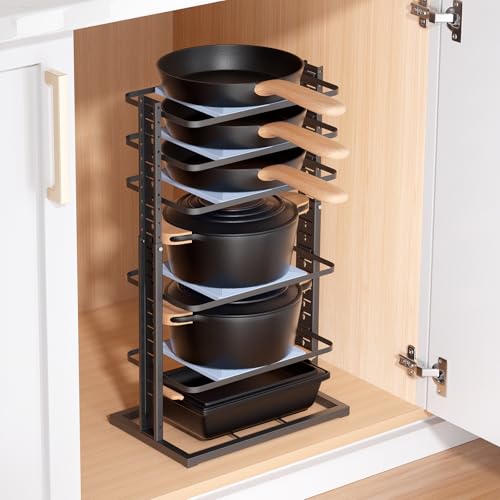
Skip it and you risk scratched coatings, chipped enamel, and loud pan-on-pan clatter that can shorten cookware life. I’ve seen that wear build fast in crowded cabinets. This Cookware Storage Protector review weighs real scratch protection, noise reduction, and storage convenience against cheaper fixes like shelf organizers and careful stacking.
Pros and cons
- Pros: cuts direct contact between stacked pots and pans, lowers clatter, and gives low-cost backup for delicate finishes.
- Pros: works in felt, silicone, and cork options, so you can match the pad to the cabinet and cookware type.
- Cons: can slip, trap grit, or hold moisture if the cabinet is damp or the pads are dirty.
- Cons: makes less sense when cookware already lives in a rack, drawer divider, or single-layer setup.
Who it’s for: home cooks with stacked pots and pans, mixed cookware finishes, or crowded cabinets. It is a weak buy for kitchens that already separate cookware cleanly or store each piece upright.
According to Cookware – IKEA Belgium — IKEA sells a pan protector set of 2 for 0,75 €.
Specs at a glance
| Feature | Cookware storage protector basics |
|---|---|
| Common materials | Felt, silicone, cork |
| Primary use | Placed between stacked pots and pans |
| Main benefits | Scratch prevention, noise reduction, cleaner stacking |
| Fit method | Size should match cookware diameter |
| Adjustment | Many can be trimmed or cut to size |
| Best storage setting | Dry cabinets or drawers |
Common materials: felt, silicone, cork
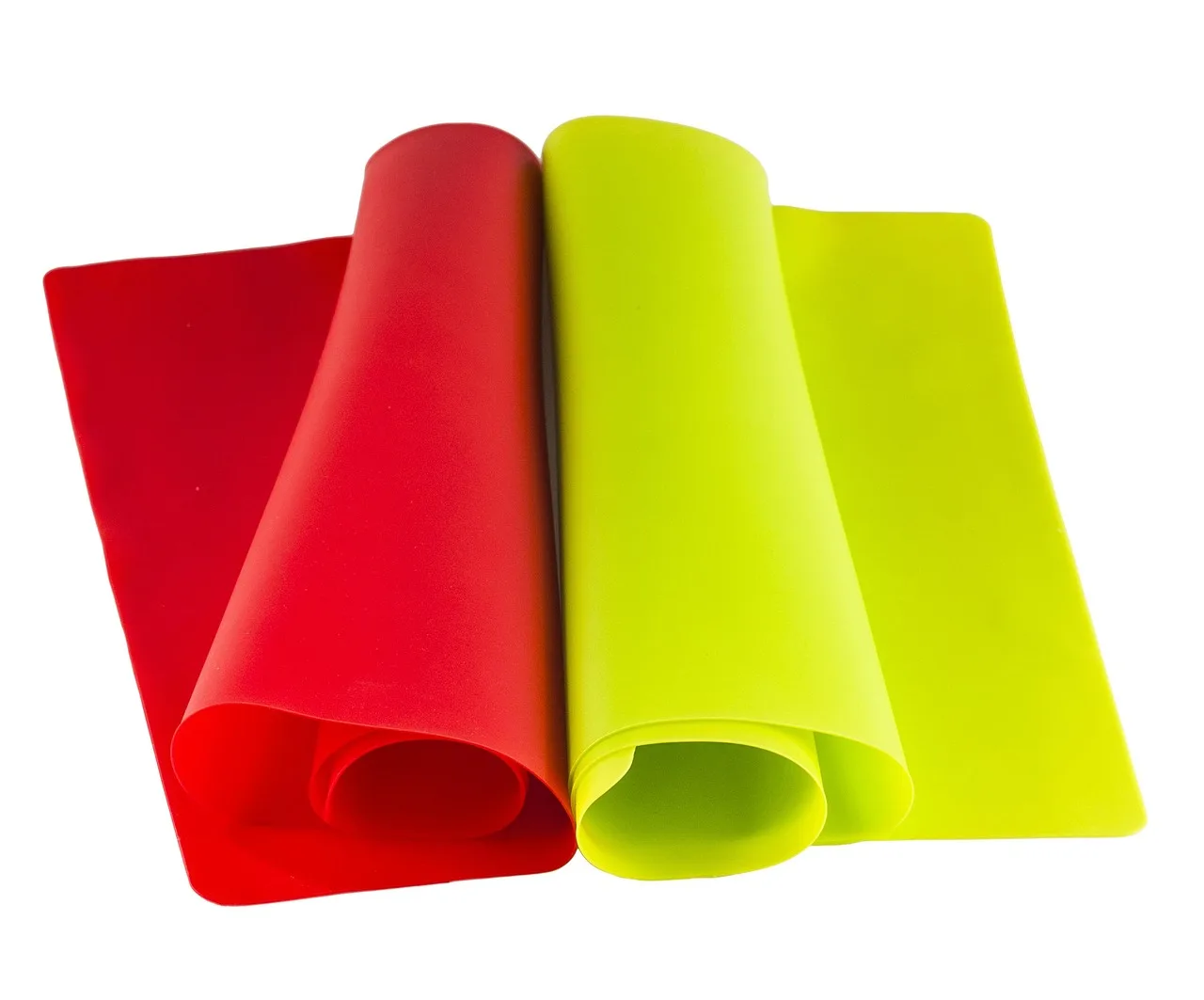
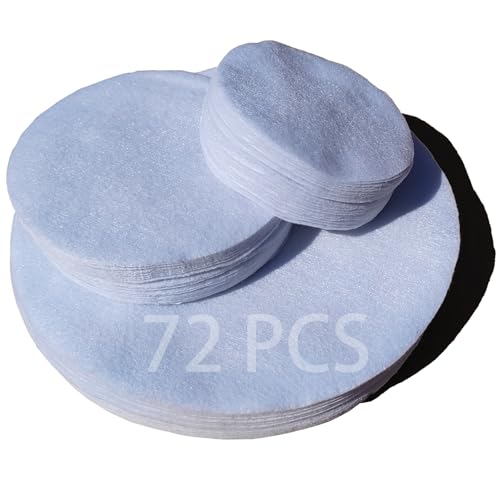
Felt pads are soft and gentle, which makes them the safest default for coated pans and polished cookware. Silicone inserts are flexible and sturdy, with a grippy surface that helps keep pieces from shifting. Cork liners are natural, easy to sort into shape, and useful where light moisture control matters.
Each material changes the tradeoff. Felt is cheapest and easiest to replace. Silicone stays put best in stacks. Cork trims neatly but can wear faster at the edges if cookware gets dragged across it.
Where they go in a stack
Place a protector between each cookware piece, not only at the bottom of the pile. The goal is to stop edge contact, reduce pressure points, and keep lids or pans from sliding as the stack settles in a cabinet or drawer.
In dry storage, that simple layer often does the work. In a damp cabinet, the wrong material can hold moisture against a pan rim, so the storage setup matters as much as the pad itself.
Sizing, trimming, and replacement basics
Size should match cookware diameter as closely as possible. If a pad is much smaller than the cookware base, the contact area is too limited. If it is too large, it may wrinkle or bunch under the rim and make stacking less stable.
Trimming works best for felt and cork. Silicone can sometimes be cut to size, but clean edges matter more because a ragged cut can curl or catch. Replace any protector that looks frayed, flattened, dirty, or no longer lies flat.
Who it is for
Cookware protectors are best for kitchens where pans are stacked often and items touch each other during storage. They help most when cookware is valuable, finished surfaces are delicate, or the cabinet is crowded enough that small shifts cause repeated rubbing.
They are less useful when cookware already sits in a rack, divider, or upright drawer system. If each item has its own slot and nothing bears on the next piece, the protector becomes a backup rather than a need.
Best fit for nonstick and enameled cookware
Nonstick cookware needs gentle separation. A soft protector helps prevent the coating from contacting another pan’s rim or base, which is where the damage usually starts. Enameled cast iron benefits too, because chips and edge scuffs are expensive to live with.
For these materials, avoid rough protectors. A gritty or abrasive surface can do the very thing it is meant to prevent.
Best fit for stainless steel and lightweight pans
Stainless steel cookware is durable, but it still benefits from storage protection. Surface marks, dents at the rim, and dull scuffs build up when stacked metal rubs against metal. Lightweight pans also shift easily, so they benefit from a grippy separator that keeps the pile calmer.
On these pieces, the value is often less about preserving a flawless finish and more about reducing chatter, tipping, and hard contact in a tight cabinet.
When you can skip them
You can usually skip protectors when cookware is stored upright, spaced apart, or already protected by a rack system. If you do not stack pots and pans often, the pad becomes a convenience item rather than a damage-control item.
Skip them too if moisture is hard to control and the cabinet regularly feels damp. In that case, fixing the storage environment matters more than adding another layer.
What works
Protectors earn their keep in three ways: they separate surfaces, quiet the stack, and make cramped storage easier to live with. Scratch prevention is the main job. Noise reduction and tidier cabinets are secondary benefits that matter most in busy kitchens.
Scratch prevention between stacked pieces
A cookware protector works by creating a cushion between contact points. That matters most where rims, bases, or handles touch during everyday loading and unloading. The better the fit, the less chance there is for direct abrasion.
Felt does this with softness. Silicone does it with grip. Cork sits between the two, giving a firmer buffer that still resists direct metal-on-metal contact.
Noise reduction in drawers and cabinets
Stacked cookware can clang when a lid shifts or a pan settles against another pan. A protector reduces that noise, which is useful in apartments, open kitchens, and shallow cabinets where every movement echoes.
That quieter stack is not a luxury feature. It also tends to mean less sliding, which helps the pile stay put when the cabinet is opened fast.
Better order in crowded storage
In crowded cabinets, protectors can keep a stack from drifting sideways and taking up more space than it should. They also make it easier to pull one pan without scraping the next one on the way out.
That convenience matters most when the cookware set is mixed and the cabinet is used often. If the stack is tall and tight, the pad is often the cheapest way to reduce daily friction.
What does not
Protectors are not a cure for bad storage. They fail when the cabinet is wet, the pads are dirty, or the fit is sloppy. They also do little when the storage problem is really a space problem, not a contact problem.
Slippage, grit, and moisture issues
If a protector slides around, it stops doing its job. That happens when the pad is too small, too slick, or paired with cookware that does not sit flat. Grit is another failure point; a speck of dried food trapped under a pad can scratch a finish faster than bare stacking in some cases.
Moisture is the quiet problem. Felt and cork can hold dampness if a pot goes away still humid, and even silicone can trap a wet surface against a pan. Dry cookware first.
When the protector texture is wrong for the pan
Nonstick surfaces need the gentlest separator available. Anything rough, sandy, or stiff can leave marks if cookware shifts. Enameled cast iron also needs softness at the contact points because chips usually start at edges and lips.
For stainless steel, texture is less about surface damage and more about stability. A more gripping material can be useful there, but only if it stays clean and flat.
Why some cabinets need a different fix
Some storage problems come from stack height, lid clutter, or poor shelf spacing. A protector cannot fix a cabinet that is too shallow or a pile that is already too tall to move safely.
In those cases, racks, dividers, or a spacing change usually do more than another pad. The right fix is the one that removes the pressure, not only the scratch point.
Decision checklist: are they worth it for your kitchen?
Use this checklist to score the buy. Add the points. A total of 10 or more often favors protectors. A score under 6 often suggests a storage change may be a better fit than buying a pad.
- Cookware value and replacement cost: 0 points for inexpensive, easily replaced pans; 2 points for mid-priced cookware; 4 points for nonstick, enameled cast iron, or cookware you plan to keep for years.
- Stack frequency and cabinet pressure: 0 points if you rarely stack; 2 points if you stack some pieces; 4 points if most pieces live in a tight pile or get moved daily.
- Scratch risk and finish sensitivity: 0 points for all-stainless storage with plenty of room; 2 points for mixed cookware; 4 points for coated or enamel surfaces, or for stacks that already show scuffs.
- Rattling and storage space: 0 points if nothing shifts; 2 points if you hear occasional clatter; 4 points if pans bang, slide, or make the cabinet hard to use.
How to read the score
A high score means the protector is doing real work. You are paying a small amount to protect cookware that is costly or annoying to replace. That is the strongest case for buying.
A low score means the money is probably better spent on storage changes first. If the cabinet is roomy and the cookware is already separated, the protector is a convenience purchase, not a damage-prevention purchase.
Cost-per-use and replacement frequency
This is where many buyers skip the math. If a set is cheap and gets used every day, the cost-per-use can be tiny over a year. If a protector frays, picks up grime, or compresses and has to be replaced often, that value drops fast.
Felt usually has the lowest entry cost and the easiest replacement cycle. Silicone tends to last longer but costs more upfront. Cork sits in the middle, though edge wear can shorten its useful life in a busy kitchen.
Alternatives to cookware protectors
Sometimes the better answer is not a pad. Racks, dividers, and spacing changes solve the storage problem at the cabinet level and can make protectors unnecessary. That is often the smarter route when the main issue is clutter rather than direct contact.
Racks and dividers
A rack keeps cookware upright and separate, which removes most rubbing before it starts. A divider does the same thing inside a cabinet or drawer and is usually the better option when the stack is tall or heavy.
For stainless steel or sturdy everyday pans, that can be enough. For nonstick or enamel, a divider plus a protector is sometimes the strongest setup.
Lid organizers and vertical storage
Lids create noise and instability when they sit on top of pans. A lid organizer removes that pressure and makes the stack easier to open without dragging metal across metal.
Vertical storage works especially well in shallow cabinets. It saves space and cuts the urge to stack in the first place.
Spacing changes that remove the need for pads
Sometimes one shelf adjustment beats a dozen pads. Adding a little vertical room can turn a shaky stack into a stable one. That matters because protectors are strongest when they support good storage, not when they are forced to solve a bad layout.
If the cabinet can be reworked easily, do that first. If it cannot, the protector becomes the quicker fix.
Should you buy it?

Buy cookware protectors when your pans stack, your finishes are sensitive, and the cabinet is crowded enough that pieces rub or clatter. Skip them when storage is already separated, dry, and stable, or when a rack or divider would solve the actual problem more completely.
Best-buy scenarios
Choose protectors if you have nonstick pans, enameled cast iron, or a mixed set that lives in one pile. They are also a good buy for anyone who hears cabinet noise every day and wants a simple fix without replacing furniture or adding hardware.
They make the most sense when the cookware is worth protecting and the stack is used often. That is where the cost pays back.
Skip-buy scenarios
Skip them if your cookware already stores upright or if each piece has enough room to sit apart. Skip them too if you are dealing with damp storage, because that problem needs drying, spacing, or ventilation first.
If the cabinet is the real failure point, buy the storage fix first and the protector second.
Final buying rule by cookware type and storage setup
For nonstick and enameled cookware in stacked storage, buy a soft separator. For stainless steel, buy it if the stack rattles or rubs. For lightweight cookware in tight cabinets, a grippy pad helps. For neat, upright storage, it is usually unnecessary.
Do pan protectors really prevent scratches? Yes, when the fit is right and the cabinet stays dry. They stop direct contact between stacked pieces, which is the main source of storage scratches, rim scuffs, and finish wear. They are less reliable if grit, moisture, or slippage gets between the surfaces.
What size pan protector should I buy? Match the protector to the cookware diameter as closely as possible. A pad that is too small leaves edges exposed, while one that is too large can bunch and shift. For mixed sets, choose a size that fits the most common pan and trim the rest when needed.
Can cookware protectors be cut to size? Yes. Felt and cork are the easiest to trim cleanly, and many shapes can be cut to match odd sizes or side handles. Silicone can sometimes be cut too, but the edge needs to stay smooth so it does not curl, catch, or create a rough spot.
Are felt, silicone, or cork protectors better? Felt is best when you want softness, low cost, and easy replacement. Silicone is better when you want grip and washability. Cork is a good middle ground for natural material and trim-to-fit use. The best choice depends on how tight the stack is and how delicate the cookware finish is.
How many protectors do I need for stacked pots and pans? Count every contact layer in the stack. If four pans sit one inside another, you need three protectors between them. Add extras for lids, separate stacks, and spare replacements. A kitchen with frequent stacking usually needs more than one small pack.
Do cookware protectors help with noise and cabinet organization? Yes, but that is the second benefit, not the first. They cut the sharp clatter that comes from metal touching metal and can help a pile stay more orderly. The real value is still scratch prevention, especially in crowded storage.
Frequently asked questions
What does a cookware storage protector do?
A cookware storage protector sits between stacked pots and pans to reduce direct contact. It helps prevent scratches, scuffs, and chips, and it can also quiet the noise that happens when cookware shifts in a cabinet or drawer. That makes it useful for both protection and storage control.
Is a cookware storage protector worth buying?
It is worth buying when stacked cookware rubs, rattles, or includes delicate finishes like nonstick or enamel. It is less worth it when cookware already has its own space in racks or dividers. The best value comes from kitchens with crowded storage and frequent use.
Which cookware materials need protectors most?
Nonstick cookware needs them most because the coating is sensitive to rough contact. Enameled cast iron also benefits because chips can start at the edges. Stainless steel is less delicate, but it still gains from scratch protection in storage, especially when pieces are stacked tightly.
How many protectors do I need for stacked pots and pans?
You need one protector between each pair of stacked pieces. A stack of three pans needs two protectors. If lids are stored with the pans or you keep multiple stacks in one cabinet, count each contact point separately and add a few extras for wear or replacement.
Where do I place protectors when stacking cookware?
Place them directly between each cookware piece, centered so the base and rim are both separated where possible. Do not leave gaps where metal can touch. For best results, use them in dry cabinets or drawers so the pad stays flat and does not trap moisture against the cookware.
Can cookware protectors be cut to size?
Yes. Many felt and cork protectors can be trimmed to fit a specific pan diameter or a stack with awkward shapes. Cutting is useful when the available sizes do not match your cookware. The goal is a flatter fit, not just a smaller circle.
Are felt, silicone, or cork protectors better?
There is no single winner. Felt is soft and cheap, silicone is grippy and washable, and cork is natural and trim-friendly. The right choice depends on whether you care more about softness, stability, or a natural material in dry storage.
Products related to this article
Sponsored / affiliate links. As an Amazon Associate I earn from qualifying purchases. I may earn additional commission from eligible campaigns.