Cookware Sticking Problems: Why Pans Fail to Release
If cookware is sticking, first identify the failure mode: heat too high, pan not preheated, residue buildup, worn nonstick coating, or a warped surface; oil alone will not fix every case. Ignoring the cause wastes food, scorches pans, and can permanently ruin nonstick release. This guide shows how to sort sticking by cookware material, then fix the specific fault behind it.
Why cookware starts sticking
Sticking usually comes from surface contact problems, not a single bad ingredient. Food needs a hot, even surface, enough fat, and the right timing. If the pan is cold, warped, dirty, or coated with damaged seasoning or failed nonstick, the food bonds before it can release.
Heat, fat, and food contact order
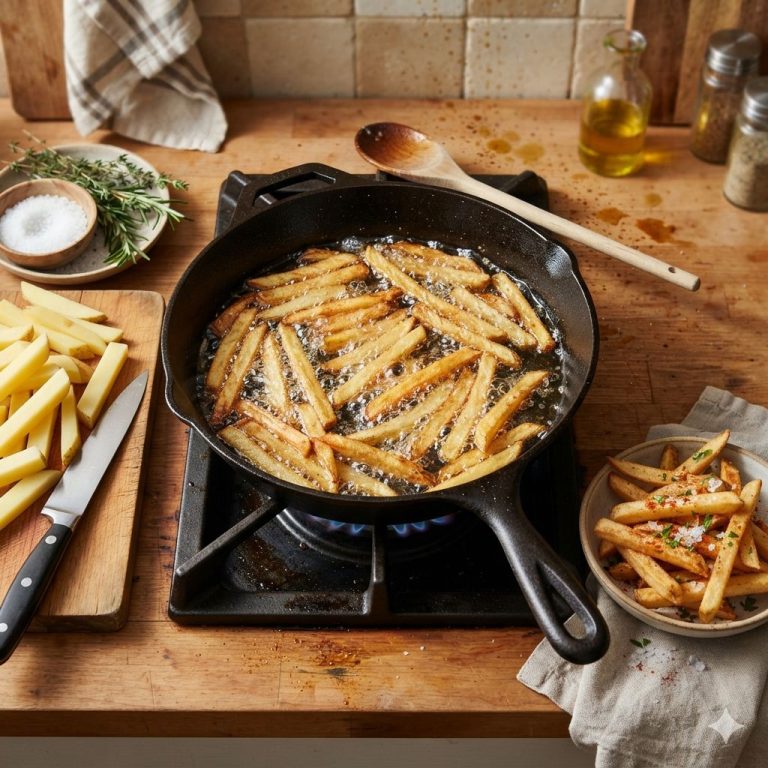
Put the pan on the burner first, then let it heat before adding fat and food. If fat goes in too early, it can break down before the surface is ready. If food goes in before the pan is hot enough, moisture and proteins grab the metal or coating.
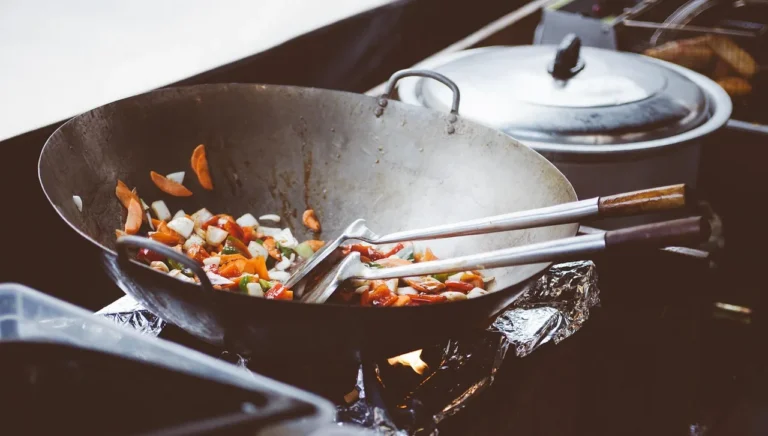
A common first-timer mistake is starting eggs in a stainless steel skillet that never fully preheated. The eggs hit a cool spot, grab the center, and tear while the edges still look glossy. The fix is not more oil alone; it is better heat control and timing.
Why sticking can be normal on stainless steel
Stainless steel does not act like nonstick. A stainless steel pan may release well when it is properly preheated, but it can still form fond. Fond is browned food that clings during cooking and then loosens with liquid. True sticking means the surface was not ready, or the pan is damaged.
When sticking points to surface damage
If a nonstick pan loses release even at the right heat, or a cast iron skillet starts sticking after seasoning looks patchy or rusty, the surface itself may be failing. Deep scratches, flaking, exposed base metal, and persistent warp are often repair limits rather than minor annoyances.
Can you fix a sticky pan?
Yes, sometimes. Start by separating a heat problem from a cleaning problem and from surface failure. If the pan is clean, flat, and in good condition, you can often recover release with better preheating, more even fat coverage, or fresh seasoning. If the surface is damaged, replacement may be the safer choice.
Quick decision: heat issue, cleaning issue, or surface failure
- Check whether the pan is flat on the burner and not rocking.
- Look for residue: burnt oil, soap film, or stuck-on polymerized grease.
- Inspect the surface for scratches, peeling, rust, or exposed metal.
- Match the symptom to the material and choose the right fix.
When a fix is worth trying
Try a fix when the pan has no flaking, no deep pits, and no permanent warp. Stainless steel often recovers with better technique. Cast iron and carbon steel often recover with cleaning plus seasoning. Nonstick only deserves a repair attempt if the coating is intact and the maker’s care limits have not been broken.
When replacement is the better call
Replace cookware with flaking nonstick, exposed base metal on a coated pan, deep gouges through the cooking surface, or a base that no longer sits flat. A warped pan can continue to create hot spots and uneven contact even after careful cooking. If the pan still sticks after proper cleaning and technique, the surface may be at end of life.
Cookware failure table
Use this table to match the symptom to the likely cause, then test the pan before you change your cooking method. The same sticky result can mean very different problems in stainless steel, nonstick, cast iron, and carbon steel.
| Material | Symptom | Likely cause | Quick test | Fix | Replace vs. repair |
|---|---|---|---|---|---|
| Stainless steel | Food tears and leaves a crust in the center | Pan was not preheated enough, or the heat is too low for the food load | Flick a few drops of water. If they sit and sputter instead of skating, the pan is not hot enough | Preheat first, then add a thin film of oil or butter before food | Repair if the pan is flat and undamaged; replace only if warped or severely dented |
| Stainless steel | Brown bits stick after searing | Fond formed normally and needs deglazing, not scrubbing | Add a spoonful of water. If browned bits loosen, the pan is functioning normally | Deglaze with stock, wine, vinegar, or water after the sear | Repair; this is usually normal behavior |
| Nonstick | Eggs slide only in some areas | Coating wear, overheating, or residue buildup | Wipe with a damp cloth. If the surface still feels rough or patchy, the coating is worn | Use lower heat, gentle cleaning, and only non-scratch tools | Replace if the coating flakes, peels, or exposes base metal |
| Nonstick | Food sticks after cleaning | Soap residue, burnt polymerized oil, or abrasive damage | Warm water and a soft sponge do not change the surface feel if the issue is residue | Wash with mild soap, rinse well, and avoid abrasive powders or steel wool | Repair only if residue is the cause; replace if coating loss remains |
| Cast iron | Rust spots, dull gray patches, and food cling | Seasoning loss after moisture, scrubbing, or acid-heavy storage | Rub with a dry paper towel. If orange residue appears, rust is present | Remove rust, dry fully, and re-season with a thin oil coat | Repair unless the pan is cracked or deeply pitted through the cooking surface |
| Carbon steel | Sticking appears in one area more than others | Thin metal, hot-spot sensitivity, or uneven seasoning | Heat with a little oil. If one zone darkens and dries faster, the pan has hot spots | Use medium heat, build seasoning, and rotate food across the pan | Repair if flat and sound; replace if warped or badly pitted |
How do you stop food from sticking to stainless steel?
Stainless steel works best when the pan is preheated, the fat is added at the right moment, and the food is left alone long enough to release. It is normal for stainless steel to hold fond. The goal is even browning without tearing the surface when you turn the food.
Preheat and test the surface
Set the pan over medium heat first. Medium usually gives better release than high heat, which can create uneven hot spots and scorch fat. A few water droplets should bead and glide when the pan is ready. If they vanish instantly, the pan is still too cool.
Add fat before food
Add a thin, even layer of cooking fat after preheating and before food touches the metal. Oil, butter, ghee, and other high-smoke-point fats all help, but they work differently. Butter browns faster; high-smoke-point oils hold up longer. Too little fat leaves dry contact points. Too much can pool and fry unevenly.
Use fond without tearing the crust
For meat, let the crust set before moving it. If you force a flip too early, the surface tears and sticks. Once browned bits form, use liquid to lift them later. That is release through deglazing, not a failure.
Control temperature for eggs, fish, and pancakes
Eggs need gentler heat than seared meat. Fish skin releases more cleanly when the pan is steady, not screaming hot. Pancakes need an even pan temperature so the first side sets before the batter bonds. If one recipe sticks and another does not, the pan may be fine; the heat may not suit the food.
Why does nonstick stop releasing food?
Nonstick cookware can lose release from heat damage, abrasion, age, or care-limit violations. PTFE-based and ceramic nonstick coatings do not behave exactly the same, but both can fail if overheated, scrubbed hard, or used beyond the maker’s stated temperature limits. Once the surface breaks down, more oil will not restore it.
PTFE and ceramic surface wear
PTFE-based pans often fail through gradual release loss, scratches, or localized overheating. Ceramic nonstick may lose slickness sooner, especially if it was cleaned abrasively or heated too aggressively. If eggs cling in the same spots every time, the coating may be worn unevenly.
Heat damage and manufacturer limits
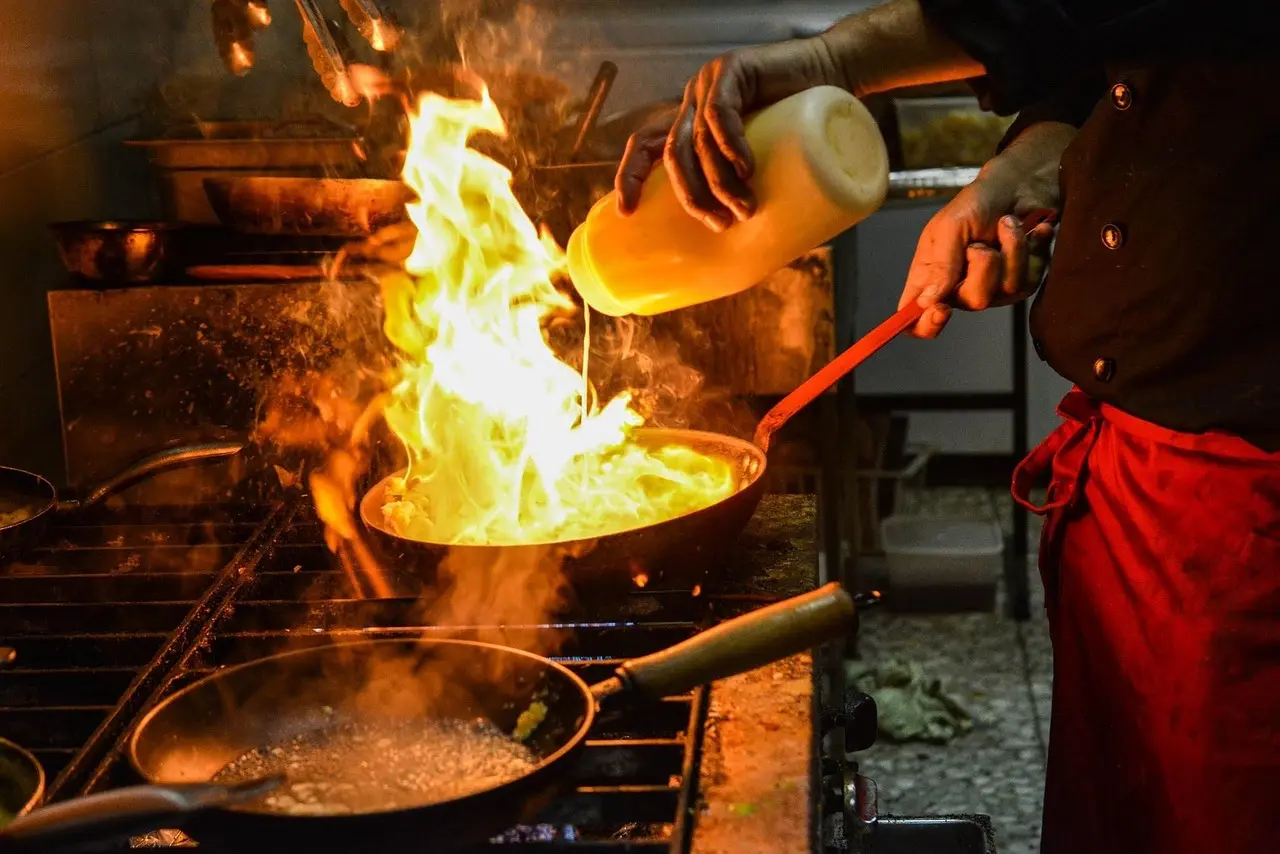
Most manufacturers set heat limits for nonstick cookware, and high heat can shorten coating life. Dry heating an empty pan is especially hard on the surface. If the pan has ever been left on high heat long enough to smoke oil or discolor the coating, performance may drop permanently.
Abrasive cleaners, utensils, and storage wear
Steel wool, harsh scrubbers, and abrasive powders can scratch nonstick and also strip seasoning from cast iron and carbon steel. Stack protectors matter too. Hard edges, metal utensils, and rubbing against other pans can nick the surface over time, especially on lightweight cookware.
Signs the pan should be replaced
Replace nonstick cookware if the coating flakes, peels, blisters, or exposes the base metal. Deep scratches that break the surface, not just cosmetic marks, are also a warning sign. If the pan still sticks after gentle cleaning and careful heat control, the coating may be at the end of its usable life.
How do you restore cast iron and carbon steel?
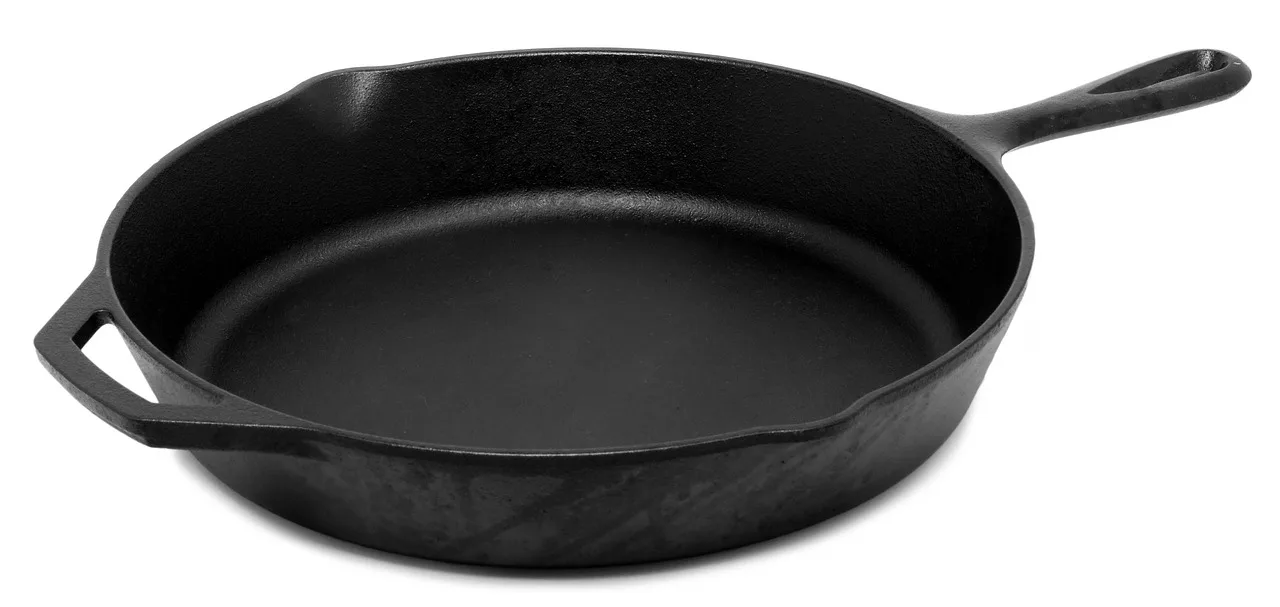
Cast iron and carbon steel depend on seasoning, a thin layer of polymerized oil that helps reduce sticking and resist rust. If that layer is stripped by scrubbing, long soaking, or acid-heavy storage, the pan can feel grabby. The fix is drying, oiling, and re-seasoning, not harsh cleaning.
Seasoning loss after rust or stripping
Rust, dull gray patches, and rough food release usually mean the seasoning has thinned or failed. Acid-heavy dishes such as tomato sauce, wine reductions, vinegar braises, or citrus sauces can loosen weak seasoning if they sit in the pan too long. Stainless steel can handle those sauces better than bare iron or steel.
Re-seasoning steps for each material
- Wash off loose residue with mild soap and a soft sponge.
- Dry the pan fully, including the rim and handle area.
- Apply a very thin coat of oil to the cooking surface.
- Heat the pan until the oil polymerizes and the surface turns dry and darker.
- Repeat as needed until the surface feels smoother and more even.
Carbon steel usually responds quickly to repeated thin coats because it is lighter and heats faster. Cast iron builds seasoning more slowly, but it also holds heat well once the layer is stable.
Acid-heavy dishes and storage mistakes
It is generally best not to store acidic food in cast iron or carbon steel. Short deglazing is fine, but long storage can strip seasoning and invite rust. After cooking with tomatoes, vinegar, wine, or citrus, clean and dry the pan promptly. If the pan sits wet, the damage compounds fast.
Rust prevention after cleaning
Dry the pan right away, then place it over low heat for a minute or two if needed to drive off moisture. Wipe on a thin film of oil before storage. The film should be nearly invisible. Thick oil can turn sticky instead of protective.
Suppose a 10-inch carbon steel pan develops a dull patch after simmering a tomato sauce for 20 minutes. If the pan is washed, dried, lightly oiled, and still feels rough in that spot, the seasoning was stripped. A few re-seasoning rounds usually fix the release problem without replacing the pan.
Frequently asked questions
Why is my cookware sticking even when I use oil?
Oil helps, but it cannot correct a cold pan, warped base, heavy residue, or damaged surface. If the pan is not preheated or the heat is too high, food can still bond before the fat spreads evenly. Sticking after cleaning often points to residue or coating failure, not just too little oil.
How do I know if my pan is warped or damaged?
Set the pan on a flat counter or burner. If it rocks, bows, or leaves a gap in the center, the base is warped. Persistent hot spots, uneven browning, and food sticking in one zone can also point to warp. Deep scratches, flaking, and exposed metal are separate damage signs.
Why does stainless steel stick more than nonstick?
Stainless steel does not have a release coating, so it relies on preheating, fat, and timing. That is why it can form fond and still cook well. Nonstick is designed to release food with much less contact resistance, but it can fail if the coating is worn or overheated.
When should I re-season cast iron or carbon steel?
Re-season when food starts sticking more than usual, the surface looks dull and patchy, or rust appears after washing. Re-season after any deep scrub, long soak, or acid-heavy cooking that stripped the surface. If the pan still feels smooth and releases well, maintenance seasoning may be enough.
What cleaner should I avoid if cookware keeps sticking?
Avoid steel wool, harsh scrubbers, and abrasive powders on nonstick, cast iron, and carbon steel unless you are intentionally stripping and restoring seasoning. They can scratch coatings and remove the oil layer that helps release. For most stuck food, warm water, mild soap, and a soft sponge are the safer start.
Should I replace cookware that sticks after cleaning?
Replace it if the sticking comes with flaking coating, exposed base metal, deep scratches, or a warped base that will not sit flat. If the pan is stainless steel, the issue is often technique, not end of life. If nonstick no longer releases after proper care, replacement is usually the right call.
Products related to this article
Sponsored / affiliate links. As an Amazon Associate I earn from qualifying purchases. I may earn additional commission from eligible campaigns.