Best Pan Scrapers (2026): Based on Specs and Reviews
The best pan scraper depends on the surface: use a stiff silicone or nylon scraper for nonstick, a metal-safe scraper for stainless steel or cast iron, and replaceable-edge scrapers for baked-on residue. The wrong edge can scratch coatings, dull seasoning, or leave carbon behind. This guide matches scraper material and edge shape to food type, pan finish, and cleanup stage.
Quick comparison
| Product | Badge | Best for | Price | ||
|---|---|---|---|---|---|
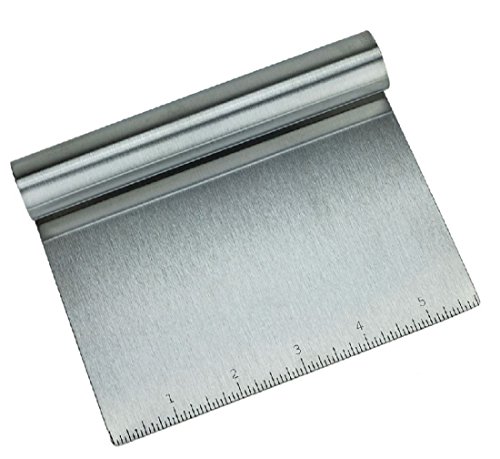 |
Stainless Steel Food Scraper , Multi-Purpose Bench ScraperMERRY BIRD | Our pick | Stainless Steel · Multi-Purpose · Measurement Marks | $5.99
Price as of 24 Oct 2026
|
View |
 |
ChefAide 5 Pieces Silicone Spatulas Set, Heat ResistantChefAide | Also great | 5-Piece Set · 600°F · Food Grade | $8.99
Price as of 24 Oct 2026
|
View |
 |
HANSGO Wooden Spatula, 12 Inch Acacia Wood Nonstick Turner,HANSGO | Budget pick | 12-inch · Acacia Wood · Non-Toxic | $7.98
Price as of 24 Oct 2026
|
View |
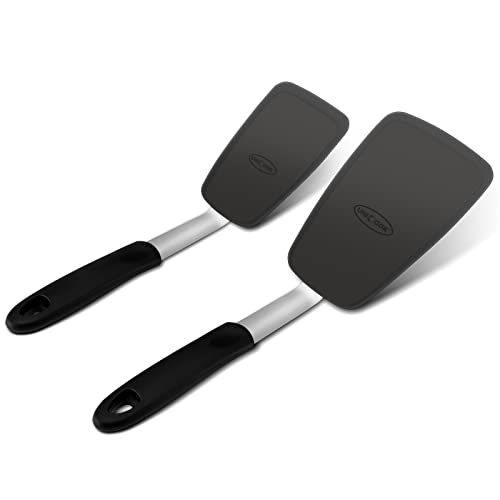 |
Unicook 2-Piece Silicone Spatula Turner Set for EverydayUnicook | Upgrade pick | 2-Piece · Heat-Resistant · Non-Slip Grip | $14.98
Price as of 24 Oct 2026
|
View |
If you want the shortest rule: start with wood for cast iron, nylon for hot pan sides after soaking, and metal only on countertops, flat boards, or durable cookware that can take it. The safest choice changes with the residue, not the brand name on the handle.
How we chose
The choices below are based on cookware safety, edge shape, hand control, care requirements, and how each material handles specific residue types. That matters because baked-on cheese leaves a softer crust than dried sauce, and a carboned skillet needs a different tool than a coated sauté pan.
We also looked for failure cases. A scraper that works well on stainless steel can be the wrong tool for damaged nonstick, warped edges, or a wooden body that has started to splinter.
Size matters too. A compact scraper is easier to guide at the sink, where soap, water, and a slick pan rim can make a large tool awkward to hold steady.
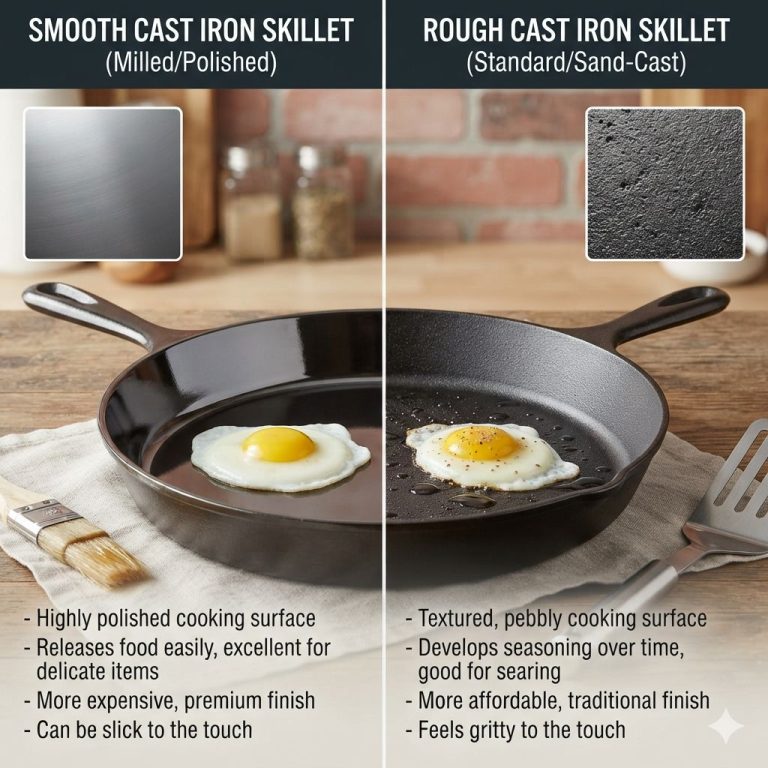
Wooden scraper: best for cast iron
This wooden scraper is the best fit if you clean cast iron often and want a non-scratch edge that follows the pan without attacking seasoning. Based on the listed specs, it uses acacia wood and is 12 inches long, which gives you reach without making the working edge bulky.
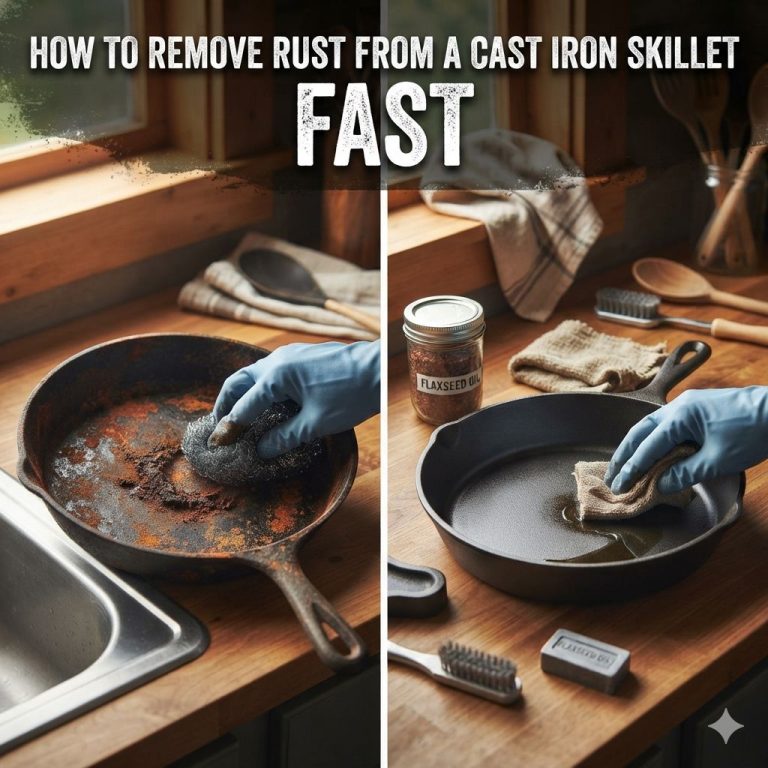
Wood is a good match for cast iron because it can lift stuck food without the harsh abrasion that can strip seasoning. That makes it useful for the common cast-iron cleanup stage after a soak has softened baked-on cheese or dried sauce.
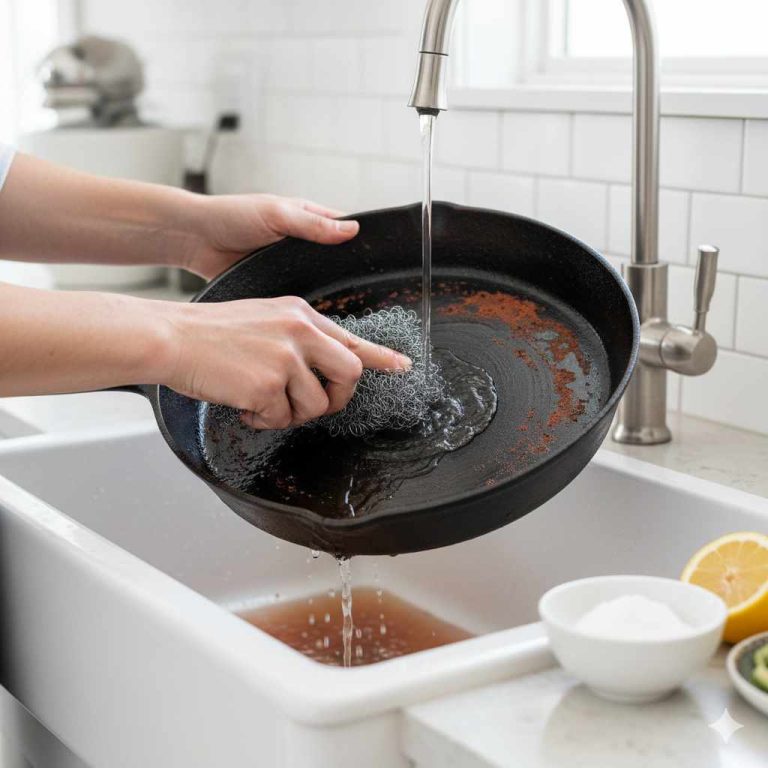
A common first-timer mistake is trying to force a wooden edge through dry carbon on a cold skillet. That can round the edge faster and make the tool less effective. If residue is hard and dry, soak first, then scrape in short passes.
Care is straightforward but strict. Wooden scrapers should be wiped with a damp cloth, washed with mild soap when needed, and kept out of the dishwasher. They also need periodic inspection for splintering, warping, or an edge that has gone dull.
Drawback: wood is not the best choice for aggressive dried-on buildup on smooth stainless steel, and it is less suitable if you want a tool you can throw in the dishwasher.
Nylon scraper: best for delicate pans
Use a nylon scraper when you need a thinner, safer edge for delicate cookware and hot pan sides. Fantes describes nylon scrapers as relatively heat-resistant and good for scraping hot pan sides, which makes this material useful after a short soak has loosened the residue.
That timing matters. Nylon is a better fit once baked-on food has started to soften, because it can remove loosened debris without needing the pressure a harder edge might demand. It is especially useful for nonstick cookware where the coating is intact and you want to stay well away from metal.
Its main advantage is control. A thin scraper reaches the curve where the sidewall meets the base, which is often where sauce and cheese collect first.
Drawback: nylon is not the best answer for thick carbon on cast iron or for dried residue that has not been soaked. It also should not be used as a cure for damaged nonstick; if the coating is already flaking, stop scraping and replace the pan or follow the maker’s care guidance.
Metal scraper: best for counters
This stainless steel scraper belongs on counters, flat cutting boards, griddles, and other durable flat surfaces more than on delicate cookware. The same source says metal choppers and scrapers are great for dried-on foodstuffs, which fits the kind of crusty residue that clings to a work surface.
It can be useful when you need firm pressure on a broad, flat plane. Think dried dough on a bench, sauce on a stainless worktop, or food stuck to a rigid board. The large surface area helps move debris in longer strokes.
It is not usually the default choice for cookware with coatings. Do not treat metal as a safe universal scraper for nonstick pans, and avoid it on enameled surfaces if the finish is already compromised.
Drawback: the same stiffness that makes it effective on dried residue also makes it risky on delicate cookware. On scratched nonstick or thin enameled edges, it can do more harm than good.
Silicone scraper: best for nonstick
Silicone is the safest general material for nonstick cookware when you want a non-scratch edge and a little flex. The ChefAide set is described as food-grade silicone, heat resistant up to 600°F, and safe for nonstick cookware, so it fits routine pan cleanup where you want more give than metal and less risk than a hard chopper.
Use it after soaking when residue has softened. Silicone works best on baked-on cheese, light sauce, and food stuck to coated surfaces that still have their finish intact. It is not the right tool for carbon that needs a rigid edge or for peeling up heavy, dry crust from cast iron.
Drawback: a soft edge can slide over stubborn residue rather than bite into it. If the mess is hard and dry, soak first or move to a different tool that matches the surface.
What it is for: nonstick cookware, baking pans with baked-on residue, and gentle cleanup where the coating matters more than speed.
Which pan scraper should you use?
Which pan scraper should you use?
Use the cookware type first, then match the residue. Cast iron usually tolerates wood or a gentle metal-safe edge if the seasoning is sound; stainless steel can take more pressure; nonstick needs silicone, nylon, or a soft wooden edge; enameled cookware needs the least aggressive option that still works. When in doubt, soak before scraping.
| Cookware type | Mess type | Safest scraper material | Soak first? | Red flags to avoid |
|---|---|---|---|---|
| Cast iron | Baked-on cheese, dried sauce, stuck bits | Wood; nylon after soaking | Yes, for hard residue | Damaged seasoning, splintered wood, aggressive metal on a fragile surface |
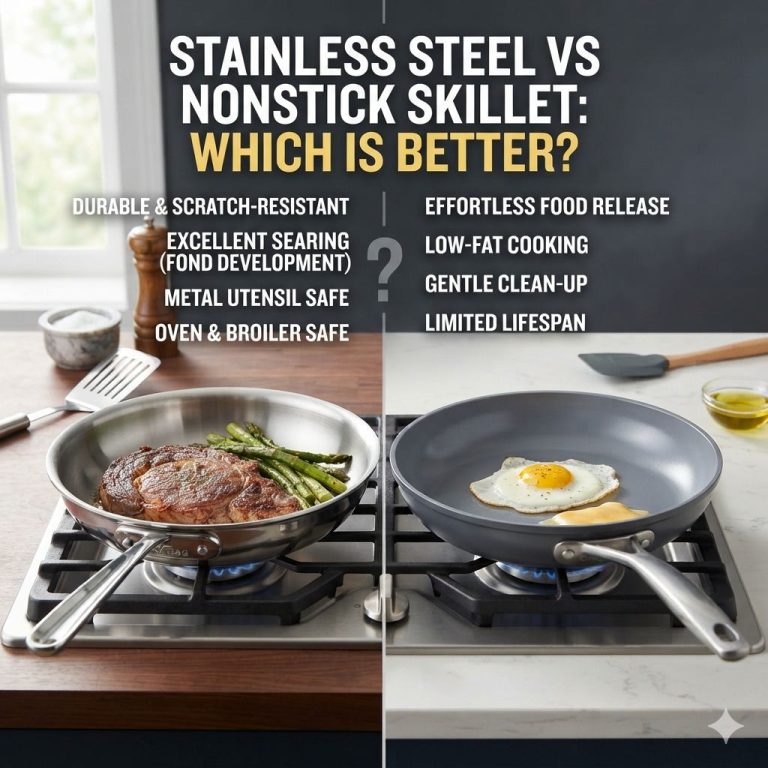
| Stainless steel | Dried-on food, browned fond, carboned spots | Metal scraper or stiff nylon | Often yes for dried residue | Thin warped edges, using metal on coated inserts or damage-prone parts |
| Non-stick | Softened sauce, cheese, light residue | Silicone or nylon | Yes for baked-on residue | Metal scraper, flaking coating, gouges, sharp corners |
| Enameled cookware | Softened residue, sauce, light stuck food | Silicone, nylon, or a smooth wooden edge | Yes if residue is baked on | Chipped enamel, hard metal edges, heavy pressure |
Say your nonstick skillet has dried cheese around the rim after dinner. Soak it for a few minutes, then use a silicone or nylon edge. If you reach for metal first, you are risking the coating for no real gain.
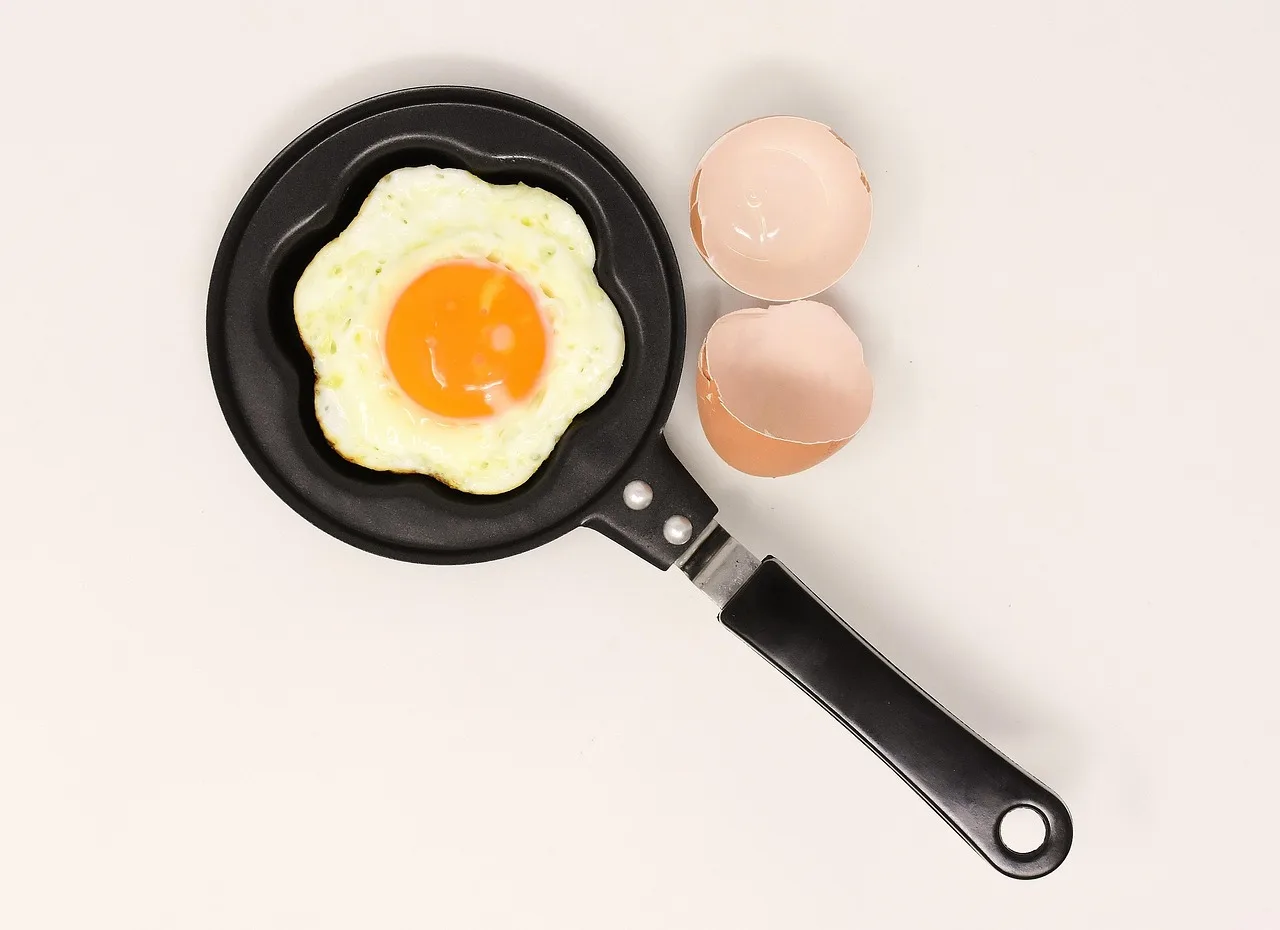
Suppose your cast-iron skillet has a few browned patches after frying eggs. A wooden scraper can lift them without scouring the seasoning. If the bits are dry and stubborn, a short soak makes the job easier and cuts the need for repeated passes.
Which one should you buy?
Pick the wooden scraper if you cook often with cast iron and want a simple tool that respects seasoning. Pick nylon if your routine includes nonstick pans and hot sidewalls, especially after soaking. Pick metal only if you also need a scraper for stainless worktops, flat boards, or a griddle where dried residue is the main problem.
If your cleanup is mostly coated pans, the safest answer is a soft-edge tool first and a firmer one only when the surface can take it. If you clean a mix of cookware, keep one scraper for cookware and one for flat prep surfaces. That separation prevents careless damage.
Size and grip matter more than many listings admit. A compact scraper is easier to hold at the sink because your wrist stays closer to the pan, which improves control and lowers the chance of slipping into a coated edge.
For care needs, choose wood only if you are willing to hand-wash or wipe it clean and check it for warping or splintering. Choose nylon or silicone if dishwasher cleanup matters more, but still inspect the working edge so it does not dull or curl.
What pan scraper does
A pan scraper is a manual edge for lifting stuck-on food without relying on harsh abrasion. Used well, it removes softened residue faster than scrubbing alone and gives you more control than a sponge when the mess has set up around the rim or base.
It works best as part of the cleanup sequence, not as a substitute for judgment. Soaking softens baked-on cheese and dried sauce, which improves scraper effectiveness and reduces scrubbing time. Scraping alone can help with fresh residue; hard, dried residue usually needs water first.
For cookware safety, the material has to match the finish. Cast iron can take a firmer touch because seasoning is part of the surface; stainless steel tolerates more scraping; nonstick and enameled surfaces need gentler edges and less force.
Replacement timing matters too. If the edge is dull, warped, splintered, or curled, the scraper is no longer doing its job well. A worn tool takes more pressure to move residue, and more pressure is exactly what delicate cookware should avoid.
Frequently asked questions
How to remove stuck food from pan
Start with warm water or a short soak if the food is baked on or dried hard. That softens cheese, sauce, and browned residue so the scraper can lift it in shorter passes. On cast iron, use a wooden edge; on nonstick, use silicone or nylon.
What is the best scraper for stuck-on food?
The best scraper depends on the surface and the mess. Wood is a strong pick for cast iron, nylon is safer for nonstick and hot pan sides after soaking, and metal belongs on durable flat surfaces like countertops or stainless worktops. There is no one universal best.
Can I use a metal scraper on nonstick pans?
No, metal is not the safe default for nonstick pans. If the coating is intact, use silicone or nylon instead. If the coating is scratched, flaking, or damaged, stop scraping aggressively, because even a soft edge can worsen the wear when pushed too hard.
Are wooden pan scrapers safe for cast iron?
Yes. Wooden pan scrapers are a good fit for cast iron because they lift stuck food without the kind of abrasion that can strip seasoning. They also need gentle care: hand-wash or wipe with a damp cloth, then dry promptly so the wood does not warp.
How do I clean a wooden pan scraper?
Use a damp cloth and mild soap, then let it dry fully. Do not put it in the dishwasher. Check the edge now and then for splintering, warping, or dullness, because a wooden scraper that has changed shape will be harder to control and less effective.
What are food scrapers used for besides pans?
Food scrapers are useful on countertops, cutting boards, griddles, and other flat surfaces where dried-on foodstuffs need a firm edge. Metal chopper-scrapers are especially useful there. They are less suitable for delicate cookware, where a softer material is usually the safer choice.
Products related to this article
Sponsored / affiliate links. As an Amazon Associate I earn from qualifying purchases. I may earn additional commission from eligible campaigns.