5 Best Non-Scratch Sponges for Nonstick Pans (2026): We Compared
Choose a soft cellulose sponge or non-scratch nylon scrub sponge first; move to a melamine pad only for stubborn residue on ceramic, and skip abrasive scouring on PTFE. Wrong texture can leave micro-scratches, dull the coating, and shorten nonstick performance. This guide compares sponge materials, scrub levels, and coating-safe picks by mess type.
Quick comparison
| Product | Badge | Best for | Price | ||
|---|---|---|---|---|---|
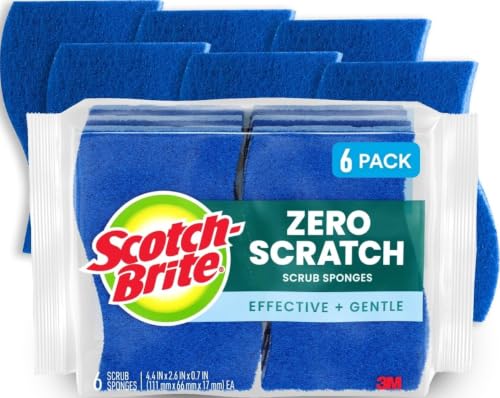 |
Scotch-Brite Zero Scratch Scrub Sponge, 6 Pack | KitchenScotch-Brite | Our pick | 6 pack · safe on nonstick · S-shaped grip | $5.99
Price as of 23 Oct 2026
|
View |
 |
Silicone Scrubbing Pad Sponges by SCRUBIT – Real SiliconSCRUBIT | Upgrade pick | 3 pack silicone · reusable · odor-resistant | $9.99
Price as of 23 Oct 2026
|
View |
 |
BESSONLE 24 Pack Natural Scouring Pads – Heavy DutyBESSONLE | Budget pick | 24 pack · biodegradable sisal · eco-friendly | $13.99
Price as of 23 Oct 2026
|
View |
 |
MUSDOOU Natural Loofah Dish Scrubber Sponges, 6 Pack LargeMUSDOOU | Also great | 6 pack · natural loofah · plant-based | $7.99
Price as of 23 Oct 2026
|
View |
 |
MAQIHAN 8 Pack Microfiber Dish Scrubbers – Non ScratchMAQIHAN | Also great | 8 pack · double-sided microfiber · high-density foam | $9.99
Price as of 23 Oct 2026
|
View |
For egg residue after breakfast, a non-scratch scrub sponge is the right call. For browned oil and sticky sauce, a dual-sided scrubber can help. For ceramic nonstick, start with the softest tool you can keep clean and dry.
How we chose
Selection started with one rule: the cooking surface matters more than the exterior, so every pick had to stay non-abrasive where the coating is most exposed. We then compared material safety for PTFE and ceramic nonstick, plus drying speed, odor control, and how practical replacement looks in real kitchens.
We also split light cleanup from heavier residue. A sponge that handles a greasy skillet well may still be too aggressive for a fragile ceramic coating or a slightly worn pan. That difference matters more than brand language on the package.
What makes a sponge safe for nonstick pans?
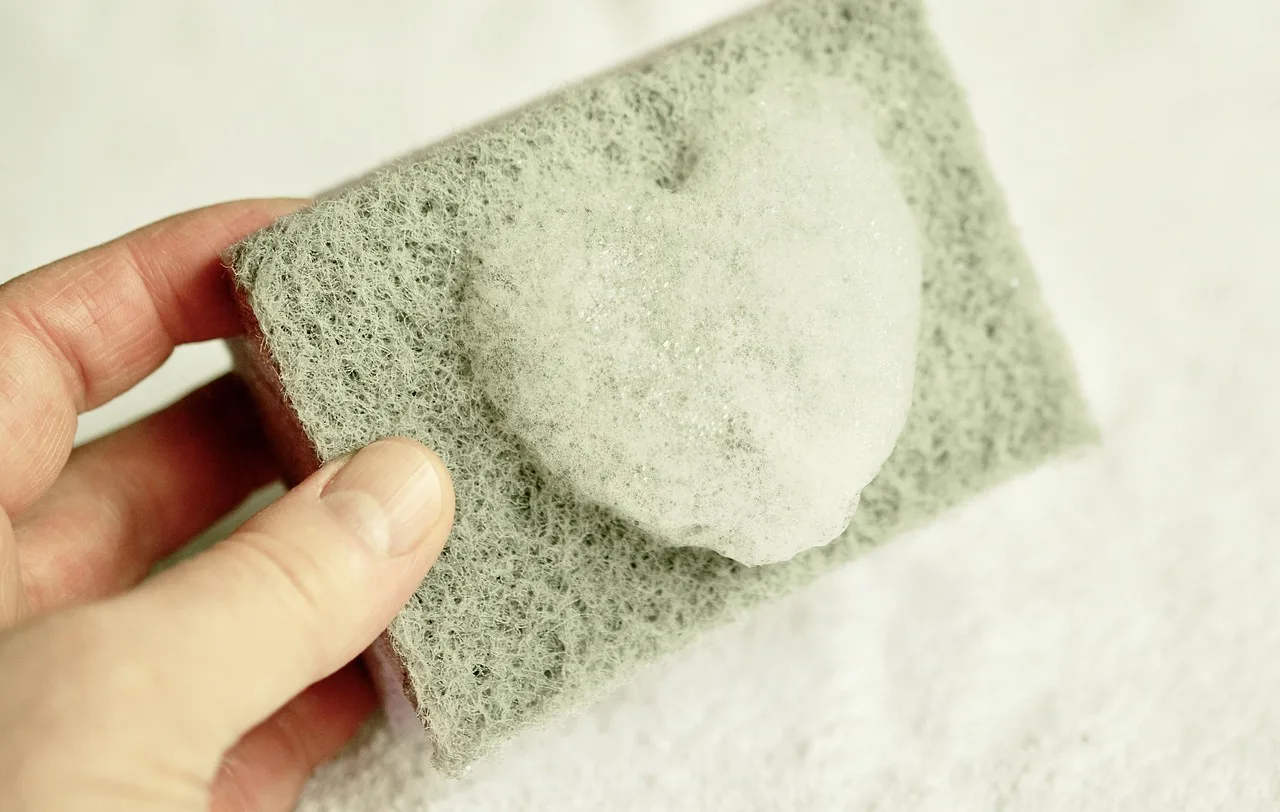
A safe sponge for nonstick cookware should be labeled non-scratch and should feel soft enough that it will not drag grit across the coating. That matters most on the pan’s interior, where PTFE and ceramic nonstick can be damaged by abrasive pads and repeated hard scrubbing.
What “non-scratch” should mean on the label
On packaging, non-scratch should point to a scrub surface made for delicate cookware, not a general-purpose pad that just feels soft. It should be suitable for coated cookware, glass, or similar delicate surfaces, and it should not rely on visible abrasive grit to do the work.
Why texture matters more than foam alone
Foam can cushion a sponge, but the scrub layer does the actual contact work. A soft foam backing with an abrasive face is still a risk on a nonstick interior. For that reason, the safest choices use gentle fibers, soft cellulose, or a truly non-scratch scrub texture.
Why the pan interior needs stricter rules than the exterior
The cooking surface sees oil, heat, and repeated contact with utensils, so a scratch there affects release performance first. The bottom and exterior can tolerate more variation, but the interior should get the mildest sponge available. That separation is especially important on ceramic nonstick pans.
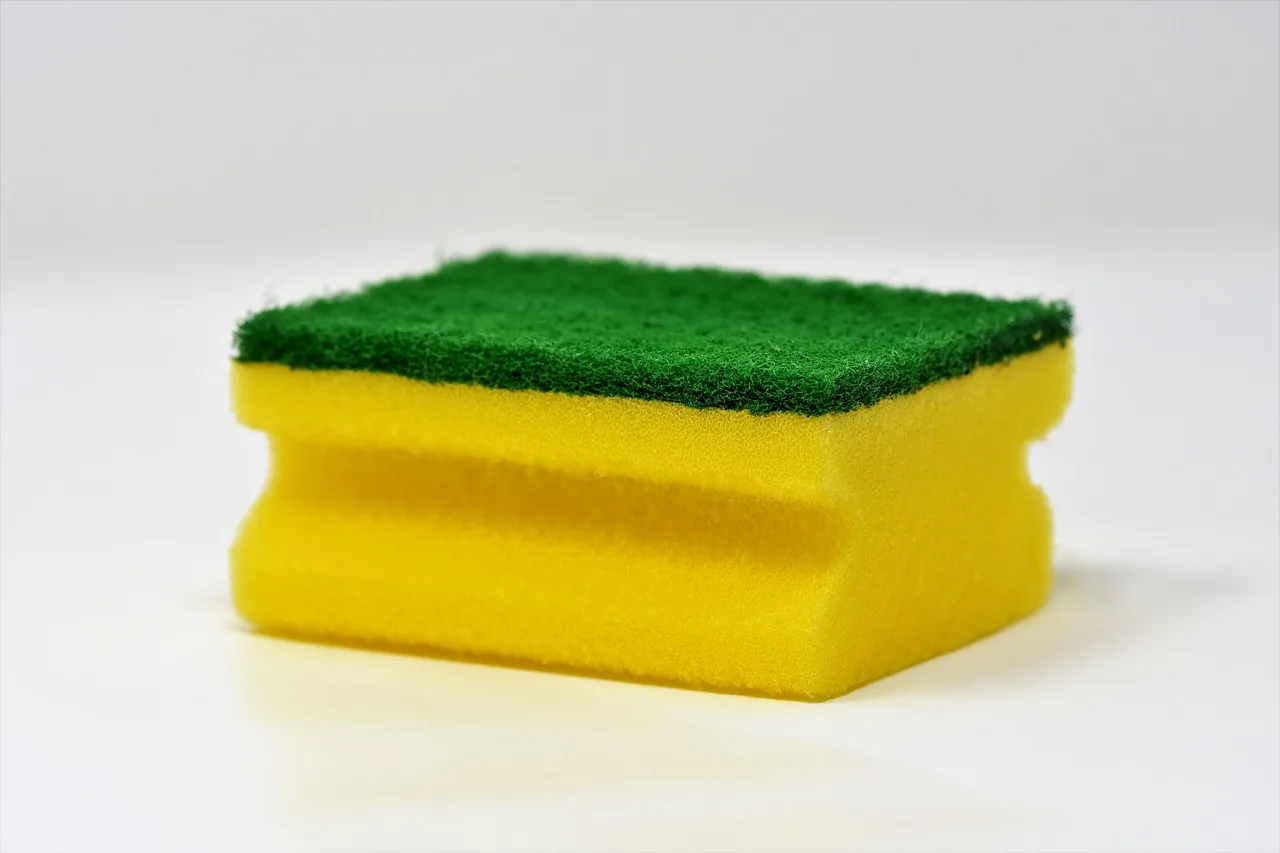
Scotch-Brite Zero Scratch Scrub Sponge: best for daily cleanup
- Non-scratch safe on nonstick pans, cookware, glass, tubs and showers
- Effective yet gentle against grease, grime and dirt
- S-shaped flexible design reaches into corners for comfortable grip
This is the clearest everyday pick for nonstick care. Best Cleaning Tools lists Scotch-Brite Zero Scratch Scrub Sponge for everyday nonstick care, and the product details position it as safe on nonstick surfaces with a gentle scrub face and a flexible S-shaped grip.
It fits home cooks who need one tool for routine cleanup after eggs, pancakes, or lightly oily pans. Based on the manufacturer’s specs and buyer feedback, the tradeoff is that it is built for gentle maintenance, not for heavy burnt-on residue that may need soaking or a different tool.
Scrub Mommy: best for stuck-on grease
- Made from real silicone for a soft non-scratch surface
- Odor-resistant—won’t build up smells like conventional sponges
- Versatile for kitchen dishes and various surfaces around the house
Scrub Mommy is the better fit when a pan has lightly stuck-on grease and you want one side to scrub while the other side wipes. Well Whisk says it combines FlexTexture and ResoFoam, and that temperature-responsive scrub texture is useful when residue needs a bit more bite without jumping to a harsh pad.
It is also a practical maintenance choice because the product is designed to be dishwasher safe, which helps with odor control. The drawback is simple: the firmer scrub side can still be too much for a fragile ceramic coating if you press hard or keep scrubbing one spot.
Are Scrub Mommy sponges safe for nonstick pans?
They can be safe for nonstick pans when you use the softer side or apply very light pressure with the scrub side on routine residue. They are not a license to scuff at burnt spots. On ceramic nonstick, keep the touch even gentler, especially if the coating already shows wear.
Silicone scrubbing pads: best for odor resistance
Silicone scrub pads are useful when odor control matters more than foam feel. They resist the sour smell that can build in traditional sponges, and their non-absorbent surface can make them easier to rinse clean between uses. That makes them attractive for maintenance-focused kitchens.
The drawback is cleaning feel. Silicone can be less effective on greasy film than a textured non-scratch sponge, so it works best as a light-duty maintenance tool rather than a replacement for every stuck-on mess. If residue is baked on, soaking still comes first.
Natural scouring pads: best for eco-focused households
- Large 24-pack offers strong value for money
- Natural coconut and recycled fibers are biodegradable and compostable
- Non-scratch safe for nonstick pans and delicate surfaces when soaked first
This pick suits shoppers who want a compostable-leaning, plant-based option and a large supply on hand. The product details say the pads are biodegradable and compostable, and they are described as non-scratch for nonstick pans and delicate surfaces when soaked first.
The drawback is that texture can vary more than with a uniform foam sponge. Even when a pad is labeled non-scratch, you should treat it as a gentle helper rather than a hard-scrub tool. If the pan already has visible wear, use extra caution.
Natural loofah scrubber: best for light residue and airflow
- Textured natural loofah surface lifts food residue and grease gently
- Expands and softens when wet for comfortable use
- Easy to rinse, air dry, and reuse with a hanging-friendly shape
Natural loofah scrubbers make sense if you want a plant-based pad that expands and softens when wet. That can help with light residue while still staying gentler than an abrasive scourer. The hanging-friendly shape also supports faster drying and easier storage.
The drawback is that loofah texture is still more assertive than a plain cellulose sponge. It is best for light residue on nonstick cookware, not for aggressive scraping. On ceramic nonstick, it should be reserved for the mildest cleanup and used with a light hand.
Microfiber scrubber: best for delicate wiping
- Double-sided design pairs microfiber for gentle washing with a textured scrub side
- Thick 1.5-inch high-density foam holds shape and rebounds after use
- Eight colorful sponges allow easy organization and rotation in the sink
Microfiber scrubbers are a strong option when you want a non-abrasive material that can wipe away film without feeling harsh. Best results come from versions labeled non-scratch and paired with foam or sponge backing, which gives you cleaning control without adding grit to the surface.
The drawback is that microfiber alone can be less effective on stubborn, stuck-on spots than a true scrub face. It is a good daily cleaner, but it may not replace soaking or a second tool when the mess has dried hard on the pan.
Which sponge is best for ceramic nonstick pans?
Ceramic nonstick needs the gentlest routine because the coating is scratch-prone and should not be cleaned with abrasive grit. For that reason, a soft cellulose sponge or a clearly labeled non-scratch microfiber sponge is the safest starting point, especially for pans in the Caraway-style ceramic category.
When to choose cellulose over scrub texture
Choose cellulose when the pan has only light residue, daily oil film, or a small amount of sauce. Cellulose is soft when wet and good for delicate surfaces, but it wears down faster than polymer-based sponges. That tradeoff is acceptable when coating safety matters most.
What to skip on ceramic coatings
Skip abrasive green scourers, gritty pads, and any melamine use on the interior unless the manufacturer explicitly allows it for that coating. Ceramic nonstick deserves extra-gentle care. If residue is stubborn, soak the pan first rather than increasing pressure with a harsher pad.
Nonstick sponge comparison matrix
| Material | Coating safety | Burnt-on food handling | Odor resistance | Drying speed | Reuse lifespan | Best use case |
|---|---|---|---|---|---|---|
| Non-scratch nylon scrub sponge | High for PTFE when labeled non-scratch | Moderate on lightly stuck residue | Moderate | Moderate | Moderate | Daily egg, omelet, and sauce cleanup |
| Cellulose sponge | High for delicate interiors when wet | Low to moderate | Lower unless dried well | Slower than polymer sponges | Shorter | Delicate ceramic nonstick and light washup |
| Microfiber scrubber | High when labeled non-scratch | Low to moderate | Moderate to high | Moderate | Moderate | Gentle wiping with some scrub support |
| Silicone pad | High | Low to moderate | High | Fast | Long | Odor-resistant maintenance cleaning |
| Abrasive green scourer | Low | High | Moderate | Moderate | Moderate | Not for the interior of nonstick pans |
If the pan has only a little residue, the safest move is the gentlest tool in the matrix. If the mess has burned onto the surface, soak first and only then step up to a more textured non-scratch sponge. If the surface is already scratched, stop using abrasive pressure and switch to softer cleaning.
When a sponge is no longer the right tool
A sponge stops being the right tool when food is baked hard enough that repeated rubbing is needed, or when the coating already shows scuffs and dull patches. At that point, more soaking, a plastic-safe scraper, or a manufacturer-approved method is safer than grinding harder with the same pad.
Which one should you buy?
For most home cooks, the Scotch-Brite Zero Scratch Scrub Sponge is the easiest starting point because it matches everyday nonstick cleanup without demanding a change in routine. If your pans often have greasy film or light stuck-on spots, Scrub Mommy is the better fit because its dual-sided build gives you more range.
For ceramic nonstick, especially pans in the Caraway style, choose the softest option you can keep clean and dry, such as cellulose or a clearly labeled non-scratch microfiber sponge. If odor control is your main problem, a dishwasher-safe sponge or silicone pad is the practical choice.
Suppose a 10-inch PTFE skillet has only a thin layer of oil after breakfast. A non-scratch sponge is enough. Suppose the same pan has a caramelized cheese edge after dinner. Soak first, then use a gentle scrub sponge, not a green scourer.
A common first-timer mistake is treating the exterior like the interior. The outside can sometimes tolerate a firmer wipe, but the cooking surface needs the strictest rule set. Keep one sponge reserved for the interior and another for the bottom if your cleanup style needs that separation.
How to clean a nonstick pan without scratching it
Use warm water, mild dish soap, and the gentlest sponge that matches the residue. Let the pan soak for several minutes if food has dried or clung to the surface, then wipe with light pressure. Avoid metal tools, gritty cleaners, and aggressive back-and-forth scrubbing on the interior.
For stubborn spots, repeat the soak instead of increasing abrasion. If the residue stays put after soaking, switch to a soft non-scratch scrub sponge or a microfiber scrubber. The goal is to remove buildup without polishing the coating with grit.
What kind of sponge should I avoid on nonstick cookware?
Avoid abrasive green scourers, heavy-duty scouring pads, and any sponge with visible grit on the side that touches the pan interior. Those materials can cause micro-scratches, and repeated use can dull the coating faster. The warning is strongest for ceramic nonstick, which needs the lightest touch.
Magic erasers belong in the caution category as well. They are abrasive enough that they should not be your go-to for nonstick cooking surfaces. If you are cleaning the exterior or a manufacturer-approved spot, check the pan care guidance first and keep them away from the cooking surface.
Do non-scratch sponges really work on stuck-on grease?
Yes, but only up to a point. A non-scratch sponge can handle greasy film, soft residue, and lightly stuck-on food, especially when paired with soap and warm water. It is not a substitute for soaking when the mess has hardened or baked onto the coating.
That distinction matters because “stuck-on” can mean two different things. If the food is tacky, a non-scratch sponge is usually enough. If it has crusted, the safer path is to soften it first and let the sponge finish the job.
How often should I replace a sponge used on nonstick pans?
Replace it when the scrub face frays, the foam breaks down, or odors linger after washing and drying. There is no universal calendar for every household, because cleaning frequency and how wet the sponge stays both affect lifespan. Hygiene should win over squeezing out a few extra uses.
Dishwasher-safe sponges can help with sanitation and odor control, but that does not make them permanent. If a sponge stays damp for long periods, smells sour, or starts to shed texture, it belongs in the bin sooner rather than later.
Can I use a magic eraser or abrasive pad on nonstick pans?
Not on the cooking surface. Abrasive pads and magic erasers can remove residue by grinding at the coating, which is exactly what you want to avoid on PTFE and ceramic nonstick. If the pan interior needs more than a gentle sponge, soak it and change the tool, not the pressure.
If you need to clean the exterior, follow the manufacturer’s care guidance and test a small, hidden spot first. The interior remains the strict no-abrasion zone. That rule is the safest way to preserve release performance over time.
What sponge is best for ceramic nonstick pans like Caraway?
A soft cellulose sponge is the safest first choice, followed by a clearly labeled non-scratch microfiber sponge if you need a little more wiping help. Ceramic nonstick is less forgiving of gritty contact, so the best option is the one that cleans with the least abrasion.
Skip green scourers, abrasive pads, and hard scrubbing on the interior. If the mess will not lift, soak the pan longer or use a manufacturer-approved cleaner. Ceramic nonstick asks for more patience than standard PTFE cookware.
How do I tell if a sponge is actually non-scratch?
Check the label for explicit non-scratch or zero-scratch language and look for cookware-safe claims tied to delicate surfaces such as nonstick pans, glass, or tubs. A sponge that contains a visible abrasive side is not the same thing as a truly gentle pad, even if the foam feels soft.
Also look at texture and use case. If the pad is marketed for heavy-duty scouring, it is not the right pick for a nonstick interior. When in doubt, choose the softest labeled option and test only with light pressure on a small area of the pan.
Frequently asked questions
What is the best non-scratch sponge for nonstick pans?
For most daily cleanup, Scotch-Brite Zero Scratch Scrub Sponge is the clearest choice because it is positioned for everyday nonstick care. If you need more help with light grease, a dual-sided non-scratch sponge such as Scrub Mommy can be a step up without moving into abrasive territory.
How do I clean a nonstick pan without scratching it?
Soak the pan in warm water with dish soap, then use a soft non-scratch sponge or microfiber scrubber with light pressure. If residue remains, repeat the soak. Do not escalate to abrasive pads just to save time.
Products related to this article
Sponsored / affiliate links. As an Amazon Associate I earn from qualifying purchases. I may earn additional commission from eligible campaigns.