Cookware Materials and Safety Guide for Home Cooks
The safest cookware choice is use-based: stainless steel or enameled cast iron for high heat and acidic foods, cast iron or carbon steel for searing, and PTFE or ceramic nonstick only for low-to-medium heat, replaced at the first chips, peeling, or warping. Pick the wrong pan and you invite scorching, shorter pan life, worse cooking, and avoidable risk from overheated or damaged coatings. This guide separates core material from cooking surface, explains PFAS/PTFE, oven limits, replacement triggers, and where each pan is a poor fit.
How cookware safety actually works


Core material, cooking surface, and failure state are different safety layers
Most cookware advice lumps three separate things under one label. That is where bad buying starts. A pan can have a stainless steel core, an aluminum layer to help spread heat, and a PTFE or ceramic nonstick cooking surface on top.
The core affects heating speed, evenness, warp resistance, and induction compatibility. The cooking surface affects food release, cleanup, and how the pan reacts to oil, utensils, and acidity. The failure state is what happens after wear, overheating, wobbling, chipping, or handle damage.
Those layers change the safety answer. A stainless-clad skillet with a bare steel interior carries one set of risks. A hard-anodized aluminum skillet with a PTFE coating carries another. A ceramic-coated pan that has lost release and started chipping belongs in a different category again.
Normal-use safety is different from worn-out-pan safety
Many pans are fine in normal use and poor choices after visible wear. That matters most with coated cookware. Consumer Reports says chips or cracks in a nonstick surface mean stop using it. That is a clear replacement trigger, not a hint to keep going carefully. (consumerreports.org)
Failure state safety also includes loose rivets, broken helper handles, warped bases that spin on glass cooktops, and lids whose knobs or rims can no longer be trusted under oven heat. A pan can still look decent and still be a bad tool.
Heat level, ventilation, and cooking method change the answer
Safety is use-based because cooking is use-based. Frying eggs on medium heat asks little from a coating. Preheating a skillet for steak asks a lot from the core, handle, and cooking surface. Simmering tomato sauce for an hour brings acidity into the decision.
Apartment kitchens with weak ventilation should be stricter about overheated coated pans. Family kitchens need secure handles and cleanup that people will actually keep up with. Small-space cooks should care about weight, stackability, and whether storing pans together will scratch the surface.
In my own testing, the failure point is usually not some abstract material claim. It is misuse: a coated skillet left empty over high heat, a cheap pan that warps after repeated preheats, or a “still fine” egg pan that has quietly become sticky and rough. That is why I judge cookware by condition and task, not marketing language alone.
According to 9 Best Cookware Sets of 2026, Expert Tested and Reviewed… — Cookware sets usually consist of five to 15 pieces. (source)
Evaluating Made In Cookware for Safety and Performance
Made In cookware is a strong choice for home cooks prioritizing durable stainless steel that handles high heat safely, though its nonstick lines involve typical coating tradeoffs. The brand’s stainless collection serves as the safest default option due to superior heat tolerance and longevity, while coated alternatives carry shorter service lives and lower maximum temperatures.
Understanding these distinctions helps buyers align purchases with safety priorities and cooking habits. This detailed Made In review breaks down which specific pieces offer the best value, outlines material safety by collection, and clarifies who should consider or skip this brand based on performance expectations and long-term durability needs.
Our Place Cookware: Safety Limits and Best Uses
Our Place cookware is safe for low‑to‑medium heat, but the review warns that nonstick pans must be retired once the coating chips, peels, warps, or loses its release. It breaks down material specs, heat limits, cleaning routines, and the signs that a pan needs replacement, while also ranking each model for eggs, sautés, boiling, or browning. Knowing these limits helps you avoid food sticking, premature coating failure, and the rare risk of overheating a damaged pan. The article’s safety decision table lets you compare models side‑by‑side and suggests alternative brands if you need high‑heat searing. For a detailed breakdown, see the Our Place cookware review.
How Cuisinart Cookware Lines Compare for Safety and Durability
Cuisinart offers several cookware lines, but they differ significantly in heat tolerance, induction compatibility, and long-term durability. The MultiClad Pro series stands out as the safest all-around option because it handles high heat, works on induction stovetops, and survives dishwasher cycles better than most coated alternatives. Choosing the wrong line often leads to warped pans, peeling nonstick surfaces, or hardware that fails prematurely.
A detailed Cuisinart cookware review breaks down each collection using a safety-and-fit scorecard. It compares specific models by maximum heat limits, dishwasher behavior, and common failure points so you can match a set to your cooking habits without guessing which materials will hold up over time.
What cookware materials are the safest?
The safest cookware materials change with the job, the burner setting, and the pan’s condition. In my kitchen, stainless steel and enameled cast iron are the steady picks for acidic foods and oven finishing, while cast iron or carbon steel handle searing better. PTFE and ceramic nonstick are generally best kept to low-to-medium heat, and many people replace them soon after they show damage.
Safest picks for low-heat daily cooking
For eggs, pancakes, delicate fish, and lower-oil cooking, nonstick cookware has a real safety edge in daily use: food releases cleanly and cleanup is quick. That means less scraping, less harsh scouring, and less temptation to crank the burner just to force food loose.
Food Network says nonstick cookware can be a great place to start for newer cooks. That matches what I see at the stove. A beginner is far more likely to turn out decent omelets in a pan that forgives timing and oil mistakes.
Safest picks for high-heat searing and oven finishing
For steak, chops, burgers, and hard browning, bare stainless steel, cast iron, carbon steel, and enameled cast iron are the safer categories because they suit the job better. The surface is less likely to be the weak point.
What matters here is not only chemical concern. It is also cooking control. A pan that heats evenly and holds heat cuts hot spots, scorching, and frantic burner changes. Consumer Reports evaluates heating evenness, speed of heating, sauté performance, and handle sturdiness for exactly these reasons.
Safest picks for acidic sauces and long simmers
Tomato sauce, wine reductions, and lemon-heavy braises point to stainless steel or enameled cookware. Those jobs also need lids that fit well and handles that stay secure after repeated oven transfers.
PTFE or ceramic nonstick can handle short acidic jobs, but that is rarely where they make the most sense. A simmered sauce does not need much release, so there is little reason to put extra wear on a coating.
Why there is no single safest pan for every task
A “safest cookware” ranking without cooking method is too broad to help. The safest egg pan is rarely the safest steak pan. The safest pan for a nervous beginner may annoy an experienced home cook who wants fond, deglazing, and broiler-adjacent oven work.
If you are comparing categories, it helps to pair this guide with a broader cookware buying guide, a practical stainless steel vs nonstick cookware comparison, and a basic cookware maintenance guide. Those are the three decision points I see most often: material, use case, and upkeep.
Is Carote cookware safe and worth buying?
Carote cookware works well only when you match the specific set to your stove type and cooking habits. Induction stoves require induction-ready Carote pans, and every model has a strict oven-safe temperature limit that prevents warping or premature nonstick wear. Using these pans for hard searing accelerates coating breakdown.
The full Carote cookware review breaks down which sets deliver even heating, how they compare to other budget brands, and a decision matrix organized by use case. Checking those details before purchasing helps you avoid uneven performance and ensures the set fits your kitchen safely.
Best Cookware Materials for Kids and Family Meals
Choosing kid-safe cookware means matching materials to specific cooking tasks rather than relying on general safety claims. Stainless steel works best for daily family meals, enameled cast iron excels at stovetop simmering, and glass or ceramic are ideal for reheating, while damaged nonstick and raw cast iron with acidic foods should be avoided to prevent hot handles, flaking surfaces, and uneven heating.
This task-based approach helps parents avoid costly replacements and safety hazards by selecting equipment suited to snacks, reheating, and everyday cooking needs. The kids cookware safety guide breaks down each material’s strengths and limitations so families can make informed choices based on actual kitchen use rather than marketing promises.
Choosing safe cookware on a tight budget
18/10 stainless steel offers the safest low-cost option for everyday home cooking, while bare cast iron delivers the longest lifespan per dollar spent. Cheap nonstick pans carry the highest failure risk because they warp, scratch, and shed coatings quickly, forcing faster replacements and increasing food contact with degraded surfaces.
Evaluating materials by safety, durability, and true annual cost prevents overspending on short-lived sets. A detailed breakdown of budget cookware safety compares stainless steel, cast iron, and starter sets to help you choose reliable pans that protect your health without exceeding your spending limit.
Is nonstick cookware safe to use?
Yes, nonstick cookware can be safe to use when it stays within its heat limits, stays out of failure-state condition, and gets replaced when the surface chips, cracks, flakes, or loses integrity. It is still one of the easiest options for food release, cleanup, and lower-oil cooking, especially for newer cooks.
Where nonstick is a smart choice
Nonstick cookware earns its place with sticky proteins and low-fat cooking. Eggs release with less oil. Fish fillets tear less. Cleanup is usually quick, which matters because cookware that is easy to clean usually gets used more sensibly and abused less.
That benefit is real. It is why many home cooks keep one nonstick skillet even when the rest of the battery is stainless steel or enameled cookware.
PTFE, Teflon, and what brand claims actually tell you
Consumer Reports says nonstick cookware may contain harmful PFAS, including PTFE. It also notes PTFE is often called Teflon. Those terms are related, but they are not catch-all labels for every slick cooking surface sold as nonstick.
PTFE is one kind of nonstick coating. Ceramic nonstick is another market category. A product labeled “nonstick” does not automatically tell a shopper which chemistry is on the surface. That is why brand and manufacturer claims matter. Look for plain language on the coating itself, not only broad packaging wording. For the baseline definitions, the U.S. FDA and EPA explain PFAS as a broader chemical class, while PTFE is one fluoropolymer used in some nonstick coatings.
PFAS concerns and what shoppers should verify
PFAS are often called forever chemicals, and shopper concern is high. One Consumer Reports survey found 65 percent of home cooks are at least somewhat concerned about PFAS. That concern shapes many buying decisions, but the wording around avoidance changes by brand.
Some brands state PTFE-free. Some state PFAS-free. Some use only broad “nontoxic” wording. Those are not identical statements. Verify the coating type, the stated temperature guidance, whether metal utensils are discouraged, and what the company says about replacement when the surface is damaged. In practice, I trust a product page or care manual more than front-of-box slogans.
When nonstick should be replaced
Chips and cracks are the clear line. Consumer Reports says chips or cracks in a nonstick surface mean stop using it. Practical replacement triggers also include flaking, deep scratches that expose underlying material, a warped base, pan wobble on the burner, or sticking that does not improve after careful cleaning.
A pan that suddenly needs much more oil than before is often sending the same message. It may still look usable from across the room. At the stove, it has already become a poor fit.
Evaluating GreenPan for Ceramic Nonstick Safety
If you want a nonstick surface free from conventional chemicals, ceramic cookware is a popular alternative to PTFE. To see how these pans hold up in real kitchens, read our GreenPan cookware review. It breaks down safety profiles, induction compatibility, and the strongest collections for specific cooking styles.
Choosing the right line prevents issues with premature wear and weak food release. The analysis covers everyday performance, pros and cons, and whether these ceramic pans justify their cost compared to other safer nonstick options on the market.
When T-fal nonstick makes sense—and when it doesn’t
This review explains when T-fal cookware review is a smart buy and when it is not. The key tradeoff is straightforward: T-fal is useful for easy release, low-heat cooking, and fast cleanup, but it is not the best choice if you need high-heat performance, long service life, or regular metal-utensil use.
The article also compares T-fal collections, outlines safer-use limits, and helps you spot which features matter most before you spend. That matters because buying the wrong nonstick set can lead to premature wear, wasted money, or a pan that does not match how you actually cook.
What is the difference between stainless steel and nonstick cookware?
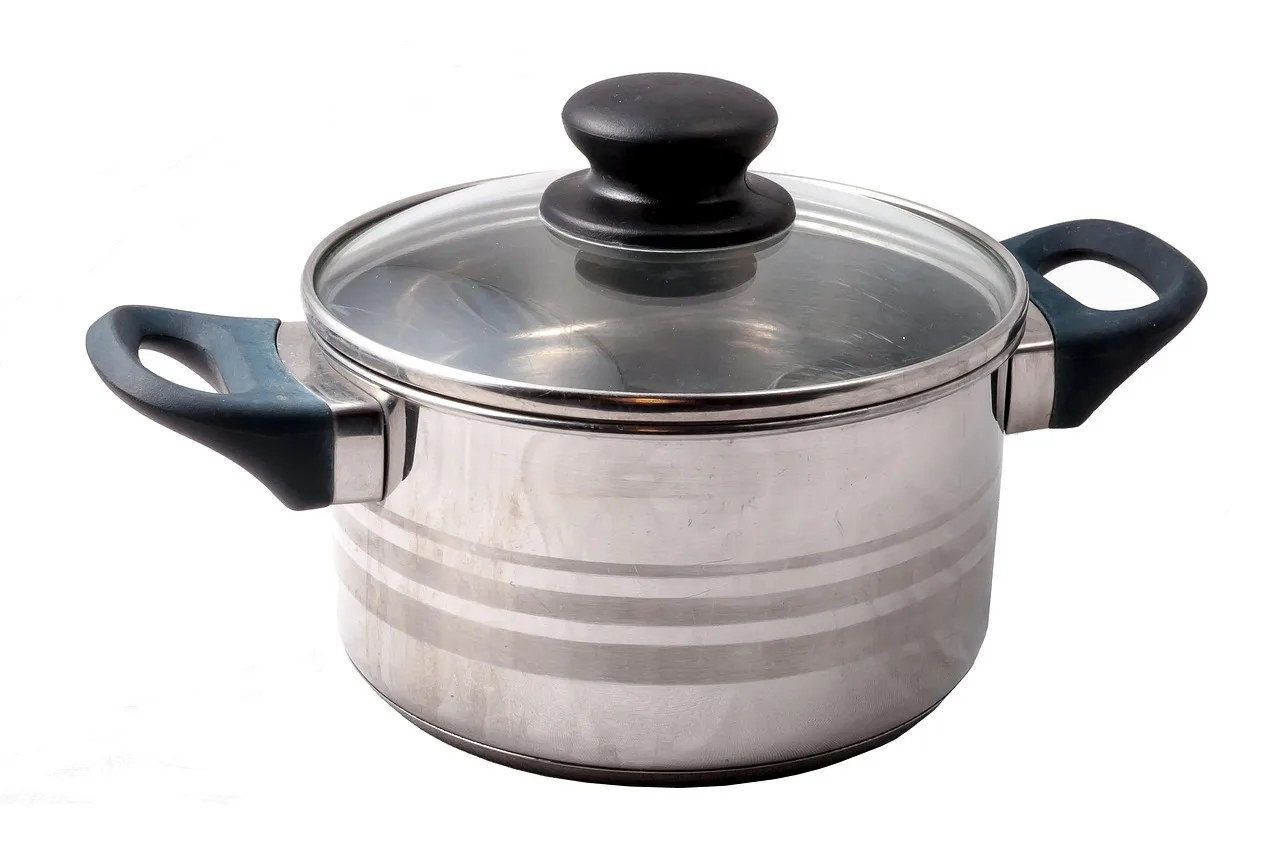
Stainless steel and nonstick differ most in surface behavior, heat tolerance, cleanup, and margin for error. Stainless steel handles harder searing, deglazing, acidic foods, and oven finishing better, while nonstick releases delicate foods more easily and usually cleans faster. The safer choice depends on the task and the cook’s skill level.
Safety tradeoffs in daily use
Stainless steel is a common alternative to nonstick because it lasts a long time and does not depend on a release coating that wears away. Food Network says stainless steel cookware is a strong option for people who cook often. That tracks with its strengths: repeated use, broad task range, and good oven flexibility.
The tradeoff is sticking. Stainless asks more from heat management, fat use, and timing. A rushed cook often turns the burner higher to compensate, then ends up with scorched fond and rough cleanup.
Cleanup, sticking, and skill level
Nonstick is easier to clean. Stainless is tougher. That simple difference affects safety more than many buying guides admit. A pan that sticks badly invites metal scraping, abrasive cleaning, and frustrated overheating on the next meal.
For experienced cooks, stainless rewards technique. For beginners, nonstick removes a common failure point. That is why both materials belong in serious kitchens.
Clad stainless, heat distribution, and simmer control
Much stainless cookware is sold in clad constructions, where stainless layers wrap an aluminum or copper heat-spreading core. That matters because plain stainless alone is not known for heat conductivity. Cladding improves cooking evenness, simmer performance, and response.
Poor heat spread pushes people to misuse pans. A skillet with a hot center and cool edges can cause sticking in one zone and pale food in another. Better evenness cuts that problem.
Best tasks for each and where each goes wrong
Use stainless steel for pan sauces, acidic braises, browning, and oven finishing. Use nonstick for eggs, crepes, tender fish, and low-oil reheating. Stainless goes wrong when the cook expects release without preheating and fat management. Nonstick goes wrong when treated like a searing pan.
Does ceramic cookware count as nonstick cookware?
Yes, ceramic cookware usually counts as nonstick cookware in the market because it is sold for easy release and easier cleanup. It differs from traditional PTFE nonstick in coating type and brand positioning, but it still has a wear-prone cooking surface that should be judged by heat use, durability, and replacement signs.
What ceramic nonstick usually means
When retailers say “ceramic cookware,” they often mean metal cookware with a ceramic-based nonstick finish, not a solid ceramic vessel. It is commonly marketed as PTFE-free and often framed as a nontoxic option. That is a positioning claim, not a promise of permanent safety regardless of condition.
How ceramic nonstick compares with traditional PTFE nonstick
Ceramic nonstick often starts with good food release, though many cooks find the release fades earlier than with well-kept PTFE pans. It can be a useful path for shoppers who want a different kind of nonstick surface, but it still needs heat discipline and gentle handling.
PTFE and ceramic nonstick should not be treated as the same material. They differ in chemistry, marketing wording, and wear pattern.
Higher-heat and oven-use strengths
Some cookware guides say ceramic cookware sets can work well for higher heat and oven use. That does not make every ceramic-coated pan a high-heat workhorse, but it does explain why many shoppers choose it for stovetop-to-oven use.
Exact oven-safe temperature varies by pan, brand, lid, and handle material. As one example threshold, the Calphalon Premier Hard-Anodized Nonstick set is oven-safe to 450 F. That number is useful because it shows how specific these limits are. It is not a universal rule. In my experience, the useful rule is simple: trust the care manual for the exact line you own, especially if the lid is glass or the handle has silicone wraps.
Durability limits, wear patterns, and replacement signs
Ceramic nonstick often fails by losing release, then showing scratches, edge wear, or chips. Replacement triggers are practical: chipping, flaking, deep scoring, warping, wobble on a flat burner, or persistent sticking after normal cleaning. If an egg starts bonding where it once slid, the surface is already past its prime.
The cookware safety matrix by material and use
How to read the matrix
Use the table as a quick screening tool, not as a one-number ranking. First match the pan to your hottest routine task. Then check the cooking surface, likely failure mode, and the replacement trigger. That sequence mirrors how cookware actually fails in home kitchens far better than broad “safe” or “unsafe” labels do.
This matrix separates the pan’s core, the cooking surface, and the failure mode. That is the structure many guides miss. It also adds maintenance burden and replacement triggers, because a pan that is hard to keep in good condition often becomes a safety problem sooner in real kitchens.
| Cookware core | Cooking surface or coating | Max-use scenario | Common failure mode | Replacement trigger | Maintenance burden | Best-fit cooking tasks |
|---|---|---|---|---|---|---|
| Aluminum or hard-anodized aluminum | PTFE nonstick | Low-to-medium heat stovetop; gentle oven use only if brand allows | Overheating, scratching, peeling, warped base | Chips, cracks, flaking, deep scratches, wobble, sticking that no longer improves | Low during life of pan; high if abused because performance drops fast | Eggs, crepes, fish, reheating, lower-oil cooking |
| Aluminum or steel base | Ceramic nonstick | Low-to-medium heat; some lines suit oven use better than PTFE alternatives | Loss of release, chipping, edge wear, warping | Chips, flaking, persistent sticking, warped base, rough patches | Low to medium; release often declines before pan looks ruined | Eggs, vegetables, gentle sautéing, stovetop-to-oven recipes within stated limit |
| Clad stainless steel with aluminum or copper core | Bare stainless steel | High heat, searing, acidic sauces, oven finishing if handles and lids permit | Sticking, scorching, discoloration, loose rivets over long use | Broken handle hardware, severe warping, unstable base | Medium to high; demands technique and stronger cleanup | Searing, pan sauces, braising starts, simmering, boiling |
| Cast iron | Seasoned iron surface | High heat searing, roasting, oven finishing | Rust from poor drying, seasoning breakdown, heavy-handle strain | Cracks, unstable handle, severe pitting or rocking base | Medium; seasoning care and drying matter | Steaks, cornbread, roasting, crisp-edged foods |
| Carbon steel | Seasoned steel surface | High heat and fast burner response | Rust, seasoning loss, warping if thin | Severe warp, unstable handle, cracks | Medium; similar care to cast iron with quicker response | Stir-frying, searing, omelets after seasoning develops |
| Cast iron core | Enamel coating | Acidic braises, long simmers, oven use | Chipped enamel, crazing, edge damage | Interior chipping, sharp enamel loss, unstable knob or side handle | Medium; heavy, but easier cleanup than bare cast iron for wet dishes | Tomato sauces, stews, braises, bread, oven-to-table cooking |
Replacement triggers and cost-per-use thinking
Cost-per-use matters because short-lived cookware can become the less safe choice if it encourages delayed replacement. A stainless skillet with harder cleanup may still be the better long-run buy for a cook who sears often. A nonstick skillet can still be the better daily buy for eggs if it is treated as a limited-use tool and replaced without debate once the surface fails.
Maintenance burden changes real-world safety
Low-maintenance cookware gets used correctly more often. High-maintenance cookware gets pushed, soaked, stacked carelessly, or overheated out of impatience. That is why safety guides should discuss upkeep instead of treating it as a side note.
What cookware is best for high heat cooking?
For high heat cooking, stainless steel, cast iron, carbon steel, and enameled cast iron are the safer choices because their cooking surfaces are better suited to searing, strong preheating, and oven finishing. PTFE and most ceramic nonstick pans are poor candidates for repeated high-heat work, even when a brand allows some oven use.
Searing meat without damaging the surface
Hard browning needs a surface that can take aggressive preheat and fond formation. Stainless steel is often the best all-around answer if the cook also wants pan sauces and acidic deglazing. Cast iron and carbon steel work well when heat retention matters more than easiest cleanup.
In side-by-side home use, this is where the wrong pan reveals itself fastest. A coated skillet can cook the steak, but it usually shows wear sooner. A stainless or carbon steel pan may take more technique, yet it is usually the more stable long-term tool for repeated searing.
Stir-frying, preheating, and fast burner response
Carbon steel suits high-heat stir-frying because it responds quickly and can take hard use once seasoned. Thin, cheap pans of any material can still warp, though, so flatness and base stability matter as much as category labels.
Oven-safe limits, lids, and handles
Oven-safe temperature is a buying filter, not a blanket permission slip. Exact limits vary by material, brand, lid, and handle construction. A pan body may tolerate more heat than its glass lid or silicone-wrapped handle. Example thresholds like 450 F are useful reference points, but the printed brand limit is the one that counts. For cookware I recommend, I cross-check the manufacturer’s care page because oven limits are line-specific, not brand-wide.
When a pan is technically oven-safe but still a poor choice
A coated skillet may be oven-safe to a stated temperature and still be a poor high-heat searing pan. The reason is wear. Repeated aggressive preheat, broiler-near use, and ripping-hot burner cycles shorten the life of many release coatings even before visible failure appears.
What should you check before buying a cookware set?
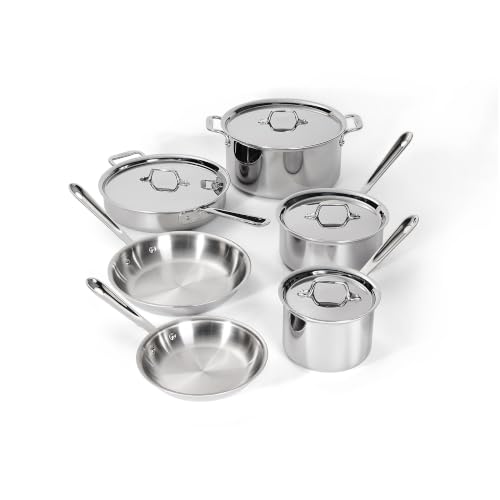
Before buying a cookware set, check induction compatibility, oven-safe limits, handle sturdiness, pan balance, and whether the included pieces are actual cooking tools or filler. Piece count alone is weak guidance because manufacturers may count lids, utensils, and even a cookbook in the total shown on the box.
Induction compatibility and how to verify it
Induction compatibility is material-dependent and should always be verified before purchase. Stainless sets are often induction-ready, but not all are. Aluminum pans need an induction-capable base. Cast iron usually works, though weight and smoothness on glass tops should still be considered.
The most reliable check is still the manufacturer specification, then a magnet test if you are inspecting in person. A magnetic base usually signals compatibility, but the listing or care page should confirm it. I do not assume “steel” in a product title means the whole line works on induction.
Handle sturdiness, heat resistance, and balance
Handle security is a real safety issue, especially on heavy sauté pans and Dutch ovens. Consumer Reports evaluates handle sturdiness for good reason. A comfortable, well-anchored handle changes how safely a cook pours stock, moves hot pasta water, or transfers a skillet from oven to stovetop.
Cooking evenness, speed of heating, and simmer performance
Evenness and simmer control matter because poor heating pushes cooks toward workarounds. Hot spots lead to burned centers and underdone edges. Sluggish response leads to overcorrection. Fast, even heating is not only about performance, it reduces the misuse that ruins pans.
Piece counts, lids, and filler items in the box
Cookware sets usually consist of five to 15 pieces. In boxed sets, manufacturers may count lids as pieces. Some boxed sets count utensils and a cookbook as pieces. That is why a headline number can flatter the value.
The Caraway set includes 14 pieces, but only half are pots or lids. It also includes racks and hooks beyond cookware pieces. Shoppers should count usable vessels first, then lids, then storage extras. In practice, I write the contents down as “cooking pieces” and “everything else,” because that instantly shows whether a set is a deal or padded packaging.
A short buying checklist
- Identify the hottest task the cookware must handle.
- Check the exact oven-safe limit for pan, lid, and handle.
- Verify induction compatibility if relevant.
- Look at handle shape, anchoring, and heat resistance.
- Count actual pots and pans before trusting the set total.
- Decide whether cleanup burden fits the household.
- Plan for one sacrificial nonstick skillet if delicate foods are common.
Budget cookware price guide
Knowing the realistic price range for entry‑level cookware prevents overspending on unnecessary pieces or constantly replacing flimsy pans. The guide breaks down a starter kitchen into three core items—nonstick skillet, medium saucepan, and optional stockpot—showing typical costs from $15 to $40 each, and explains how cooking style, material, and set size affect those numbers. It also highlights the cheapest safe materials and when buying a set versus individual pieces makes sense, helping you allocate funds efficiently. For a detailed cost breakdown, see the budget cookware cost article.
Which cookware should you buy if you want to avoid chemicals?
If the goal is reducing chemical concern, the clearest path is cookware with no release coating on the cooking surface, such as stainless steel, cast iron, carbon steel, or enamel-lined cast iron. Ceramic nonstick and limited-use nonstick can still make sense, but they should be treated as task-specific tools rather than universal answers.
How to think about avoidance goals clearly
The key is to separate avoidance of a coating chemistry from overall cookware safety. A shopper can avoid PTFE and still buy a poor pan with weak handles, bad heat spread, or a coating that fails early. Vague “chemical-free” or “worry-free” marketing should not outrank construction details.
Lower-concern paths for different households
For beginners, a small stainless set plus one carefully used nonstick skillet is often the easiest transition. For families, stainless or enameled cookware handles volume and repeated reheating well. For apartments with weak ventilation, lower dependence on high-heat coated cookware is sensible.
When stainless steel is the practical answer
Stainless steel is usually the broadest low-concern answer because it covers boiling, sautéing, acidic sauces, and oven finishing without relying on a fragile release layer. The tradeoff is technique. It asks more during cooking and after dinner.
When ceramic nonstick or limited-use nonstick still makes sense
A ceramic or PTFE skillet can still be a good buy when the household cooks eggs daily, wants easy cleanup, or needs a forgiving pan for a teen or new cook. The rule is simple: keep heat moderate, avoid rough utensils, and replace at the first meaningful wear signal.
If you are deciding between categories, a dedicated ceramic vs nonstick cookware guide and a simple cookware care mistakes to avoid checklist can help narrow the field before you buy.
Frequently asked questions
Can cookware contain PFAS or PTFE?
Yes. Some nonstick cookware may use PTFE, and PTFE belongs to the broader PFAS family discussed by the FDA, EPA, and Consumer Reports. PTFE is one coating type, not a synonym for every nonstick surface. That is why I check the exact product listing and care page instead of relying on vague “nonstick” wording.
Which cookware material is easiest to clean?
Nonstick cookware is usually easiest to clean because food releases quickly and residue wipes away with less scrubbing. Ceramic nonstick can feel similarly easy when new. Stainless steel is tougher after searing, but it may still be the better tool when you want browning, deglazing, or a pan that tolerates rougher daily use.
How do I know when nonstick cookware should be replaced?
Replace nonstick cookware when you see chips, cracks, flaking, deep scratches, or persistent sticking that no longer improves with careful cleaning. Consumer Reports says chips or cracks mean stop using it. I also treat warping, wobble on a flat burner, and sudden loss of release as practical end-of-life signals.
Are cookware sets with lids counted correctly in the box?
Sometimes, but not always in the most useful way for shoppers. Manufacturers often count lids as pieces, and some sets also include utensils or storage extras in the total. I compare sets by counting actual cooking vessels first, then lids, then accessories, because that reveals whether the headline piece count is inflated.
Is stainless steel safer than nonstick?
For repeated high heat, acidic foods, and long service life, stainless steel is usually the safer all-purpose category because it does not rely on a release coating that can wear out. For eggs and delicate fish, though, a well-kept nonstick pan used at moderate heat can be the safer and more practical tool.
Can ceramic nonstick go in the oven?
Sometimes yes, but the safe limit depends on the exact line, lid, and handle materials. Many ceramic-coated pans are sold for stovetop-to-oven use, yet the actual temperature cap can vary a lot. I always check the manufacturer’s published oven limit before roasting or finishing under sustained oven heat.
Does cookware need to be induction-compatible?
Only if you cook on an induction range or want future flexibility. Induction requires a magnetic, induction-ready base, so material names alone are not enough. Stainless often works, cast iron usually works, and aluminum needs a compatible base. The safest buying habit is to verify the specification before checkout.
Sources
- Consumer Reports cookware testing and buying guidance, including notes on nonstick damage, performance testing factors, and piece-count practices.
- U.S. Food and Drug Administration background materials on PFAS and food-contact substances for baseline terminology around PFAS and PTFE.
- U.S. Environmental Protection Agency background materials on PFAS as a chemical class.
- Manufacturer care and use pages for oven-safe temperature limits and induction compatibility, which are line-specific rather than universal by brand.
What to do next
If you want one simple rule, buy for the hottest task you do every week, then add one specialized pan for sticky foods. In most kitchens, that means stainless steel or enameled cookware for broad use plus one carefully used nonstick skillet for eggs and fish. If you are still comparing options, start with Before buying a cookware set and narrow by heat level, cooktop type, and cleanup tolerance.
Products related to this article
Sponsored / affiliate links. As an Amazon Associate I earn from qualifying purchases. I may earn additional commission from eligible campaigns.