Nonstick Pan Cost: What to Pay and What It Buys
A nonstick pan usually costs about $15 to $60, but the most economical choice is often the one that lasts around 2 to 3 years; a pan around $30 that lasts longer can be a better value than one around $12 that needs replacing every year. Buying on sticker price alone can leave you spending more over time on replacements and weak performance. This guide breaks down upfront price, lifespan, and replacement risk so you can compare true value.
Nonstick pan cost overview
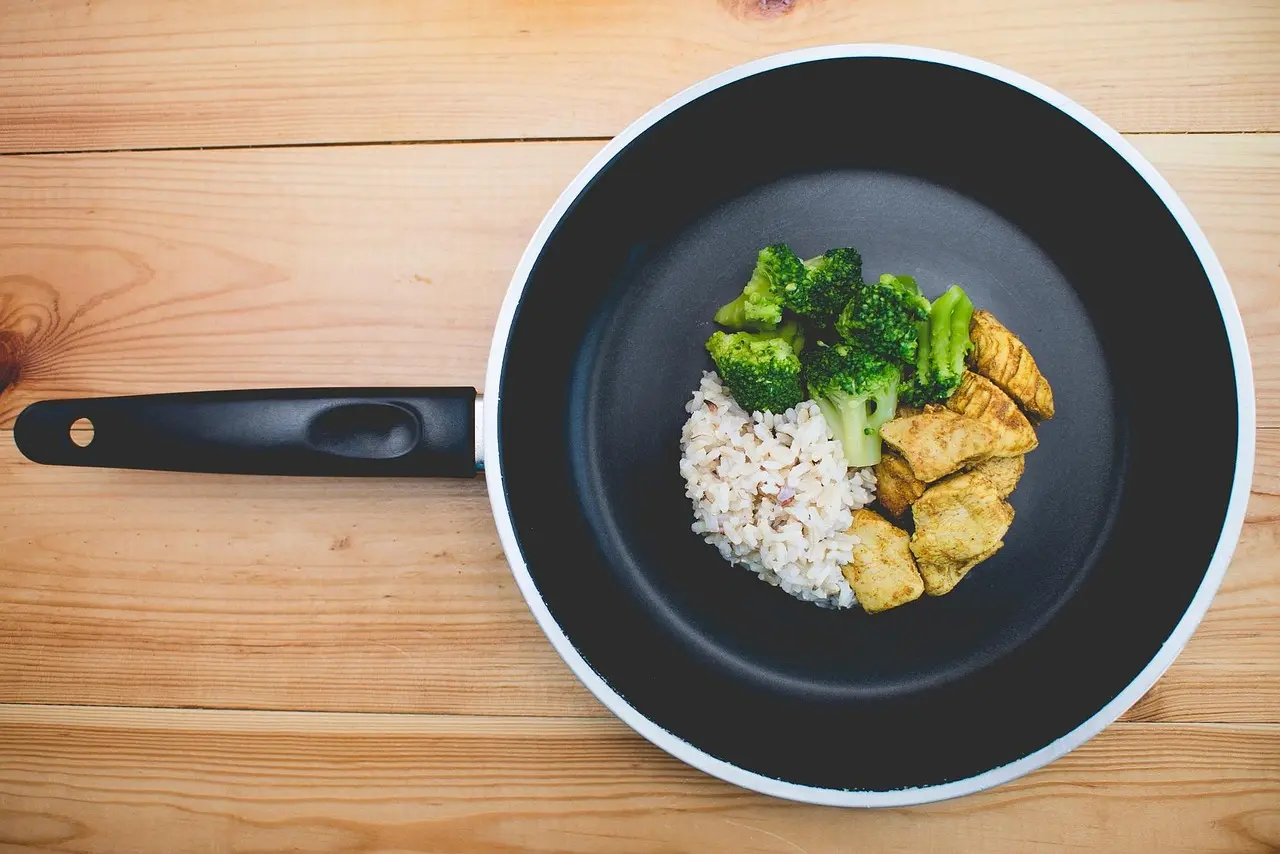


For most shoppers, the main question is not whether a nonstick pan cooks eggs well. It is which price point buys enough lifespan to keep the yearly cost low. A 10-inch skillet is often used as a benchmark in reviews, and that size is commonly in the middle of the market, where value differences are easier to compare.
How this guide was evaluated
This article compares published price points, product specifications, and review-roundup recommendations rather than running a lab test. The 10-inch benchmarks used most often in the cited coverage include the Tramontina Professional Nonstick Fry Pan, 10 inch, plus other 10-inch value and premium skillets from Wirecutter, CNET, and Food Network. Lifespan is treated as the period until coating failure, persistent sticking, warping, or another wear issue makes replacement reasonable. Source reviews also emphasize release quality, heat control, handle comfort, and cleanup as the practical performance checks.
What the price bands usually buy
The lowest-cost pans often use a basic PTFE coating on cast aluminum, with fewer durability extras and a shorter replacement window. Midrange pans add thicker bases, better handles, and sometimes induction-ready construction. Higher-price pans usually pay for stronger build materials, more oven flexibility, or branding that targets buyers who want slower wear.
Around $25 to $50 is the zone where many solid 10-inch skillets live. Wirecutter says a quality nonstick skillet does not have to cost more than $50 in its 2024 guide to the best nonstick cookware, and Food Network’s best-value nonstick pan was priced at $25 in its 2024 roundup. CNET’s 2024 nonstick-skillet coverage says these pans can be had for as little as $25.
Why 10-inch skillets are the value baseline
The 10-inch size matters because it is large enough for eggs, pancakes, and quick sautés, yet common enough that pricing is easy to compare across brands. The same source recommends the Tramontina Professional Nonstick Fry Pan, 10 inch in its 2024 nonstick cookware guide. That makes the size a practical benchmark for value rather than a niche format.
Once you move away from that baseline, price jumps can reflect features instead of better nonstick performance. A larger pan may need more material, and a model built for induction or oven use may cost more even if the coating itself is not better. That is where ownership value starts to matter more than the shelf tag.
How much does a nonstick pan cost?
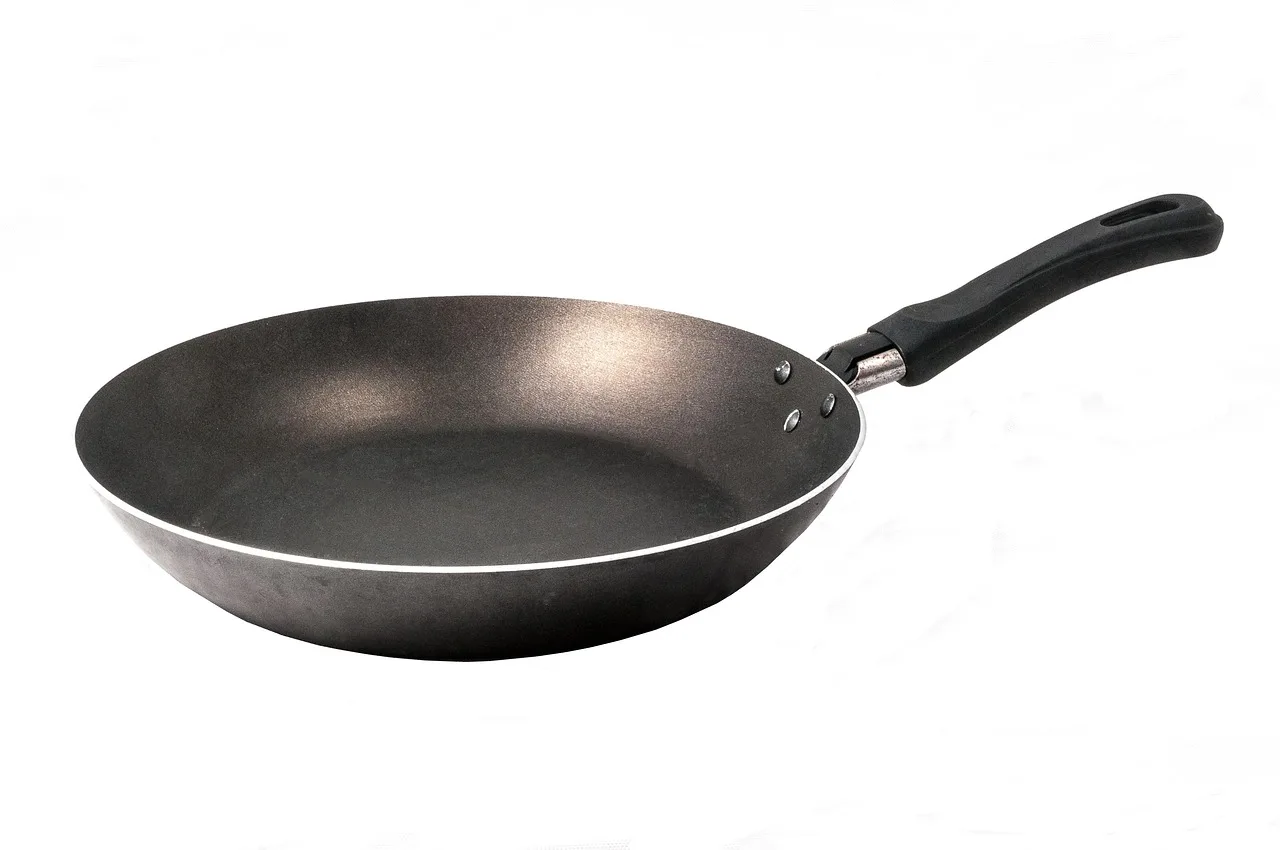
Most buyers will see entry-level nonstick pans around $15 to $25, a broad middle band around $30 to $60, and premium models above that. The jump above $50 often buys construction or compatibility rather than a dramatic change in cooking performance. Price matters most when it changes lifespan or broadens where the pan can be used.
Typical entry-level prices
At the low end, the pan may cook eggs well enough but give up durability. CNET’s 2024 coverage says nonstick skillets can be had for as little as $25, and Food Network’s best-value pick was also priced at $25. That is the floor many budget shoppers can use as a reference point.
Below that, bargains can be tempting, but the real question is whether the coating survives repeated use without losing release. If a very cheap pan fails fast, the lower sticker price stops mattering. The replacement cycle becomes the real cost.
Midrange price marks
The $40 to $75 range is where many shoppers expect better handles, a heavier base, or induction readiness. CNET’s 2024 top pick cost was under $40 at launch, which shows that a reasonable price does not have to mean a bare-bones pan. This band often makes sense for everyday home cooking.
If you need a pan for eggs, pancakes, and occasional sautéing, this range is often the safest value zone. It is also where many buyers stop overpaying for features they may never use. The cost only pays off if those added features match your stovetop and oven needs.
When price jumps stop mattering
Past about $75, the extra money often shifts from cooking performance to materials and fit. A pan may be built for induction, use a more complex base, or offer a higher oven rating. Those upgrades matter only if you need them. Otherwise, the added cost can be hard to justify.
Food Network lists the Made In CeramiClad pan at $139, while its oven-safe rating reaches 550 degrees F. That kind of price makes sense only if you want the build quality and heat flexibility enough to keep the pan in service longer than a budget model would last.
Nonstick cost-per-use calculator
Sticker price tells only part of the story. A pan that costs more at checkout can still be cheaper per year if it lasts longer, tolerates routine use better, and avoids early replacement. The table below turns purchase price into a rough cost-per-year view using likely lifespan bands.
| Price tier | Likely lifespan range | Annualized cost | Buyer-fit notes |
|---|---|---|---|
| $25 | 1 to 3 years | $8 to $25 per year | Best for eggs-only use, low heat, and light care. Good if you want the lowest entry cost and accept faster replacement. |
| $40 | 2 to 4 years | $10 to $20 per year | Best for everyday cooking. A sensible middle ground if you want a fair balance of price, size, and replacement risk. |
| $75 | 3 to 5 years | $15 to $25 per year | Best if you need induction compatibility or a sturdier base and want a pan that holds up better under frequent use. |
| $140 | 4 to 6 years | $23 to $35 per year | Best for premium durability, oven flexibility, and buyers who cook often enough to value construction over low sticker price. |
| Price tier | Assumptions | Uses per week | Estimated uses over lifespan | Approximate cost per use | Approximate annualized cost |
|---|---|---|---|---|---|
| $25 | Light-care PTFE pan, low-to-moderate heat, no metal utensils, hand-washed | 2 | 104 to 312 uses | About 8 to 24 cents | $8 to $25 |
| $40 | Everyday PTFE pan with routine home use, moderate heat, careful cleaning | 4 | 416 to 832 uses | About 5 to 10 cents | $10 to $20 |
| $75 | Heavier construction, frequent use, possible induction base, careful storage | 5 | 780 to 1,300 uses | About 6 to 10 cents | $15 to $25 |
| $140 | Premium pan used often enough to justify higher build quality and oven flexibility | 6 | 1,248 to 1,872 uses | About 8 to 11 cents | $23 to $35 |
A common first-timer mistake is buying the cheapest pan for daily use, then replacing it after the coating starts to dull and stick. Suppose a $25 pan lasts one year because it sees high heat and metal utensils. A $40 pan that lasts three years is the lower-cost choice over time.
What drives the price up?
The price rises when the coating, base, and hardware are built for more demanding use. Nonstick pans are not all made the same, and the parts you cannot see often explain the gap between a $25 skillet and a $140 one. That gap is usually about construction, not magic coating.
Coating type and thickness
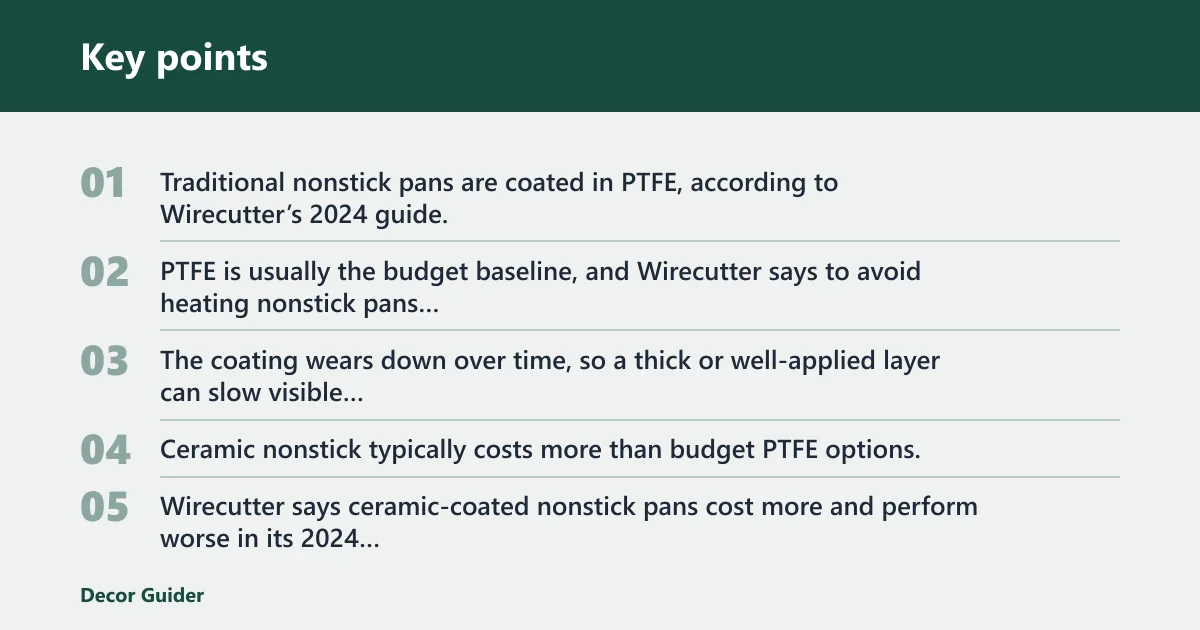
Traditional nonstick pans are coated in PTFE, according to Wirecutter’s 2024 guide. PTFE is usually the budget baseline, and Wirecutter says to avoid heating nonstick pans above 450°F. The coating wears down over time, so a thick or well-applied layer can slow visible decline, but it does not make the pan permanent.
Ceramic nonstick typically costs more than budget PTFE options. The same source says ceramic-coated nonstick pans cost more and perform worse in its 2024 coverage. That does not mean ceramic has no place, but it does mean a higher price does not guarantee a longer service life.
Base construction and heat distribution
Many budget pans use cast aluminum or hard-anodized aluminum. Those materials keep weight manageable and help the pan heat quickly. Better base construction can reduce hot spots, which matters when you want steadier browning on pancakes or fish.
Some premium pans add a tri-ply steel-and-aluminum base or a stainless steel exterior. Those builds can cost more because they are meant to improve stability, heat control, or appearance. The nonstick coating still determines release, but the body determines how the pan behaves on the stove.
Induction-ready layers and disk bases
Induction compatibility adds cost because not all nonstick pans work on induction by default. Some need an encapsulated or tri-ply base to interact with the cooktop. That extra layer can improve fit for induction users, but it may also change how heat moves up the sidewalls.
That tradeoff is worth paying for only if your cooktop requires it. If you do not use induction, a plain aluminum pan may cost less and perform just as well for your needs. If you do use induction, skipping compatibility can make the pan unusable.
Oven-safe hardware and handle design
Oven-safe ratings are often reported in a broad range, roughly 350°F to 600°F. Silicone handles can lower the top temperature you can safely use, even if the pan body itself could handle more. This matters if you finish stovetop dishes in the oven or want to sear first and roast second.
A higher oven rating usually costs more because the handle, rivets, and base need to tolerate more heat. The same source lists the Made In CeramiClad pan at $139 and says it is oven safe up to 550 degrees F. That kind of rating is useful only if your cooking actually needs it.
Are expensive nonstick pans worth it?
Sometimes, yes. A pricier nonstick pan is worth it when the added cost buys a longer life, induction support, or better oven tolerance that you will use often. It is less worthwhile if the upgrade only changes the brand name or makes the pan feel heavier without extending its service life.
When a pricier pan lasts longer
Higher-priced pans can last longer when they use stronger construction, better handles, and a base suited to your heat source. A more stable body can also reduce warping, which helps the coating stay in better contact with the cooktop. That can delay the point at which the pan cooks unevenly.
For frequent cooks, even a modest lifespan gain can justify the higher purchase price. If a $75 pan lasts twice as long as a $25 pan, the annual cost may actually be lower. The sticker price matters less than the cost spread over years of use.
When durability gains are small
Durability gains are small when you still cook at very high heat, use metal utensils, or wash the pan in ways that stress the coating. Those habits can shorten life no matter what you paid. A $140 pan with poor care can age quickly.
Ceramic is the best example of a higher price that does not always buy longer life. The same source says ceramic-coated nonstick pans cost more and perform worse in its 2024 guide. If you want value, that is a warning sign that the price premium may not pay back over time.
Who should skip the upgrade?
Skip the upgrade if you only need a pan for eggs, pancakes, and low-stress cooking. In that case, a lower-cost 10-inch skillet can be the best deal, especially if you are fine replacing it after a few years. Paying for premium construction often brings little return for light use.
Picture a shopper who fries eggs three mornings a week and never puts the pan in the oven. A basic PTFE skillet may be the better choice than a heavy, high-heat model with features that will never be used. The cheapest pan that works well is the economical one.
Which coating should you pay for?
Traditional PTFE is usually the value choice, while ceramic often commands a higher price without a clear lifespan advantage. Your coating choice affects how hot you can cook, how quickly the surface wears, and whether the pan stays economical after repeated replacement. That is the main decision point.
Traditional PTFE and moderate heat use
The same source says traditional nonstick pans are coated in PTFE, and its 2024 guidance warns against heating them above 450°F. That makes PTFE a good fit for moderate heat, eggs, and quick sautéing. If you keep temperatures in range, the coating usually gives the best price-to-performance balance.
PTFE is often the sensible buy when you want the lowest cost with the fewest tradeoffs. It is common in the most affordable skillets and often appears in the strongest value picks. The main limit is heat discipline.
Ceramic nonstick and its price premium
Ceramic nonstick is often marketed as a PTFE alternative and sometimes as a nontoxic option, but the price premium is not always backed by longer life. The same source says ceramic-coated nonstick pans cost more and perform worse in its 2024 coverage. Food Network’s best ceramic set was listed at $315 on sale, which is a large jump from basic nonstick pricing.
If you want ceramic, pay for it because you prefer its positioning or the look and feel, not because you expect it to outlast a good PTFE pan. For many buyers, ceramic is the more expensive way to get a shorter replacement cycle.
What coating choice means for replacement timing
Coating choice affects how soon the pan starts losing release. High heat, metal utensils, and scratches all shorten life, and ceramic does not erase those limits. The practical result is that the cheapest pan is often the one whose coating survives your routine without needing early replacement.
Hand-washing helps preserve the coating, and gentler utensils can slow wear. If you treat a nonstick pan like a disposable tool, it may act like one. If you care for it, a midrange PTFE pan can stay economical longer than a pricier but more fragile choice.
Do you need induction or oven-safe features?
Only pay for these features if your cooking setup needs them. Induction compatibility and higher oven-safe ratings raise the price, but they do not improve egg release by themselves. They matter when the pan must work across more cooking methods or on a specific cooktop.
Induction compatibility and hidden cost
Not all budget nonstick pans work on induction. Some need an encapsulated or tri-ply base, which adds material and cost. That can make a pan more versatile, but it may also push the price beyond what an non-induction buyer should pay.
If you cook on induction, treat compatibility as part of the purchase price, not an extra feature. A cheaper pan that does not work on your stove is not a bargain. The hidden cost is replacement before first use.
Oven-safe ratings from 350°F to 600°F
Oven-safe ratings commonly range from 350°F to 600°F. A lower rating is fine for many stovetop dishes, but it may block recipes that need finishing in the oven. If you plan to move the pan from burner to oven, check the number before you buy.
That ceiling matters because nonstick coatings already have a heat limit. Wirecutter’s 2024 guidance warns against heating nonstick pans above 450°F. If the pan’s oven rating is lower than your recipe needs, a more expensive model may be justified.
How handle materials change the limit
Silicone handles can reduce the oven max temperature even when the pan body is otherwise sturdy. That makes handle design part of the cost equation. A pan with a soft grip may feel better on the stovetop, but it can be less flexible in the oven.
When buyers ignore the handle, they often overpay for features that look premium but do not fit the recipe. Check the full pan, not only the coating. The handle can be the detail that changes whether the pan is useful for your cooking style.
Are all pans non stick?
No. “Nonstick” describes a coating or surface treatment, not the default state of all pans. Stainless steel, cast iron, carbon steel, and many hard-anodized pans are not inherently nonstick, though some season well or release better with proper technique. The coating, not the metal alone, is what creates the easy-release surface.
How long should a nonstick pan last?
A typical nonstick pan should last about 2 to 3 years with regular home use, and longer if it sees moderate heat, careful washing, and no metal utensils. A cheaper pan may wear out sooner, while a sturdier model can stretch beyond that range. Lifespan is usually determined by coating wear, warping, or persistent sticking.
Frequently asked questions
Are non stick pans worth it?
Yes, if you want easy egg release, fast cleanup, and a low-cost pan for everyday cooking. They are most worth it when you use moderate heat and replace them before the coating fails badly. If you cook hard and hot, the replacement cycle can make them less economical.
What is a good price for a nonstick skillet?
A good price for a nonstick skillet is usually $25 to $50 for a 10-inch model. That range often gets you a pan that cooks well without paying for features you do not need. If the pan also fits your stove and oven, that price band is usually the best value zone.
Do expensive nonstick pans last longer?
Sometimes, but not always. Higher-priced pans can last longer when the extra cost buys better construction, induction compatibility, or oven flexibility. They do not last longer just because they cost more, and ceramic-coated options can cost more while performing worse than budget PTFE pans.
Is a ceramic nonstick pan worth the higher cost?
Usually only if you want ceramic specifically and accept a shorter value life. The same source says ceramic-coated nonstick pans cost more and perform worse in its 2024 guide. The same source lists a ceramic option at $139, which makes the case stronger for buyers who need its features than for shoppers seeking the lowest cost per year.
Should I buy a nonstick pan for induction?
Buy one only if your cooktop requires it. Induction often needs an encapsulated or tri-ply base, and that can add cost. If you do not use induction, you may be paying for a compatibility layer that does nothing for your cooking and does not improve the coating itself.
Products related to this article
Sponsored / affiliate links. As an Amazon Associate I earn from qualifying purchases. I may earn additional commission from eligible campaigns.