What Is a Valentine’s Day Dessert Board?
A Valentine’s Day dessert board is a shareable platter of portioned sweets arranged in one place, usually with 5 to 7 dessert types plus fruit or dip so guests can sample without cutting. Build it poorly and the board gets crowded, melts fast, and costs more than it should. This piece explains how to plan, style, and budget a board that still looks polished.
Sweet-only grazing format vs. boxes and charcuterie


A Valentine’s Day dessert board is a sweet-only sharing board for February 14, built for grazing rather than slicing. It usually mixes small bites such as cookies, berries, chocolate, and candy in one arrangement that looks festive and is easy to pass around. Valentine’s Day is traditionally associated with romantic love, cards, chocolates, gifts, and flowers, so the board fits the holiday’s food pattern without turning into a full dessert spread.
The key difference from a dessert charcuterie board is focus. A dessert charcuterie board often borrows the charcuterie layout, with many small pieces and mixed textures, but the Valentine’s Day version should stay sweet-only and portioned for the number of guests. A treat box is more contained and individual, usually with a lid and separated items. A board works better when you want people to serve themselves from one shared surface.
That distinction matters for planning. A board needs enough open surface to show the food, yet enough food to justify the surface. If you only want two neat portions with little prep, a treat box or two dessert plates may be simpler. If you want a shared centerpiece that feels intentional, the board is the better format.
What goes on a Valentine’s Day dessert board?
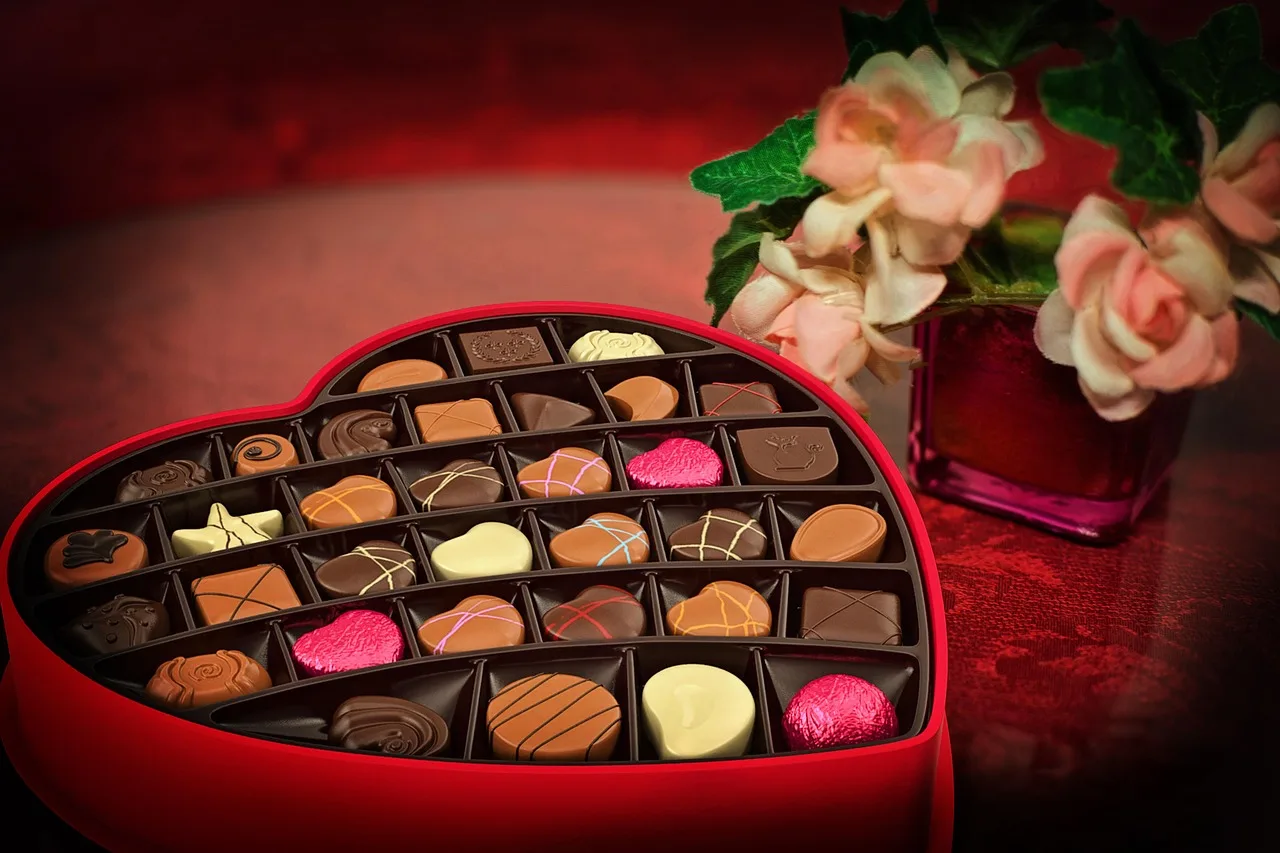
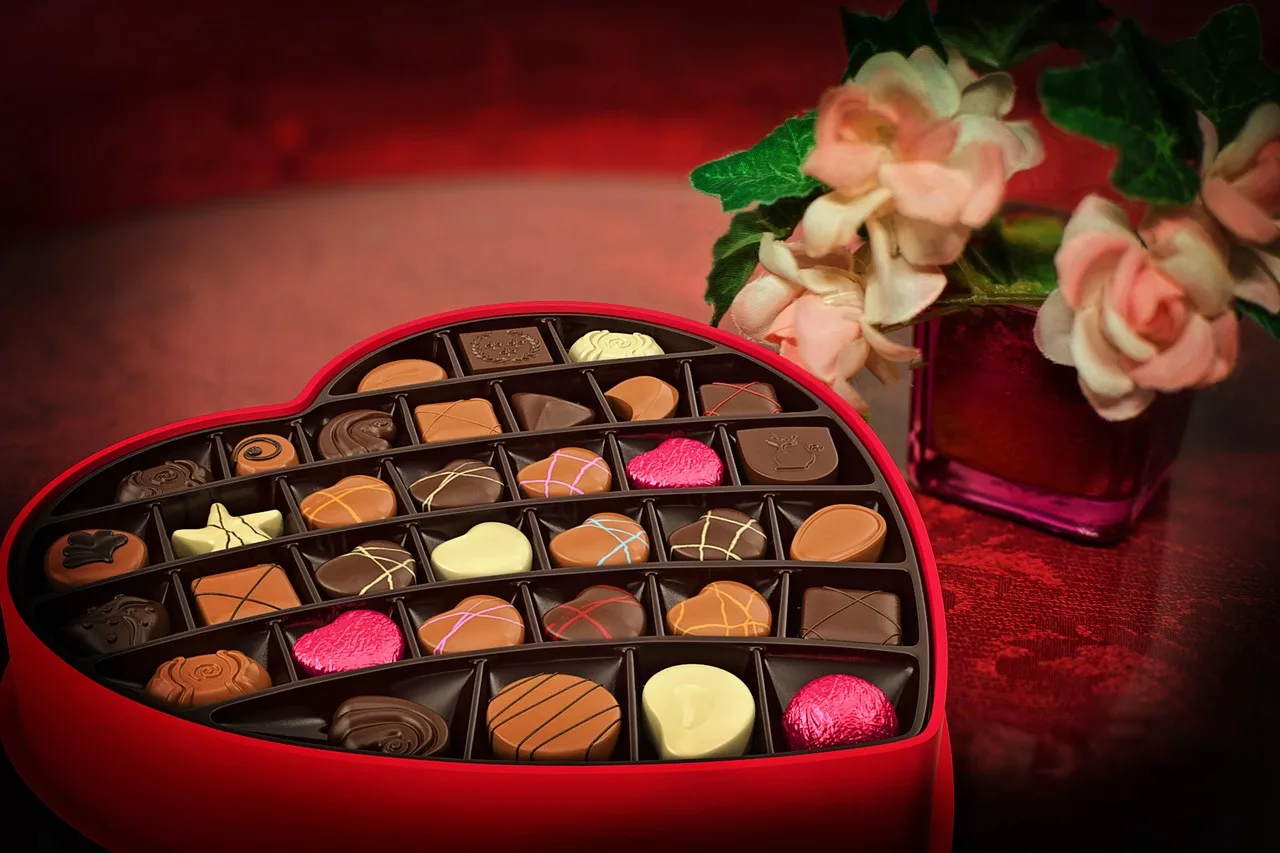
A good Valentine’s Day dessert board combines chocolate desserts, fruit, cookies, and small candies so guests can build a few bites without juggling utensils. Keep the selection sweet-only, then use texture and color to make it feel complete. Red, pink, white, and small gold accents are the easiest colors to control because they repeat well and keep the board from feeling noisy.
Chocolate desserts and dipped strawberries
Chocolate desserts usually anchor the board because they read as a holiday classic and bring contrast against fruit and pale cookies. Truffles, brownie squares, fudge bites, and chocolate-dipped strawberries all work well. Chocolate is temperature sensitive, so keep it cool until serving and avoid placing it near a warm oven or sunlit window.
Fresh strawberries are one of the clearest Valentine’s Day ingredients because they pair well with chocolate and add color fast. Wash them gently, dry them fully, and line them up on paper towels before adding them to the board. Moisture is the problem here: wet berries make nearby cookies soft and blur the board’s neat edges.
Cookies, candies, and conversation hearts
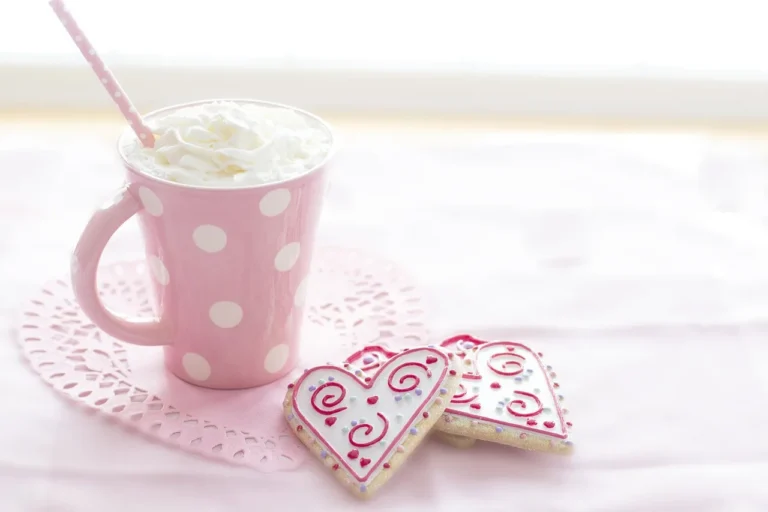
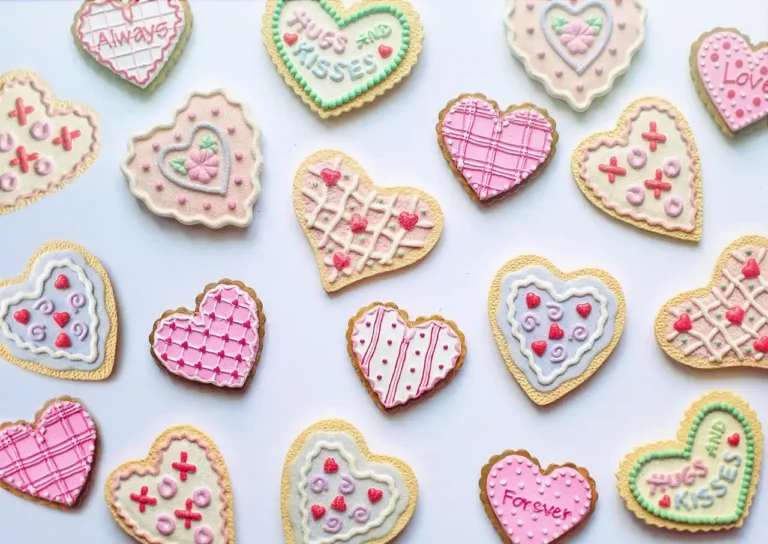
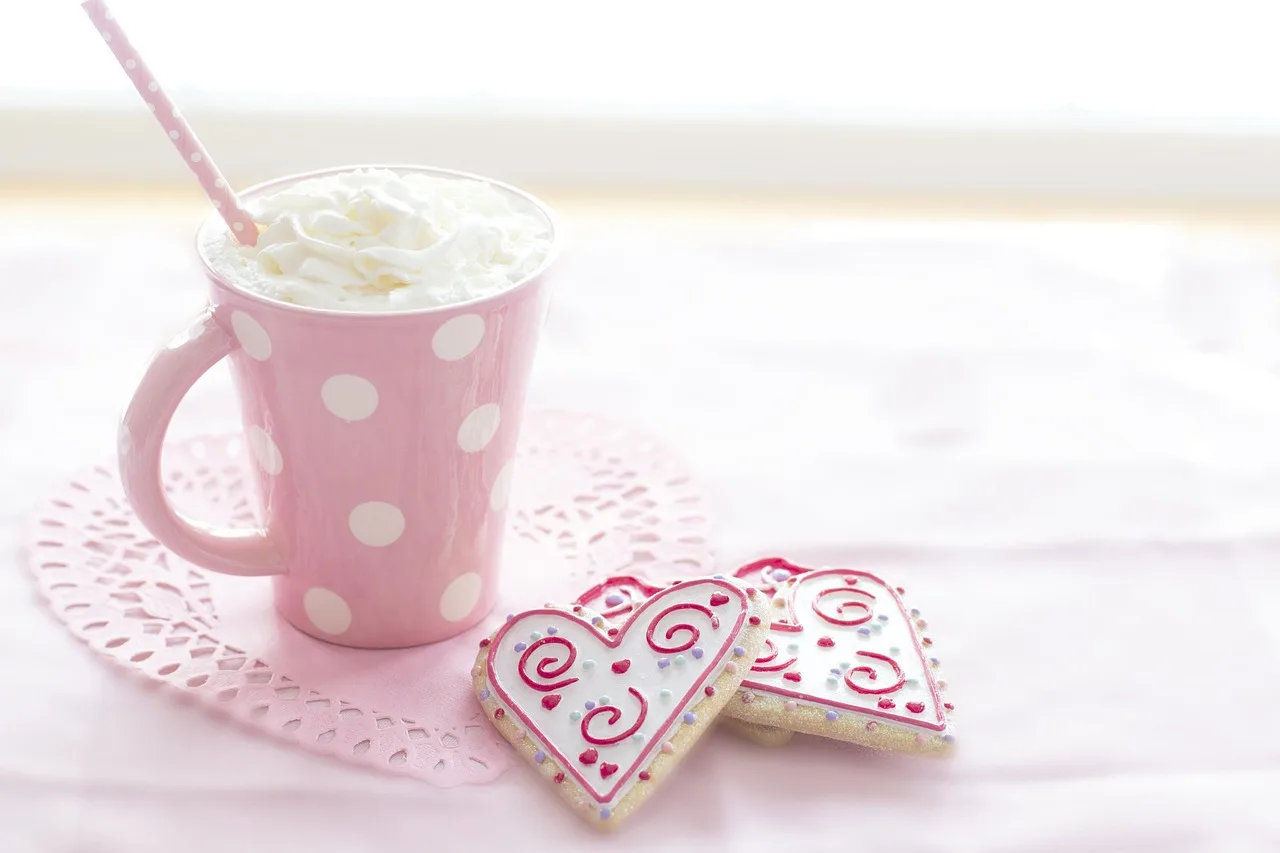
Heart-shaped cookies are useful because they fill open spaces in a clean way and can be made in consistent sizes. Choose either crisp cookies for a longer display or softer cookies if the board will be served soon after assembly. Store-bought cutouts save time, while homemade cookies let you control icing and sprinkles.
Candies and conversation hearts act as fillers, not the whole board. Use them to close small gaps around larger items and to echo the color palette. Because they are sugar-heavy, keep the amount modest so the board still feels balanced. Brand choice matters less than shape and color, so mix what fits the palette.
Fresh fruit and dips or spreads
Fresh fruit cuts the sweetness and keeps the board from feeling heavy. Berries, grapes, and citrus segments are the easiest picks because they are already small enough for a board. Cut citrus into neat segments and pat any wet surfaces dry. Too much juice makes the layout slide and can stain nearby cookies.
Dips and spreads work best in small ramekins. Chocolate sauce, cream cheese dip, and whipped dip all belong on the board if you pair them with spooning or spreading tools. Keep the portions small so they read as accents, not as the main event. Two small ramekins are usually enough for a board serving four to six people.
How big should a Valentine’s Day dessert board be?
The right board size depends on guest count, the size of the sweets, and how many items you want people to sample. A round board can feel compact and intimate, while a rectangular board gives you clearer lanes for rows of fruit, cookies, and chocolate. Use a food-safe surface, such as wood with a food-safe finish, slate, ceramic, or a platter with enough flat area to keep items from crowding.
Choose the board size before buying ingredients. A board that is too small forces stacking, which makes the arrangement unstable. A board that is too large makes a modest spread look sparse. For two people, a small platter often works better than a full board because it keeps portions generous without wasting surface space.
| Serving size | Recommended board or platter size | Approximate item count | Low-budget build | Mid-budget build | Premium build |
|---|---|---|---|---|---|
| 2 people | 12 x 8 in platter or 10 in round board | 10 to 12 pieces total | About $12 to $18 | About $20 to $30 | About $35 to $55 |
| 4 people | 16 x 12 in board | 18 to 24 pieces total | About $18 to $28 | About $30 to $45 | About $55 to $80 |
| 6 people | 18 x 13 in board or large platter | 26 to 36 pieces total | About $24 to $36 | About $40 to $60 | About $75 to $110 |
| 8 people | 20 x 15 in board or two platters | 36 to 48 pieces total | About $30 to $45 | About $50 to $75 | About $95 to $140 |
The table gives a planning range, not a fixed formula. If the board includes large brownies or thick strawberries, stay toward the lower item count. If it relies on tiny candies and mini cookies, stay toward the higher count. For a round board, a 10-inch or 12-inch surface works best for two to four people; a rectangular board handles six to eight more cleanly.
How do you make a Valentine’s Day dessert board at home?
Build the board in a clear order so the arrangement looks intentional and the food stays tidy. Start with the largest pieces, then fill the spaces with smaller items. The most useful rule is to place wet foods away from dry ones and soft foods away from warm ones.
-
Choose the surface first.
Pick a board or platter based on guest count and the amount of food you plan to serve. A food-safe surface with enough flat area keeps the layout stable and makes cleanup easier. -
Set the color plan.
Use red, pink, white, and a little gold for accents. Repeat each color at least twice so the board looks coordinated instead of scattered. -
Place the largest items.
Set brownies, truffles, and cookies in a few clear groups. Leave gaps between groups so the smaller pieces can frame them instead of burying them. -
Add fruit with care.
Dry strawberries, grapes, or citrus thoroughly before they go on the board. If fruit is extra juicy, place it in a small cluster on a lined section or in a shallow ramekin. -
Fill with candy.
Use conversation hearts or small candies to close open spaces and guide the eye across the board. Keep the pieces in small drifts rather than a heavy layer. -
Finish with dip.
Set one or two small ramekins of chocolate sauce, cream cheese dip, or whipped dip near sturdy dippers. Add a spoon, spreader, or small tongs so guests do not dig directly into the bowl.
Suppose you are serving four people and want to keep costs down. A 16 x 12 inch board with brownies, strawberries, one cookie shape, and a single candy can fill the space cleanly without looking crowded. If you add a second cookie type, reduce the candy filler so the surface does not become busy.
A common first-timer mistake is buying too many different desserts and too little board space. That usually leads to stacks, which hide the color palette and cause soft items to smudge. Fewer types, repeated in small groups, usually looks more polished.
How do you keep dessert board items fresh?
Keep a Valentine’s Day dessert charcuterie board fresh by controlling temperature, moisture, and timing. Chocolate should stay cool, berries should stay dry, and cookies should stay separated from wet fruit and creamy dips. If the room is warm, shorten the time between assembly and serving.
Keeping chocolate from melting
Chocolate desserts and dipped strawberries are the most heat-sensitive items on the board. Hold them in a cool room, avoid direct sun, and do not place them beside warm dishes. If the board must sit out for a while, keep chocolate pieces toward the center, where they are less exposed to room heat and handling.
For dipped strawberries, chill them until just before serving, then add them at the end. If the chocolate is softening, stop layering items around it and move the board to a cooler spot. Chocolate sauce should also stay in a small chilled ramekin if the room is warm.
Managing strawberry and fruit moisture
Fresh strawberries should be washed, dried, and trimmed only when you are close to assembly time. Wet surfaces make candy stick and cookies soften. For grapes and citrus segments, dry the cut surfaces with paper towels before they touch the board.
If the fruit will sit for more than a short while, place a paper liner under the fruit section or use a shallow dish inside the board area. That reduces spread from juice and helps the layout stay neat. Keep juicy fruit away from heart-shaped cookies if you want the cookies to stay crisp.
Holding cookie texture until serving
Cookie texture changes fast near moisture. Crisp cookies should sit away from berries and dips, while softer cookies do better near the center of the board where they are less exposed to air. If you want both crisp and soft cookies, separate them with candy or a dry chocolate piece.
If the board needs to wait, store the cookies in a covered container and add them last. Store-bought cookies often save time here because they arrive ready to plate. Homemade cookies work too, as long as you let icing set before you place them near other items.
How much does a dessert board cost?
The cost of a Valentine’s Day dessert board depends on whether you buy basics, mix in premium chocolates, or lean on specialty bakery items. A low-budget board usually uses store-bought cookies, simple fruit, and candy. A premium board often includes truffles, decorated cookies, and more expensive chocolate pieces.
Low-budget ingredient mix
A low-budget board usually uses one or two store-bought cookie packs, a small carton of strawberries, a bag of candy hearts, and a simple dip. This is the fastest route for two to four people. The look still works if you repeat colors and keep the arrangement tight.
Mid-budget ingredient mix
A mid-budget board often adds brownie bites, dipped strawberries, a second fruit, and a better chocolate element such as truffles or bark. This range gives you more contrast and a fuller surface without pushing into specialty pricing. It is the easiest range for six people.
Premium ingredient mix
A premium board usually includes bakery cookies, hand-dipped strawberries, filled truffles, and more than one dip or spread. The food looks more finished, but the cost rises fast because chocolate and fresh berries are doing most of the visual work. Use premium items sparingly and let filler fruit or candy carry the rest.
For many home cooks, the best value comes from combining one splurge item with several low-cost pieces. For example, a small box of truffles can anchor a board made mostly of cookies, berries, and candy. That keeps the board attractive without turning it into an expensive dessert tray.
Frequently asked questions
What is a Valentine’s Day dessert board?
It is a shared sweets platter for Valentine’s Day, usually built from small portions of chocolate, cookies, fruit, and candy. The goal is easy grazing and a clear holiday color palette. It should feel complete as food first, with the decoration coming from the arrangement rather than extra filler.
How much dessert do I need for a dessert board for two people?
For two people, plan about 10 to 12 pieces total, plus a small dip if desired. That usually means one chocolate item, one cookie type, one fruit, and a little candy. The board should look full enough to feel special, but not so full that pieces overlap.
What is the difference between a dessert board and a treat box?
A dessert board is a shared display on an open surface, while a treat box is usually packed in a container for individual portions or takeaway. Boards are better for a table centerpiece and grazing. Treat boxes are better when you need cleaner transport and separate servings.
Products related to this article
Sponsored / affiliate links. As an Amazon Associate I earn from qualifying purchases. I may earn additional commission from eligible campaigns.