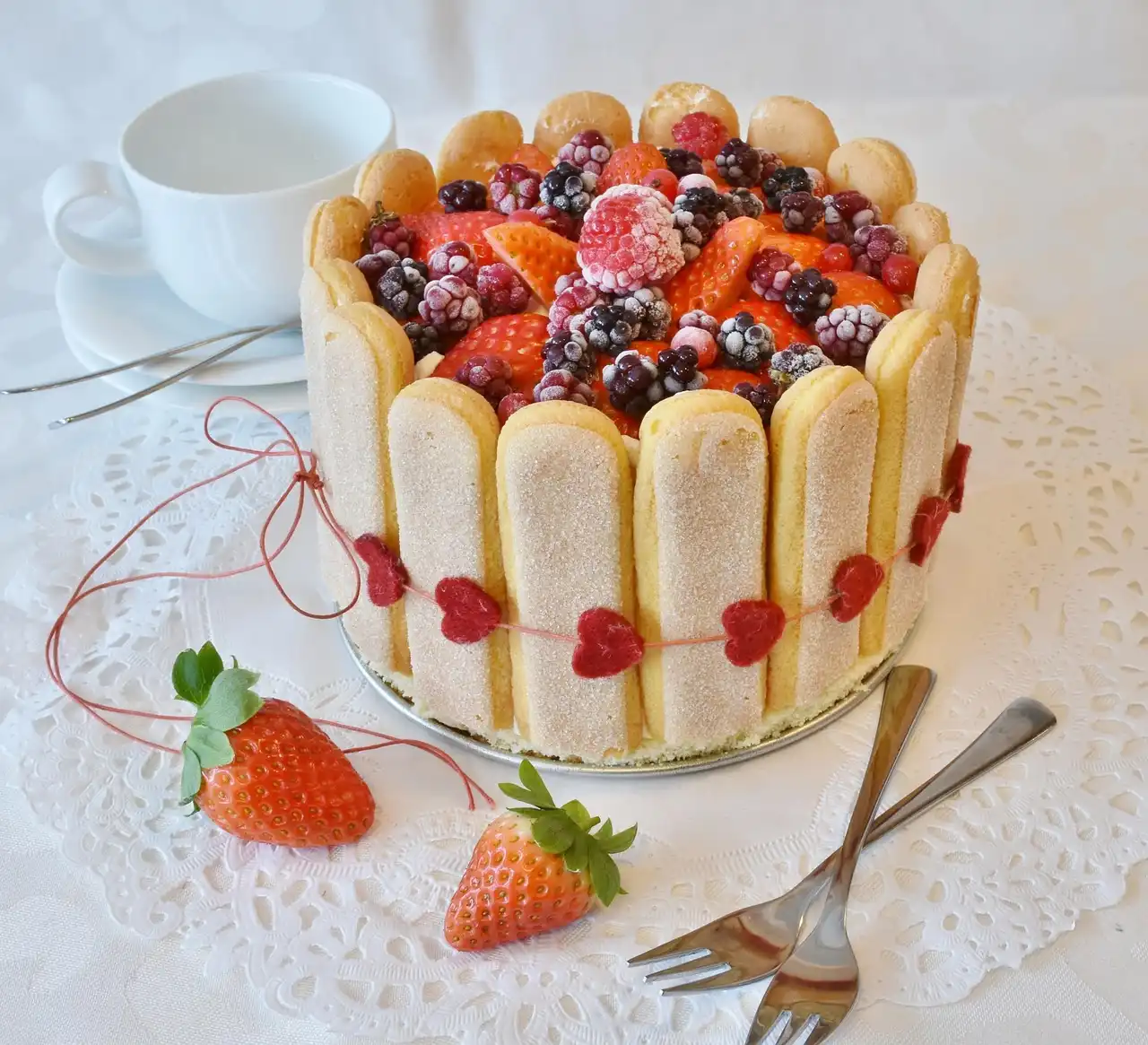
Valentine’s Day Dessert Size Chart
For Valentine’s Day, a common planning rule is one 4-inch dessert for about 1–2 servings, a 6-inch dessert for about 4–6 servings, and an 8-inch dessert for about 8–10 servings; plate it on a dish about 2 to 4 inches wider than the dessert for a finished look. Standard dessert plates commonly fall in the 6- to 10-inch range, with many everyday dessert plates around 8 inches and dinner plates often around 10 to 12 inches, so a plate that is slightly wider than the dessert usually reads best. Standard greeting cards also commonly come in folded sizes around 4.25 by 5.5 inches or 5 by 7 inches, which is useful if you are pairing a card with a dessert plate or gift box. This chart shows exact dessert diameters, serving counts, and plate sizes for brownies, cakes, pies, tarts, cookies, and small treat boxes.
Portion sizes for one, two, or a small group


For one person, a single plated portion is usually enough. For two, plan either two small portions or one dessert that cuts cleanly into two servings. For a small group, choose a dessert with enough surface area for neat slices or a mixed mini spread so every plate looks planned, not sparse.
Dessert for one
For one serving, a mini dessert, a narrow slice, or a single cupcake works well. A 6-inch dessert plate is a smart choice when the dessert is small and simple, because the plate frames the portion without leaving too much empty space. If the dessert includes sauce or fruit, choose a little more plate width so the garnish does not crowd the main piece.
Dessert for two
For two people on Valentine’s Day, a 4-inch dessert or two individual minis is the easiest route. That size gives each person a clear portion without forcing a large cake or pie to look half-finished. If you want a plated dessert with garnish, a 7- to 8-inch plate usually gives enough room, especially when you add fruit, chocolate, or sauce.
Dessert for a small group
For a small group, a 6-inch dessert can serve 4–6, while an 8-inch dessert often suits 8–10 when portions are modest. If the plan is a dessert board, count on several mini pieces per person instead of one large cut. That keeps the board full and lets guests choose flavors without overcrowding the serving tray.
Valentine’s dessert size chart
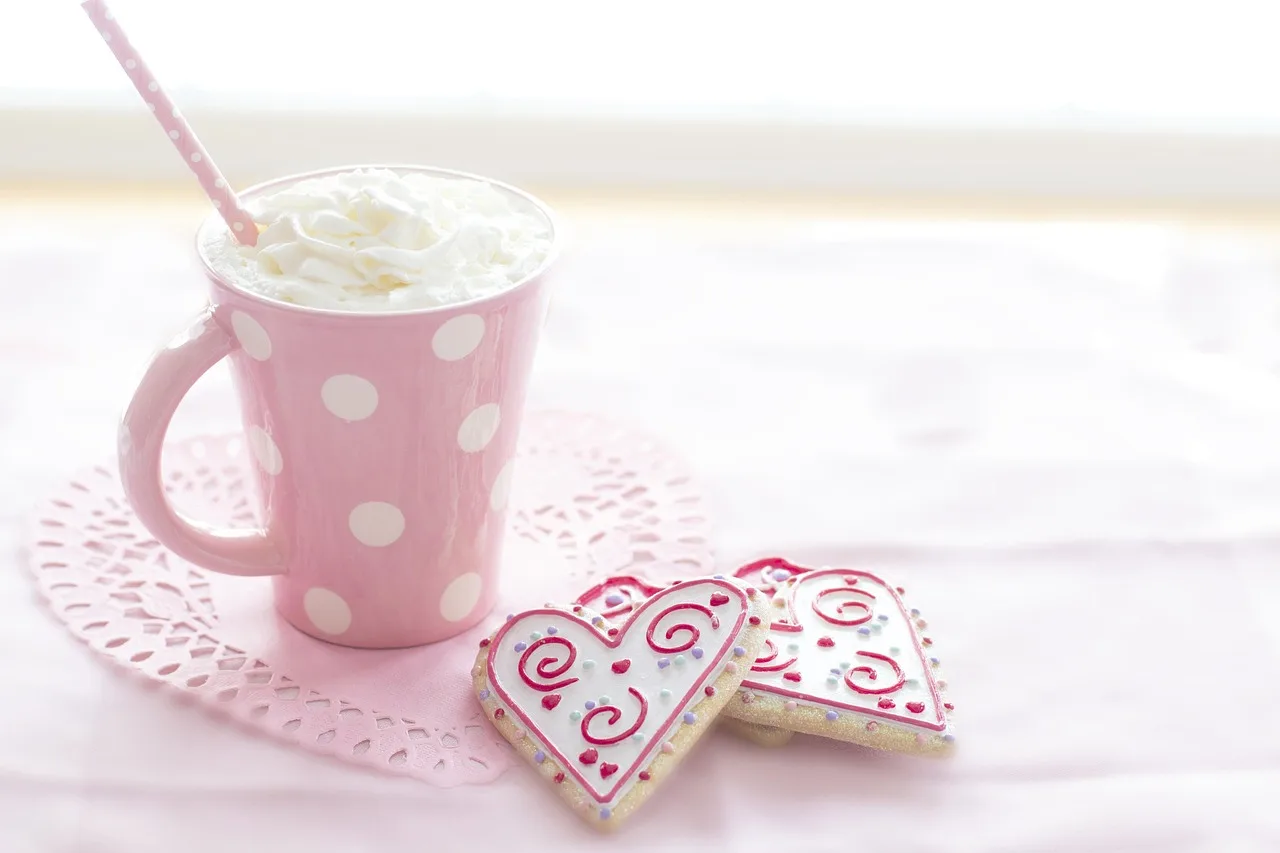
This chart translates dessert type into servings, portion size, plate diameter, and the best use case. It is built for home bakers who want portions that look deliberate on the plate and on the table, without guessing whether a brownie square or tart slice will feel too small or too heavy.
| Dessert format | Approximate serving count | Approximate portion size | Recommended plate diameter | Best-use case |
|---|---|---|---|---|
| Cookie | 1 serving per large cookie, 2–3 per person for a mini spread | About 2.5 to 4 inches across for a standard cookie; 1 to 2 inches across for a mini cookie | 6–7 inches | Single serve, lunchbox treat, or dessert board piece; choose mini when you need variety, choose full-size when the cookie is the dessert |
| Brownie | 1 serving per square, 4–9 from a small pan depending on cut | One square around 2 to 3 inches, or a narrow bar | 6–8 inches | Quick plated dessert or rich after-dinner portion; choose mini for boards, full-size for a plated finish |
| Tart slice | 1 serving per slice | One clean wedge, often about one-eighth to one-sixth of a 9-inch tart | 8 inches | Plated dessert with fruit, cream, or sauce; choose full-size when shape matters and mini when serving more than two |
| Cupcake | 1 serving per cupcake | One standard cupcake, with minis about 1.5 to 2 inches across | 6–7 inches | Single serve or a pair for two people; choose mini for a dessert board and standard size for a stand-alone treat |
| Mini cheesecake | 1 serving per mini cake | About 2 to 3 inches across for mini cheesecakes; one standard slice for full-size cakes | 6–7 inches | Mini Valentine’s Day dessert or gift box item; choose mini for portion control and full-size for a plated centerpiece |
| Dessert jar | 1 serving per jar | One small jar, usually portioned as a single serve | 6 inches | Make-ahead friendly single serve; choose mini when you want easy transport and clear portioning |
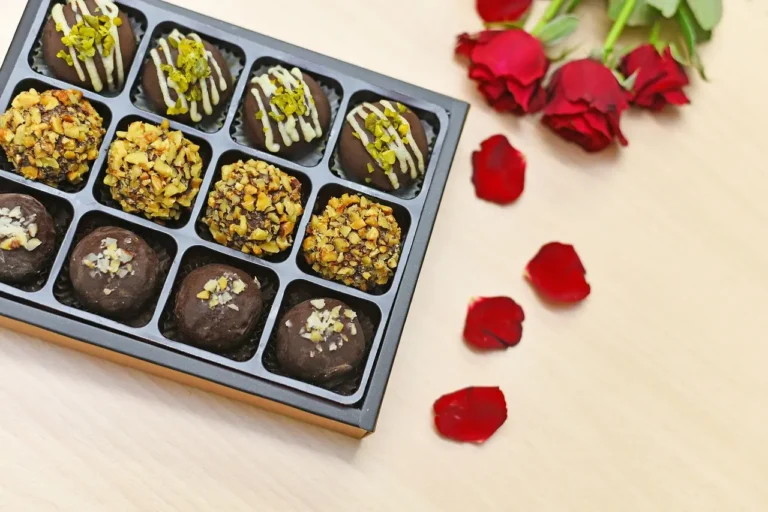
| Truffle | 2 to 4 pieces per person | One bite-size truffle, often about 1 inch across | 6 inches or no plate for a board piece | Mini treat, dessert board, or shared spread; mini is the default here |
| Dessert board piece | 3 to 5 pieces per person | Mix of bite-size pieces | Board or platter, not a standard plate | Group dessert, tasting board, or variety platter; use board format when variety matters more than one plated slice |
Mini desserts give you exact portions and clean serving lines, which makes them useful for Valentine’s Day desserts for one or a few people. They also fit dessert boards and gift boxes well, especially when you want a mix of cheesecakes, tartlets, donuts, and individual treats rather than one large slice.
Dessert plating space: what plate size should you use?
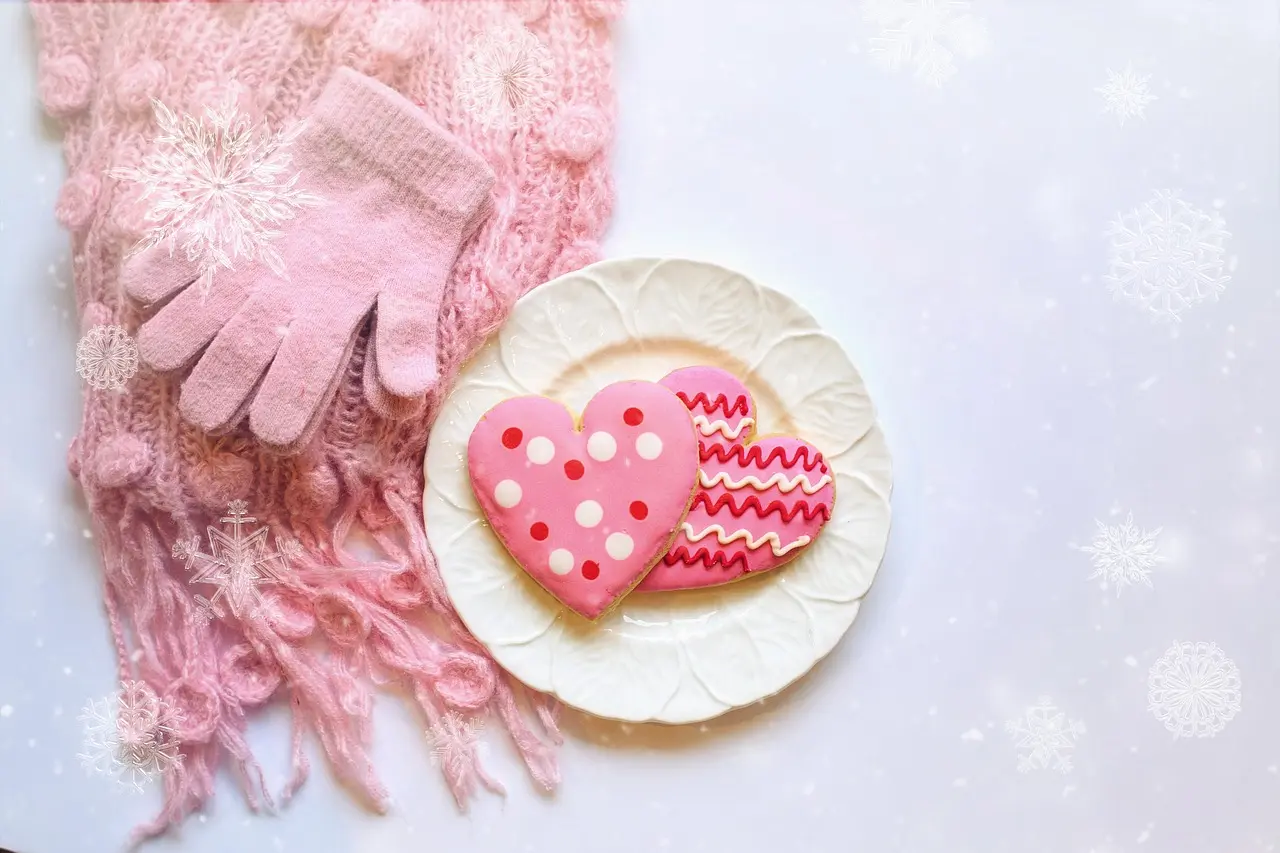
Most dessert plates measure about 6 to 10 inches across. A 6-inch plate works well for small and simple desserts, an 8-inch plate is a common everyday size, and larger plates are useful when the dessert has sauce, fruit, or several plated elements that need breathing room. For finished plating, the plate usually looks best when it gives the dessert a visible border without swallowing it.
6-inch plates for small portions
A 6-inch dessert plate suits a cookie, a brownie square, a small tartlet, or a single dessert jar. It keeps the serving visually anchored, which matters when the dessert itself is compact. This size works best when you do not need much decorative space around the food.
8-inch plates for everyday desserts
An 8-inch plate is a practical middle ground and is useful for cake slices, pie, pastries, fruit desserts, and sauces. It gives enough room for a single plated dessert to look composed without drifting into dinner-plate territory. For most Valentine’s Day dessert plating, this is the safest default.
9- to 10-inch plates for plated garnishes
For desserts with several elements, a 9- to 10-inch plate can help. Use that size when you want room for sauce, fruit garnish, whipped cream, or a decorative frame around the dessert. A typical dinner plate often measures around 10 to 12 inches, so this still keeps the dessert separate from dinnerware.
A common first-timer mistake is to place one small tart on a large dinner plate. The food can look lost, even if the portion is right. If the dessert is small, move down to a dessert plate or add garnish space so the plate feels intentional instead of oversized.
Mini dessert sizes: how big should mini desserts be?
Mini Valentine’s Day desserts work best when they are clearly bite-size or just a little larger. They should be easy to portion, simple to share, and small enough to sit comfortably on a dessert board, in a gift box, or beside a plated meal without taking over the plate.
Bite-size and two-bite formats
Bite-size is the right scale for truffles, small cookie pieces, and tiny bars. Two-bite portions work well for a richer dessert, such as a mini cheesecake or a dense brownie square. If the dessert is meant to be shared, aim for portions that can be eaten cleanly without a fork and knife.
Muffin-pan and tartlet portions
Muffin-pan desserts and tartlets are useful because they set a clear boundary on portion size. They are small enough to feel special, but large enough to carry frosting, fruit, or filling. This format also helps when you want several types of mini Valentine’s Day desserts on the same table.
When mini desserts work best
Mini desserts are a strong choice for dessert boards, small Valentine’s dinners, and make-ahead planning. They also work well when the meal was heavy and everyone wants a lighter finish. If you are serving a group, count on 3 to 5 mini pieces per person when the board is the main dessert.
Suppose you are serving four people after a pasta dinner. One full slice per person may feel too heavy, but a board with truffles, tartlets, and small brownie pieces lets each guest choose a smaller amount and still leaves the table looking full.
When is a full-size dessert better?
A full-size dessert is better when the dessert itself is the feature, such as a slice of cake, pie, or tart with clean plating space. It also works when the dessert is very rich and a smaller portion gives the right balance. In those cases, mini format can feel too fussy or too dense.
Slices for plated desserts
Use a full slice when the dessert needs structure, especially for cakes, pies, and tarts. A slice has a clear shape, so it can sit neatly on an 8-inch plate with sauce or fruit beside it. That keeps the dessert readable and avoids the crowded look that can happen with oversized garnish.
Single-serve cakes and bars
Single-serve cakes and bars work best when the portion is self-contained. A cupcake, brownie square, or mini cake can stand on its own without extra components. These are useful when you want a dessert that feels complete on a 6- or 7-inch plate and does not need much plating room.
Rich desserts that need a smaller portion
Chocolate desserts are a classic Valentine flavor and often feel richest in smaller portions. A dense brownie, chocolate tart, or chocolate cheesecake usually needs less volume than a lighter dessert. Choosing a smaller serving helps the dessert feel indulgent rather than heavy, especially after a full meal.
Dessert board portions
A dessert board should mix small treats rather than rely on one large dessert type. Plan several pieces per person, use multiple dessert types, and leave enough space between items so the board reads as a composed spread, not a crowded tray. The best boards balance bite-size sweets with a few slightly larger anchors.
How many pieces per person
For a dessert board, plan about 3 to 5 pieces per person if the board is the main dessert. If it follows a full meal, the lower end is usually enough. Include a mix of cookies, truffles, tartlets, mini cheesecakes, or dessert jar servings so guests can pick a few different textures.
Mixing textures and shapes
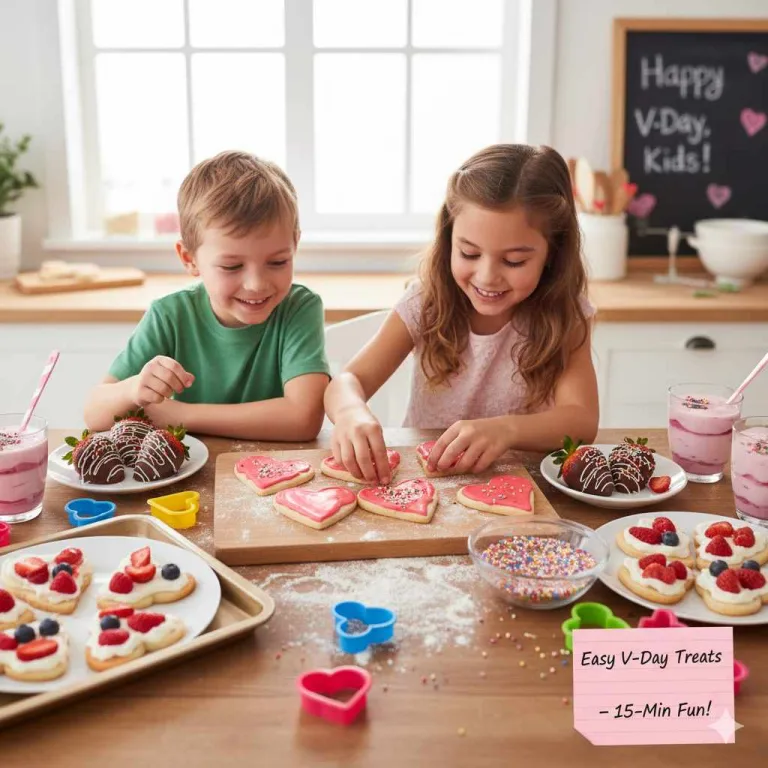
Use a mix of rounds, wedges, squares, and bite-size pieces so the board feels varied. Heart-shaped desserts fit well here because the shape reads clearly as Valentine’s Day. Red and pink desserts also help the board feel seasonal, especially when fruit-forward elements are included.
Spacing for a neat board
Leave visible gaps between items so each dessert can be picked up cleanly. Small clusters work better than a packed surface. If the board is too dense, the treats blur together and the portion sizes become hard to read. Space also matters when you want room for berries, chocolate, or cream.
Valentine plating details
Plating space matters because dessert needs room for sauce, fruit garnish, ice cream, whipped cream, or a decorative frame around the main portion. If the plate is too small, the dessert can look cramped. If it is too large, the dessert can look unfinished. The goal is balance.
Room for sauce and fruit
For desserts with fruit or sauce, choose a plate that leaves a border around the food. An 8-inch plate often works well for cake slices, pies, pastries, fruit desserts, and sauces. The sauce should have space to pool or sweep without reaching the edge, which keeps the plate looking deliberate.
Room for ice cream and whipped cream
Ice cream and whipped cream need extra space because they are side elements, not just decoration. A dessert plate should hold the main serving plus the scoop or dollop without forcing everything into the center. If you want both ice cream and sauce, move up to a larger dessert plate.
Heart shapes, pink, and chocolate
Heart-shaped desserts are a winner for Valentine’s Day because the shape signals the occasion immediately. Desserts in shades of red and pink are a timeless symbol of love, and chocolate remains a dependable flavor choice. Those cues work best when the size still feels neat and deliberate.
How do you choose between a mini dessert and a full-size dessert for Valentine’s Day?
Choose a mini dessert when you want easy portion control, a mixed spread, or a dessert that travels well. Choose a full-size dessert when the presentation depends on a clean slice or when one plated portion should feel complete. The best choice depends on serving count, plate size, and garnish needs.
Start with the setting. For one or two people, a mini dessert or a single slice usually fits best. For a small group, a dessert board or a larger cake makes more sense because it gives you enough servings without forcing a lonely oversized plate.
- Count the guests you are serving.
- Decide whether the dessert is the main finish or part of a larger spread.
- Choose mini pieces for variety, or a full dessert for a clean slice.
- Match the plate to the food, using 6 to 10 inches as the working range.
- Leave room for sauce, fruit, or ice cream if the dessert needs it.
Frequently asked questions
What size is a Valentine’s Day card?
A common Valentine’s Day card is a standard folded greeting card, often around 4.25 by 5.5 inches or 5 by 7 inches. If you are pairing a card with a dessert plate or gift box, keep the card small enough to tuck beside the dessert without covering the portion.
How many dessert servings do I need for a small Valentine’s Day dinner?
For a small Valentine’s Day dinner, plan one serving per person if dessert is plated and one to two extra mini pieces if you are also serving a board. That gives each guest a clear portion and leaves room for seconds without making the table feel overloaded.
What dessert size is best for two people on Valentine’s Day?
For two people, a 4-inch dessert, two cupcakes, or two plated mini cheesecakes works well. If you want a shared slice, choose something that cuts cleanly into two portions and plate it on a dish that leaves room for sauce or fruit without crowding the dessert.
How big should mini Valentine’s Day desserts be?
Mini Valentine’s Day desserts should be bite-size or two-bite portions, especially if they are meant for sharing. Tartlets, truffles, small cookie pieces, and muffin-pan desserts fit this range well. They should be easy to portion, easy to pick up, and small enough for a board or gift box.
What plate size should I use for Valentine’s Day dessert?
Use a 6-inch plate for very small desserts, an 8-inch plate for most everyday portions, and a 9- to 10-inch plate when you need room for garnishes. The right plate gives the dessert space to look finished without stretching it across a surface that is too large.
How much room do I need on a dessert plate for sauces and garnish?
Leave enough open space for the sauce to sit beside the dessert, not against the edge of the plate. If you are adding fruit, whipped cream, or ice cream, use a plate that is at least a little wider than the dessert itself. That keeps the portion looking clean and planned.
Products related to this article
Sponsored / affiliate links. As an Amazon Associate I earn from qualifying purchases. I may earn additional commission from eligible campaigns.