Can You Make Valentine’s Day Desserts Ahead of Time?
Yes, many Valentine’s Day desserts can be made about 1 to 3 days ahead, but crisp pastry, whipped cream, cut fruit, and molten centers are usually best left for serving day. Poor timing softens textures, blurs decorations, and can make chocolate bloom or seize. This guide separates desserts you can fully finish early from those that need last-hour work for cakes, cookies, tarts, mousse, cheesecake, and more.
When to finish desserts last-minute
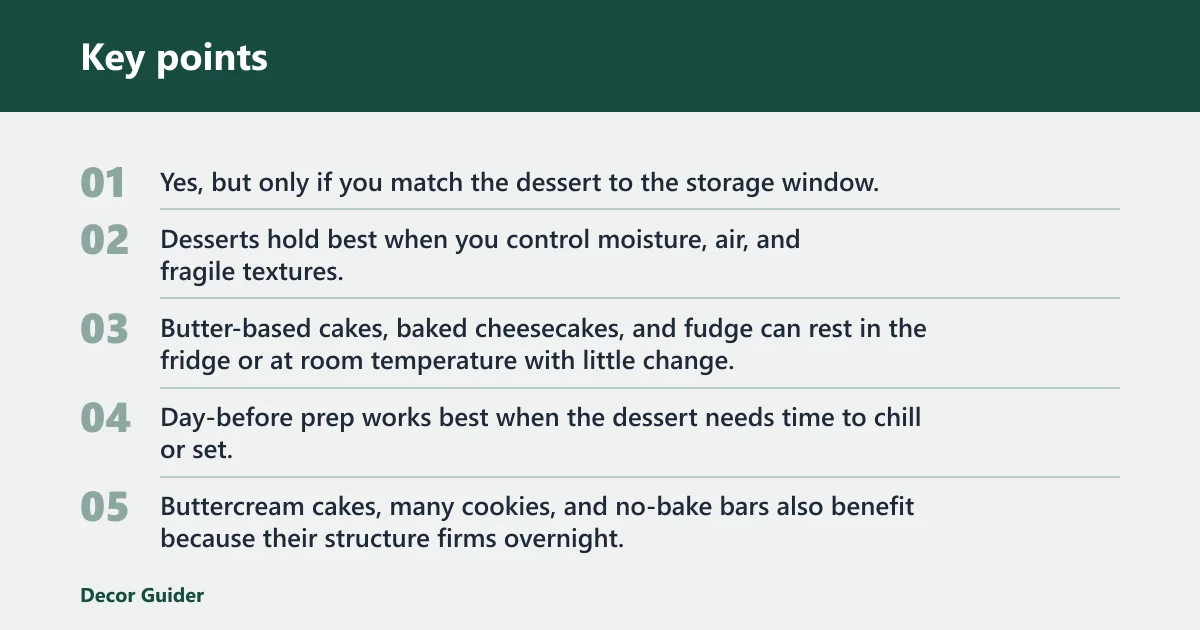


Yes, but only if you match the dessert to the storage window. Dense cakes, fudge, cheesecake, and many cookies hold well after a day or two; airy creams, fresh fruit toppings, and crisp shells usually do not. The safest plan is to decide whether a dessert can be fully finished, partially assembled, or saved for same-day work before you start.
What makes a dessert hold well after storage
Desserts hold best when you control moisture, air, and fragile textures. Butter-based cakes, baked cheesecakes, and fudge can rest in the fridge or at room temperature with little change. Anything with crisp pastry, meringue, whipped cream, or juicy fruit has a shorter window because it softens, weeps, or collapses.
When day-before prep is enough
Day-before prep works best when the dessert needs time to chill or set. Cheesecake needs that rest for clean slices. Fudge needs setting time before cutting. Buttercream cakes, many cookies, and no-bake bars also benefit because their structure firms overnight.
When you should wait until serving day
Wait until serving day for whipped cream finishes, fresh berries on top, crisp tart shells, and desserts with molten centers. Those parts lose definition fast. A ganache drizzle, a dusting of cocoa, or a handful of berries can wait until the end, but the main structure should already be stable.
Valentine’s dessert make-ahead matrix
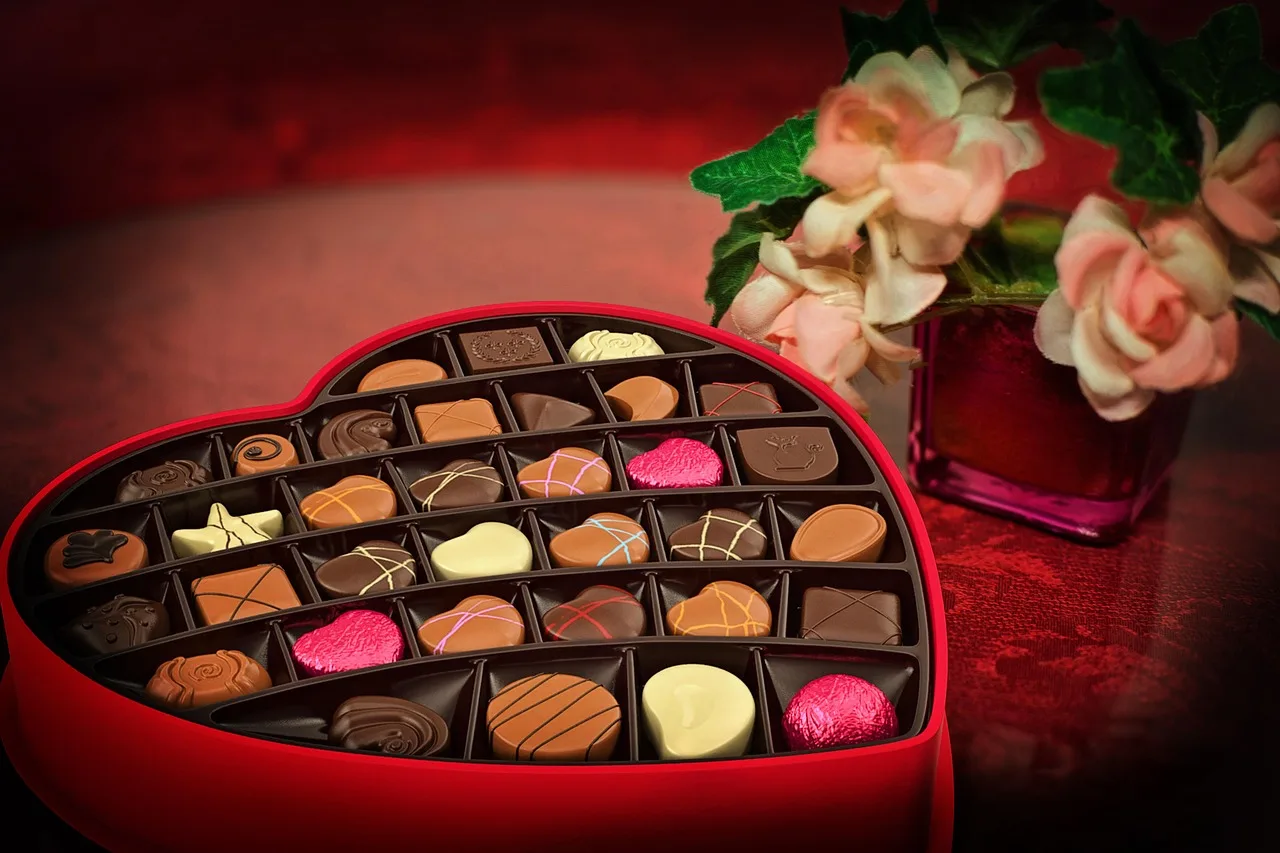
This matrix separates desserts by timing, storage, texture risk, and the final touch that should wait until serving. Use it as a planning tool, not a recipe list.
| Dessert type | Best prep timing | Fully finish vs partially assemble vs day-of only | Max hold time | Ideal container or wrapping | Texture risk | Best Valentine example | What to add right before serving |
|---|---|---|---|---|---|---|---|
| Layer cake | 1 to 2 days ahead | Partially assemble or fully finish if frosting is stable | 2 days | Covered cake carrier or tightly wrapped layers in the fridge | Medium if frosting dries out | Chocolate raspberry cake | Final garnish, clean edges, last swirl of frosting |
| Mini cake | Same day or 1 day ahead | Fully finish if the finish is sturdy; otherwise assemble and chill | 1 day | Covered container in the fridge | Low to medium | Mini chocolate heart cakes | Fresh berries or chocolate hearts |
| Decorated sugar cookies | 2 to 3 days ahead | Fully finish once icing is dry | 3 days | Airtight container with parchment between layers | Low if fully dry; medium if stacked too soon | Decorated sugar cookies | Gift box, ribbon, or final dusting |
| Fudge | 2 to 3 days ahead | Fully finish before storing | 3 days | Waxy paper-lined airtight container | Low | Dark chocolate raspberry fudge | Cut into squares |
| Cheesecake | 1 to 2 days ahead | Fully finish except for soft toppings | 2 days | Covered springform pan or sealed cake box in the fridge | Low for texture, medium for toppings | Classic cheesecake with fruit topping | Fruit sauce, whipped cream, chocolate curls |
| Mousse | Same day or 1 day ahead | Partially assemble; add final garnish at the end | 1 day | Covered cups or ramekins in the fridge | High if held too long | Chocolate mousse cups | Cocoa, berries, shards, or piped cream |
| No-bake dessert | Overnight to 2 days ahead | Partially assemble or fully finish, depending on toppings | 2 days | Well-wrapped pan or covered dish in the fridge | Medium if crust softens | No-bake cheesecake bars | Fresh garnish and clean slice |
| Tart shells | 1 to 2 days ahead | Fully bake ahead; fill day-of only | 2 days | Airtight container at room temperature once cooled | High if filled early | Chocolate tart shells for fruit filling | Fill and top at the last minute |
| Cupcakes | 1 day ahead | Fully bake ahead; frost day-of if the frosting is soft | 1 day | Covered container at room temp or in the fridge if frosted | Medium | Chocolate cupcakes with buttercream | Sprinkles, drizzle, or berry topper |
| Brownies | 1 to 2 days ahead | Fully finish ahead | 2 days | Airtight container lined with parchment | Low to medium if overbaked | Fudgy brownies cut into hearts | Powdered sugar or chocolate drizzle |
| Chocolate-covered strawberries | Same day only | Day-of only | Same day | Parchment-lined tray in a cool, dry spot | High if held too long | Chocolate-covered strawberries | Serve as soon as the coating sets |
What Valentine’s Day desserts can I make the day before?
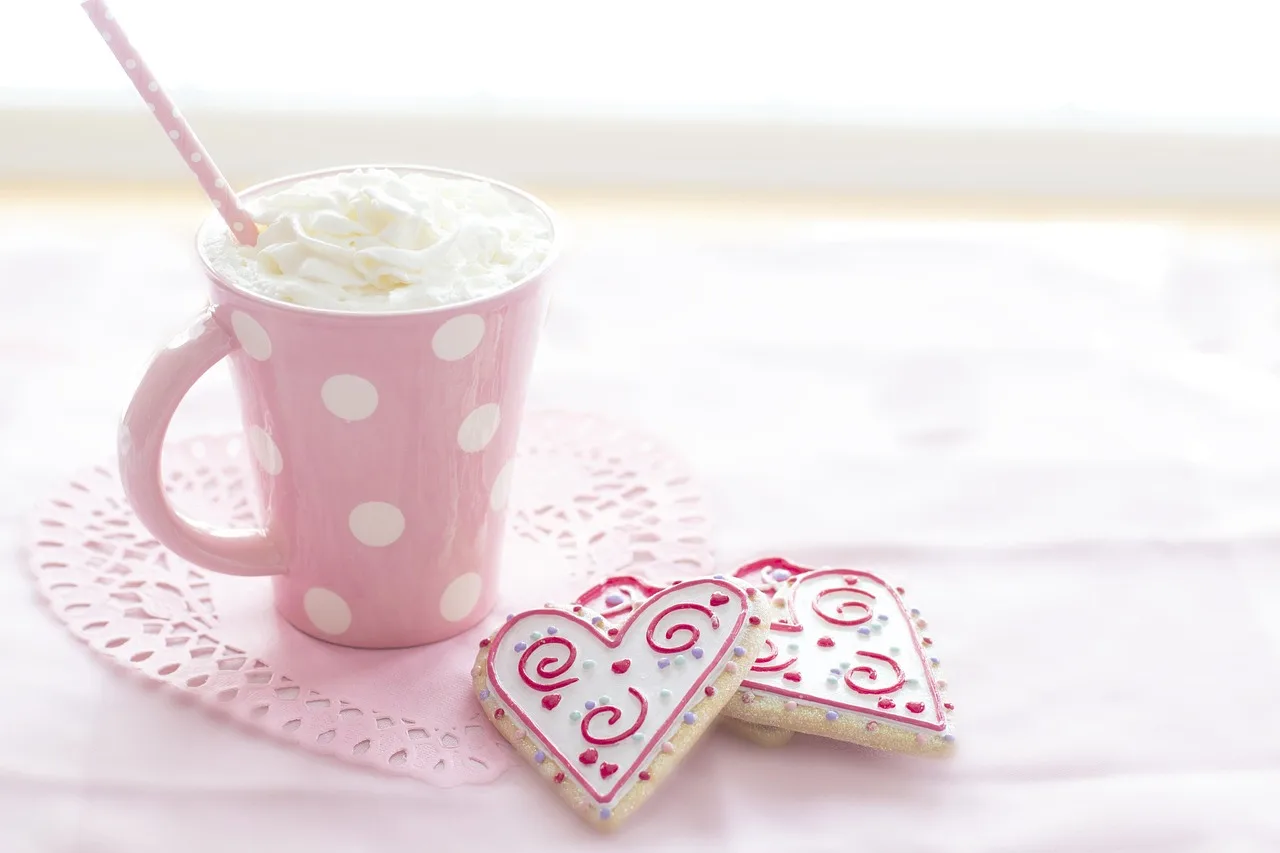
The best day-before desserts are the ones that improve after chilling or drying. Cakes, decorated cookies, fudge, cheesecake, and many bar desserts are reliable. They either need time to set or hold their shape well once wrapped and chilled. That makes them ideal when you want less work on the holiday itself.
Cakes and mini cakes
Layer cakes can be baked, cooled, filled, and frosted a day ahead if the frosting is stable. Buttercream holds better than whipped cream, and ganache gives a smooth finish that firms as it cools. A chocolate raspberry cake uses three layers of chocolate cake with buttercream and raspberry curd filling, so the build matters more than the clock.
Mini cakes are easier to portion and serve neatly. The linked mini chocolate heart cakes format fits couples or smaller gatherings well because it keeps the dessert compact and easy to finish. A mini strawberry cake is also a smart choice when you want fewer leftovers and a smaller finish to manage.
Cookies and decorated sugar cookies
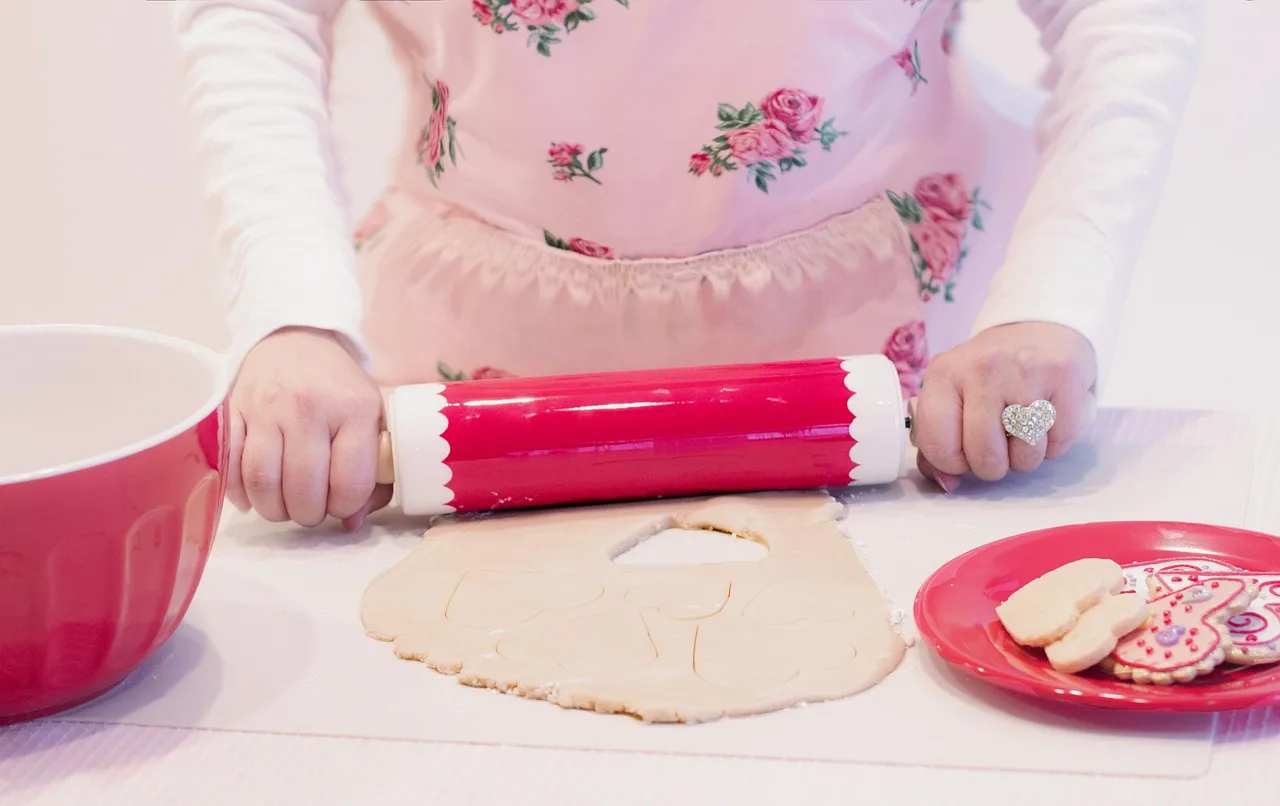
Decorated sugar cookies are one of the easiest make-ahead options because icing needs drying time anyway. Once the glaze or royal icing is fully set, store them in an airtight container with parchment between layers if needed. They are also one of the best desserts for gifting or shipping, provided the decoration is dry and the box stays snug.
Cookies soft enough to eat with little resistance often keep better than crisp, delicate ones that can absorb humidity. If the icing is not fully dry, stacking them too soon can smear the design. A thin glaze usually dries faster than a thick flood of icing.
Fudge and bar-style sweets
Fudge is one of the simplest make-ahead desserts because it needs set time before cutting. A dark chocolate raspberry fudge recipe uses just five ingredients, which is part of why it works well for advance prep. Once firm, it can sit at room temperature if the kitchen is cool, or in the fridge if the room is warm.
Cutting into squares should happen after the fudge is fully set. If you cut too soon, the edges drag and the center smears. A warm knife wiped clean between cuts gives neater pieces.
- Choose the holding method. Decide whether the dessert will stay at room temperature, in the fridge, or in the freezer before you begin. That choice affects frosting, toppings, and how far ahead you can finish it.
- Finish stable parts first. Bake layers, set crusts, chill cheesecake, or let cookies dry completely. Stable components buy you time and reduce the number of last-minute tasks.
- Save fragile toppings. Hold back whipped cream, fresh berries, soft herbs, and glossy glaze until the serving window. Those elements lose texture or bleed color fastest.
Which desserts should stay unfinished until serving day?
Leave unfinished anything that relies on air, moisture, or a crisp surface to taste right. Mousse desserts, whipped toppings, cut fruit, and shiny glazes are the main risk points. If those parts sit too long, the dessert can feel flat, watery, or sticky instead of polished.
Mousse and cream-based desserts
Mousse and cream-based desserts can chill well, but they do not like long storage after full assembly. Their stability depends on how much gel, custard base, or whipped component they contain. The texture risk climbs after a day, especially if the top layer is soft cream or if fruit juices seep downward.
Build the base ahead, then add the lightest layer as close to serving as possible. If the dessert must be unmolded, do that near the end so the surface stays clean. A short shelf life is normal for these desserts, so plan them for the same day or the night before at most.
Fresh fruit toppings
Fruit on top is the first thing to go soft. Sliced strawberries, raspberries, and cut kiwi can weep and stain cream or frosting within hours. Whole berries hold better than sliced fruit, but even they look best when added right before serving.
For a dessert served with fruit, keep the base separate and spoon the topping on at the last minute. That keeps biscuit layers crisp, cheesecake slices neat, and whipped cream from turning pink or watery.
Ganache or glaze touch-ups
Ganache can be make-ahead friendly, but a final drip or gloss layer should be timed carefully. If it is too warm, it runs; if it is too cold, it dulls or sets before you can smooth it. Glaze on cookies or cakes also works best when you leave the last decorative pass for the end.
Suppose a heart cake sits in the fridge overnight and the ganache firms more than expected. Let it warm briefly at cool room temperature before slicing, then add berries or chocolate curls after the surface relaxes. That keeps the finish neat without making the cake soft.
How far ahead can you freeze Valentine’s desserts?
Freezing helps with cakes, some cookie doughs, unfrosted layers, and certain bars, but it is not universal. Desserts with whipped cream, custard, mousse, or juicy fruit usually suffer in the freezer. The safest freezer plan is to freeze the sturdy base, then thaw and finish after it comes back to the fridge.
Best freezer-friendly options
Unfrosted cake layers freeze well, especially when wrapped tightly. Cookies, fudge, and some bar desserts also freeze cleanly if packed airtight. Cheesecake can be frozen in slices or as a whole cake, but toppings should stay off until later.
Chocolate almond flour cake is described as gluten-free, low-carb, Keto-friendly, and refined sugar free, which makes it a practical base for freezer planning if the finish is simple. Freeze the layers or the plain cake, then frost after thawing for the best surface.
Desserts that lose texture in the freezer
Mousse, whipped cream desserts, and fresh fruit fillings are the most vulnerable. The thaw can leave them grainy, watery, or collapsed. Custard-heavy fillings can also separate, and crisp crusts often soften after freezing and thawing.
Thawing and finishing rules
Thaw frozen desserts in the fridge, not on the counter, so condensation forms more slowly. Keep the wrapping on until the dessert is fully thawed to limit moisture on the surface. Add fresh toppings only after the dessert has come back to the right temperature.
A common first-timer mistake is freezing a fully decorated cake, then thawing it uncovered. The frosting may collect moisture, and the decoration can slump. Freeze the structure, not the prettiest finish.
What’s the best make-ahead dessert for two people?
The best make-ahead dessert for two is usually a mini cake, a jar dessert, or a small pan of bars. Those formats control portions and reduce leftovers, which matters for a date-night dessert. They also let you focus on clean presentation instead of a large, hard-to-store finish.
Mini cakes and small pans
Mini cakes are ideal when you want the look of a celebration dessert without a large cake to manage later. A chocolate chunk skillet cookie is positioned as a Valentine’s Day dessert for two, and a small skillet or compact pan does the same job: warm, shareable, and easy to finish fast.
Small pans also suit no-bake bars and cheesecake squares. Because the surface area is smaller, they chill more evenly and transport more easily than full-size desserts.
Jar desserts and single servings
Jar desserts are useful when you want portions set out in advance. They work especially well for layered cream, pudding, and crumb desserts because each serving stays sealed until eaten. A raspberry coconut chia pudding is described as an easy, delicious, and nutritious make-ahead breakfast or snack, which shows how well jar-style layering can hold when the components are stable.
Keep crunchy toppers separate until serving if you want texture contrast. Otherwise, the crumbs soften and the top layer turns one-note.
Low-leftover options for date night
For couples, the cleanest plan is usually two plated portions, two jars, or one tiny cake. A chocolate raspberry cake can be split into neat slices, but a smaller format avoids extra storage and keeps the presentation focused. If you want fruit, consider a quick, fresh side rather than layering it deep into the dessert.
The main goal is a dessert that serves cleanly and disappears without a long storage problem. Small-format treats work because they finish neatly and stay easy to portion.
How do I keep a make-ahead dessert fresh for Valentine’s Day?
Freshness comes from tight storage, the right temperature, and delayed garnish. Keep air out, moisture controlled, and delicate toppings separate until the end. Fridge desserts should be covered well, room-temperature desserts should stay away from heat, and anything with fruit or whipped cream should be finished as late as possible.
Airtight storage
Use airtight containers, cake domes, or tightly wrapped pans so the dessert does not dry out or absorb fridge odors. Cookies and fudge both benefit from sealed storage. If the dessert is soft or decorative, add parchment between layers to protect the finish.
Fridge versus room temperature
Cheesecake, mousse, cream fillings, and many frosted cakes need the fridge. Fudge and some cookies can hold at room temperature if the kitchen stays cool and dry. Desserts with tomato, savory fillings, or other off-theme flavors are better left out of the Valentine’s dessert plan unless they are the point of the menu.
Last-minute garnish timing
Add garnish only when you are ready to serve. Fresh berries, shaved chocolate, powdered sugar, and piped cream are strongest at the end. If you need a crisp element, keep it separate until the dessert hits the table.
Picture a cheesecake topped the night before with sliced strawberries. By dessert time, the fruit may have released juice onto the surface. The same cheesecake topped with fruit at the table stays cleaner and slices better.
Frequently asked questions
Can you make Valentine’s Day desserts ahead of time?
Yes. Many Valentine’s Day desserts can be made 1 to 3 days ahead if they are sturdy enough for chilling or room-temperature storage. Cakes, cookies, fudge, and cheesecake are the most reliable. Desserts with whipped cream, crisp pastry, or fresh cut fruit should usually be left unfinished until serving day.
Which desserts get soggy if made too early?
Crisp tart shells, cream-filled desserts with juicy fruit, pavlova, meringue, wafers, choux, and anything with a crunchy base under wet toppings are most likely to get soggy. Mousse desserts can also soften if they sit too long. To protect texture, keep wet toppings separate and assemble close to serving.
How far in advance can I bake Valentine’s Day cookies or cake?
Cookies can often be baked 2 to 3 days ahead and stored airtight, especially if they are fully decorated and dry. Cake layers can be baked ahead and frozen, or finished 1 to 2 days before serving if the frosting is stable. Frosting and filling decide the true window.
Can I freeze Valentine’s Day desserts before serving?
Yes, for sturdy desserts like unfrosted cake layers, fudge, some cookie doughs, and certain cheesecakes. Freeze them tightly wrapped, then thaw in the fridge before finishing. Avoid freezing whipped cream desserts, mousse, and fruit-heavy fillings because the texture often changes after thawing.
Can no-bake Valentine’s desserts be made ahead?
Yes, and many should be. No-bake desserts often need an overnight chill so the crust sets and the filling firms. They travel well for parties if kept cold, but they still need fresh garnishes added at the end so the top stays neat and the crust stays firm.
What desserts should I assemble on the day instead of ahead of time?
Assemble mousse cups, whipped cream desserts, fruit-topped tarts, pavlova, meringue desserts, and any dessert with a glossy glaze that must look perfect. These are the most likely to lose texture or shine in storage. Build the base ahead if needed, then finish with the fragile layer right before serving.
Products related to this article
Sponsored / affiliate links. As an Amazon Associate I earn from qualifying purchases. I may earn additional commission from eligible campaigns.