Valentine’s Day Meals for Family Problems and Fixes
For a family Valentine’s Day dinner, a common approach is to choose one main, two easy sides, and one make-ahead dessert so you can better serve picky eaters, kids, and mixed diets without last-minute substitutions. Skip that structure and timing slips, food goes cold, and someone ends up with nothing they’ll eat. This guide covers planning fixes, cooking backups, and serving swaps for the most common Valentine’s Day meal problems.
What should you make for family dinner?
Start with the limits, not the theme. If you have little time, choose pizza or breakfast-for-dinner. If you want a warm oven meal with leftovers, pasta or a sheet-pan dinner is usually easier. If cleanup matters most, avoid recipes that need multiple pots, sauces, and a long finish at the stove.
Choose by time, budget, and oven space
Use this quick filter before you shop. One oven and a short prep window often point toward pizza, baked ziti, or a sheet-pan meal. A larger budget for convenience points toward store-bought dough, ravioli, or a dessert board instead of a full second bake. If oven space is tight, pick a main that cooks once and serve cold sides.
Match the meal to picky eaters and mixed diets
Pizza and pasta are the easiest crowd-pleasers because you can split the pan or toppings. For mixed diets, keep one base mild and add optional toppings at the table. That lets you serve meat, vegetarian, or lighter plates from the same menu without making a second dinner.
Pick a format that fits the night
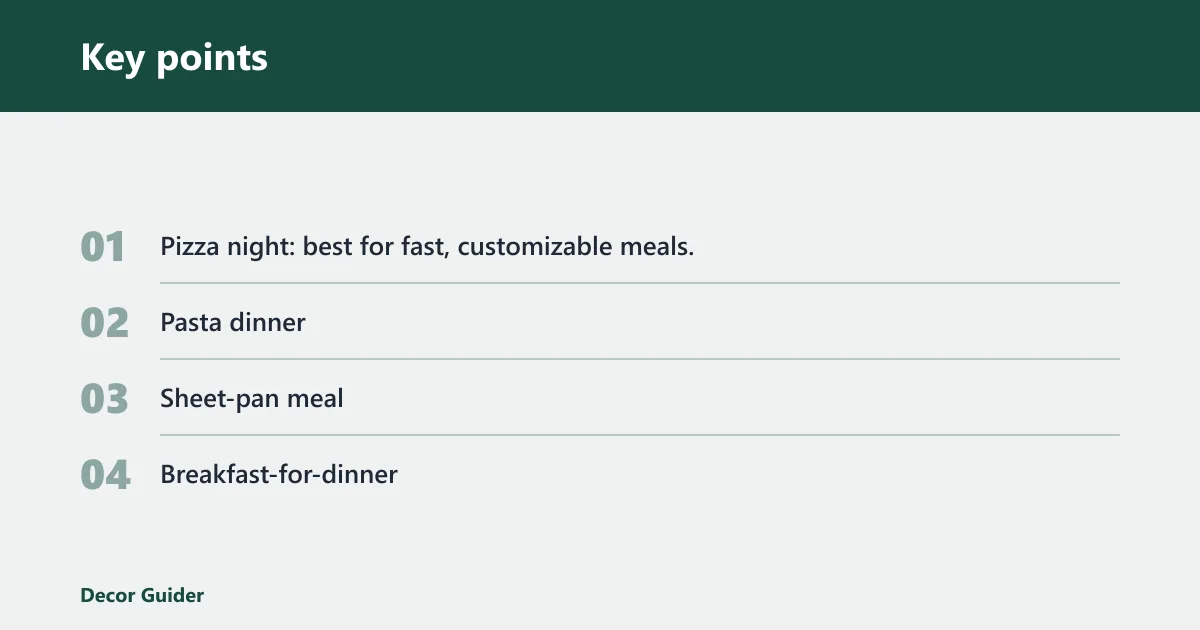
- Pizza night: best for fast, customizable meals.
- Pasta dinner: best for a warm, filling main with little serving fuss.
- Sheet-pan meal: best for low cleanup and hands-off roasting.
- Breakfast-for-dinner: best when you need a kid-friendly option that feels different.
Family Valentine meal fixes

Most family Valentine meals fail for the same few reasons: the sauce breaks, the crust stays soft, the cheese burns before the center heats, or the main dries out while side dishes wait. A good plan has a rescue move for each of those problems before you begin cooking.
Troubleshooting matrix
| Problem | Likely cause | Quick fix | Best recipe type |
|---|---|---|---|
| Dry chicken | Overcooked breast meat or too little sauce | Spoon warm pan juices or a simple gravy over the slices and rest the meat before cutting next time | Sheet-pan meal |
| Broken pasta sauce | Heat too high or dairy added too fast | Lower the heat, whisk in a splash of pasta water, and add cream or cheese gradually | Pasta dinner |
| Burnt cheese | Baked too close to the top heat or broiled too long | Cover with foil for the last part of baking and move the dish to a lower rack | Baked ziti or casserole |
| Bland filling | Underseasoned meat, ricotta, or vegetable mix | Add salt, pepper, garlic, or a spoon of grated cheese before the final bake | Stuffed shells or mini meatloaf |
| Soggy pizza crust | Too much sauce, wet toppings, or a cold baking surface | Use less sauce, pat toppings dry, and bake on a preheated sheet or stone | Pizza night |
| Uneven baking | Pan overcrowding or uneven oven hot spots | Rotate the pan halfway through and leave space between items | Sheet-pan meal |
| Picky-eater refusal | Mixed ingredients all together | Serve toppings, sauces, and garnishes on the side so each plate can stay plain | Pizza, tacos, breakfast-for-dinner |
| Dry pasta | Too little sauce or long holding time | Reserve extra sauce and cover the dish until serving | Baked ziti or one-pot pasta |
| Pizza toppings slide off | Overloading the surface or cutting too soon | Use fewer toppings and let the pizza rest before slicing | Pizza night |
| Casserole dries out | Too long in the oven or not enough sauce on top | Cover with foil and add a thin layer of sauce or cheese before reheating | Baked pasta |
| Eggs finish before the rest of dinner | Breakfast items cook faster than side dishes | Hold them in a warm oven and cook the rest of the meal first | Breakfast-for-dinner |
| Last-minute ingredient shortage | Missing a topping, sauce, or side | Switch to a simpler plate: plain pasta, plain pizza, toast, fruit, or a salad with a basic dressing | Any family meal |
Quick rescues when dinner starts to slip
- Move every finished dish to a low oven or covered platter.
- Check whether the problem is heat, moisture, or seasoning.
- Add sauce, foil, or a resting period before changing the recipe.
- Pull one simple side forward if the main needs more time.
- Stop trying to fix everything at once. Rescue the most important dish first.
Say your pizza dough is already stretched, but the center looks wet after 10 minutes. Add a small amount of sauce only in the middle, reduce wet toppings, and return it to the oven on a lower rack. That one change usually does more than adding extra cheese on top.
How do you make it feel special?
Use color and shape, not extra work. Red, pink, and white ingredients make the table feel themed fast, and a few heart-shaped cuts can signal the holiday without changing the whole recipe. The goal is a festive dinner that still cooks like a normal family meal.
Use red, pink, and white ingredients as visual cues
Build the plate around color. Tomatoes, roasted red peppers, strawberries, watermelon, raspberries, and beet-based dips bring red or pink. Mozzarella, whipped cream, yogurt-based sauce, and mashed potatoes add white accents. Set the table with a plain cloth, then use napkins, napkin rings, or a red bowl for the strongest visual cue.
Add heart shapes without changing the recipe
Heart-shaped foods are often used as a visual cue rather than a complicated redesign. Shape pizza dough into a heart, form mini meatloaves into hearts, or use a cookie cutter on grilled cheese after it cooks. Keep the shape simple so the food still bakes evenly and serves easily.
Set up an easy family
- Use one red or pink serving dish.
- Place garnish in small bowls so kids can choose.
- Serve the main in the center to keep cleanup simple.
- Add one white side, such as mashed potatoes or a simple roll, for contrast.
Pizza night for the whole family
Pizza works well because it can be store-bought or homemade, individual or family-sized, and easy to customize. It also gives you a fast fix if one eater wants plain cheese and another wants vegetables or meat. For a Valentine look, use red sauce, mozzarella, and a few shaped toppings rather than a complicated design.
Store-bought dough or homemade dough
Store-bought dough saves time and reduces failure points. Homemade dough gives you more control over shape and thickness. If the night already feels busy, buy the dough and save your energy for toppings, sides, and dessert.
One large pizza or individual pizzas
One family pizza is easiest when everyone likes similar toppings. Individual pizzas help when tastes differ, especially with kids or mixed diets. A split pan also helps with allergies or vegetarian plates because each section can stay separate.
Fixes for common pizza problems
For soggy crust, cut back on sauce and wet vegetables. For toppings that slide, layer less and let the pizza rest before slicing. For cheese that browns too fast, place the pizza lower in the oven and watch the last few minutes closely. Family Valentine pizza can be baked at 425°F (220°C) for 12–15 minutes.
Pasta dinners that hold up
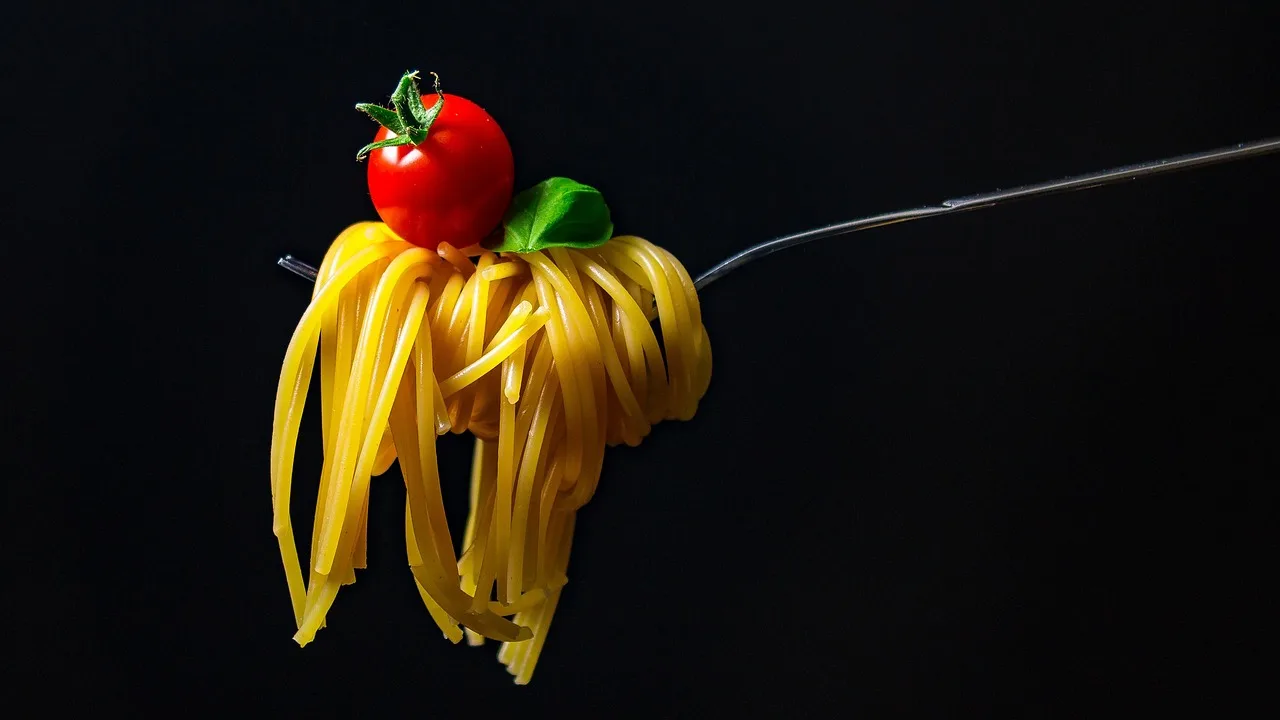
Pasta is a strong choice when you want a warm main that feeds a group without extra fuss. Baked ziti, alfredo, ravioli, and one-pot pasta all fit family dinner well. The main decision is whether you want saucy, cheesy, or creamy food that stays good while people serve themselves.
Baked ziti, alfredo, ravioli, and one-pot pasta
Baked ziti is the easiest large-format choice because it reheats well and holds its shape. Baked ziti with mozzarella uses 1 lb ziti pasta, is baked at 375°F (190°C), and bakes for 25–30 minutes. Alfredo works when you want a creamy profile. Ravioli is a fast shortcut if you use a store-bought version. One-pot pasta is useful when you want fewer dishes and a softer, saucier finish.
Keep sauce creamy and filling flavorful
Season the filling before it goes into the dish. If you use cheese, add a little salt, pepper, and herbs so the flavor survives the bake. Keep extra sauce nearby for serving, especially if the pasta will sit on the table for more than a few minutes.
Fix dry pasta or broken sauce
If the pasta dries out, cover it and add a spoonful of sauce before reheating. If the sauce breaks, lower the heat and whisk in a little liquid until it comes back together. A common first-timer mistake is leaving pasta uncovered while the rest of dinner finishes, which lets the top dry out first.
What if you need a low-stress backup?
Keep one backup meal in mind before you start. Sheet-pan dinners, breakfast-for-dinner, and simple swaps for vegetarian or gluten-free plates can save the night when time, ingredients, or oven space run short. These ideas work for busy nights and home celebrations.
Sheet-pan chicken or sausage dinners
Sheet-pan meals are a practical answer when you want one oven, one pan, and fewer dishes. Sheet-pan lemon chicken and potatoes roasts at 400°F (205°C) for 40–45 minutes. Sausage works just as well, especially with vegetable add-ins like broccoli, carrots, onions, or peppers.
Breakfast-for-dinner that kids usually accept
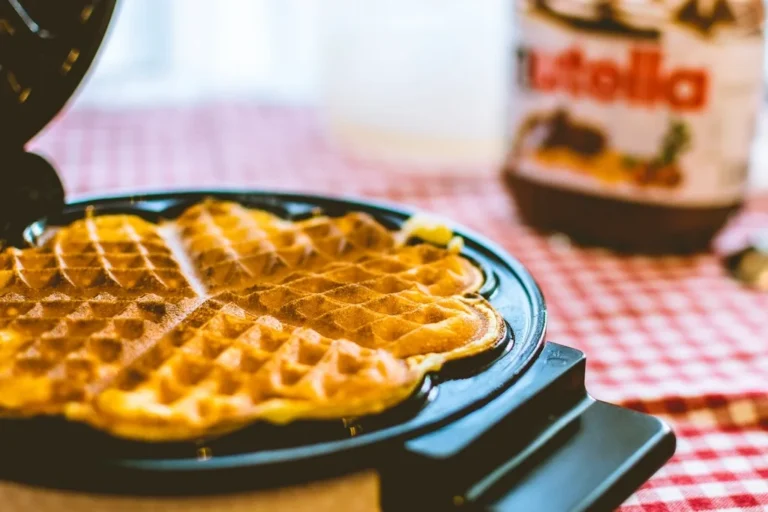
Pancakes or waffles, eggs and bacon, and fruit on the side are easy to serve and familiar to many kids. Breakfast-for-dinner also gives you more flexibility with timing because the components can finish at different speeds and still feel like a complete meal.
Simple swaps for vegetarian or gluten-free plates
For vegetarian guests, keep one meatless option on the table, such as stuffed shells or plain pasta with sauce. Vegetarian cheese-stuffed shells use 20 jumbo pasta shells and bake for 25 minutes. For gluten-free plates, use a gluten-free pasta, a corn tortilla, or a potato side instead of forcing a whole menu change.
Heart-shaped foods that still work
Heart shapes can help a family meal feel festive, but they should not make the food harder to cook. Use the shape where it is easy to control, and skip it where it creates uneven baking or awkward serving. The best heart-shaped food is still the one people can eat without a fight.
Pizza dough shaping without making it hard to bake
Shape the dough into a simple heart, then keep the center thickness even so it bakes through. Avoid stretching the point too thin, or it will overbake before the middle is ready. Heart-shaped pizza works best as a visual cue, not a full recipe change.
Mini meatloaf and grilled cheese shape ideas
Heart-shaped mini meatloaves bake at 375°F (190°C) for 30–35 minutes. Grilled cheese can be cut into hearts after cooking, which keeps the bread crisp and the shape neat. That post-cook cut is easier than cooking the sandwich in a cutter-shaped pan.
When heart shapes help and when to skip them
Use heart shapes on flat, stable foods: pizza, grilled cheese, brownies, or cookies. Skip them on dishes that already need careful timing, like layered casseroles or thin sauces. If the shape slows dinner or makes serving messy, the holiday feel is not worth the extra stress.
What desserts finish the meal best?
Choose dessert that can be shared with little extra work. Brownies, cupcakes, chocolate-dipped strawberries, and dessert boards can all work for a family Valentine table. Shared desserts are useful when you want one more festive touch without adding another full round of cooking.
Brownies, cupcakes, and chocolate-dipped strawberries
Brownies are the easiest make-ahead choice. Cupcakes add color fast with pink or white frosting. Chocolate-dipped strawberries feel seasonal and work well as a small plate on the table instead of a full dessert plate for every person.
Dessert boards for sharing
A dessert board can hold strawberries, brownie pieces, cookies, marshmallows, and a few candies. That format is useful for mixed ages because each person can pick a small portion instead of committing to one dessert. It also helps when some guests want fruit and others want something sweeter.
Keep dessert festive without extra baking
Use red and pink candies, a dusting of powdered sugar, or a few white chocolate pieces to tie dessert into the meal. If the main course took longer than expected, a bought dessert board or simple brownies can still feel complete without extra stress.
Frequently asked questions
What can I make for Valentine’s dinner for the family?
Pizza, baked ziti, sheet-pan chicken, tacos, or breakfast-for-dinner all work well. Choose one main that fits your schedule, then add two easy sides and a shared dessert. That keeps the meal practical for kids, picky eaters, and mixed diets.
How do I make a family Valentine’s meal feel special without spending a lot?
Use red, pink, and white ingredients, then add one heart-shaped detail. A heart-shaped pizza, a cut grilled cheese, or a simple dessert board feels themed without much cost. Table color and shared serving dishes do most of the work.
What are easy Valentine’s Day dinner ideas for kids and picky eaters?
Pizza, macaroni-style pasta, tacos with plain toppings, and eggs and waffles are common kid-friendly picks. Keep sauces and toppings separate so each plate can stay simple. That gives picky eaters control and lowers the chance of refusal.
Can I turn ordinary dinner into a Valentine’s Day meal with simple heart-shaped touches?
Yes. Heart shapes work best on pizza, grilled cheese, mini meatloaf, brownies, and cupcakes. Use them as a visual cue, not as a reason to redesign the meal. A little color and one shaped item usually does enough.
What are good Valentine’s Day family meals besides pasta and pizza?
Sheet-pan chicken with potatoes, tacos, breakfast-for-dinner, stuffed shells, and baked salmon all fit the occasion. The strongest choices are the ones that stay easy to serve and allow mild, kid-friendly portions alongside more seasoned plates for adults.
What sides go with a family Valentine’s Day dinner?
Keep the sides simple: a salad, roasted vegetables, fruit, garlic bread, or mashed potatoes. Aim for at least one side that balances the main and one that stays familiar to kids. A white side also helps the plate feel more festive.
What desserts work best for a family Valentine’s Day meal?
Brownies, cupcakes, chocolate-dipped strawberries, and dessert boards are the easiest choices. They can be made ahead or assembled fast, and they work well for sharing. If dinner ran late, choose a dessert that does not need another bake cycle.
Products related to this article
Sponsored / affiliate links. As an Amazon Associate I earn from qualifying purchases. I may earn additional commission from eligible campaigns.