Does Fondue Chocolate Need Heavy Cream?
No, chocolate fondue does not need heavy cream, but it is the easiest way to keep the dip smooth. Start with about 8 ounces of chocolate to about 1/2 cup cream. Skip it and the fondue can turn thick, grainy, or seize. This guide shows when heavy cream is necessary, when it is optional, and how to swap in milk, half-and-half, or butter without ruining the texture.
Chocolate fondue basics


Heavy cream is commonly reported as a stable liquid base for chocolate fondue, but it is not mandatory. In most classic recipes, it gives the best dip-ready texture because the fat keeps the chocolate fluid longer as it sits on the table.
The tradeoff is plain: more fat means smoother, looser fondue and less risk of splitting. Less fat means a firmer set, which can work for a short serving window if you keep the heat low and stir often.
What you’ll need
- 8 to 12 ounces chocolate, chopped if using bars
- Heavy cream, or a substitute such as milk or half-and-half
- Vanilla extract
- A saucepan or double boiler
- A fondue pot, if serving for a longer stretch
- Stirring spoon or silicone spatula
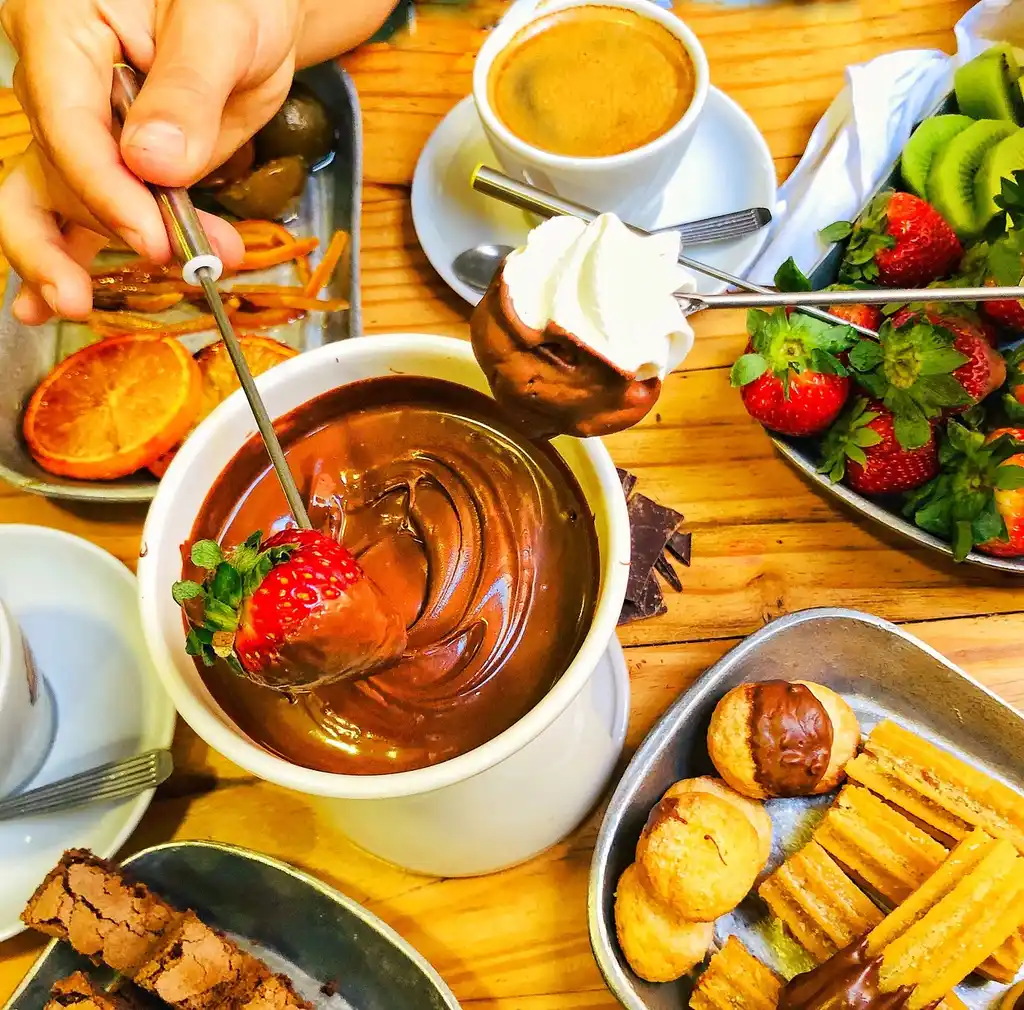
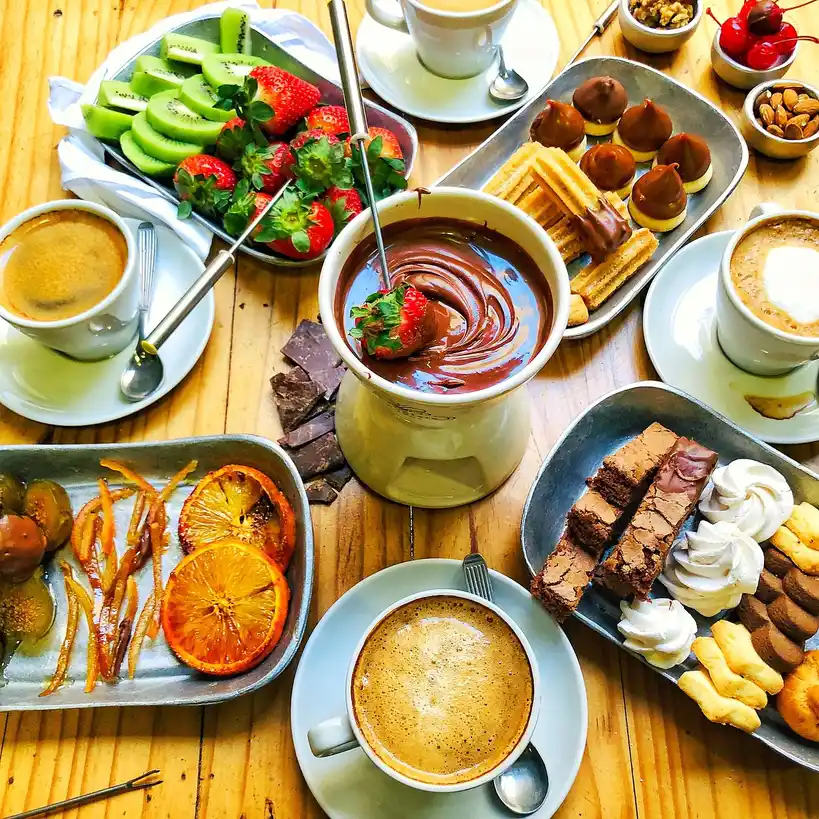
- Strawberries, bananas, apple wedges, pound cake, ladyfingers, biscotti, marshmallows, and graham crackers
Does chocolate fondue need heavy cream?
No, but heavy cream is the best default if you want fondue that stays smooth and dip-friendly. A common ratio is about 3/4 cup to 1 cup heavy cream per batch, especially with about 8 to 12 ounces of chocolate. That range gives a glossy texture that holds up well while serving.
When heavy cream is the best choice
Use heavy cream when you want the most stable result, are serving for more than a few minutes, or are using semi-sweet chocolate. It is also the safest choice for first-time fondue makers because it resists thickening as the pot cools.
Classic chocolate fondue uses 1 cup heavy cream with 12 ounces semi-sweet chocolate. White chocolate fondue uses 3/4 cup heavy cream with 12 ounces white chocolate. Both ratios rely on gentle heat and a smooth finish.
When milk or half-and-half can work
Milk and half-and-half can work, but the fondue will be thinner and more likely to thicken on the table. Use them when you want a lighter version and plan to serve it soon after mixing. Add them slowly, since too much liquid can make the chocolate loose and dull.
Butter-based versions can help add body, but they still need careful heat control. They work better as a support ingredient than as the only liquid base.
What chocolate works best for fondue?
Semi-sweet chocolate is the standard choice for fondue because it melts smoothly and pairs well with fruit and cake dippers. White chocolate also works, but it needs gentler melting and a lighter hand with flavoring because it is sweeter and more delicate than dark or semi-sweet chocolate.
Semi-sweet chocolate
Semi-sweet chocolate is the most common choice in fondue recipes and usually comes in 8- to 12-ounce amounts. Chop bars finely so they melt evenly, and stir until just smooth. It works especially well with strawberries, bananas, apple wedges, pound cake, and ladyfingers.
White chocolate
White chocolate makes a softer, sweeter fondue. It is often paired with vanilla extract and a careful amount of cream because it can scorch faster than darker chocolate. Use low heat and stop as soon as the mixture turns smooth.
How do you make chocolate fondue at home?
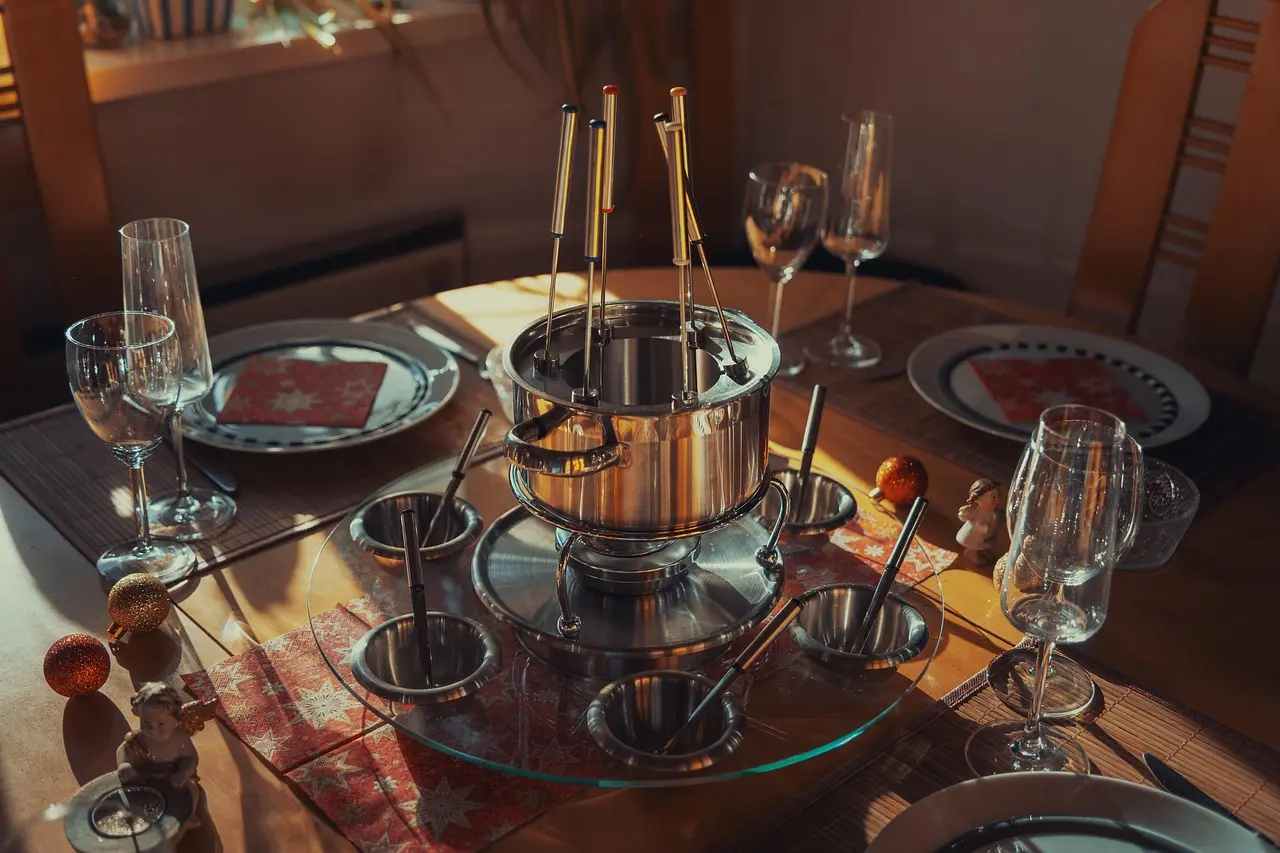
Start by heating cream gently, then add chopped chocolate and stir until it melts. The goal is a smooth, pourable dip, not a bubbling pot. Keep the heat at medium-low and stop before the mixture reaches a boil.
-
Warm the cream first.
Pour the cream into a saucepan or the top of a double boiler and heat it over medium-low heat until it is hot but not boiling. For a classic batch, use 1 cup heavy cream for 12 ounces semi-sweet chocolate. -
Stir in the chocolate.
Add the chopped chocolate in small handfuls and stir until melted and smooth. If you are using 12 ounces white chocolate, keep the heat especially gentle because white chocolate can scorch more easily. -
Add flavor after melting.
Stir in about 1 teaspoon vanilla extract once the chocolate has melted. Add a pinch of salt if you want a sharper chocolate note. -
Adjust the texture.
If the fondue looks too thick, whisk in about 1 tablespoon warm cream at a time and recheck after each addition. Stop when it falls from the spoon in a slow ribbon. -
Transfer for serving.
Move the finished fondue to a pre-warmed fondue pot, or keep it in a small warm saucepan if you are serving right away. Warm vessels help slow thickening at the table.
Say your fondue looks glossy in the pan but turns stiff after five minutes in the pot. That usually means the liquid base was too lean for the chocolate load. Add 1 tablespoon warm cream, stir, and check again before adding more.
Can you make chocolate fondue without a fondue pot?
Yes. A fondue pot helps keep chocolate warm, but it is not required if you are serving the dip right away. A saucepan or double boiler works for melting, then you can move the fondue to a small heat-safe bowl for a short serving window.
Using a saucepan and double boiler
A double boiler gives you the most control because it uses low, indirect heat. If you use a saucepan, keep the burner on medium-low and stir often. Chocolate should never boil; overheating can make it grainy or scorched.
Transferring the fondue for serving
Pre-warm the serving bowl or fondue pot with hot water, then dry it fully before adding the fondue. That reduces sudden thickening. A ceramic or warming-burner fondue pot works well, but a plain saucepan can still do the job for a short dessert course.
Chocolate fondue consistency table
This table gives a practical ratio guide for choosing the right base and fixing common texture problems.
| Batch size | Chocolate type | Liquid base | Expected thickness | Rescue fix |
|---|---|---|---|---|
| 8 ounces chocolate | Semi-sweet | 1/2 cup heavy cream | Medium-thick, dip-friendly | Too thick: whisk in 1 tablespoon warm cream. Too runny: simmer off heat for 1 to 2 minutes, stirring. Split: remove from heat and whisk in 1 tablespoon warm cream. |
| 12 ounces chocolate | Semi-sweet | 3/4 cup to 1 cup heavy cream | Smooth and stable | Too thick: add 1 tablespoon warm cream at a time. Too runny: add 1 to 2 tablespoons chopped chocolate and melt gently. Split: whisk in warm cream slowly. |
| 12 ounces chocolate | White chocolate | 3/4 cup heavy cream | Softer, sweeter, more delicate | Too thick: add 1 tablespoon warm cream. Too runny: cool 1 minute off heat, then whisk. Split: take off heat and stir in warm cream gradually. |
| 10 ounces chocolate | Semi-sweet, marbled style | 1 cup heavy cream | Loose enough for easy dipping | Too thick: add warm cream in 1 tablespoon increments. Too runny: add a little more chopped chocolate. Split: whisk until glossy, then rest off heat for 30 seconds. |
Common mistakes
The biggest mistake is turning up the heat. Chocolate fondue should stay on medium-low heat, with the cream hot but not boiling. Boiling can make the texture dull, grainy, or separated.
Another common error is adding too much liquid at once. If the fondue is thick, add warm cream in 1 tablespoon increments and recheck after each addition. If it is too runny, use more chopped chocolate rather than trying to cook it hard.
A common first-timer mistake is starting with milk when the goal is a long, slow dessert. Picture a pot made with 8 ounces chocolate and 1/2 cup milk: it may look fine at first, then thicken around the edges. Heavy cream would have stayed smoother longer.
If that did not work, try this next: move the pan off the burner, whisk in 1 tablespoon warm cream, then return it to the lowest heat only long enough to smooth it out. If it still looks grainy, the chocolate likely got too hot; stirring in a little warm cream off heat is safer than cooking it more.
Frequently asked questions
How much cream should go in chocolate fondue?
A common range is 3/4 cup to 1 cup heavy cream for 8 to 12 ounces of chocolate. Use the higher end for a looser dip and the lower end for a thicker, richer result. White chocolate usually does well with 3/4 cup.
What type of chocolate is best for fondue?
Semi-sweet chocolate is the safest all-purpose choice because it melts smoothly and pairs with many dippers. Chop it finely so it melts evenly. If you want a sweeter version, white chocolate works too, but it needs gentler heat and closer stirring.
Can you use white chocolate for fondue?
Yes. White chocolate fondue is usually made with 12 ounces white chocolate and 3/4 cup heavy cream. Keep the heat low, add 1 teaspoon vanilla after melting, and stir often so the chocolate does not scorch or turn pasty.
What should you dip in chocolate fondue?
Strawberries, bananas, and apple wedges are classic choices. Pound cake, ladyfingers, biscotti, marshmallows, and graham crackers also work well. Put strawberries, banana slices, apple wedges, pound cake cubes, and biscotti on a platter around the pot so people can move from fruit to cake without waiting.
Products related to this article
Sponsored / affiliate links. As an Amazon Associate I earn from qualifying purchases. I may earn additional commission from eligible campaigns.