Fondue Pot vs Slow Cooker: Which Fits Date Night?
For a Valentine’s Day dinner for two, choose a Fondue Pot if you want active, social eating and tighter heat control for cheese or chocolate; choose a Slow Cooker only for hands-off braises, dips, or warm starters. Pick the wrong one and you can end up with scorched cheese, dried-out meat, or a meal that feels too passive for a date night. Here’s how Fondue Pot vs Slow Cooker compares on temperature control, interaction, and the best use case for two people.
| Decision factor | Fondue Pot | Slow Cooker | Winner |
|---|---|---|---|
| Temperature control for cheese and chocolate | Built to keep melted cheese or chocolate warm; better for gentle, adjustable heat | Designed for low-and-slow cooking, not precise table-side warmth | Fondue Pot |
| Table-side interaction | Made for dip-and-share eating with forks, skewers, and small portions | Usually stays in the kitchen or on a counter during cooking | Fondue Pot |
| Best match for Valentine’s Day pacing | Fits a slow, interactive date with short dips and shared bites | Fits pre-made food that is served later, not a hands-on meal | Fondue Pot |
| Best for stews, chili, and roasts | Can hold warm dip, but is not meant for long cook times | Strong fit for moist-heat cooking over 4 to 10 hours | Slow Cooker |
| Risk of failure with delicate dips | Lower when heat is kept gentle and portions stay small | Higher if cheese or chocolate sits too long and overheats | Fondue Pot |
| Cleanup and setup for two people | Compact when used with a small batch and a few dippers | Simple, but often unnecessary for a two-person dining table | Fondue Pot |
Picking the right appliance for valentine’s Day
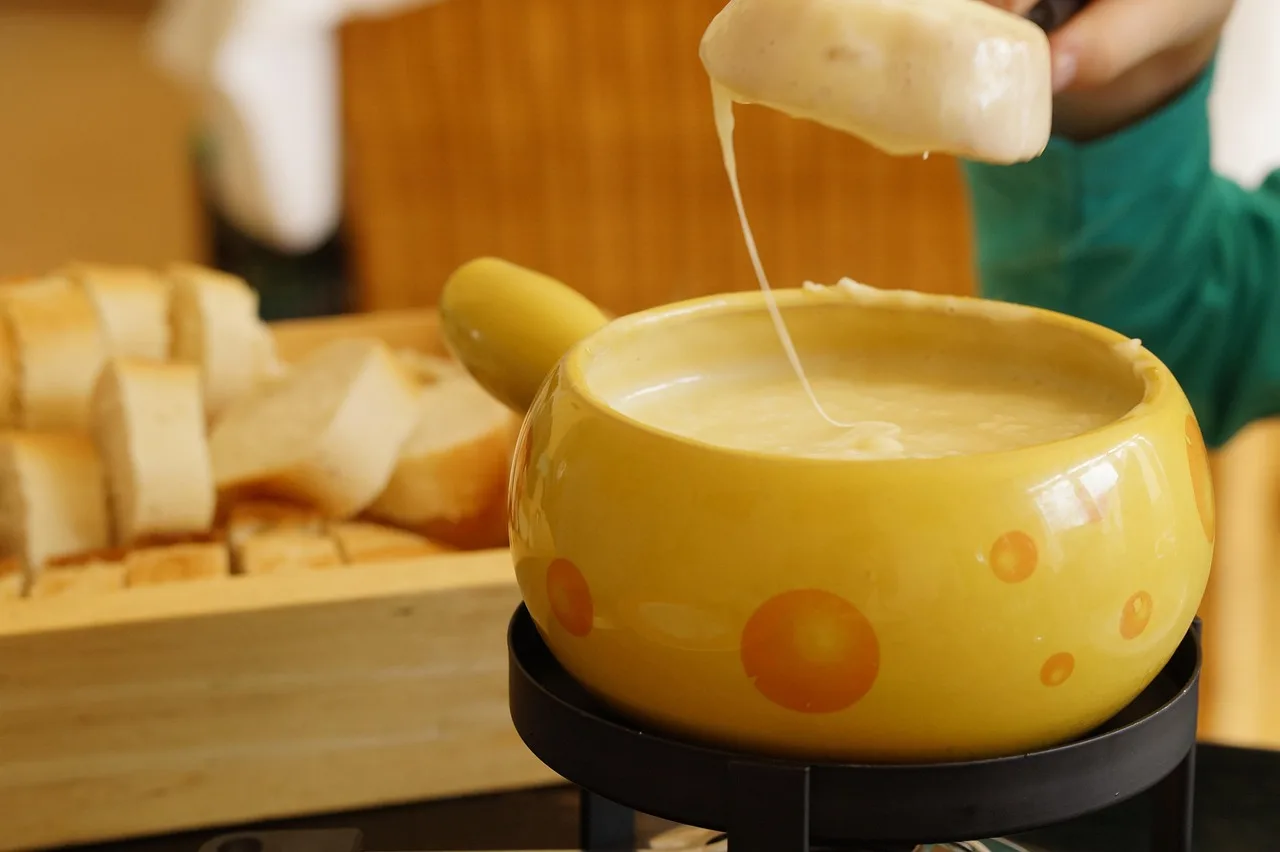
The split is simple: a fondue pot keeps melted cheese or chocolate warm at the table, while a slow cooker cooks food over hours before serving. For Valentine’s Day, the better choice depends on whether you want the meal to feel interactive or mostly hands-off.
Best Valentine’s Day use case
For two people, the Fondue Pot usually fits the occasion better because it makes the meal part of the date. The Slow Cooker wins when the dish itself matters more than the dining ritual, such as stew, chili, or a warm dip cooked earlier and moved to the table only for serving.
Can a slow cooker replace a fondue pot?
A Slow Cooker can stand in for a Fondue Pot only in narrow cases, such as keeping a warm dip at buffet-style temperature after it has already been cooked. It does not match the tighter heat control or table-side feel of a fondue pot, and it is often a poor fit for cheese or chocolate that needs gentle warmth.
Where the substitution works
It works best for thick, sturdy dips, bean-based party dips, chili, and braised fillings that tolerate longer heat. If the goal is only to keep food warm for serving, a Slow Cooker does that well, especially for foods that are less sensitive to small temperature swings.
Where it fails
It fails when the recipe depends on careful melting. Fondue cheese can split if overheated, and chocolate fondue should stay warm, not boil. A Slow Cooker also moves the meal away from the table, which weakens the shared, dip-and-share feel that fondue is built for.
How do temperature controls differ?
Fondue needs gentle, responsive heat, especially for cheese and chocolate. A slow cooker is built for low-and-slow moist heat over long stretches, and it commonly uses low and high settings with cook times of about 4 to 10 hours. That difference matters because fondue is temperature-sensitive in a way braises are not.
Fondue cheese and chocolate heat needs
Fondue cheese should stay smooth and fluid, not cook for long periods. If the heat climbs too far, the sauce can separate or turn grainy. Chocolate fondue has the same basic problem: it should remain warm and fluid, with no boiling, so fruit, marshmallows, and cookies stay easy to dip.
Slow cooker low and high settings
A Slow Cooker is a hands-off countertop appliance for simmering food over time, and that makes it useful for roasts, chili, and stews. Some models include a browning function, but that feature does not turn the appliance into a table service tool for fondue.
Fondue pot decision table
This table breaks down which appliance fits each dish by texture, temperature sensitivity, and serving style. For a small Valentine’s Day meal, the deciding factor is usually whether the food should be dipped at the table or cooked for hours before service.
| Dish type | Best appliance | Reason |
|---|---|---|
| Cheese fondue | Fondue Pot | Needs gentle heat to stay smooth and fluid; prolonged heat risks splitting |
| Chocolate fondue | Fondue Pot | Temperature-sensitive dessert dip that should stay warm, not boil |
| Caramel dip | Fondue Pot | Better for small, controlled servings at the table than long cooking |
| Queso | Fondue Pot | Works as a warm, shared dip when you want the food on the table |
| Stew | Slow Cooker | Built for moist heat over hours, which suits long-simmered dishes |
| Chili | Slow Cooker | Common slow-cooker recipe with a long, steady cook time |
| Roasted-meat dipping sauce | Slow Cooker | Best when the sauce is made ahead and kept warm for serving |
| Dessert dip | Fondue Pot | Small-batch dessert service fits a compact warming vessel |
| Party dip | Slow Cooker | Better for larger, longer-serving batches than a table fondue setup |
| Two-person date night scenario | Fondue Pot | More interactive, more intimate, and better for pacing the meal |
| Two-to-four-person shared service | Fondue Pot | Designed for dip-and-share eating with small groups |
| Hands-off starter before dinner | Slow Cooker | Lets you finish the main task before guests or dinner time arrives |
Which foods belong in each appliance?
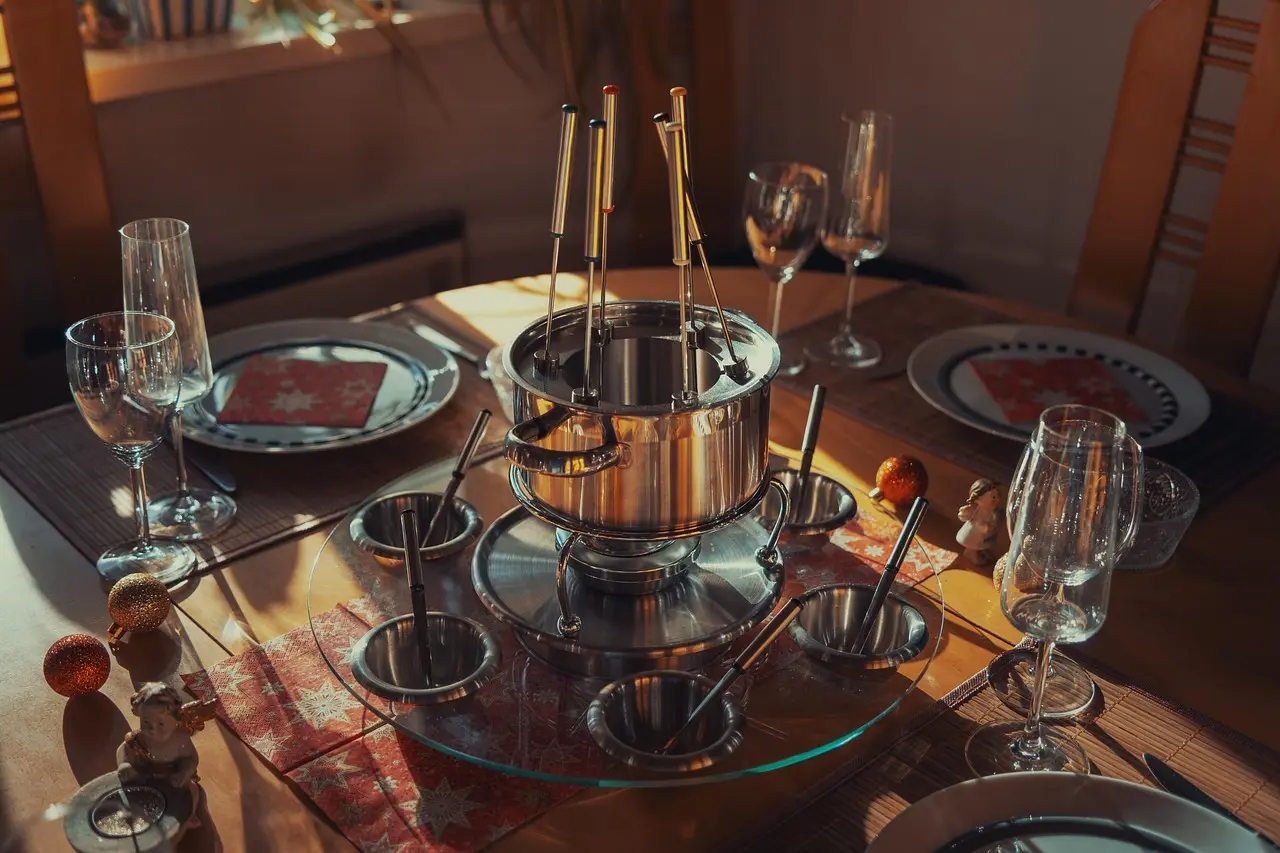
Fondue foods need a warm, fluid serving state right at the table. Slow cooker foods improve through long, moist heat. If the dish is meant for dipping, the Fondue Pot usually fits better; if it is meant to cook down over hours, the Slow Cooker usually wins.
Cheese fondue and chocolate fondue
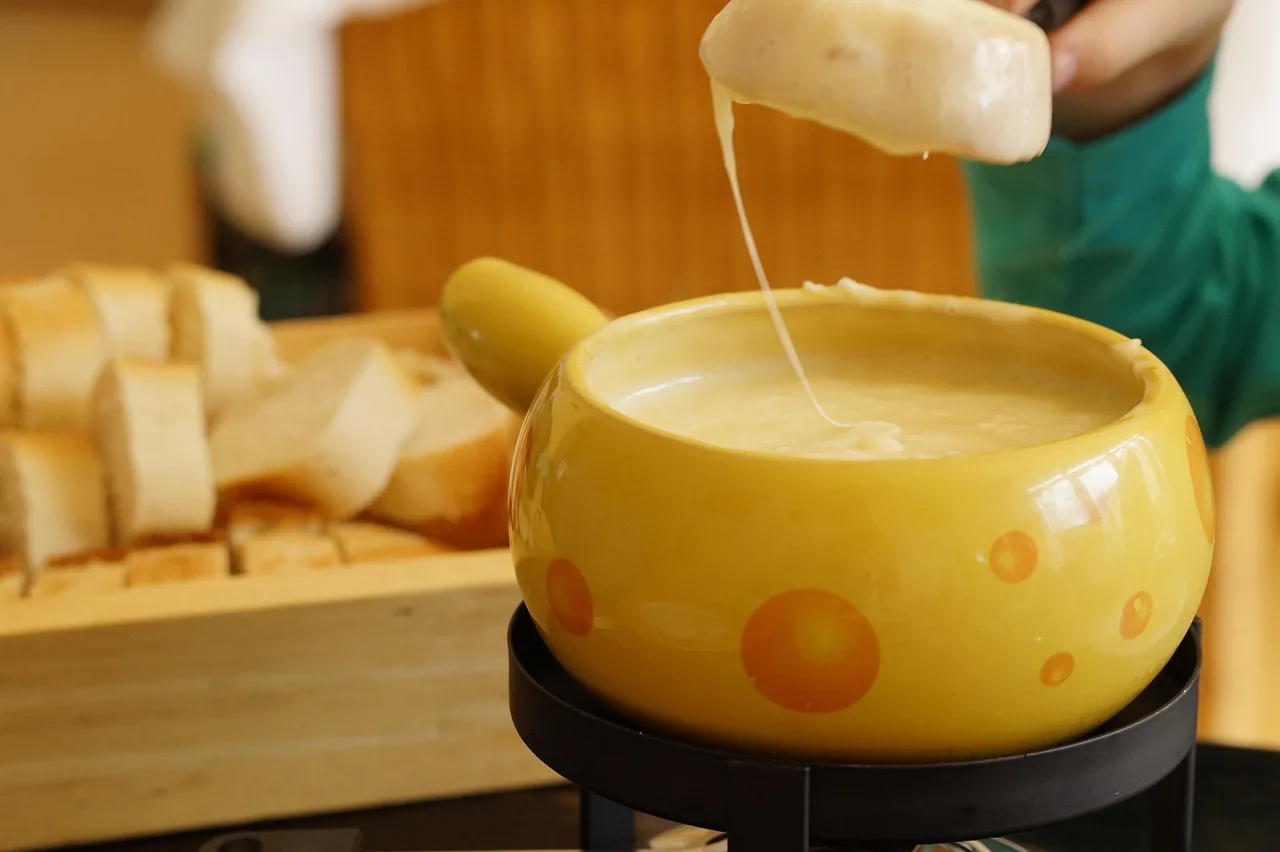
Cheese fondue, chocolate fondue, caramel dip, and queso all favor a Fondue Pot because they are sensitive to heat and best served in small batches. Use bread, fruit, vegetables, marshmallows, or cookies as dippers. Keep the setup compact so the dip stays smooth and the table does not feel crowded.
Stew, chili, and roasted-meat dipping sauce
Stew and chili are classic Slow Cooker dishes because they benefit from long, steady cooking. Roasted-meat dipping sauce also fits because it can be made ahead and held warm for service. These foods are less about the table ritual and more about texture that develops over time.
Dessert dip and party dip
Dessert dip leans toward the Fondue Pot when the goal is a shared, romantic dessert. Party dip, especially bean-based or cheese-heavy batches meant to stay available for longer, fits a Slow Cooker better. The key difference is serving duration: table fondue favors two to four people; party dip often assumes a bigger crowd or longer service window.
Which is better for two people on Valentine’s Day?
For two people, a fondue pot is often the better Valentine’s Day pick because it turns dinner into a shared activity instead of a serving task. It also suits smaller portions, a tighter table setup, and a more deliberate pace. A Slow Cooker can work, but it tends to move the meal toward prep instead of interaction.
Interactive date-night pacing
A romantic home meal often works best when each course gives you something to do together. Fondue creates that pace naturally: heat the dip, choose a skewer, and share bites slowly. That format supports conversation better than a dish that was cooked hours earlier and simply ladled out.
Portions, table space, and cleanup
A fondue pot sized for roughly 2 to 6 diners is usually enough for a two-person table. Keep the batch small, place the heat-safe vessel where both diners can reach it safely, and use a few dippers instead of a large spread. A Slow Cooker is easier to run, but it can dominate the table without adding much date-night energy.
Say your menu is cheese fondue for two, with bread cubes, grapes, and blanched broccoli. A Fondue Pot keeps the cheese warm at the table and lets you eat in small rounds. If that same cheese sits in a Slow Cooker for too long, it is more likely to thicken, split, or lose the clean dip texture.
Suppose you want chili for a cozy February dinner and plan to serve it with cornbread after a few hours of cooking. The Slow Cooker fits that plan, because the meal is built around long heat, not table-side dipping. A Fondue Pot would be the wrong shape for that job, even if the food is shared.

- Enjoy a wide variety of fondue recipes with electric heating
- Includes color-coded fondue forks, support ring, and pot
- Adjustable temperature control dial with cool-touch handles
Choose Fondue Pot if… / Choose Slow Cooker if…
Choose a Fondue Pot if you want a romantic, interactive meal; if your menu centers on cheese fondue, chocolate fondue, caramel dip, or queso; if you need gentle heat at the table; or if the whole point is shared dipping with minimal fuss and a small group.
Choose a Slow Cooker if you want to cook stew, chili, roast-style fillings, or a warm party dip; if you want the food done hours before dinner; if you are fine serving from a kitchen appliance rather than a table centerpiece; or if date night is about the meal itself more than the eating ritual.
Is a fondue pot worth it for a date night at home?
Yes, when the meal is built around interaction. A Fondue Pot is worth it for a date night at home if you want slow pacing, shared bites, and a table setup that feels intentional. It is less useful if you only need a way to keep a soup or braise warm before serving.
Can you make fondue without a fondue pot?
Yes, but you still need gentle heat and close attention. A small saucepan on very low heat, or a heat-safe serving bowl set over a warming base, can work for short service. The important part is to avoid prolonged heating, especially with cheese or chocolate, because the texture can break down quickly.
How do you keep cheese fondue warm without a slow cooker?
Use the smallest heat-safe vessel that will hold the batch, then keep the heat low and steady. A Fondue Pot is the cleaner option because it is made for this job. If you use another pot, keep the flame or burner as low as possible and stir often so the cheese stays smooth.
What foods are best for a fondue pot vs a slow cooker?
Fondue Pot foods are dip foods: cheese fondue, chocolate fondue, caramel, queso, bread, fruit, vegetables, marshmallows, and cookies. Slow Cooker foods are long-cook foods: stew, chili, roasts, braises, and sturdy warm dips. Match the appliance to whether the food is being shared at the table or cooked for hours first.
Which is easier to clean: a fondue pot or a slow cooker?
For plain cleanup, a Slow Cooker often has the edge because the insert is built for larger batches and longer cook times. A Fondue Pot can be very manageable for two people, though sticky cheese or chocolate needs prompt washing. The easier choice depends on how much residue the recipe leaves behind.
Can a slow cooker be used for fondue?
It can hold a warm dip, but it is not the best tool for real fondue service. A Slow Cooker may work for queso or a sturdy cheese dip if the recipe is forgiving, but it is a poor fit for delicate chocolate or classic cheese fondue that needs closer temperature control and a more social setup.
What size fondue pot do I need for two people?
For two people, a compact Fondue Pot is usually enough, and many are sized for roughly 2 to 6 diners. For Valentine’s Day, smaller is better because you want enough room for the dip, a few skewers or forks, and a compact serving arrangement that does not take over the table.
What should you choose for Valentine’s Day dinner, fondue or slow cooker?
Choose fondue if the date is the main event and you want the meal to feel hands-on, shared, and a little theatrical. Choose the Slow Cooker if you are making stew, chili, or another dish that needs hours of gentle cooking. For two people, fondue usually fits the occasion better.
Products related to this article
Sponsored / affiliate links. As an Amazon Associate I earn from qualifying purchases. I may earn additional commission from eligible campaigns.