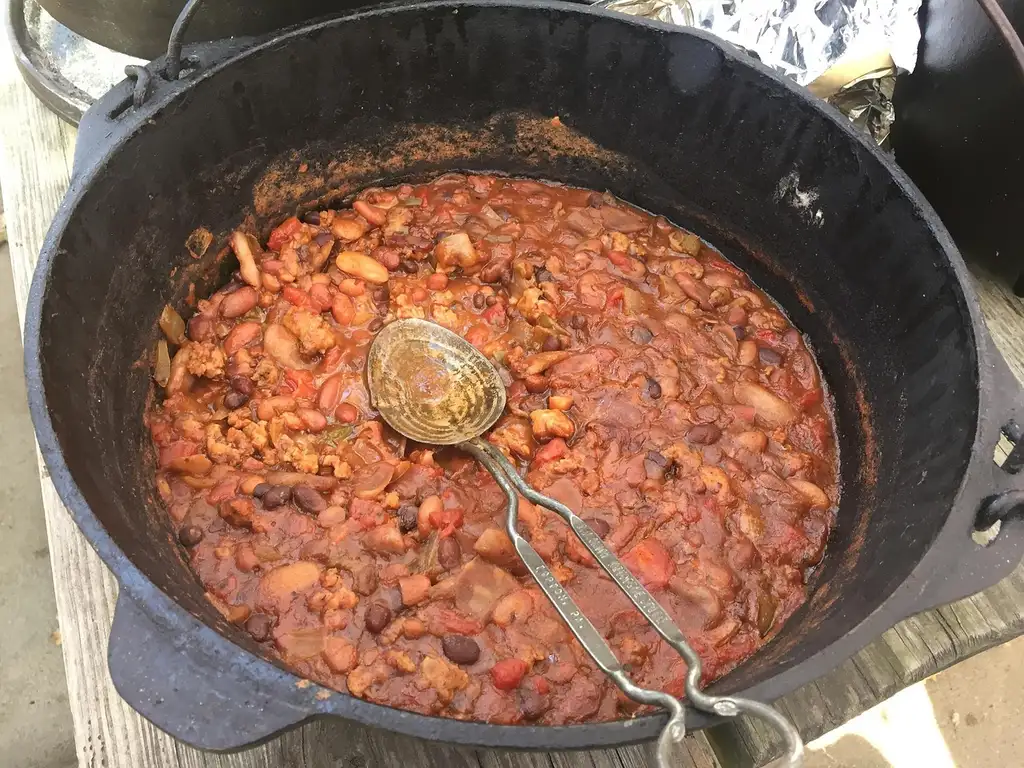
Dutch Oven Review for Romantic Home Cooking: Worth It?
Yes, if you cook dinners for two fairly often and want one pot that handles braises, pasta, and bread well, a Dutch oven is worth it; if you only need quick searing, skip it. I have seen the wrong pot add cleanup, extra stress, and poor heat control. This guide judges Dutch ovens for intimate dinners, compares them with cheaper alternatives, and tells you which size, material, and shape fit two-person cooking.
This guide is part of our Valentine’s Day recipe ideas series.
Verdict

For date night, value comes from calm timing and better plating. A good Dutch oven keeps a short braise steady, holds heat at the table, and lets sauce finish in the same vessel you cooked in. That matters more than brand prestige. The catch is real: it is heavy, takes space, and can be overkill for simple weeknight pasta.
According to Best Dutch Ovens for Braising, Baking, and Beyond (2026) – Bon Appétit — Bon Appétit recommends Le Creuset Signature Round 5.5-Quart Dutch Oven as the best overall pick.
Specs at a glance
| Spec | Le Creuset Signature Round 5.5-Quart Dutch Oven | What it means for date-night cooking |
|---|---|---|
| Material | Enameled cast iron | Strong heat retention, easier cleanup than bare cast iron |
| Size | 5.5 quarts | Comfortable for two with leftovers; larger than needed for some two-person meals |
| Weight | 11.6 lb | Stable on the stove, but heavy for small hands and tight cabinets |
| Interior | Light-colored enamel | Easier to track browning and fond while cooking |
| Heat resistance | 500ºF | Suitable for most oven-finish meals |
| Warranty | Limited lifetime warranty | Useful if you want a long-term purchase |
| Cooktop fit | Gas, conventional electric, induction | Works across common apartment and house setups |

Who it is for
A Dutch oven is best for couples who cook braises, soups, stews, bread, or oven-finished mains and want one vessel that moves from stove to oven to table. It also fits buyers who value low-stress timing more than speed. For date-night cooking, that is the real appeal.
It is less appealing in small kitchens that already feel crowded. The pot and lid take shelf space, and the weight matters if you lift it often to wash or store. Beginners can use one, but the purchase makes the most sense when the cook already knows they will use slow heat and oven finishes often enough to justify the footprint.
Small kitchens and apartment storage limits
In a compact kitchen, size is not a side note. A 5.5-quart pot may be fine for dinner, yet still feel bulky in a shallow cabinet. If storage is tight, a smaller Dutch oven or a different pan may be the better buy unless date-night braises are already part of the routine.
Beginners versus experienced home cooks
Beginners get value from the forgiving heat and one-pot format, but only if they cook slowly and avoid aggressive heat. Experienced cooks get more from the same pot because they are likelier to use browning, oven finishing, and sauce reduction without scorching. The Dutch oven rewards control more than speed.
What works well for date-night cooking?
It works best when the meal benefits from steady heat, gentle moisture, and one-pan serving. That includes braises, short rib or chicken thighs, tomato-based stews, bean dishes, and oven-finished sauces. For a romantic dinner, the strongest value is lower stress: fewer pans, fewer timing problems, and a finished dish that looks composed.
Heat retention matters at the table. A Dutch oven keeps food warm while you plate, pour wine, or finish a side dish. The same pot can carry the sauce from stovetop to oven without a transfer. That reduces mess and keeps the meal looking intentional.
One-pot menu test: starter, main, and sauce flow
- Start with a small sauté of shallot or garlic in the Dutch oven.
- Add a braise base or simmering sauce, then move the pot to the oven if needed.
- Finish the sauce in the same pot, then serve straight from it or spoon onto warmed plates.
This workflow suits a two-person menu because the pot does the heavy lifting and the plating stays simple. A good example is a tomato braise with bread on the side, or chicken thighs finished with olives and herbs. The pot supports a full meal without demanding attention every minute.
Braising, soup, stew, and bread
Popular Mechanics notes Dutch ovens are ideal for long, slow cooking like casseroles, stews, and roasts, and can stand in for a bread maker. I see the same thing in my own cooking. That is why they fit date nights. A braise can start early, sit quietly, and finish with a glossy sauce right before serving.
What does not work well?

A Dutch oven is not the best choice for every romantic meal. It can be overkill for quick pasta, thin pan sauces, or a fast sear-to-plate dinner. The weight also matters when the kitchen is busy, because lifting a hot pot from oven to counter is more awkward than most buyers expect.
There are failure cases too. Sugar-heavy glazes and dairy-heavy sauces can scorch if the heat is too high. Some lids are not meant for the hottest oven use, so broiled finishes need care. Enamel can chip if the pot is knocked against a sink or dropped on a hard surface.
Scorching, chipping, and lid limits
Budget enamel often wears faster, especially if the coating is thin or the finish has defects. Once enamel chips, rust risk rises on exposed cast iron. Lids also deserve attention: tight-fitting lids are excellent for moisture retention, but high-heat use may still have limits depending on the model and the recipe.
Dutch oven vs alternatives: which is the better buy?
The trade-off is simple: a Dutch oven is the better one-pot heat holder, while alternatives can be lighter, cheaper, or easier for faster cooking. For romantic dinners, the right choice depends on whether the meal needs steady oven heat and presentable serving, or just a quick stovetop finish.
| Option | Best for | Main downside | Date-night fit |
|---|---|---|---|
| Dutch oven | Braising, soup, stew, bread, oven-finished mains | Heavy and bulky | Very strong |
| Enameled braiser | Shallow braises and wider surface searing | Less depth for soups and bread | Strong for shallow meals |
| Heavy sauté pan | Quick searing and pan sauces | Less heat retention, less oven-to-table versatility | Good for fast dates |
| Slow cooker | Hands-off stews | Weak browning and less attractive plating | Moderate |
| Budget enameled pot | Occasional low-heat cooking | More chipping and wear risk | Uneven |
Dutch oven vs enameled braiser
Choose a braiser when the meal is shallow and visually plated on top of the food, such as seared chicken thighs or cutlets in sauce. Choose a Dutch oven when you want more volume, more liquid, or bread baking. For two-person date nights, a braiser can be easier to handle, but it is less flexible.
Dutch oven vs heavy sauté pan
A heavy sauté pan is better for fast searing and quick reduction sauces. It is not as good for long oven cooking or deep braises. If the date-night habit is steak and a pan sauce, the Dutch oven may sit unused. If the habit is slow, cozy, plated meals, the Dutch oven wins.
Dutch oven vs slow cooker
A slow cooker reduces attention, but it rarely gives the same browning or table-ready appearance. For a romantic dinner, that matters. A Dutch oven asks for a little more attention, yet it gives better sear, better control, and a more polished plate. If the cook wants aroma and presentation, the Dutch oven has the edge.
Choose Le Creuset if… / Choose something else if…
Le Creuset is the better pick when the buyer wants a long-term pot, lighter interior enamel, and a known premium build. It is a strong fit for cooks who will actually use the pot for braises, bread, and oven-finished mains. Something else is smarter when the budget is tight or the pot will be used only a few times a year.
Choose Le Creuset if…
Choose it if you cook romantic dinners several times a month, want the light interior enamel for easier browning checks, and do not mind the 11.6 lb weight. It also makes sense if you value the limited lifetime warranty and expect the pot to stay in use for years.
Choose something else if…
Choose something else if you mostly cook quick pasta, live with limited cabinet space, or need a lower entry price. If the pot will mostly store rice, canned soup, or leftovers, it is probably too much money and too much weight for the job.
Alternatives

The Lodge Essential Enamel Cast Iron Dutch Oven, 6 Quart, Oyster White is the value choice at $89.90. Based on the spec sheet and owner feedback, it gives broad cooktop compatibility and a large capacity, which makes it appealing for budget-minded couples. The tradeoff is the usual budget risk: thinner enamel, more chance of defects, and less confidence in long-term wear.
For date night, this is the practical pick if you want the Dutch oven format without premium pricing. It is a sensible buy for occasional braises and soups, but it is not the pot to choose if you want the most polished finish or the lowest chance of cosmetic wear over time.

The STAUB Cast Iron Dutch Oven 5.5-qt Round Cocotte is the premium alternative for cooks who like deeper browning and a darker interior. Its black matte enamel can make fond harder to read than a light interior, but it also brings a heavier-duty feel and a strong reputation for browning. The price is high at $299.99.
It suits cooks who are comfortable with heavier cookware and want a serious braising pot for slow, dramatic date-night meals. The downside is simple: it is expensive, the dark interior can be less forgiving for visual monitoring, and the premium price only makes sense if the pot will be used often.
Should you buy it
Buy a Dutch oven if romantic home cooking means braises, soups, oven-finished mains, or bread at least a couple of times a month. Skip it if your date-night routine is fast steak, quick pasta, or small-skillet cooking. Wait if you are unsure, because a heavy pot that sits unused is poor value.
For most two-person households, the best value is a mid- to premium enameled cast iron Dutch oven in the 5 to 6 quart range. That size gives room for two servings and some leftovers without jumping into oversized territory. If the kitchen is tiny, weight is a concern, or budget matters more than finish quality, the cheaper option is often enough.
Two-person decision table
| Dish type | Kitchen size | Stove type | Weight tolerance | Budget | Recommendation |
|---|---|---|---|---|---|
| Braised chicken or short ribs | Small to medium | Gas or induction | Comfortable with heavy pots | Mid to premium | Buy |
| Soup or stew for two | Any size | Gas, electric, or induction | Moderate | Midrange | Buy |
| Bread baking | Medium or larger | Any oven-safe setup | High | Premium preferred | Buy if frequent |
| Quick pasta with thin sauce | Small kitchen | Any | Low | Any | No-buy |
| Occasional weekend meal only | Tight storage | Any | Low | Budget only | Wait |
Mini date-night menu test using one pot and one lid
- Sauté shallot and garlic in the Dutch oven.
- Add chicken thighs or mushrooms, then brown lightly.
- Pour in wine, stock, or tomato sauce and fit the lid tightly.
- Move the pot to the oven for gentle finishing.
- Rest briefly, then serve from the same pot or plate neatly.
This format works because it keeps the meal in one vessel, limits cleanup, and gives the table a finished look. It also shows the real test: if the cook enjoys this workflow, the Dutch oven earns its space. If the pot feels heavy, awkward, or too large, the answer is probably no.
Frequently asked questions
Is a Dutch oven worth it for romantic home cooking?
Yes, if the goal is low-stress meals for two that benefit from slow heat, oven finishing, and good table presentation. It is less useful for fast dinners. The value comes from calm timing, steady cooking, and fewer pans, not from brand prestige or kitchen display.
What can you cook in a Dutch oven for a date night?
Best choices include braised chicken, short ribs, beef stew, bean dishes, tomato sauces, and bread. The pot also works for soups and oven-finished mains that look polished when served. It is less compelling for quick pasta, delicate fish, or thin sauces that do not need heavy heat retention.
What size Dutch oven is best for two people?
A 5 to 6 quart pot is the safest all-around size for two people, especially if leftovers matter. Smaller sizes can work for lighter meals, but they leave less room for braising liquid and bread dough. If cabinet space is tight, size down only if you cook small portions often.
Enameled or bare cast iron: which is better for home use?
Enameled cast iron is usually easier for home cooks because it does not need seasoning and is simpler to clean. Bare cast iron can be excellent, but it asks for more maintenance and is less forgiving with acidic foods. For date-night cooking, enameled cast iron is the easier fit.
How much should I spend on a good Dutch oven?
Spend according to how often you will use it. Budget models can work for occasional meals, but better enamel and stronger construction matter if the pot will live on your stove or in frequent oven use. For regular romantic cooking, midrange to premium usually gives the best balance of durability and finish.
Can I use a Dutch oven on induction or electric stoves?
Yes, many Dutch ovens work on gas, conventional electric, and induction stovetops. That broad compatibility is one reason they are easy to recommend for mixed households and apartments. Just make sure the base is flat and the pot is allowed for your oven temperature if you plan to finish meals in the oven.
Products related to this article
Sponsored / affiliate links. As an Amazon Associate I earn from qualifying purchases. I may earn additional commission from eligible campaigns.