How Much Does a Valentine’s Day Dinner for Two Cost?
A homemade Valentine’s dinner for two often costs about $25 to $100, with many couples landing around $40 to $60 for a simple entrée, side, dessert, and drinks. Skip planning, and dinner can turn into takeout that costs more and feels less personal. This guide breaks down budget, midrange, and splurge tiers and what each buys.
Typical cost range
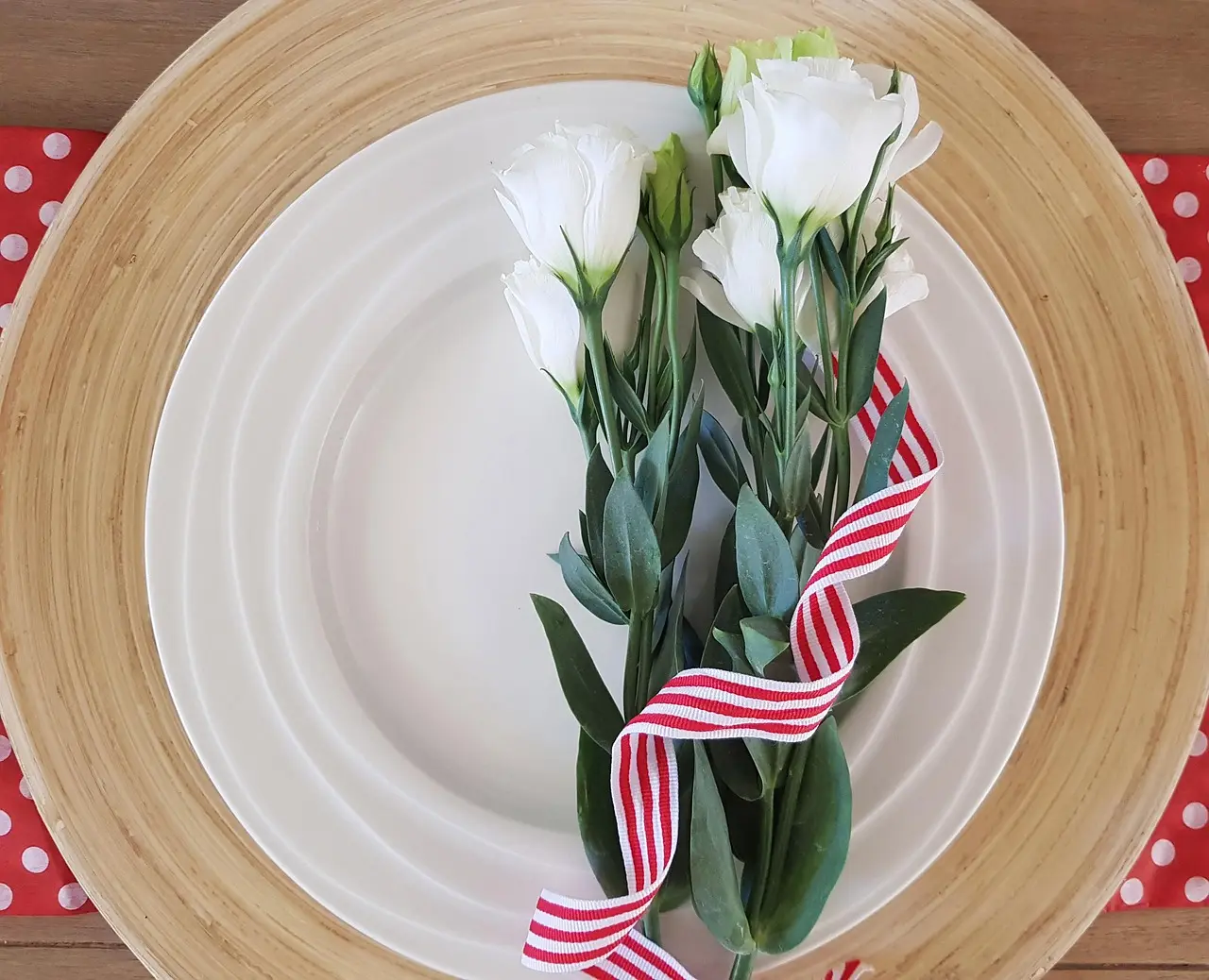


For a couple, a frugal home dinner is often around $25 to $40, a mid-range menu around $45 to $70, and a splurge spread around $80 to $100 or more. The biggest swing comes from the main course, then drinks, then extras like herbs, butter, garnish, and delivery if you order a box instead of cooking.
What counts as frugal versus fancy
A frugal dinner keeps the menu tight: one starter or none, a lower-cost main such as pasta, chicken, or vegetarian, one shared dessert, and a budget drink. A fancy dinner usually adds steak or seafood, a plated starter, a bought bottle of wine or sparkling wine, and a more polished dessert or pairing.
Which parts of the menu move the total most?
The main course usually moves the total most because protein choice changes the bill fast. Seafood and steak push the total up, while pasta, chicken, and bean- or vegetable-based mains usually keep it down. Drinks can add another $8 to $30 per couple, depending on whether you pour what is already in the house or buy a bottle.
Valentine’s dinner cost calculator
This table gives a realistic per-couple cost map. The exact total depends on protein, whether you serve a starter, and whether you buy wine or use what you already have. Extras cover small but real costs such as butter, oil, herbs, citrus, chocolate shavings, and candles.
| Tier | Starter | Main | Dessert | Drinks | Extras | Total for two |
|---|---|---|---|---|---|---|
| Frugal | $0 to $4 | $12 to $18 | $4 to $7 | $4 to $8 | $2 to $4 | $25 to $40 |
| Mid-range | $4 to $8 | $20 to $35 | $6 to $10 | $8 to $16 | $4 to $8 | $45 to $70 |
| Splurge | $8 to $15 | $35 to $55 | $8 to $15 | $15 to $25 | $5 to $10 | $80 to $100+ |
Frugal tier line items
A frugal tier works best with a simple salad or soup starter, chicken thighs, pasta, or a vegetarian main, a shared dessert, and one modest drink choice. It fits couples who want a nice meal without paying for a full restaurant-style spread.
Mid-range tier line items
Mid-range pricing usually covers a more polished menu: a light starter, a better cut of chicken or a pasta dish with added protein, a shared dessert, and a bottle of wine or sparkling wine. This is the easiest tier for a dinner that feels planned without becoming expensive.
Splurge tier line items
A splurge tier often includes steak or seafood, a plated starter, a richer dessert, and a bottle with a pairing. The bill rises quickly when you add premium protein, specialty cheese, extra garnish, and bought drinks instead of a bottle already on hand.
What does the main course cost?
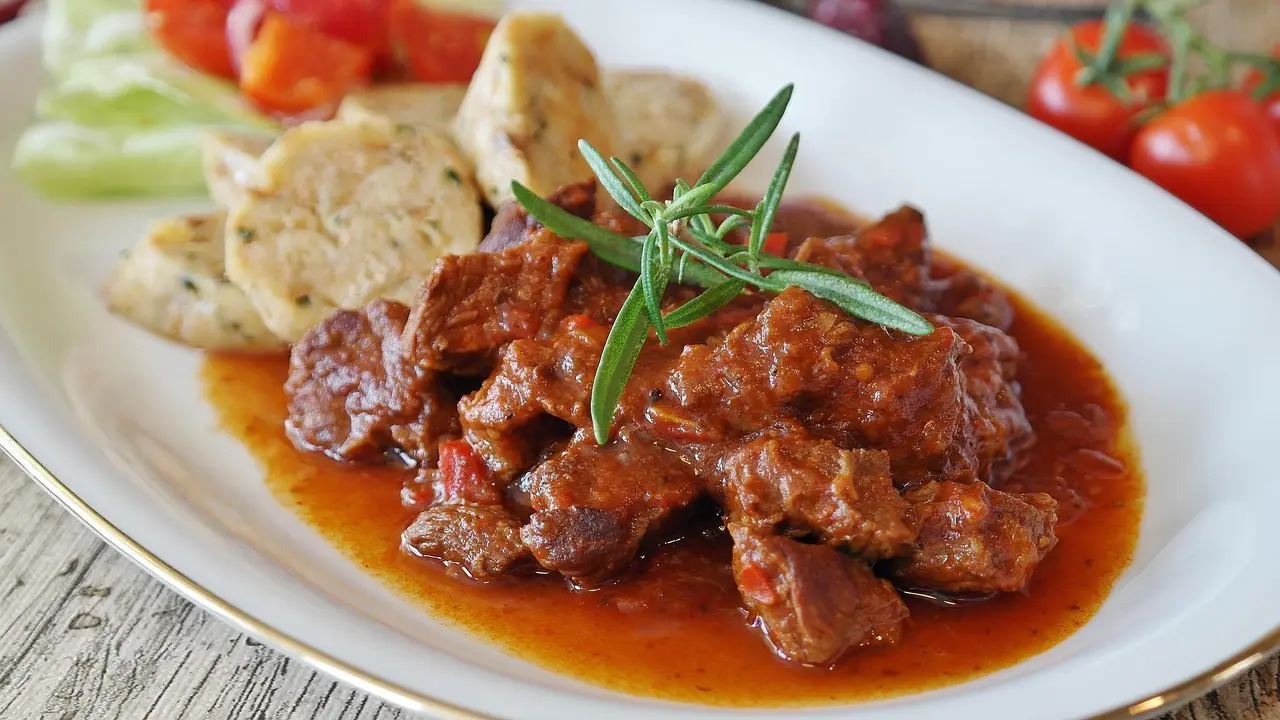
The main course usually sets the tone and the budget. For two people, pasta or vegetarian mains often stay in the lower range, chicken sits in the middle, and steak or seafood usually costs more because the protein itself is pricier and often needs more sides, butter, or finishing ingredients.
Protein choices for two and their price range
Chicken mains commonly fit a lower to mid-range budget because the protein is less expensive and pairs well with seasonal vegetables. Pasta and vegetarian dishes can be even cheaper if the sauce relies on pantry items, cheese, beans, or roasted vegetables. Steak and seafood usually push the bill up fast, especially when the cut or fish is premium.
Steak, seafood, pasta, chicken, and vegetarian cost differences
Steak dinner for two often needs a bigger spend on the protein itself, then another few dollars for a side and sauce. Seafood can cost more than steak if you choose shrimp, scallops, or salmon out of season. Pasta and vegetarian mains stay friendlier to the budget because they stretch with vegetables, grains, and sauce.
How servings and sides change the total
Two servings of protein are not the whole bill. A main often needs potatoes, bread, rice, greens, or roasted vegetables, and those sides add cost even when each item looks small. A sauce made with wine, cream, butter, or fresh herbs can add another few dollars.
Say your plan starts with chicken breasts, roasted potatoes, and green beans. The food cost can stay modest, but swap the chicken for salmon, add asparagus, and buy a bottle of wine, and the same dinner can move into the mid-range or splurge bracket without changing the number of plates.
Starter, dessert, and drinks costs

An optional starter adds a more dressed-up feel, but it also adds cost and prep. Shared dessert is often worth keeping because it feels special without asking for much more food. Drinks can be the quiet budget driver, especially if you buy a full bottle instead of pouring what is already in the cupboard.
Optional starter ideas and their cost impact
A light starter for two can be as simple as a small salad, bruschetta, soup, or a few stuffed mushrooms. Most starter ideas add about $4 to $15, depending on cheese, bread, seafood, or specialty ingredients. Skip the starter if the main is already rich or large.
Shared dessert cost and make-ahead savings
A shared dessert for two usually runs about $4 to $15 in ingredients. Chocolate mousse, brownies, panna cotta, fruit crumble, and baked custards are all easy make-ahead choices, which can save money and reduce stress on the night. Bought dessert is convenient, but homemade usually costs less.
Wine, sparkling wine, and BYOB pricing
Drinks can stay cheap or jump quickly. BYOB can keep the total down if a bottle is already on hand, while buying wine or sparkling wine can add about $8 to $25 or more per couple depending on the label. A single bottle often covers the meal, but pairings or dessert wine increase the total.
A common first-timer mistake is buying premium ingredients for every course. Spend on one centerpiece item, such as steak or a bottle, and keep the rest simple with pantry staples, seasonal vegetables, and a make-ahead dessert.
Is home dinner cheaper than takeout?
Home dinner is often cheaper, but not always by a wide margin. A restaurant-style box for two can compete with a homemade dinner once you add delivery, service charges, and upgrades. Cooking at home usually wins when you already have basics like oil, salt, pepper, and a few herbs.
Takeout dinner box pricing for two
The Eatery Valentine box for two costs CZK 1500. Výčep’s Valentine box for two costs CZK 1450, while its higher-priced option with wine pairings and digestifs costs CZK 1880. Sansho’s Valentine box for two costs CZK 2500, Mlýnec’s Valentine box for two costs CZK 1390, Pasta Fresca’s Valentine box for two costs CZK 790, and U Matěje offers three courses for CZK 690.
Delivery fees and upgrade pairings
Delivery is not always included, and that matters. A box that looks cheaper on the menu can climb once delivery, tip, and drink upgrades are added. Pairings, dessert add-ons, and premium protein upgrades can close the gap between takeout and a carefully planned home meal.
When restaurant-style meal kits beat cooking from scratch
Meal boxes can win on convenience if you want a polished menu without shopping, chopping, and cleanup. They make sense when the price difference is small and your time is tight. Cooking from scratch usually wins when you already own basic ingredients and want more control over portions and flavor.
How seasonal ingredients change the bill
Seasonal ingredients help keep budgets down, especially in winter when stores carry more root vegetables, cabbage, squash, onions, and citrus. Out-of-season berries, fresh herbs, asparagus, and some seafood tend to cost more in February. That makes menu swaps one of the easiest ways to protect both flavor and budget.
Winter produce that helps keep costs down
Carrots, potatoes, onions, cabbage, beets, squash, apples, and citrus are usually safer budget buys in winter. They work well in soups, roasted sides, salads, and desserts, and they can make a meal feel thoughtful without pushing the total up.
Ingredients that tend to cost more in February
Fresh berries, out-of-season tomatoes, tender herbs, asparagus, and premium seafood often cost more in February. Specialty cheeses, truffles, and imported items can also add to the bill. These ingredients are fine in small amounts, but they are easy to overbuy.
Menu swaps that protect flavor and budget
Swap steak for chicken thighs, salmon for pasta with roasted vegetables, or a berry dessert for apple crumble or chocolate pots. Use a small amount of fresh herbs as garnish rather than a full bunch. A short ingredient list helps the meal feel focused instead of expensive.
Time, labor, and planning costs
The real cost is not only money. Prep time, skill level, and cleanup matter, too. GoodtoKnow says cooking from scratch can be cost-effective, seasonal ingredients help keep budgets down, cheaper cuts of meat can save money, and a pressure cooker or slow cooker can help with energy bills.
Prep time by menu style
A pasta or vegetarian dinner can take under an hour if the sauce is simple. Chicken with sides often needs a little more time. Steak and seafood usually require tighter timing, which can make the evening feel less relaxed if you are also plating a starter and dessert.
Skill level and make-ahead options
Choose dishes that match your comfort level. A make-ahead dessert, chopped vegetables, or a sauce prepared earlier can keep the actual dinner-hour work light. The less you have to juggle at the last minute, the more polished the meal feels.
Energy use and cleanup considerations
Long oven time, multiple pans, and repeated reheating can raise the hidden cost. A pressure cooker or slow cooker can help with energy bills and reduce active labor. Fewer pots, fewer bowls, and one plated course at a time usually mean less cleanup and less stress.
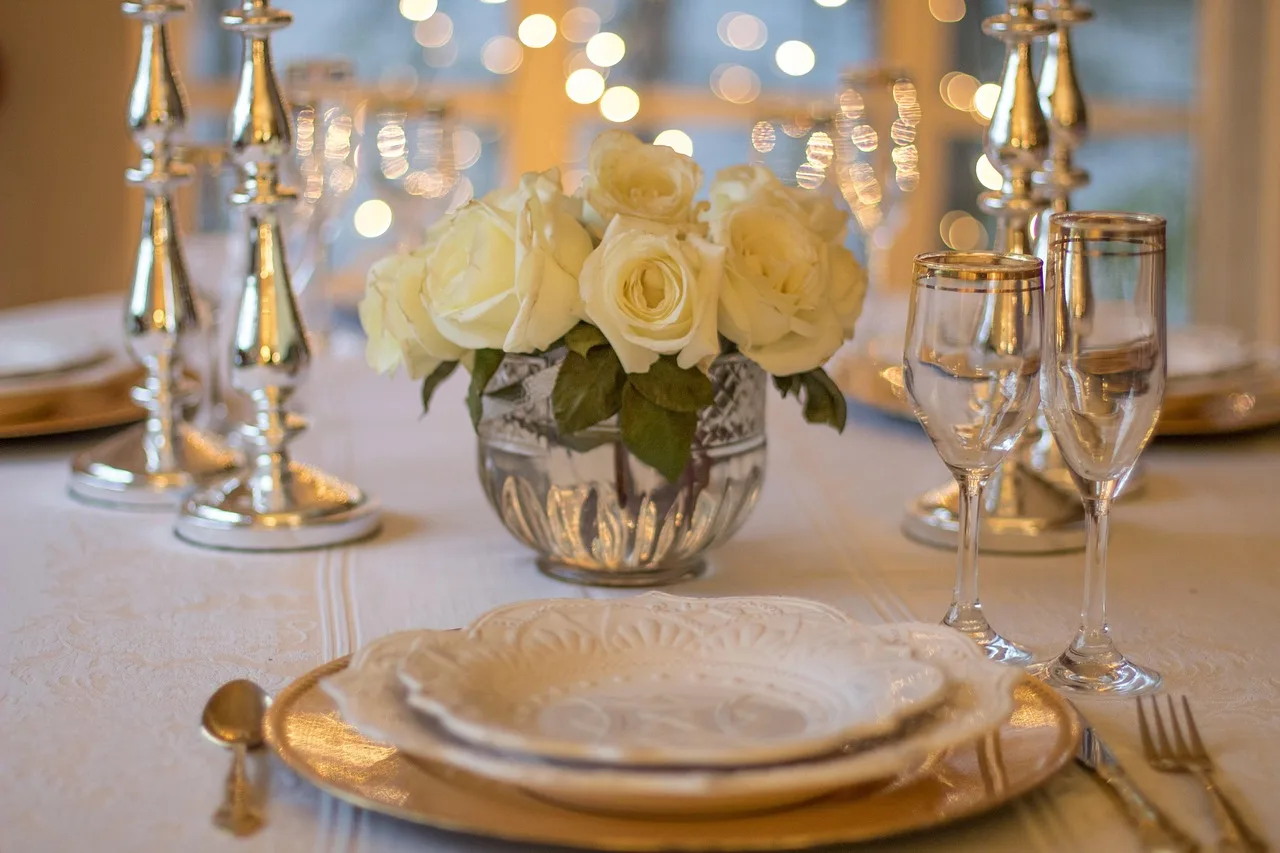
Suppose you want a full romantic dinner for two on a tighter budget. A roasted chicken thigh main, salad starter, chocolate dessert, and one bottle split over two people can stay in the frugal-to-mid-range zone while still feeling deliberate if you use candles and simple plating.
Frequently asked questions
How much does a Valentine’s Day dinner for two cost at home?
A home Valentine’s dinner for two usually costs $25 to $100. Most couples land around $40 to $60 when they include one main, a side, dessert, drinks, and a few extras. Protein choice and whether you buy wine have the biggest effect on the total.
What is the average cost of a homemade Valentine’s dinner for two?
The middle of the range is usually the best estimate: about $40 to $60 for a straightforward homemade dinner. That amount typically covers a modest starter or side, a chicken or pasta main, dessert, and one drink option. Steak, seafood, and premium wine push the average up.
Is cooking Valentine’s Day dinner at home cheaper than ordering takeout?
Often yes, but not always. A homemade dinner can stay below a boxed restaurant meal if you already have pantry staples and keep the menu seasonal. Takeout becomes competitive once delivery, service charges, pairings, and dessert add-ons are included.
How much should I budget for a romantic dinner for two with dessert and drinks?
Budget $45 to $70 if you want a comfortable middle ground with dessert and drinks. That range usually gives you room for a starter or a better bottle without moving into splurge territory. If you want steak, seafood, or premium wine, plan higher.
What ingredients do I need for a Valentine’s dinner for two on a budget?
Start with one affordable protein such as chicken, pasta, or a vegetarian main, then add seasonal vegetables, a simple sauce, and one shared dessert. Use pantry items first: oil, salt, pepper, flour, sugar, butter, and dried herbs. Save fresh herbs and cheese for a small finishing touch.
How do I lower the cost of a Valentine’s Day dinner without making it feel cheap?
Choose one part of the meal to spend on and keep the rest simple. A well-plated pasta, roasted chicken, or vegetable main can feel special with candles, cloth napkins, and one smart garnish. Seasonal produce, a short ingredient list, and a make-ahead dessert keep costs down without looking bare.
Products related to this article
Sponsored / affiliate links. As an Amazon Associate I earn from qualifying purchases. I may earn additional commission from eligible campaigns.